Archive for May 2012
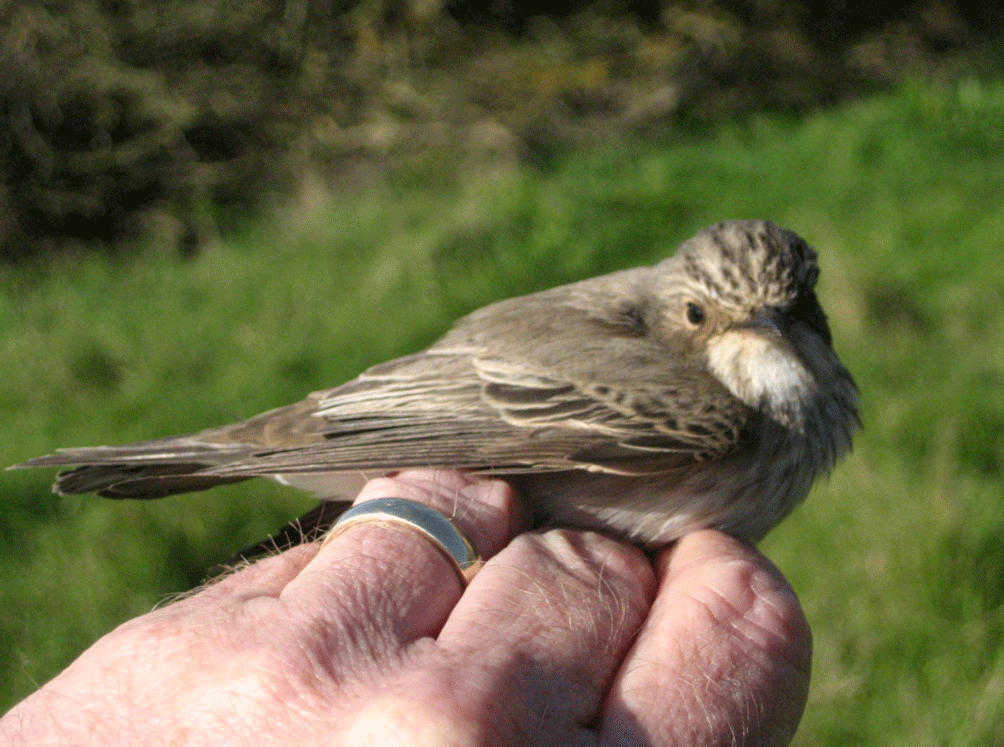
We had another ringing attempt at Durlston, with six of present we decided to ring at both sites. I was lucky and went to the best area, the goat plots which was sheltered from the cold northerly breeze. We trapped 19 birds whereas Shaun and Bob in the garden, only caught five (although that did include a Carrion Crow and Garden Warbler). Our best birds were a Redstart, Spotted Fly and a Green Woodpecker.

One of the last migrants to arrive in spring. We only trapped one Spotted Flycatcher last year.

This Green Woodpecker was caught with its bill was stuffed with ant larvae. The red in the moustachial stripe identifies it as a male.
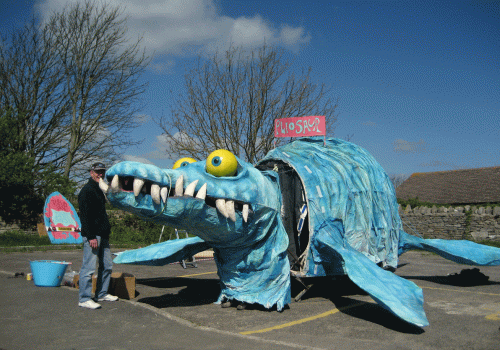
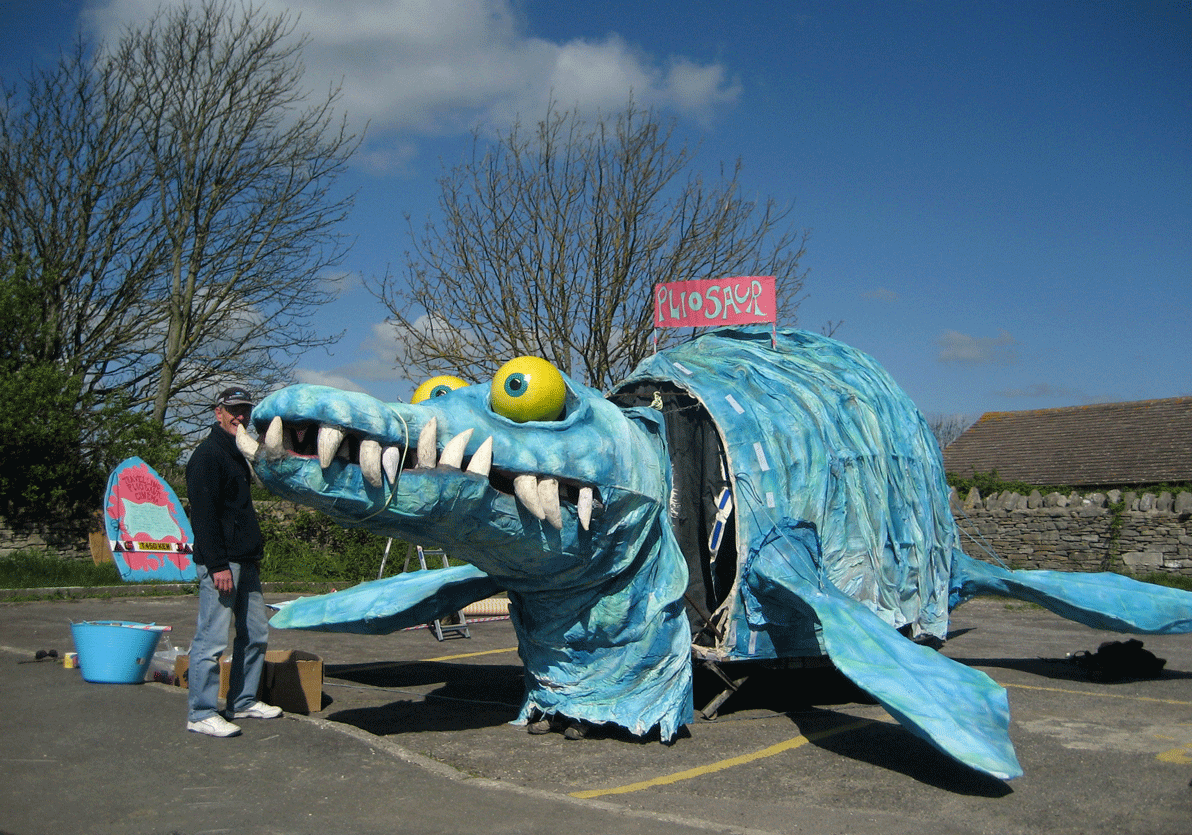
This model Pliosaur contains a little cinema and is touring the area to promote the Jurrasic Coast. I never knew they were bright blue with yellow eyes.
By the time we left at around 1030 it had turned into a warm and sunny spring day, quite unlike the conditions early on. Back home I heard of a Woodchat Shrike at Keyhaven but I was so tired after my 0430 start that I couldn’t face the hour-long drive in traffic. After forty winks and some supper I finally left for Keyhaven at about 1800 and saw the bird distantly from the car park. Woodchats are annual overshoots from the Mediterranean to Dorset and Hampshire but most records are in the spring. I’m glad I made the effort for this one.
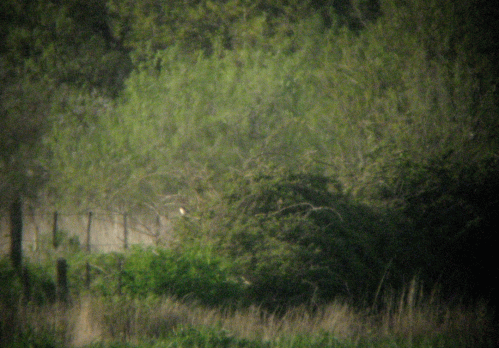
This is a a digiscoped image of the Woodchat (the pale dot on the left of the bush) which just shows how distant it was.
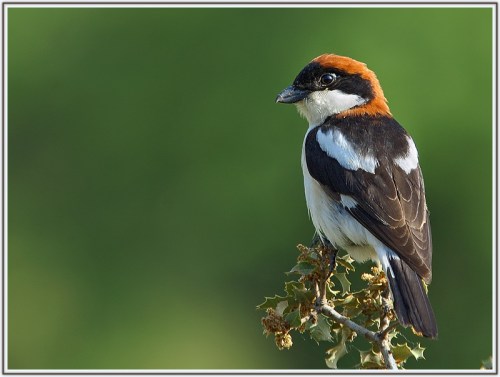
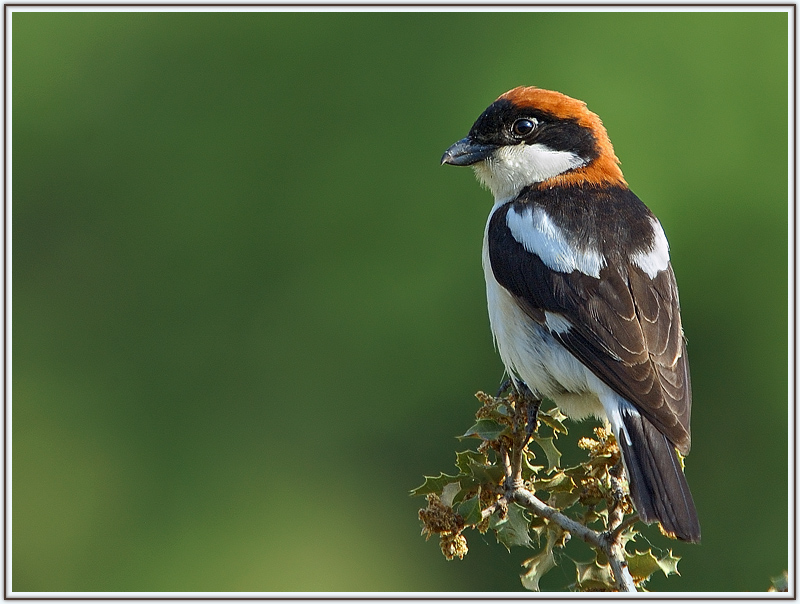
A much closer and sharper picture of a male Woodchat Shrike. Photo from the internet.
I met an old acquaintance there, Ron King, who I have known since the late seventies. Recovering from heart surgery, he is still a keen twitcher, indeed he had just returned that day from East Anglia after twitching an apparent Pacific Swift that wasn’t. He told me of a Wood Sandpiper that he had seen the day before at nearby Pennington marshes so I quickly drove around and although the light was fading, had good scope views of my second year tick of the evening.

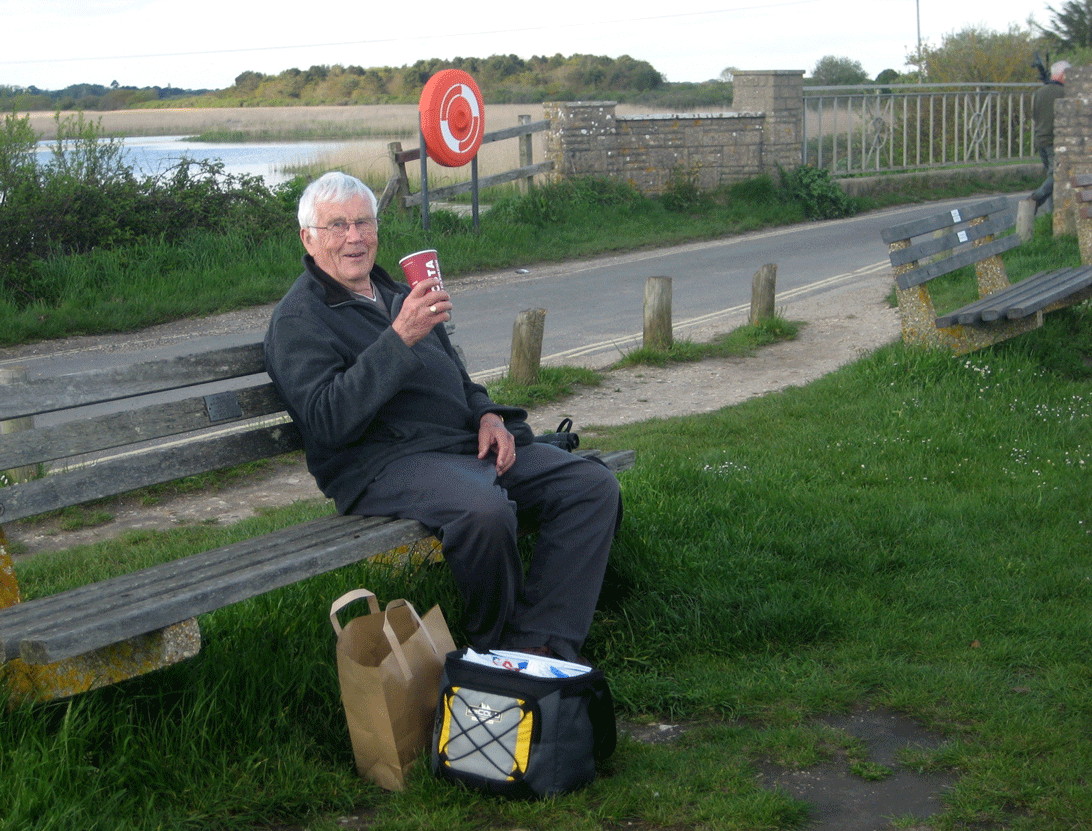
Ron King aka. ‘Chunky’

A digiscoped shot of the Wood Sandpiper. Wood Sands are only encountered on migration and are much commoner in autumn than spring.
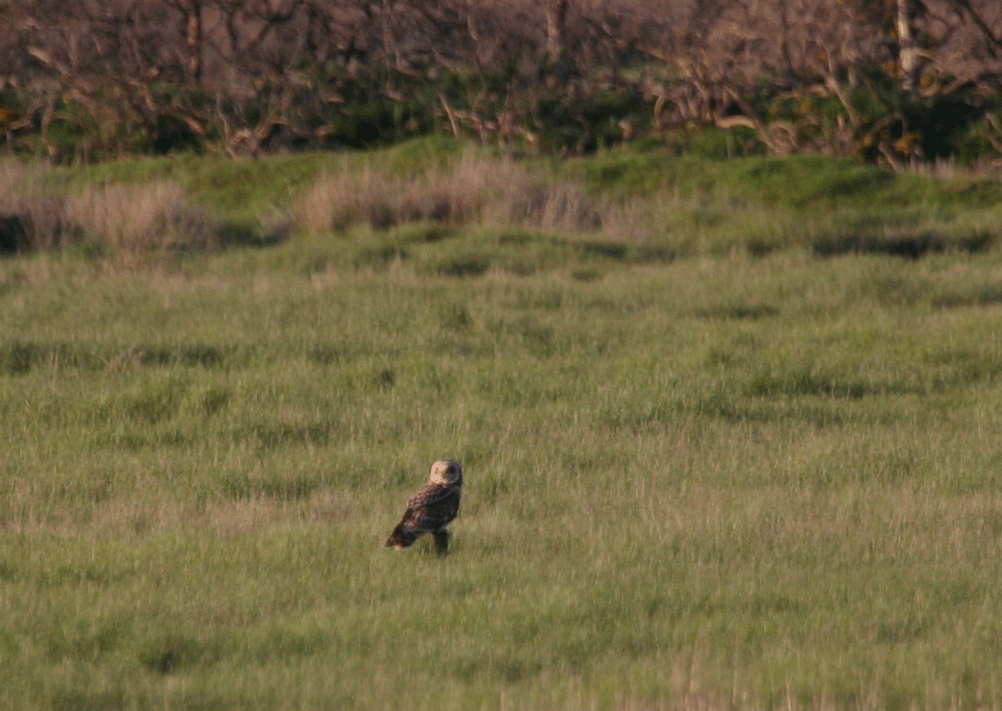
There were many birds around, singing Whitethroats, screaming Swifts, a few Bar-tailed Godwits and Whimbrel overhead and best of all a Short-eared Owl over one of the wet fields.
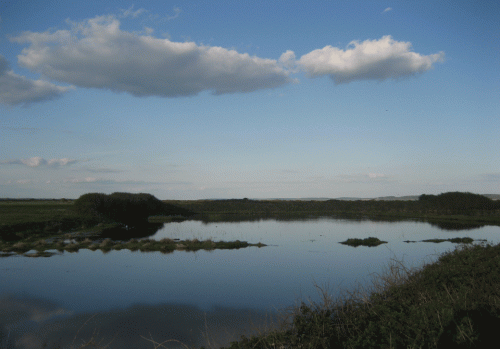
Late evening at Pennington
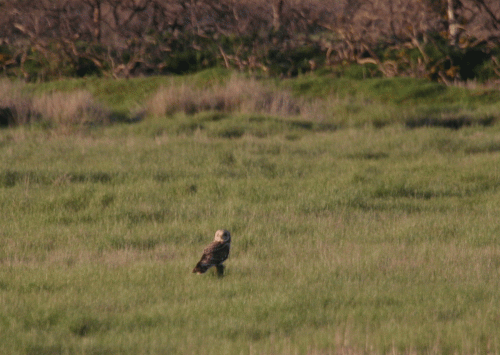
This Short-eared Owl flew off whilst I struggling to get my camera on the tripod!
Amber was staying with us, as Janis and Andy were away for the weekend (Kara was staying with friends), I was back at 2100 to find Margaret and Amber engrossed in a program about a competition to turn celebrities into operatic conductors.
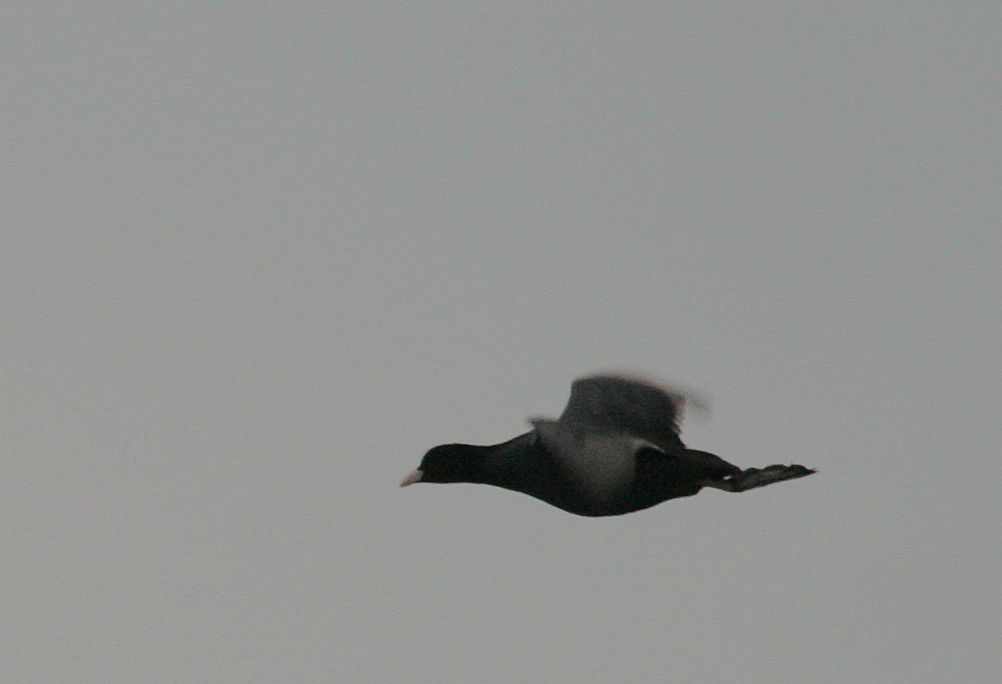
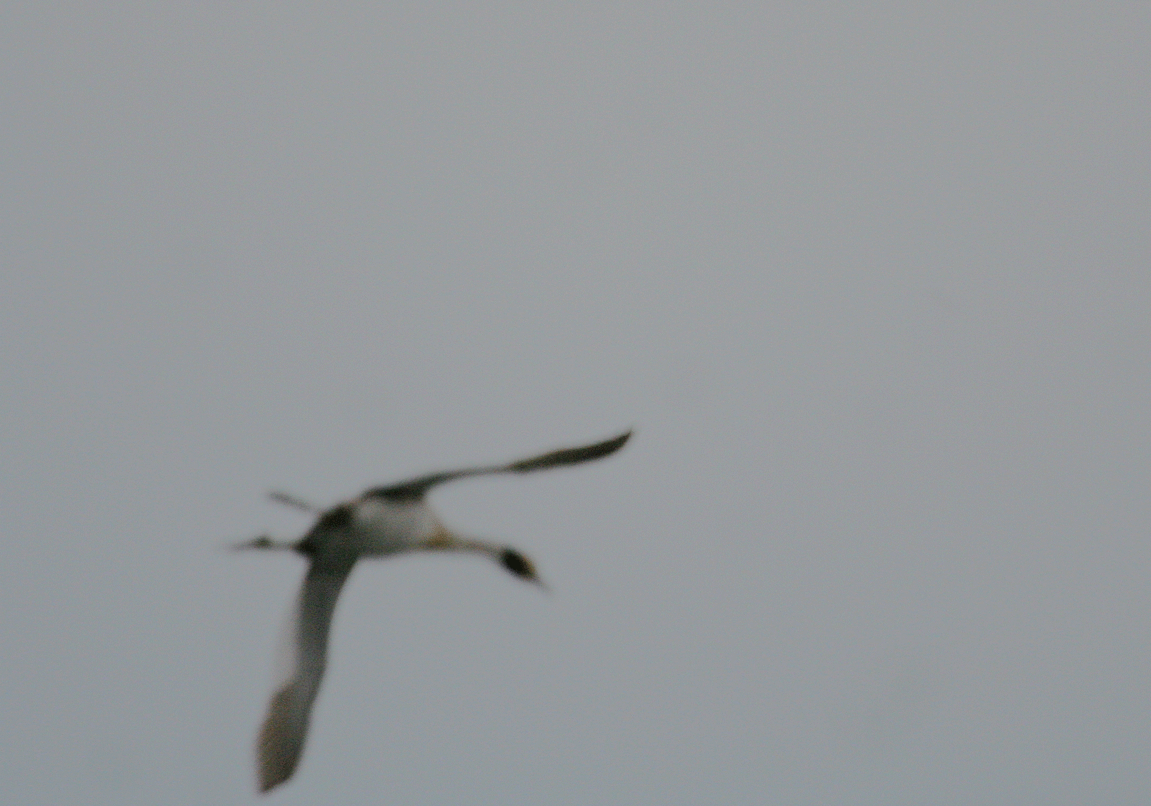
On the evening on the 8thwhilst Margaret went to choir practice, I decided to go birding at Longham Lakes. An unusual race of Yellow Wagtail had been seen that morning but I didn’t expect it still to be there. On arrival I found that a group of canoeists were using the large lake and nearly all the waterbirds had moved onto the small lake. Light was fading but I managed a few photos of birds you don’t usually see in flight like Coot and Great Crested Grebe.
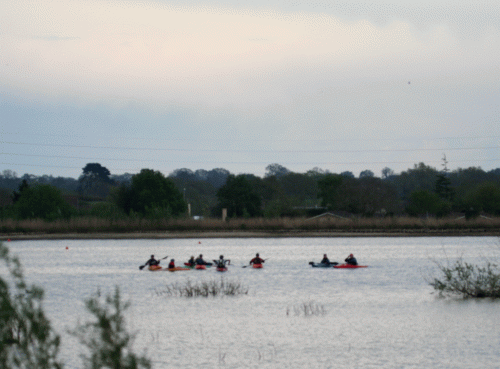
I’m sure they have as much right to use the lake as fisherman or birders, but these canoeists certainly disturbed the waterfowl.
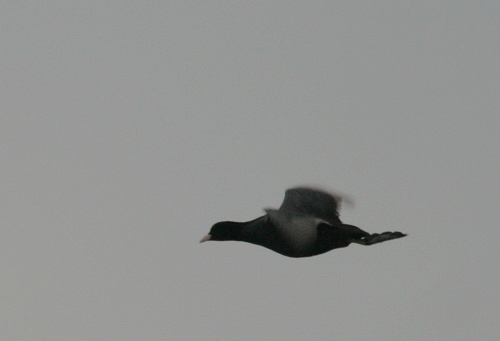
You seldom see Coots flying more than a few feet above the water. Large numbers arrive in winter but I have never seen any on migration.

A poor photo in poor light but it goes does show how ungainly Great Crested Grebes can appear in flight.
Walking back along the causeway a number of Pied Wagtails flew off, presumably to roost and with them was an unusually looking Yellow Wag, presumably the bird in question.
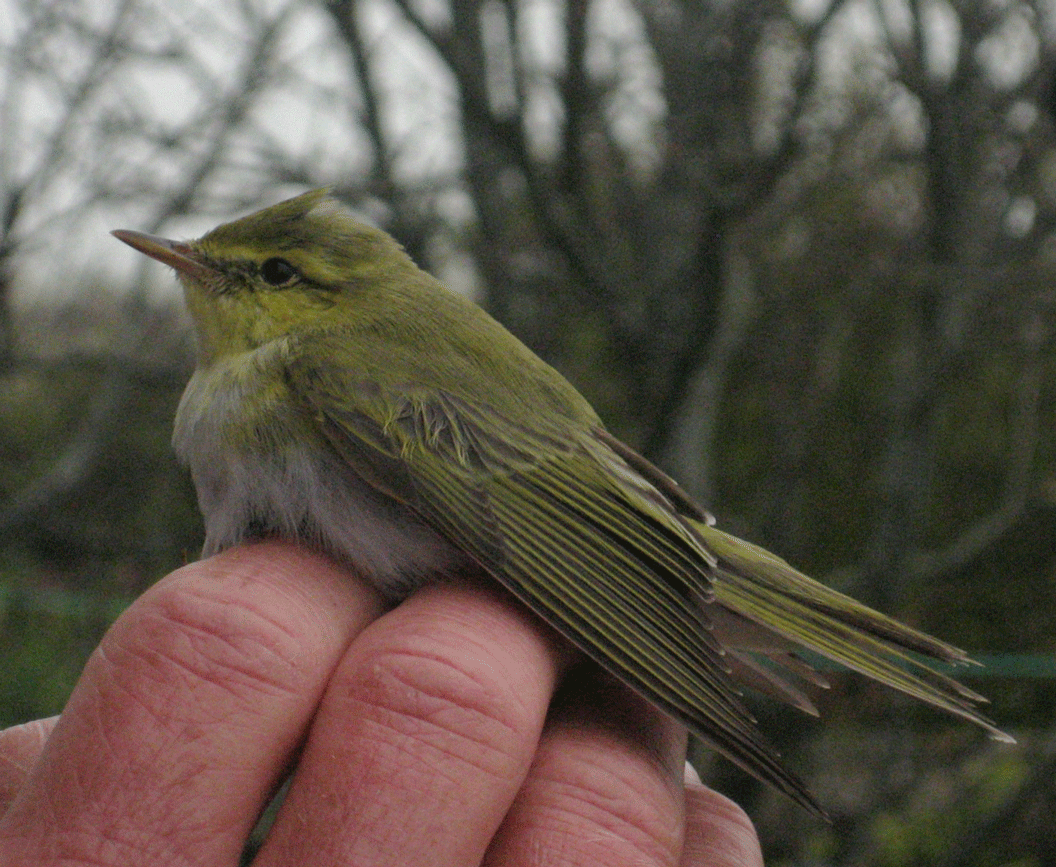
Late on the 9th a vagrant Subalpine Warbler was found at Portland Bill (see http://www.portlandbirdobs.org.uk/) but I was meeting Margaret after work and decided to leave twitching it until tomorrow. On the 10th the weather at Portland was foggy, you couldn’t even see the sea from the Observatory and of course the fog horn blew all day. There was no sign of the Subalpine, although one person may have heard it near the Obs and another may have glimpsed it, however I had compensation in the form of a Wood Warbler that had been trapped moments before I arrived.

The largest of our Phylloscopus warblers, the Wood Warbler is regular in small numbers in ancient woodland, but is seldon seen on migration.

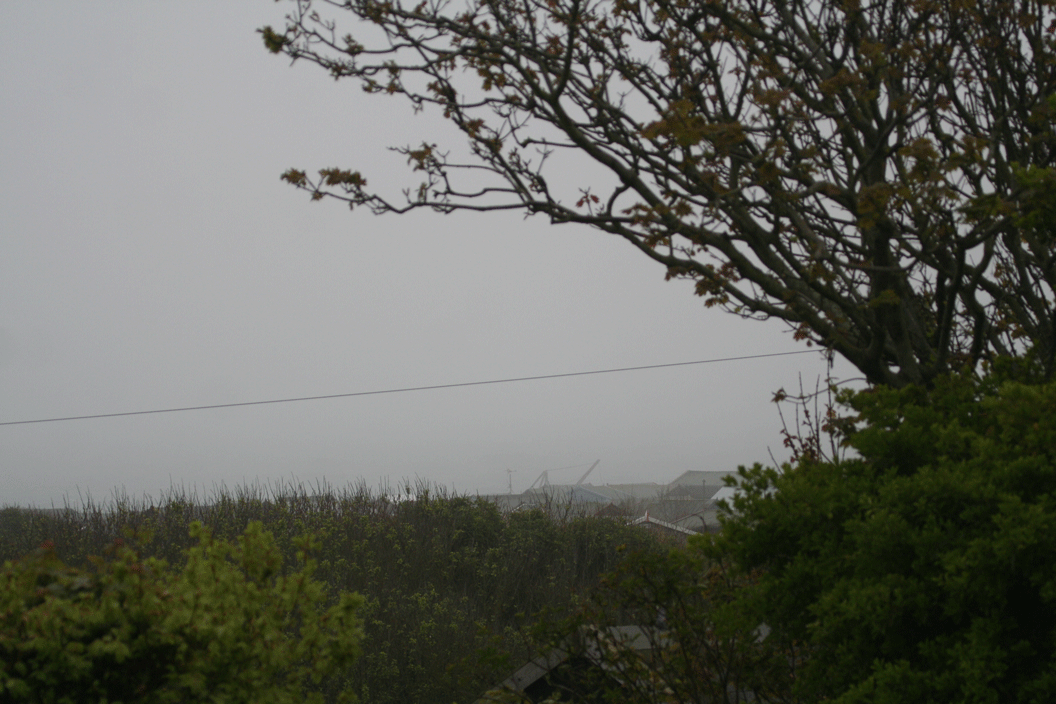
It was hard to see the hut fields, let alone the sea from the Observatory patio
As Martin and Pete were the only ringers, I asked if I could participate and Martin suggested I open the six double panel nets that were furled up in the fields opposite the Obs. I didn’t catch many birds, about a dozen – several of which were retraps, but the selection, Blackcap, Whitethroat, Sedge and Willow Warbler was nice. The ringing session was stopped by a sudden downpour in the early afternoon.

The Crown Estate Fields opposite the Obs are managed for birds. This crop of kale provides cover and invertabrate food for migrants.
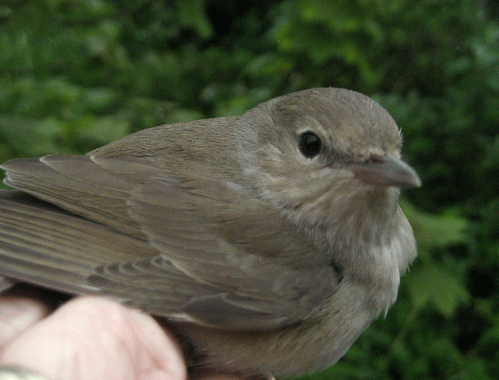
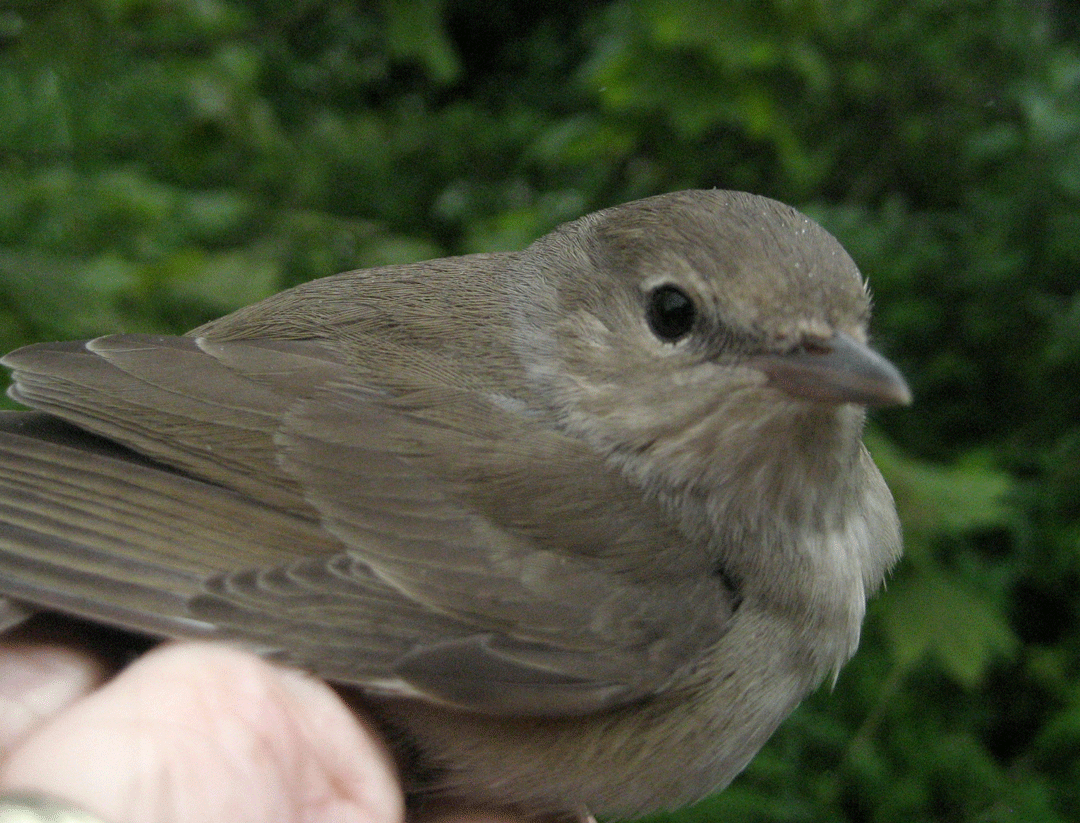
Perhaps the plainest of UKs warblers, but Garden Warblers have a certain charm.
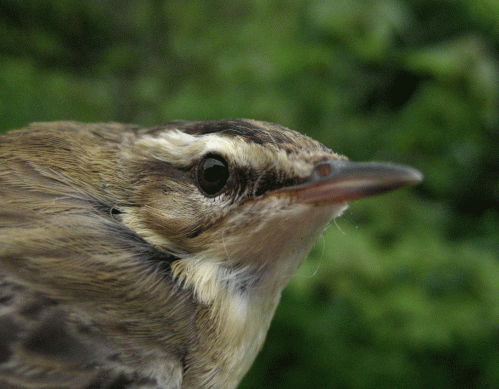
Sedge Warblers are usually encountered in wetland habitats but can be seen on migration in scub and low vegetation.
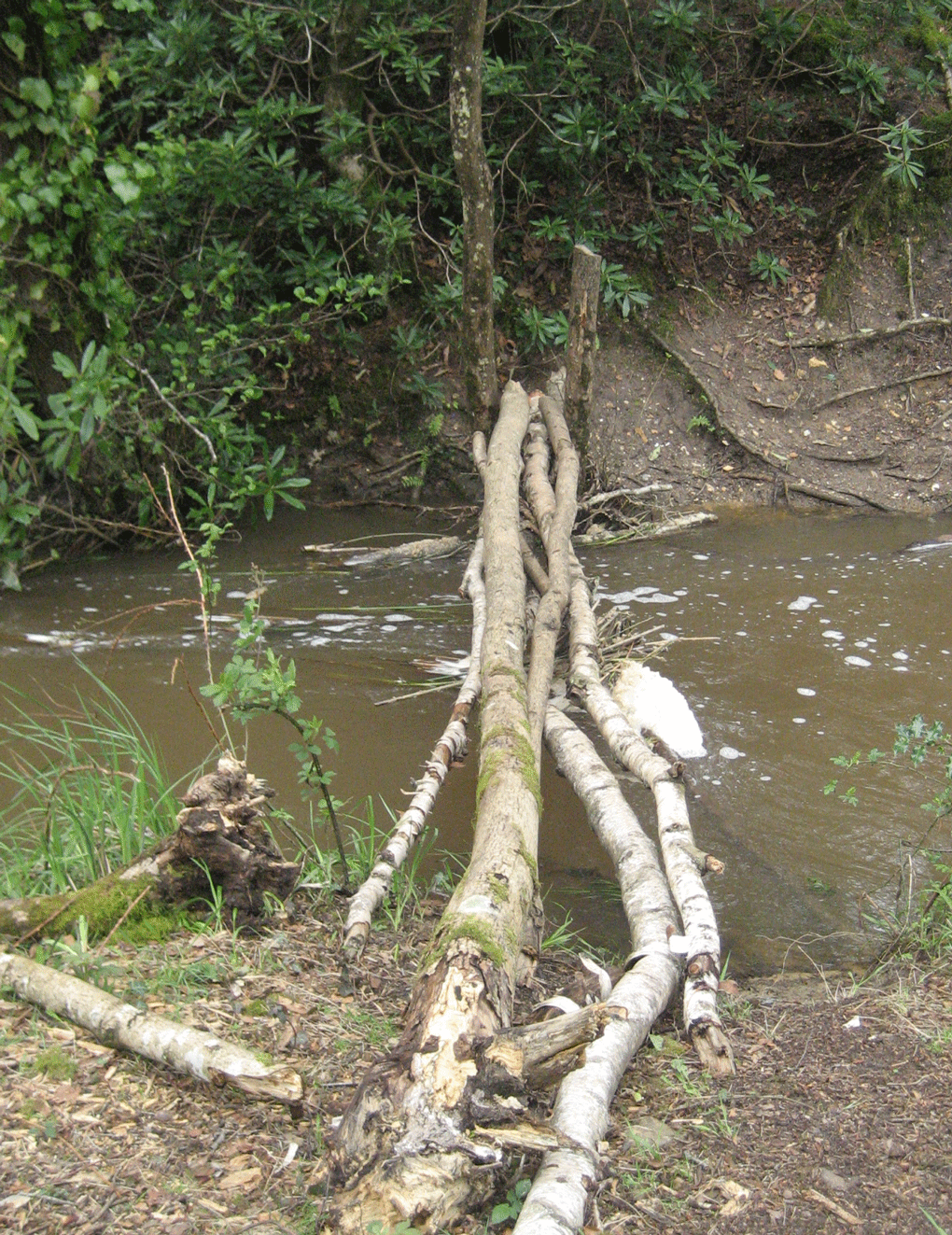
I spent the morning of the 11th at Sherford Bridge / Mordon Bog. Good birds included a couple of Cuckoos (the first I have seen this year), two Hobbies and a pair of Peregrines. There were plenty of Blackcaps and on Mordon Park Lake Great Crested Grebes were incubating on their floating nests. The outflow was very strong and although I tried to cross the nascent River Sherford on a stick bridge, I thought better of it half-way across and had to go the long way round.

The River Sherford is flooding the surrounding area.
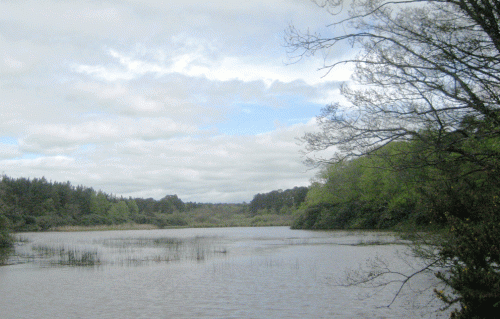
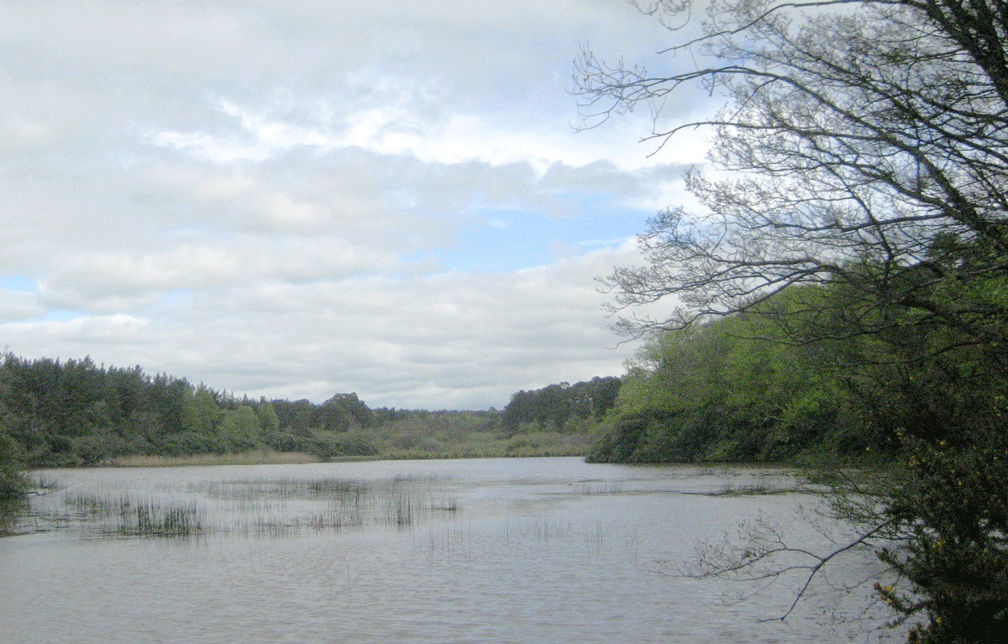
Mordon Park Lake, a secluded refuge for water birds.

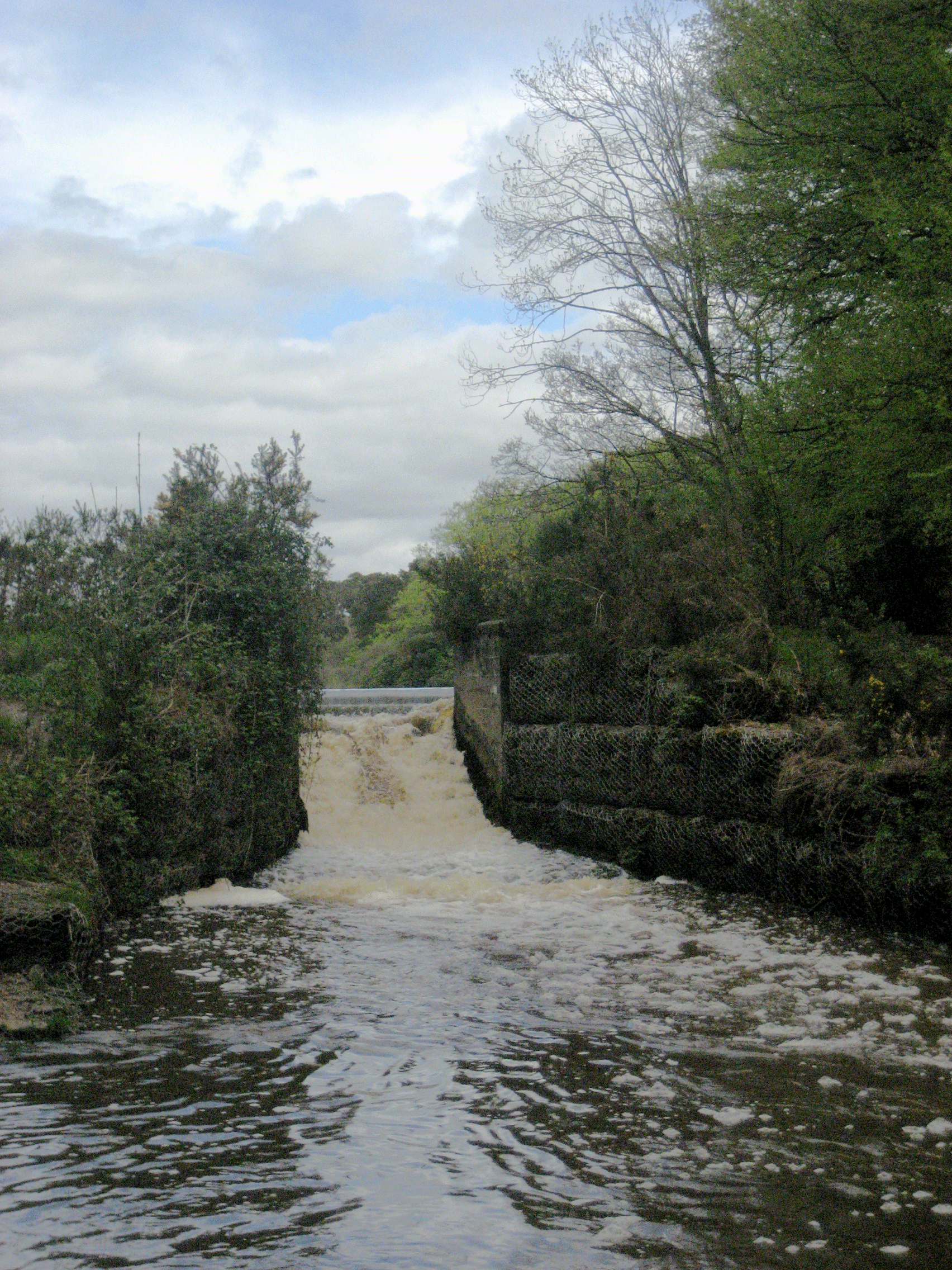
The outfall from the lake, was flowing at full force.

Without anything to hang onto crossing this bridge was difficult and I gave up half way across.
I heard that a Golden Oriole had been ringed at the Bill and I was sorely tempted to head there but Orioles usually move on quickly. However it was seen a couple of times afterwards and if I had gone immediately I might have seen it.
On the 6th I joined Ian Alexander and his colleague Sarah for some ringing at Durlston. Again it was cold with a stiff north-east wind and low cloud. We didn’t catch many birds, 13 to be precise but it was enough to demonstrate some ringing to Sarah. Interestingly we have trapped 14 Common Whitethroats this year, 5 of which have been retraps from last year, showing a high degree of site fidelity. Other good birds seen included two Hobbies and two Black Redstarts.

The first Reed Warbler we have ringed in 2012. This species has an extended migration period with some birds still arriving in June.

This female Blackcap has compacted pollen above its bill picked up on refueling stops on migration. A study is underway to identify the plants concerned and if possible their location.
On Sunday evening we invited Nick and Jackie Hull round for a meal. They moved from Fordingbridge to Upton just three days ago and we thought they would appreciate an evening away from unpacking. We had a pleasant evening discussing many aspects of birding and travel.
Nick and Jackie run a local birding company called TwO Owls Birding, see http://www.twoowlsbirding.co.uk/www.twoowlsbirding.co.uk/Home.html
All of Monday was spent doing jobs at home. Janis, Andy, Amber and Kara, on hearing there was cottage pie and apple crumble on offer, came round for dinner.
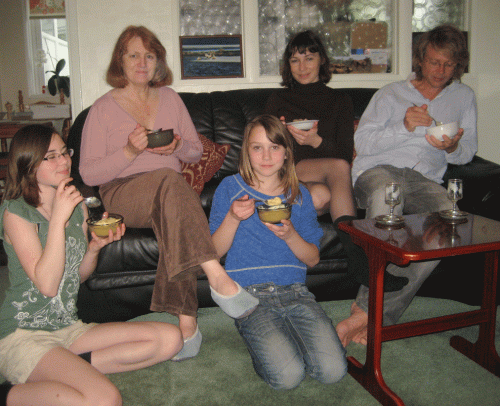
I know its stating the obvious, but Amber and Kara are look more grown up every time I see them.
With rain overnight and the wind dropping to a light southerly breeze, the 8th promised a lot, but delivered little at Durlston. As on Sunday we ringed few birds, but we did retrap both the Lesser Whitethroats we have caught this spring and showed them to be a breeding pair.
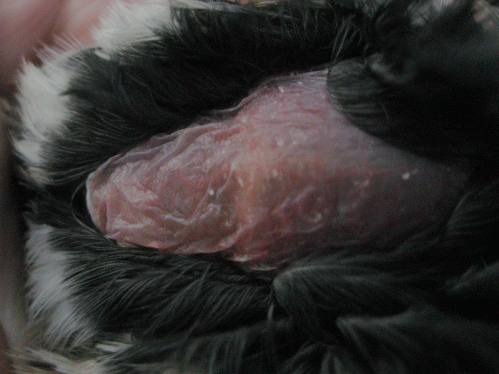
Some birds can be sexed on plumage and others on measurements, but in spring most female passerines lose belly feathers and form a vasculated brood patch to aid incubation, this allows almost all species to be sexed at this time. This Dunnocks brood patch was hard to photograph as with the camera in the way I couldn’t blow on the belly to reveal the patch!
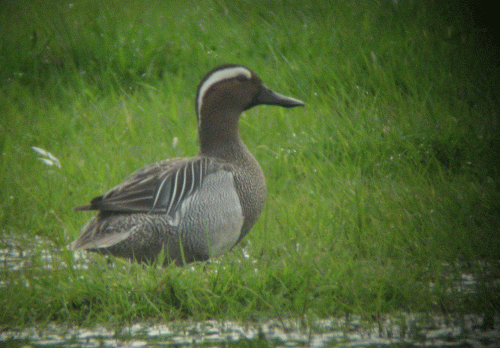
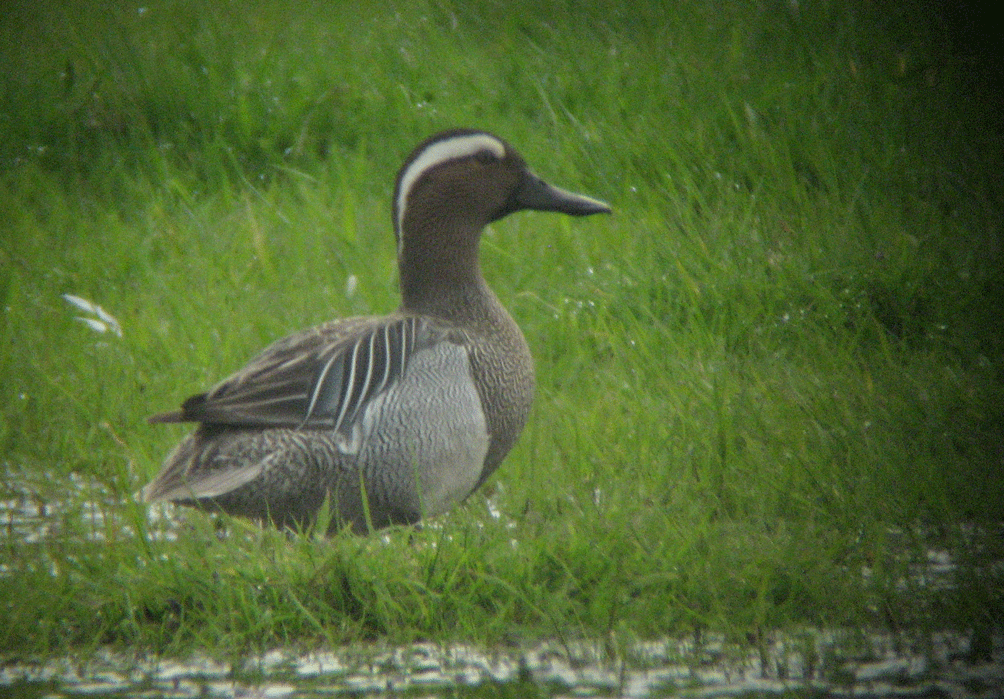
I called in to Swineham on the way home and had great views of this Garganey male and also a Hobby.
Saturday was cold and grey with a strong north-east wind and it really was colder today than at Christmas!. Margaret was busy with an all-day choral workshop, ringing was out of the question and it didn’t look promising for a visit to Portland. I thought it would be a good idea to visit Brownsea Island, after all I could get shelter in the hides.
On arrival I found that most of the waders were congregated at the north end of the lagoon which meant looking into the icy blast through the open windows of the hide, being as it is May not January I wasn’t wearing thick gloves or thermals! There were plenty of summer-plumaged Dunlin, Bar-tailed and a few Black-tailed Godwits, the odd Greenshank, Whimbrel and best of all a partial sum plum Curlew Sandpiper which was a new bird for the year.
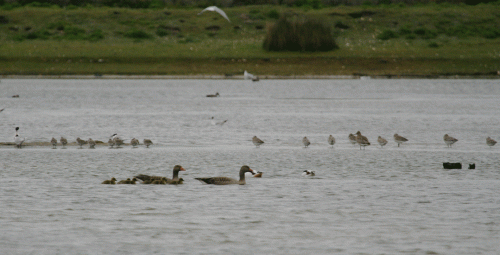
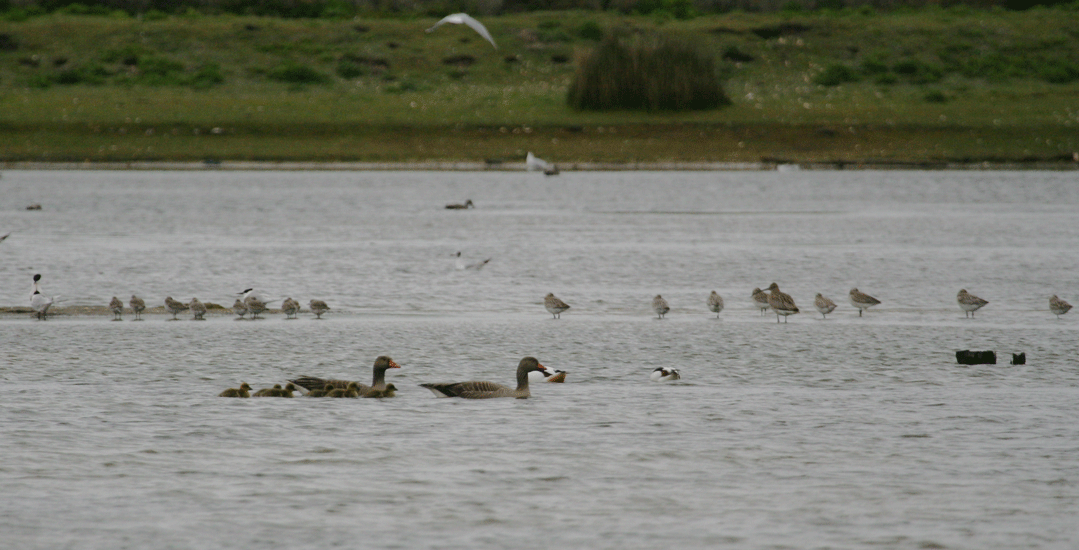
Greylag Geese with goslings with various waders and terns behind.
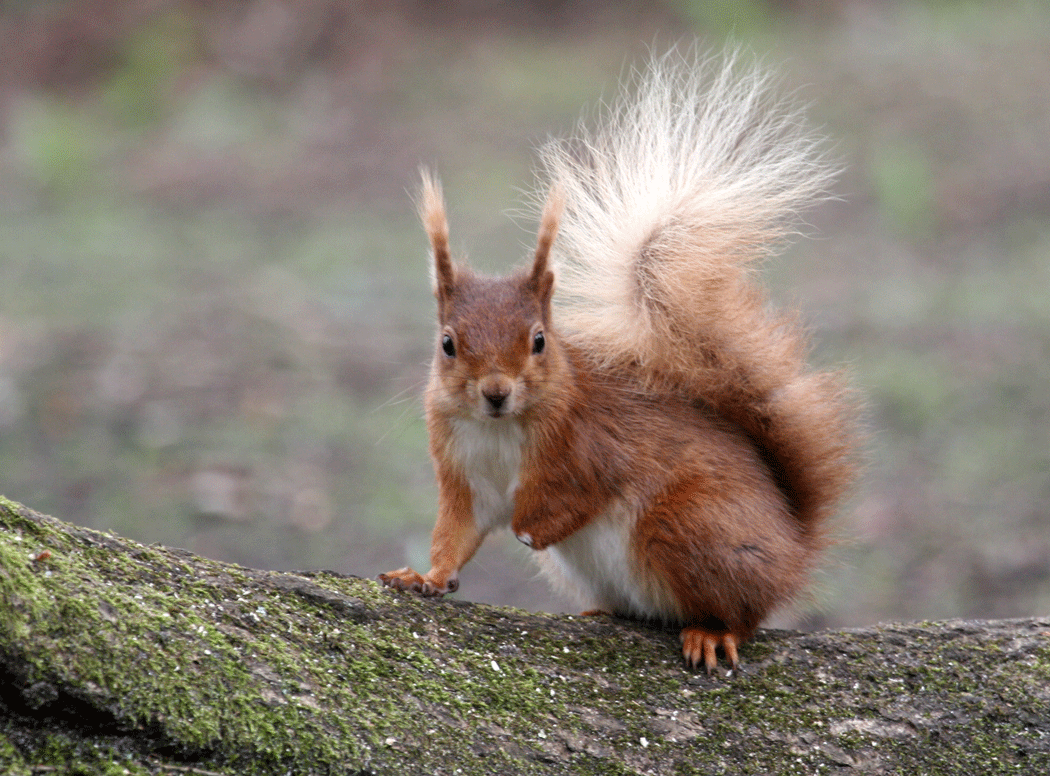
Sandwich Terns were already sitting on eggs in front of the hide, although Common Terns had yet to nest and several Red Squirrels put a good show by the Villa.

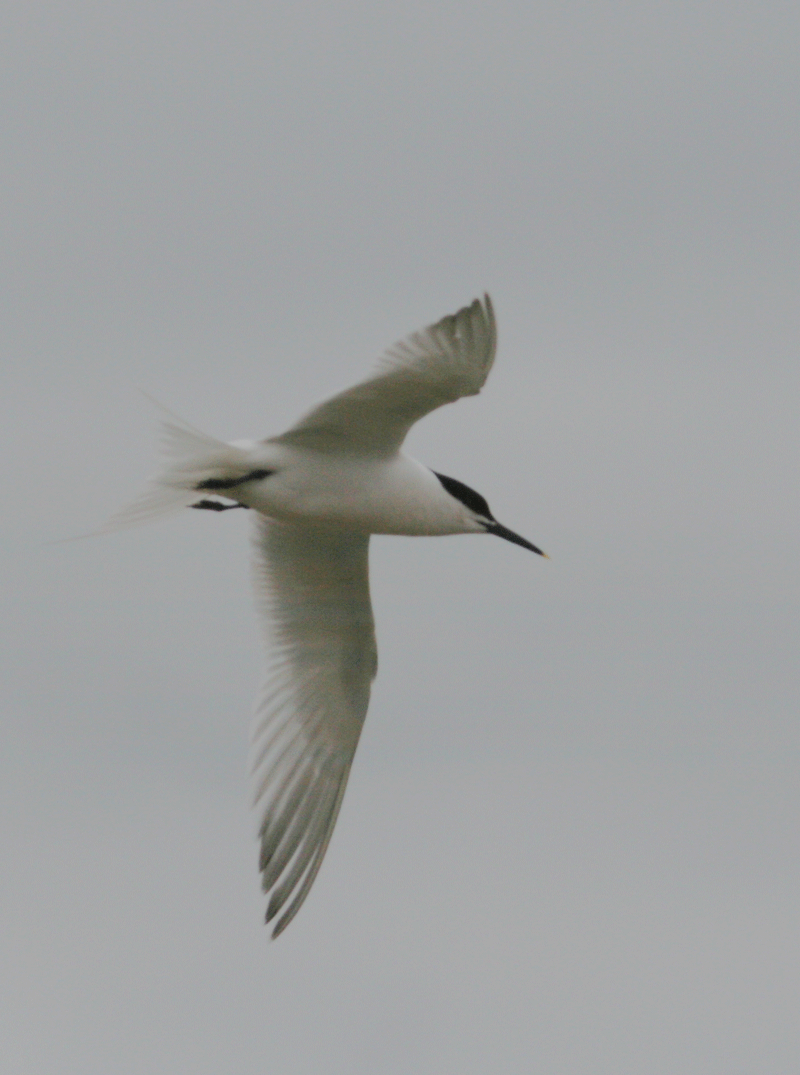
Sandwich Terns have a large colony on Brownsea and typically arrive a few weeks before the Common Terns.

Last year there were over 80 pairs of Sandwich Terns on eggs by early May, this year there are just 14.

Brownsea is one of the few places in southern England where Red Squirrels can be seen. This cute three-legged individual can be seen near the Villa.
I met Frank O’Connor in 2004 on a cruise to New Zealand’s subantarctic islands, most of us were there just to see the fantastic array of seabirds in these southern oceans but Frank had another motive, adding birds to his Australian list. Our southernmost destination, Macquarie Island is in fact an Australian territory and as well several penguins and many tubenoses, Frank had a chance to add that most riveting of birds to his Aussie list – Lesser Redpoll!
Redpolls were introduced to New Zealand in the 19th century and spread down the subantarctic islands as far as Macquarie, however they remain quite rare that far south. After we had seen and photographed penguins, Elephant Seals and all the other wonders on the subantarctic, most of the group went on a concerted Redpoll hunt for Frank, but to no avail.

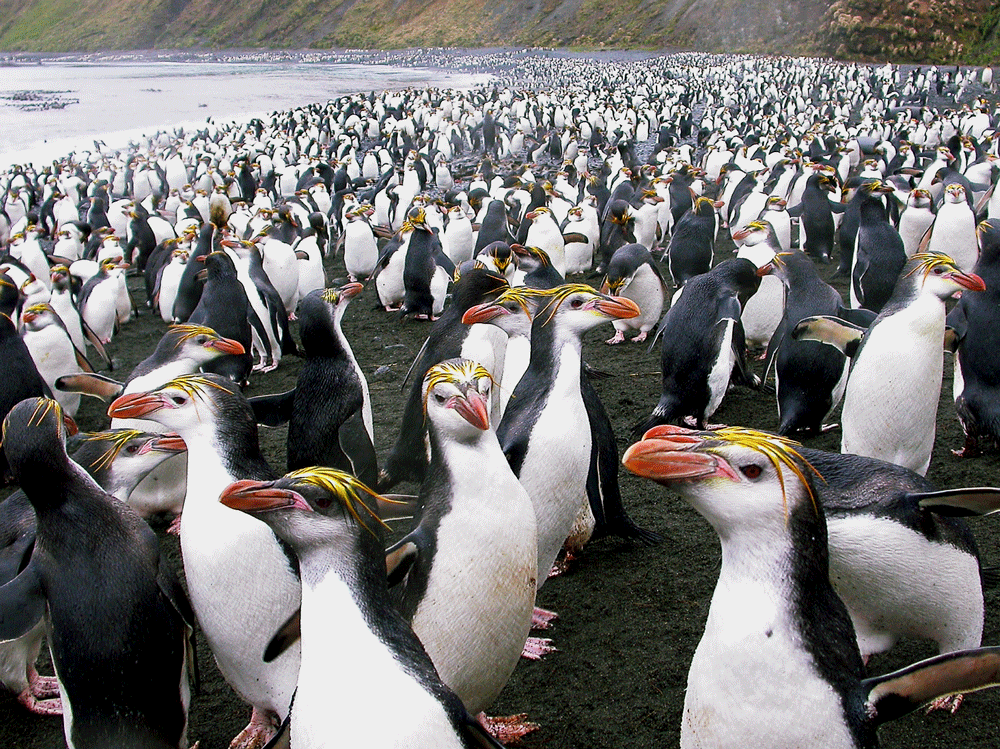
Macquarie Island – full of Royal Penguins but short on Redpolls.
Frank also obtained notoriety when he perched on a ledge in the bridge and during a 10 metre swell got catapulted across the room and into the captain, breaking his arm in the process (his arm not the captain’s).

Frank (with broken left arm) in 2004 aboard the ‘Spirit of Enderby’
Frank had recently arrived in Dorset to visit his sister in Bridport and after a number of successful visits to the Weymouth area with other birders, came to the Poole area in the hope that I could find him a few new species.
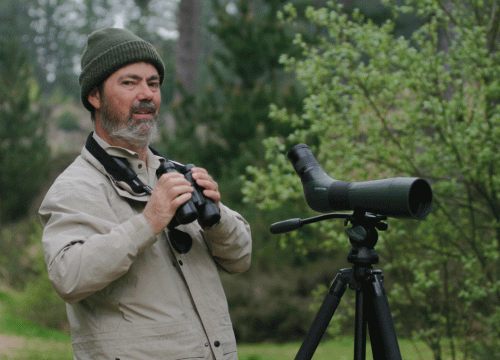
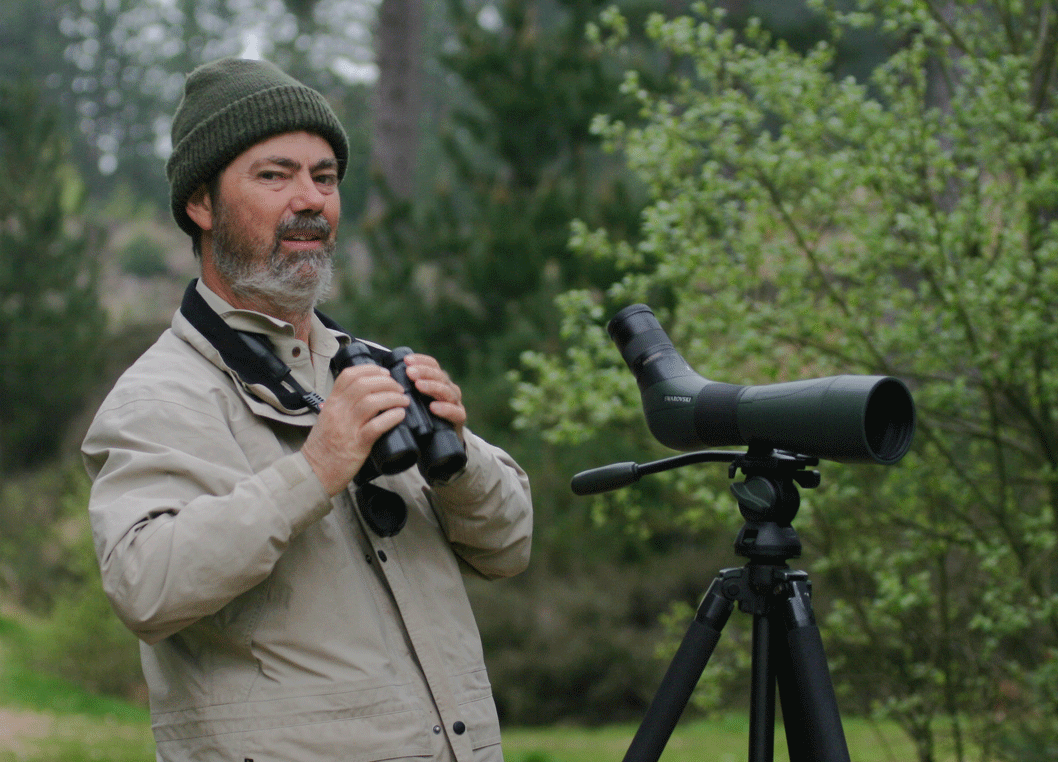
Frank at Wareham Forest in 2012
At Holton Lee we soon located a Great Spotted Woodpecker and down at Wareham Channel saw plenty of Med Gulls. At Sherford Bridge we saw a nice range of species including Frank’s first Green Woodpecker and Crossbills although we failed to get tickable views of Siskin.
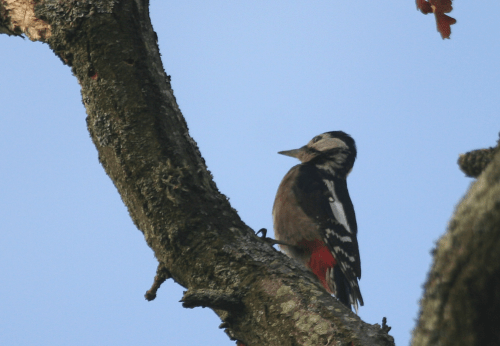
Frank had seen Great Spotted Woodpecker before in Turkey, although quite poorly, but Green was a life bird.
Finally we visited Middlebere where we found some Grey Plovers, Dunlin and Bar-tailed Godwits in summer plumage and saw a Hobby and Marsh Harrier.
In the end, in spite of it being a cold and grey day, Frank had three life birds and a whole bunch of new birds for his UK list. He had a little time the following day before his flight to Perth so I suggested Blashford Lakes as a reliable Siskin stake out. I hope he succeeded.
On Friday evening we went to a barn dance at Upton Community Centre, organised to celebrate Helen Cooper’s (a friend of ours from the Nexus organisation) 60th birthday. It was a very enjoyable and well attended evening, but I forgot to take my camera.
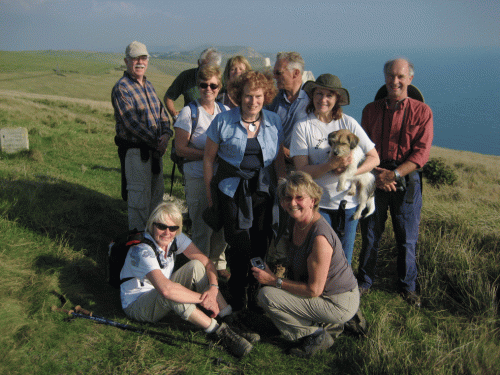
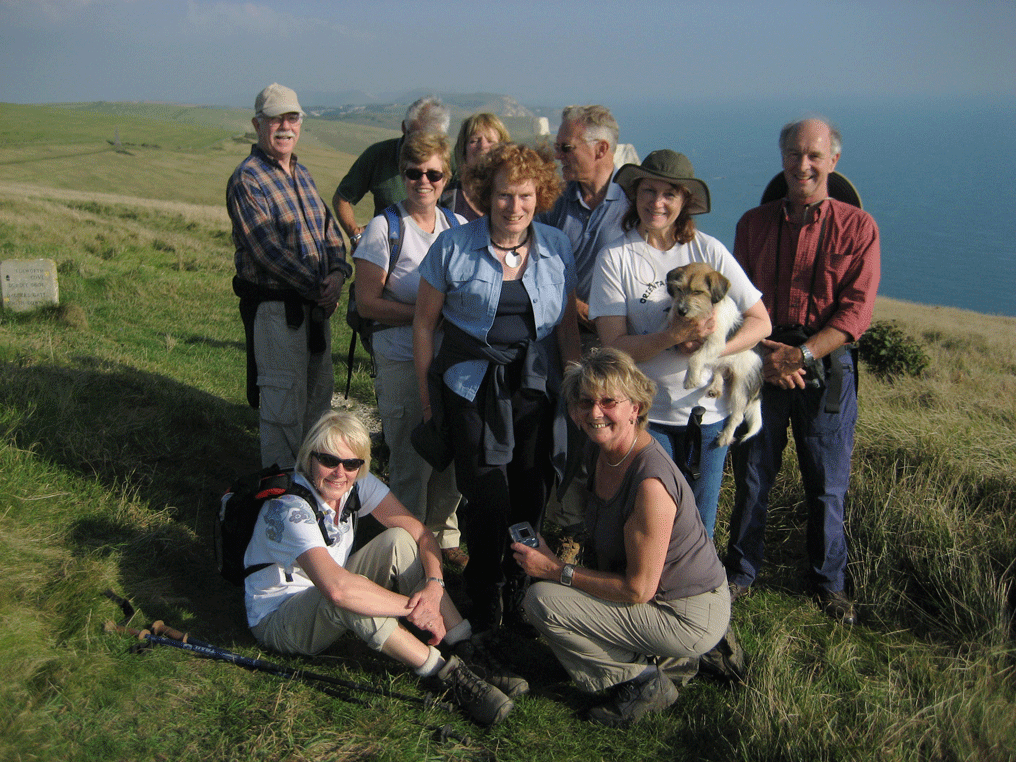
A bunch of Nexuns on a Purbeck hike. Helen is on the left, wearing dark glasses and standing up.
With a northerly breeze and cloud moving in overnight it looked perfect for a ringing session at Durlston, so I made the effort to get up at 0430. Four of us met an hour later but the wind was quite strong and coast was covered with fog and we were only rewarded with 12 new birds and 5 retraps. Whitethroat was the most numerous bird and we trapped another two that we ringed last year. On a walk around the site I flushed a Ring Ousel, quite a late date for this early migrant.

Although not all can be sexed and many cannot be aged, a Common Whitethroat with as grey a head as this must be a male.
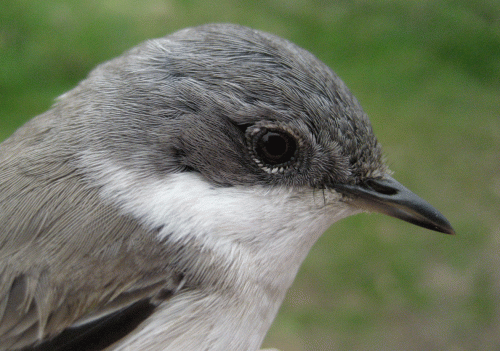
Lesser Whitethroats migrate from east Africa via the Levant and then north-west across Turkey and Europe rather than cross the Sahara.
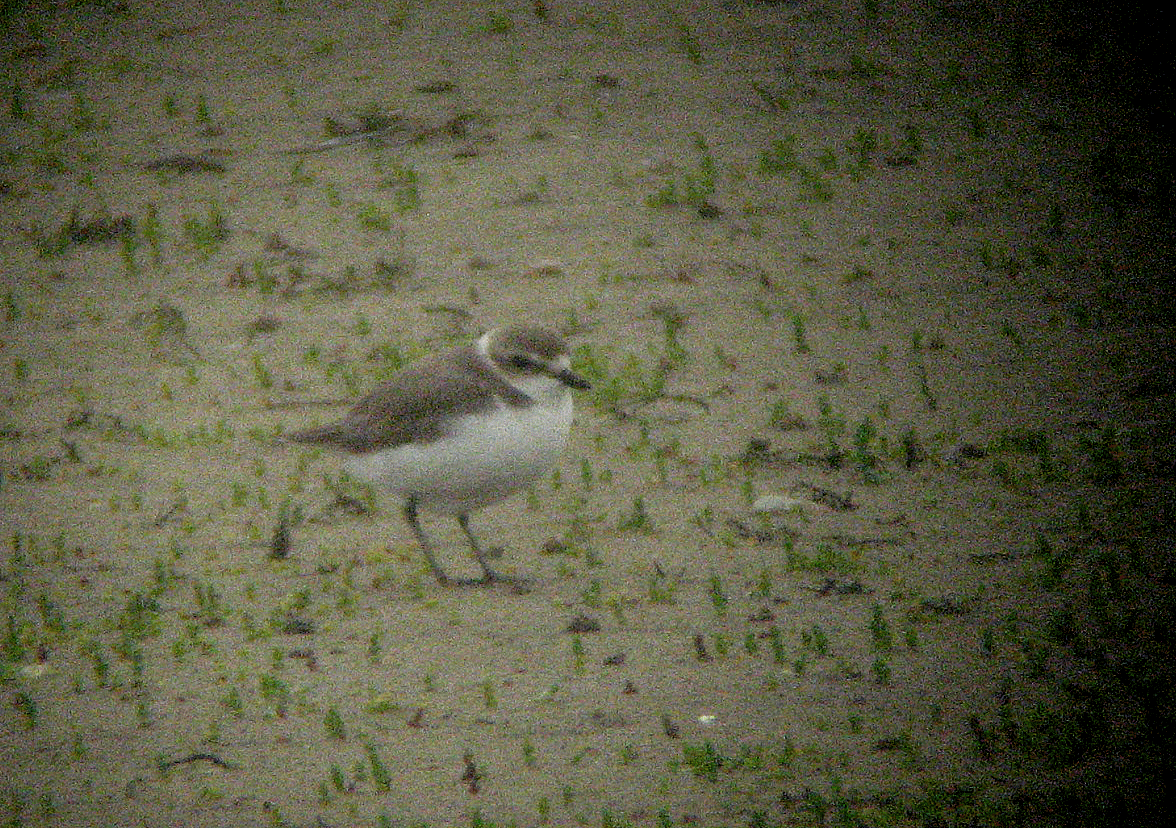
Late on the 2nd I heard about a Kentish Plover at Ferrybridge adjacent to Portland Harbour. As it is now a scarce visitor to the UK, but up to 1931 the species bred in Kent and Sussex but egg and specimen collectors caused a massive decline and tourist development finished them off.

I have seen 7 KPs in the UK, 5 of them in Dorset but this is my first since 1992.
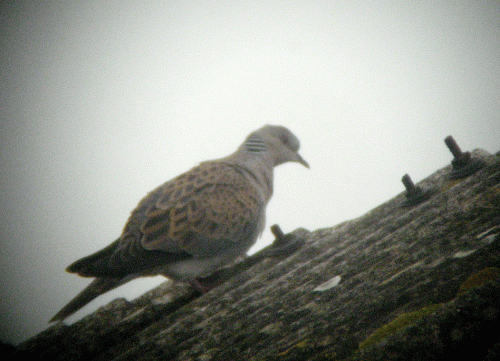
A record digiscoped shot of a Turtle Dove. Since I started birding this species has declined by 94% in the UK.
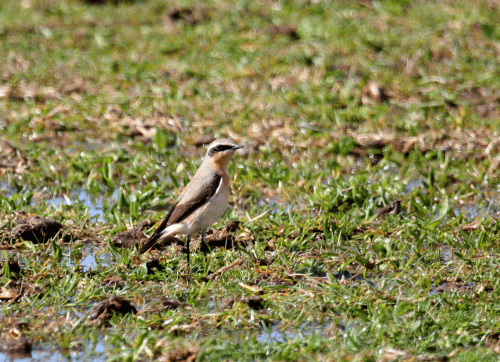
Migrant Wheatears numbered at least 50 ……

… whilst the resident Little Owl was in its usual crevice.
With strong southerly winds forecast I headed to Portland for some seawatching. Having seen Pomarine Skua on my last visit I was hoping to see Black Tern, a European marshland bird that is only see on migration in the UK.
First I headed to the Bill but to my surprise only a few other birders were present. The wind had shifted to the south-east and in these conditions the local birders head for Chesil Cove where Chesil Bank meets the Isle of Portland. Having got here I decided I might as well give it a go at the Bill and call in at Chesil Cove on the way home.
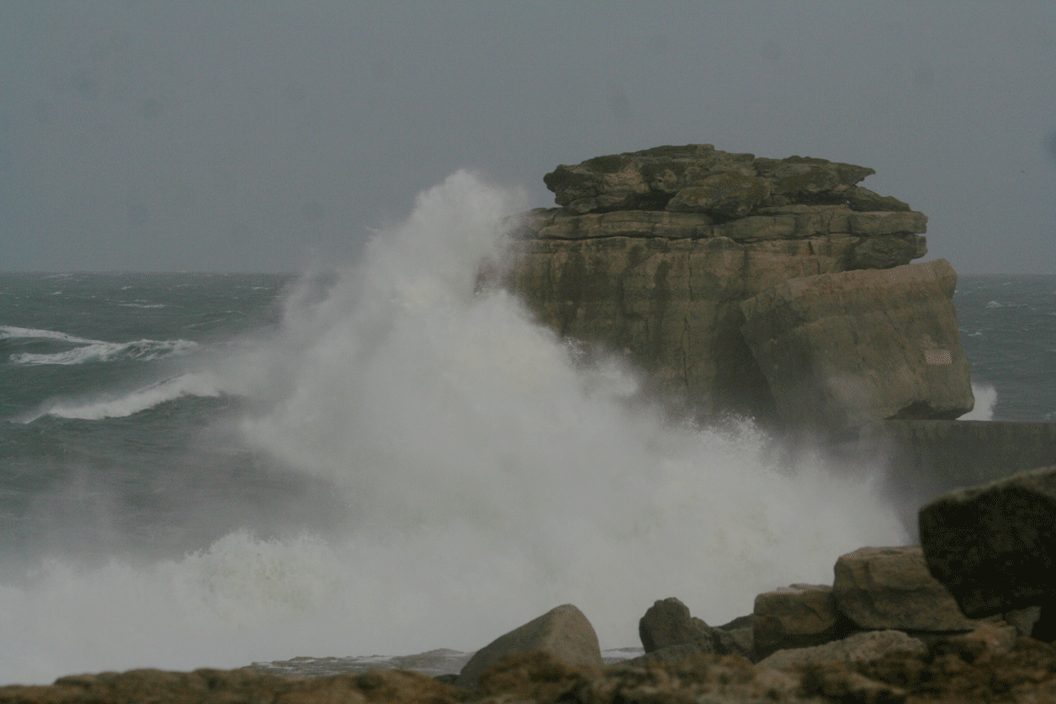
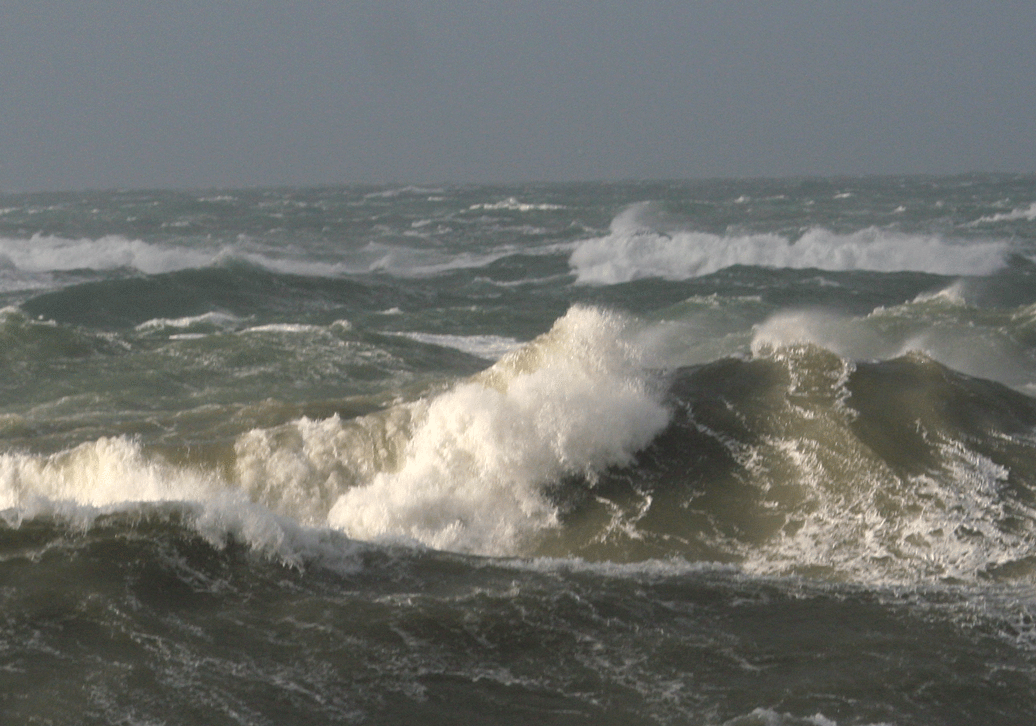
The wind had reached gale force overnight and the sea was monstrous. Waves crashing over the rocks were reaching the top of the Pulpit Rock and it was difficult to keep your scope still even when sheltering next to the Obelisk. In some ways it was too windy, terns and skuas would not battle into such a fierce wind and only the true pelagic species were on the move, with Manx Shearwaters, Gannets and Fulmars passing quite close.
After an hour of buffeting, I retreated to the Observatory where I watched the sea for another (rather more comfortable) hour. Conditions were improving and a few passerine migrants were about, so I went for a short walk but saw little. I headed down to Chesil Cove, I was to regret going on the short walk, as two Black Terns had passed the Cove just before I arrived. A further hour there produced a large flock of Common/Arctic terns (colloquially known as ‘commic’ terns), a few Scoter and an Arctic Skua, but no more Black Terns.

This gives some idea of the force of the waves.

The view from the Bill.

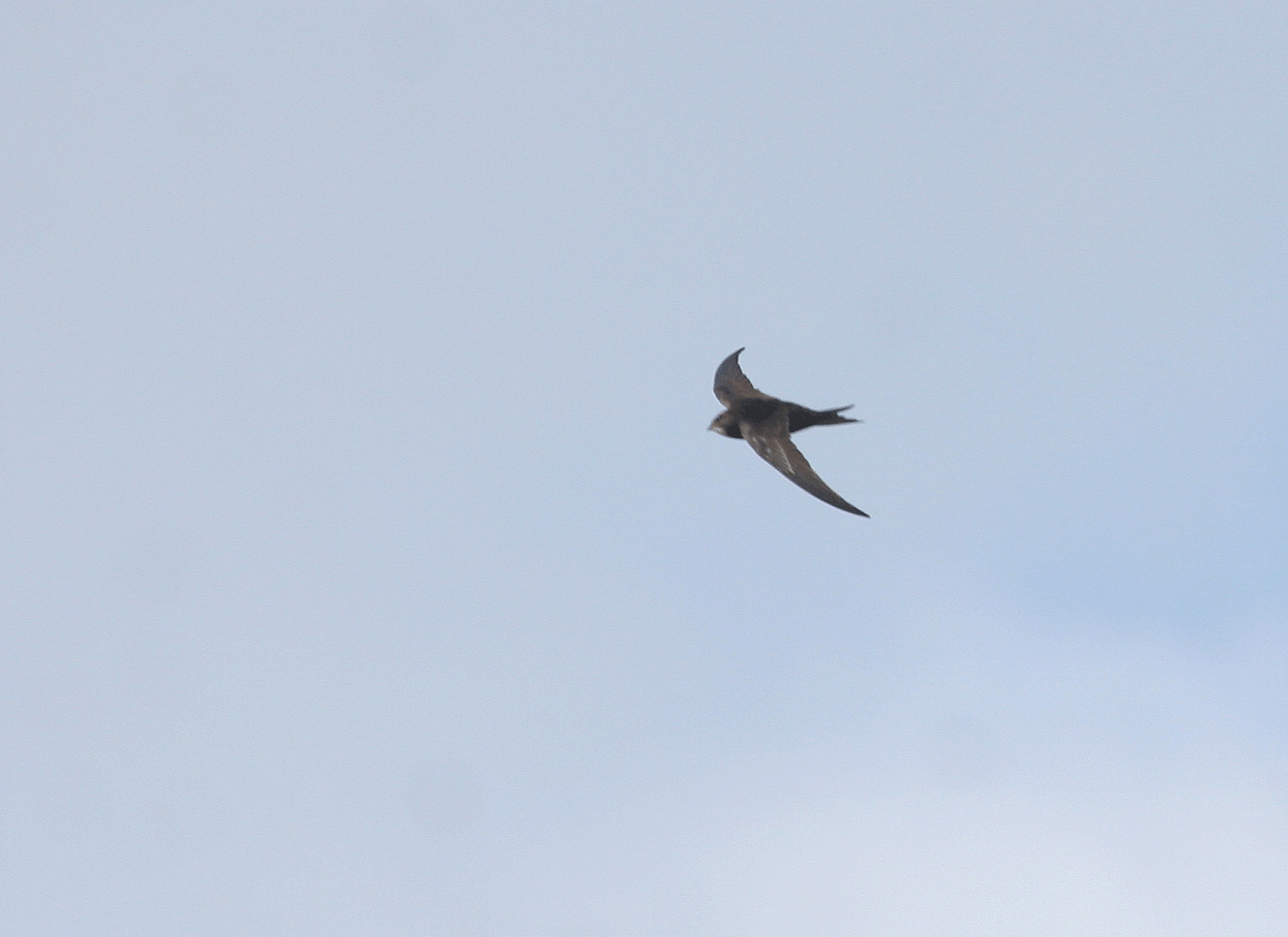
Swifts were arriving in big numbers, often seen skimming the waves.
News of a Hoopoe nearby at the Fleet caused all the assembled seawatchers to abandon the Cove but by the time we arrived it had already gone. However it was clear that migrants were arriving as a Redstart, several Wheatear and my first Whinchat of the year were seen. I headed back to Ferrybridge where the Fleet flows into Portland Harbour and saw my first Little Terns of the year.
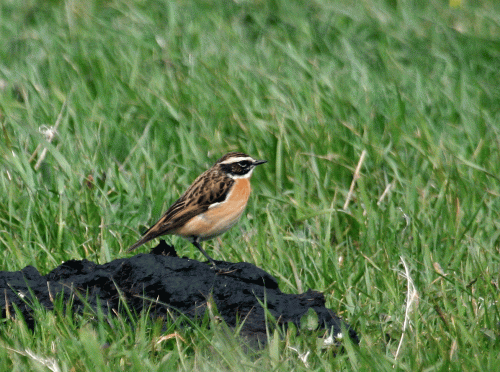
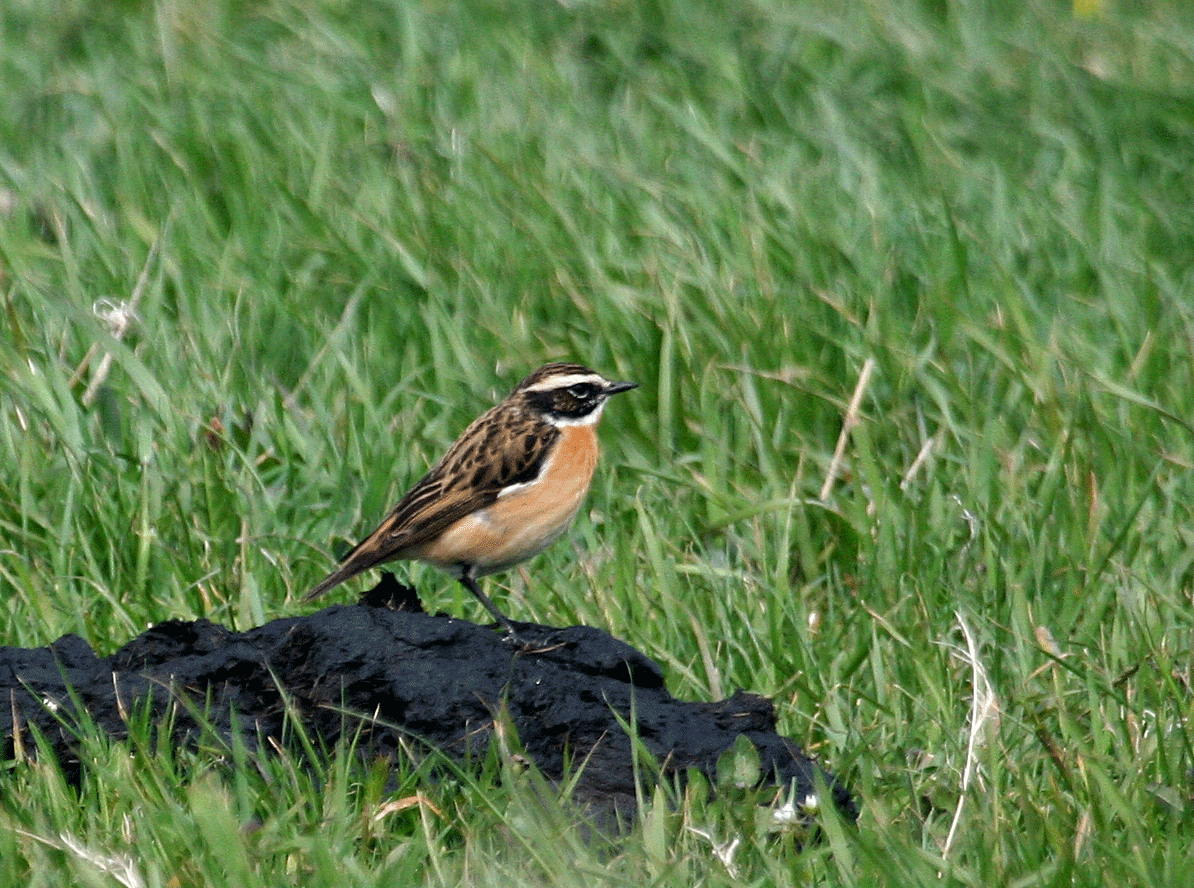
My first Whinchat of 2012
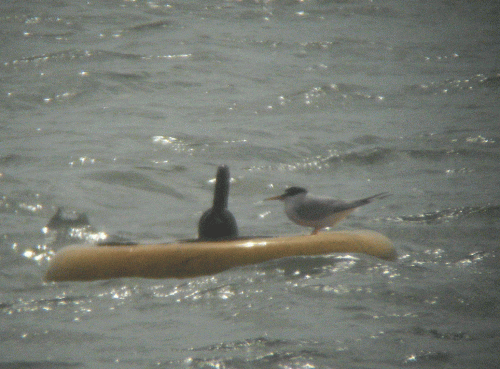
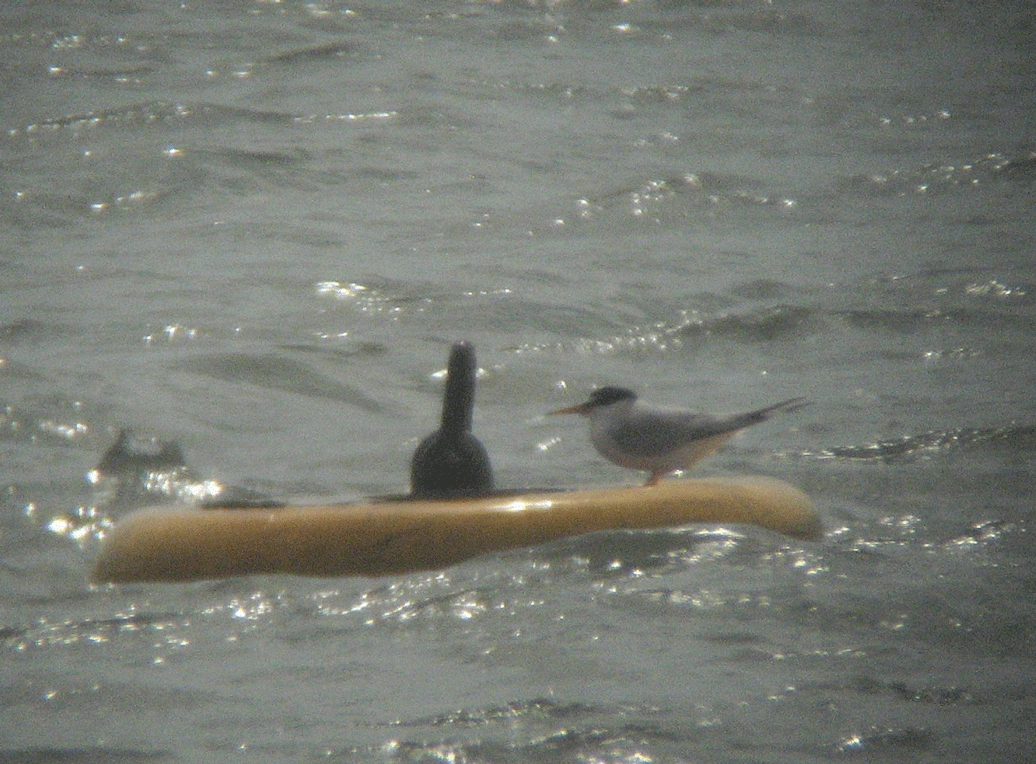
Digiscoped picture of a Little Tern at Ferrybridge. The local colony has been declining for years and looks to be heading for extinction.
My final call was at Lodmoor, but the recent heavy rain had flooded the path and my only reward was a couple of wet feet.
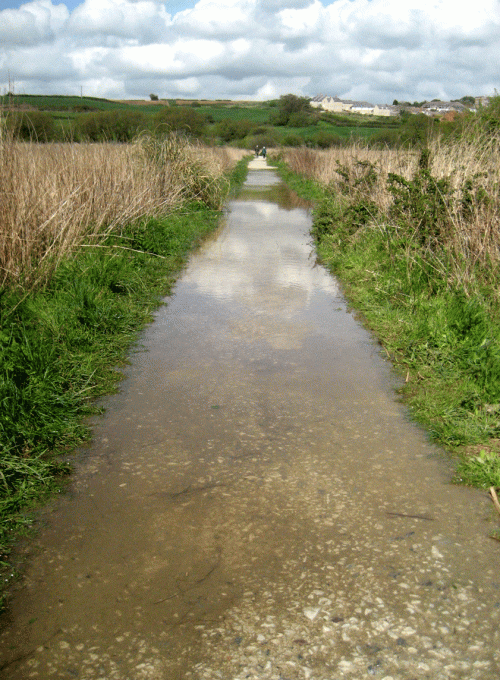
It was unusual to see small fish swimming down the main path at Lodmoor.

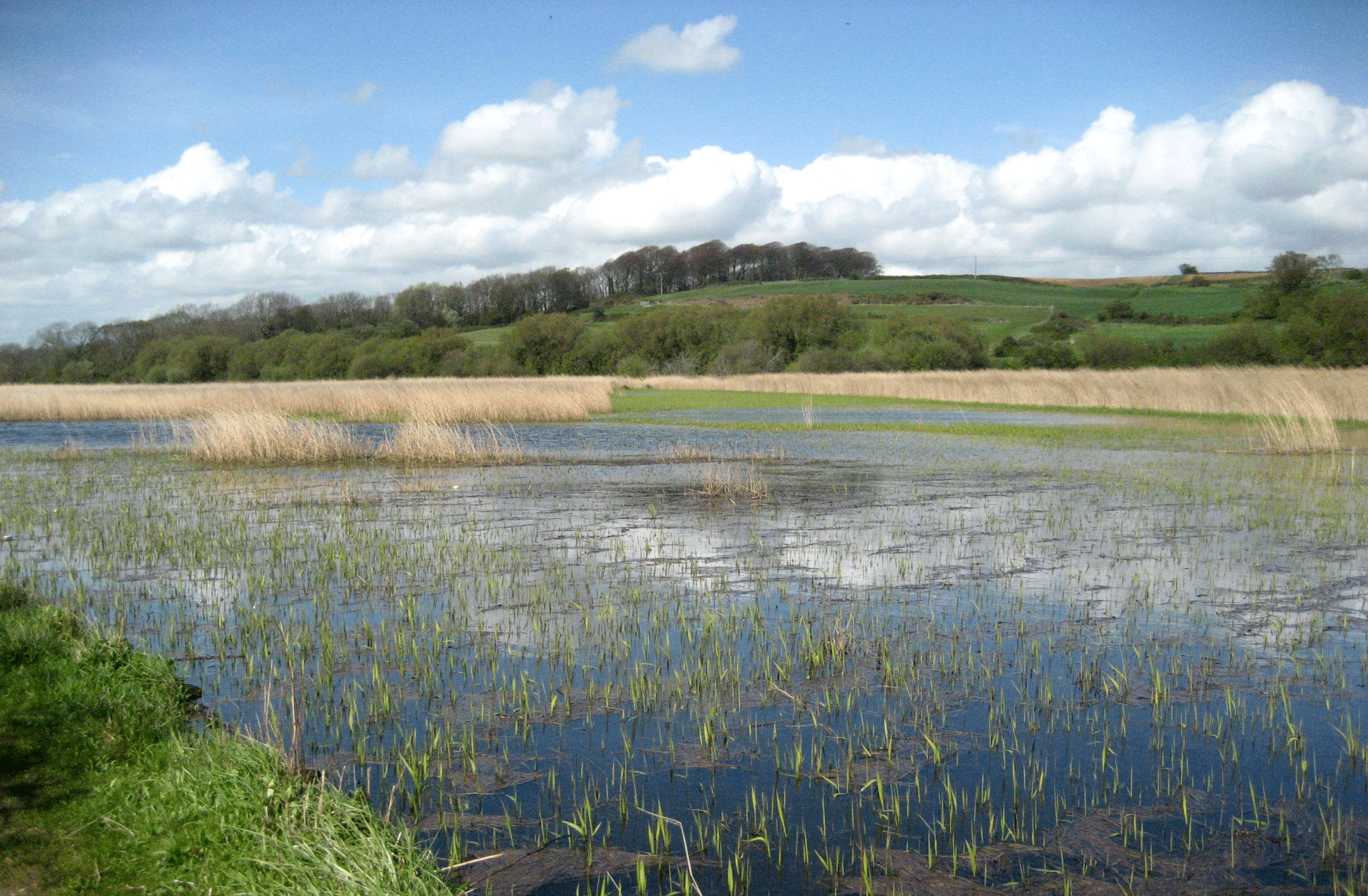
Floods at Lodmoor, the tern breeding islands are almost underwater.
With news of a couple of Black Terns at Blashford Lakes, I toyed with the idea of going there on the 30th. I had also thought about going ringing at Durlston but it rained until mid-morning at Swanage so I’m glad I didn’t. I chose the best option and returned to Portland, even though it was still raining heavily when I left. With dawn now at 0530 getting there for first light would involve getting up about 0415, this is not something I can manage every day! I arrived at the Observatory at 0815 and found that the rain (which had ceased there at dawn had brought in loads of migrants. About 200 had already been ringed but now the sun was coming out and they were moving on rapidly. It was one of those mornings where it was hard to know what to do, Graham Walbridge returned from the Reap Lane area with tales of stacks of migrants, nice birds like Redstarts and Pied Flys were being ringed at the Obs and good seabirds like Pom Skuas and Black Terns had been seen offshore. After failing to pick up a Black Tern from the Observatory one was radioed through from the watchers at the Obelisk and I had acceptable, if distant views. I also saw two Pomarine, single Arctic and Great Skua and a flock of 75 Bar-tailed Godwits on their way up from the Mauritanian coast.
I headed for Reap Lane in hope of seeing Yellow Wagtail and gave Graham a lift (as he lives in that direction). As always, I was amazed by his field skills as time after time he found and identified, Wheatears, Whinchats and migrant warblers long before I was even aware of their presence. With Yellow Wagtail and Spotted Flycatcher under the belt I walked the short distance to the West Cliffs where hirundines were passing in huge numbers. It is hard to be precise but about thousand Swallows, along with smaller numbers of Sand and House Martins were seen in about half an hour.

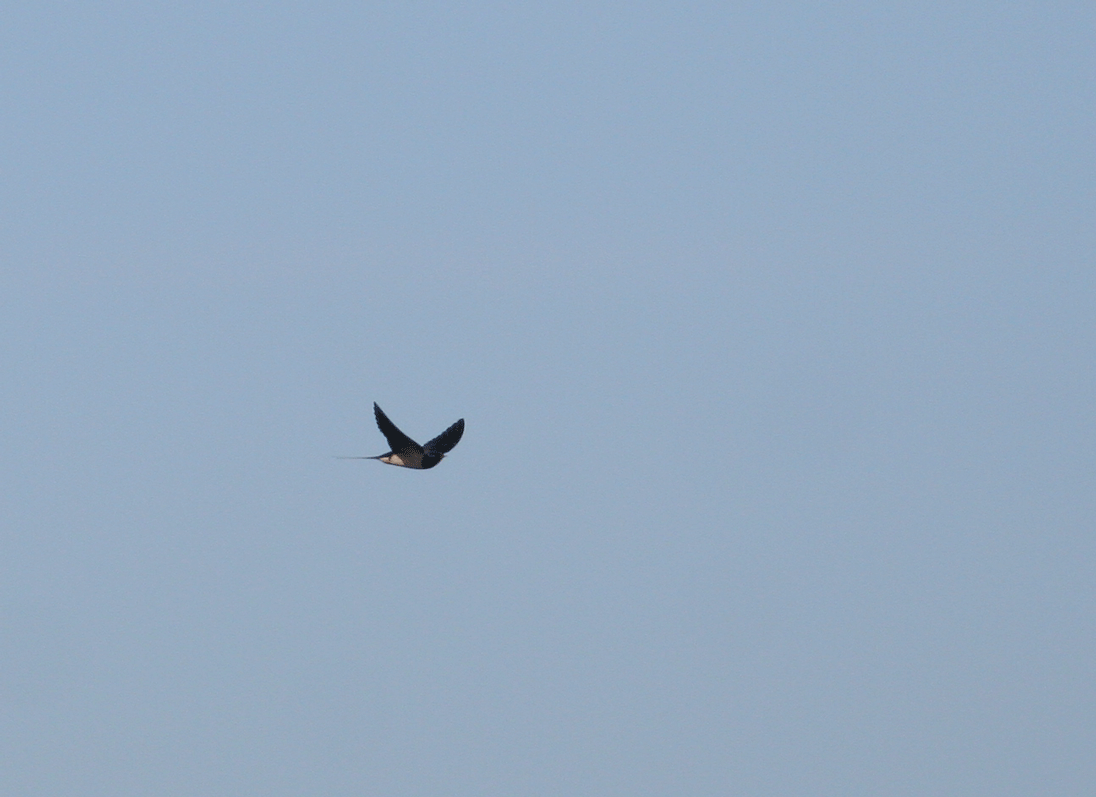
At long last a mass movement of Swallows and other hirundines.
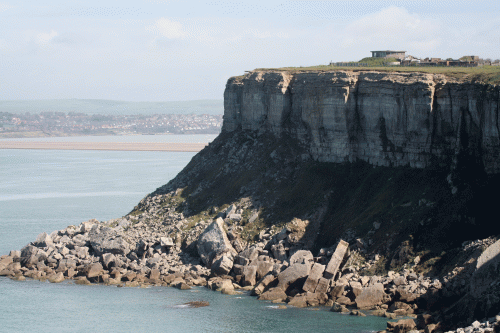
The Swallows were streaming along the West Cliffs, just another small part of the journey from South Africa to the UK.
As I have indicated before, spring migration is very late this year with some birds in worryingly low numbers that may affect the breeding population. However today showed just how many birds were held up to the south. It was difficult to estimate numbers but this is gives an indication: Warblers: Willow 300 , Garden 3, Sedge 3 heard, Reed 1 heard, Chiffchaff 30, Blackcap 50, Redstart 30, Whinchat 12, Yellow Wagtail 1, Wheatear 60 and many Swifts. Aso seen or heard, but not by me, Osprey, Hobby, Turtle Dove (I missed it by seconds), Cuckoo, Grasshopper Warbler, Wood Warbler, Nightingale plus much larger numbers of common birds mentioned above.

Along with other passerines, Whitethroats have finally arrived in force, 2 – 3 weeks late!
An hour at Lodmoor on the way home produced more goodies, a Cattle Egret (my 4th this year), a male Garganey, many Bar and Black-tailed Godwits in summer plumage and several Whimbrel.

A flock of Whimbrel at Lodmoor.

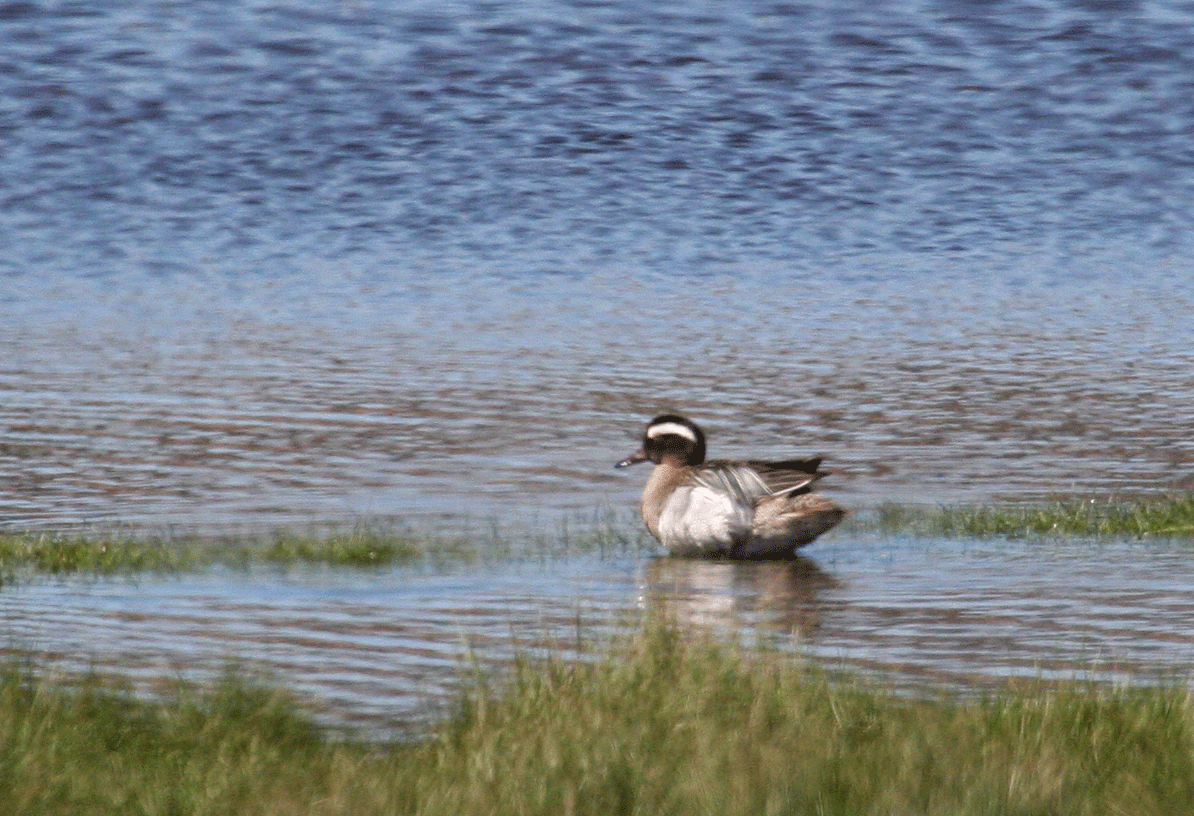
Garganey. The only duck that is exclusively a summer visitor
Of course the arrival of so many good birds wasn’t confined to Weymouth, Shaun had heard a Nightingale at Lytchett Bay in the rain that morning, I went down there at dusk but it had long gone.




















 gryllosblog