Archive for the ‘Uncategorized’ Category
This, the third and final post on our trip to Turkey. covers the journey from Laodicea to Anatalya and the Roman ruins at Aspendos.
The last post ended with our visit to the ruins at Laodicea, this possibly was the high point of the trip, but then things took a sharp downturn with our enforced visit to a carpet factory!

There was no doubt that the carpets on show were beautiful and would be greatly valued by some people ….

…. or that the ladies that weave them, (often taking months or even a year to produce one) are highly motivated, highly skilled and highly underpaid (a point that was repeatedly made) but it was the enforced demonstrations and the hard sell that lasted well over an hour that annoyed me. The salesmen simply wouldn’t take no for an answer. We had no intention in paying hundreds or even thousands of pounds for a carpet, but they just wouldn’t listen. This ‘lock in’ was all the more annoying as I would have liked to spend a further hour at the ruins of Laodicea.

Later we crossed the Anatolian plateau as we headed for the Mediterranean. Scenery was lovely, many raptors were seen but of course there was no stopping. This photo was taken from the bus window.
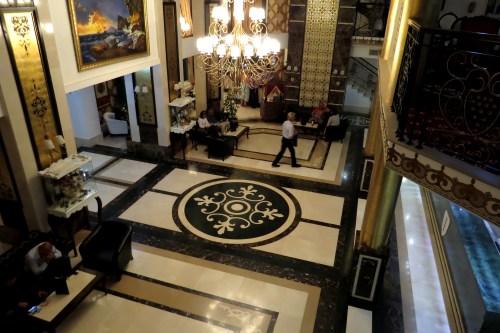
We stayed at a beautiful hotel to the west of Antalya.
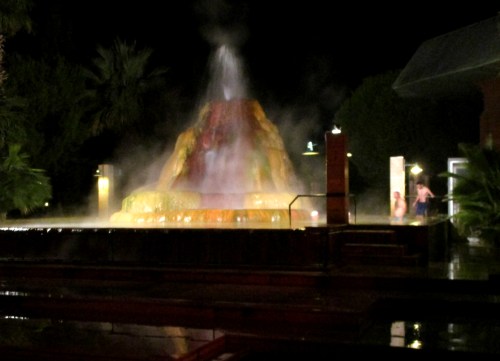
A small ‘volcano’ has been built over the site of a hot spring and you can take an outside dip in a steaming hot pool, the temperature of which was just about tolerable.

We were entertained with a belly dancer who insisted on audience participation (both male and female). I hid behind a pillar in case I got selected.

The following morning it was the hard sell again – first a jewelry factory ….

….and then a leather factory where we were obliged to watch a fashion show first. With a salesman shadowing us just three feet behind, Margaret told him that ‘my philosophy in life is not to buy anything I don’t need and I don’t need a leather coat’. He replied ‘the exit is over there madam’

In the afternoon we were free to explore Antalya, although much of the city is tourist development, an ancient centre with its narrow streets and quaint shops still exists.
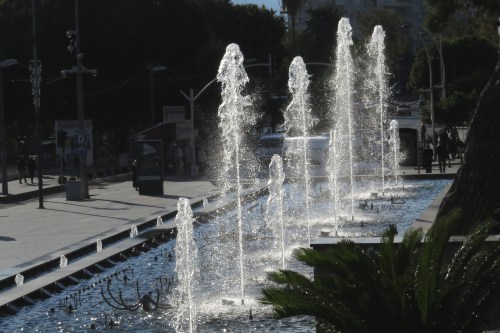
We were dropped off a square near the old town ….

…. dominated by a huge statue to Mustafa Kemal Ataturk, the founder of the modern secular state of Turkey in 1923 after the demise of the Ottoman Empire

…. we wandered the quaint streets ….

…. and pretty courtyards ….

…. photographed ancient minarets ….
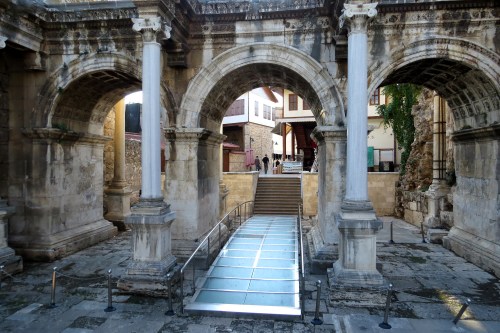
…. until we came to Hadrian’s Gate built in honour of the Roman emperor.
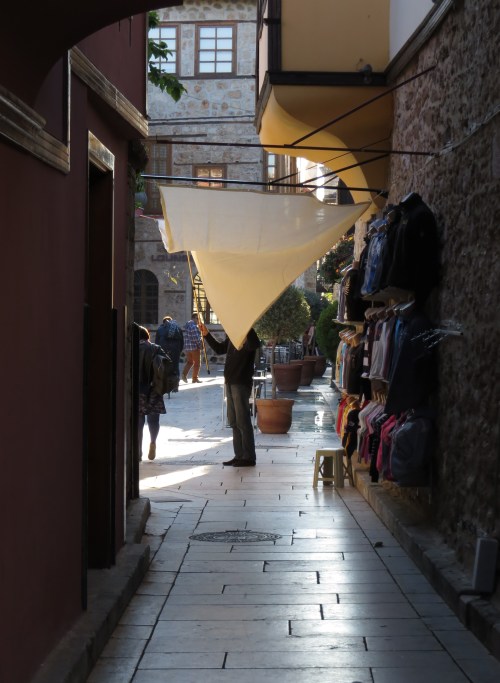
Retracing our steps ….
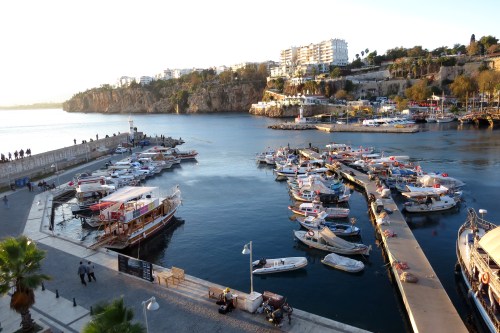
…. we headed for the harbour ….
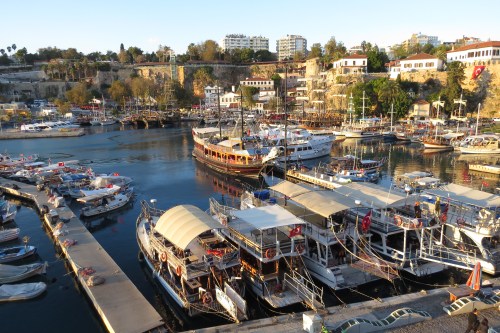
…. with its old ships ….
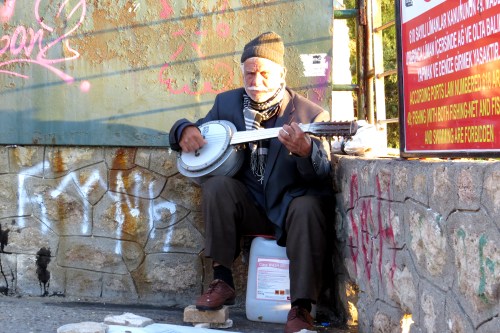
…. and even older buskers …

…. but the ‘ancient galleon’ with its diesel engines appeared to be of more recent construction.
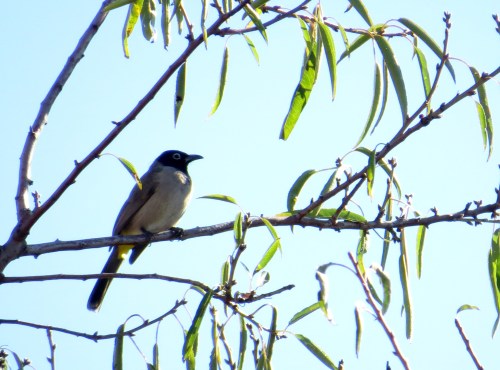
In a park overlooking the harbour we found several White-spectacled Bulbuls, a common species in parts of the Middle East, here at the extreme western edge of its range.
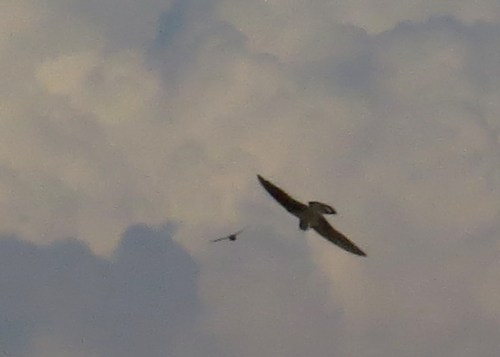
Along the cliffs were a number of Crag Martins, the only hirundine of the trip.

As the sun set over the distant mountains we headed eastwards to our hotel.

I have already stated that I was very impressed with the standard of hotels on this tour, especially given the cost. The best of all was the Hotel Lykia near Aspendos where we stayed for the last two nights. The dining room (above) was massive with the biggest buffet I have ever seen. You would think you had inspected every dish but still others on your table would come back with food you didn’t know was there.
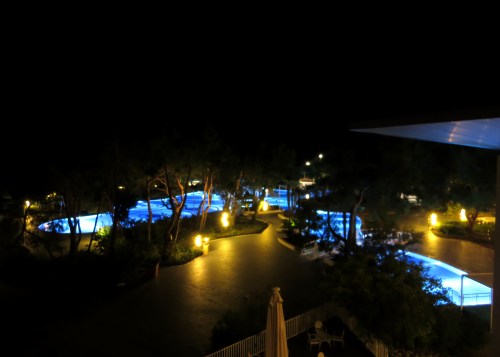
The view of the swimming pool from our room ….

….and the pool in the daylight.
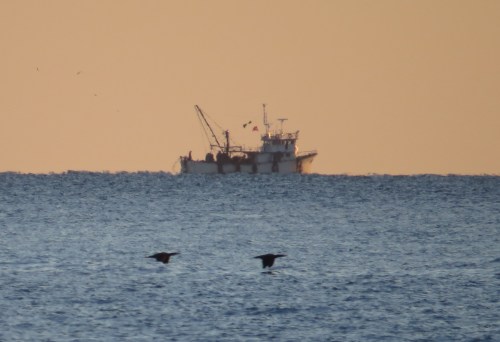
A late start the following day allowed me to do a bit of birding first but there was nothing on the sea except a few Cormorants.
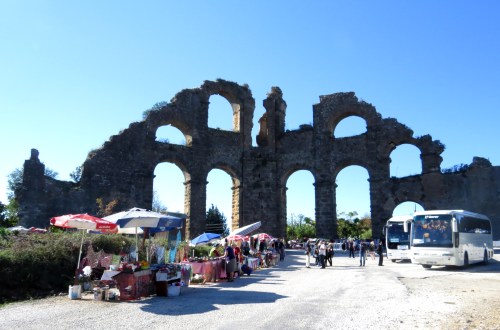
Our fist stop was at the ruins of a Roman aqueduct, with its attendant souvenir stalls.
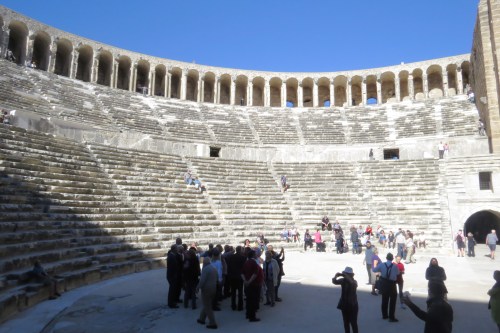
But it was the partially restored Roman theatre at Aspendos that was the focus of the day, said to be the best preserved in the world.
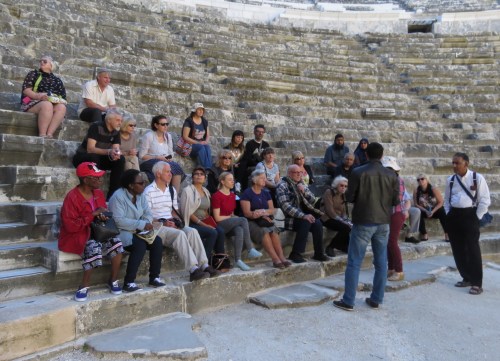
As a measure of how multi-national and multi-cultural we have become, we discovered that although all but one of the group lived in the UK they originated from Canada, China, Cyprus, Gambia, Iran, Italy, Kenya, Malta, Pakistan, Sierra Leone, South Africa, Tanzania and Trinidad (plus of course the UK) so with our Kurdish guide and Turkish driver there were 16 nationalities represented out of 34 people. We all (with possibly with one exception) got on very well.
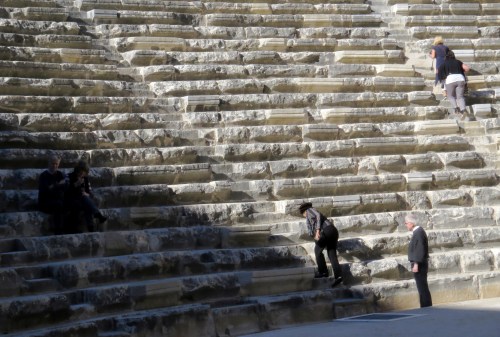
After the obligatory lecture about the archaeology we were free to climb to the top if we wished ….
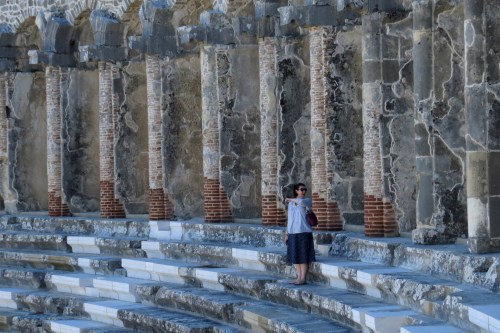
…. to explore ….

…. and photograph the colonnade that surrounds the structure.

Built in AD 155, the theatre was used for artistic performances rather than the gladiatorial combat. In the latter the seats would have been raised above the height of the stage to separate the crowd from wild animals.

We were amazed that 90 year-old Anne made it to the top of the steps, indeed I think she had to help Yin (who must have been a third of her age) get down.
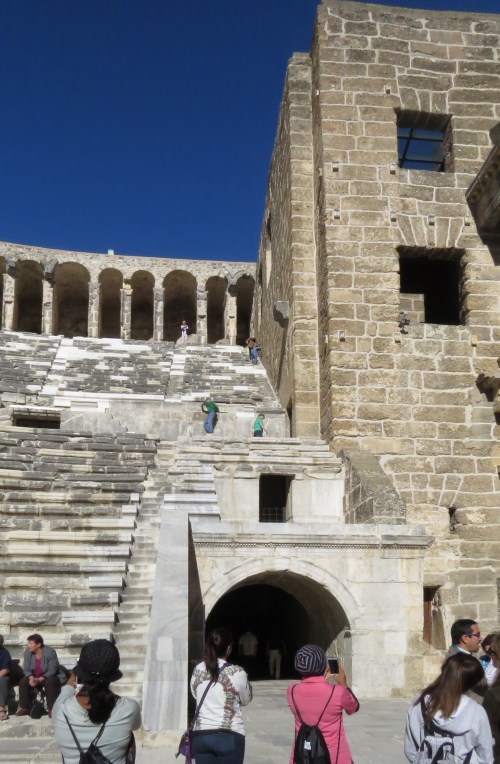
If you have any doubt how high up it was, look at the two of the them in the centre of this photo.

We had our lunch by a restored Roman bridge ….
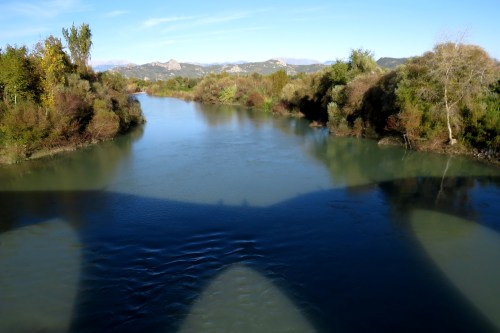
…. with a beautiful view of the river and the mountains beyond.

We returned in time for a sunset walk around the gardens and on the beach.
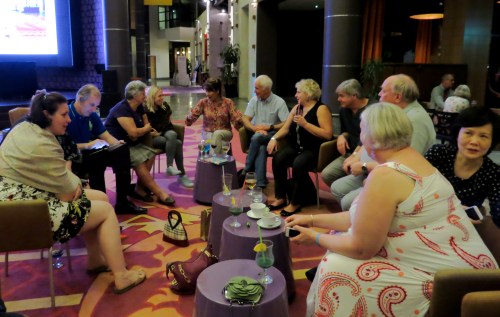
With quite a large group and the trip only lasting a week we were just getting to know people as the trip ended. Although from very different backgrounds and with different interests, I think we made some nice friends that week, although it is unlikely our paths will cross again.
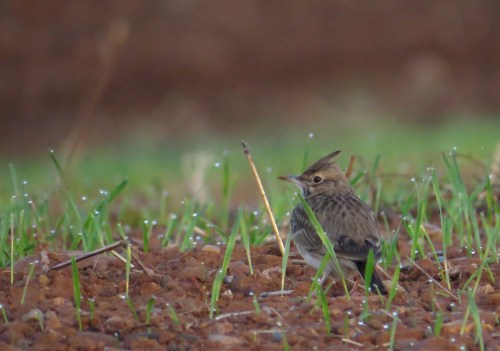
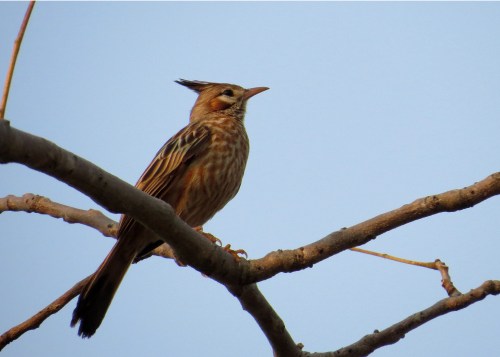
As our departure to the airport wasn’t until the late morning there was time for some final birding in the scrub and fields around the hotel. Birds like Common Kingfisher, Wryneck, Stonechat, Cettis and Sardinian Warbler, several races of Chiffchaff, Water Pipit, Serin and Corn Bunting were seen but the best photos were of Crested Lark ….
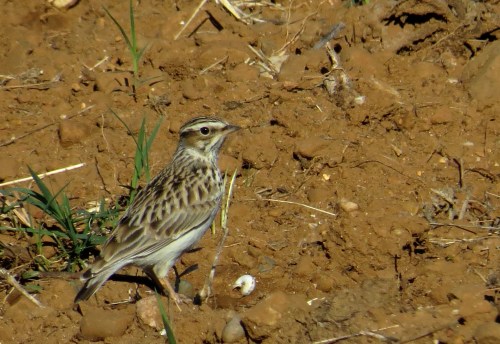
…. and Wood Lark.

So all that remained was to fly home to Gatwick. Almost all the trips I have done have either been self-drive, self-led tours or commercial birding tours. Apart from one day guided trips around a city, I haven’t done this type of sightseeing tour since the seventies. Was it a success? undoubtedly, with the exception of the retail outlets, all the places we visited were interesting and photogenic, the company good, the hotels excellent and it was very good value. Would I do similar tours again, yes, especially if it was something that Margaret was keen to do. Finally as Margaret’s daughter and her husband are away at Christmas, we headed straight from Gatwick to Maldon in Essex to spend the next four days with them – but that’s a tale for another day.
For an explanation of why this wasn’t really ‘Turkey for £99’ see my first post on this trip, published a few days ago.
This post covers the second, third and part of the fourth day in Turkey and our journey from Istanbul in the European part of Turkey, across the Dardanelles, to the ruins of Troy, Sardis and Laodicea and the calcite formations at Pamukkale.
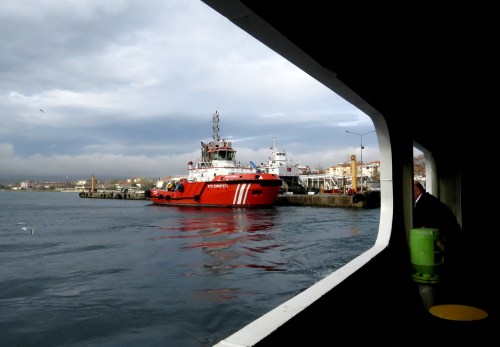
it took all morning to drive along the northern shore of the Sea of Marmora to the ferry terminal at Kilitbahir.

Here, accompanied by many Black-headed and a few Yellow-legged Gulls, we left Europe behind. Few other birds were seen on the crossing with the exception of a distant skua which was harrying Black-headed Gulls. From its size and jizz it looked like a Long-tailed. Whilst most skuas will travel from their breeding grounds in the Arctic to more southerly waters for winter via the coasts of Europe, those in central Siberia will follow rivers southwards and then head for the Black Sea and then on into the Med. Even so, seeing a skua this late in the year was a surprise.

The peninsula south of Kilibahir on the European side was the scene of the disastrous Gallipoli campaign in WW1. There were over 200,000 British and ANZAC casualties and a similar from the Turkish side, yet little was achieved militarily. Here, photographed at some distance and from a moving bus, is the War Memorial to those who died at Gallipoli.
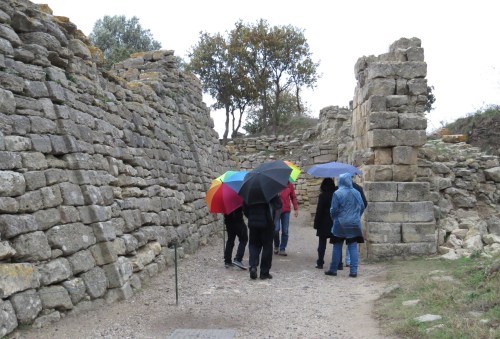
It was dry up to the moment we arrived at Hissarlik to see the ruins of Troy, it then started to rain and rained heavily until the moment we got back in the bus! Nine city levels have been excavated dating from 3000 BC until the start of Byzantine period, but the walls seen above have been dated to the 12th or 13th century BC, making them concurrent with the Troy of Homer’s Iliad ie the setting of the famous Trojan Wars. It is still a matter of debate whether the Homeric Troy actually existed, let alone whether any of Homer’s heroes are anything more than fictitious characters.
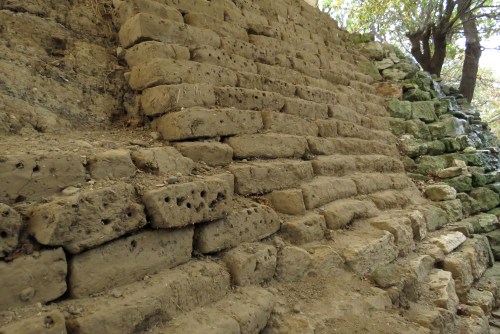
The earliest walls are not built with stone but with mud bricks and have been covered with an awning to protect them from the elements.

The following is copied from Wikipedia: ‘In 1865, English archaeologist Frank Calvert excavated trial trenches in a field he had bought from a local farmer at Hisarlık, and in 1868, Heinrich Schliemann, a wealthy German businessman and archaeologist, also began excavating in the area after a chance meeting with Calvert in Çanakkale. These excavations revealed several cities built in succession. Schliemann was at first skeptical about the identification of Hisarlik with Troy, but was persuaded by Calver and took over Calvert’s excavations on the eastern half of the Hisarlik site, which was on Calvert’s property. Troy VII has been identified with the Hittite city Wilusa, the probable origin of the Greek Ἴλιον, and is generally (but not conclusively) identified with Homeric Troy’.

Schliemann’s young wife Sophia, wearing the ‘Jewel’s of Helen’ part of the so-called ‘Priam’s Treasure’ that he unearthed at the site. Schliemann smuggled the treasures out of Turkey to Germany where they were taken after WW2 by the Red Army and now reside in the Pushkin museum in Moscow. The level the treasure was found corresponds to Troy II, dated to about 2500 BC whilst the Troy of the Homeric tales lies at Troy VII some 1300 years later, so they have no association with Helen or King Priam! Photo taken in c1874 copied from Wikipedia.
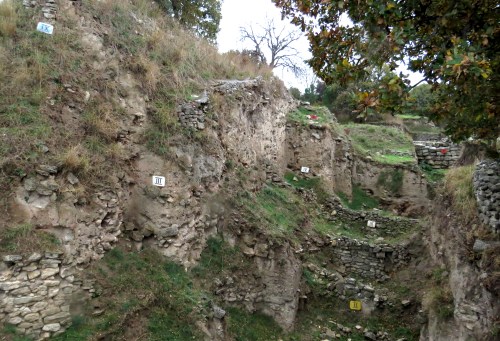
As I said before nine layers have been excavated at Troy and most can be seen in this photo. According to Wikipedia the layers have been dated as follows: Troy I 3000–2600 BC, Troy II 2600–2250 BC, Troy III 2250–2100 BC, Troy IV 2100–1950 BC, Troy V: 20th–18th centuries BC, Troy VI: 17th–14th centuries BC, Troy VIIa: c. 1300–1190 BC, most likely setting for Homer’s story, Troy VIIb: 12th century until c. 950 BC, Troy VIII: c. 700–85 BC, Troy IX: 85 BC–c. AD 500.
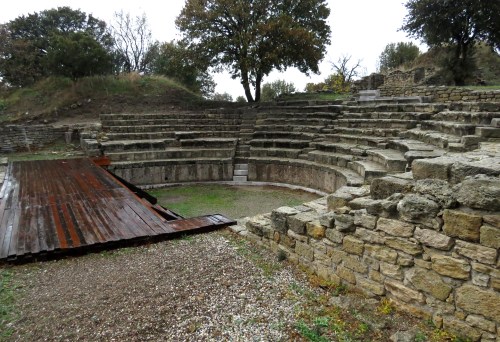
We were pretty wet by the time we reached this Roman theatre (apparently not an amphitheatre, as that only applies to theatres that do the full 360 degrees).

The archaeology does not disprove that this site is the Troy of Homer’s Iliad and Odyssey nor that there was a war between Greece and Troy; but was Helen of Troy abducted from Sparta by King Priam’s son Paris? did her ‘face launch a thousand ships’? did Hector and Achilles fight a duel? and was Achilles killed by an arrow to his only vulnerable spot, his heel? and finally did the Greeks take the city by hiding in a wooden horse? Journalists, then as now, never let the facts get in the way of a good story!

We stayed a bit further down the coast and we woke up the next morning to more wet and windy weather.

Today we headed inland to Sardis, to visit the Greek Temple to the goddess Artemis.

Unfortunately, like yesterday the rain started just as we arrived and eased off just as we left.
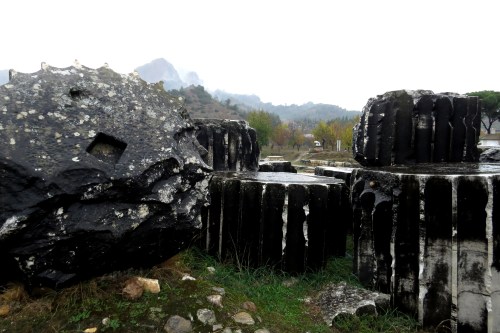
Dating to the third century BC, much of the temple became buried by landslides allowing for a high level of preservation.
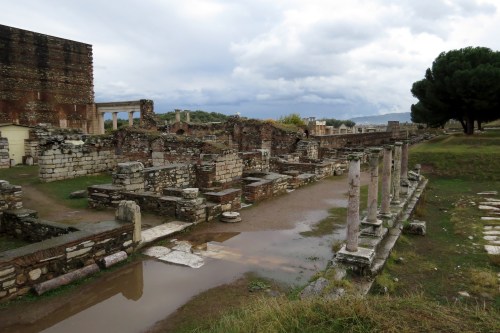
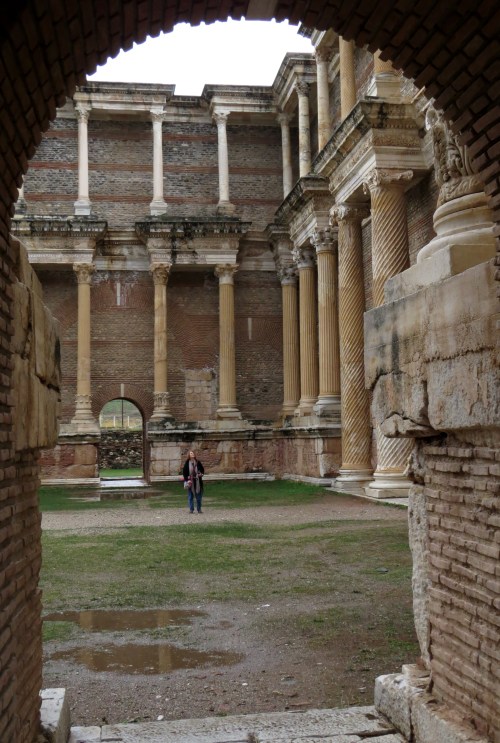
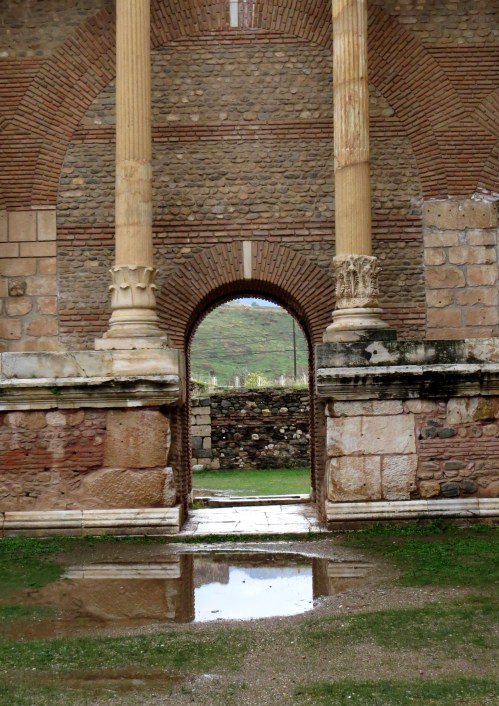
A few miles away are a synagogue, a gymnasium and other buildings dating from the Hellenistic, Roman and Byzantine periods. These buildings were once a line of Byzantine shops.
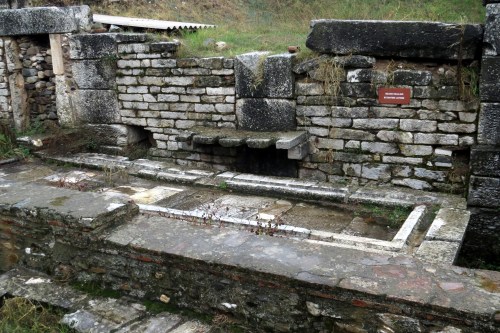
And here the public toilets, with stone seats (rather too close for modern-day sensibilities) and channels of flowing water to provide the necessary sanitation. Apparently in cold weather slaves would be sent in advance to warm up the seats for their masters.
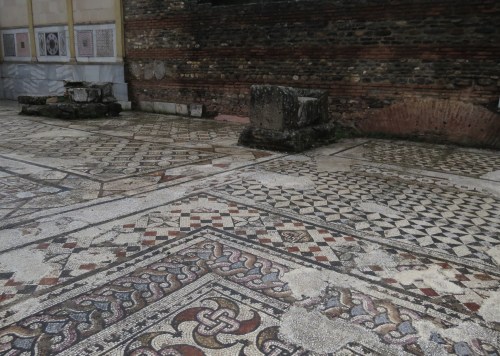
We were surprised that we were allowed to walk on these wonderful mosaics close to the synagogue, but our guide said that there were so many ancient mosaics in Turkey, many with even better preservation than these, that is wasn’t deemed necessary to cordon them off.
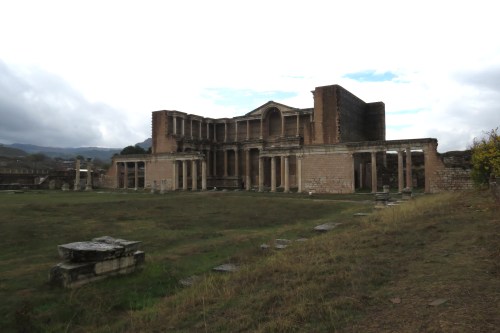
The partially restored Roman gymnasium was a fine sight, even on a wet day.
The River Pactolus, that runs nearby, contains gold and silver washed down from the nearby mountains. In the 6th century BC during the reign of King Croesus metallurgists learned how to separate gold and silver by smelting and produced coins of great purity and value, which made the king very wealthy and led to the phrase ‘as rich as Croesus’.
The legend of King Midas, who was granted his wish by the god Dionysus to turn everything he touched into gold, appears to originate in this area. The story says that after he accidentally turned his daughter into gold he pleaded with Dionysus to remove the ‘gift’ and was told to wash it away in the River Pactolus. King Midas’ golden touch can still be seen along the river banks today.
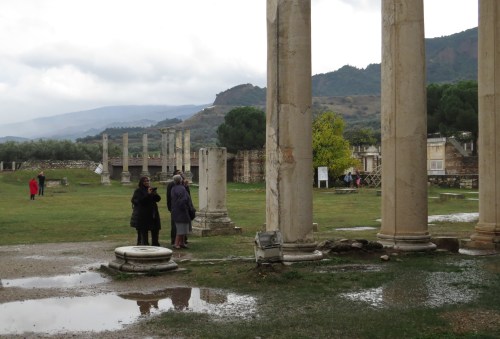
After a final look around the gymnasium we headed off to Pamukkale for the night.

We woke the following morning to blue skies – at long last. These balloons are running sightseeing flights over the famous calcite formations of Pamukkale.

It looks like snow but in fact it is white calcite formations, the name Pamukkale means ‘cotton castle’.

The white rock is travertine ….

….deposited by a series of hot springs.

The hot water is super-saturated with calcium carbonate which comes out of solution as the water cools.
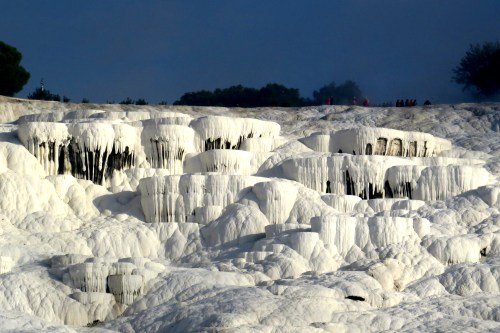
The best views seem to from the hotel grounds at the top. I never found out if this was reserved for hotel guests but we were not offered the chance to go there.
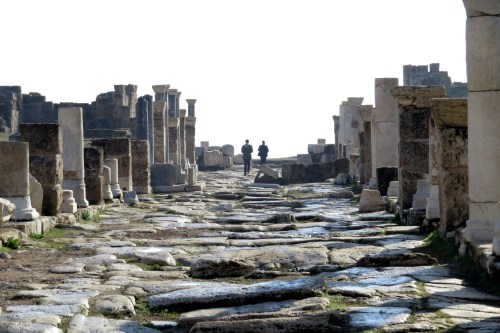
We continued on to Laodicea, originally built in the 3rd century BC and occupied first by the Grecian and then Roman empires.
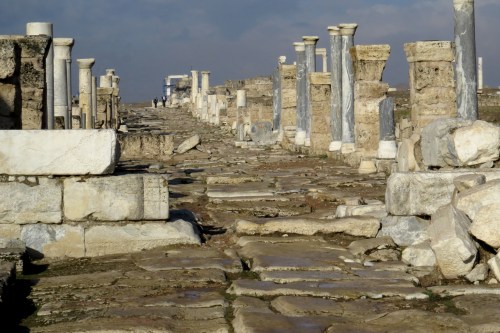
This (and the photo above) shows the so-called Syrian Road, a well-preserved Roman Road.
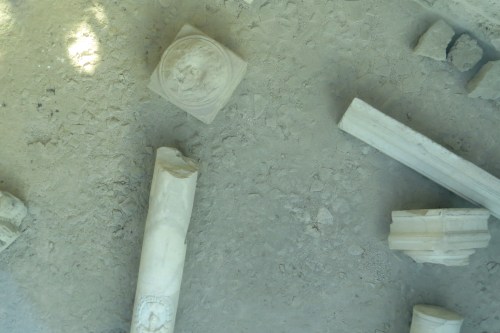
Excavations are still going on and we were able to walk on glass partitions that cover newly excavated areas.

The city was destroyed by an earthquake in the reign of Emperor Nero in AD 60 but was restored by its inhabitants.
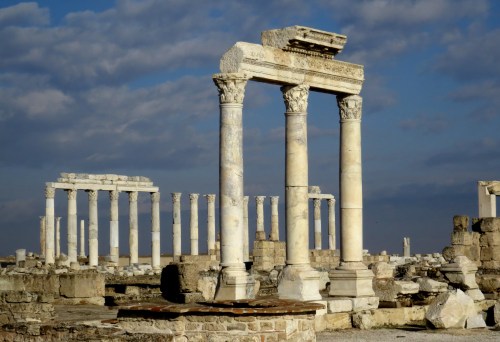
The city is mentioned in the Bible in the Epistle to the Colossians and is mentioned as one of the seven churches of Asia Minor in the Book of Revelations.

Many stones had interesting (presumably Roman) carvings.
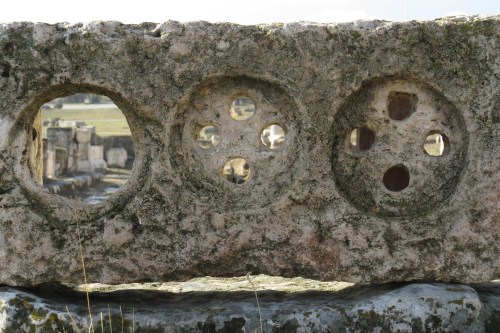
This stone was used to connect stone pipes together, either to transport water or as part of the hypocaust for under floor heating.

Birding was good around the ruins with plenty of Black Redstarts (above) and Crested and Wood Larks. A group of eight Lesser Kestrels was unusual at this time of year. Of particular note was a Finch’s Wheatear, a winter visitor from eastern Turkey or Central Asia but it was flushed by a tourist before I could get a photo.

Margaret enjoying the sights of Laodicea.
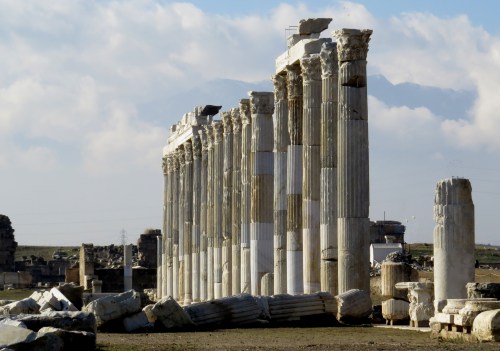
A wonderful colonnade.

We tried to get a group photo but people kept leaving the group to take their own shots. There were 32 clients plus the guide Sarkan (crouched at the front) so I suppose I did well to get 28 in one shot.

After the tour we were given just 20 minutes to go round on our own ….
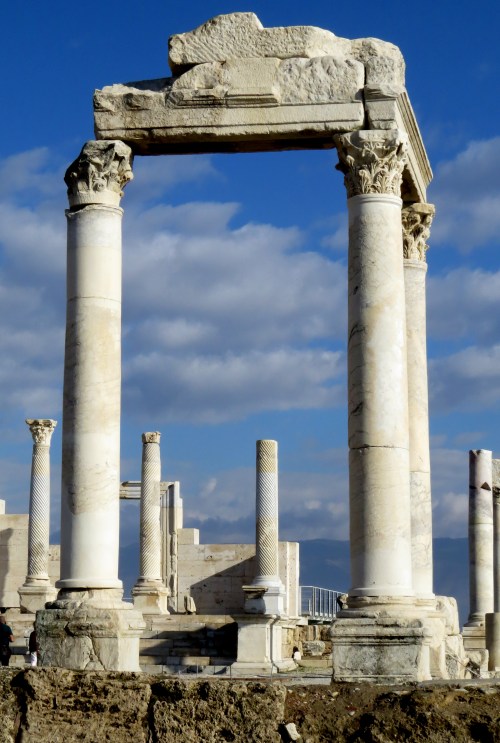
…. I would have liked a lot more time as not only was the architecture awe-inspiring but the birding was good too.
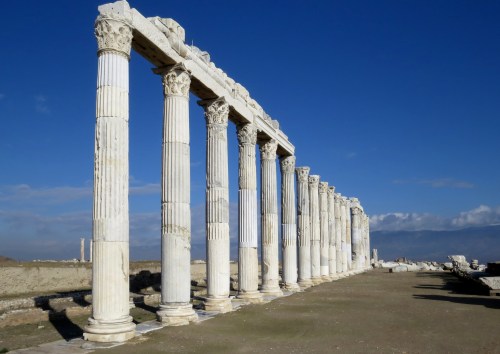
So with a final shot of the colonnade (without a load of tourists in front) I had to rush back to the bus. Unfortunately the next destination was nowhere near as exciting but that’s a story for the next blog post.
Turkey for £99 (including flights) the advert proclaimed. I said to Margaret that they couldn’t possibly do it for that price, and of course I was right. Only one departure was at £99 and that was full, then there were additional charges for food and excursions etc, etc. In the end we paid about £600 each, but that still represented incredible value, especially considering the quality of the hotels we stayed at. The tour, based around sightseeing sites of cultural/historical interest, started at Istanbul and went south crossing into Asia at the Dardanelles, on to the historical sites of Troy, Sardis, Laodicea and Aspendos, finishing at Antalya on the Mediterranean coast, a week and 1000 miles later.
I found the trip very enjoyable, my only complaint was the lengthy enforced visits to carpet, leather and jewelry factories where we subjected to the ‘hard sell’, when we could have spent the time more enjoyably at the historical sites we had come to visit.
We arrived at Istanbul late at night on the 25th and it was 0130 before we got to our rooms, so the 0800 departure the following day was a bit of a shock for some but as we are used to getting up at silly o’clock for birding, we took it in our stride. I had visited Istanbul before as part of a birding tour in 1999, but Margaret had never been. Unfortunately the weather wasn’t kind to us but at least most of today’s activities were indoors.

Istanbul is the only city in the world that sits astride two continents. we landed on the Asian (Anatolian) side and crossed by bridge to Europe, where most of the famous tourist sites can be found, most notably the Hagia Sophia (above) and the Blue Mosque, but first we would make a visit to the Topkapi Palace.

I knew all along that this wasn’t going to be a birding tour, however I kept by binoculars with me and was rewarded with a few interesting sightings. Of course I also underwent frustration when interesting birds couldn’t be conclusively identified due to lack of time or because the they were seen from a moving bus. Here in Istanbul we saw several Laughing Doves, a common species in the Middle East that just gets into Europe in European Turkey and extreme eastern Greece and Bulgaria.
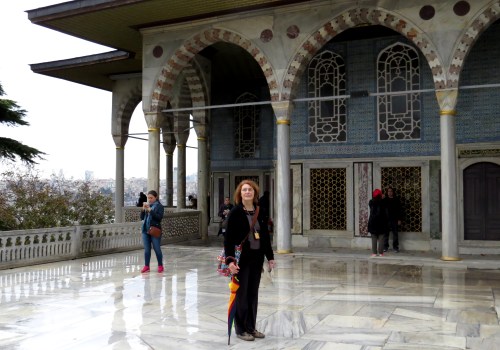
The Topkapi Palace was the royal residence of the Ottoman Sultans from 1465–1856, nearly two-thirds of their 600 year reign.
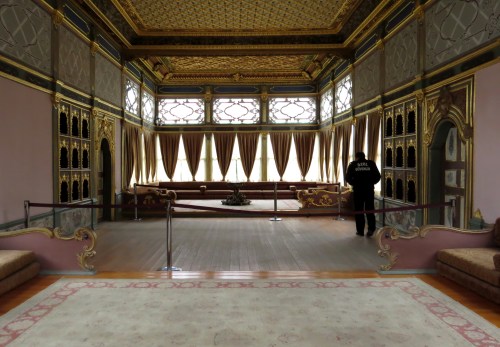
Several of the rooms contain priceless artifacts, gifts to the sultans of jewelry, beautifully worked pieces in precious metals, ivory or ceramics but photography was banned. Other rooms such as this one were closed due to the weather to prevent hundreds of wet feet from spoiling the flooring. That said I got perfectly good photo through the window without the crowds spoiling the view.

A feature of Islamic art is that as representations of the human form are not allowed these wonderful and beautiful geometric patterns are favoured instead.

The Topkapi Palace overlooks the Bosphorus, the narrow channel of water that separates the Black Sea from the Sea of Marmora. The Asian side of the city is on the right, the Bosphorus Bridge over which we crossed the night before can be seen in the mid distance. I was able to see several flocks of Yelkouan Shearwaters from this vantage point, this must be the easiest place in the world to see this east Mediterranean speciality.
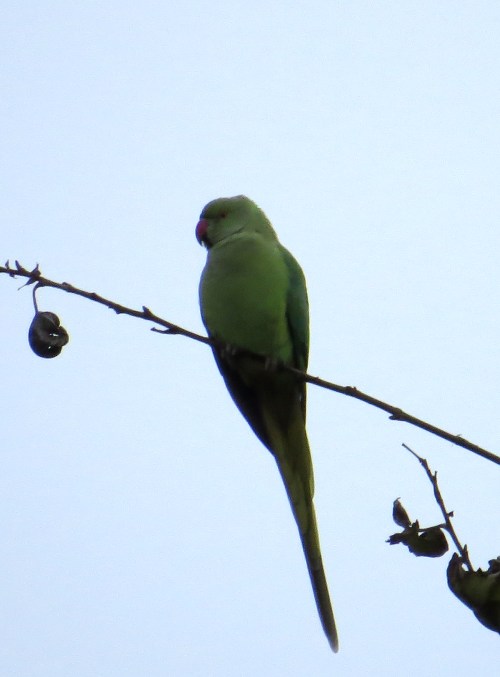
Several cities across Europe have feral populations of parakeets like this Rose-ringed Parakeet female photographed at the Topkapi Palace, we also saw the larger Alexandrine Parakeet in the area.

Then it was time to visit the wonderful Hagia Sophia ……

Hagia Sophia (from the Greek ‘Holy Wisdom’) originally a basilica constructed from 537 AD onwards during the reign of Byzantine Emperor Justinian. It served as a Greek Orthodox cathedral and seat of the Patriarch of Constantinople until 1453 (except for 57 years in the 13th century after the 4th Crusade when it became a Roman Catholic cathedral). With the rise of the Ottoman Empire it was converted into a mosque until the secular Turkish State under the leadership of Mustafa Kemal Atatürk reopened it as a museum in 1935. The view from the balcony is especially awe-inspiring. The original Christian altar can be seen at the far end of the building. I last visited Hagia Sophia in 1999 and was disappointed to see that scaffolding obscured the view. I was even more disappointed to see that scaffolding was still there 16 years later (on the left hand side of this photo) but of course old buildings need renovating if they are to be preserved for future generations.
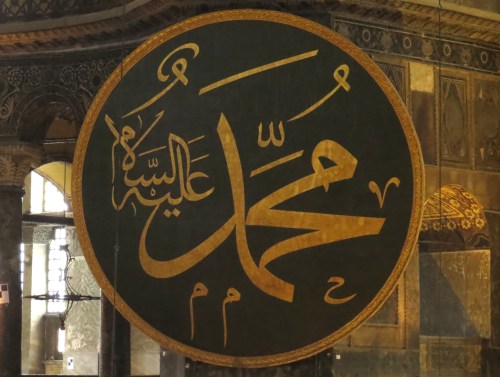
Continuing building work was carried out during the Ottoman period, the addition of the minarets occurred during the 16th century, whilst during the renovation of 1847 new gigantic circular-framed disks or medallions were hung on the columns. These were inscribed with the names of Allah, Muhammad, the first four caliphs Abu Bakr, Umar, Uthman and Ali, and the two grandchildren of Muhammad: Hassan and Hussain, by the calligrapher Kazasker Mustafa İzzed Effendi.

Fortunately rather than being destroyed when the basilica was converted to a mosque, the beautiful Christian mosaics were plastered over allowing for many to be later restored to their former glory.

In this beautiful mosaic Mary and the Christ Child are being presented with a model of Hagia Sophia by Emperor Justinian and by a model of the city’s fortifications (then known as Constantinople) by its founder the Emperor Constantine.
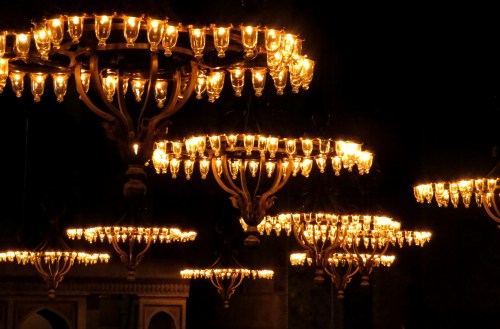
Originally lit by candles, it must have taken some effort to remove all the wax from the carpets.
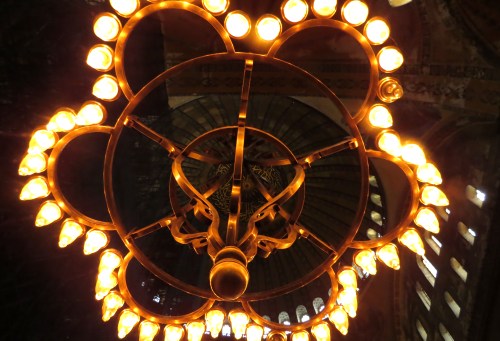
The symmetry and beauty of Islamic art and decoration is breathtaking, from the light fittings ….
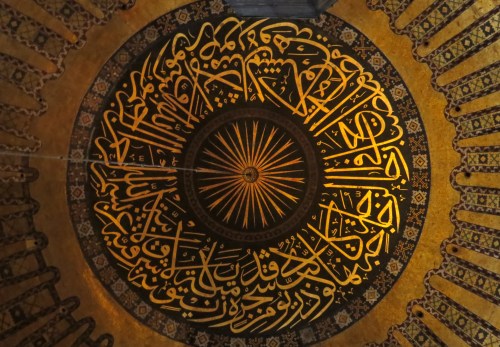
…. to the ceiling decorations above.

Exiting Hagia Sophia we headed for the, rather wet, Hippodrome
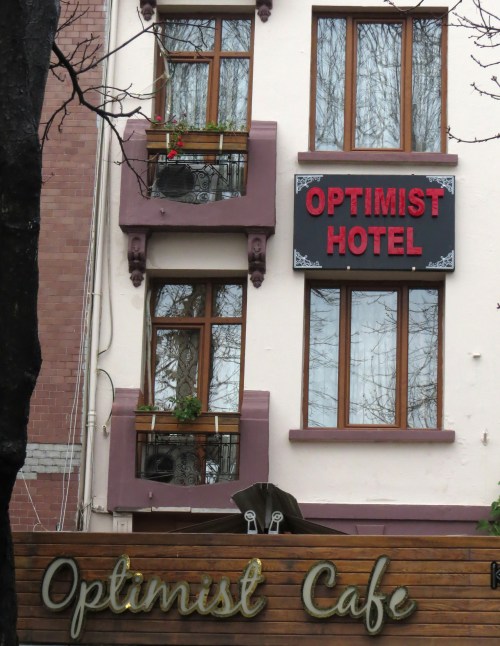
On our way to our lunch stop we passed the ‘Optimist Hotel’, amused by the name I took a photo. I was later to discover that it once belonged to Margaret’s son-in-law’s cousin’s husband. A strange connection.

We returned to the Hippodrome (horse path in Greek), originally a circus for chariot racing, it has now been renamed Sultanahmet Meydanı (Sultan Ahmet Square). Centre piece is the Obelisk of Thutmose III, brought from Egypt in 390 AD. The Imams from the Blue Mosque were calling to faithful to prayer whilst we were there and it was very loud, but quite evocative.
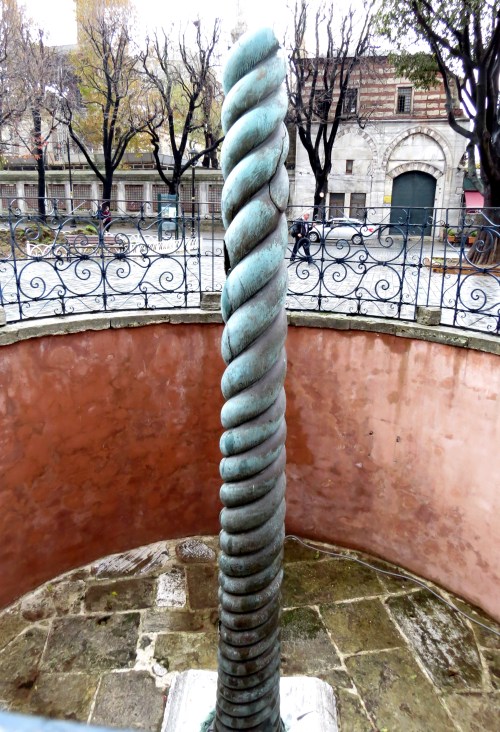
Also in the Hippodrome is the Serpent Column. The Tripod of Plataea, as it was originally known, was cast to celebrate the victory of the Greeks over the Persians during the Persian Wars in the 5th century BC. Constantine ordered the Tripod to be moved from the Temple of Apollo at Delphi, and set in middle of the Hippodrome. The top was adorned with a golden bowl supported by three serpent heads. The bowl was destroyed or stolen during the Fourth Crusade. The serpent heads were destroyed as late as the end of the 17th Century. The original ground level of the Hippodrome can be seen in this photo.

Then it was time to visit the Sultan Ahmet Mosque, more commonly known as the Blue Mosque. Unlike the Hagia Sophia this is a functioning place of worship and the appropriate dress code must be adhered to. Built from 1609 – 1616 on the site of the former place of the Byzantine emperors, it consists of one main dome, six minarets, and eight secondary domes.

The interior is truly magnificent ….

…. with many suspended chandeliers ….

…. and the wide open carpeted floor where the faithful come to pray.

An Imam speaks to his students and one point explained the basic concepts of Islam in English over the loudspeakers.

After some final photographs of the magnificent dome we left and headed the short distance to the Golden Horn, a six-mile long inlet of the Bosphorus at the very heart of Istanbul.
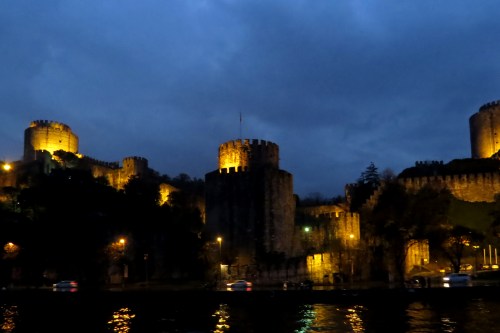
In the late afternoon we took a boat trip on the Bosphorus and as darkness fell we had great views of the Rumelihisarı castle on the European side of the city, which was built in 1451 by the Ottomans as their base prior to the conquest of Constantinople.

Our boat trip took us out of the Golden Horn, northwards into the Bosphorus as far as the more northerly Fatih Sultan Bridge.

Returning down the Asian side we had great views of the floodlit palaces ….
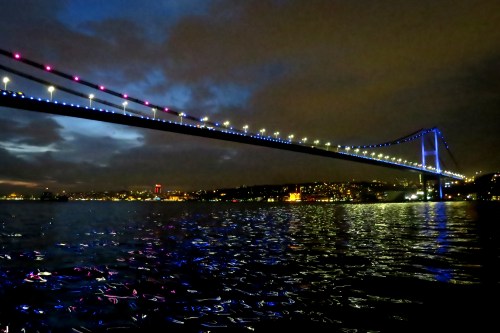
…. before we approached the Bosphorus bridge ….
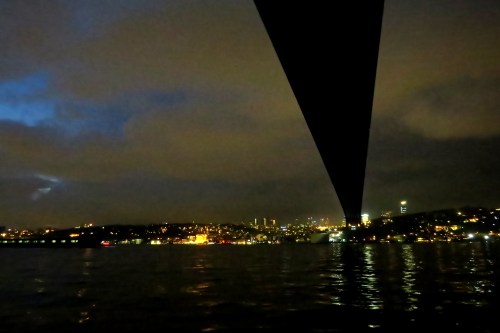
…. giving us a wonderful view of one of the great city sky scape.
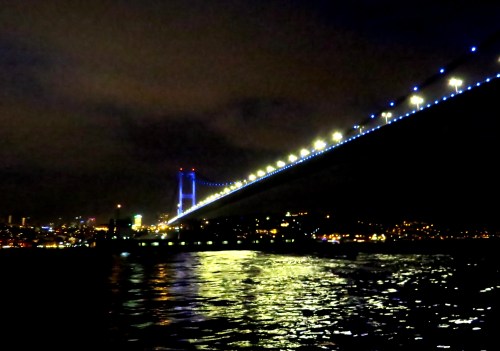
The computerised LED lighting on both bridges constantly changes colour ….

…. finally we turned into the Golden Horn and with the Hagia Sophia spotlit on the hill we returned to the bus and then to our hotel.
This post covers the six weeks between my return from Paraguay and now and deals mainly with bird ringing and a few other activities.

Immediately after my return from Paraguay our ringing group held a public demonstration at Durlston. Fortunately other group members were able to organise it, but in spite of some jet lag, I was still able to participate. Here my colleague Ian Alexander explains some of the findings that bird ringing has revealed whilst we wait for some new birds to be captured.

At the end of October we also did a public demonstration at Arne RSPB for their Forage Festival. A number of country crafts and home produced food outlet stalls were on show in this field.

…. and there was a big climbing frame for the kids.
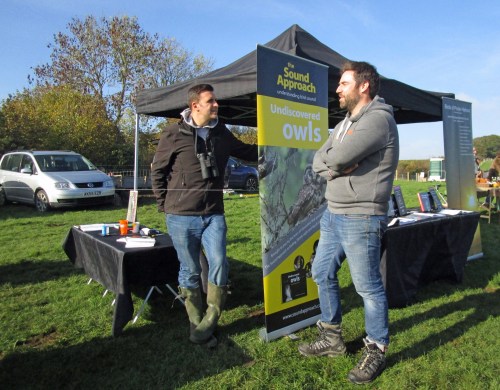
We had some nets erected nearby and birds caught were shown to the public. Two-hatted Paul Morton was representing both the Sound Approach and Stour Ringing Group from the same stand. Here Paul (left) is talking to Simon Constantine, son of the Sound Approach’s founder Mark Constantine.
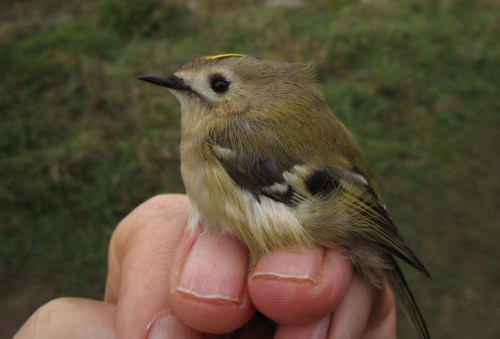
The big story this autumn has been the arrival of large numbers of Goldcrests. We haven’t seen influxes like this since the 80s. Our ringing totals for the last five years at Durlston have been: 2011 – 39; 2012 – 85; 2013 – 29; 2014 – 53; 2015 – 445. The number ringed this year might have been even higher had we been able to man a site known as the ‘goat plots’, as in previous years this spot yielded the highest numbers of crests.

The large numbers of Goldcrests has been noted on the continent as well, with ringing stations in Denmark and Holland reporting really big catches. It has been suggested (see Martin Garner’s excellent Birding Frontiers’ website) that some of these birds, especially those with a ‘grey shawl’ like this bird, may belong to the race coatsi, which breeds no closer than western Siberia. Quite a journey for a bird that only weighs 5 grams.

The normally scarce Firecrests have been much commoner this year as well with 29 ringed in October and November. including these three at the same time on 12th November

We have also been able to ring quite a number of Redwing at both Durlston and Lytchett Bay.
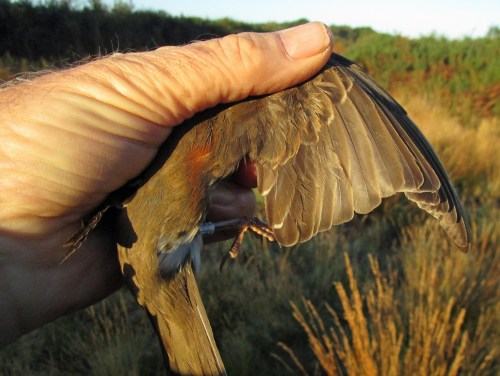
Aging Redwing is quite straightforward. The white step on the outer web of the tertials indicates that this bird is in its first year, although a surprisingly high proportion of the birds we have ringed have been adults.
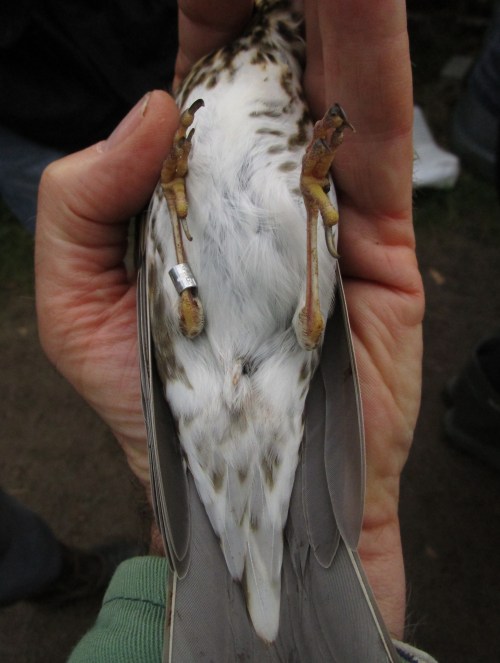
Another identification criteria highlighted in Martin Garner’s Birding Frontiers blog is that of of the Icelandic Redwing race coburni, which has more heavily marked breast and under-tail coverts than the nominate race from northern Europe. So far all the birds we have trapped have been of the nominate race.
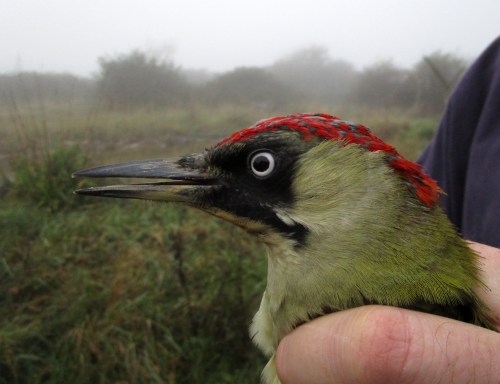
The capture of not one, but two Green Woodpeckers at the same time was noteworthy (photos of the two together proved unsatisfactory).

The capture of a few Lesser Redpolls was also of note. Like many finches large numbers fly overhead at Durlston but few come down into the trapping area. It has long been debated whether the six races in the Redpoll complex consists of two, three, five or even six species. Now the answer is clear – there is just one, and the different forms look different not because they have different DNA but due to the way that DNA is expressed. So unfortunately I expect to lose a couple of ticks on both my British and World list before too long.

We catch large numbers of Coal Tits at our site at Holton Lee but they are rare on the coast at Durlston, so when we ringed this bird in November we speculated about it being the nominate continental race, but although the black bib looks particularly broad, the mantle doesn’t seem blue-grey enough to ascribe it that subspecies.
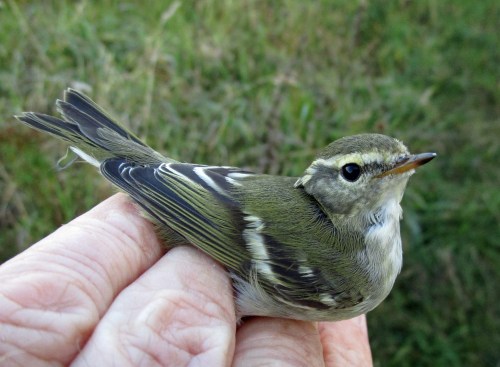
There has also been quite an influx of Yellow-browed Warblers, especially in the northern isles. One was ringed at Durlston during my absence in early October and I hoped that we would get another one after I returned, which indeed we did on 20th October.
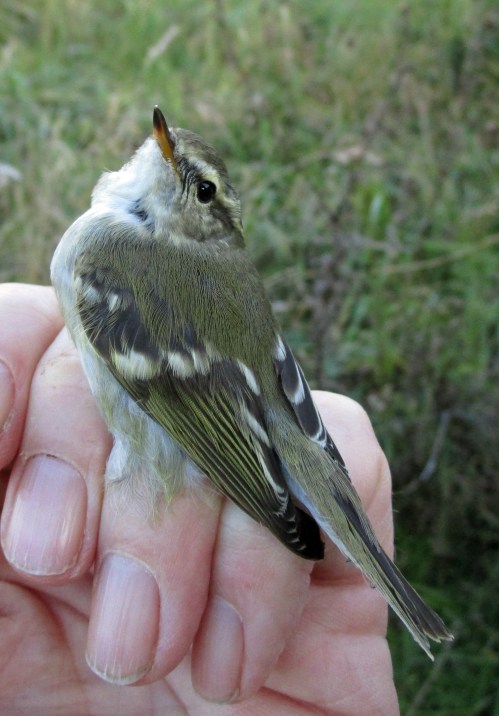
Breeding no closer than the Urals, this tiny warbler goes all the way to SE Asia to winter, although an increasing number seem to be heading SW to western Europe each autumn

We ring very few Siskin at Durlston but do catch a few at Holton Lee where this bird was ringed on 23/11. Clearly a male ….

…. it can be aged as an adult by the striking yellow greater coverts with only very fine white edging. Also the tail feathers are much rounder than on a young bird.
I regularly post pictures of birds that we ring but seldom get round to reporting where our birds get recovered. Here is a selection of Durlston recoveries and controls (ringed birds retrapped by another ringer).
| Species |
Date ringed |
Ringed at |
Date found |
Recovered at |
Time lapse |
Distance |
|
|
|
|
|
days |
Km |
|
|
|
|
|
|
|
| Willow Warbler |
10/08/2011 |
Durlston, Dorset, England |
14/08/2011 |
Gillingham, Dorset, England |
4 |
52 |
| Chiffchaff |
30/07/2011 |
Castlemorton Common, Worcs, England |
29/09/2011 |
Durlston, Dorset, England |
61 |
165 |
| Blue Tit |
20/02/2010 |
Woolsgarton, Dorset, England |
26/08/2011 |
Durlston, Dorset, England |
552 |
9 |
| Whitethroat |
10/08/2011 |
Durlston, Dorset, England |
17/08/2011 |
Lychett Bay, Poole Harbour, Dorset, England |
7 |
19 |
| Chiffchaff |
17/08/2011 |
England, Yorkshire, York, Thornton, England |
07/04/2012 |
Durlston, Dorset, England |
234 |
376 |
| Chiffchaff |
19/09/2012 |
Kenfig, Bridgend, Wales |
27/09/2012 |
Durlston, Dorset, England |
8 |
163 |
| Goldfinch |
09/09/2012 |
Martinstown, Dorset, England |
18/11/2012 |
Durlston, Dorset, England |
70 |
42 |
| Chiffchaff |
15/09/2011 |
Durlston, Dorset, England |
31/03/2012 |
Portland, Dorset England |
198 |
37 |
| Chiffchaff |
21/09/2012 |
Durlston, Dorset, England |
28/09/2012 |
Sandouville, Seine-Maritime, France |
7 |
203 |
| Blackcap |
04/09/2012 |
Durlston, Dorset, England |
18/09/2012 |
Icklesham, East Sussex, England |
14 |
188 |
| Greenfinch |
11/02/2013 |
Durlston, Dorset, England |
18/07/2013 |
Barnham, West Sussex, England |
157 |
97 |
| Chiffchaff |
29/09/2011 |
Durlston, Dorset, England |
18/10/2011 |
Embalse de Pedrezuela, Guadalix de la Sierra, Madrid, Spain |
19 |
1099 |
| Sparrowhawk |
03/09/2011 |
Durlston, Dorset, England |
19/07/2013 |
Christchurch, England |
285 |
22 |
| Willow Warbler |
06/07/2013 |
Eskmeals, Cumbria, England |
27/08/2013 |
Durlston, Dorset, England |
52 |
429 |
| Garden Warbler |
12/07/2013 |
Roydon Village Mariner, Essex, England |
19/08/2013 |
Durlston, Dorset, England |
38 |
190 |
| Blackcap |
08/09/2013 |
Durlston, Dorset, England |
16/05/2013 |
Herberg, Utsira, Rogaland, Norway |
250 |
1042 |
| Chiffchaff |
19/09/2013 |
Durlston, Dorset, England |
22/09/2013 |
Haseley Manor, Arreton, Isle of Wight, England |
3 |
52 |
| Goldfinch |
07/11/2013 |
Durlston, Dorset, England |
10/12/2013 |
Braytown, near Wool, Dorset, England |
33 |
23 |
| Chiffchaff |
05/10/2013 |
Durlston, Dorset, England |
07/10/2013 |
Hastings Country Park, Warren Glen, East Sussex, England |
2 |
185 |
| Chiffchaff |
14/10/2013 |
Durlston, Dorset, England |
08/11/2013 |
Portland Bill, Dorset, England |
25 |
37 |
| Chiffchaff |
22/09/2013 |
Low Newton-by-the-Sea, Northumberland, England |
13/10/2013 |
Durlston, Dorset, England |
21 |
547 |
| Lesser Redpoll |
13/10/2013 |
Durlston, Dorset, England |
14/01/2014 |
Ferndown, Dorset, England |
93 |
25 |
| Chiffchaff |
17/08/2013 |
Lychett Bay, Poole Harbour, Dorset, England |
26/09/2013 |
Durlston, Dorset, England |
40 |
19 |
| Chiffchaff |
21/08/2013 |
Wintersett Reservoir, Wakefield, W Yorkshire, England |
01/10/2013 |
Durlston, Dorset, England |
41 |
339 |
| Blackcap |
22/08/2013 |
Thorne Moors, nr Doncaster, S Yorkshire, England |
08/09/2013 |
Durlston, Dorset, England |
17 |
345 |
| Goldfinch |
13/10/2013 |
Durlston, Dorset, England |
09/03/2014 |
Laval, Mayenne, France |
147 |
293 |
| Chiffchaff |
01/10/2013 |
Durlston, Dorset, England |
01/04/2014 |
Margam Park Nursery, Dywyll, Neath Port Talbot, Wales |
182 |
165 |
| Blackcap |
07/09/2013 |
Durlston, Dorset, England |
12/09/2013 |
Beachy Head, East Sussex, England |
5 |
156 |
| Chiffchaff |
04/09/2013 |
Durlston, Dorset, England |
04/09/2013 |
Smallridge, Devon, England |
287 |
78 |
| Dunnock |
13/08/2014 |
Durlston, Dorset, England |
16/11/2014 |
Swanage, Dorset, England |
95 |
0 |
| Chiffchaff |
15/10/2013 |
Durlston, Dorset, England |
04/05/2014 |
Kenfig Pool, Bridgend, England |
201 |
163 |
| Blackcap |
29/09/2011 |
Durlston, Dorset, England |
17/03/2014 |
Garrapilos, Jerez de la Frontera, Cádiz, Spain |
900 |
1581 |
| Willow Warbler |
10/08/2013 |
Durlston, Dorset, England |
04/05/2014 |
Ballynafgh, Kildare, Ireland |
267 |
448 |
| Blackcap |
14/08/2014 |
Beachy Head, East Sussex, England |
05/10/2014 |
Durlston, Dorset, England |
52 |
156 |
| Willow Warbler |
07/09/2013 |
Durlston, Dorset, England |
04/05/2014 |
Bardsey Island, Gwynedd, Wales |
293 |
311 |
| Blackcap |
14/10/2013 |
Durlston, Dorset, England |
23/09/2014 |
Stanford Reservoir, Northamptonshire, England |
348 |
212 |
| Chiffchaff |
09/09/2014 |
Durlston, Dorset, England |
12/09/2014 |
Squire’s Down, Gillingham, Dorset, England |
3 |
52 |
| Chiffchaff |
22/07/2014 |
Millwater, Crewkerne, Somerset |
01/09/2014 |
Durlston, Dorset, England |
41 |
70 |
| Blackcap |
08/06/2014 |
Northward Hill, Rochester, Medway, England |
06/09/2014 |
Durlston, Dorset, England |
100 |
200 |
| Chiffchaff |
07/09/2013 |
Durlston, Dorset, England |
12/03/2015 |
Jew’s Gate, Gibralter |
544 |
1629 |
| Chiffchaff |
08/07/2014 |
Durlston, Dorset, England |
01/03/2015 |
Jew’s Gate, Gibralter |
174 |
1629 |
| Tree Pipit |
21/08/2011 |
Durlston, Dorset, England |
01/05/2015 |
Coleg Elidyr,Rhandirmywn, Camarthanshire, Wales |
1349 |
209 |
| Swallow |
23/09/2015 |
Durlston, Dorset, England |
10/09/2015 |
Hook Park, Hampshire, England |
717 |
54 |
| Willow Warbler |
15/04/2014 |
Lundy, Devon |
11/08/2014 |
Durlston, Dorset, England |
483 |
202 |
| Reed Warbler |
03/09/2015 |
Beddington Sewage Farm, Greater London, England |
08/09/2015 |
Durlston, Dorset, England |
5 |
155 |
| Goldcrest |
|
Outstanding |
08/1102015 |
Durlston, Dorset, England |
|
|
| Goldcrest |
15/10/2015 |
Bawdsey Hall, Bawdsey, Suffolk, England |
28/10/2015 |
Durlston, Dorset, England |
13 |
281 |
| Song Thrush |
|
Belgium (outstanding) |
02/11/2015 |
Durlston, Dorset, England |
|
|
| Blackcap |
|
Spain (outstanding) |
25/10/2015 |
Durlston, Dorset, England |
|
|
| Blackcap |
08/08/2015 |
Slapton Ley, Devon, England |
10/09/2015 |
Durlston, Dorset, England |
33 |
125 |

Now onto other subjects. Every month from September to March birders across the UK take part in the Wetland Birds Survey (WeBS), the idea that counts in a given area ar coordinated so the birds aren’t counted twice or missed. My area is the south-east of Holes Bay, which usually isn’t that exciting, at least compared the bird rich north-east sector. On the October count however, I was surprised to see two male Common Scoter, a bird associated more with the open sea in winter than sheltered inland bays. I didn’t have my decent camera with me so I only have this mediocre digiscoped shot.
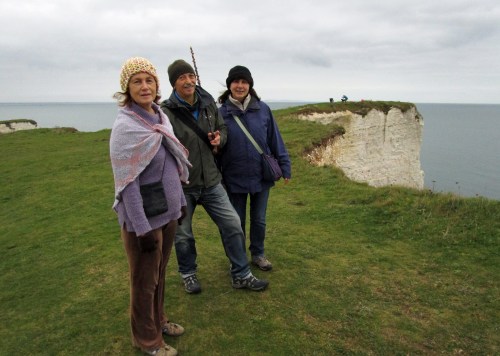
One day in late October Margaret and I met up with my old friend and former work colleague Gio and his wife Jessica and went for a walk along Ballard Down from Ulwell Gap to Old Harry and back to the pub at Studland. Very enjoyable with great views over Swanage, Poole Harbour and Poole Bay.

On consecutive nights in early November I gave my ‘what came first – the Archaeopteryx of the egg?’ talk to the Wiltshire Ornithological Society in Devizes and Christchurch Harbour Ornithological Group in Christchurch. The talk has taken at lot of researching and has been extensively rewritten since I first showed it a couple of years ago. And although I say it myself, I was pretty pleased with the outcome. It was quite a long drive across Cranbourne Chase and Salisbury Plain to Devizes, not helped by a large diversion due to road repairs, but I’m glad I did it. This photo shows Market Square in Devizes.

On an entirely different note, Margaret and I spent a very pleasant evening at the beautifully restored and wonderfully old-fashioned Tivoli Theatre in Wimborne.

We had gone to see the legendary American folk singer Judy Collins,famous for her renditions of ‘Send in the Clowns’ and ‘Amazing Grace’. Now aged 76 she still has a wonderful, powerful voice and gave a totally spellbinding performance. Between songs she told tales of the past from her friendships with Joan Baez and Bob Dylan to working with famous producers like Stephen Sondheim and revealed that the Crosby, Still and Nash anthem ‘Suite: Judy Blue Eyes’ was written for her. Photography is not allowed during the performance so I have used one of her publicity pictures.

I found the support act captivating as well. American singer Rachael Sage played a beautiful set of quirky songs that reminded me a little of Tori Amos. She was selling CDs in the foyer during the interval and I got chatting and asked if she minded if I took her photo ….

…. and of course I was obliged to buy her rather excellent CD after that.
I have been looking forward to seeing my 8000th bird for some time. Of course any bird seen for the first time is exciting, but some are more exciting than others, whether because the bird is very hard to see, is very rare, one that you have been wanting to see all your life, very beautiful or bizarre in appearance or because it is a landmark bird like my 8000th was.
I never thought I would get to see so many birds worldwide. I never set out with the ambition of getting to 8K, but once I had travelled to a few tropical destinations I realised that nothing in the birding world gave me more pleasure than setting eyes on a world lifer for the first time. Of course it made sense to document all these sightings – which led to a list of what I had seen, ie my life list, and this in turn spurred me on to go to new areas to increase this list still further.
Progress at first was slow, but by the 90s I was able to do two or three foreign trips a year, as my employers prefered to give me time off in lieu, rather than money for working weekends and we had decided to stay in our small terraced house and spend money on doing things rather than owning things. Of course as time went by you ‘get less birds for your buck’, but as recently as 2003 I was able to get over 400 new birds in a year. In the last decade I have visited some pretty remote areas of the world, including islands in the Micronesia, Melanesia or Polynesia groups, gone well off the beaten track in Madagascar and the Comoros and climbed mountains on the Tibetan Plateau and the Andes to find new birds. It hasn’t all been about numbers, I have done many a trip where I only got to see a handful of new birds, either because I particularly wanted to see those special birds or because I particularly wanted to go to a certain place.
There has also been the question of what to count and what not to count. Initially I just counted what ever I was presented with, if a species was in a field guide or on a trip checklist then I just added to a paper list of birds I had seen. As time went on I realised that I had to computerise my records; and then came choices. Some available checklists or national authorities considered a particular bird to be a full species, others considered the same bird to be merely a race of another species. This level of uncertainty grew until it occupied about 10% of my list. By this time I had developed a real interest in the bird taxonomy which underpins what can and what cannot be considered a full species. For a while I followed the Clements checklist, but after Jim Clements’ death in 2005 it was taken over by Cornell University who declared that the North and South American checklist committees decisions would take priority over all other national or regional checklists, even if the species concerned was just a vagrant to the Americas. This Americo-centric view I found increasingly unacceptable, but fortunately by then the International Ornithological Committee (IOC) had a user-friendly, regularly updated checklist up and running that relied on regional advisors for their decisions. I have followed that list ever since and would urge others to do so.
Another issue has been whether to count ‘heard only’ birds. If I included ‘heard onlys’ I would have reached 8000 on 14/10/14 when I saw Mayotte Scops-owl in the Comoros, for a number of reasons I keep my ‘heard onlys’ as an add-on to the main list: see https://atomic-temporary-24398266.wpcomstaging.com/2014/10/24/the-computer-says-8000-but-im-not-celebrating-yet/ If I included these ‘heards’ my life list would currently stand at 8159.
Over the years many birds have had their taxonomic status changed. Some like Red-billed Gull of New Zealand have been lumped (with the Australian Silver Gull) but splitting has been much commoner than lumping. Since the seventies the number of bird species has increased from 8,600 to 10,600. About 150 of these 2000 extra species are genuine new discoveries but the rest has been due to taxonomic realignment, which is just another way of saying splitting. Adding to your list as a result of a split of a bird you have previously seen is known as an armchair tick, as you can add a new bird from the comfort of your armchair!
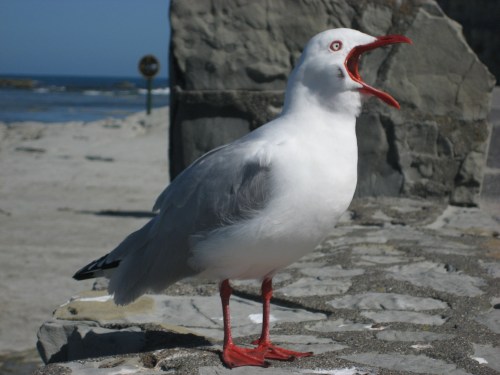
Red-billed Gull of New Zealand, now lumped with Silver Gull of Australia. Photographed in New Zealand in November 2009

Originally considered a race of Collared Kingfisher this form has been split and now is considered a full species, Marianas Kingfisher. Photographed on Rota, Commonwealth of the Mariana Islands, Micronesia in November 2010
Of course I knew that number 8k was approaching, but after the cancellation of my trip to far-eastern Russia in June I also knew that I was unlikely to get there in 2015. I expected to pass this milestone in western India in January 2016. I had hoped that things wouldn’t work out so that was at the start of the trip, I wanted it to be a moment to savour towards the trip’s end. What I hadn’t expected however was that the IOC would accept numerous splits of Collared, Micronesian and Variable Dwarf Kingfisher from the Pacific region whilst I was in Paraguay which gave me nine additions and meant that it would be touch and go as to whether I would reach the magic number before the trip ended (if I didn’t it would mean that the 8000th would be an armchair tick obtained sometime between the Paraguay and Indian trips). Number 7999 was the fairly uninspiring Southern Bristle-tyrant, which looked quite like other bristle-tyrants I had seen before, so I’m glad that didn’t end up being the ‘Big One’.
Enough pre-amble: here is an account of my 8000th tick, it wasn’t hard to find, it was easy to see, but it was oh, so satisfying.
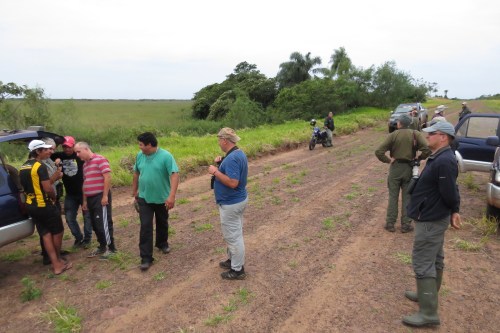
On the evening of the penultimate day of the Paraguay trip we drove to Isla Alta, an island in the Paraguay River. The island forms part of a hydroelectric dam that spans the river between Paraguay and Argentina and although we were actually still in Paraguay we had to go through customs to get there. The island is owned by the power company, so a security guard on his motor bike shadowed us to make sure we weren’t up to no good.

As darkness fell a pair of Sickle-winged Nightjars were quickly found. Like the con-generic White-winged Nightjar this species depends on visual display instead of vocalisations to attract a mate and hold territory. We were able to photograph the male on the deck ….
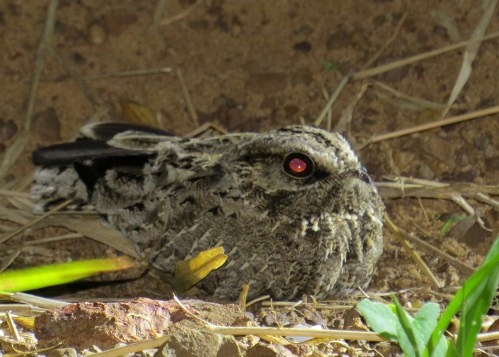
…. with and without flash ….
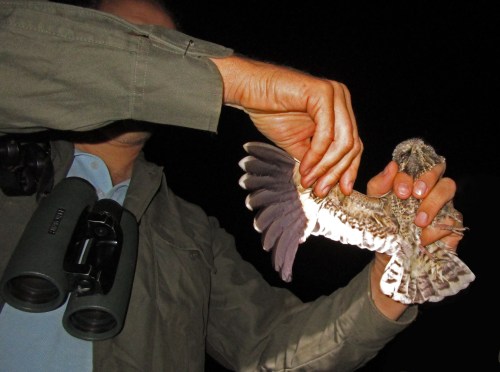
…. but it was only when Rob was able to catch the bird (he has been involved in a ringing study of these birds and needed to know if this individual was one of the birds he had ringed previously) was the bizarre ‘sickle-like’ structure of the bird’s wing revealed.
Coming at the end of an excellent trip, being such an enigmatic bird, seeing it in the hand (and from a fellow ringer’s point of view, being given the chance to release the bird myself) made it a very satisfying 8000th lifer.
Now what of the future, will I now give up – certainly not! Will I continue as before? – probably. I will target birds I particularly want to see and go to places I particularly want to go – but that’s exactly what I have been doing for the last 35 years. Perhaps the only difference is that I might not be quite so concerned with what my life list total has got to at the conclusion of each trip. I still need another 150 or so birds to reach 8k on the Clements list and that is still something I would like to achieve even if I don’t use that checklist routinely.
Will I ever reach 9000? Almost certainly no, as that is something only five birds worldwide have done (but I never thought I would reach 8000). The law of diminishing returns really kicks in at this level. Some tours are probably too tough for me to do now and there are some I’m not that interested in. Even including future armchair ticks I would be lucky to average more than 60 or 70 new birds a year, which means it would take about 15 years to see another thousand birds and that would make me nearly 80 years old!
As each thousandth life bird represents a milestone I have taken the opportunity to show them here. Even if I could have photographed them, all but the 7000th would be on slides (and I wasn’t able to photograph either of the contenders for number 7000) so all but two have been taken from the Internet Bird Collection.
I didn’t note my 1000th bird at the time, indeed I was already well past that number when I sat down to write out a life list. Working with the list as it stands today I have narrowed the 1000th to something I saw on Doi Inthanon, Thailand on 8/2/83 and of the various new birds I saw that day I have nominated the beautiful Yellow-bellied Fantail as number 1000.

Yellow-bellied Fantail. First seen by me at Doi Inthanon, Thailand on 8/2/83. Photographed at Kaladhung, India by Cedric Mroczko. Photo from the Internet Bird Collection
I do know exactly which bird was my 2000th as I had the life list completed before I went to Venezuela in 1988. I went with a private group and the four of us arrived in the town of Barinas in the Venezuelan llanos in the afternoon of 18/2/88. It was baking hot, probably over 40c and we were all jet lagged, but we went out anyway. I remember a fantastic array of birds with over 40 life birds in a few hours, getting Green Ibis as my landmark species but returning exhausted with a splitting headache.
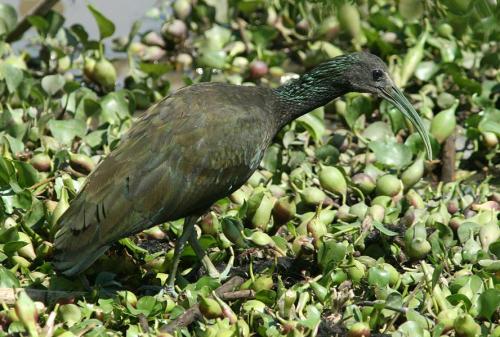
Green Ibis: First seen by me in the Venezuelan llanos on 18/2/88. Photographed in the Pantanal, Brazil by Aleix Comas. Photo from the Internet Bird Collection.
My 3000th bird was seen in the Philippines in Feb/Mar 1991. This was a trip that I arranged at fairly short notice as I had been forced to cancel a trip to Botswana and Zimbabwe the previous autumn for health reasons. I didn’t make a special note of which was my 3000th bird, but I have been able to narrow it down to one I saw on Mount Kitanglad on Mindanao on 28/2/91 or 1/3/91 so for the sake of this blog post I have chosen the amazing Giant Scops Owl, which at the time had been seen by very few birders.

Giant Scops Owl: Seen by me on Mount Kitanglad, Mindanao, Philippines on 1/3/91 . Photographed by Irene By on Mindanao. Photo from the Internet Bird Collection.
My 4,000th bird was seen on 16/11/94 in Australia. My late wife Janet and I had been birding in Queensland and as we flew down to Melbourne I totalled up what we had already seen, the Queensland section of our month-long trip brought my life up to 3994. Six to go to 4k! We had quite a drive from Melbourne to Deniliquin the next morning where we planned to meet up with local expert Phil Maher, the man who knew where to find the enigmatic Plains Wanderer. I thought I could easily find six life birds myself on the drive north, after all it was an entirely new part of the country. Long-billed Corella, Little Lorikeet, Red Wattlebird, White-plumed Honeyeater and White-winged Chough were found, but could I find that sixth lifer? We met Phil Maher in the afternoon and he immediately took us to a pond and there were some Black-tailed Native Hens, great, but I wished I’d have found them myself!
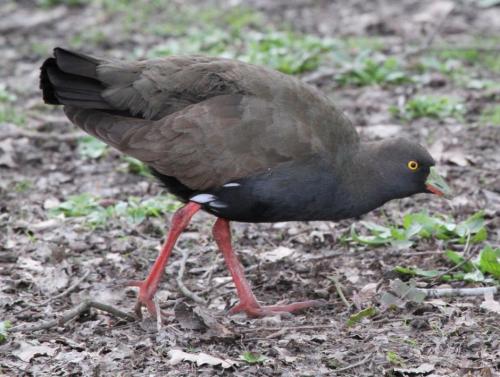
Black-tailed Native Hen: first seen by me on 16/11/94 at Deniliquin, Victoria, Australia. Photographed by Col Trainor in Victoria, Australia. Photo from the Internet Bird Collection.
My 5000th life bird was seen 16/2/98 near Ngorongoro Crater in Tanzania. This was quite a significant find as at the time there were considered to be about 10,000 species of birds in the world, so this represented the half way point. From now on the number of birds I hadn’t seen was smaller than the number of ones that I had. This had in several ways been quite a difficult trip, although ultimately a very rewarding one. My usual tour company had cancelled the Tanzania trip that I was booked on the previous year due to lack of support, so when I saw an advert for a comparatively cheap camping trip by another operator I jumped at the chance. Unfortunately El Nino floods had brought down bridges and we weren’t able to get to where we wanted to go, necessitating a 15 mile hike (each way to get to good forest). We got the overladen vehicles stuck in mud many times and the leader and one client were mugged by locals and had their passports stolen. Quite an adventure.

Abyssinian Scimitarbill: first seen by me at the Ngorongoro conservation area, Tanzania on 16/2/98. Photographed by Buchert in the same area. Taken from the Internet Bird Collection.
My 6000th bird was also very memorable. Janet and I were in Hawai’i, I had seen all of the possible Big Island endemics except the wonderful ‘Akiapola’au (most Hawaiian birds have wonderful local names made up of too many vowels, lots of apostrophes and too few consonants). We had been on a guided tour to some restricted access area, but to no avail. We took another guided tour the next day to another area (in retrospect I wish I had gone on a helicopter flight over Kilauea’s fiery heart instead). It was looking like my 6000th lifer would be the attractive, but introduced Java Sparrow but I decided to give the Saddle Road another go. I remembered that the guide said that local tradition said that collecting a bit of lava from Kilauea’s slopes would invole the wrath of the fire god Pele, so I threw my souvenir piece of a’a away before I hiked across the barren landscape of pahoehoe lava flows towards a kipuka. These strange islands of vegetation are caused when a lava flow is directed on both sides of an area of forest by a rise, ridge or other obstruction, leaving an oval of forest intact in a sea of cooling volcanic rock. The lava flow around the kipuka I was heading for had been so extensive that the lava was level with the tops of the trees and you had to climb down 15m or so to enter this strange isolated world. I searched several kipukas over the next hour before returning to the first one, which eventually gave me great views of one of Hawaii’s most bizarre birds with it’s chisel like lower mandible to chip into soft bark and a fine curved upper mandible to winkle the grub out. Like almost all of Hawaii’s native bird the ‘Akiapola’au is endangered and suffers from introduced predators, introduced avian malaria and habitat destruction, both man-made and natural. Do I believe that throwing away my souvenir bit of a’a, collected whilst still hot from a recent lava flow, appeased the fire god Pele and led to me find this avian mega? Of course not (but its a good story).
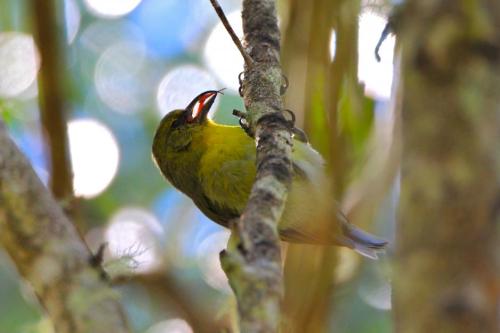
‘Akiapola’au: seen by me on 18/3/03. Photographed on the Big Island, Hawaii by Brian Scully. Taken from the Internet Bird Collection.
Strangely my ‘thousandths’ birds seem to come right at the start or the end of trips and this one was at the end. By 2007 fed up with the speed at which Clements checklist was incorporating newly split species, particularly in the Old World, I ended up counting lots of birds where the published information clearly showed they were good species but Clements (now in the hands of Cornell University) hadn’t taken the time to keep up to date. In Jan/Feb of that year I was in Colombia on the Caribbean coast on the last day of the trip when we came across a beautiful, yet critically endangered hummer (population estimated at 250 individuals), Sapphire-bellied Hummingbird, this was my unofficial 7000th bird.
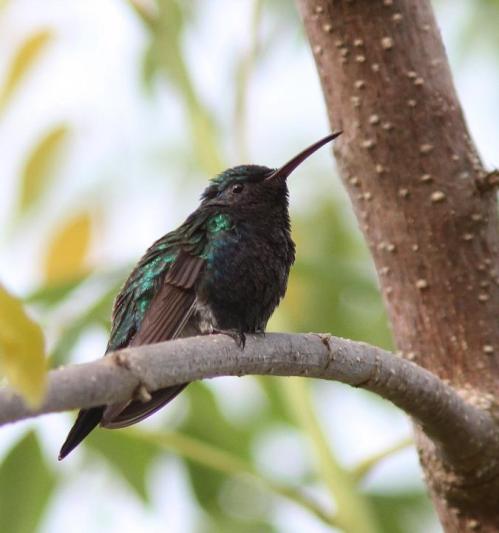
Sapphire-bellied Hummingbird: seen by me at Isla Salamanca, Magdelena, Colombia on 3/2/07: Photographed by Guy Poisson at the same location. Taken from the Internet Bird Collection.
Such was the disparity between my personal checklist and Clements that it took another three years before I got to 7000 following Clements, on 8/5/10 to be precise. In 2011 the IOC checklist started up and having met one of its editors, David Donkster on a trip to China and discussed listing issues with him, I decided to stick closely to the IOC list, departing from it only if our British BOU checklist differed.
In spring 2010 my friend Roger asked me for advice about visiting Georgia and Armenia, I replied that I hadn’t considered going as there were only two life birds (actually only one as Caucasian Rosefinch has since been lumped) but I expected that he would have an excellent time. However once Roger had booked, I kept saying that I wished I was going with him, until Margaret told me to stop moaning and go. We had a great trip (with the exception of the encounter with a drunken driver on a narrow mountain track), my only life bird was seen on the first afternoon on the pass that divides Asia from Europe and this was by 7000th bird following Clements.

Caucasian Snowcock: seen by me at Jvari Pass, Georgia on 8/5/10. Photographed in Georgia by Birdfinders.
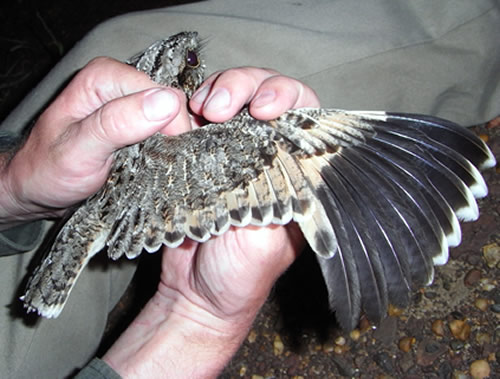
And finally back to my 8000th bird: Another Sickle-winged Nightjar male – this one was photographed on an earlier trip to mine in the same area of Paraguay by my friend Jonathon Newman and as before it has been trapped as part of the research program.
This post covers areas of Atlantic Forest and mesopotamian (between rivers) grasslands in eastern and southern Paraguay.
From Laguna Blanca we headed south to the Mbaracayu Biosphee Reserve, 70,000ha of Atlantic forest and cerrado, arriving just before dark.
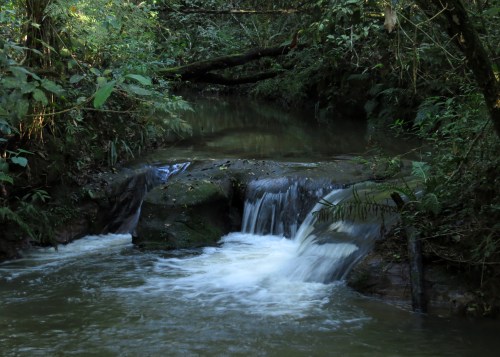
Our full three days at Mbaracayu were spent on narrow forest trails, some near the lodge, some further away or driving to more distant cerrado habitat for specific birds.
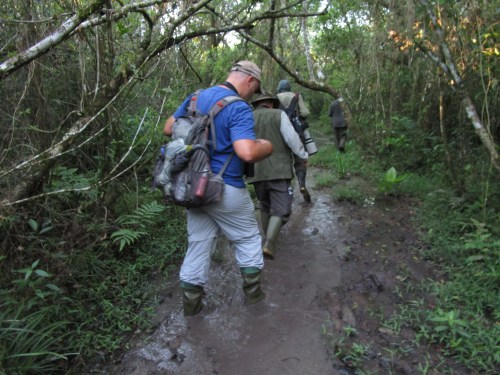
Heavy rain had made some trails rather wet ….
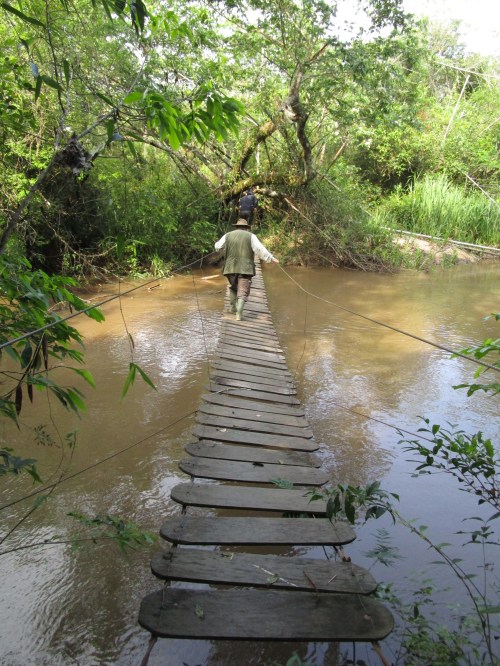
…. and the bridges just got dodgier ….

…. and dodgier.
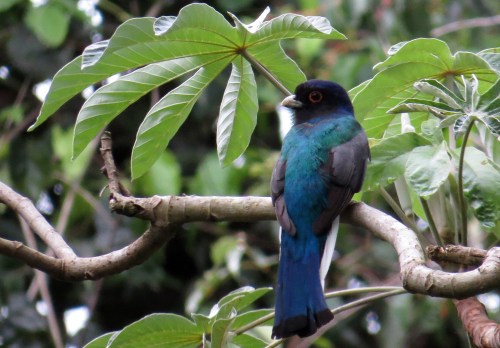
But we were rewarded with some excellent forest birds like this Surucua Trogon ….
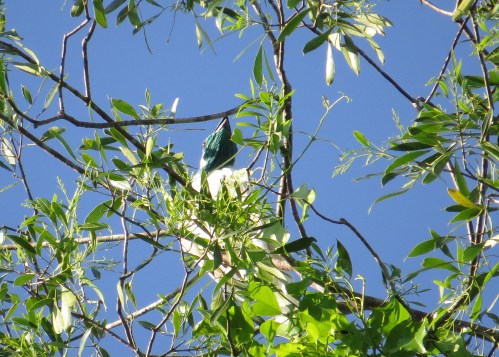
…. the very vocal, yet elusive Bare-throated Bellbird ….

…. and two enormous and rare woodpeckers – Helmeted ….
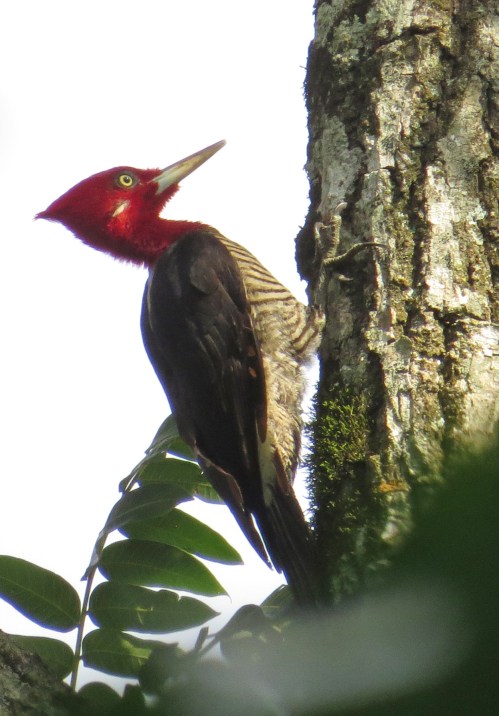
…. and Robust.
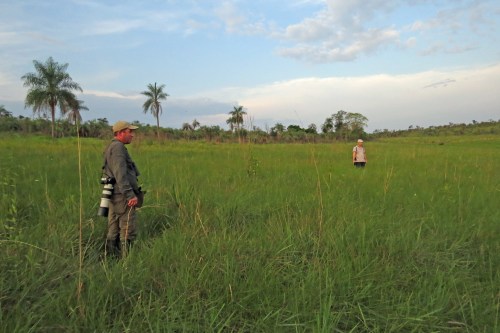
A lot of time was spent in this area of cerrado trying to locate the elusive Occelated Crake.

Although I saw it, my views weren’t as good as those had by most. A few of the group returned one evening (it was a 90 minute drive from the lodge on rough roads) but I declined to go as I thought I stood a better chance of goodies down by the river, but they got cracking views of the crake and several owls and tinamous on the return drive! You can guarantee that when there is a choice to be made in birding location that I will choose the wrong one!

We all got great views of Collared Crescentchest in the cerrado ….
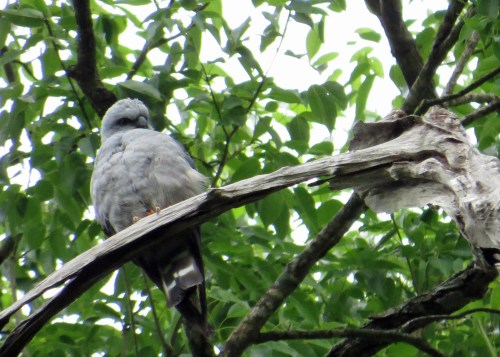
…. and flocks of migrant Plumbeous Kites were all over the place.

The kites were probably feeding on the winged termites or alates which emerged from the many termite mounds.
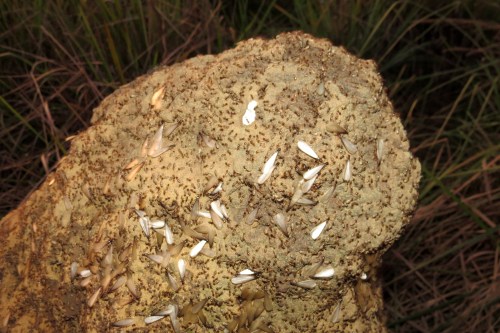
Using flash it was possible to see that the mounds were covered with flightless worker termites ‘waving goodbye’ to their winged siblings.
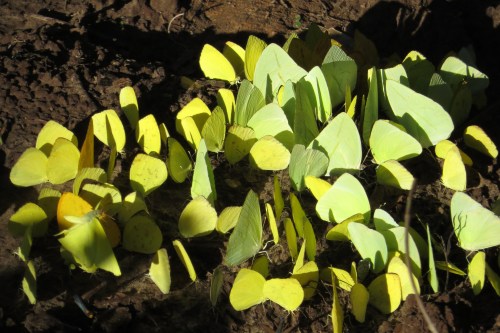
Mbaracayu was an amazing place for insects, some, such as legions of biting mozzies and sand flies were unwelcome but we also say a wonderful array of butterflies ….
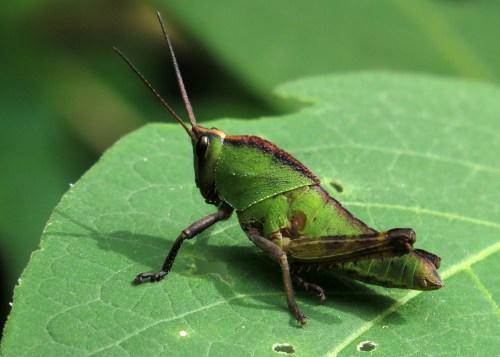
…. crickets ….

…. and back at the ledge, a praying mantis ….

…. and enormous numbers of superb moths ….
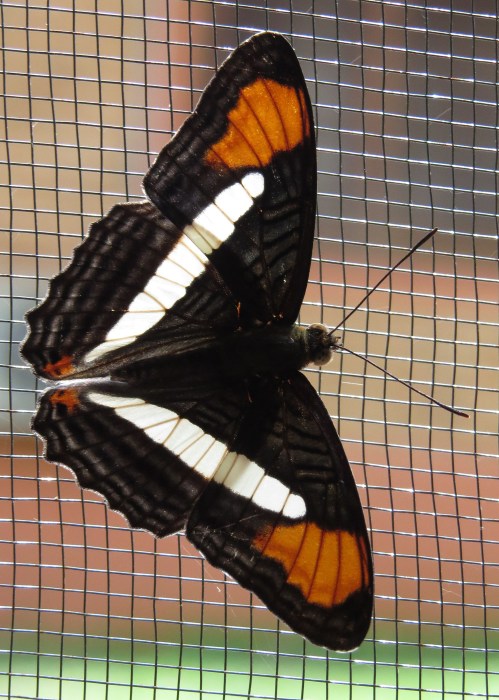
…. and butterflies ….
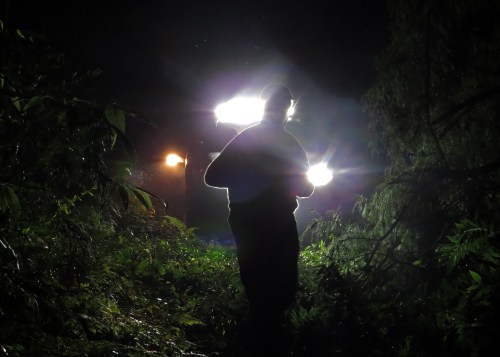
Our nocturnal drives produced several nightjar species and the much wanted Black-capped Screech Owl ….
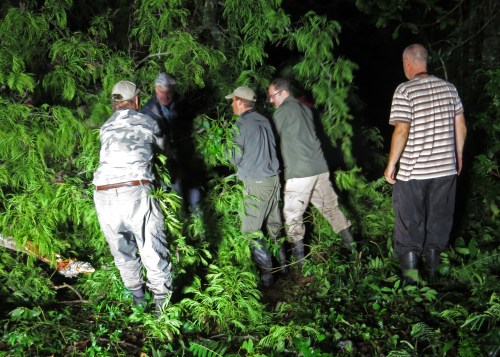
…. but we were hindered by a tree that had fallen across the track, which had to be removed by brute force.
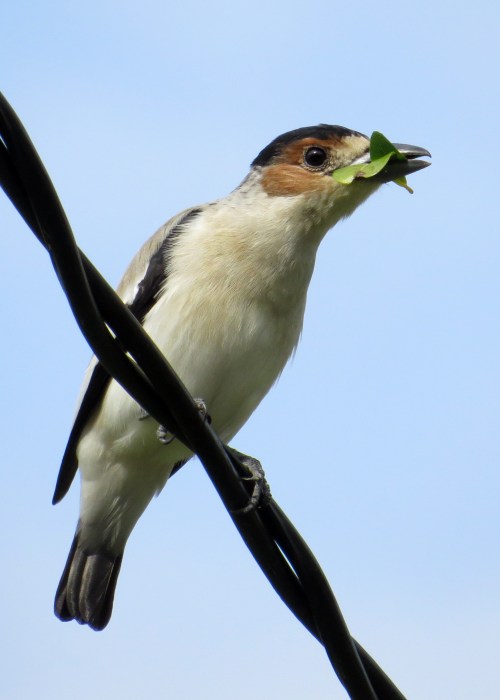
The trees in the clearing by the lodge were very good for birds including a nesting pair of Black-crowned Tityras
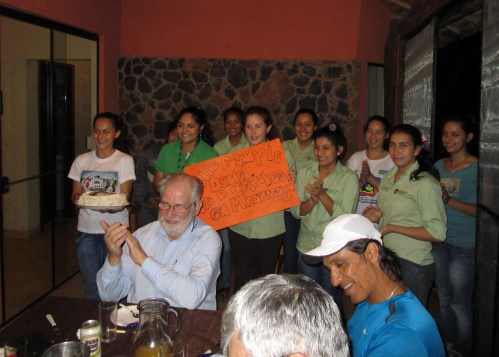
The lodge is adjacent to a girl’s school where they teach the girls, among other things, the tourist trade. The girls who served us our meals were very pleasant and cooked a cake for Dani, one of our drivers ….
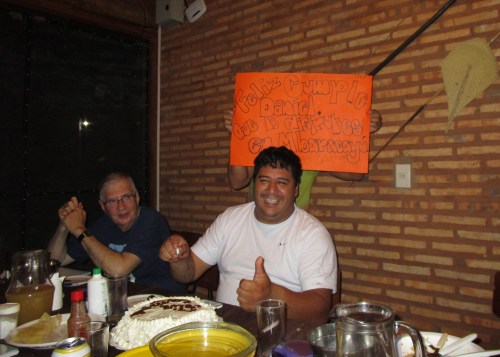
…. as it was his birthday.
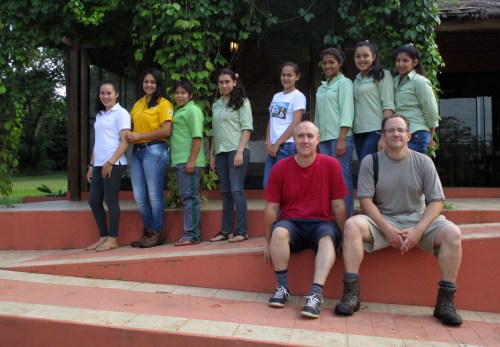
The lodge at Mbaracayu, the girls and leaders Paul and Rob.

The long drive south to San Rafael was broken by a night at the Hotel Tirol near Encarnacion. The hotel fell into the category of ‘faded elegance’ and seemed to be a series of rooms and buildings connected by endless red-brick arches.
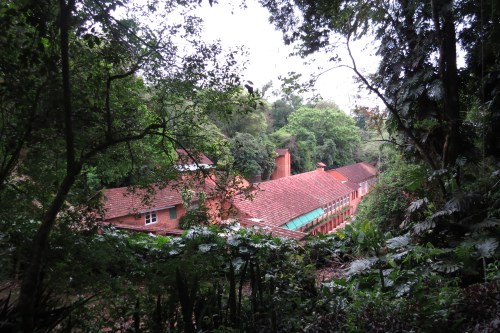
…. and the hotel had a stand of Atlantic forest in its grounds which allowed us to add birds like ….
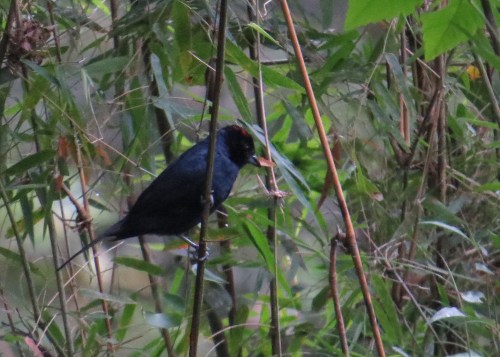
…. Ruby-crowned Tanager ….

…. and Euler’s (pronounced ‘oilers’) Flycatcher to our lists.
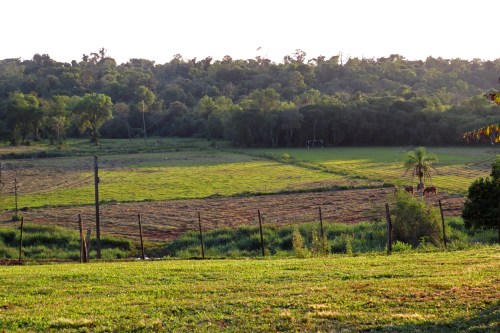
At our next destination, San Rafael, we stayed in fairly basic accommodation (made more basic by the fact that there was power failure) at an adjacent farm.
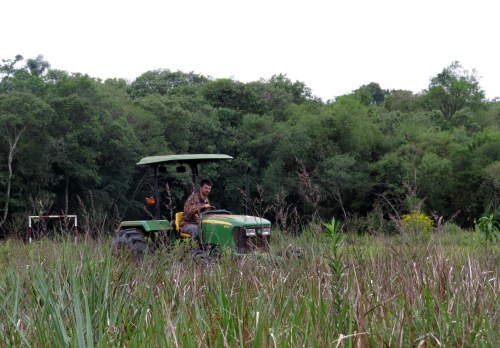
The farmer cuts the sedges in the meadow twice yearly to provide grazing for his cattle and apparently crakes often run out of cover as he does so. Conveniently he had planned to do this on our arrival.

He leapt off his tractor and was able to catch this guinea-pig or Brazilian Cavy before releasing it in an area of sedges away from the meadow ….
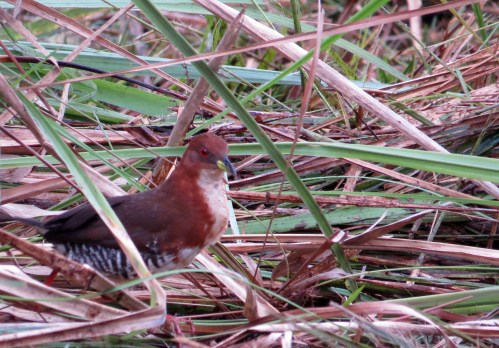
…. but the highlight was this wonderful views of this Red-and-White Crake that paused briefly before legging it to a nearby ditch.
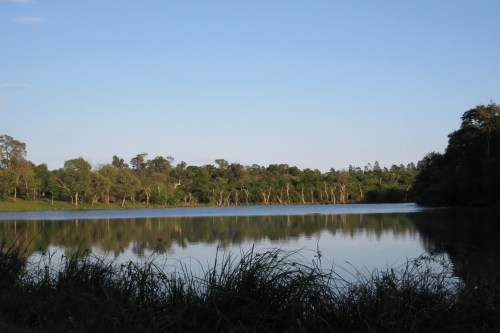
The reserve consists of a large tract of Atlantic forest surrounding this lake where we saw excellent species like the newly split Purple-crowned Plovercrest ….

…. and White-spotted Woodpecker.
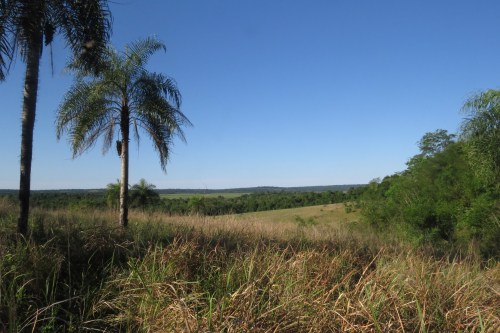
Much further away we birded in an area of grassland where we saw the fast declining Saffron-crowned Oriole ….

…. and after dark saw the amazing Giant Snipe (see my account of north-east Brazil in February for photos of this wonderful bird)
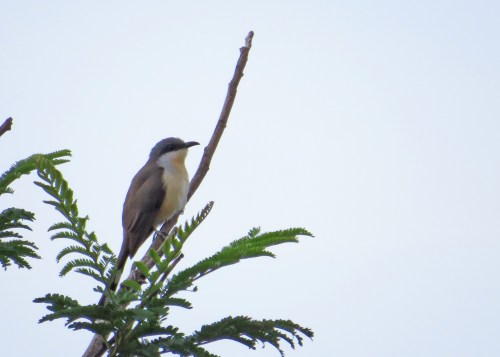
The last stop on the tour was at Yacyreta, an area of mesopotamian (literally ‘between rivers’) flooded grassland close to the Paraguay River and the border with Argentina. Many species were seen here including the rare Dark-billed Cuckoo ….
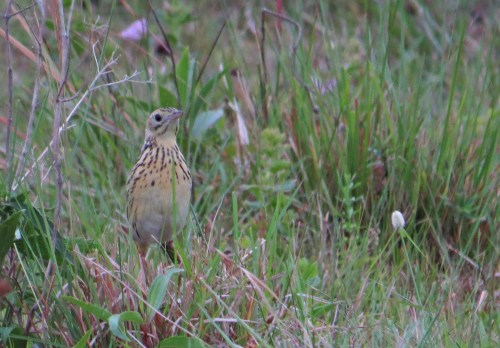
…. and Ochre-breasted Pipit ….
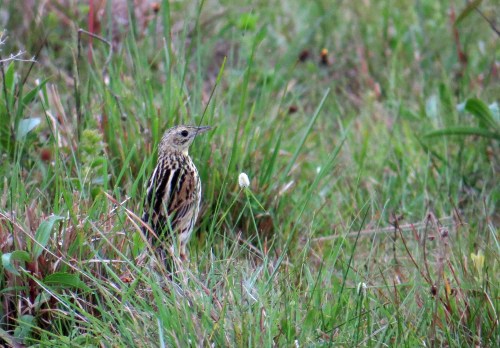
…, from the back a species that is reminiscent of the Palearctic (and vagrant to the UK) Pechora Pipit.
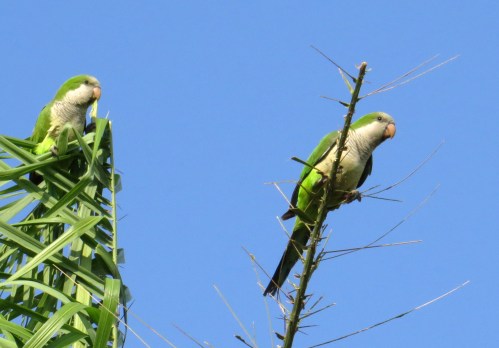
I’ll end this account with a photo of one of the commonest birds in all of Paraguay, Monk Parakeet. Their giant stick nests are everywhere, on power pylons, telegraph poles, trees etc. There is a small population of released birds in the UK, if they ever get established, expect some objections from the electricity and telephone companies.
By the end of the trip I recorded some 400 species (including 23 heard onlys) and had 20 life birds.
There is one birding site and one bird that I have omitted to mention, one that against all odds ended up becoming a land mark bird for me and the de facto ‘bird of the trip’. I think it deserves a post of its own!
This post covers the drive from Asunción to Laguna Blanca and Laguna Blanca and surrounding areas and will be the second of three posts on this wonderful country.
Progress with uploading these photos has been slow, partially due to my continued efforts to get as much autumn ringing at Durlston in as possible, preparing slide shows for various societies, but mainly due to a computer error (that I still can’t fathom out) leading me to lose several hundred edited photos from the Paraguay trip. Fortunately I still had the originals but re-editing them has taken ages.
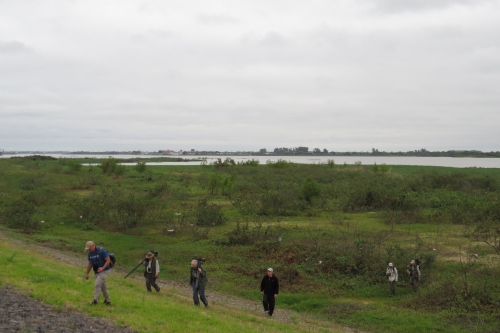
After the very hot and sunny conditions in the Chaco we encountered dull conditions and a 20c degree drop in temperature for the next few days. Before we left the capital we made a short visit to an area known as ‘the bay’ a marsh on the banks of the Paraguay river, unfortunately the best areas for migrant waders and other interesting birds have been destroyed by road building.
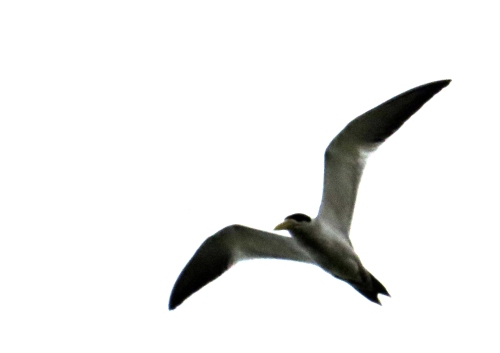
There weren’t that many highlights at ‘the bay’ but we had good views of Large-billed Terns, a species I refer to as ‘Sabine’s Terns’ due to the striking resemblance of their upper-wing pattern to the enigmatic high-arctic gull.
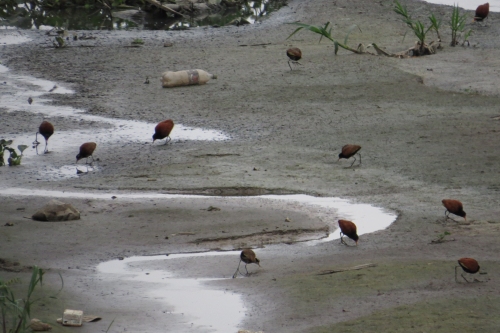
Muddy creeks, littered with discarded bottles, were full of jacanas but very few migrant waders.
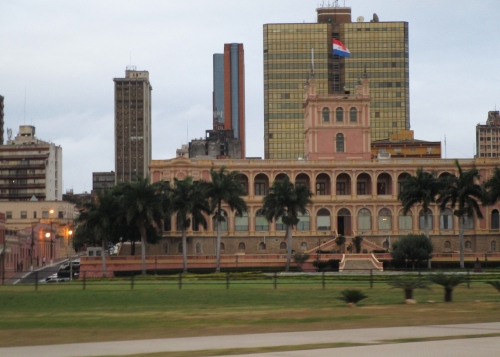
We later drove through Asunción, seeing a mix of attractive old buildings and modern high-rise.
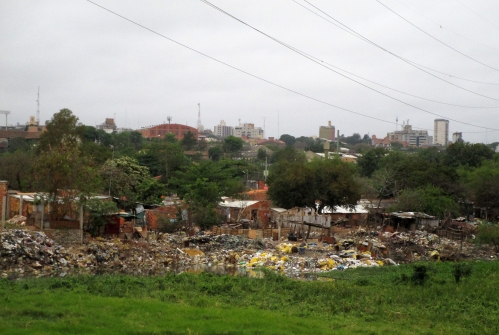
As with all South American cities Asunción has its poorer side as well.
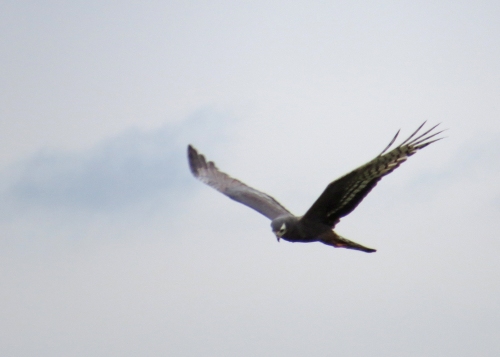
We stopped on route at a number of marshy areas, seeing a number of excellent species such as this Long-winged Harrier.
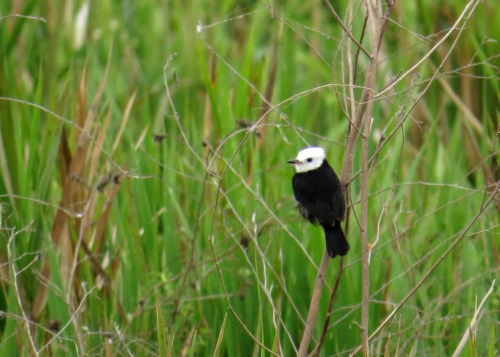
White-headed Marsh Tyrant was a welcome addition to the trip list but one I had seen many times before ….
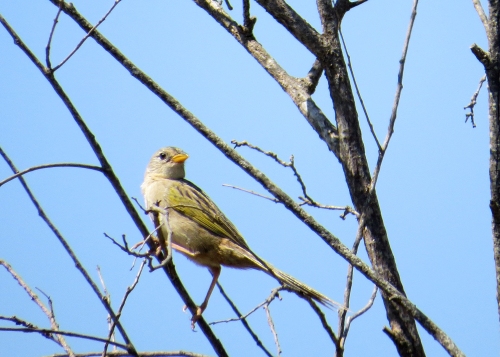
…. however Lesser Grass Finch was a new bird for me.
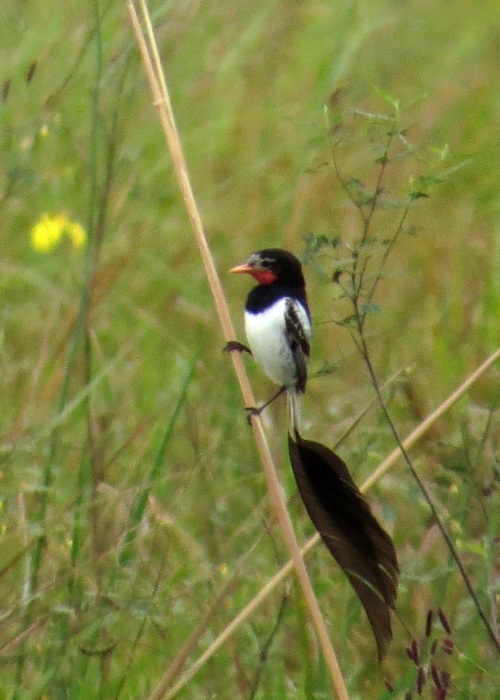
But the most exciting moment was seeing the wonderful Strange-tailed Tyrant, one of the main reasons for visiting Paraguay.
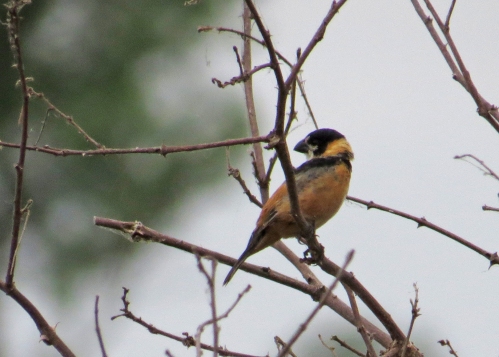
Other birds seen in these roadside marshes included the attractive Rusty-collared Seedeater ….
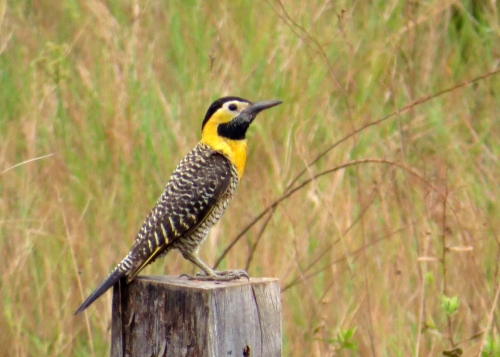
…. ‘Field’ Flicker these days, unfortunately, lumped with Campo Flicker ….
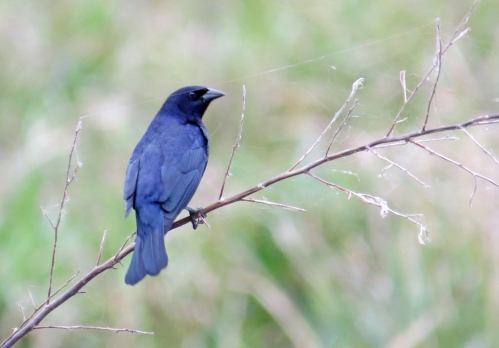
…. the ubiquitous Shiny Cowbird ….
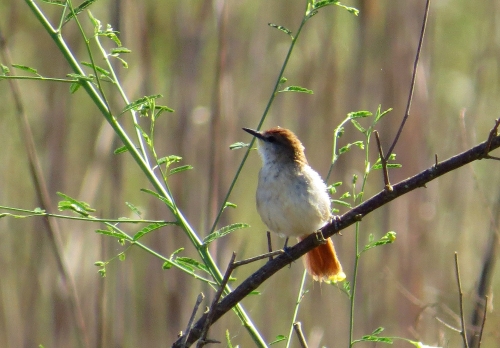
…. the rather poorly named Yellow-chinned Spinetail ….

…. and an amazing pair of displaying Streamer-tailed Tyrants, at 40cm in length, probably the largest of all the tyrant-flycatchers.
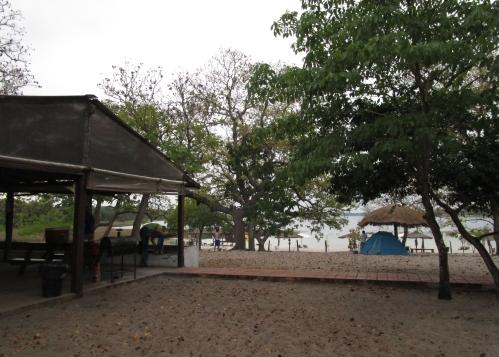
In the mid afternoon we made it to our accommodation at Laguna Blanca, which consisted was a series of fairly basic rooms with bunk beds by the lake shore, but with the toilets and showers 100m away. It was wet for much of our time here so this ment putting on wet clothes/boots for a nocturnal visit to the loo.
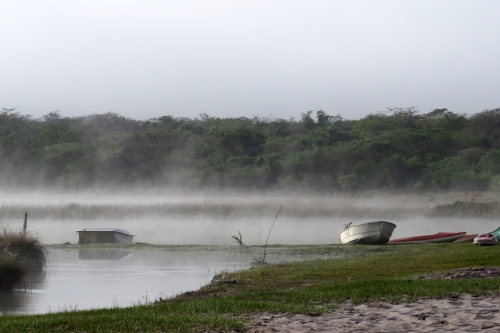
The lakeshore was very attractive ….
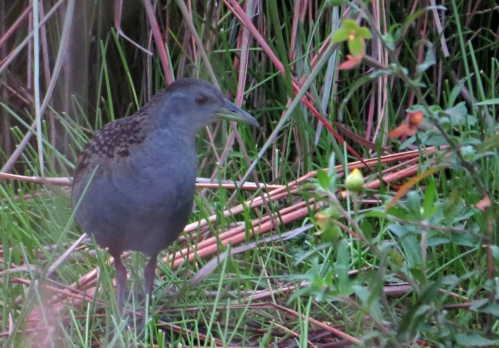
…. and we had just enough time before dusk to obtain good views of an Ashy-throated Crake.
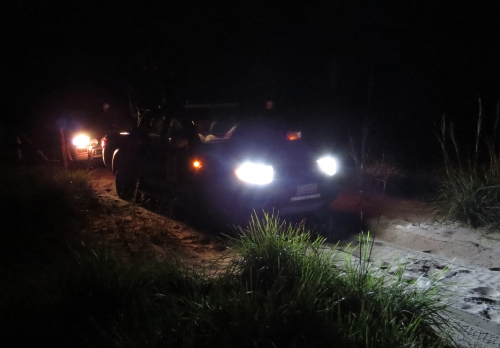
However it was our nocturnal wanderings that was the highlight of our time at Laguna Blanca, indeed the highlight of the entire trip.
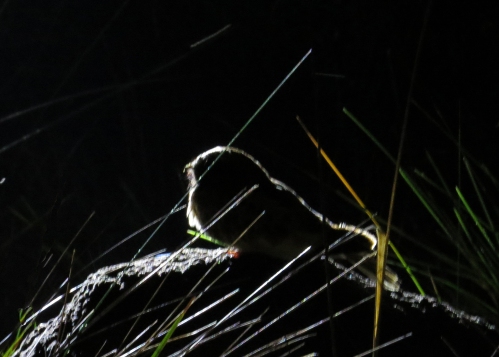
It didn’t take too long to find our quarry, the rare White-winged Nightjar.
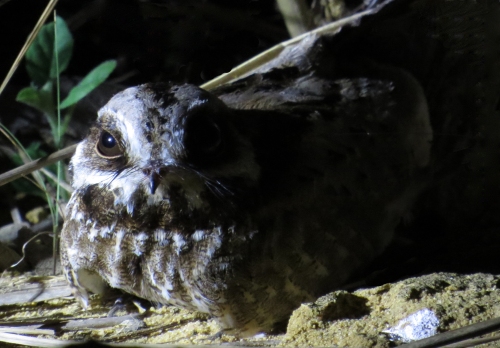
We were able to move into a position where we could all see it well without flushing it, this one turned out to be a female. Know only from a three sites in Brazil, two in Paraguay and one in Bolivia, this is a highly range restricted and endangered bird.
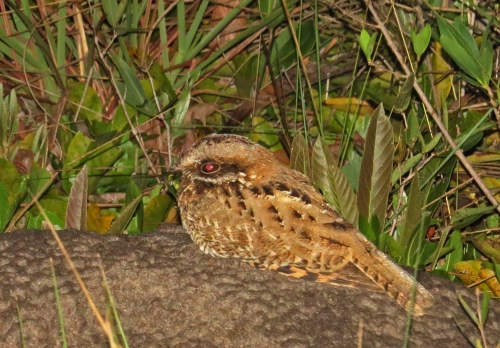
Flash photography revealed the details of its plumage, but females don’t have the eponymous white wings so the search for a male continued.
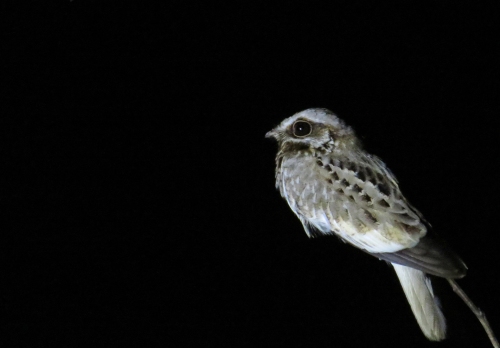
Eventually we saw a male in display flight, fluttering around to reveal its white wings and deliberately landing heavily on the ground with a thump. No photos were obtained in flight, but we did get this cracking view of it on a branch. This bird, above all else was the reason I came to Paraguay.
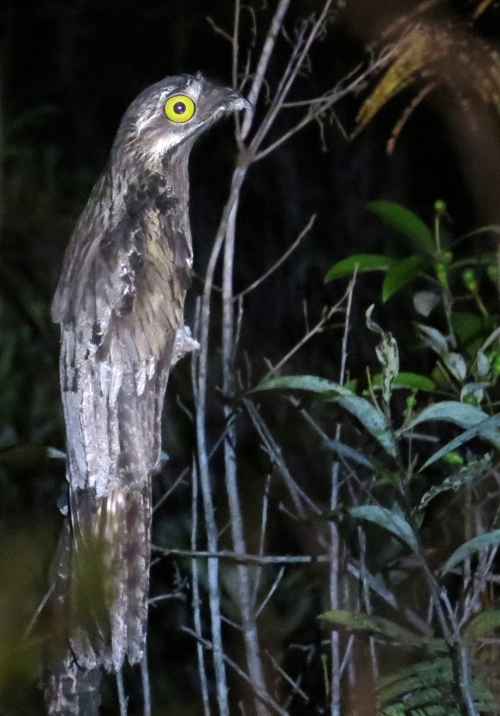
On the way back we came across another stunning nightbird, the bizarre, although widespread, Common Potoo.
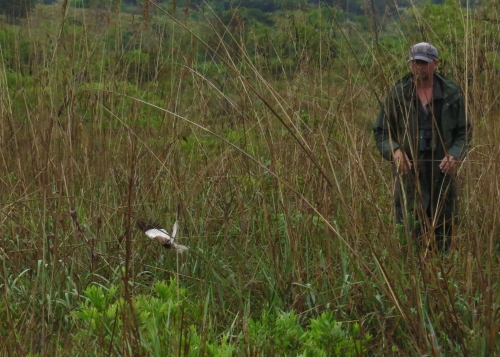
The following day was wet, windy and rather cool. We went out looking for goodies like Cock-tailed Tyrant and as we wandered through the wet cerrado Richard accidentally flushed this male White-winged Nightjar.
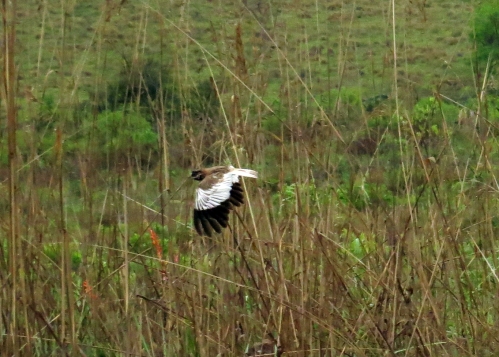
…. and I managed to get a couple of mediocre flight shots showing the wing pattern from above ….
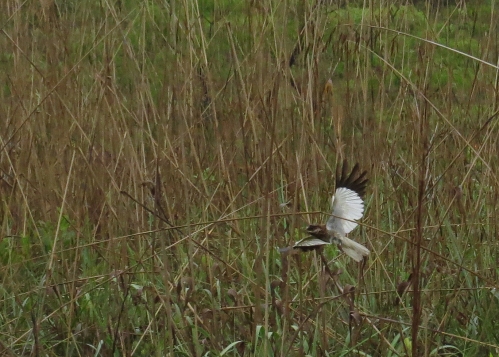
…. and below. It seemed at the time that this would be the undoubted ‘bird of the trip’ for me but there was another encounter right at the end of the trip that would push it into second place. More of that later.
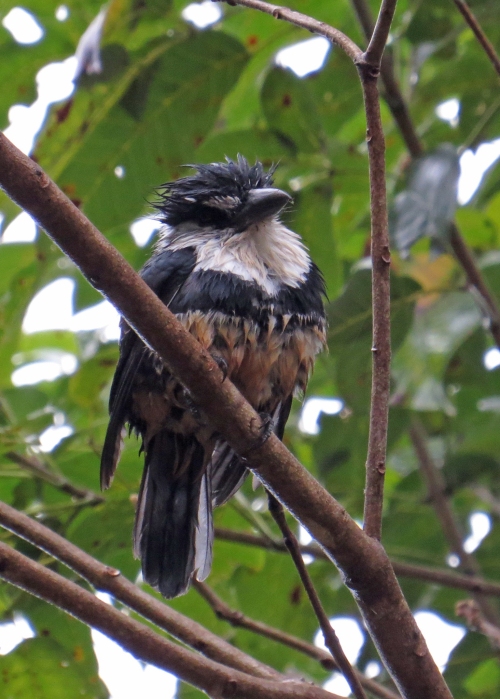
It wasn’t just us who got soaking wet, this Buff-belied Puffbird looks in need of a hair dryer.
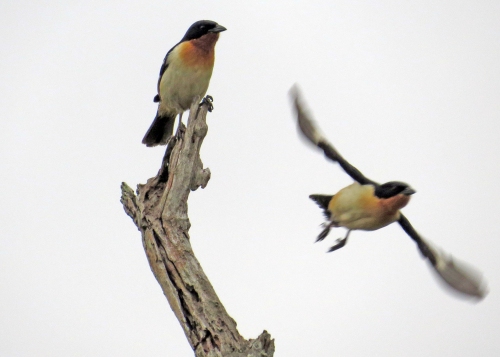
Other birds seen that morning included White-rumped Tanagers and ….
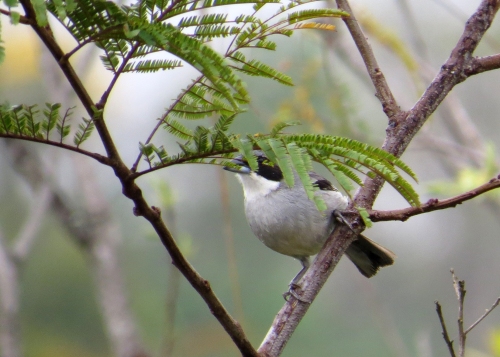
…. the aptly named Shrike-like Tanager ….
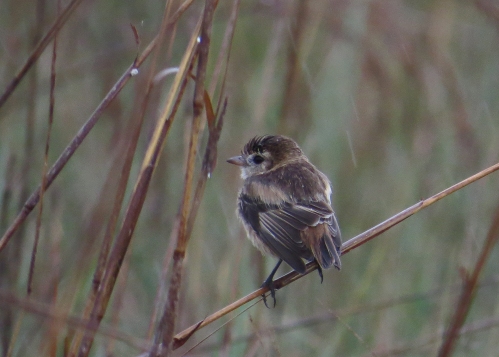
…. and this bedraggled female Cock-tailed Tyrant (note the falling rain drops in the photo).
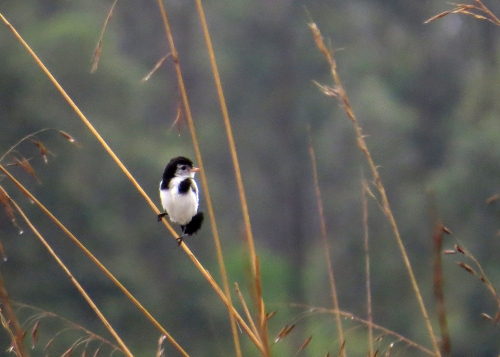
Eventually the cute little male Cock-tailed showed well.

Much of the afternoon was given over to searching for tinamous with varying degrees of luck. As darkness fell breaks in the cloud appeared ….
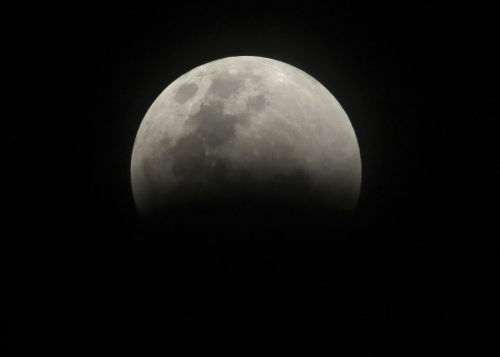
…. which was good news as there was an eclipse of the Moon that night. As usual we had an early start so I didn’t stay up to see the Moon fully covered by the Earth’s shadow and anyway as the photos were hand-held, I probably wouldn’t be able to take photos at totality anyway.
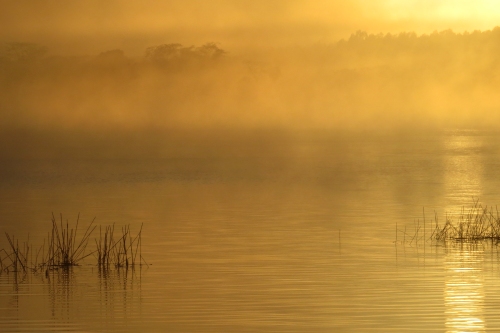
The following day with all the moisture in the air, the sunrise over the lake was spectacular ….
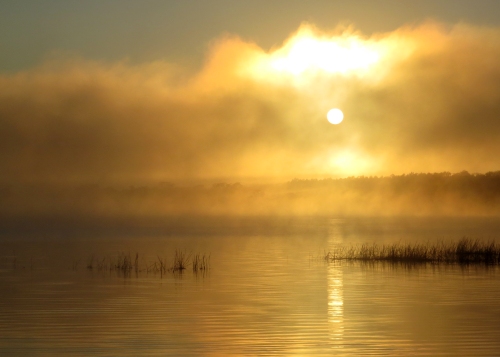
…. as the sun rose and shone through the mist ….
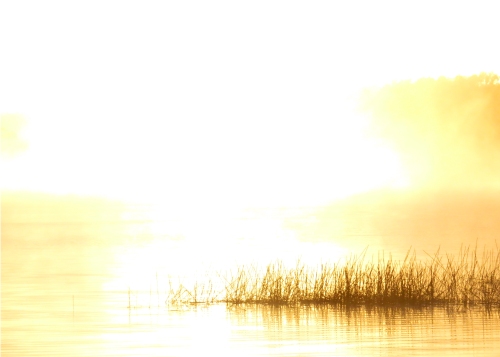
…. the entire lake lit up in a dazzling show of light.
So that was our time at Laguna Blanca over. Unfortunately this marvelous area with its fascinating wildlife is under threat. The reserve is leased by the conservation organisation Para la Tierra but the owner’s plan to sell. Although Para la Tierra has first option to buy they will be competing against rich cattle ranchers and soy farmers. A recent competition which secured EU funding to the winning applicant failed by a narrow margin. Unless external funding can become available this precious site could be lost forever.
The post covers the first part of my recent trip to Paraguay and covers the areas to the north and west of the capital Asunción.
Apologies for not updating the blog for over a month. As we are still in the peak of autumn migration, after my return I have been ringing at Durlston as often as the weather would allow and have spent the remainder of my free time keeping the ringing paperwork up to date.
The trip to Paraguay was a collaboration between Birdquest and the Neotropical Bird Club designed to raise funds for the NBC conservation fund. There were ten participants and three leaders (two of which gave their services for free) which made it somewhat congested on narrow forest trails, but these numbers were needed to raise sufficient funds.
I arrived early and spent a relaxing day in Asunción, getting over jet lag and doing a little birding in the hotel garden. Our first destination was the ‘humid chaco’ a seasonally flooded area to the west of the Paraguay River.

To the north and west of Asunción lies the humid chaco, a region of seasonally flooded scrub, marshes and lakes interspersed with strange Bottle Trees. During our drive to Laguna Capitan we stopped many times along the main route to Bolivia for birding.

Among the many birds we saw was this Rufous-sided Crake ….

…. and several Donocobious, a bird that has been moved from one family to another over the last 30 years before finally being put in a family of its own.
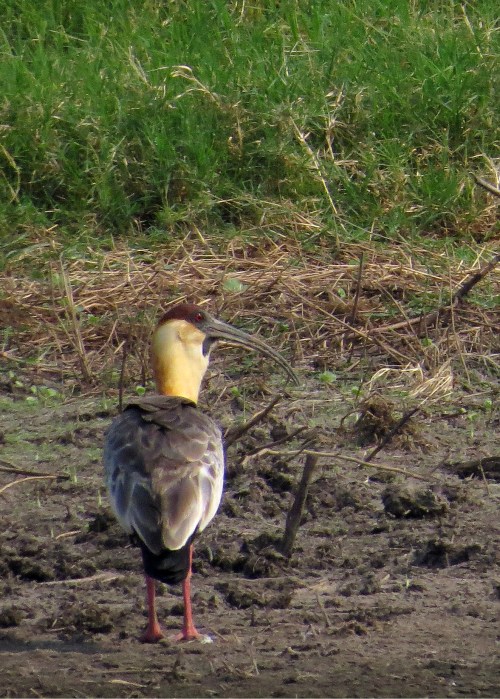
Roadside pools held the elegant Buff-necked Ibis ….
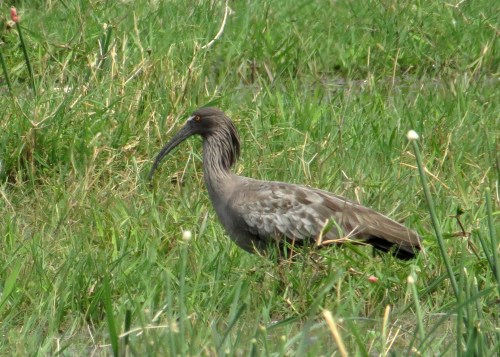
…. the much rarer Plumbeous Ibis ….
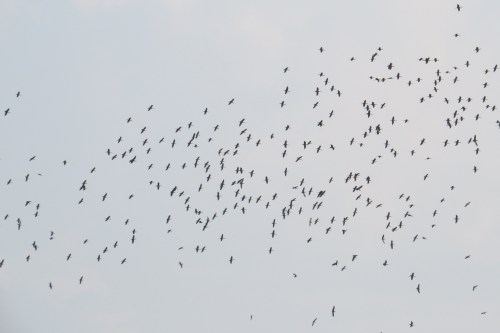
…. and huge numbers of Bare-faced Ibis.

Three species of stork occurred, Maguari, Wood and the rarer Jabiru (above).

Jabirus must be the largest and most spectacular stork in the world.

Snail Kites, which feed almost exclusively on the apple snail were abundant in some areas.
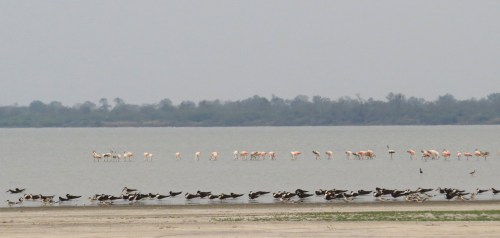
On the largest lagoons Chilean Flamingos were common ….

…. along with Black Skimmers and Large-billed Terns. I have nicknamed the tern ‘Sabine’s Tern’ due to the similarity of their upperwing pattern to that enigmatic arctic gull. I hadn’t realised until this trip how different the skimmers from Amazonia (which winter in Paraguay) were. We saw some later near Asunción and they differed more from the regular Black Skimmer than the Indian or African Skimmers do. Time to get the DNA test kit our methinks.
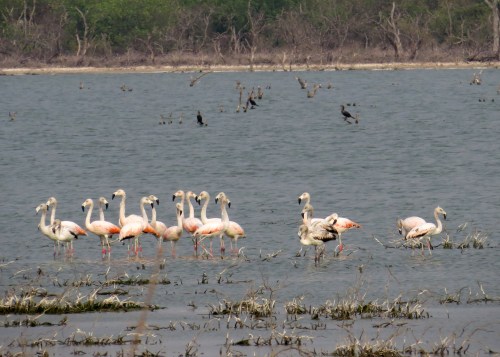
Chilean Flamingos are the most widespread of the four New World species and can be easily identified by their red ‘knees’ (actually the tibio-tarsal joint or ankle).

Chilean Flamingos in flight.
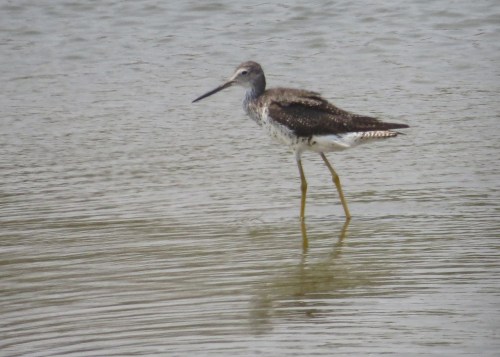
There were a number of Nearctic shorebirds wintering in the area such as this Greater Yellowlegs (the last time I saw this American species was in Hampshire this summer) ….

…. the elegant Wilson’s Phalarope. Scottish born Alexander Wilson (1779 – 1813) is considered the father of American Ornithology and his name is commemorated by a storm-petrel, snipe, plover and warbler as well as a journal of ornithology and an orthitholgical society.

In contrast to the shorebirds above, this Collared Plover is a Neotropical resident and was exhibiting clear territorial behaviour on the shoreline.

North of Laguna Capitan the main road deteriorated badly. Although paved, the thin veneer of tarmac had eroded away and we bumped and grinded from one pot hole to the next over a period of six or seven hours.

Unless you were in the front vehicle (we were in four 4x4s) this was your view for much of the day. Fortunately it was my turn to be in the front on the return journey, so I had an unobstructed view for part of the time.

The highlight of the day, indeed one of the highlights of the trip, was great views of Black-legged Seriema. Unlike it’s red-legged cousin, this is a hard bird to see. I have heard it on two previous trips, so was very glad to get such good views. A pair strode along the roadside ….

…. and even stopped and displayed, uttering their unearthly wails and showing off their orange gapes. The two seriemas species are the ecological equivalent of the Secretary Bird of Africa (snake predators) but are unrelated. It is thought the seriemas are more closely related to falcons than other raptors and are the closest living relatives of the 3m tall ‘terror birds’ which were apex predators in South America until felines and canines colonised from North America after the formation of the Isthmus of Panama 2.5 million years ago.
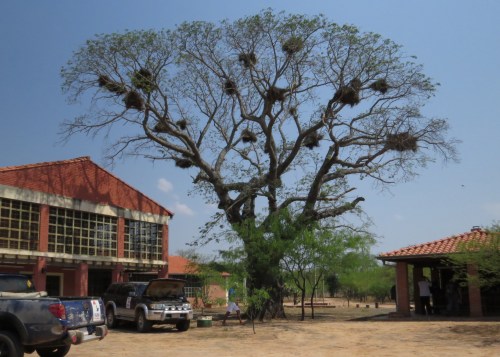
Now in the thorny ‘dry chaco’, we stayed in basic accommodation in Enciso National Park, not far from the Bolivian border. This tree ouside our rooms was full of Monk Parakeet nests, which are made of sticks from thorn bushes. As a result it was impossible to walk anywhere without getting thorns stuck in your boots.

‘A night in the museum’. Temperatures were much higher than expected, reaching at least 42 and not dropping below 30 at night. When we found the rooms had no AC, some of us opted to sleep in this small museum which did. However there weren’t enough beds so I slept on a mattress on the floor trying my best to avoid the big spiders and other bugs. We stayed there two nights, so we had ‘A night in the museum 2’ as well.

The high temperatures whipped up a strong breeze, which in turn lifted a lot of dust into the atmosphere. At dusk the sun glowed a lurid red in all the haze.

The entire trip was full of invertabrates, whether it be the unwelcome biting mosquitos, sand flies, ticks and chiggers or elegant moths, butterflies and preying mantis.
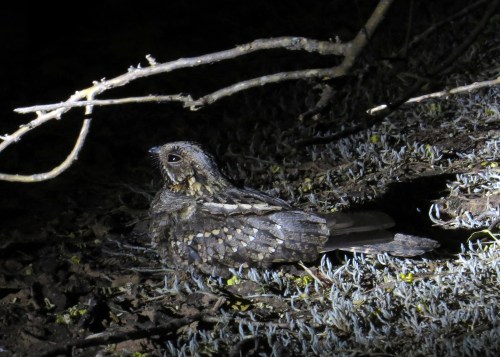
Night-time birding was succesful with lovely species like Little Nightjar ….
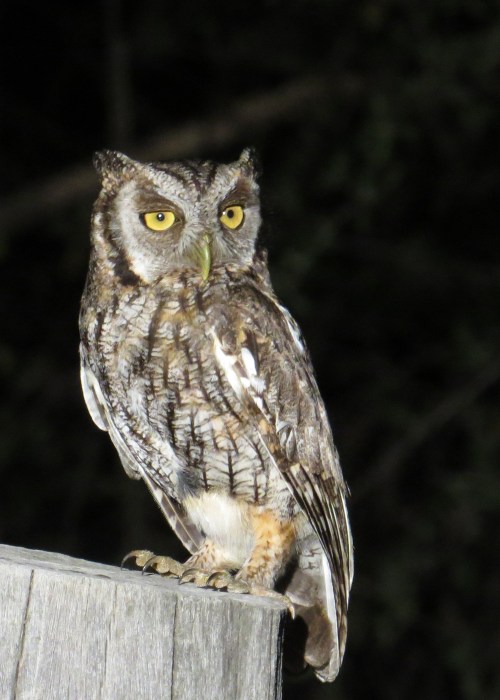
…. Tropical Screech Owl ….

…. and best, of all my lifer Chaco Owl.
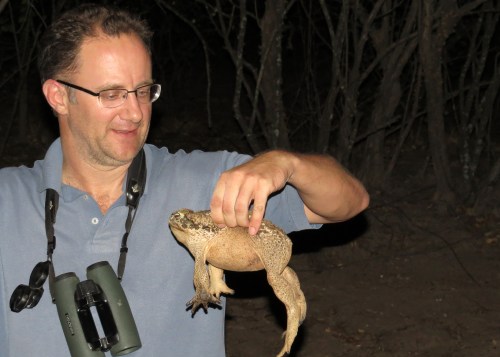
Here leader and Paraguayan resident Robb Clay holds an enormous Rococco Toad.
It is interested to speculate why so many Chaco birds have crests. Here are three crested furnarids – Lark-like Bushrunner ….

…. Brown Cachalote ….

…. and Crested Hornero. Hornero is derived from the Spanish for oven because of their oven-shaped mud nests and the family name the Furnariidae or ovenbirds share this derivation.

We did a lot of driving on the chaco’s dirt roads both by day and by night looking for mammals and nightbirds. We packed into the front vehicles, either inside or on the flat-bed, and then drove two-a-breast on the deserted roads. Once another car came the other way and flashed his lights at us, our driver responded by briefly putting on the mounted searchlight, which was followed by blue-and red flashing lights from the other car – yes, it was the police! Fortunately they passed us without issuing a ticket.

The tour had been advertised as one of the best in South America for mammals but this aspect of the tour proved disappointing. Our night drives failed to deliver the hoped for Tapir, Puma, Ocelot, Jagurundi, Jaguar, Geoffrey’s Cat, Maned Wolf or Chaco Peccary. Instead we had to console ourselves with views of a rather tatty Pampas Fox ….
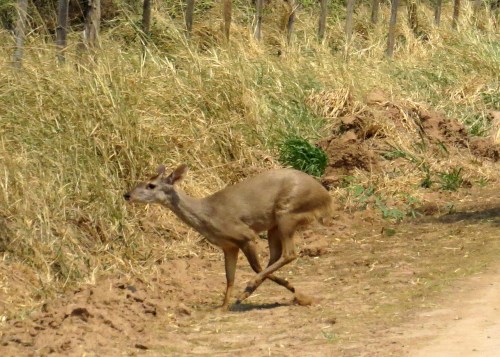
….and a fleeting glimpse of a Grey Brocket Deer.

Birds did not disappoint however. Here is a selection of Chaco specialities: Turquoise-fronted Amazon ….
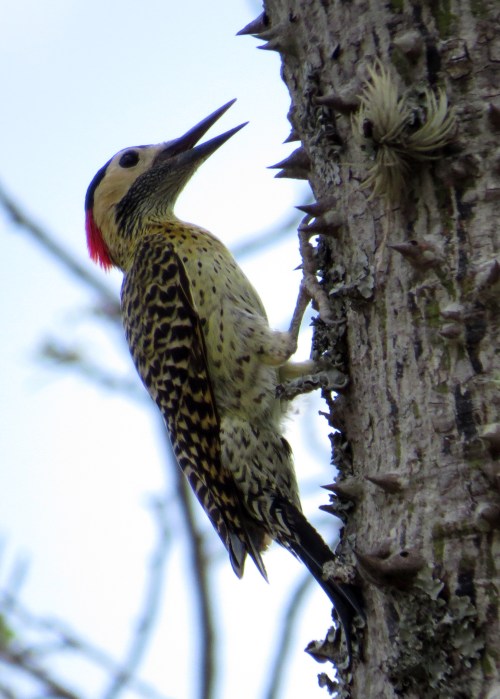
…. Green-barred Woodpecker ….
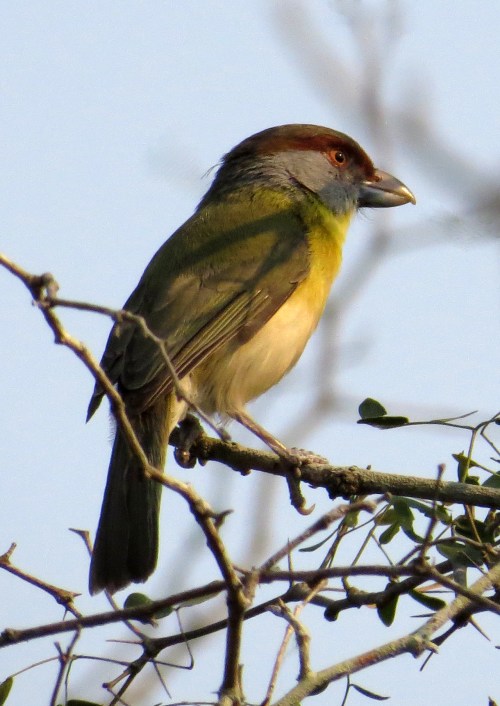
…. a relative of the vireos, the Rufous-browed Peppershrike ….

…. a sunbathing Scimitar-billed Woodcreeper ….
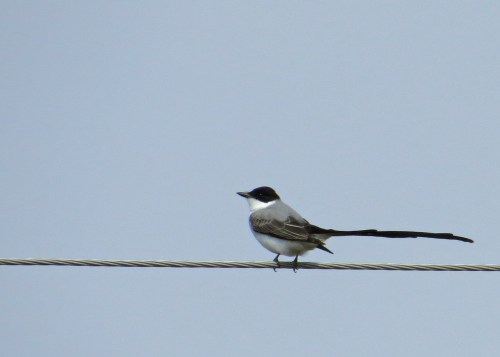
…. the ubiquitous, yet beautiful Fork-tailed Flycatcher. This species is an inter-tropical migrant and sometimes overshoots and turns up in North America, having got as far north as Canada and once reached El Rocio in Spain!

Another beautiful tyrant flycatcher was the White Monjita
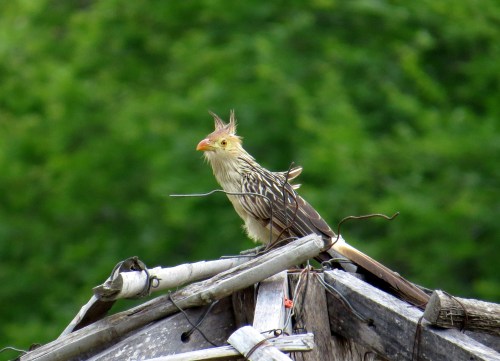
The ‘punk-crested’ Guira Cuckoo was common. Apparently the original collector asked the indigenous Guanari what they called it, they replied ‘Guira’ which is guanari for ‘bird’ So really its a ‘bird cuckoo’.

A Tropical Rattlesnake provided some entertainment.
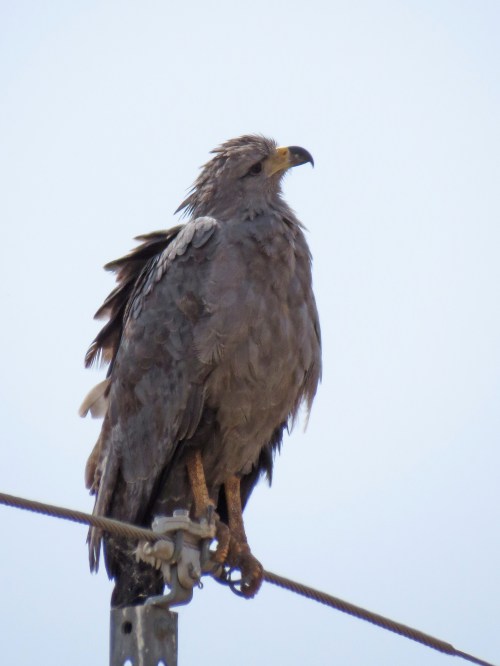
We had a distant view of a pair of raptors that might have been the huge Crowned Solitary Eagle (that’s almost an oxymoron), so we were delighted when on our way back south we had cracking views of one on a roadside post.

The area was gearing up for a major car rally and we met processions of super-chargers racers going in the opposite direction.

Our Paraguayan drivers, Toni, Dani and Franci were all ex-rally drivers but it wasn’t their driving, but the appalling state of the road that cause this wheel to fall off. Incredibly a part was sent out from Asunción, the drive shaft and brake lines were fixed by the driver at the roadside and the car was with us the following day! We started with four 4×4 but had to put up with three 4x4s and a 3×4 for 24 hours.

On the way north we detoured to a spot where our local leaders knew of a nest hole of the huge yet rare and elusive Black-bodied Woodpecker. The nest hole was easy to find – adjacent to this four-pack Bottle Tree.

However the large hole had been taken over by a pair of much smaller but more aggressive White Woodpeckers. We headed north knowing that our best chance to see the rare Black-bodied had been lost.

But on our way south we gave it another go and after about an hour the Black-bodied arrived and was promptly chased off by the White Woodpeckers. However it settled down not far away and we go some great views.

There had only been a brief sighting of peccaries by a couple of the group at dawn. So we took a chance to visit a centre where the endangered Chaco Peccary is being bred for release in the wild. Unusually this species forms a defensive formation when threatened, which means that if one is shot by poachers then they can all be easily shot. Hopefully education will teach the hunters how endangered this species of wild pig really is.

Also held captive was the much more widespread Collard Peccary, an animal I have seen as far north as Texas.
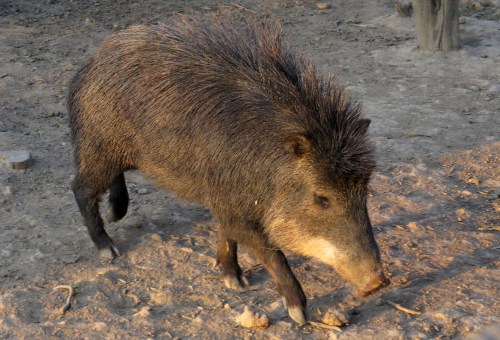
But the White-lipped Peccaries amazed us. Far more aggressive than the other species Whitelips have been known to kill dogs and even people. The males would rush at the fence that separated us from them, baring their teeth, making a loud clicking sound and releasing a pungent scent. As in the wild they can go round in herds as big as 150 individuals, they are clearly not to be messed with.
From here we overnighted in a town originally established by Mennonites of central European descent before returning to Asunción. The second part of the trip to areas east and south of Asunción will appear as soon as I have edited the photos.
The early part of September has been dominated by bird ringing. When I’ve not been out in the field I’ve been catching up on the considerable amount of paperwork that this activity generates.
However there has been time to catch up with two old friends. Two years ago I reported on this blog that Guy Dutson, someone I have known since the early 80s had returned from Australia with his wife and newborn daughter Lila to meet up with his relatives (see https://atomic-temporary-24398266.wpcomstaging.com/2013/07/28/26th-27th-july-old-friends-are-like-buses/ ). Well, two years later Lila has grown somewhat, our get together was, due his crowded itinerary, typically brief but it was really great to see them again. We must make plans to visit all our friends in Australia but as always, there is so much to fit in.

Guy with two-year old Lila.

Margaret and Lila with Lila’s grandmother, Bronwyn.
Another get together with an old friend occurred last week when a bunch of us got together with Ewan Brodie to celebrate his 60th birthday. I have been friends with Ewan since the late 70s and we have been on at least five foreign trips and countless twitches together. Changing shift patterns and other commitments has meant that we haven’t seen each other for a few months, so it was good to catch up.
In 2009 Ewan (seen here on the right) and my friend Tim from work went on a week-long birding and sightseeing trip to northern France. The trip was beset with difficulties from having my car broken into and gear stolen to not being notified that the hotel had changed ownership causing us hours of unnecessary searching. That said, we had a good time seeing tens of thousands of Common Cranes and many other birds, visiting Fontainbleu and Paris, seeing the Bayeux Tapestry and getting together with my University mate John and his family. Maybe one day I’ll post the photos on the blog.
As anyone who reads this blog will know, my nickname is Gryllo, (if you don’t know why then read the very first blog entry in June 2011). I was surprised and pleased when fellow birder Graham Armstrong kindly presented me with a bottle of Grillo wine (not spelt quite the same, I’ll admit – grillo being Italian for grasshopper, obviously from the same root as the scientific name for mole cricket). My verdict, a lovely gesture from Graham but a mediocre wine.
Now back to the main subject of this post, our continuing bird ringing program. In September I only made two visits to Lytchett Bay, one to try to catch Swallows and another for general ringing. The most numerous reed bed species, Sedge and Reed Warblers have largely left the UK by this time, although a few will persist into October. We will continue there however, as other species such as Reed Bunting and Pied Wagtail become commoner as the autumn progresses.

This first year Whinchat was ringed at Lytchett Bay on 4th September
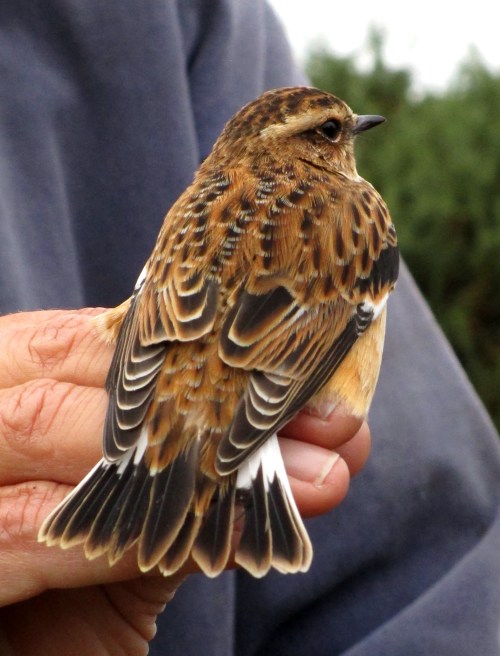
The characteristic white bases to the outer tail feathers can be seen well in this photo.
Our program of ringing at Durlston continues, however with most of the group at work mid-week most of the sessions have been understaffed and it has fallen to me to keep it going. Details of migration counts and numbers of birds ringed at selected sites across Europe can be seen at http://www.trektellen.org/ We now upload our ringing totals to the site, whilst local birder Hamish Murray uploads his ‘vis mig’ counts. For example, details of a very busy morning for me on the 17th can be seen at http://www.trektellen.org/count/view/1589/20150917 . The totals page can be accessed by clicking on ‘totals 2015’ in the top right and by clicking on each of the dates above the word ‘Durlston RS’ will give our totals for the nine visits I have made in September.
Here are a few photos taken at Durlston this month.

The brown fringes to the coverts indicates that this Common Redstart is a first year bird. The black chin and white band on the head shows that it is a male.
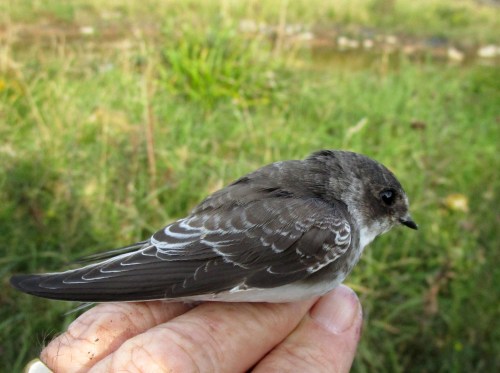
We have been able to ring small numbers of all three hirundines, including a few Sand Martins.
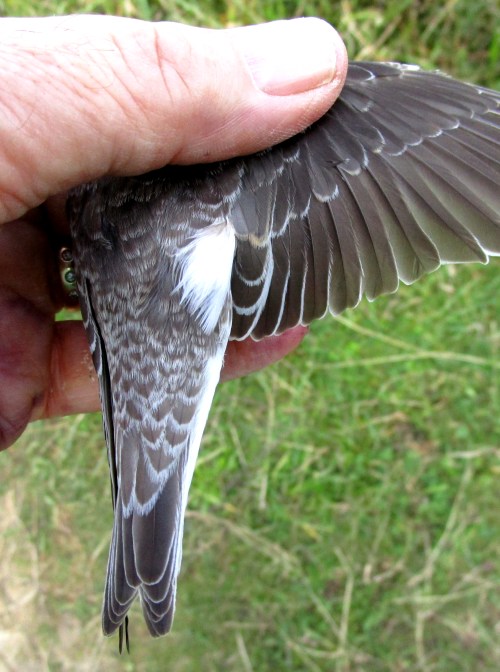
The white edging to the flight feathers, especially the tertials and the scalloped rump and uppertail coverts show that this is a first year bird.

Ringing is all about researching the movements and population dynamics of our regular species and probably the most significant events of the last few days were the trapping of two ‘controls’, a Reed Warbler and a Blackcap ringed elsewhere in the UK, and the notification that a Swallow we ringed at Durlston was retrapped recently in Hampshire. But there is no doubt which event was the most enjoyable, ringing this Wryneck, the first I have seen in the hand in the UK was the highlight of my Durlston ringing this year.
Well that is all for both blogging and ringing for several weeks. In a few hours I leave for South America, my 16th visit, this time to Paraguay. I hope to upload some interesting photos on my return.
This post covers our visit to the Birdfair and some ringing at Lytchett Bay and Durlston plus a postscipt about a late August Poole Harbour big day.
The annual British Birding Fair, normally just refered to as the Birdfair is held at Rutland Water near Oakham in Rutland, Britain’s smallest county. Over the three days an estimated 20,000 visitors visits hundreds of stands and go to hundreds of talks and other events. All profits go to Birdlife International and during its lifespan the event has raised 2.5 million for bird conservation.
Now in its 27th year, the Fair seems to just keep growing and growing. There are so many marquees, stands, exhibits and talks to go to that it is impossible to do it justice in one day. What I enjoy more than anything is meeting up with loads of friends from previous trips abroad, old twitches in the UK or fellow birders from back home.

On the 21st and 22nd of August we paid our annual visit to the British Bird Fair at Rutland Water. We stayed overnight some 12 miles away at this pleasant hotel at Cottingham but unfortunately they didn’t do breakfast (which we had already paid for) until after 9 am, far too late as we wanted to be at the Fair by then.

This photo of book signing on the Wildsounds stand was taken at a previous Bird Fair and shows a typical view of the Birdfair – large numbers of birders perusing books, trying out optics, planning future birding holidays etc.

One of the unusual thing about the Birdfair is that ‘wildlife celebrities’ wander around from event to event with all the rest of us and you can find that the bloke in the row in front of you at a talk is none other than Bill Oddie.
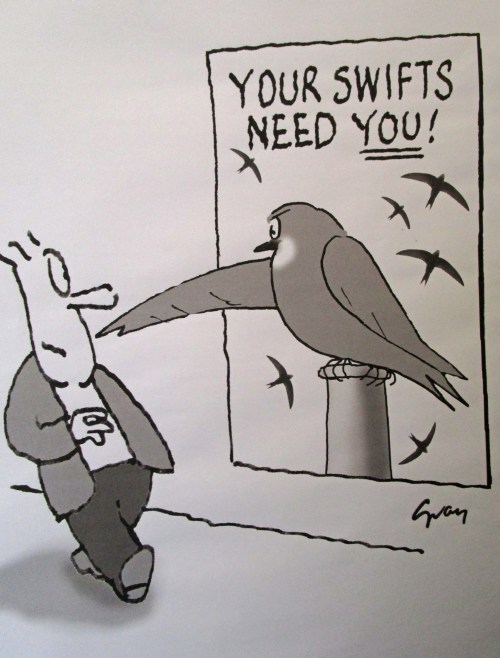
Stands selling or promoting wildlife tours and various countries, outdoor clothing, books, optics and wildlife art are joined by numerous conservation organisations such as the RSPB, Birdlife International and Swift Conservation (above).
One talk I especially wanted to go to was by Magnus Robb of the Sound Approach. After his discovery of the Omani Owl in March 2013, which he described as a new species at the time, it has been shown by others that the old type specimen of the closely related Hume’s Owl is a different species from all the other Hume’s Owls (ie those that that are regularly seen in the Levant and Arabia). It has been speculated that the type specimen of ‘Hume’s Owl’, which was collected in Pakistan 135 years ago, is in fact an Omani Owl. Magnus confirmed that their DNA analysis of feathers from a recently trapped Omani Owl proved this to be the case and in addition an owl found trapped on someone’s balcony in north-east Iran also proved to be an Omani Owl. So instead of discovering a new species, the Sound Approach rediscovered one that hadn’t been seen for 135 years and extended it’s range from two narrow wadis in Oman’s Al Hajar mountains to an area that covers NE Iran and southern Pakistan, although of course not all areas in this vast range will actually hold Omani Owls.
For more details see http://www.rarebirdalert.co.uk/v2/Content/Sound_Approach_Unravelling_the_mystery_of_the_Omani_Owl.aspx?s_id=519400636
For an interview of Magnus Robb by Martin Garner go to https://soundcloud.com/birdingfrontiers
For my account of my trip to Oman to see Omani Owl see https://atomic-temporary-24398266.wpcomstaging.com/2014/02/15/1st-9th-february-2014-the-omani-owl-twitch/
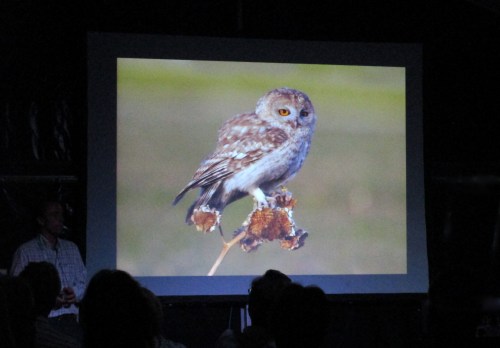
Magnus shows a photo of the Iranian example of Omani Owl.

Perhaps the most entertaining talk was in the evening of the 21st was an account of ‘best days birding in Britain’ from Bill Oddie, Adam Rowlands, Lucy McRobert and Ian Wallace. Each gave a short account of their most outstanding day in the UK. All but one account was about a day full of migrants and rarities but Lucy told of the day she saw all four species of grouse in Scotland. Her best line was when she described a male Capercaillie as the ‘most magnificent cock I’ve ever seen’.

DIM (Ian) Wallace, here talking to another birding legend Killian Mullarney, is a true legend of the birding scene. Now in his eighties he is known for his eccentric manner, evocative paintings, editorship of the groundbreaking BWP handbooks, his many pioneering identification articles and his indefatigable rarity finding. Some of his discoveries have been mocked by a later generation of rarity experts but we can say that without doubt that many of the field criteria that are routinely used today were first established by DIMW.
The BTO were holding a ringing demonstration and nearby they had a poster showing all foreign UK ringing recoveries accrued over the 100+ years of the ringing scheme. Of course they can’t label every dot to species, so it is interesting to speculate which species are involved in the far-flung recoveries. Without doing any additional research I guess that the concentration off Labrador/Newfoundland would refer to seabirds like Kittiwake, Fulmars and Great Skuas, the coastal South American ones would almost entirely be Manx Shearwaters, coastal southern Africa are various tern species, the Cape and Natal are Barn Swallows, the Australian and southern oceans are Artcic Terns. Presumably most recoveries from the Levant are Lesser Whitethroats but what species were recovered in Canada just east of the Rockies, in interior South America, in Pakistan, Iran, Mongolia and far eastern Russia on the northern shores of the Sea of Okhotsk? Note the paucity of recoveries from north-east Africa and the Arabian Peninsula, showing that with the exception of Lesser Whitethroats few if any British birds enter African via this flyway.
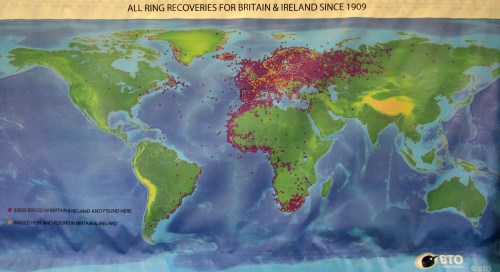
A map of all BTO ringing recoveries.
The above map leads on nicely to my bird ringing which has kept me pretty busy during this month. Early (0430) starts, the need to keep up to date with uploading the data collected and in addition, my attempts to collate a lot of the data and other articles into a long-awaited ringing group report has meant that I have had little time to work on this blog. But there again its better to be busy in retirement than to sit around watching day-time TV as many retirees do!
I have been trying to get to Durlston as often as I can during the month, hindered though by the unseasonal weather we have been experiencing. Unlike some ringing stations where the ringers live on site and can quickly respond to changes in the weather, Durlston is a 30 minute drive away, so we don’t usually visit on days that start wet then clear later, or are characterised by intermittent rain. That said this ‘autumn’ we have made nine visits in August and three in July, ringed 658 birds of 28 species with a further 127 birds ringed in the spring.

This time of year is the most interesting both in terms of the variety of species we ring and also in the range of age classes that we see. Freshly fledged juveniles, birds in the middle of the partial post-juvenile moult, freshly moulted first years, juveniles of species like Long-tailed Tit that have a full wing moult soon after fledging, adults in active wing moult, adults that have completed their moult and abraded adults that defer moulting until they reach their winter quarters (like this adult Grasshopper Warbler) can all be seen during the same ringing session.

One of the most attractive migrants that we see at Durlston is the Common Redstart, this first year was ringed on 18th August ….

…. on the same day we also trapped this juvenile Black Redstart, a much rarer species that we have only ringed once before. In view of the scarcity of this species and that this bird is a recently fledged juvenile, it is possible that this bird is the offspring of the adult female we ringed on 23rd April this year. Incidently we also trapped a Common Redstart on 23rd April meaning we have had two double-redstart days this year. Photos of the adult birds in April can be seen on an earlier post on this blog.

We have also been ringing at Lytchett Bay. As well as our usual site in the reeds near the River Sherford we have also been using a new site at Lytchett Heath which has been very productive both in terms of the number of birds ringed but also in the number of controls (birds previously ringed by others) we have encountered. I hope to post a summary of recent recoveries/controls in a future post.
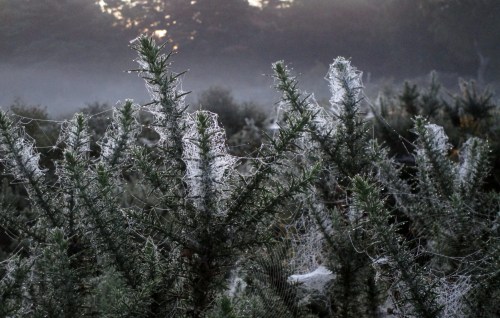
On a cold morning the dew on the cobwebs is most photogenic …

…. even more so when the sun rises.

This recently fledged Bearded Tit, a species that has recently been placed in its own family, was one of the highlights of a recent ringing session.

But the real highlight of our recent ringing was this first year male Bluethroat that was trapped on 29th August. We had a public ringing demonstration for the sites owners, Dorset Wildlife Trust, at Lytchett Heath and most of the group were there to help. Some opted to ring near the River Sherford where this bird was trapped. There was just enough time before the demo for those interested to rush over from the heath to the Sherford (leaving the heath site well manned of course) to see it before it was released. Photo by Terry Elborn.
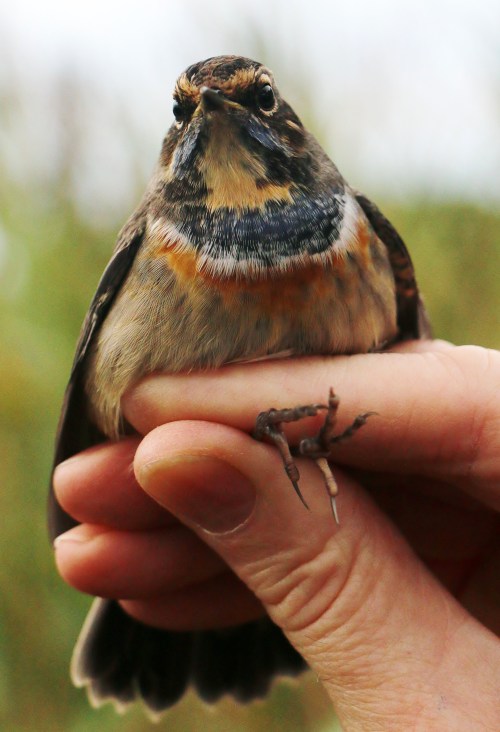
The eponymous blue on the throat shows that this bird is a male. At least two populations occur in Europe, white-spotted birds in southern/central Europe and red-spotted ones in Scandinavia but the ‘spot’ within the blue of the throat can only be seen on spring males. At this time of year it is most likely that this bird is of the red-spotted race. Photo by Bob Gifford.
And finally on 30th August sixteen, mainly local, birders took part in a Poole Harbour bird race, that means keeping within the geographic boundaries shown in the Sound Approach’s ‘Catching the Bug’. I have always been keen on doing a January bird race as it seems a great way of kicking off the New Year and it is a good way to meet up with friends that you haven’t seen since before Christmas. During my working years I was always busy when the idea of an August Poole Harbour race, with just two per team, was first mooted. Initially I wasn’t too keen this time either, but when Margaret said she would like to join me we formed a team.
Unlike the keenest we weren’t up at 0430 to try for owls and nightjars but started birding in the Studland area at 0700. We had a stroke of luck when we bumped into Mike Gould and Tom Carly just after they had found a Wryneck, but after that most of the rest of the day was predictable. After birding around Studland we visited the southern edge of Poole Harbour, Middlebere, Arne, Swineham and Lytchett Bay (where the wader bonanza really boosted the list) Having reached the ‘ton’ and with Margaret having hurt her leg getting out of the car we decided to quit but after freshening up we headed for the post-race gathering and managed to pick up two more species, Yellow-legged Gull in Holes Bay and Jay in Poole Park giving us a final score of 102.
With Margaret being the least experienced of the twelve participants and with us taking a fairly relaxed approach it was clear from the onset that we weren’t going to win, but we didn’t come last. The winners, the Sound Approach’s Paul Morton and Nick Hopper, set a new record for birds seen/heard in one day in Poole Harbour with a score of 130, smashing the previous best of 123.
The following pictures show most or all of the participants plus Marie and Mo who came along for the evening. Out usual pub was packed solid with a ‘sausage festival’, the next had run out of beer(!), a third was closed, so we settled with the ‘Slug and Lettuce’ with a very nice curry at nearby Tandori Nights.
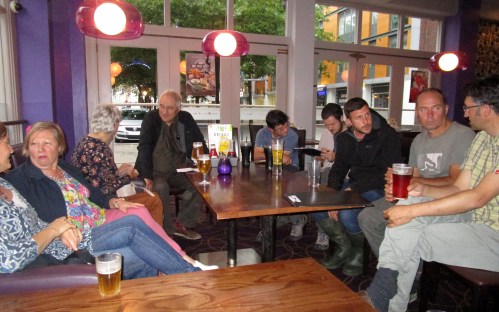
L-R: Marie Smith, Mo Constantine, Jackie Hull, Mark Constantine, Mike Gould, Tom Carley, Paul Morton (straight from the race still with his wellies on) Nick Hopper and Shaun Robson.
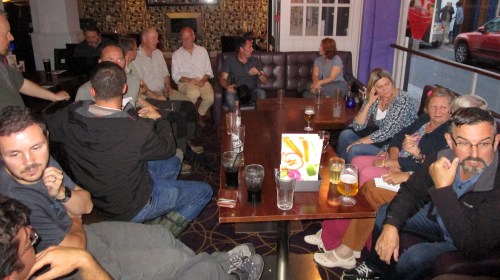
In addition this photo shows: Steve W Smith (standing far left – his position not his politics), Peter Moore, James Phillips, Steve F Smith, Terry Elborn, Margaret and in bottom right Nick Hull.


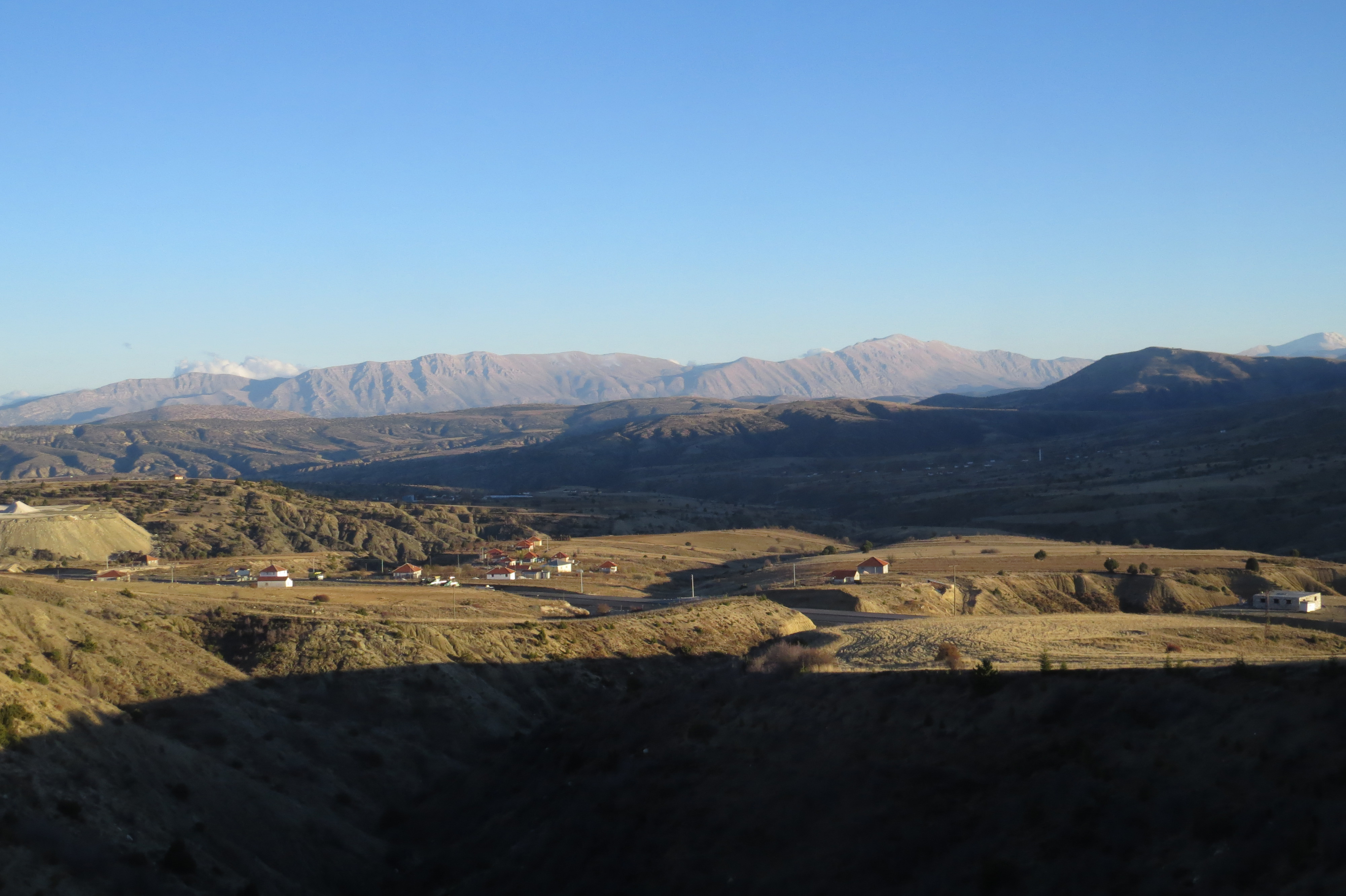
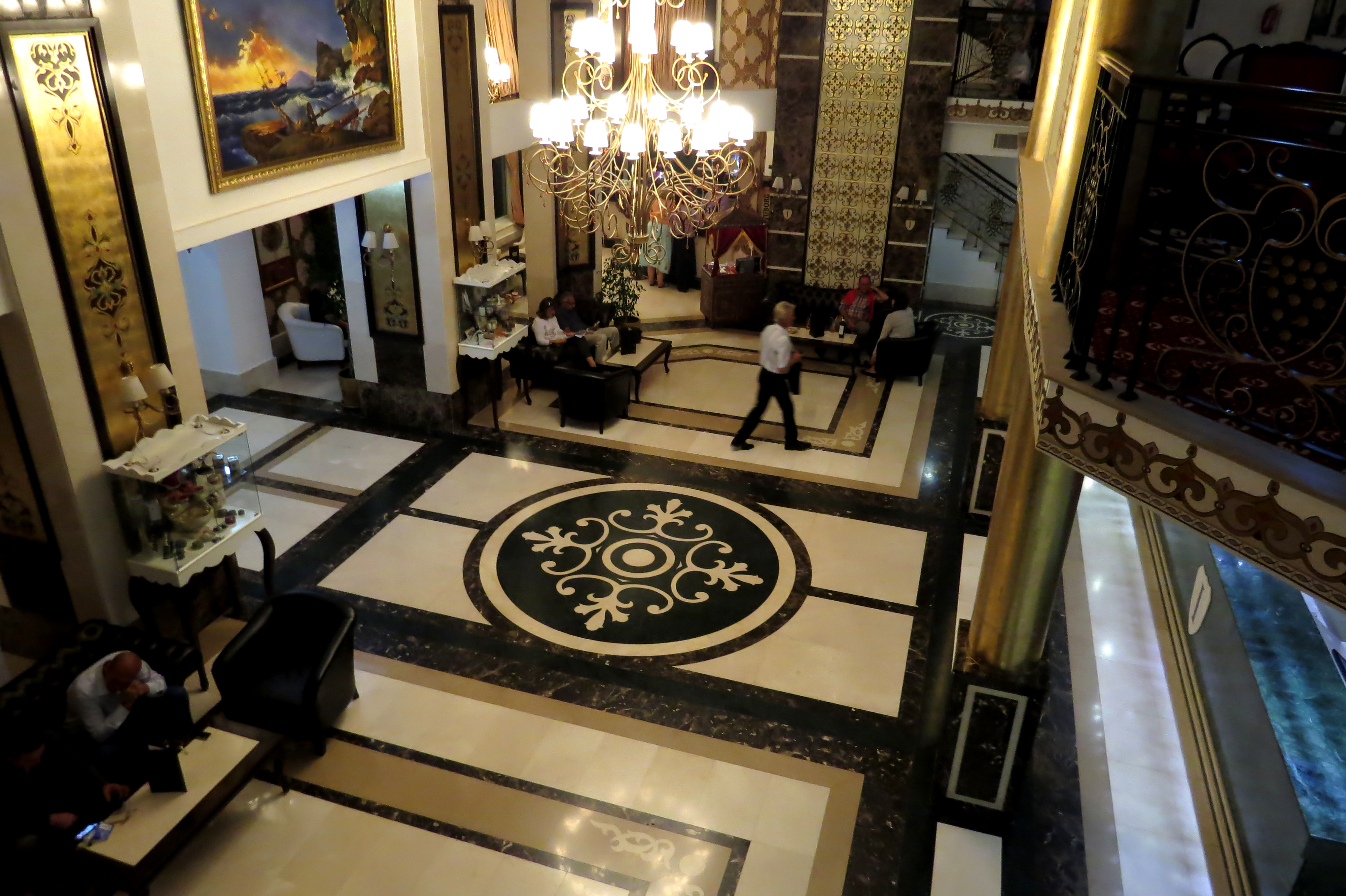
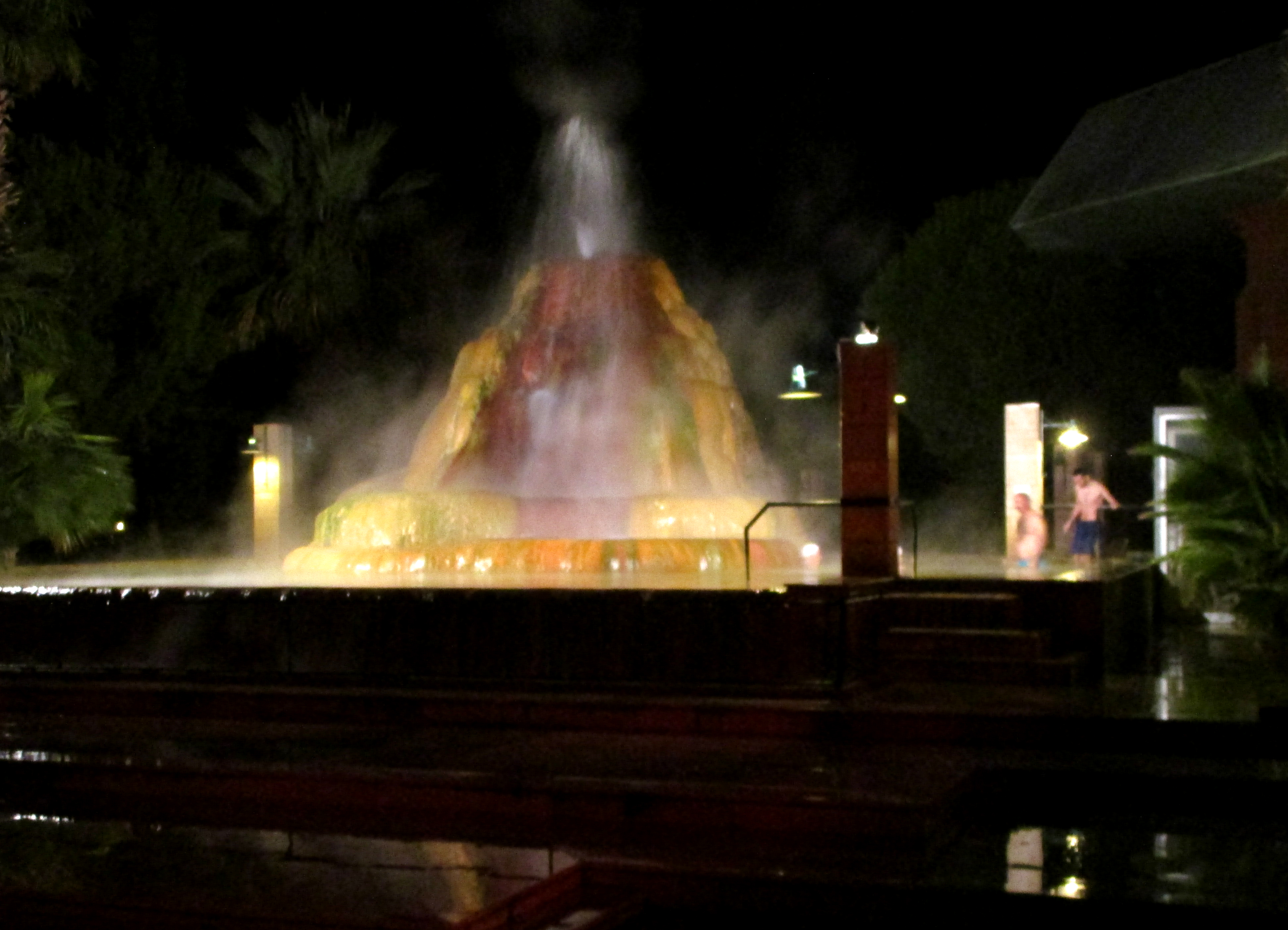


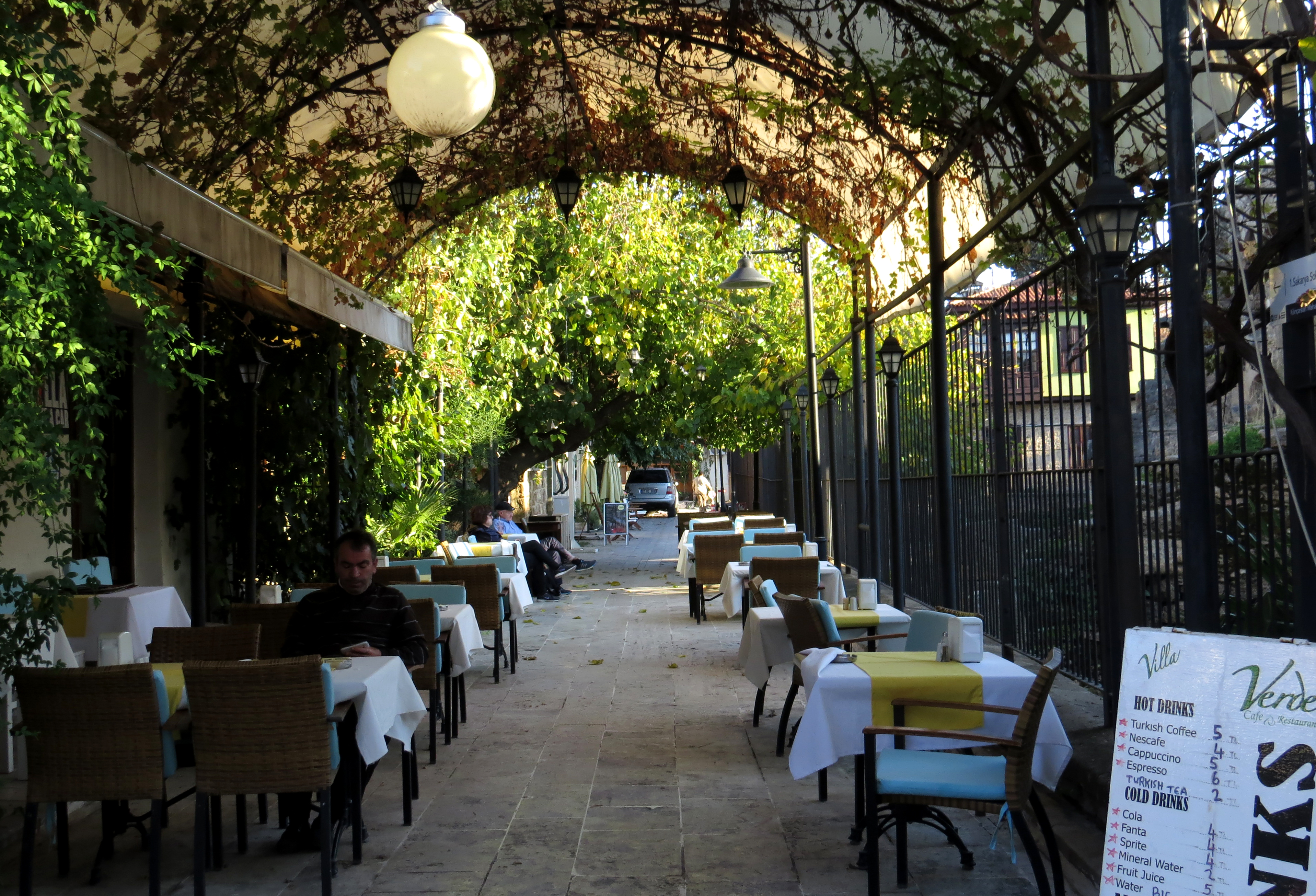
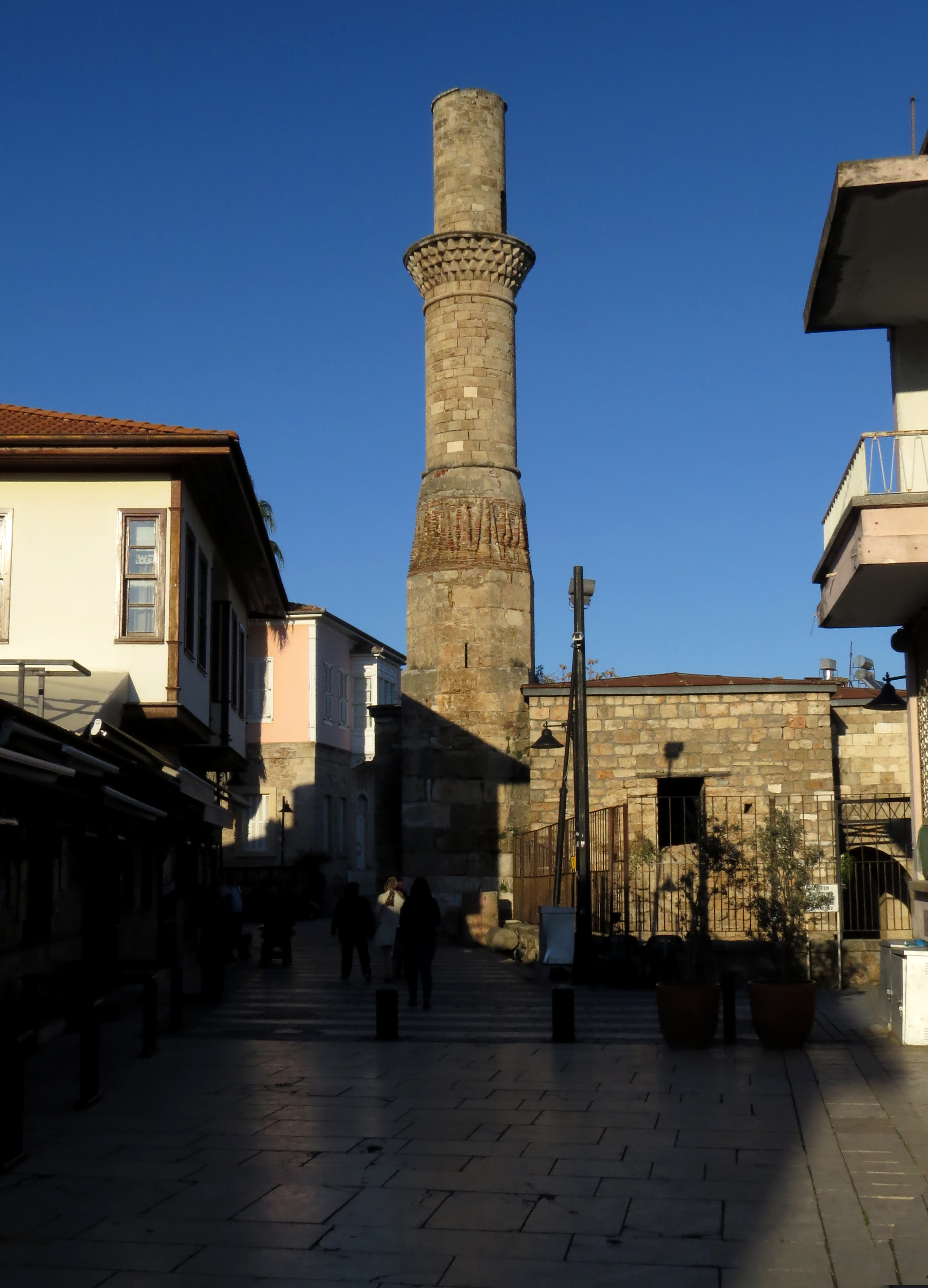

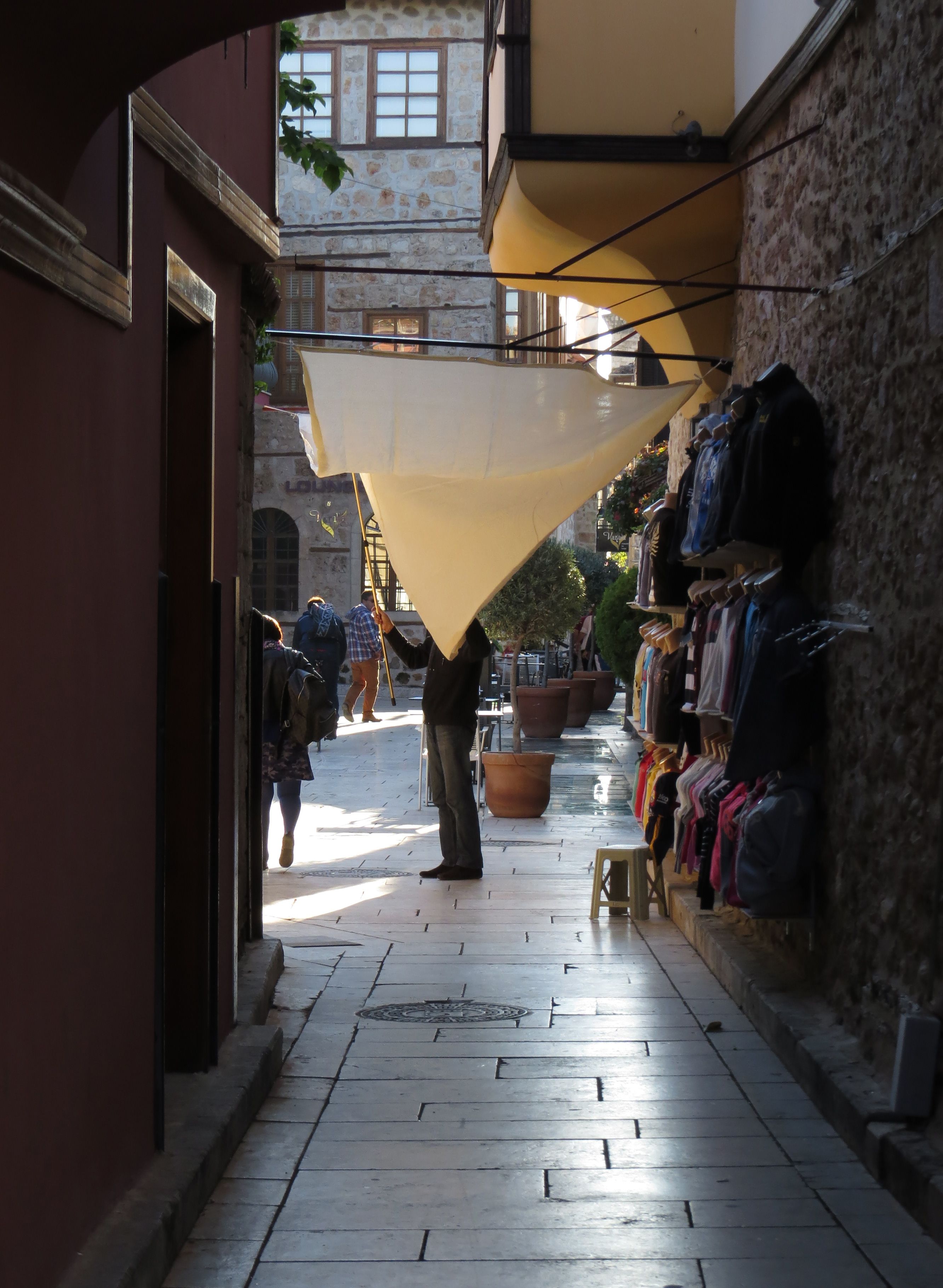


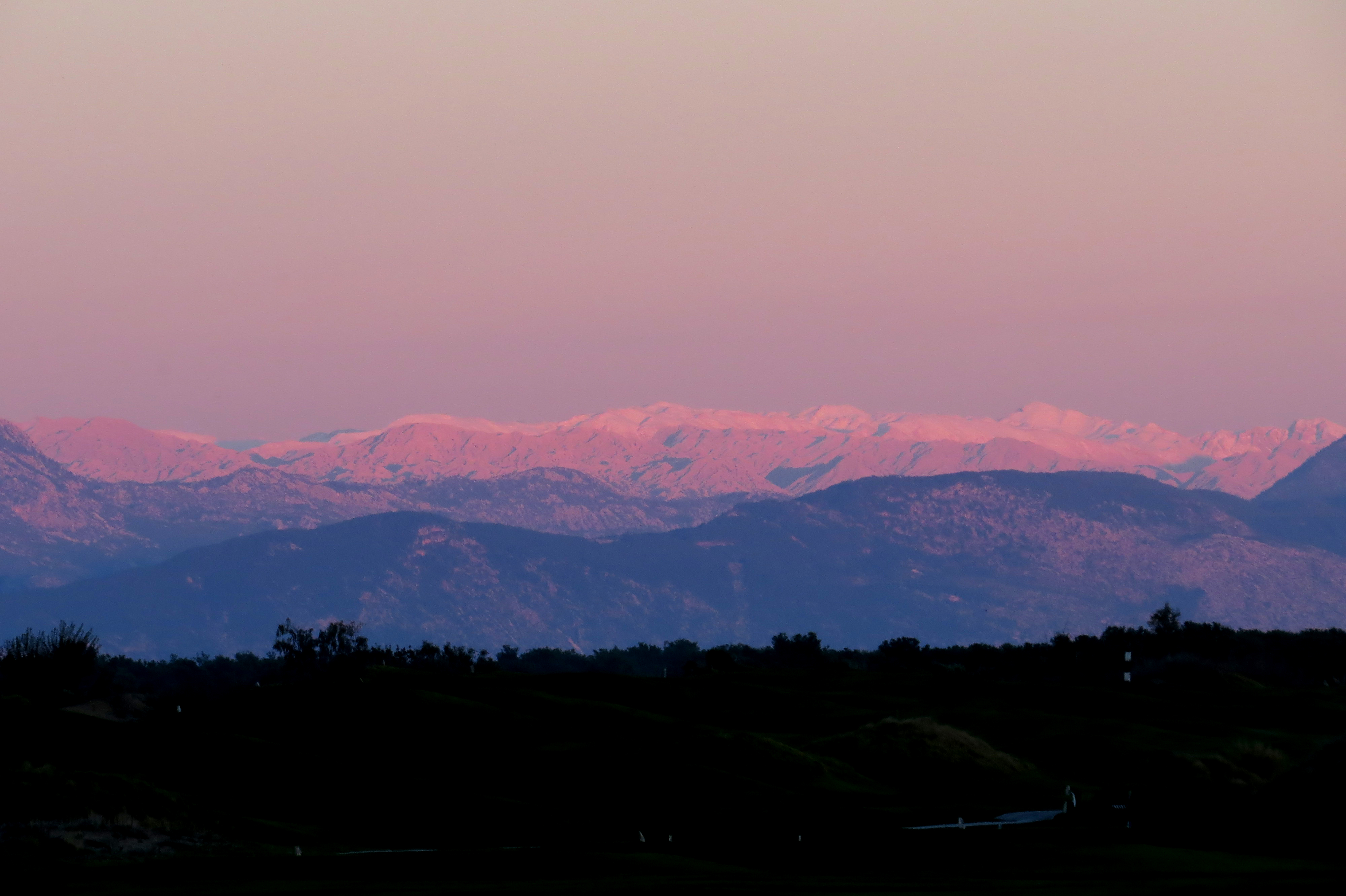

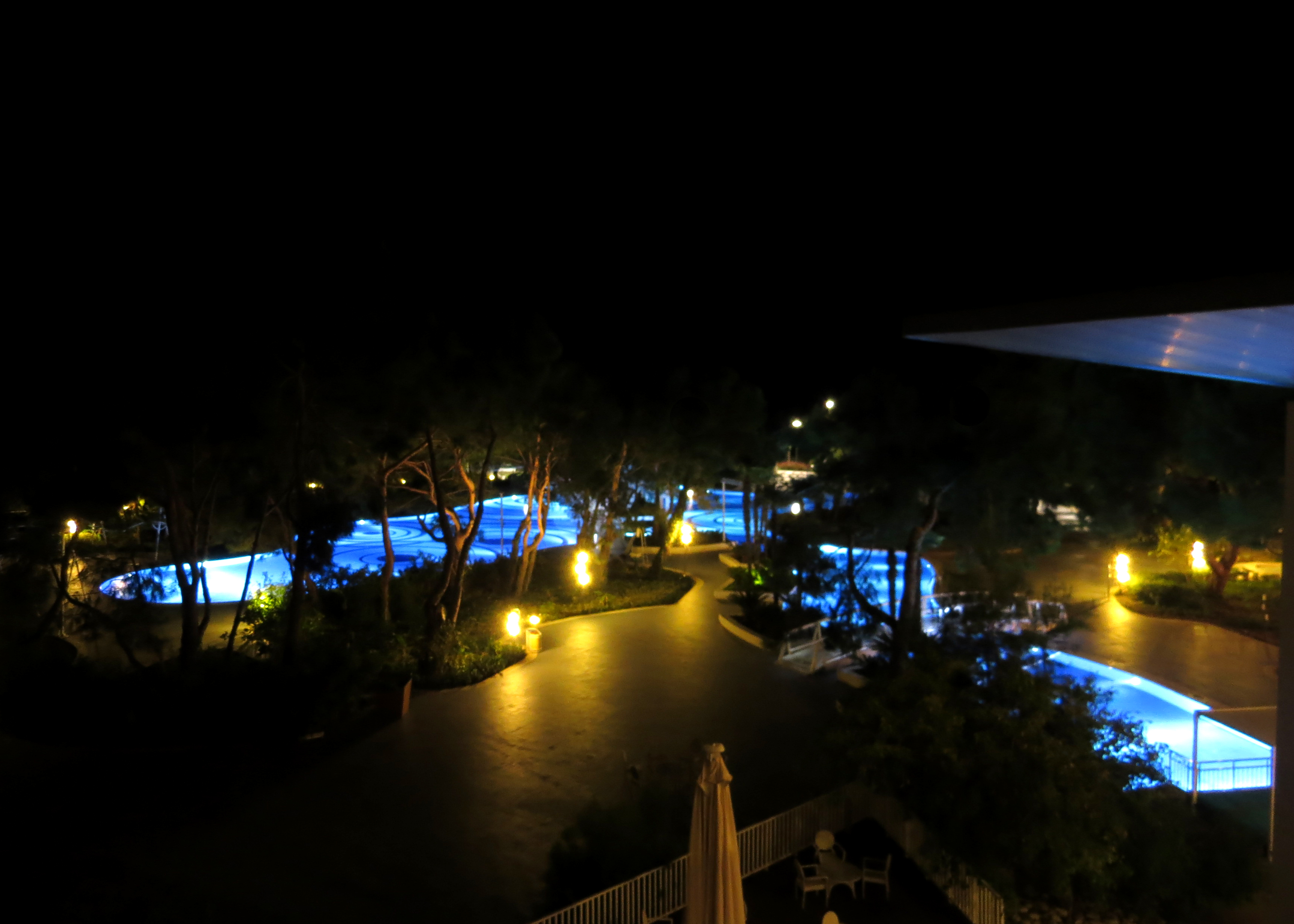

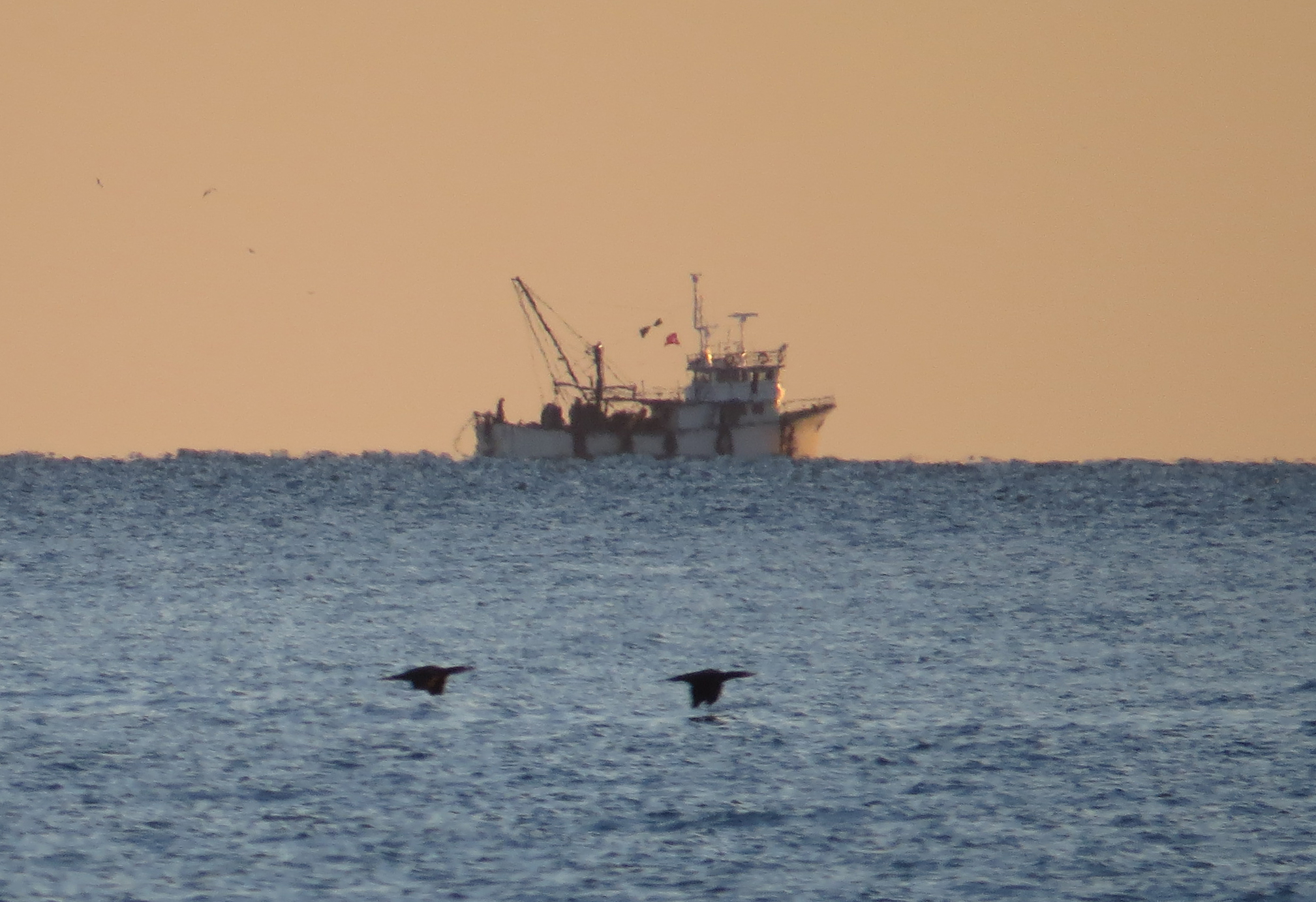


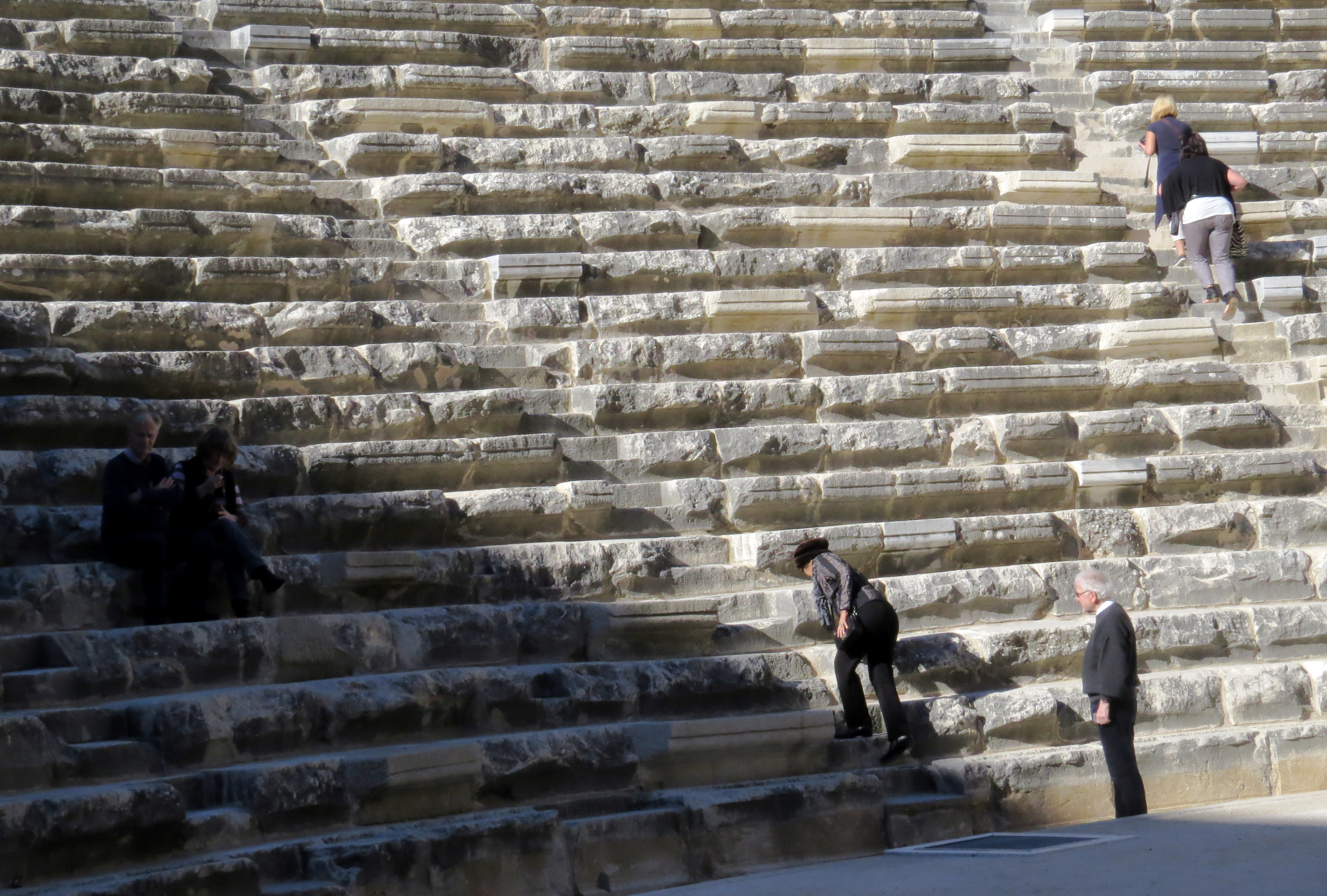
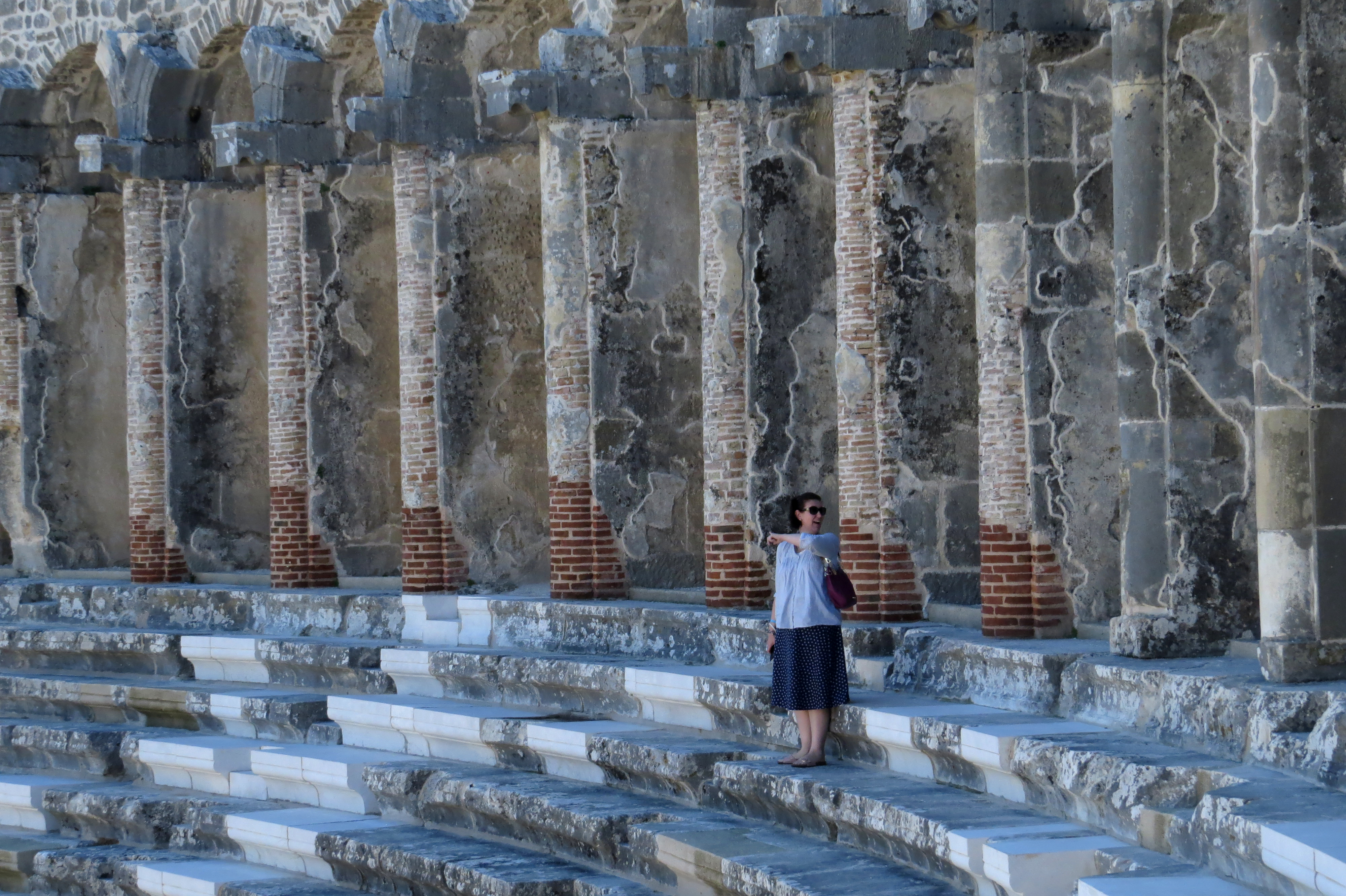

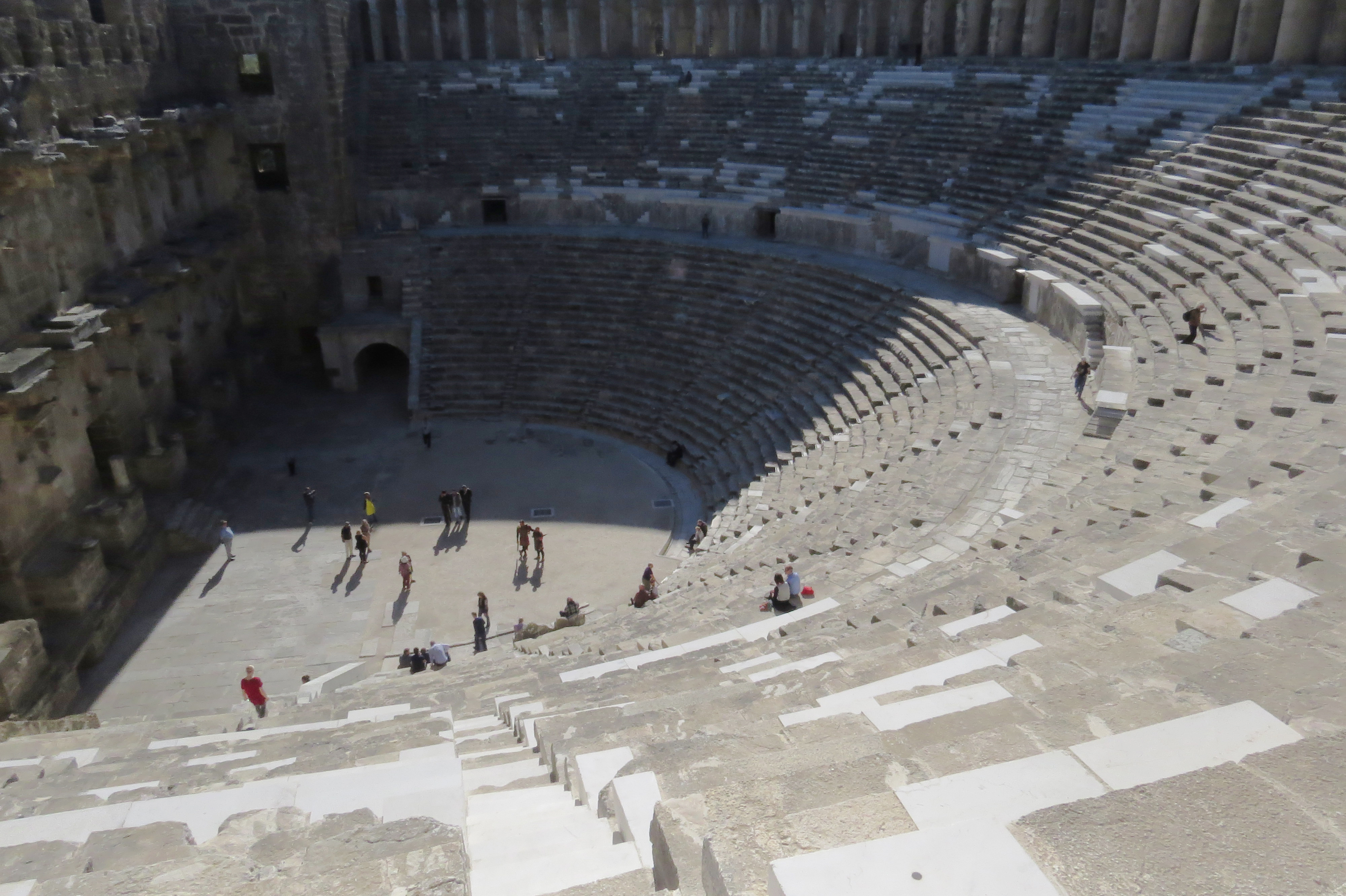

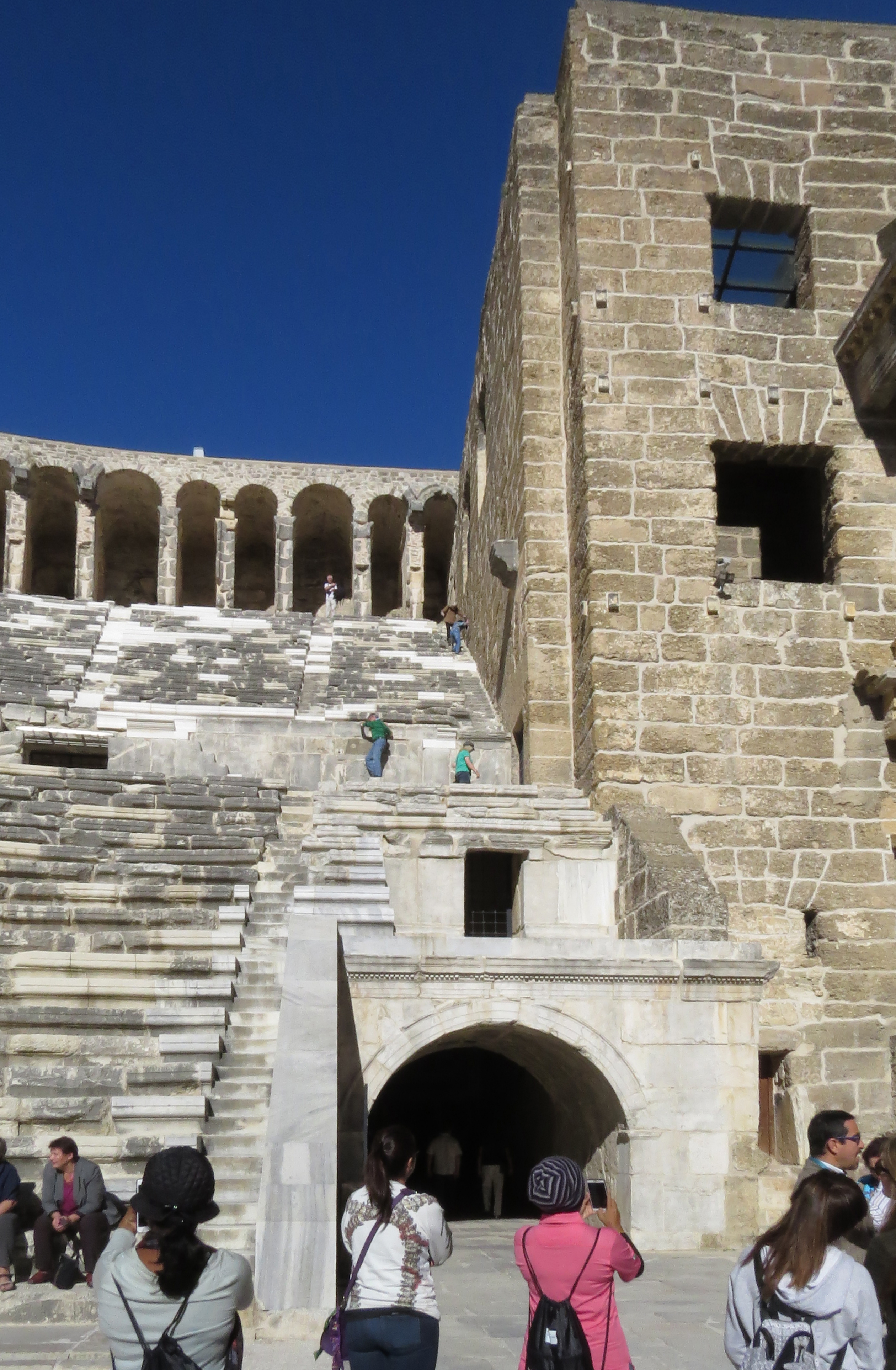

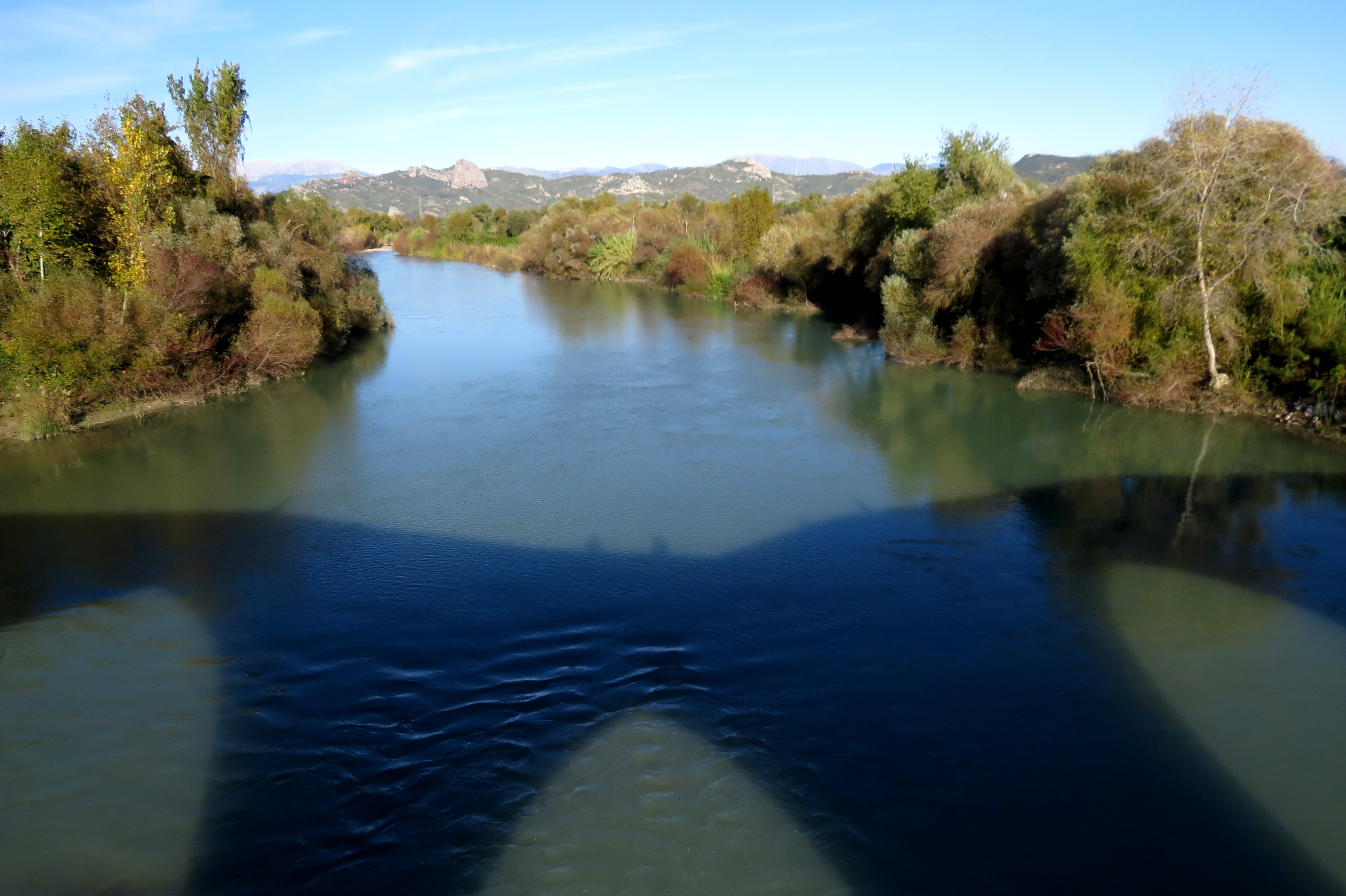
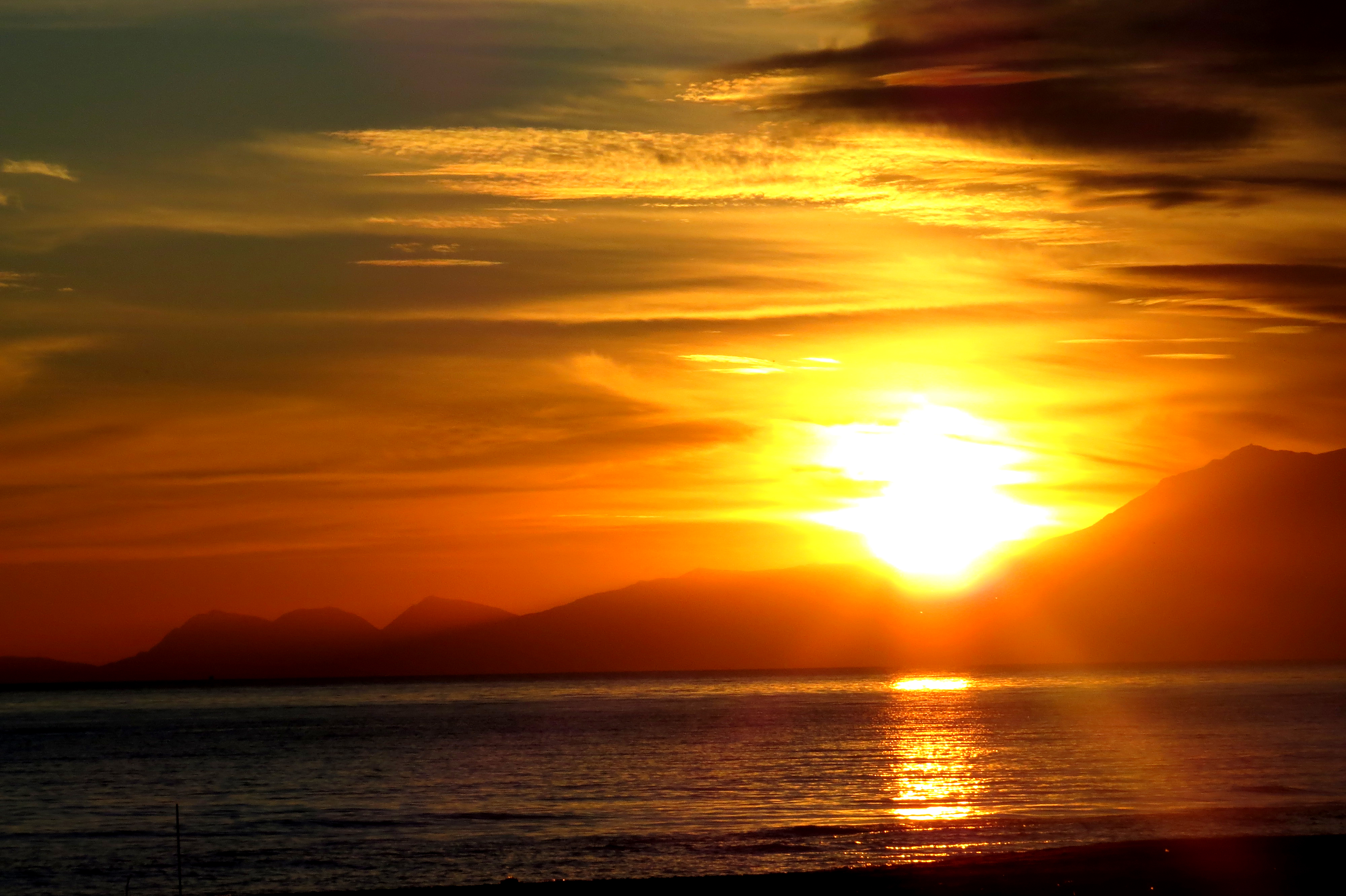
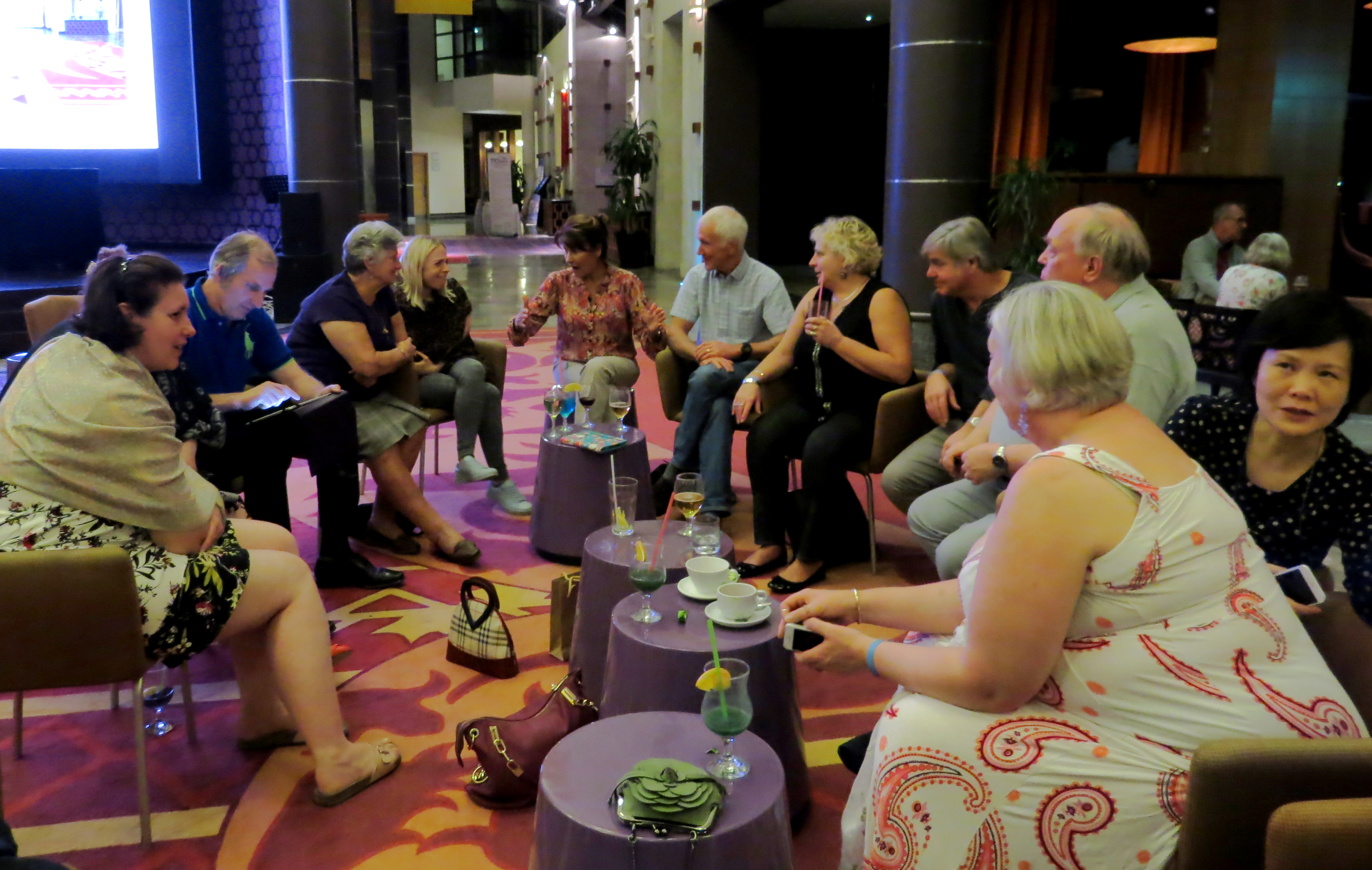


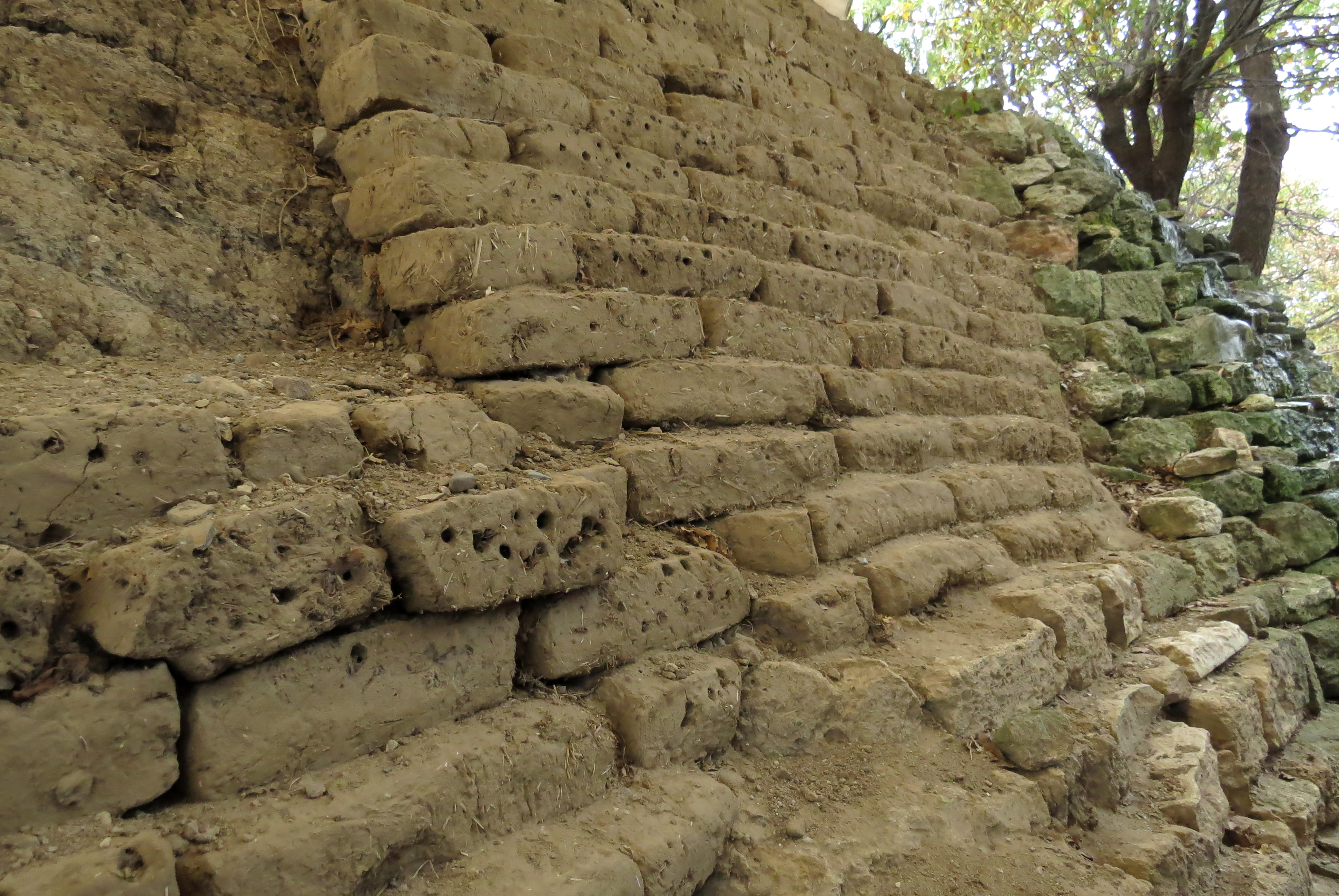
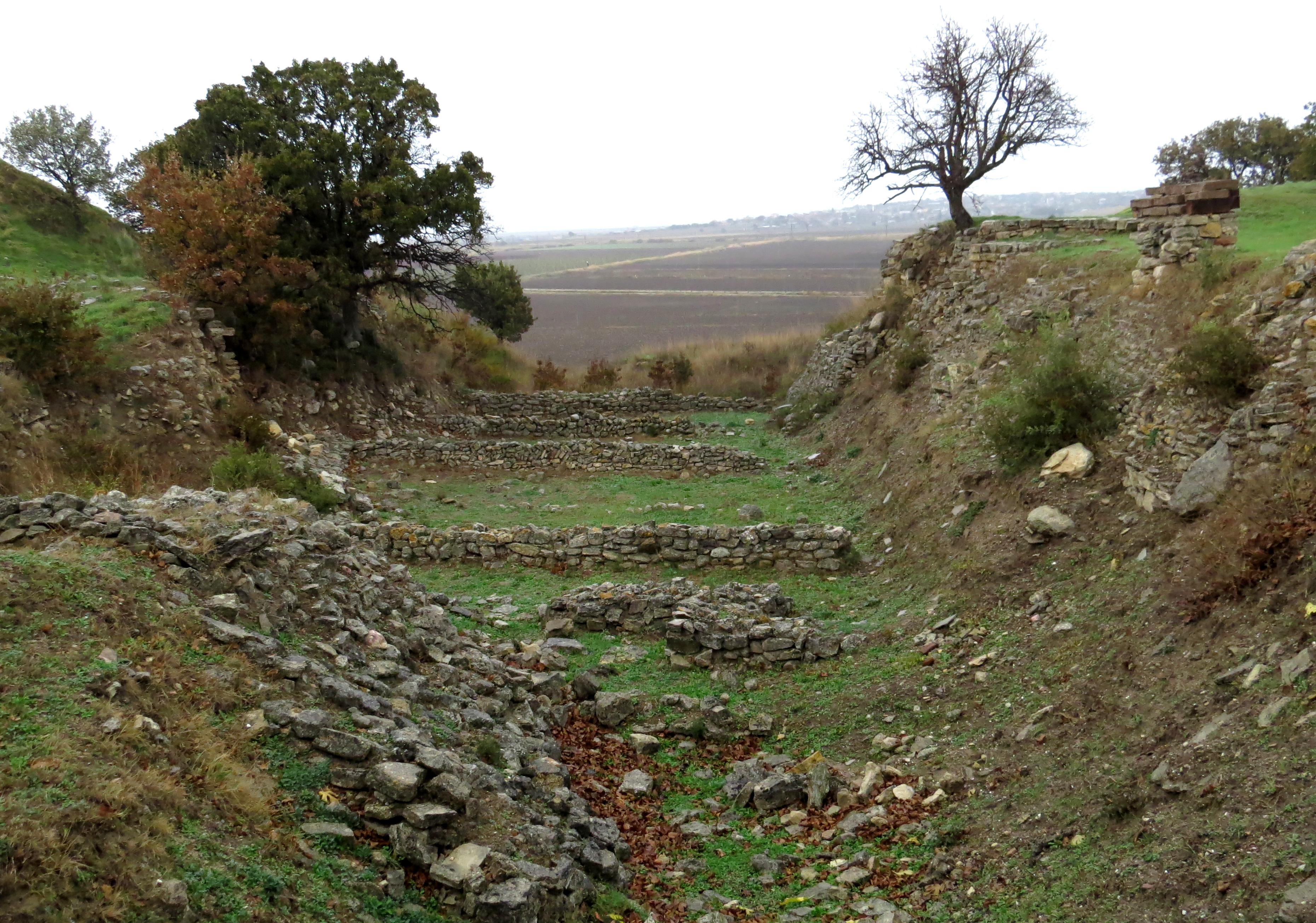
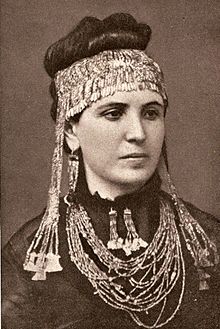


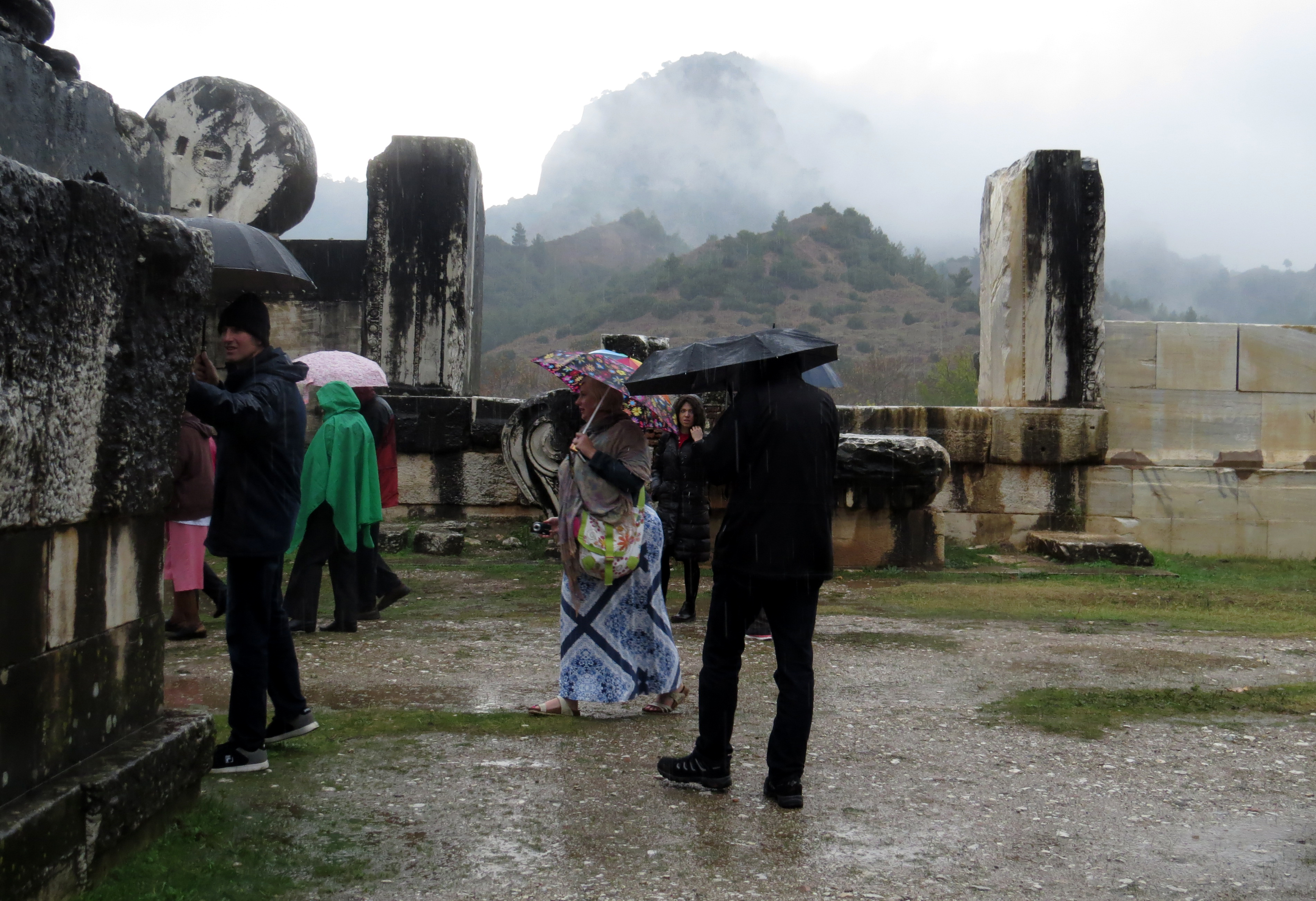
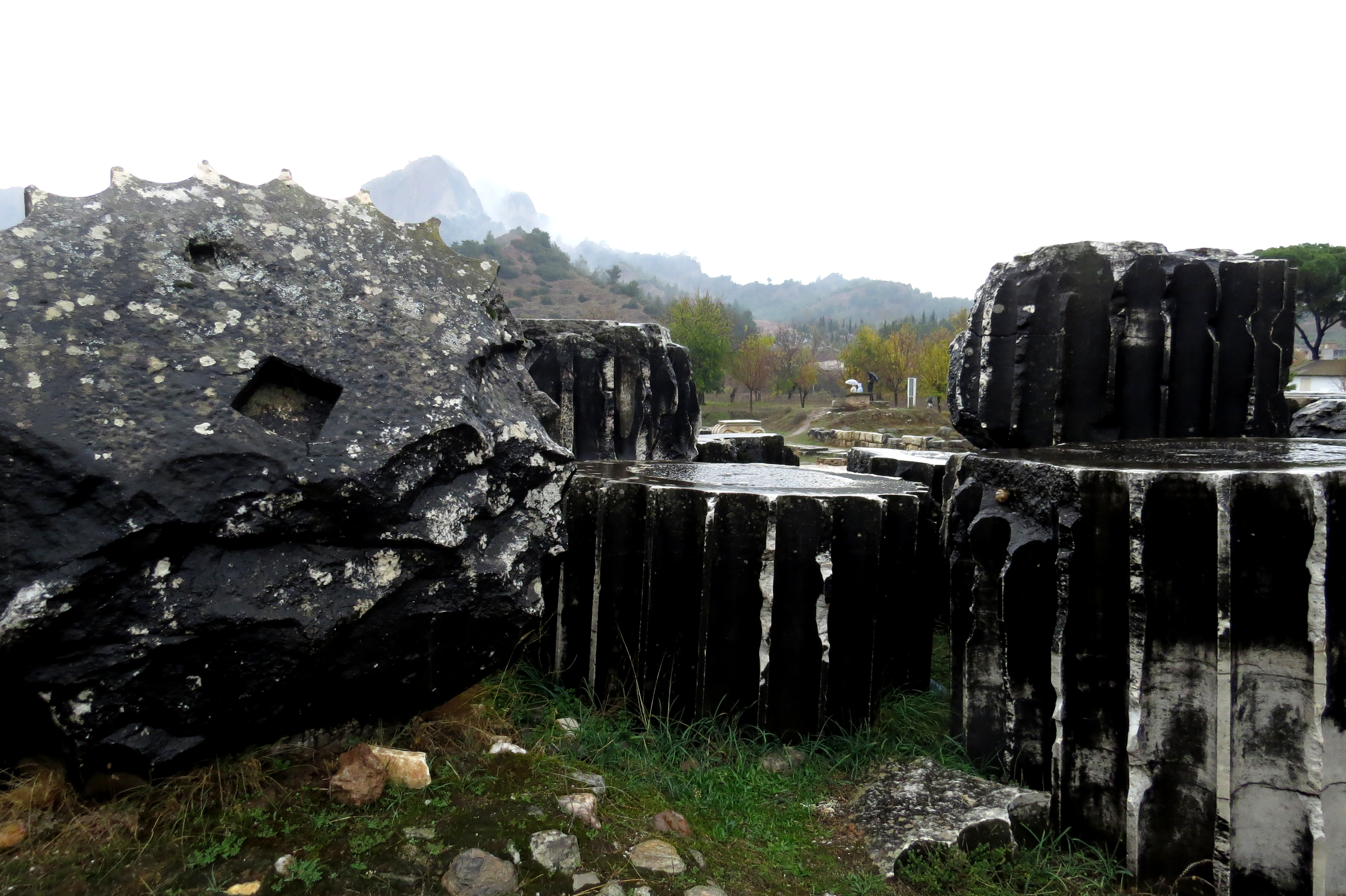
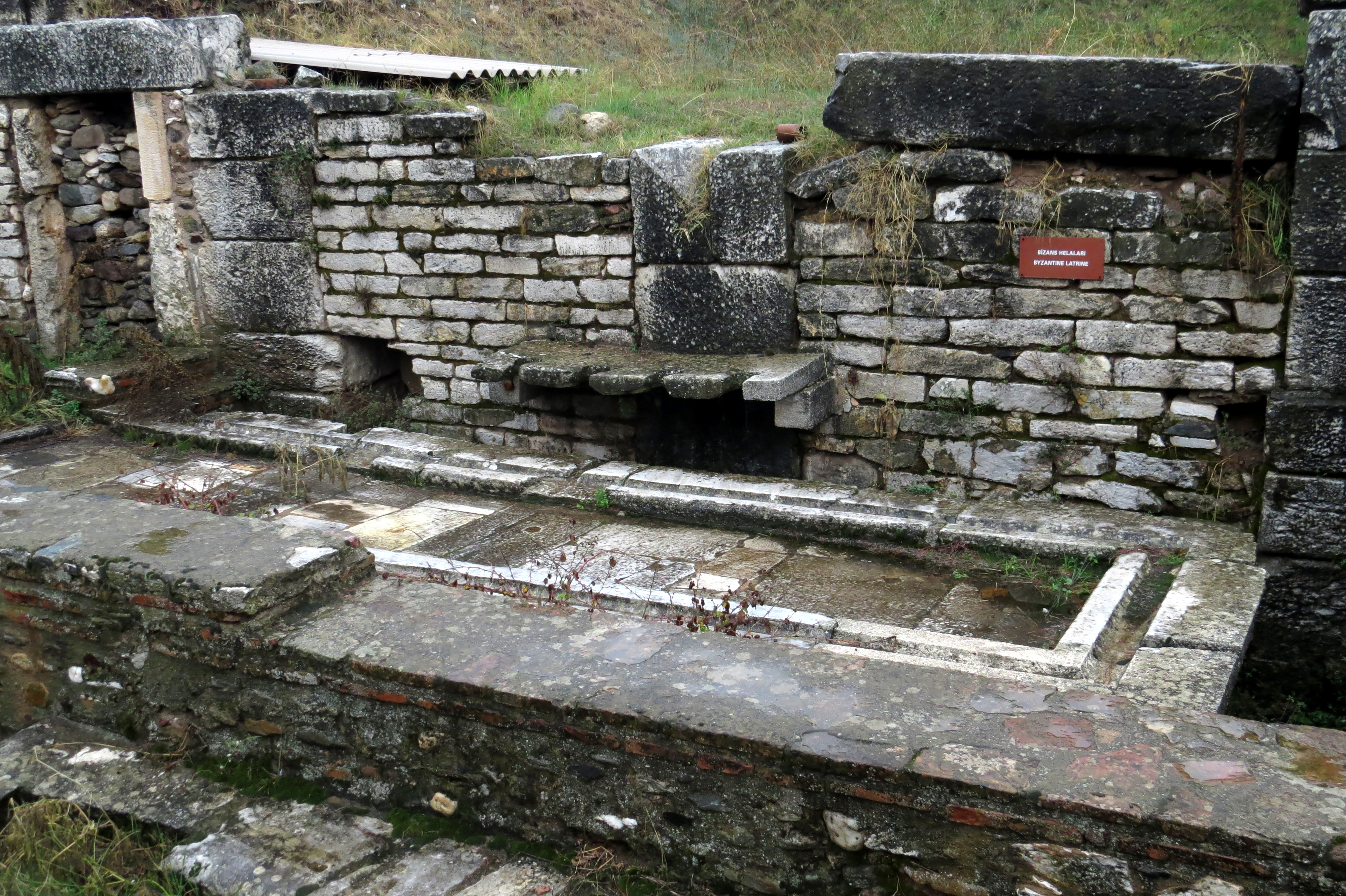
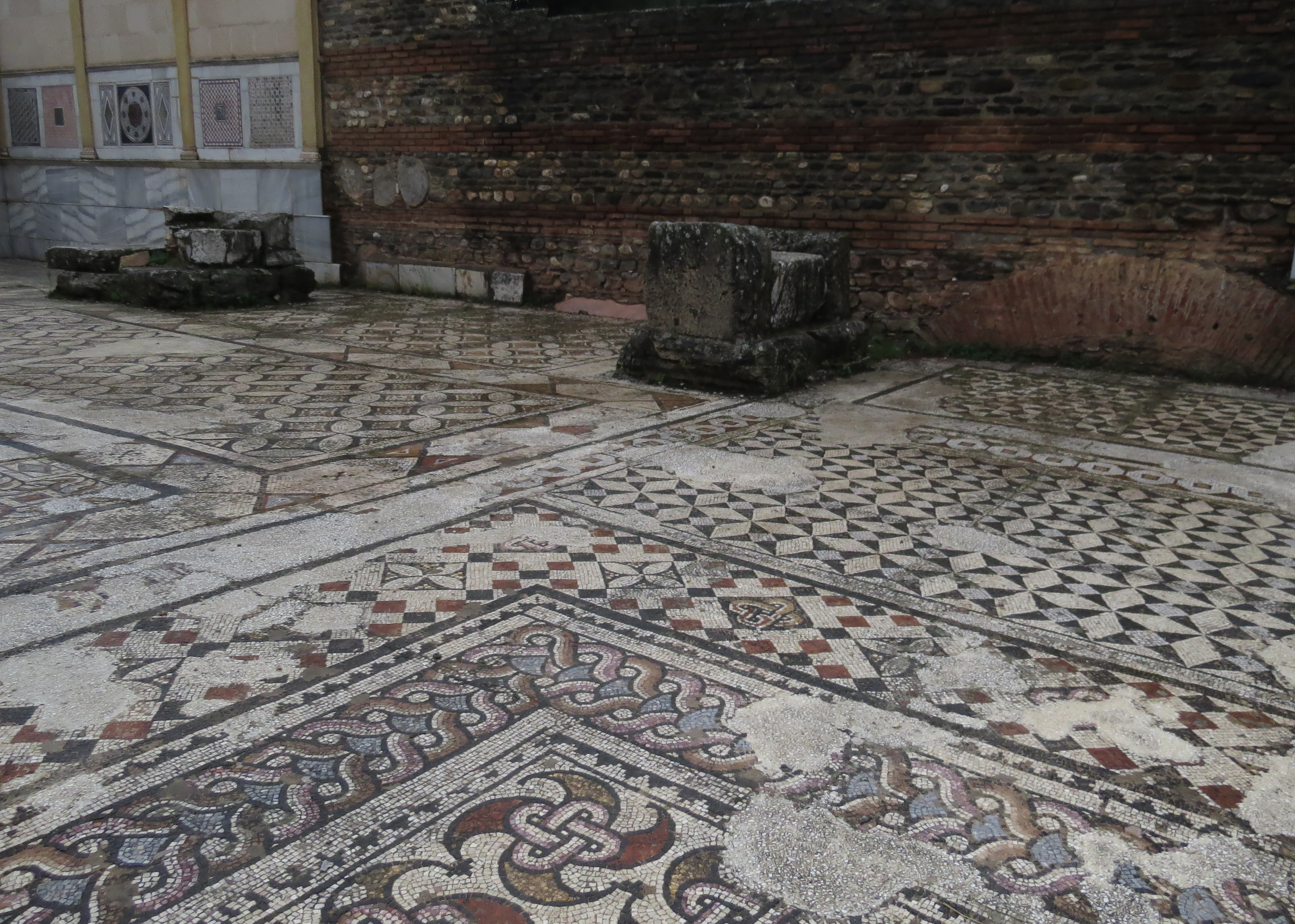


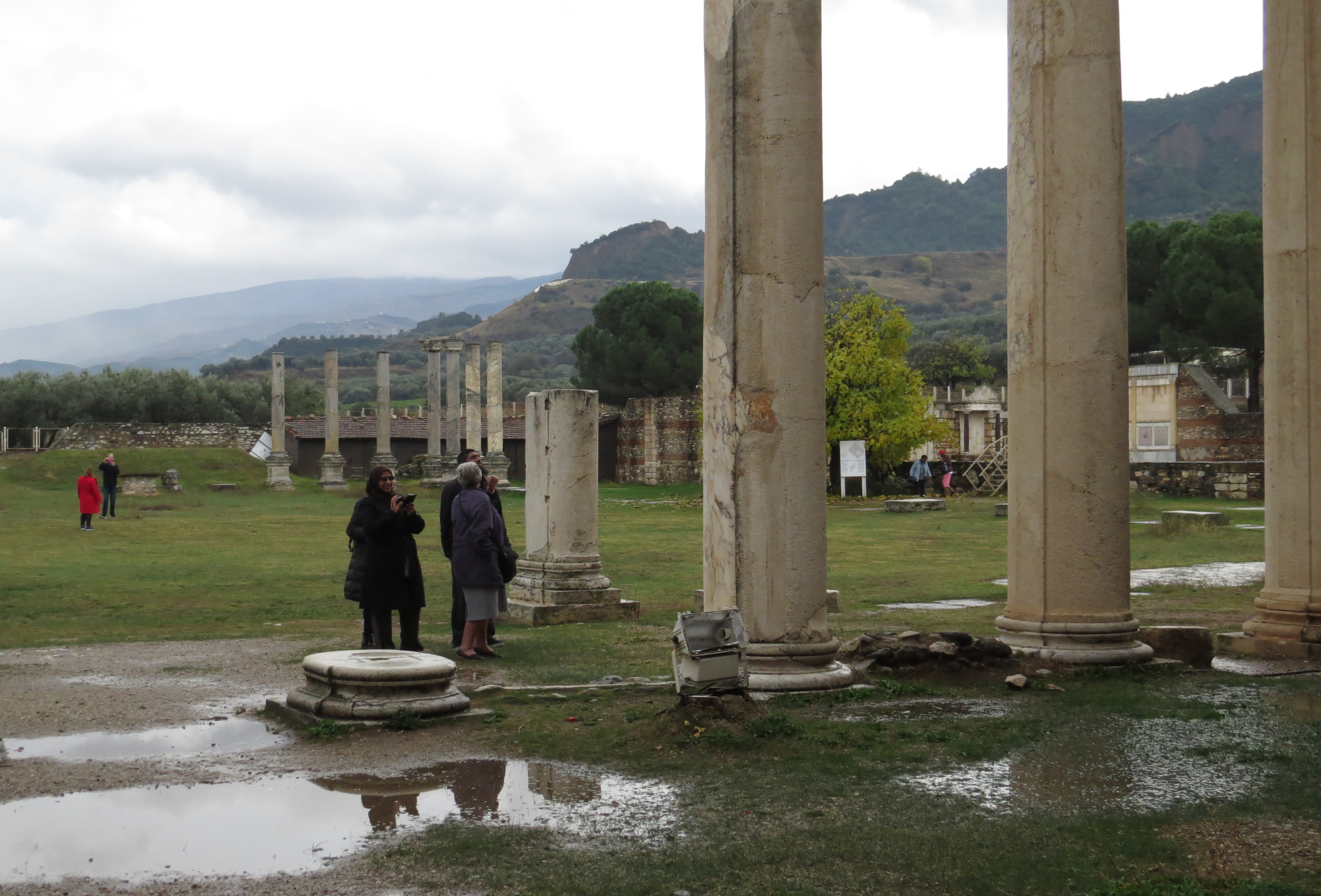


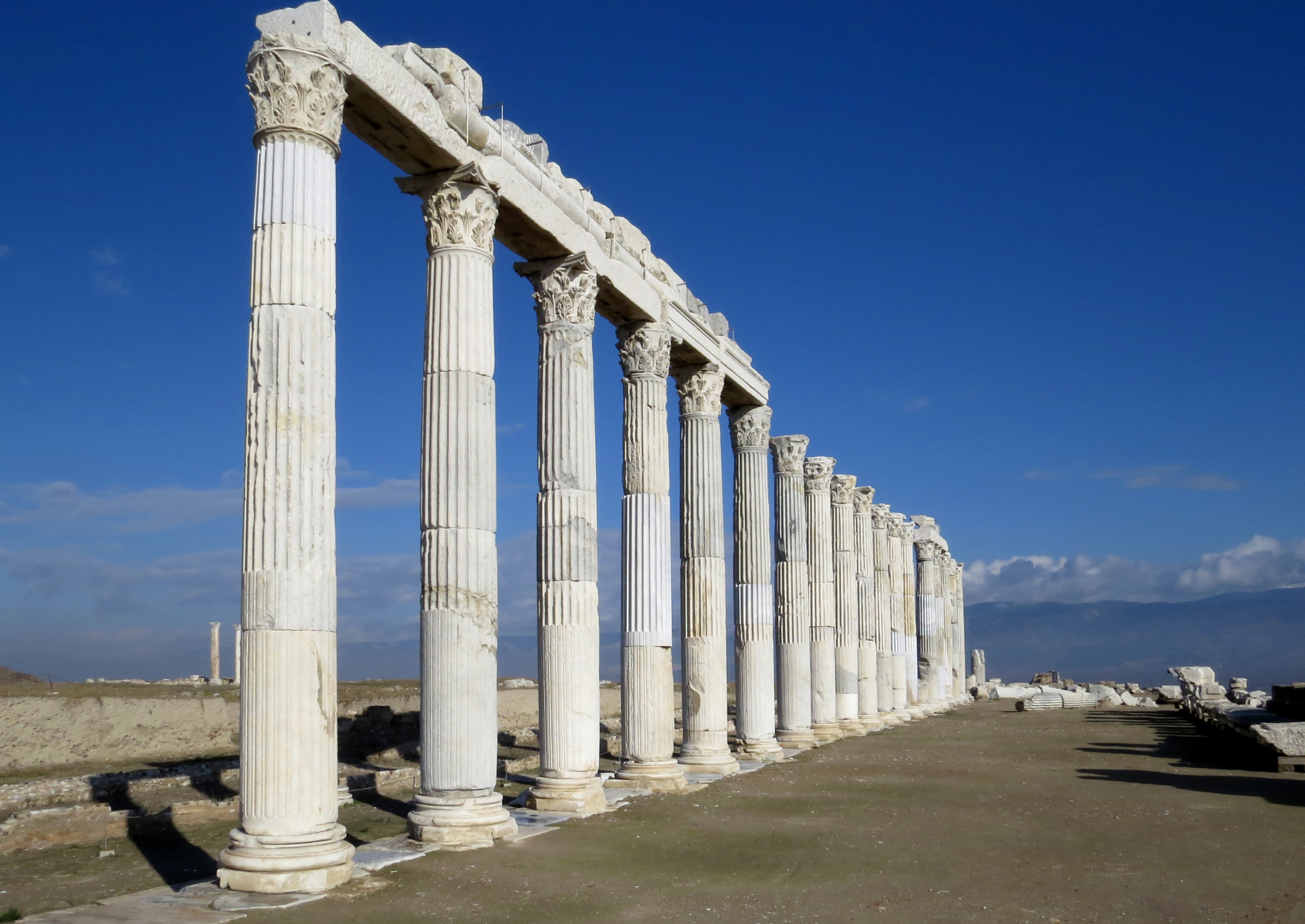
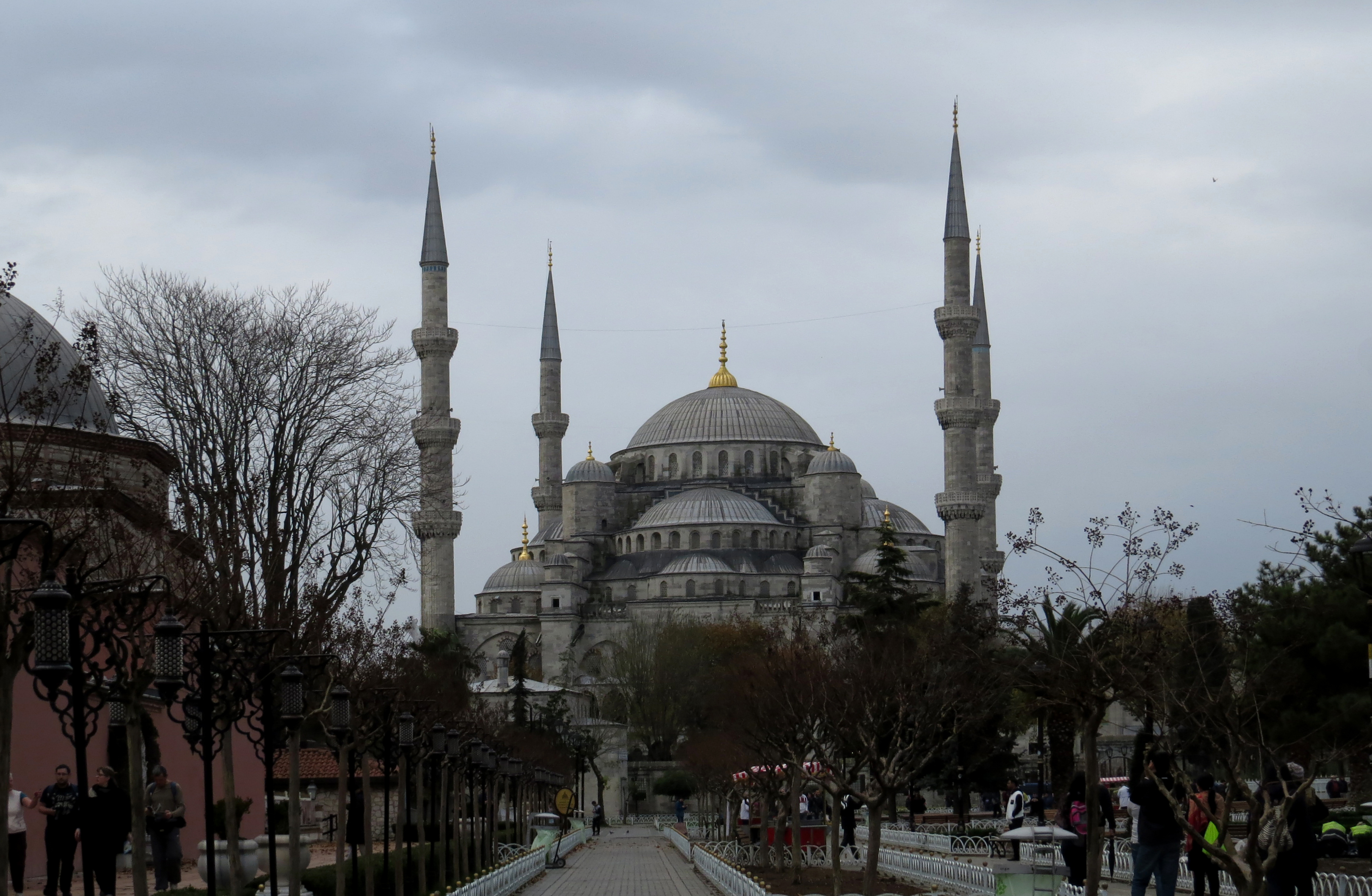


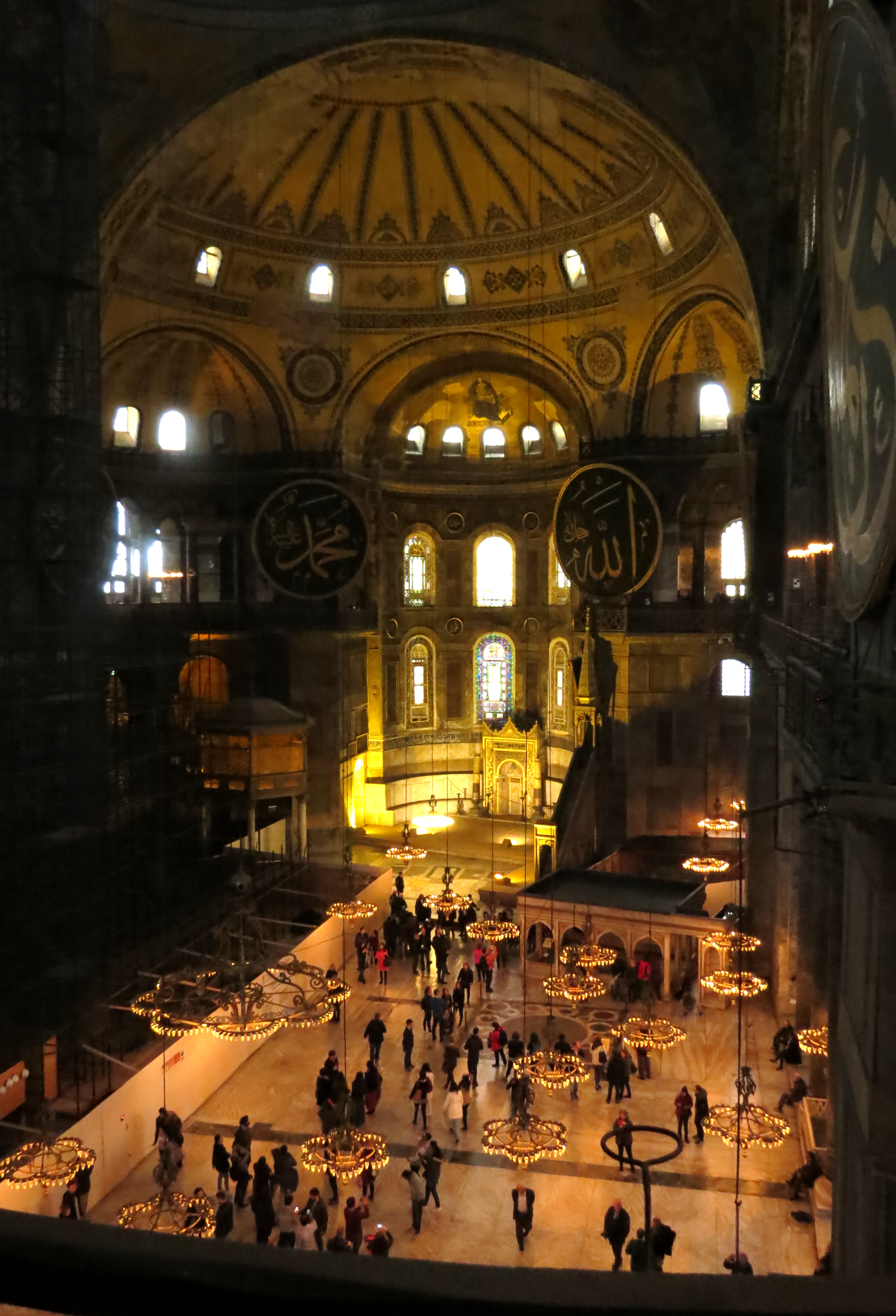
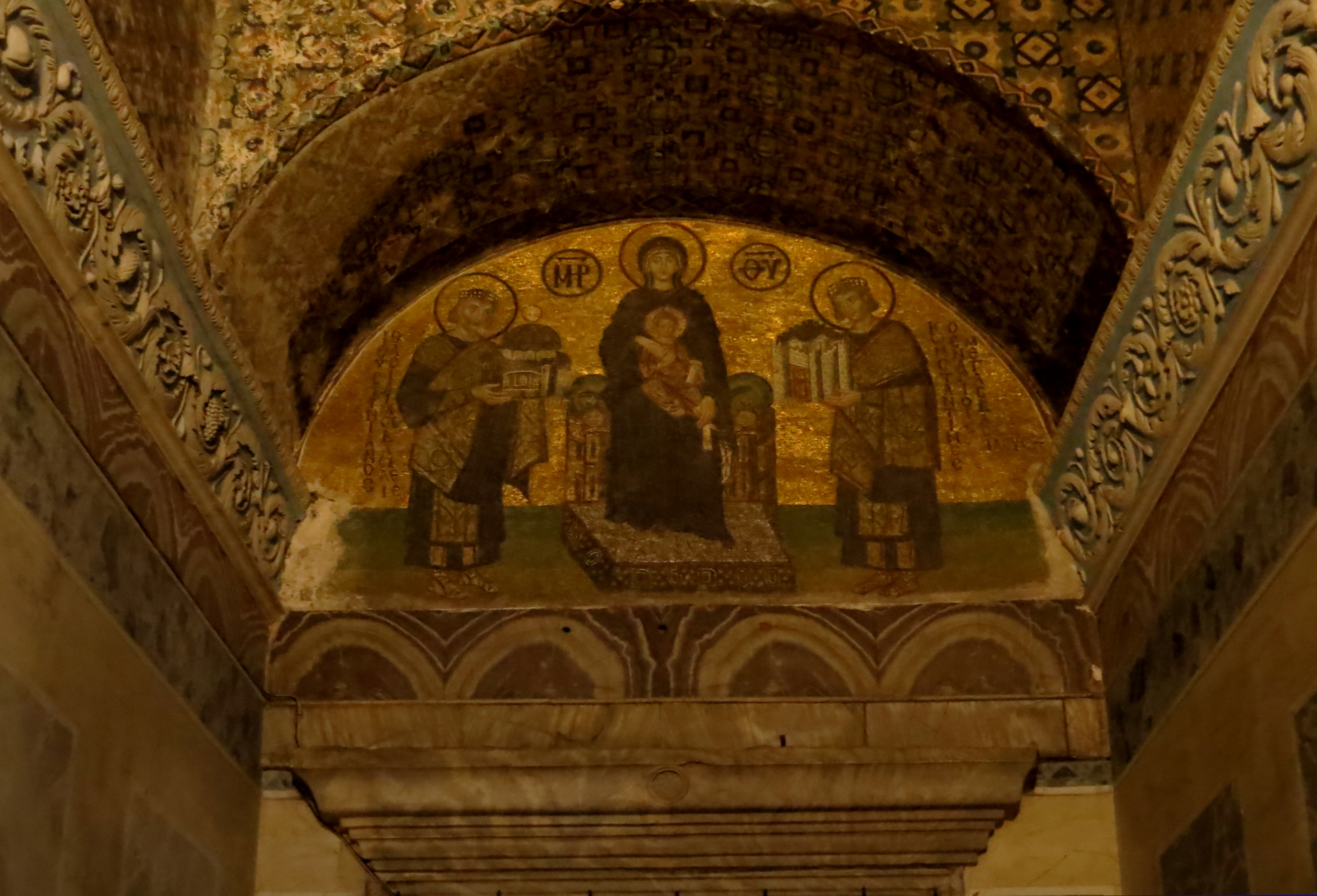


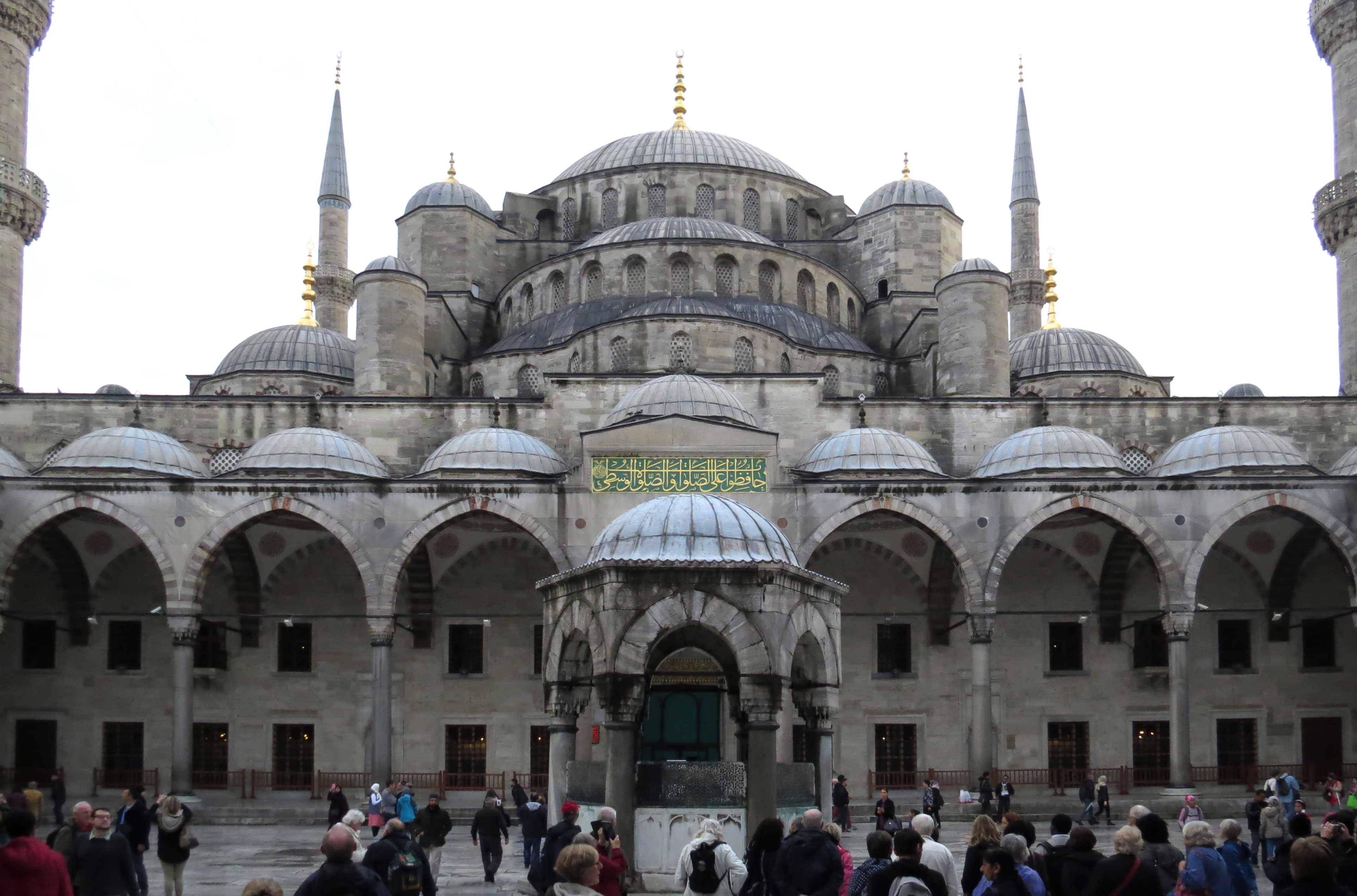


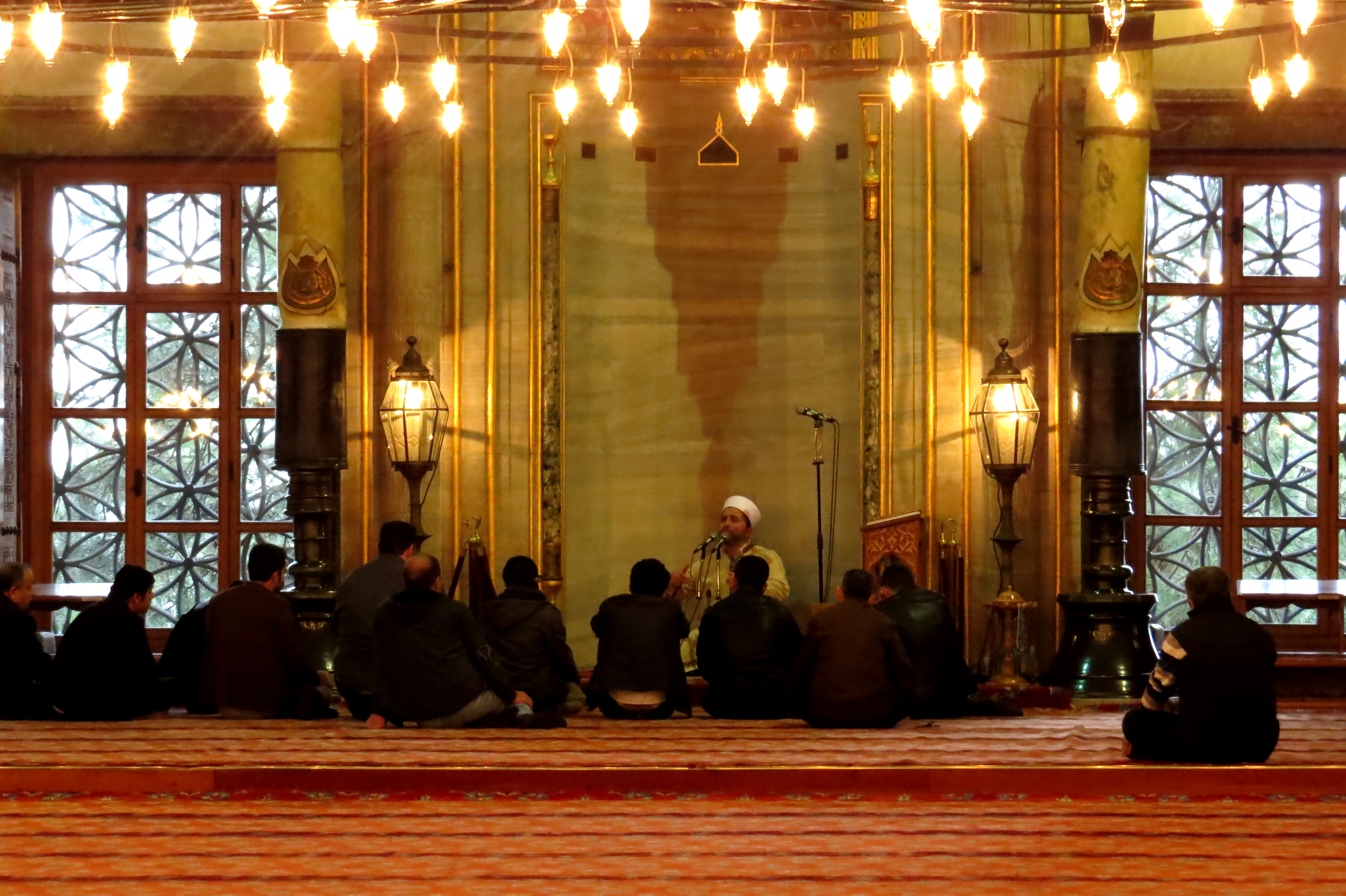
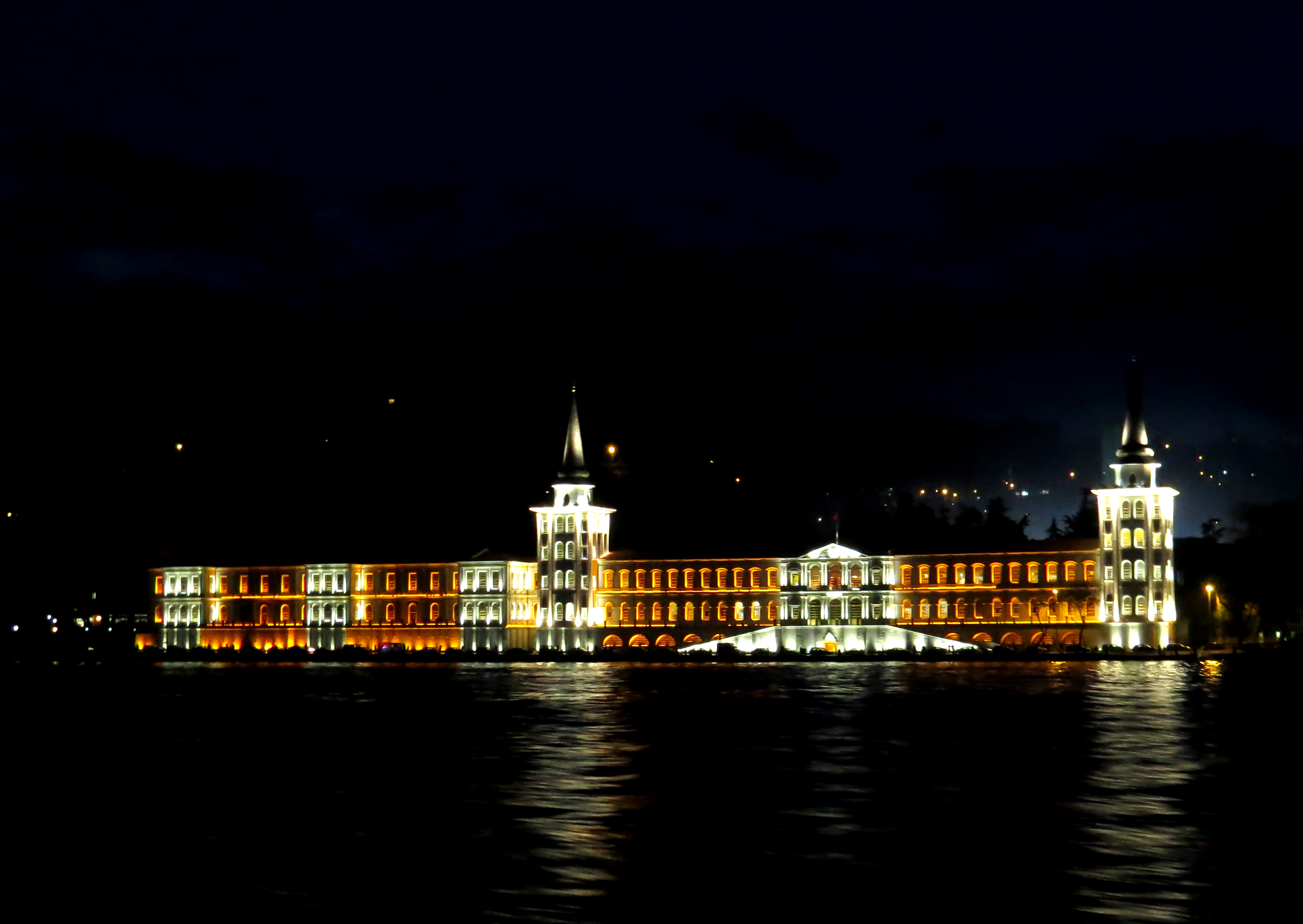

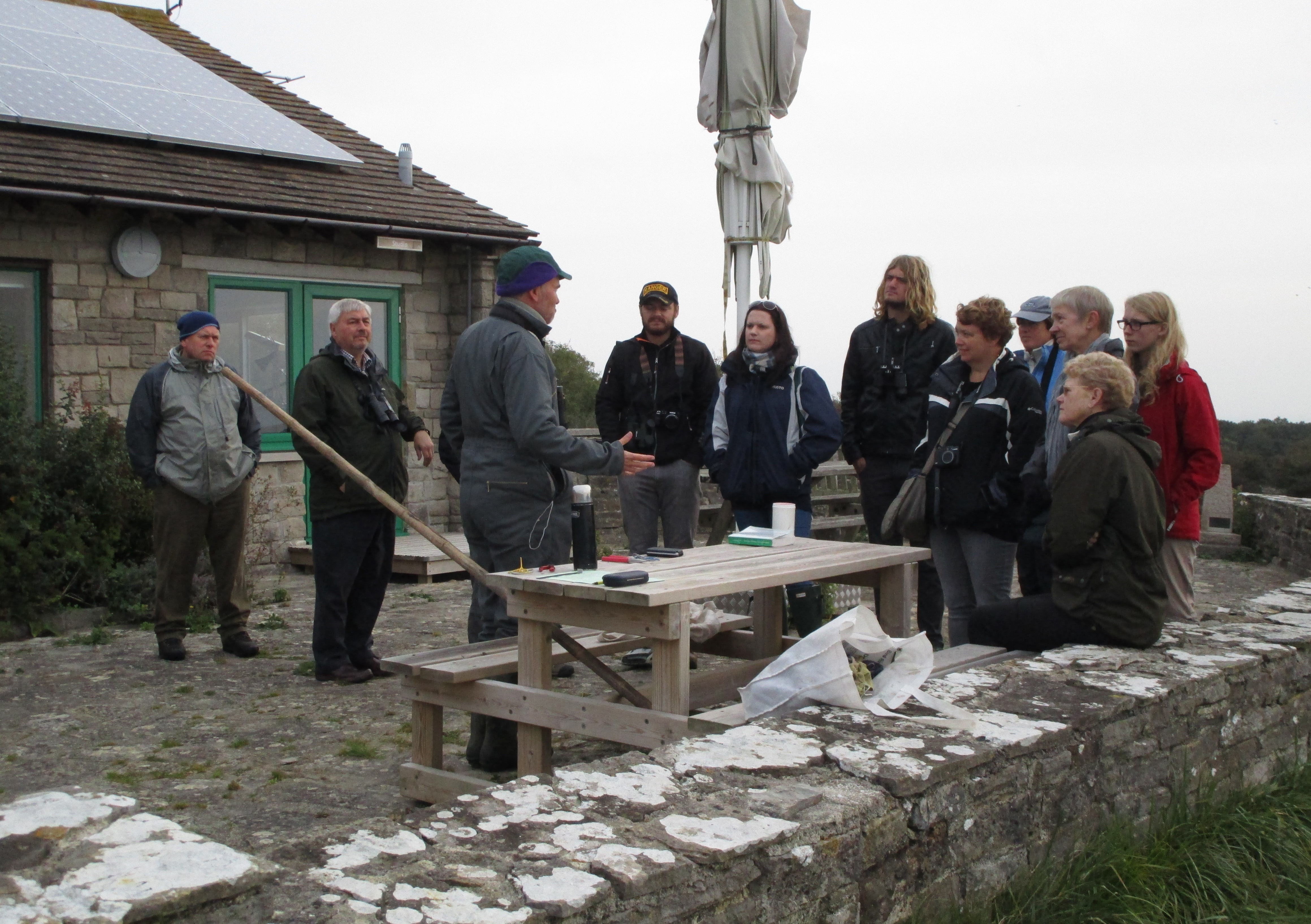


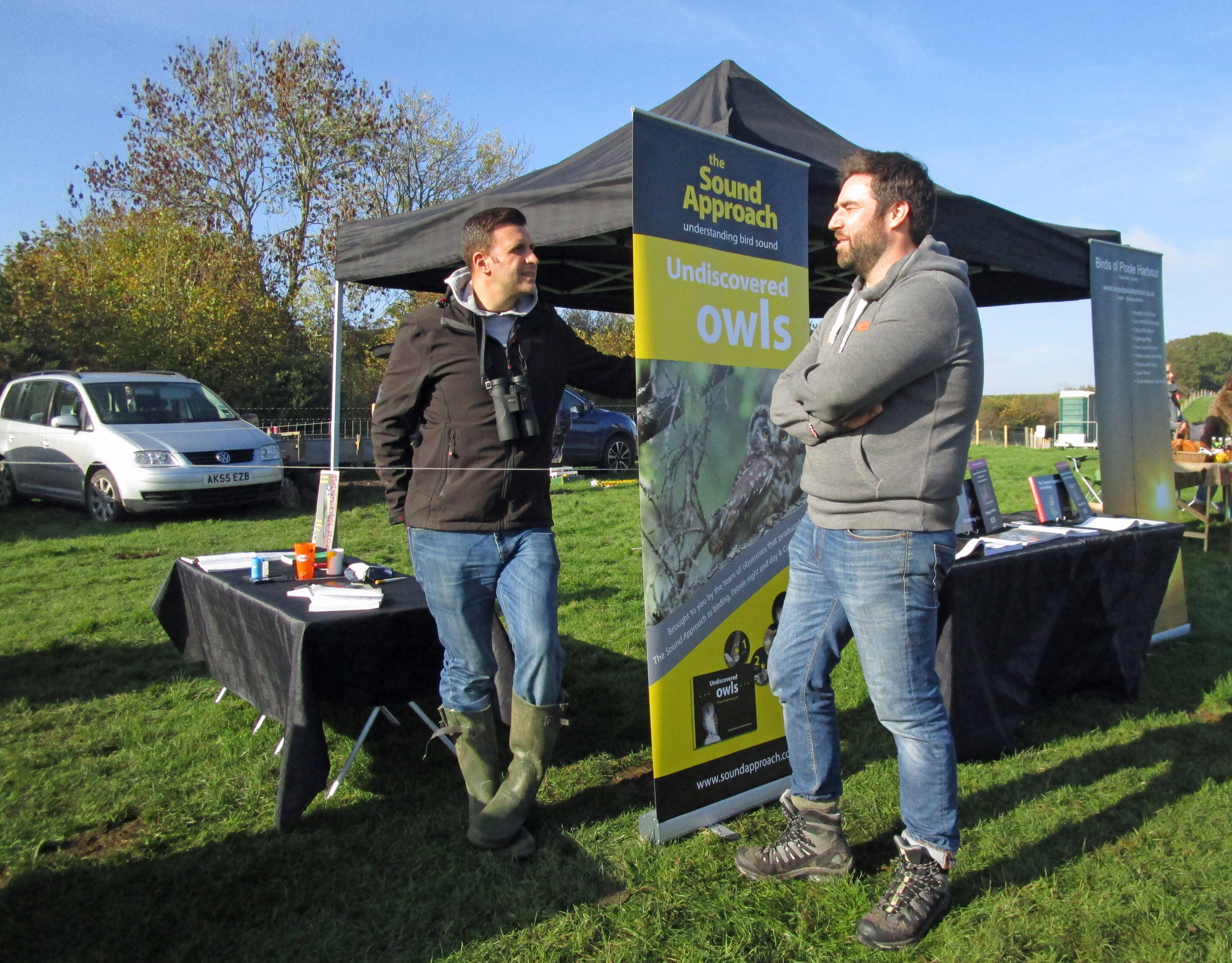
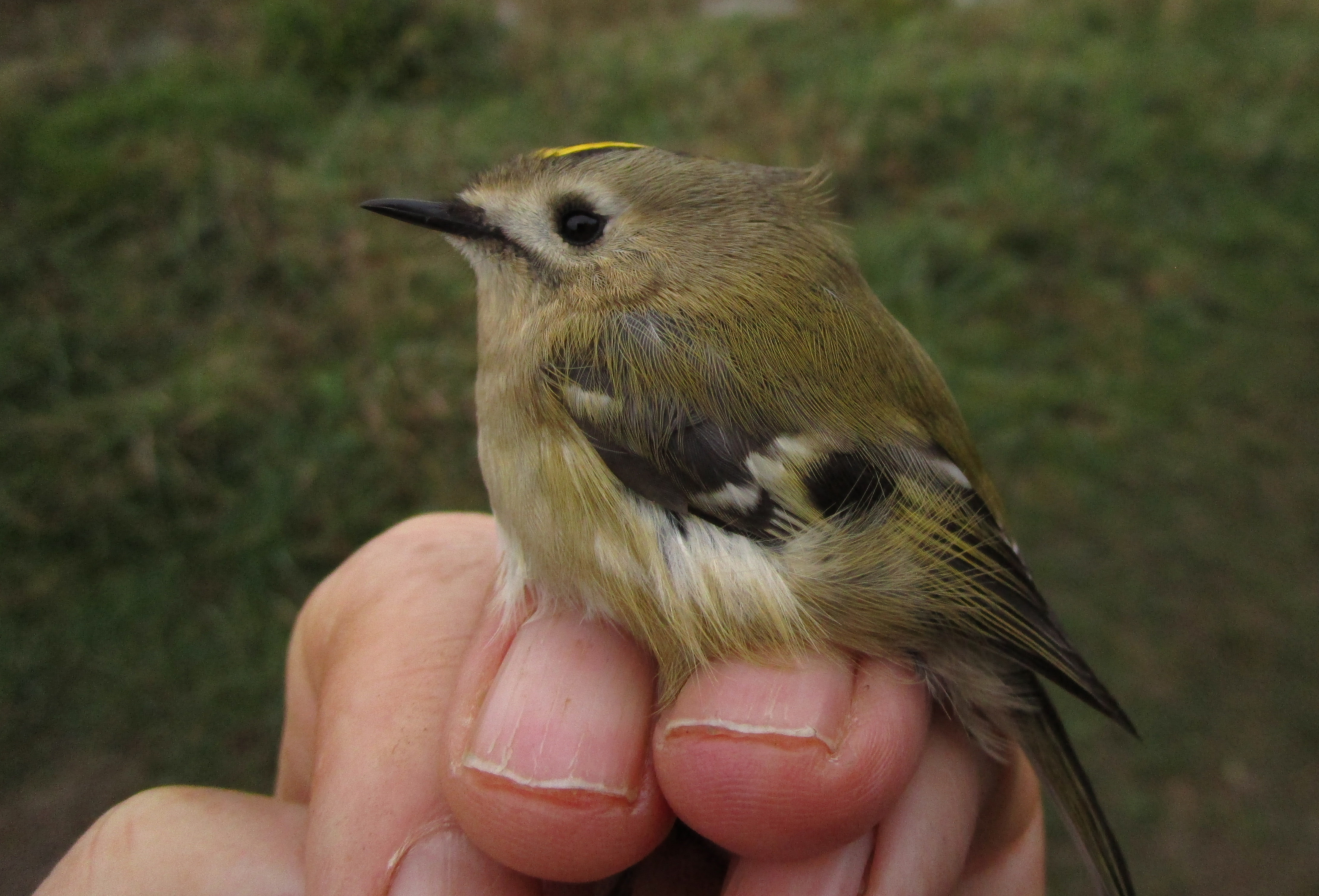
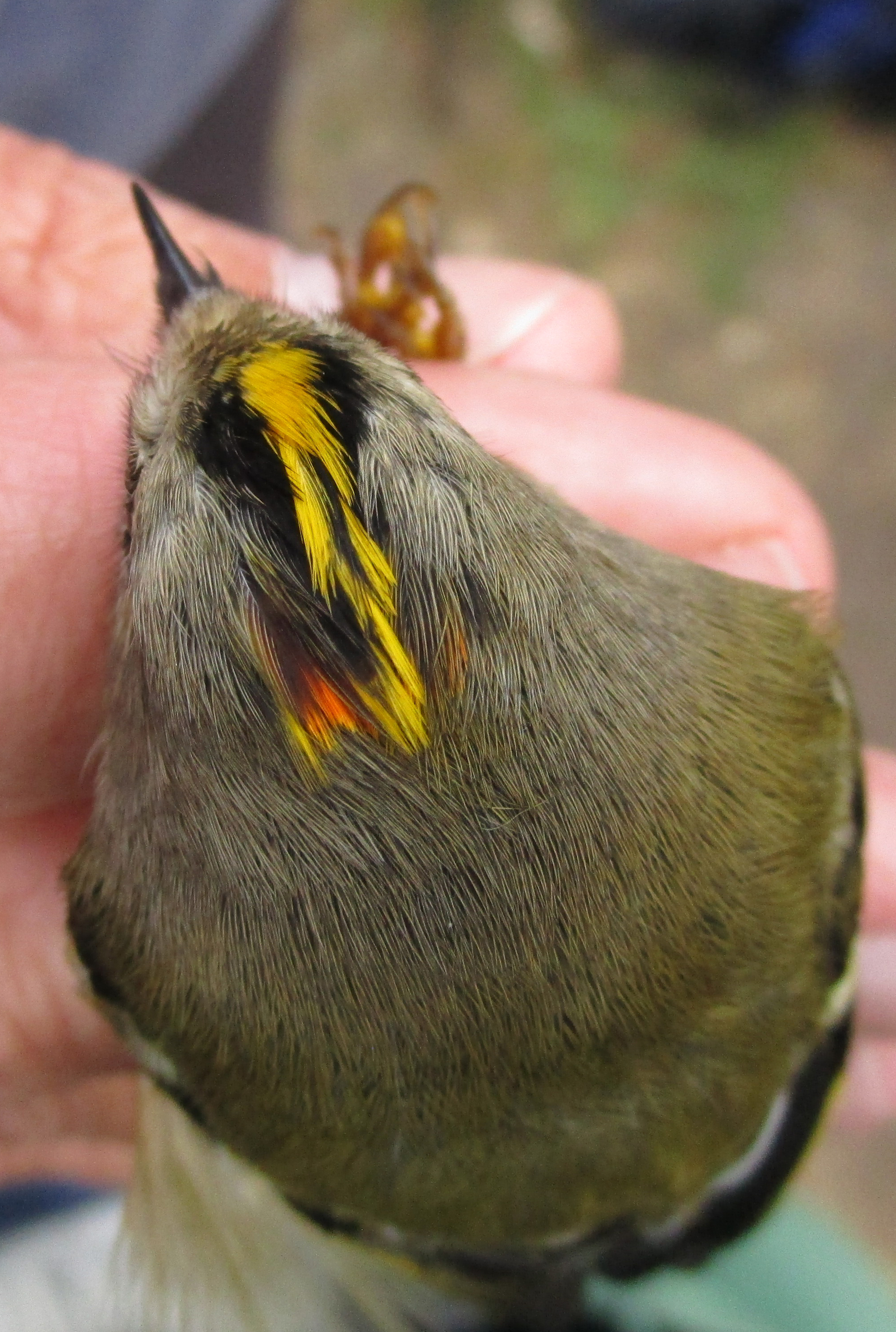
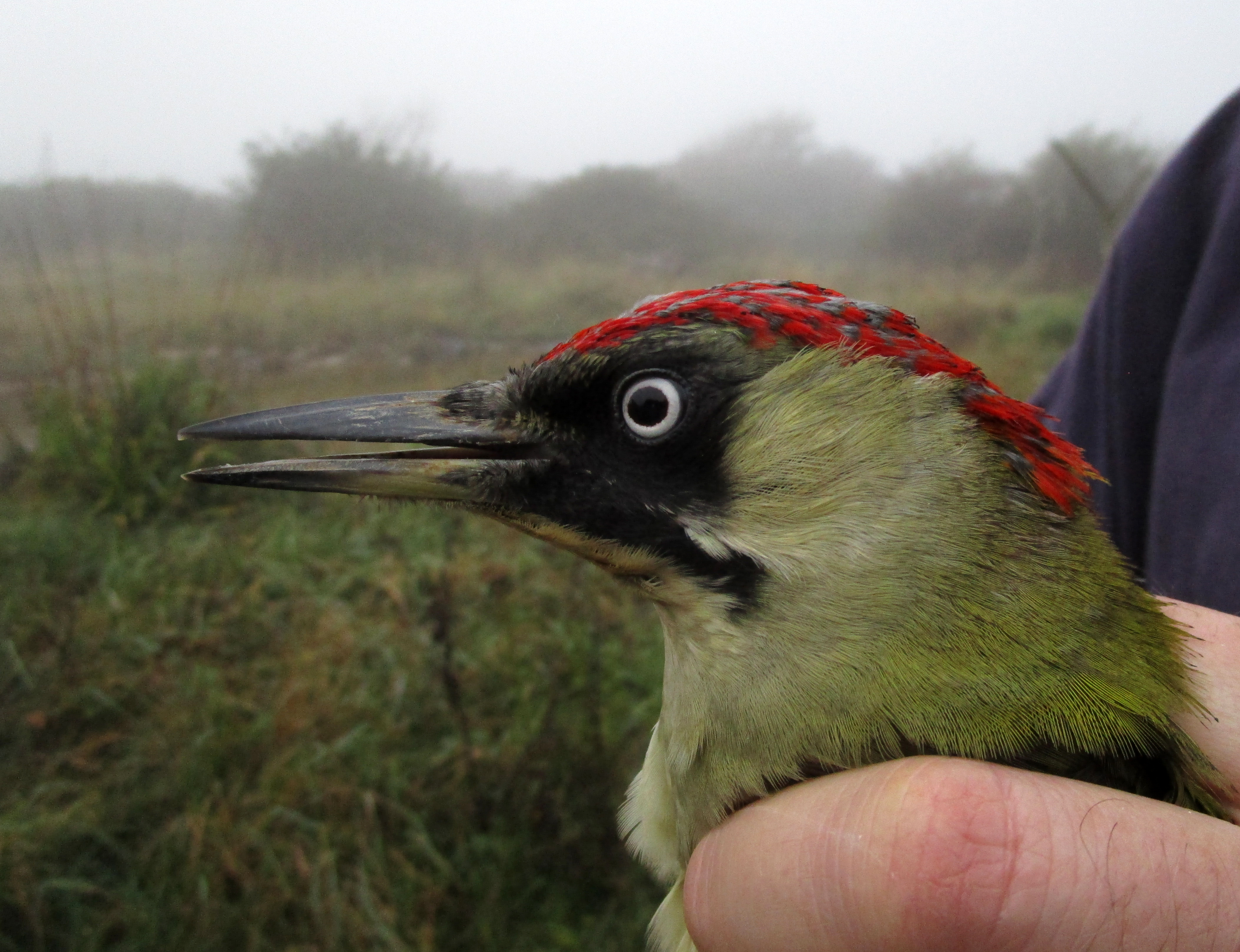
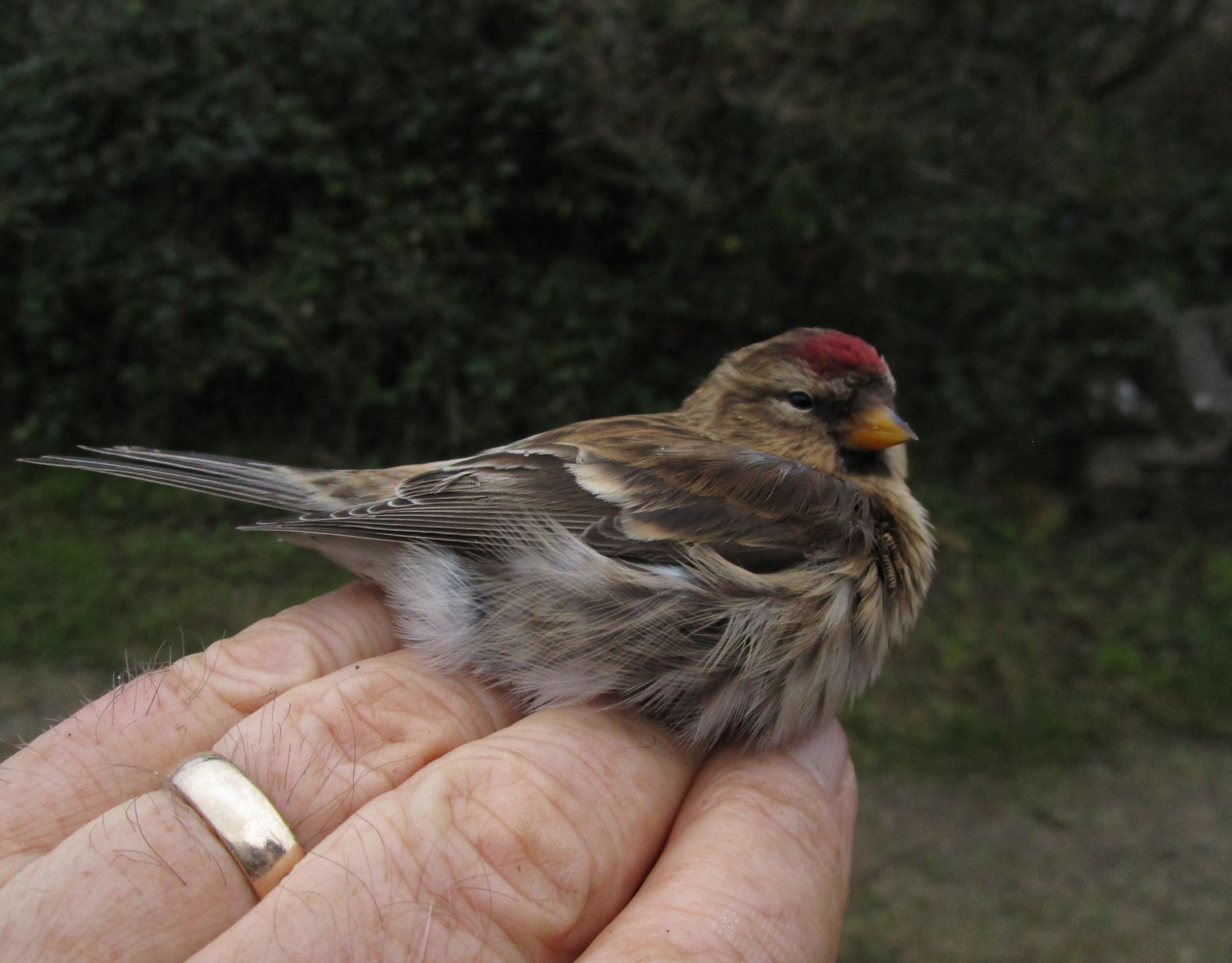
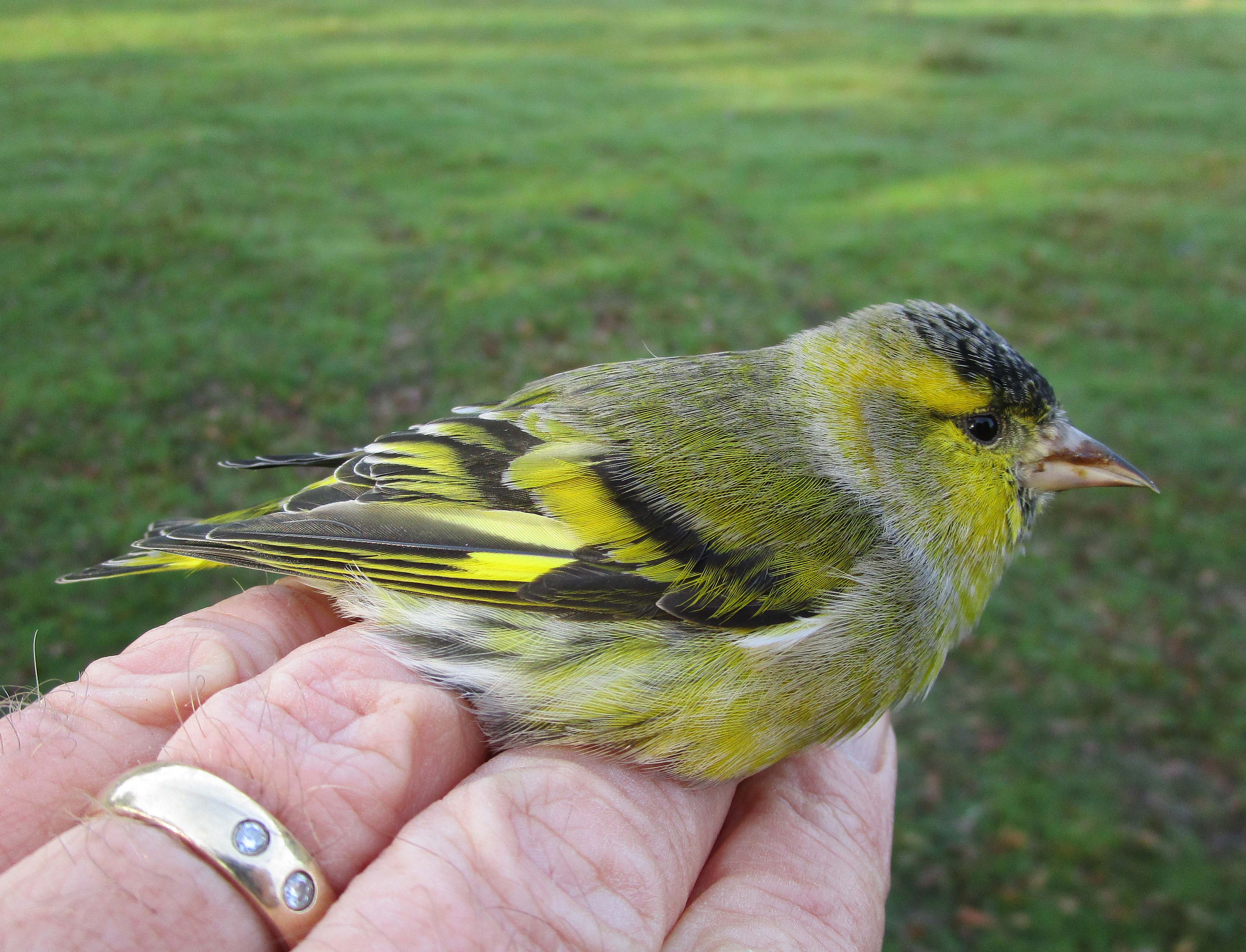

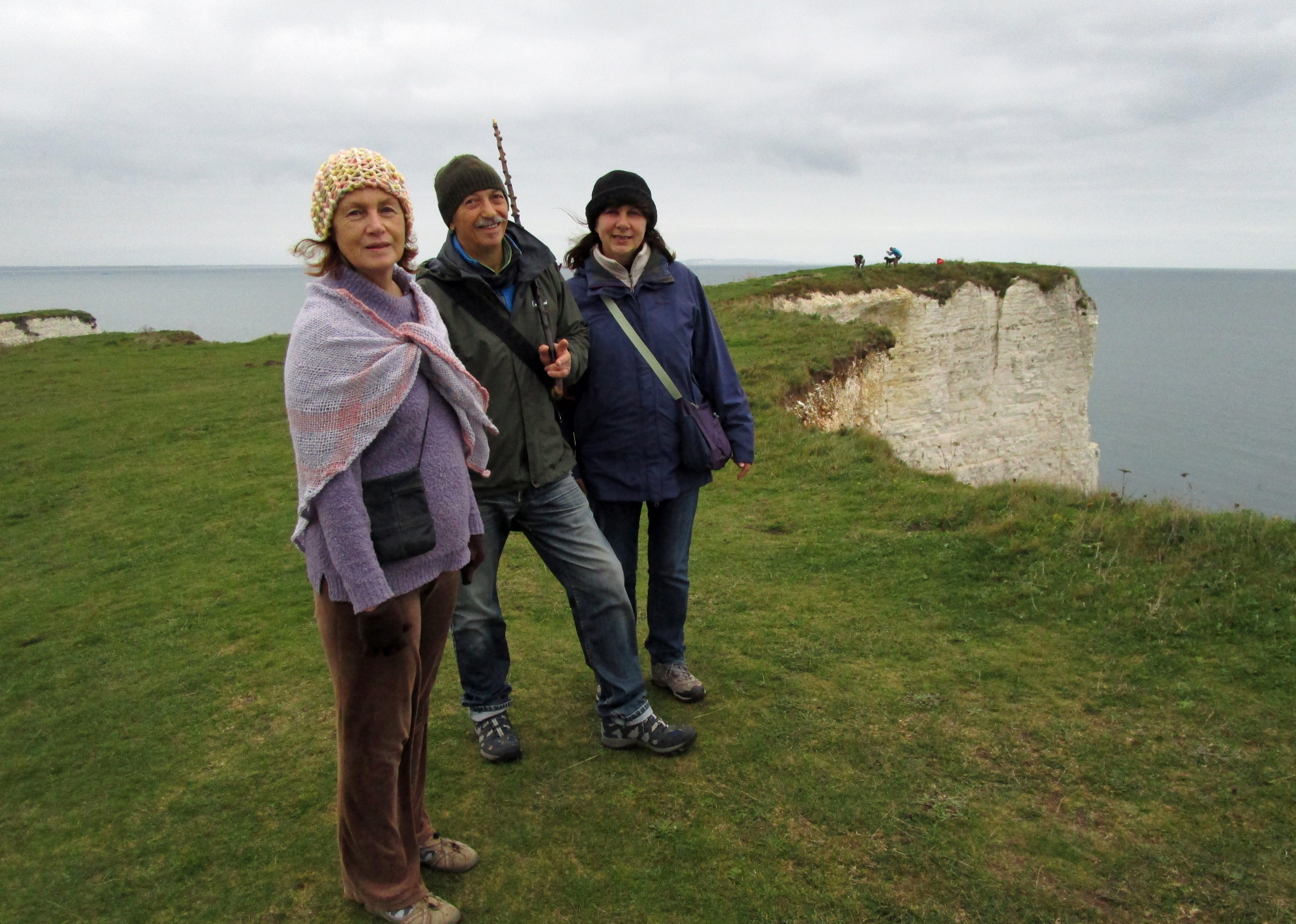



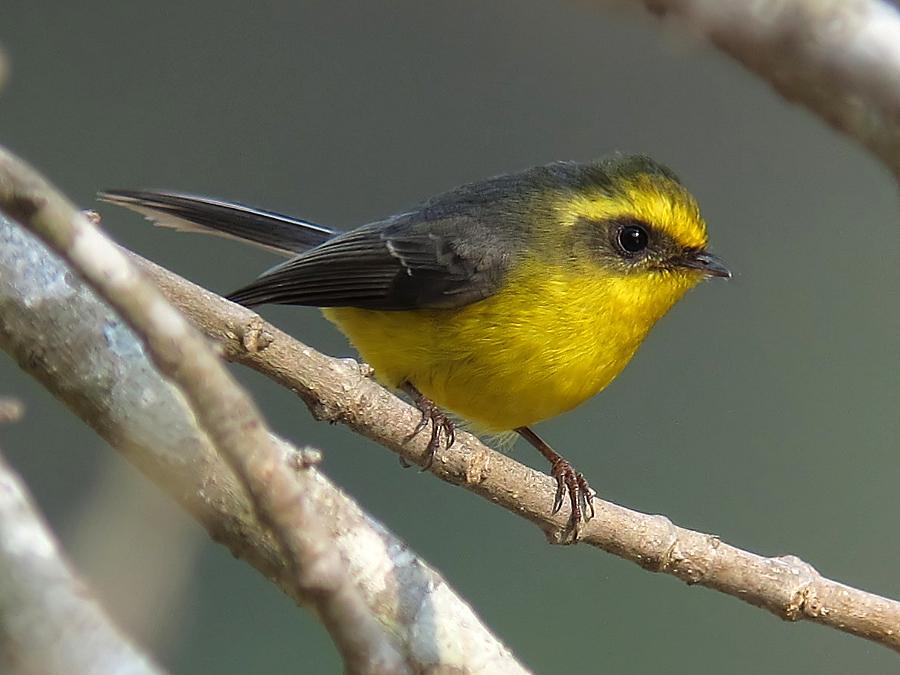
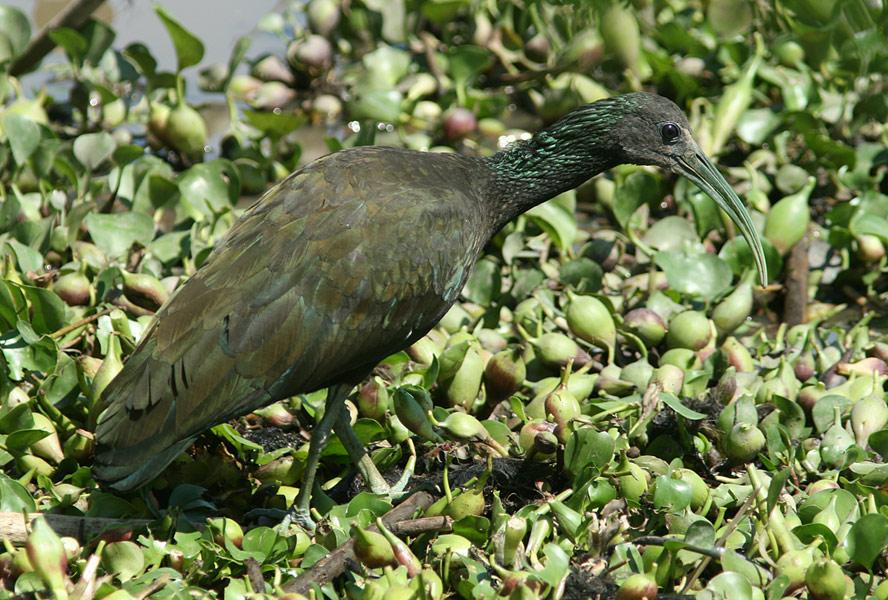

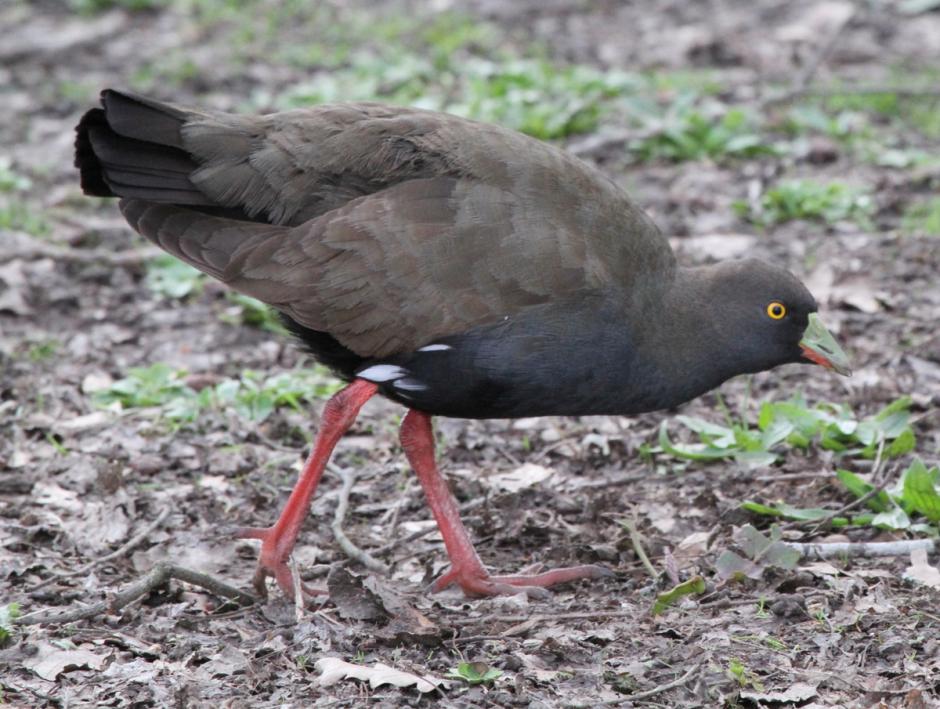
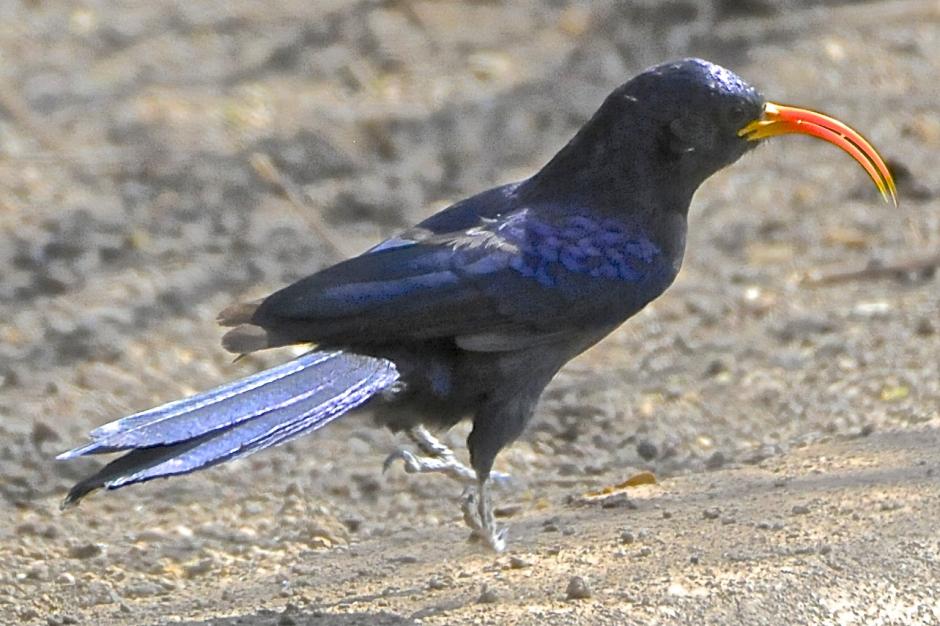


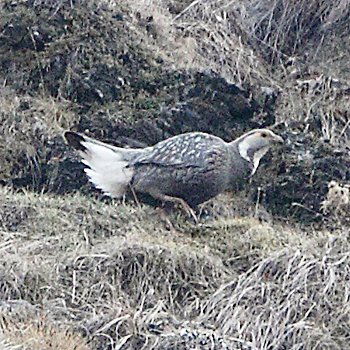
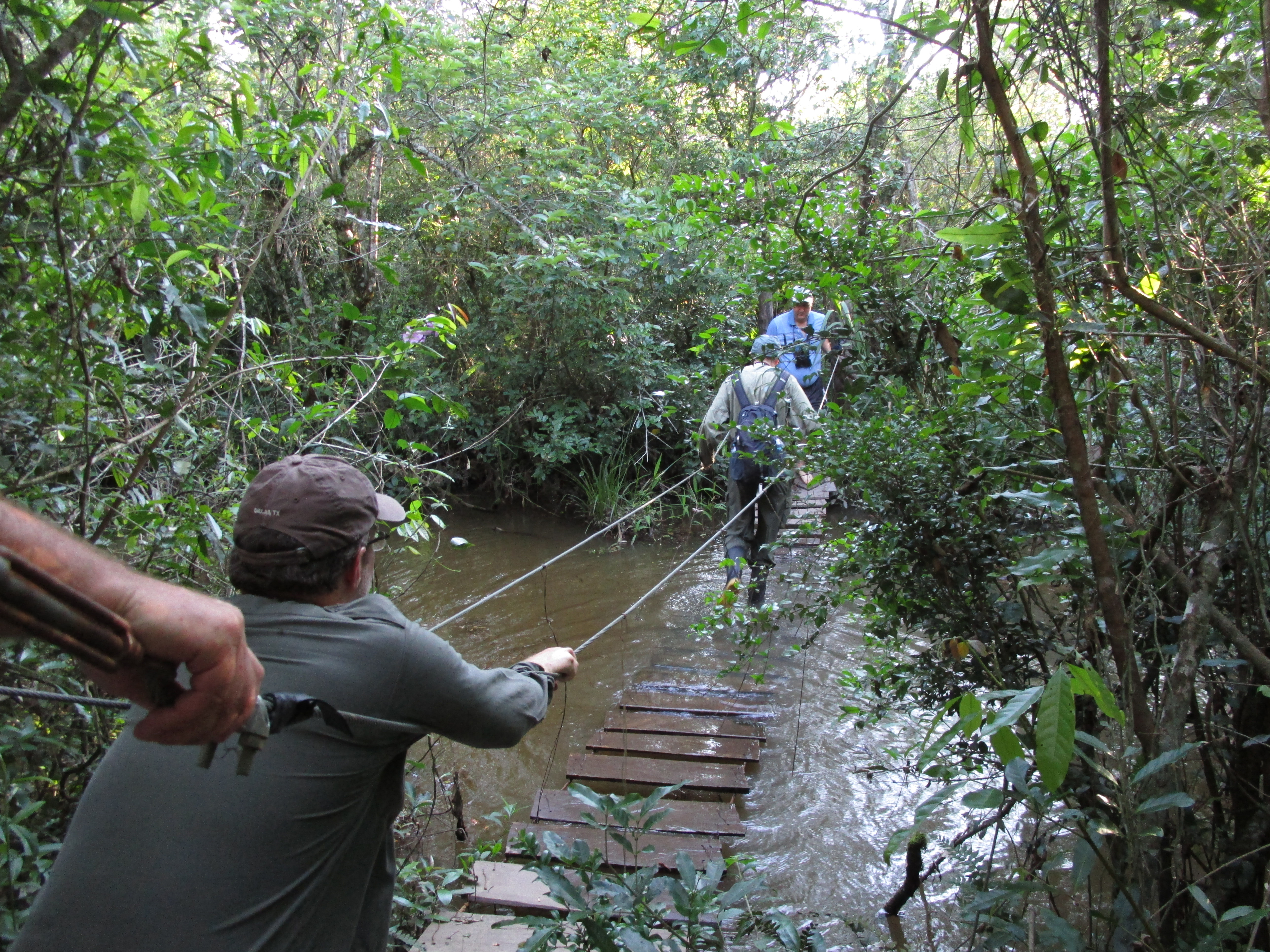
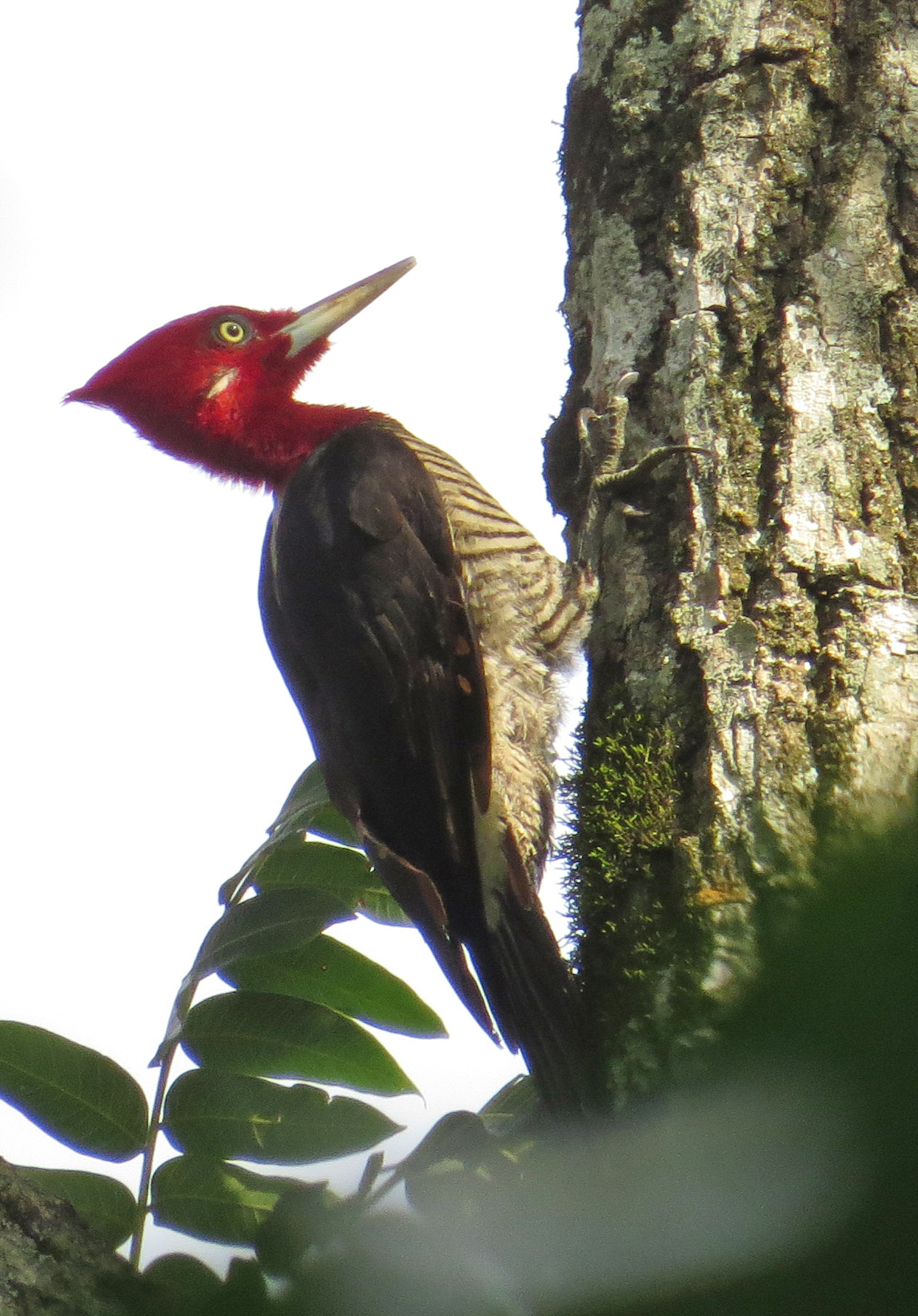
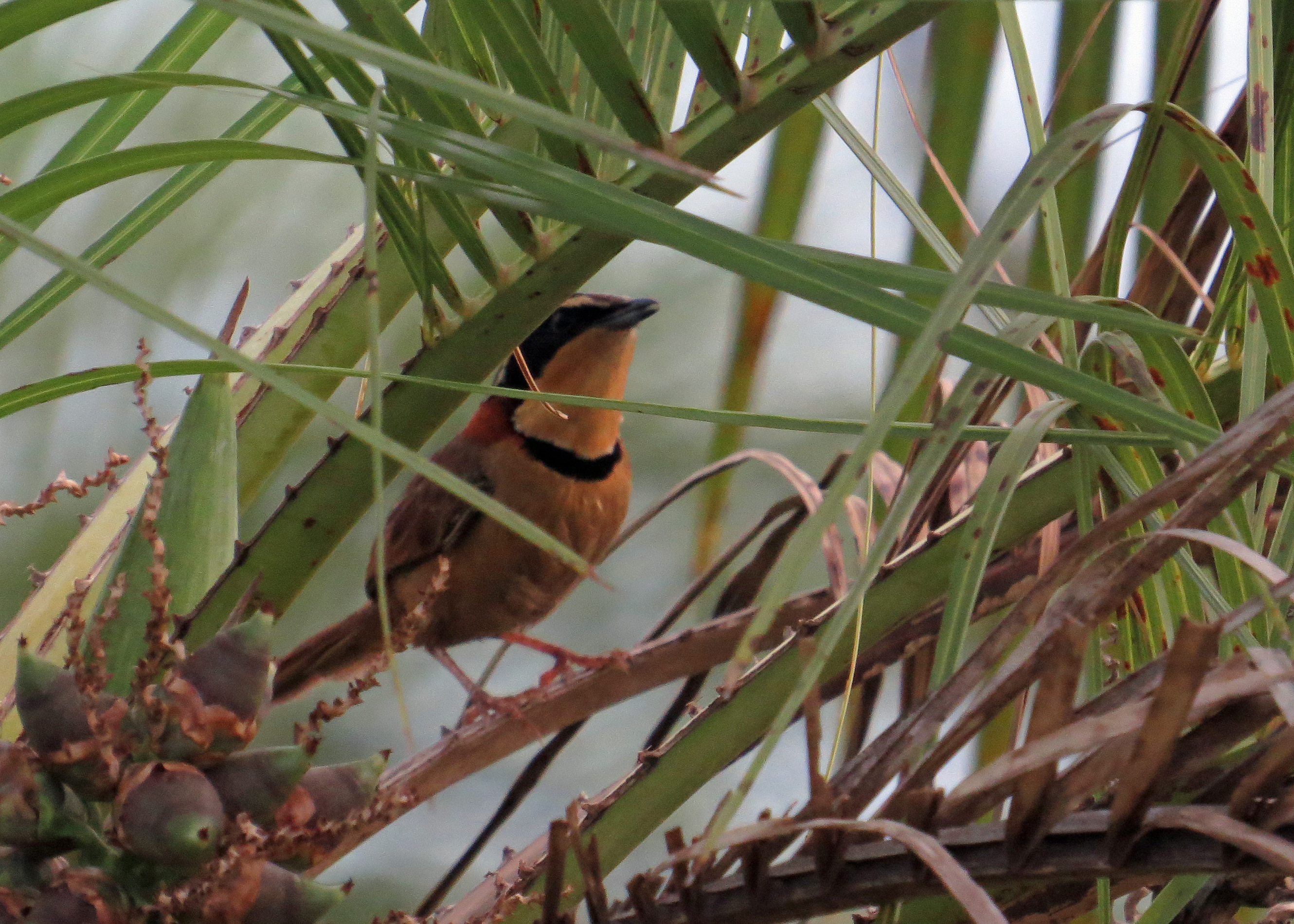
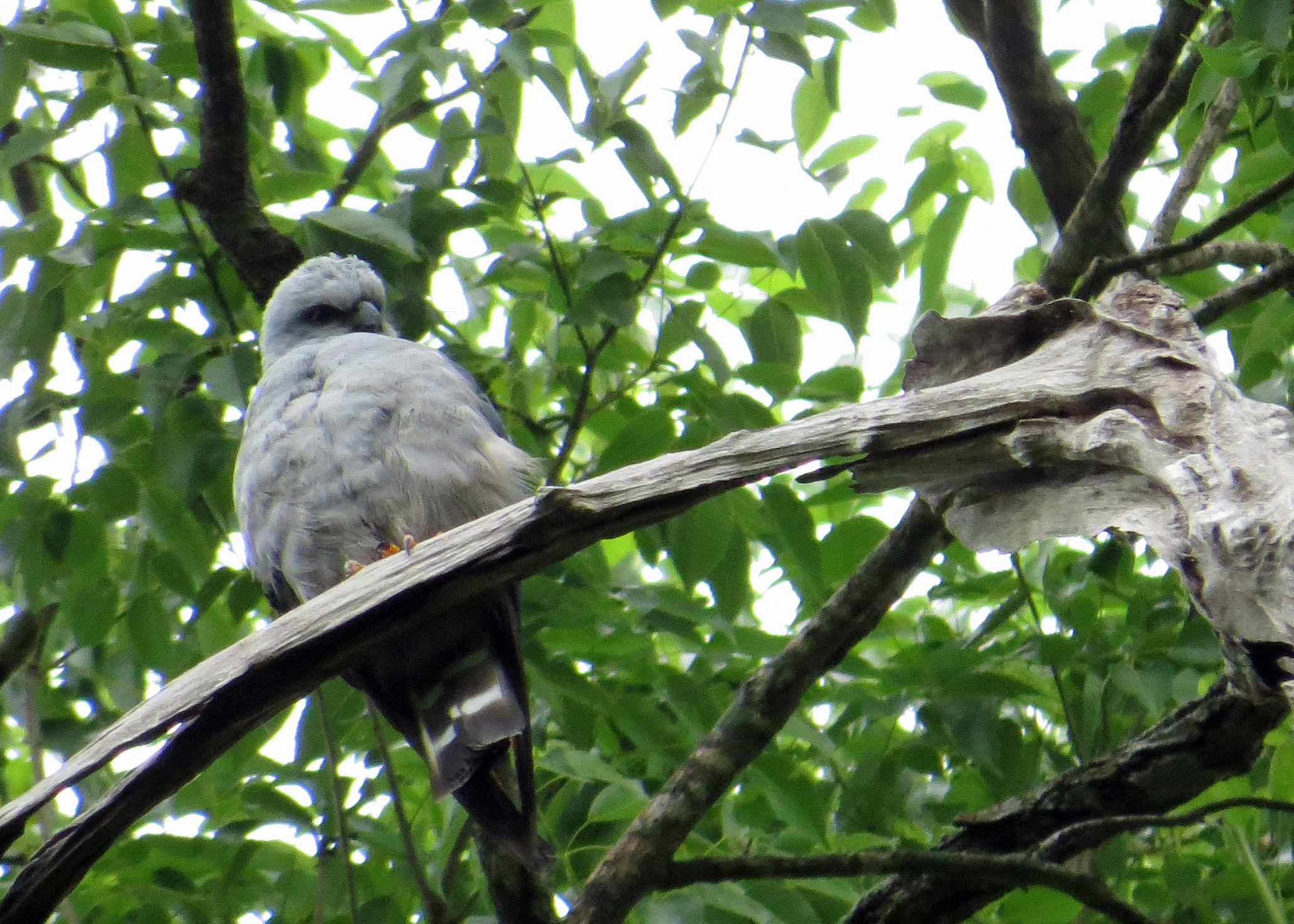
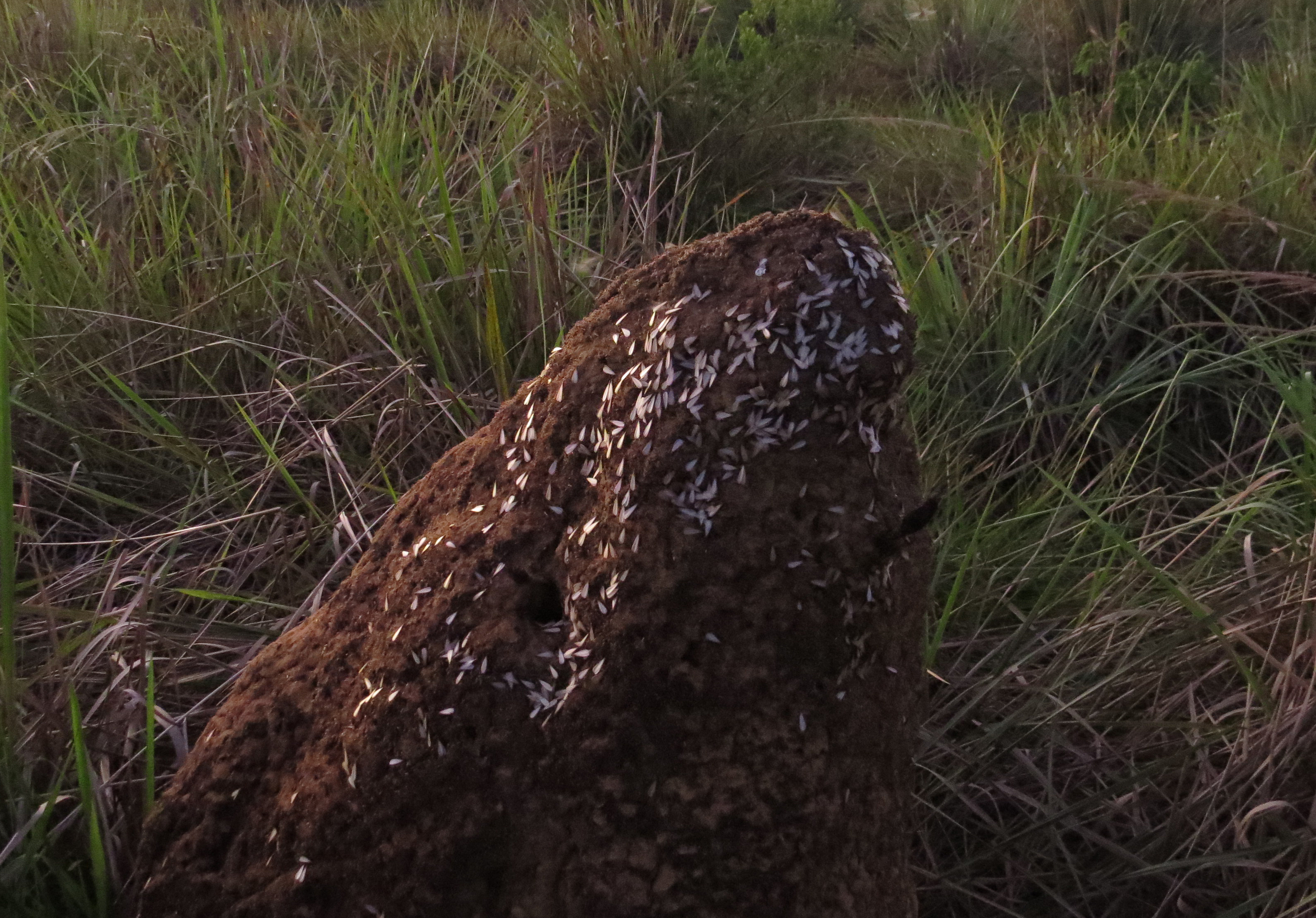
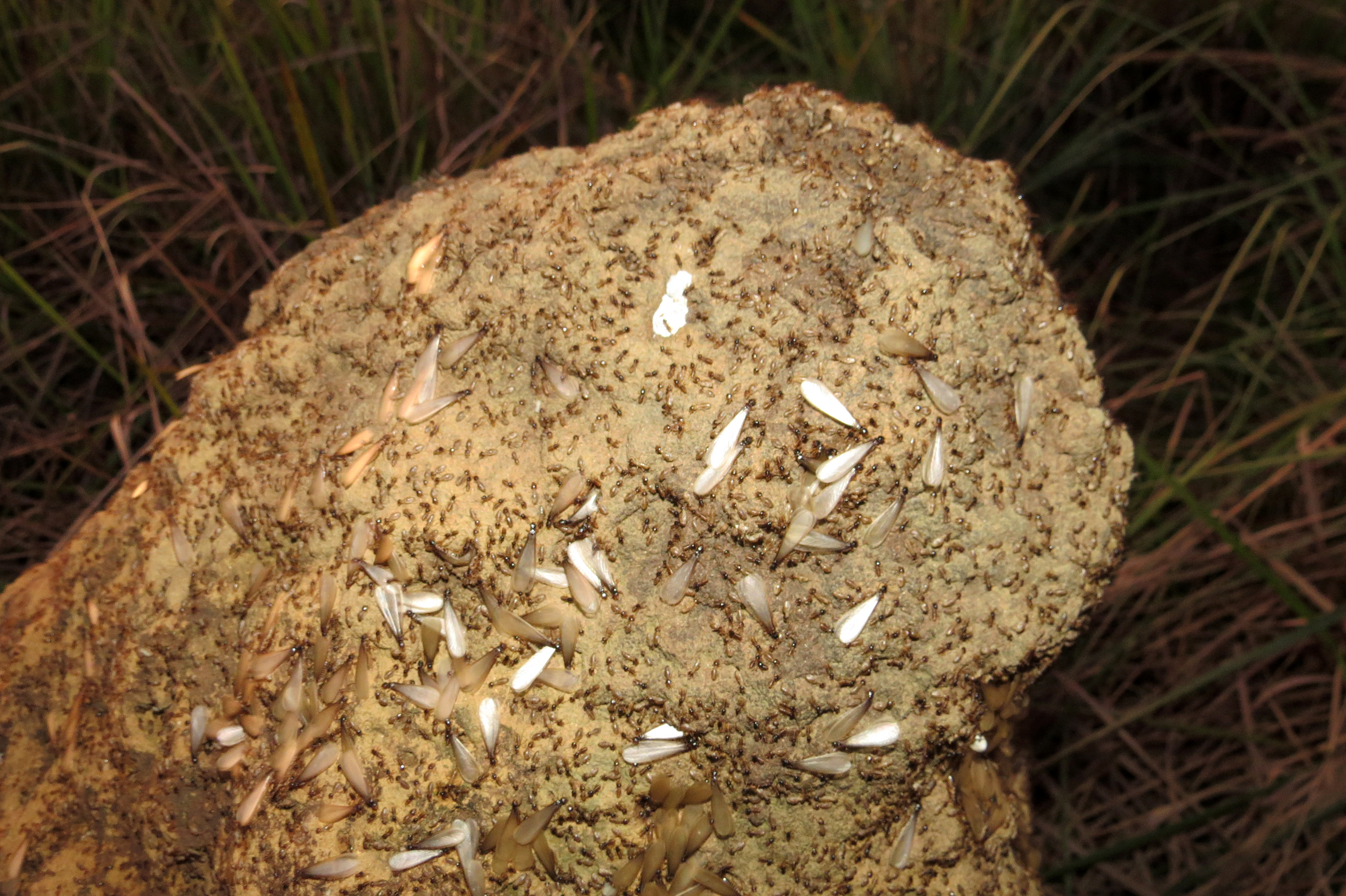
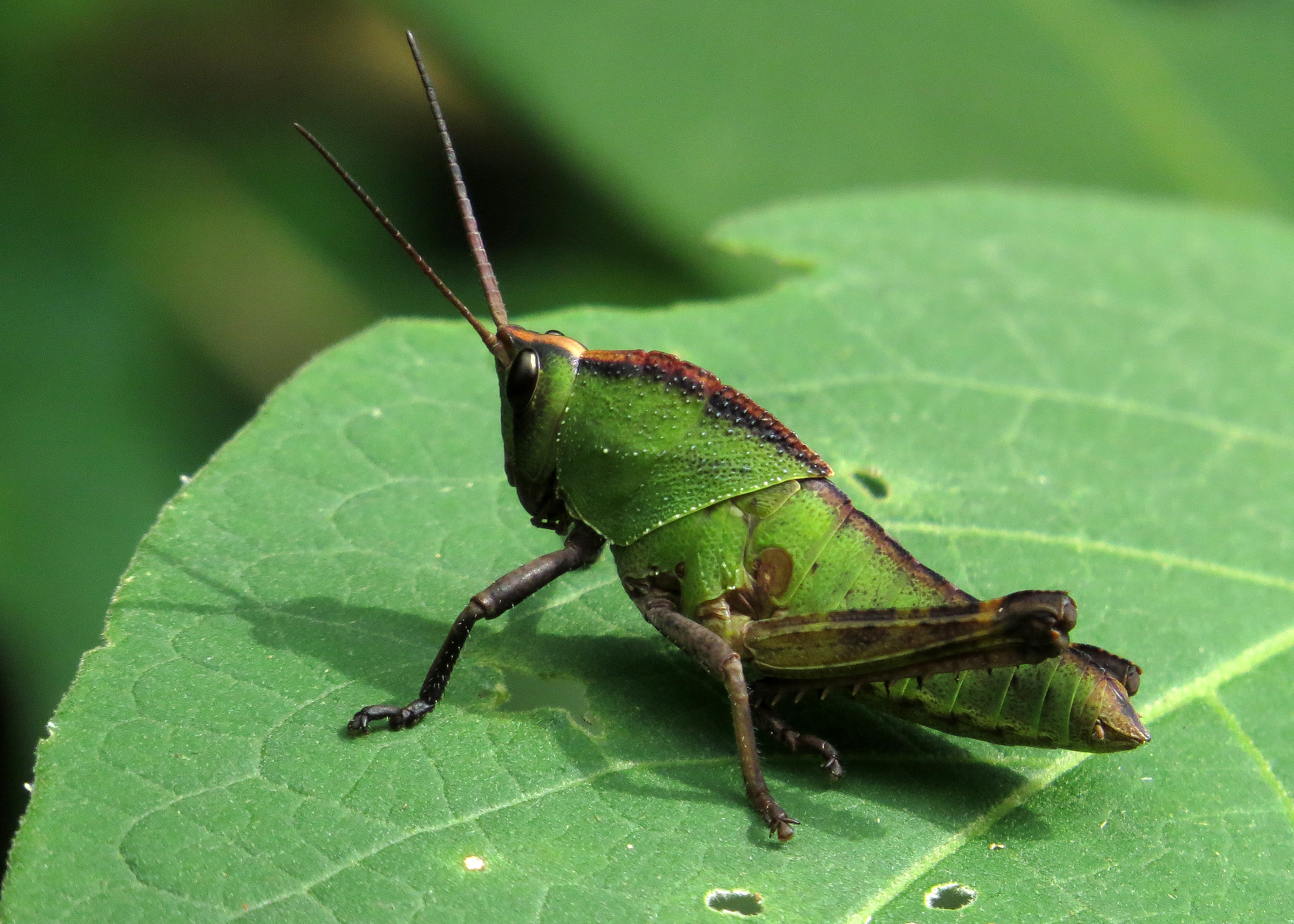
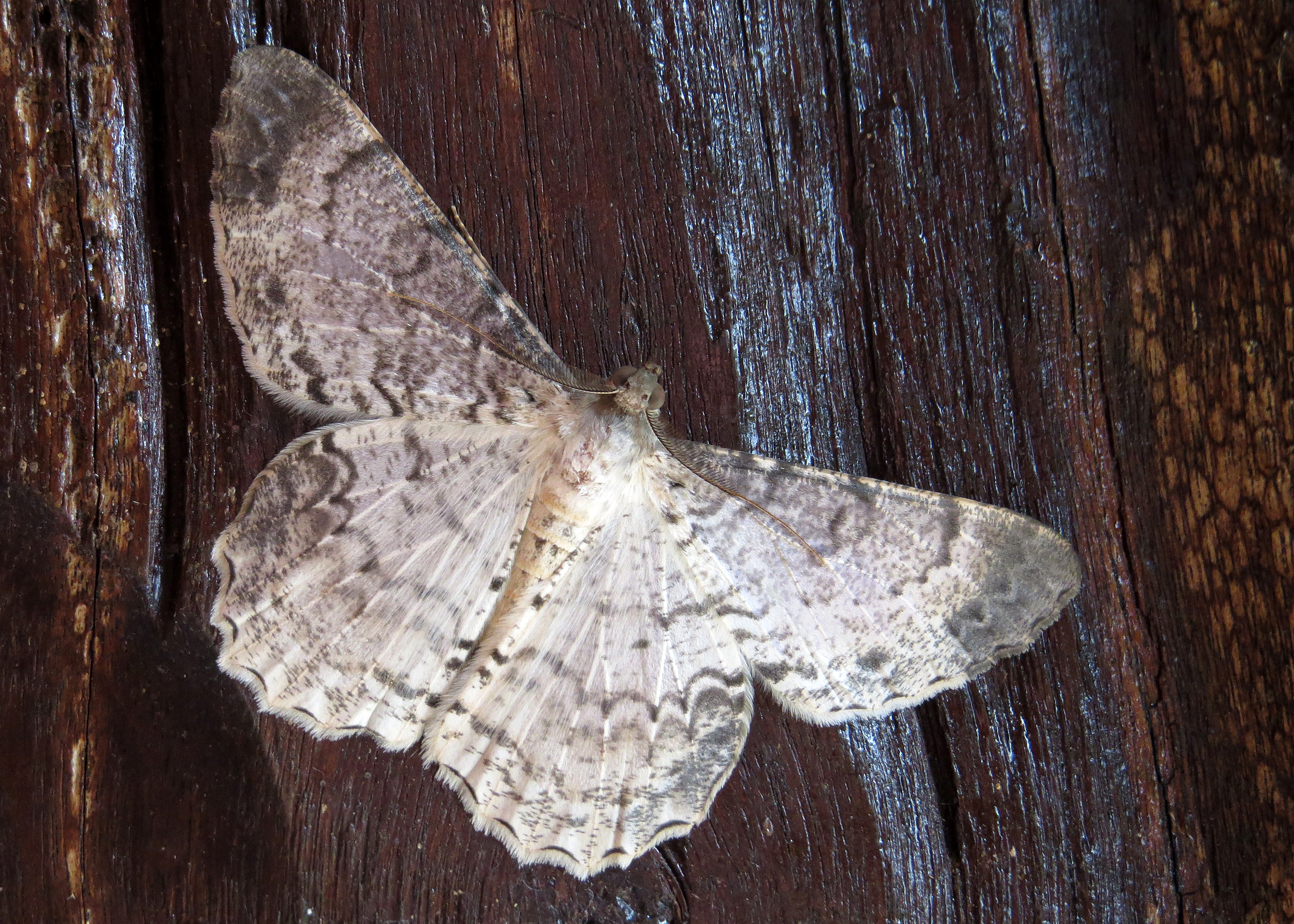
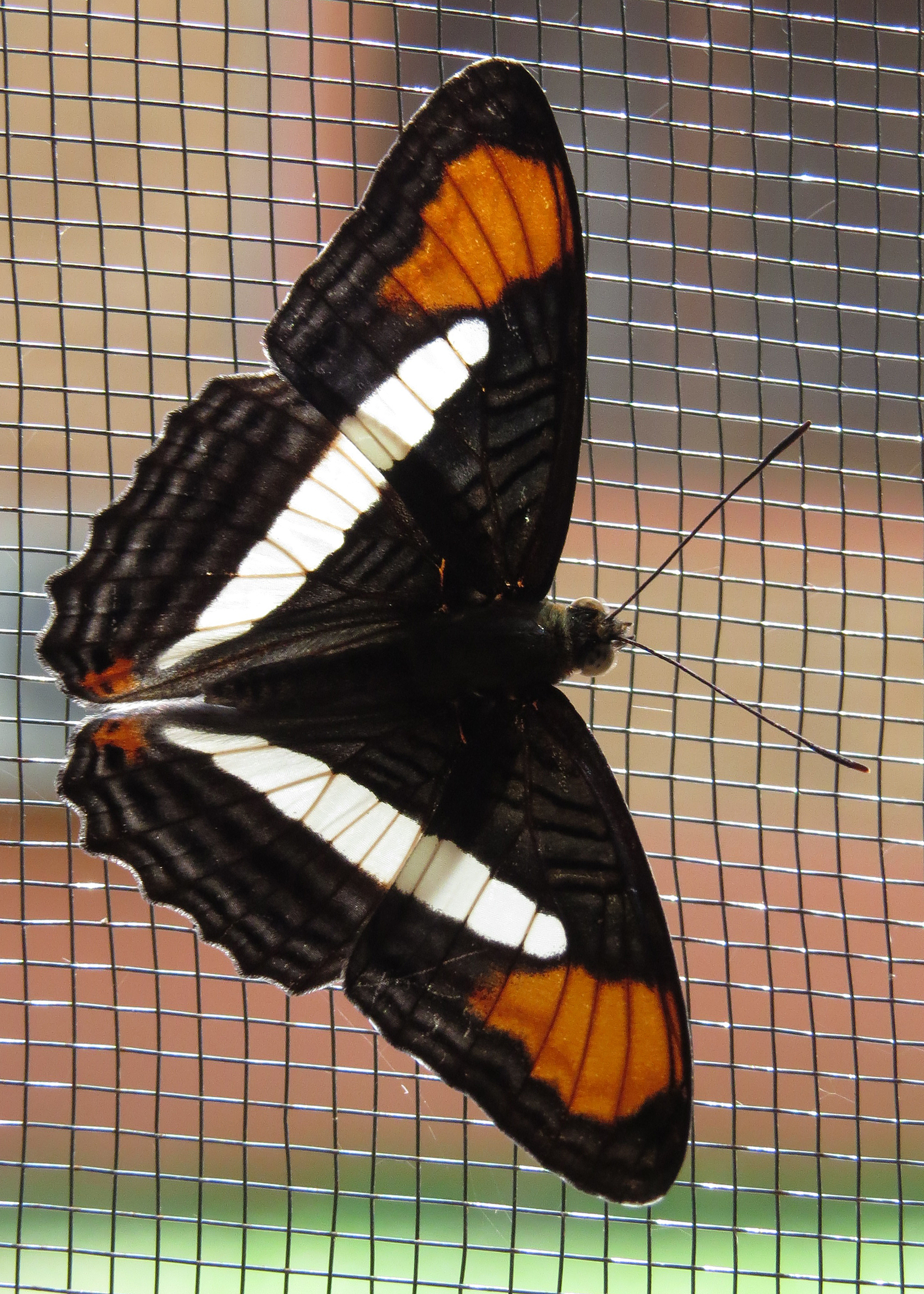
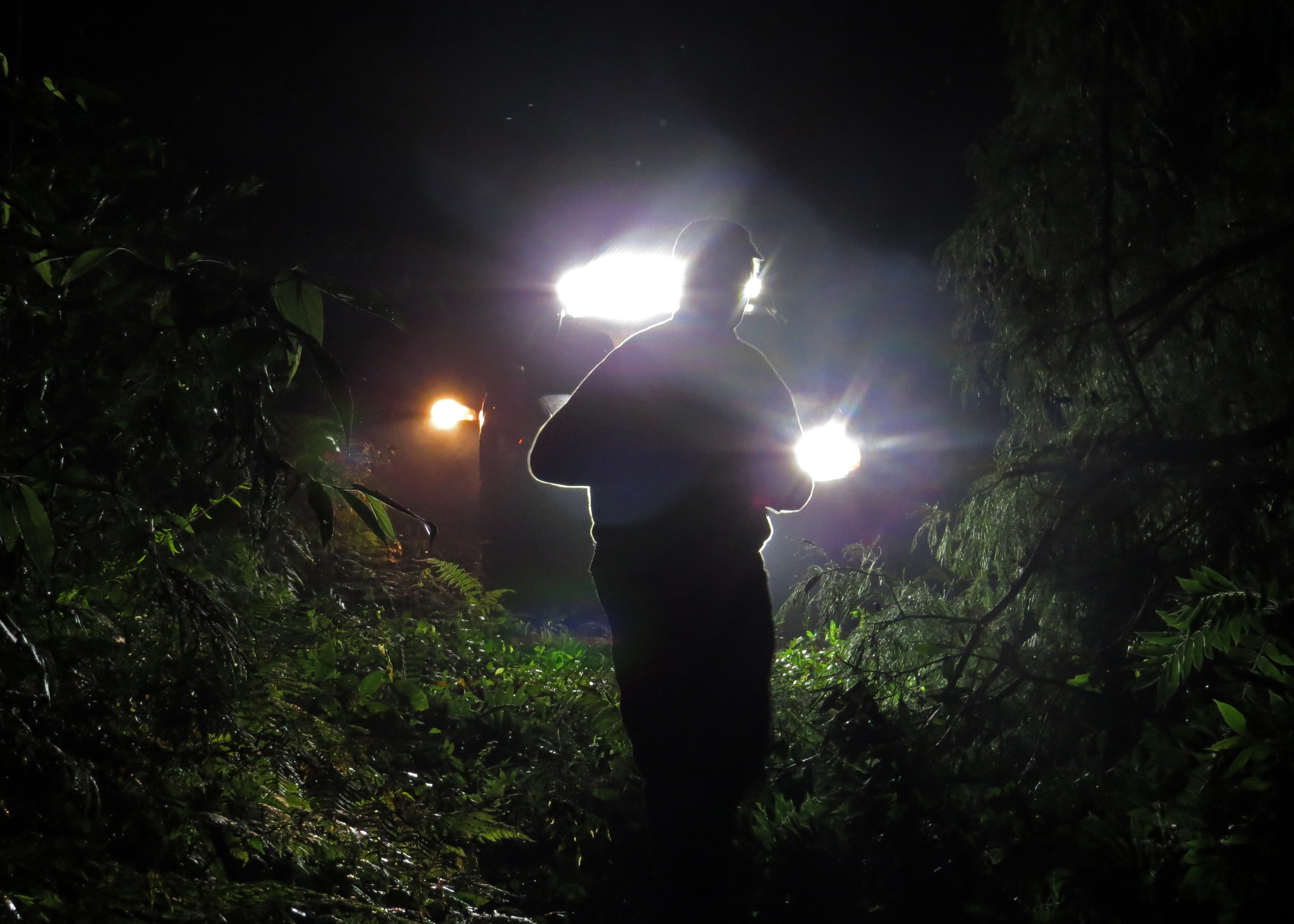
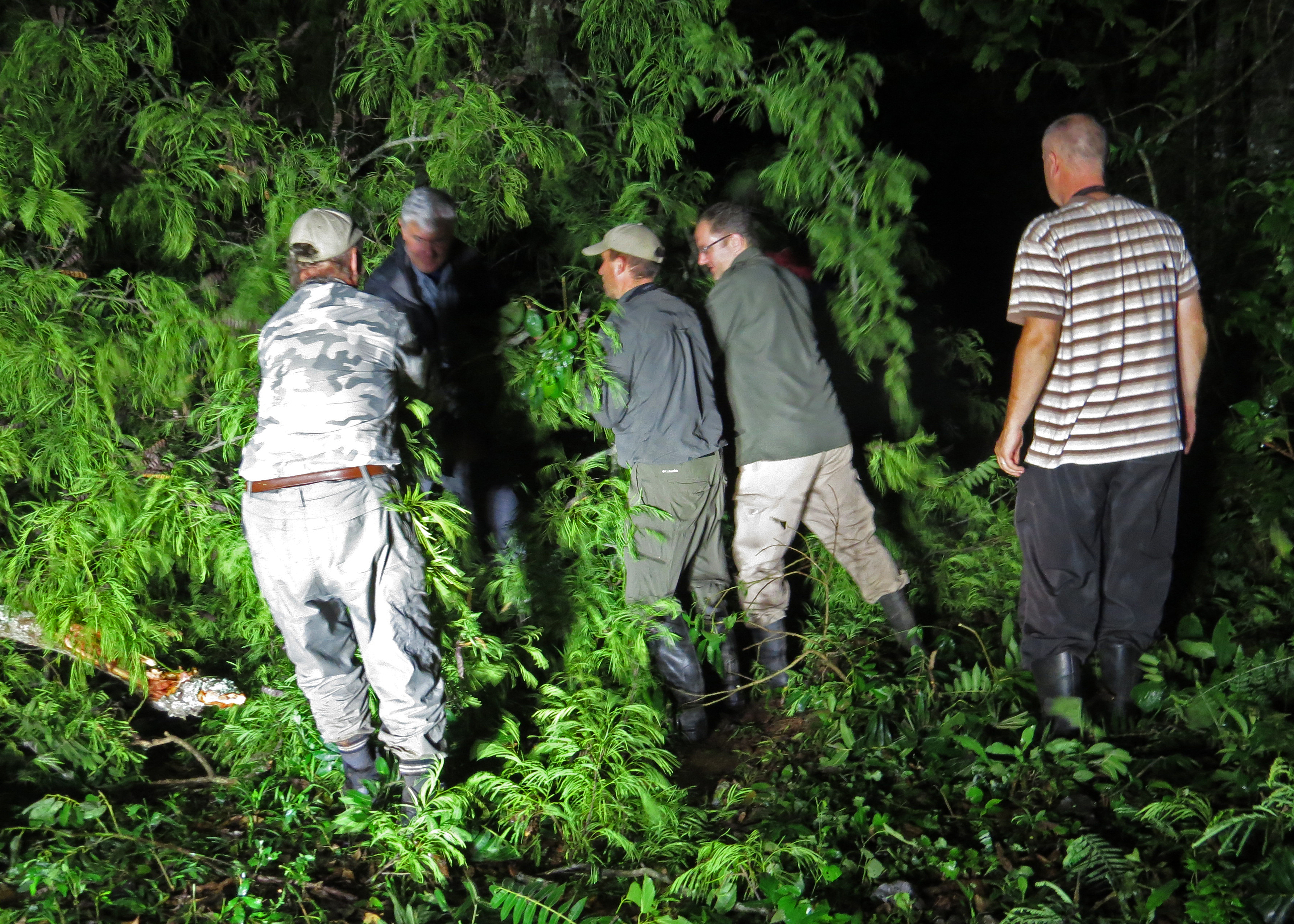
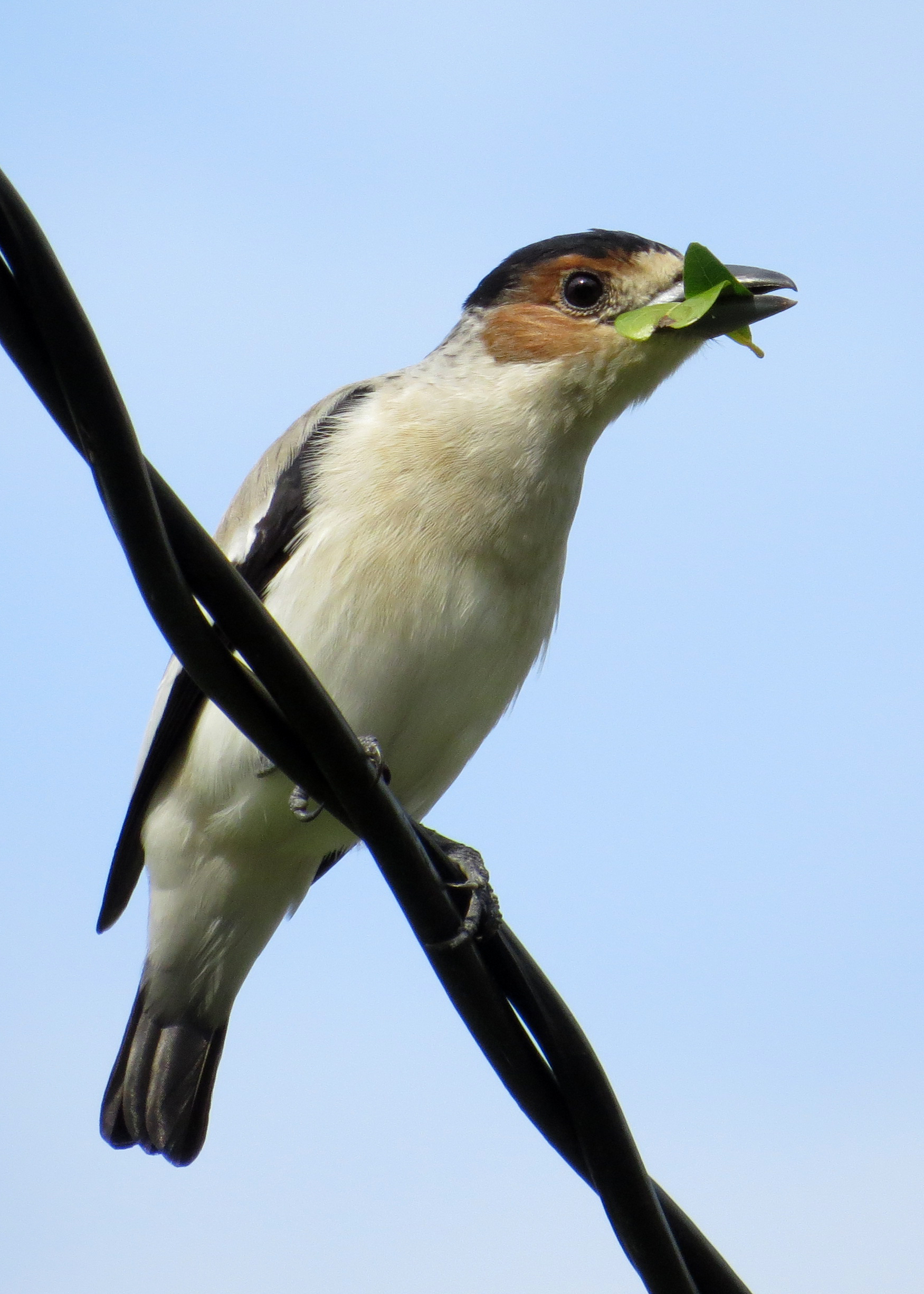
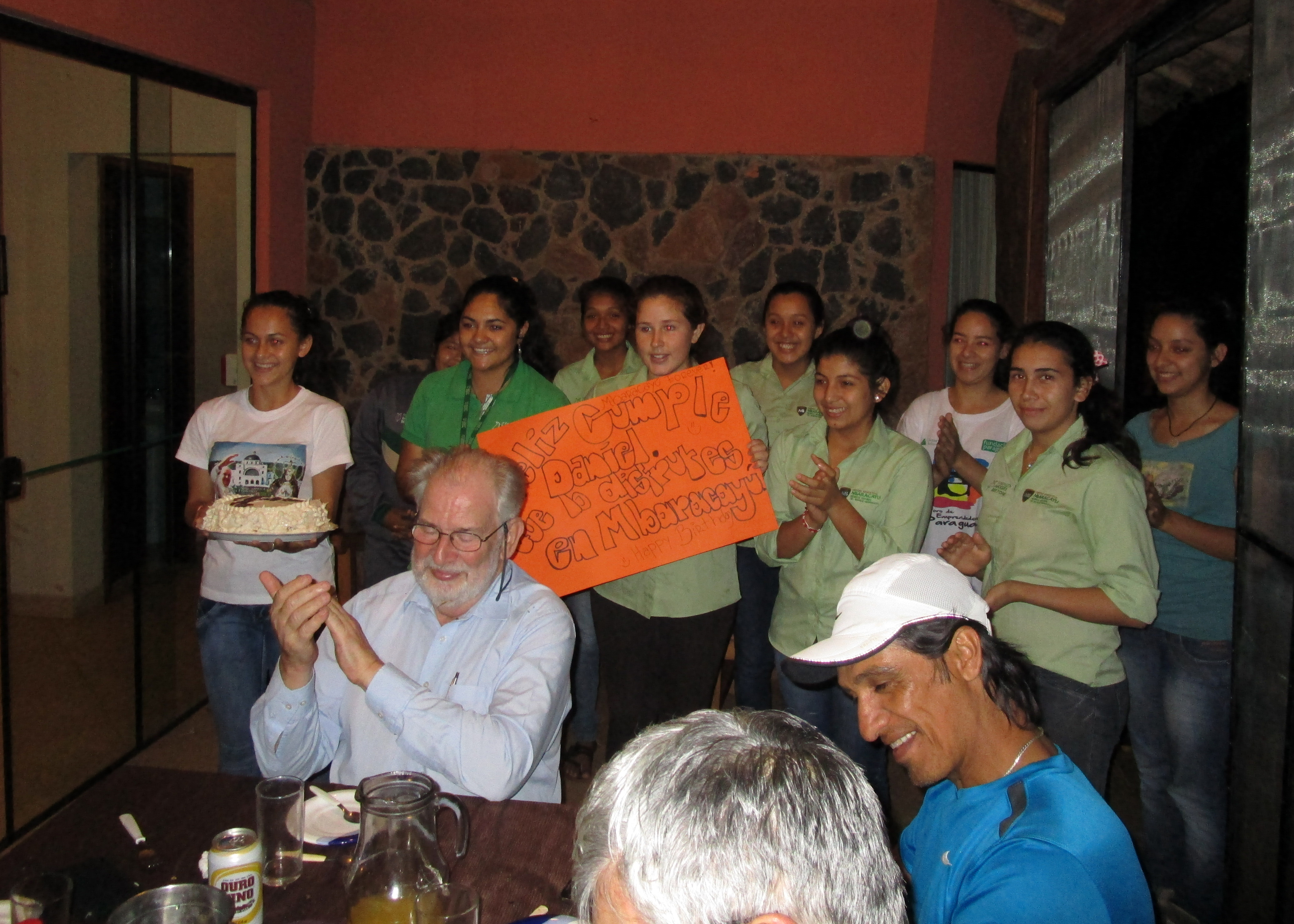
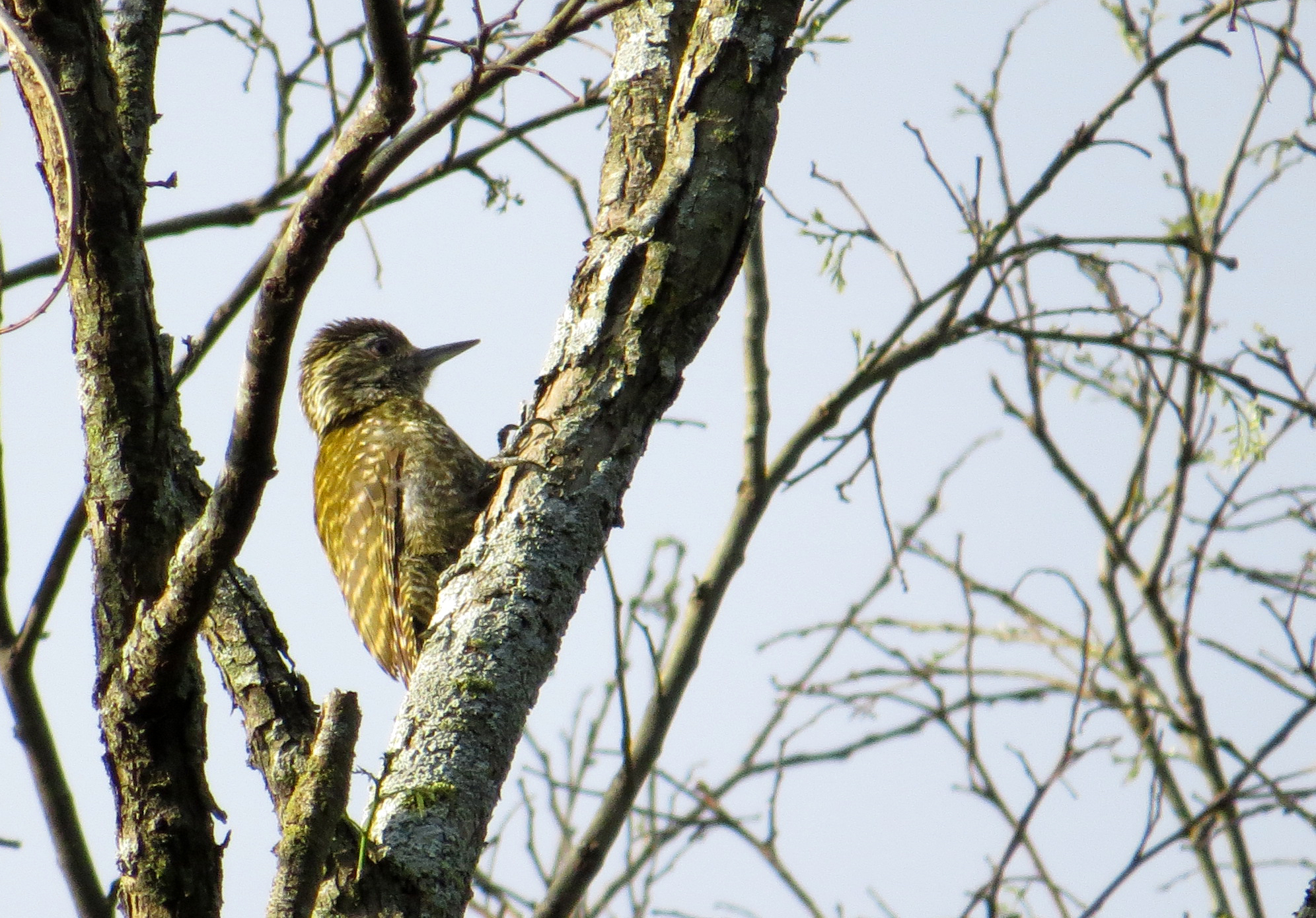
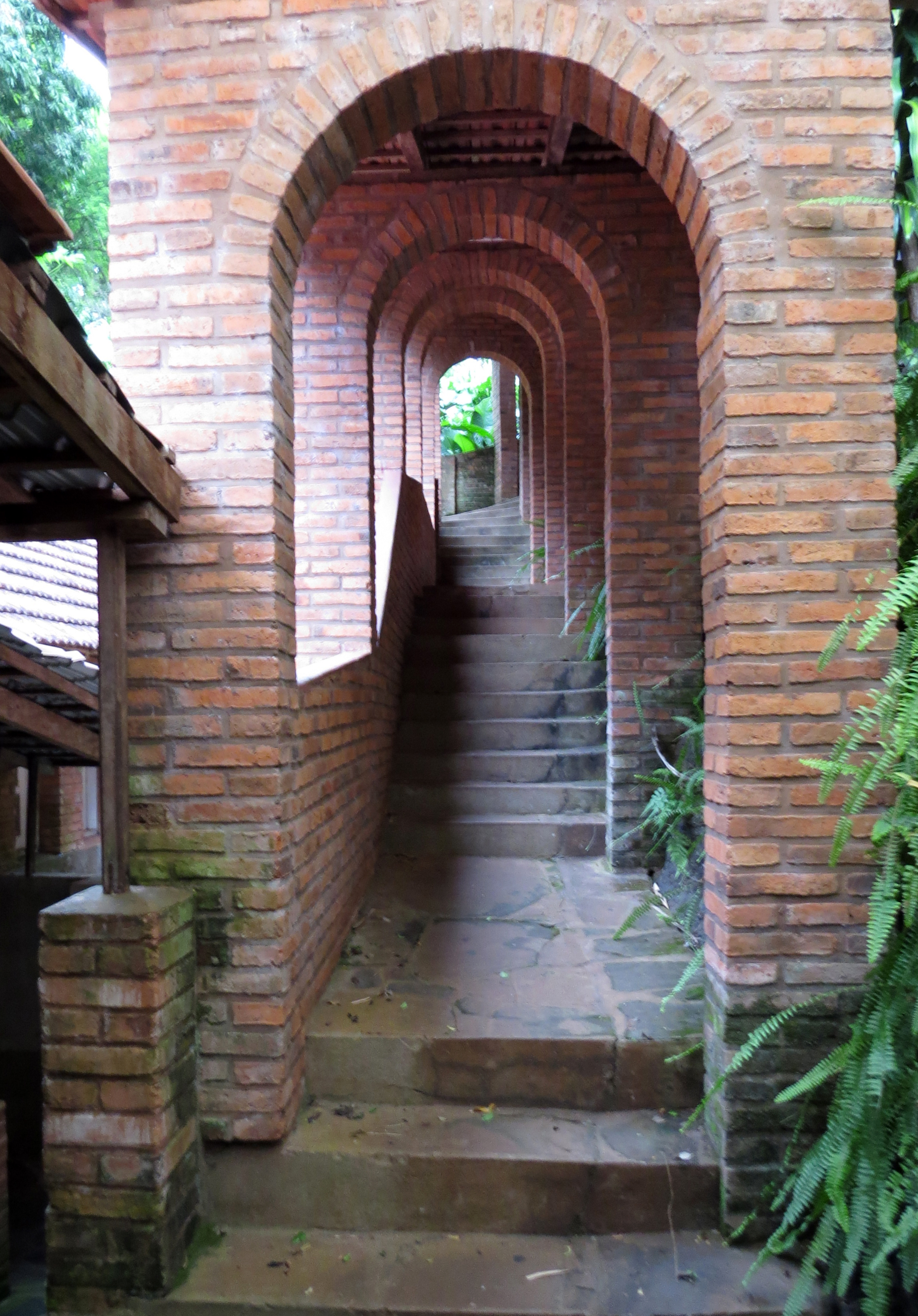
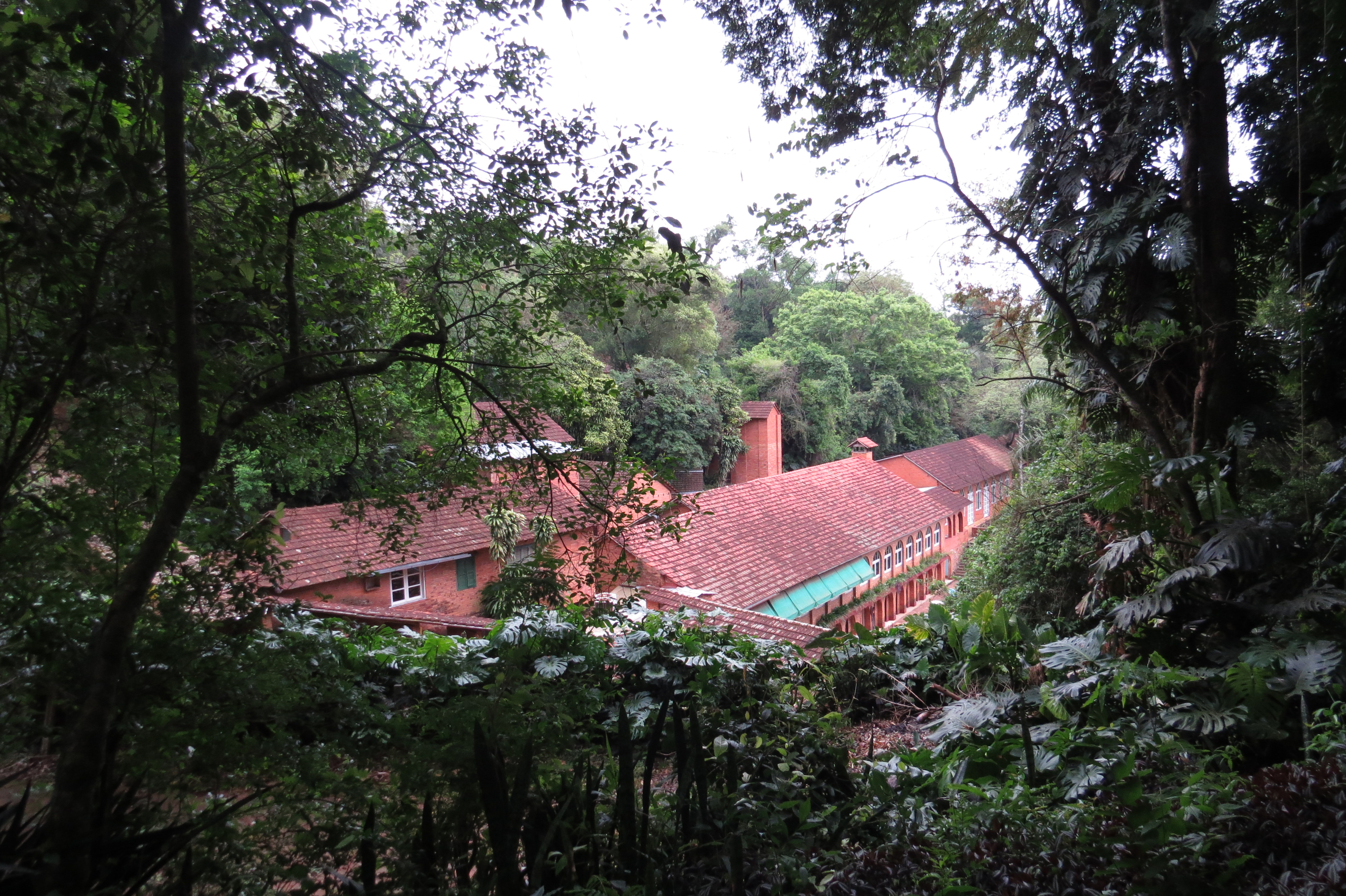

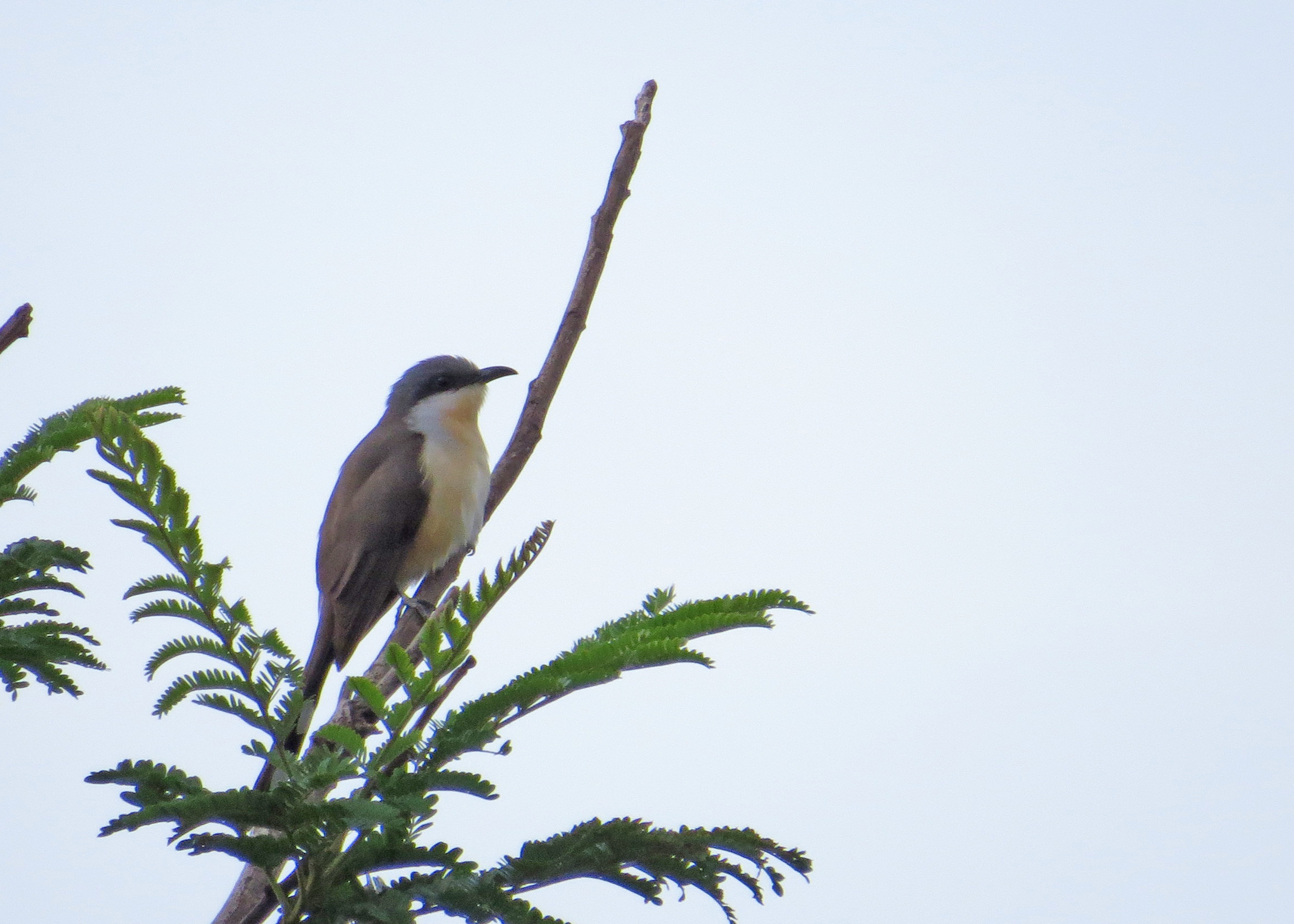
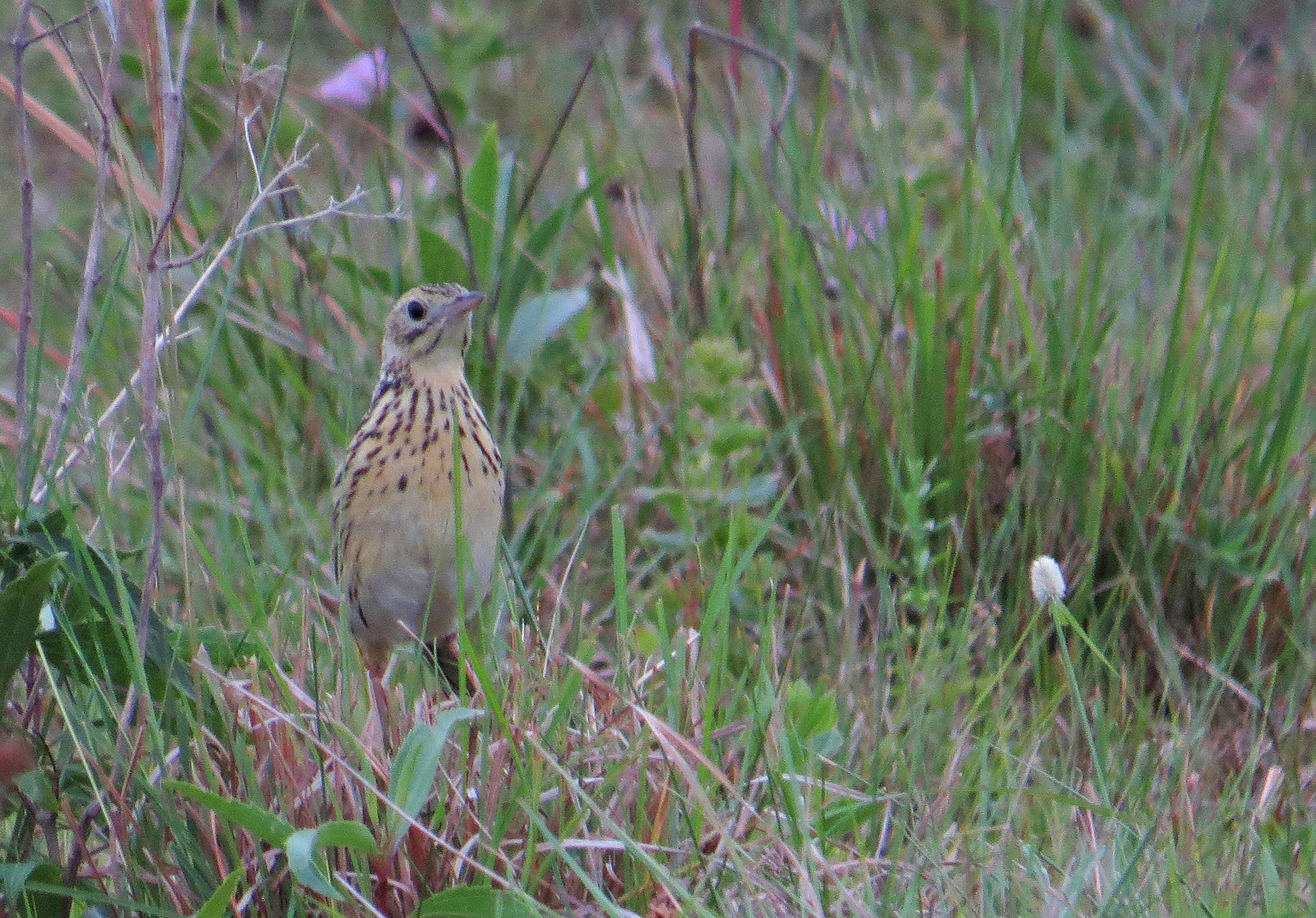
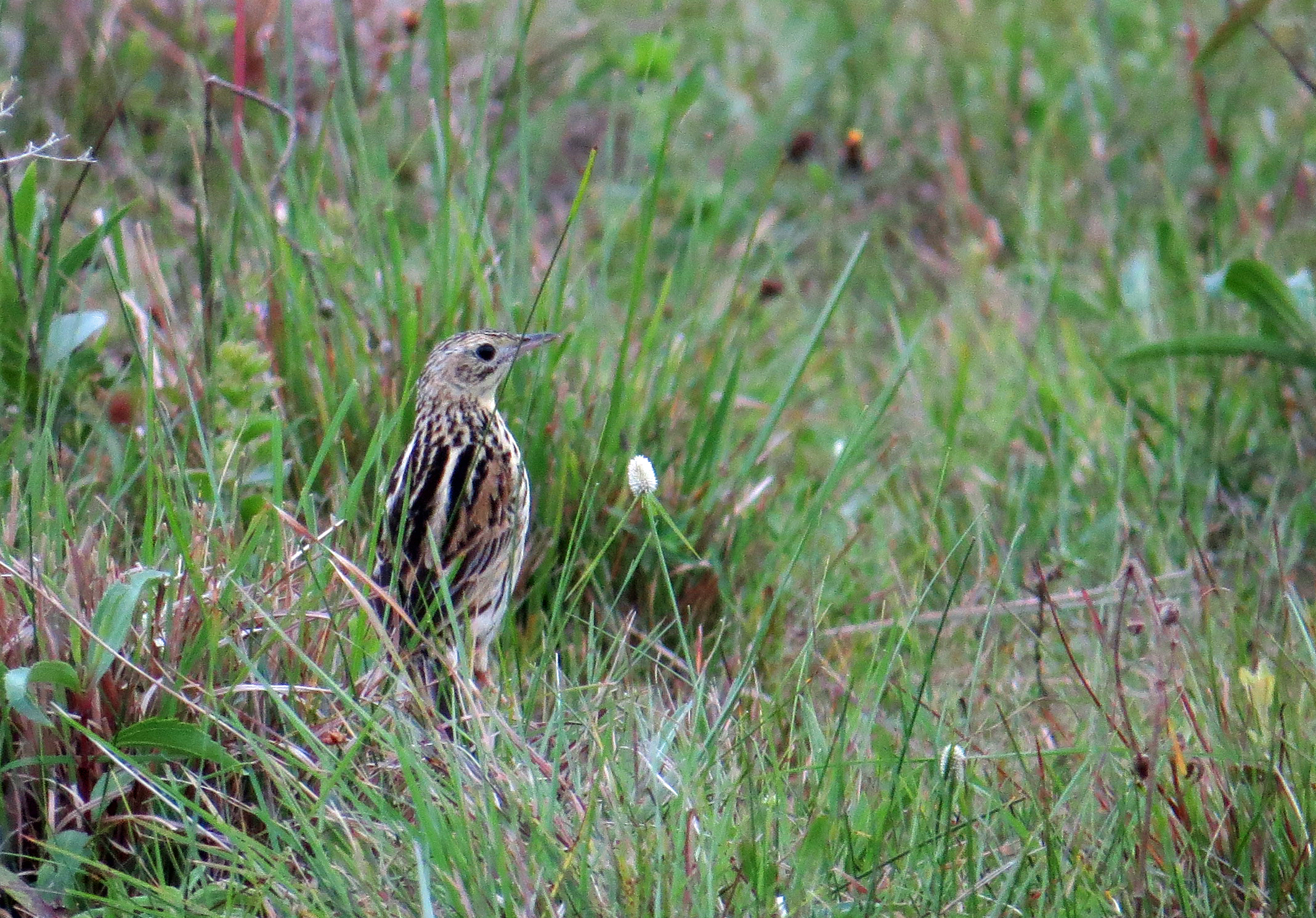
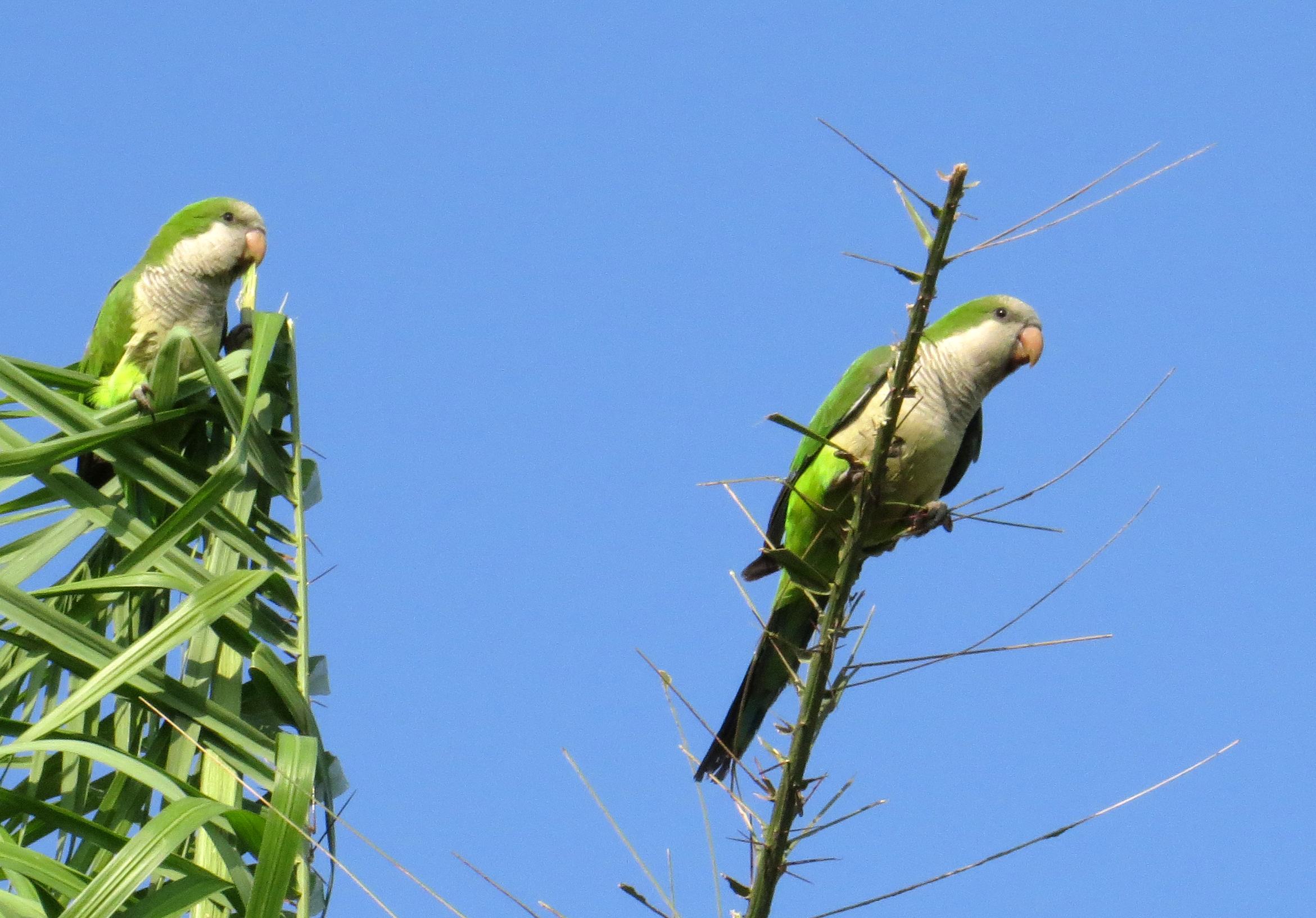


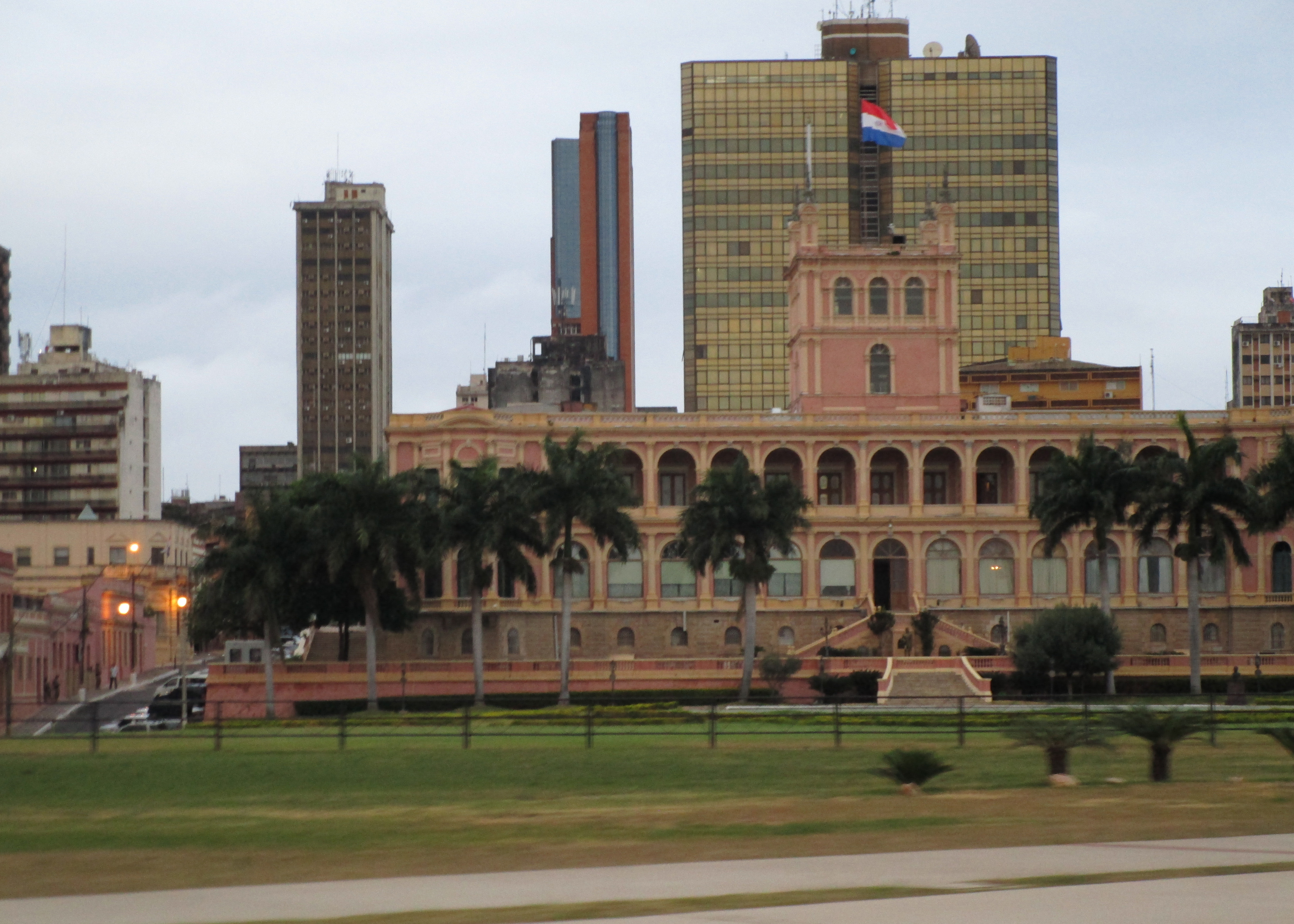



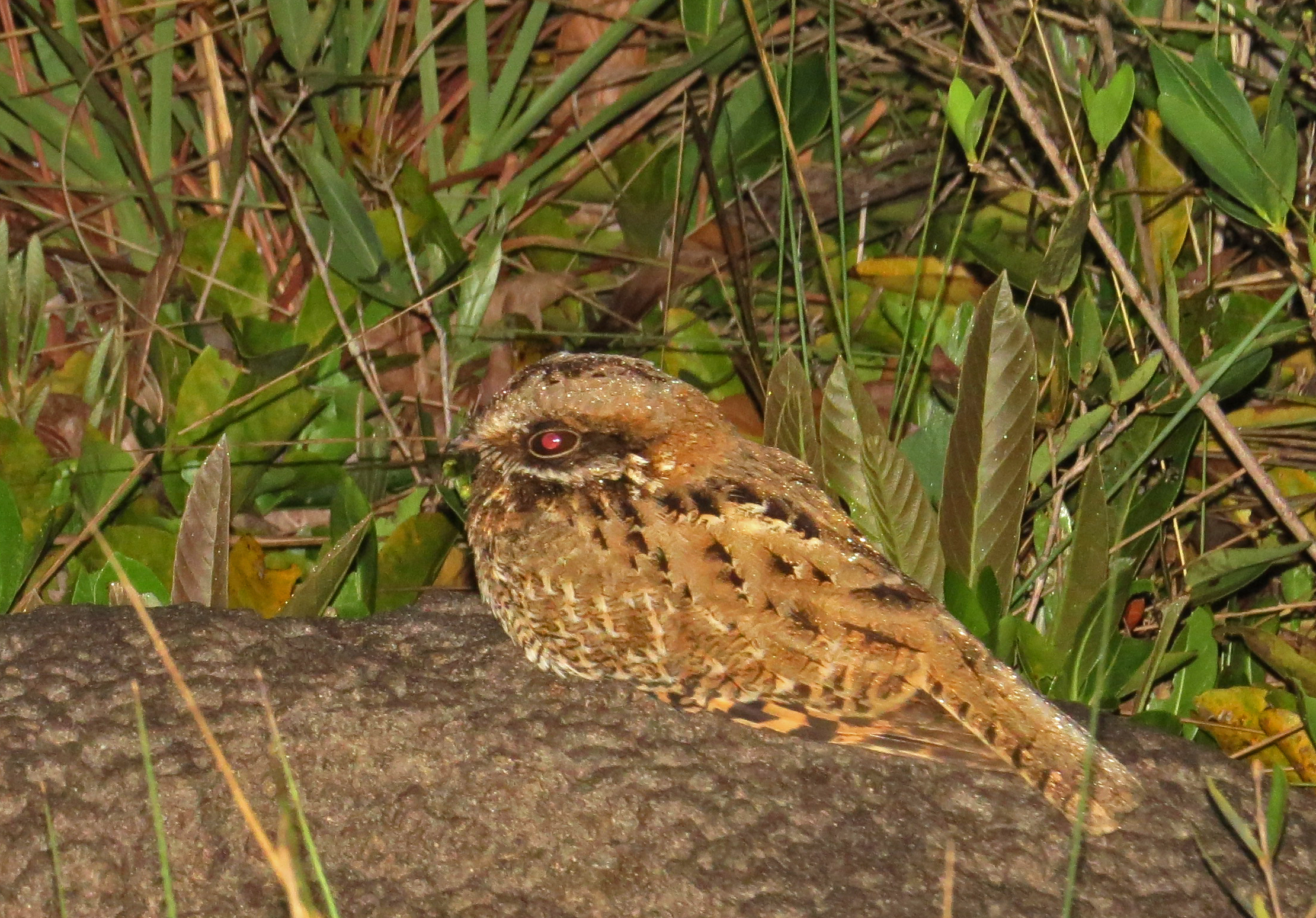


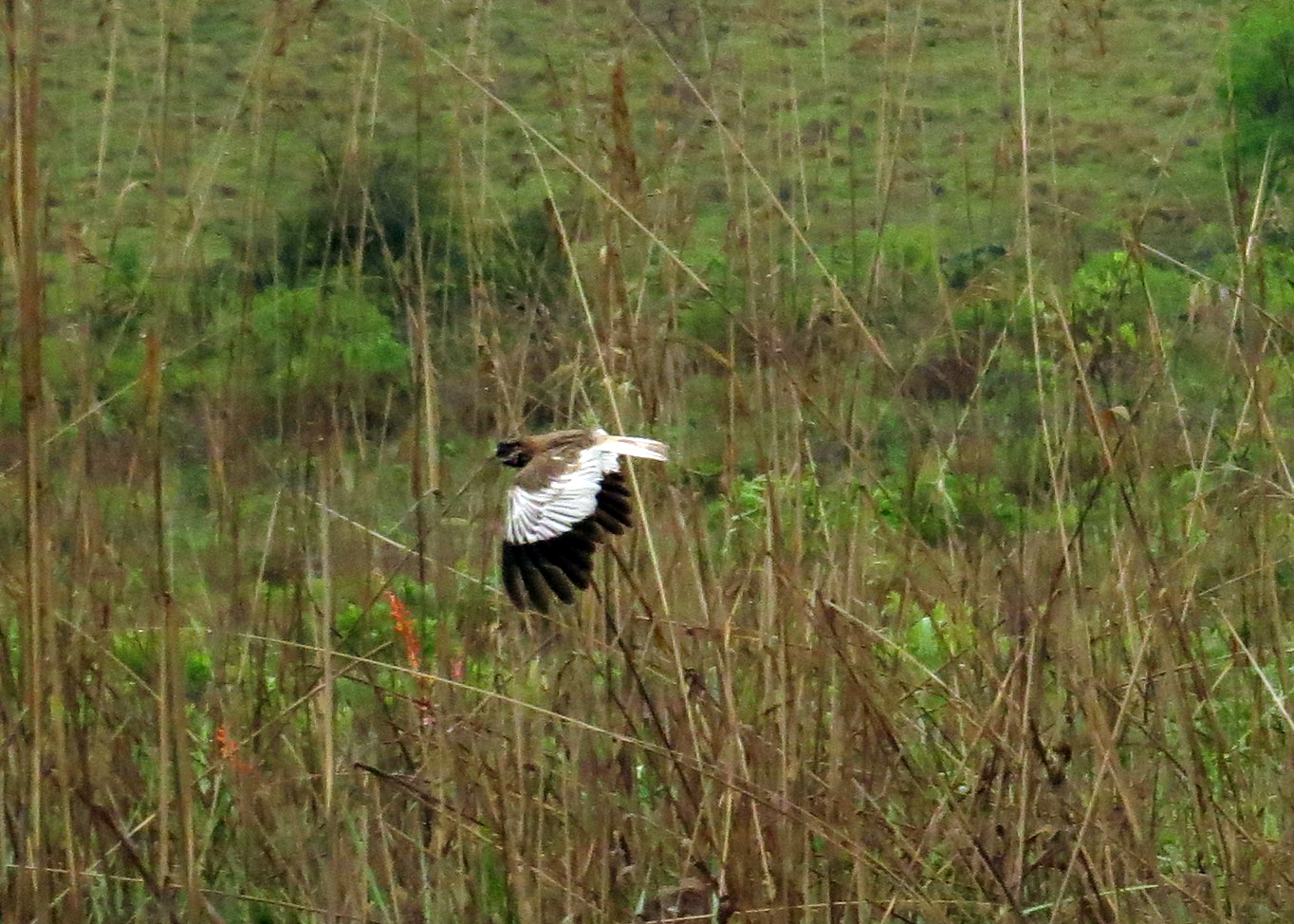


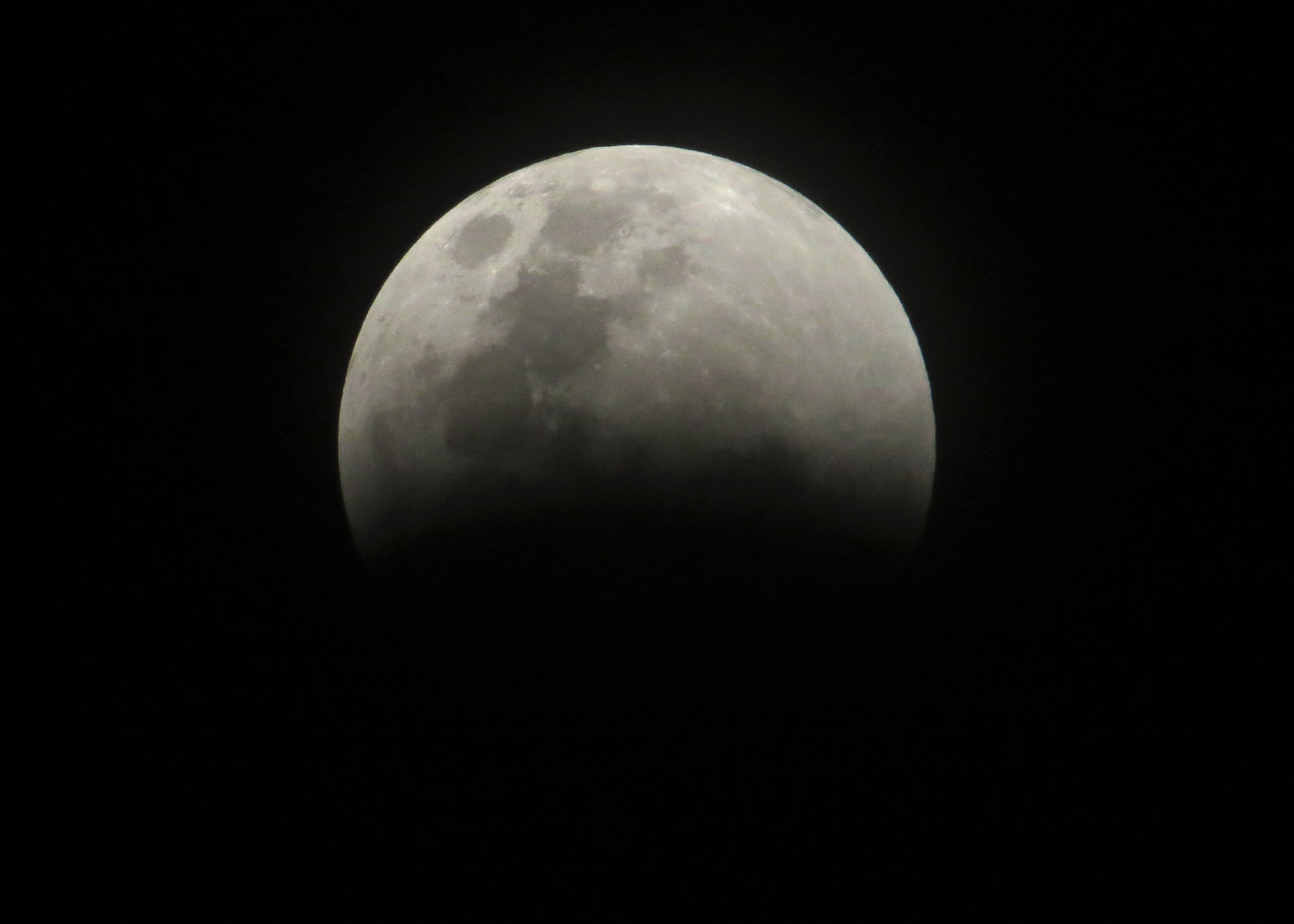


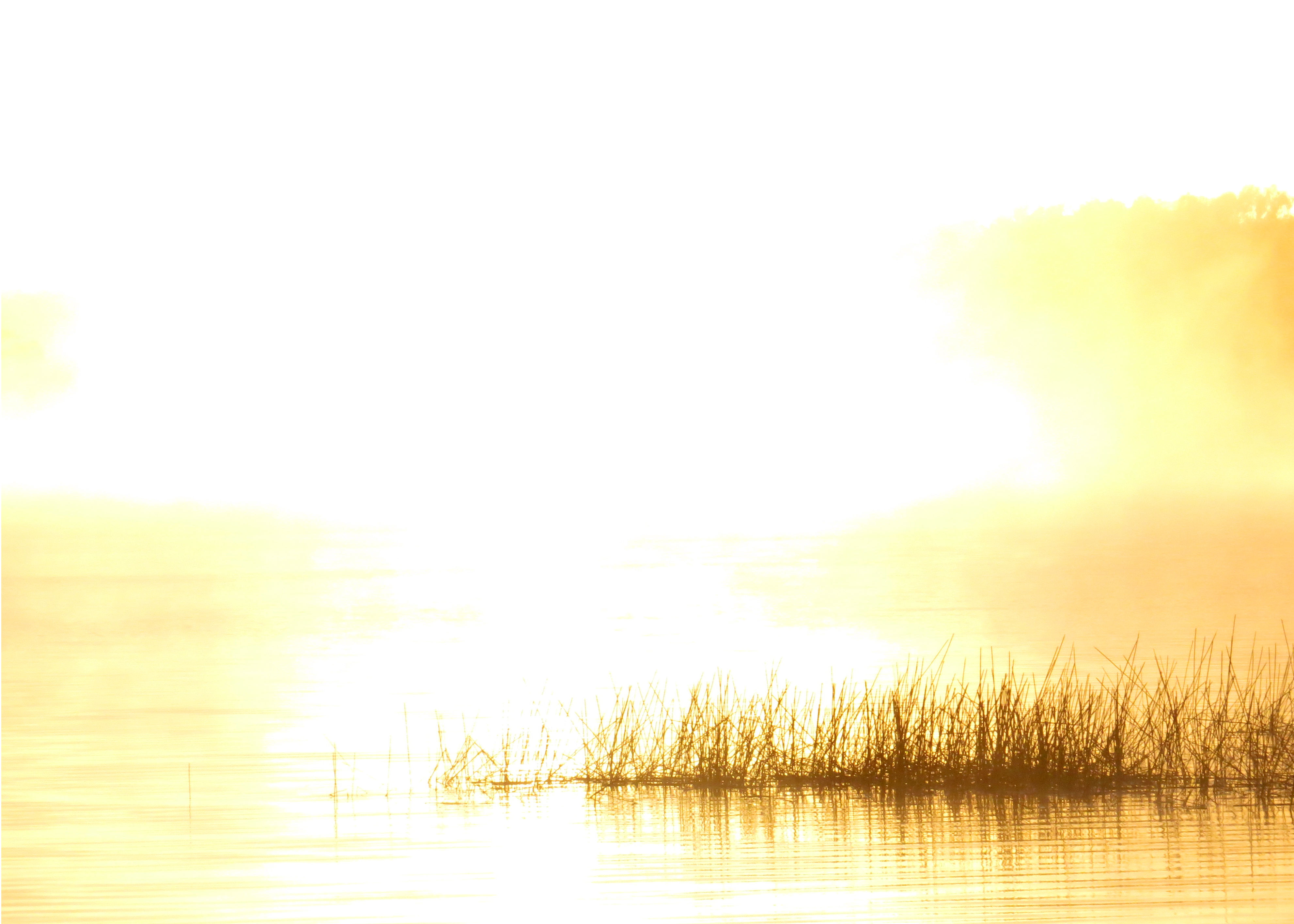
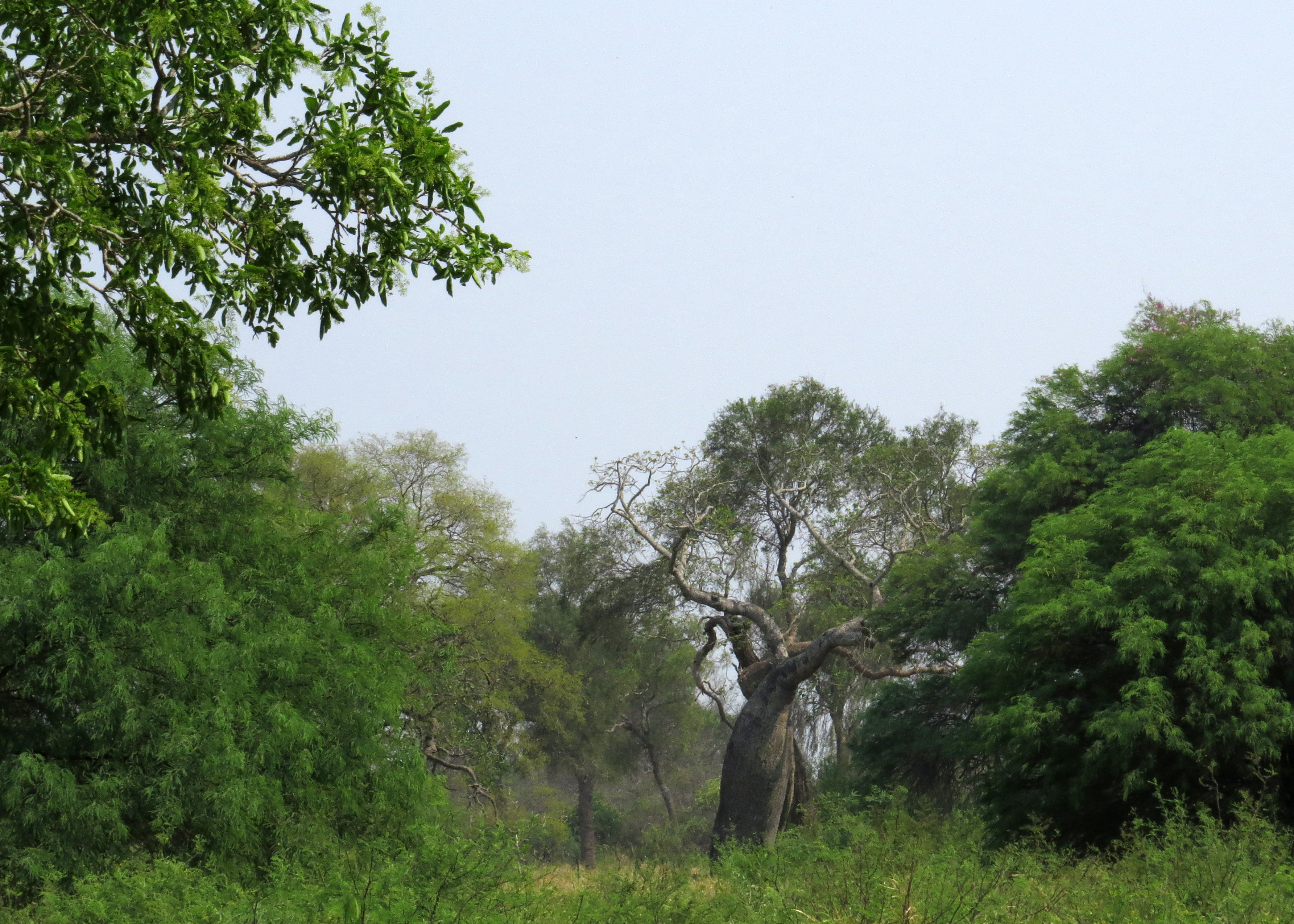

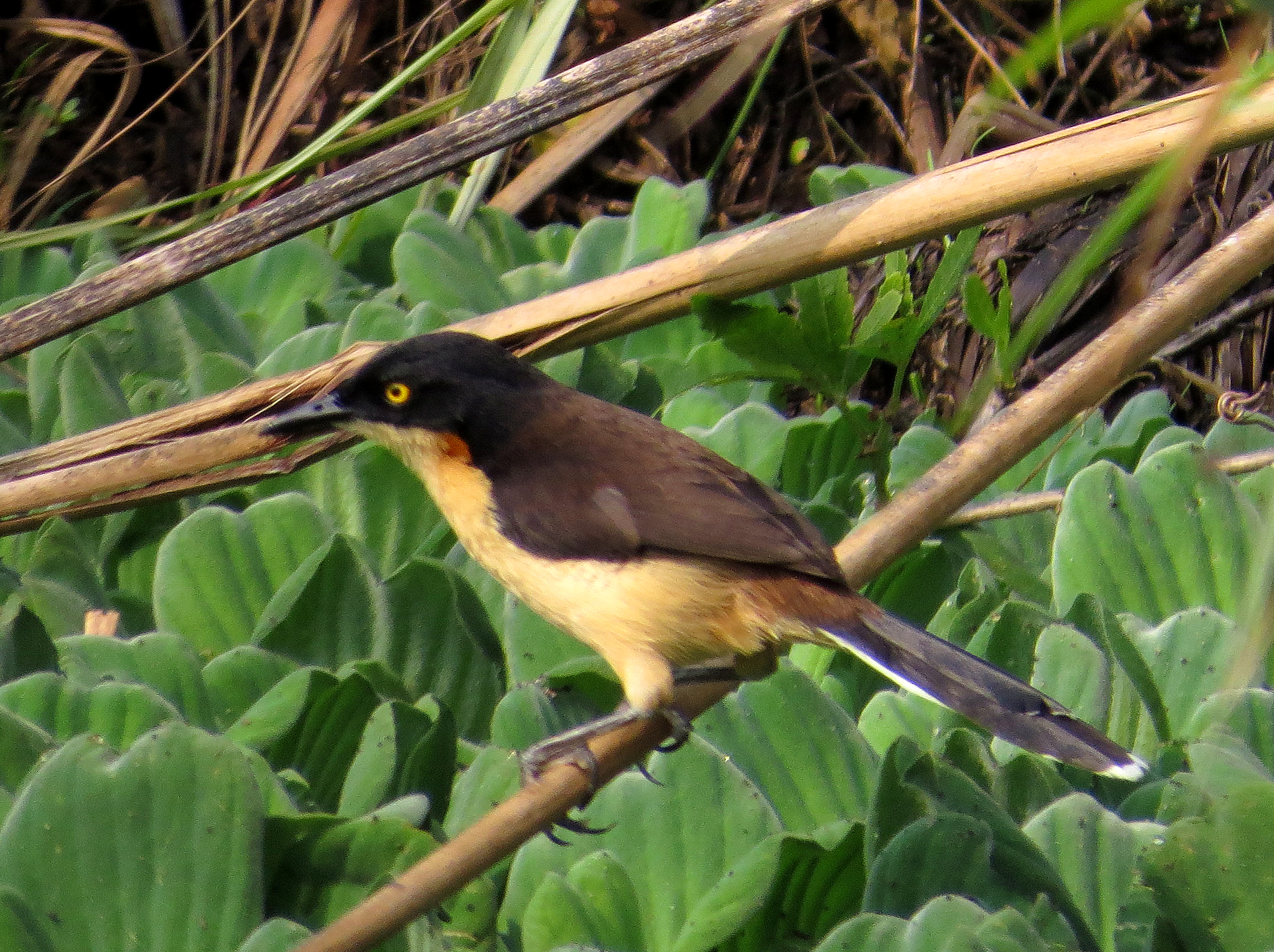
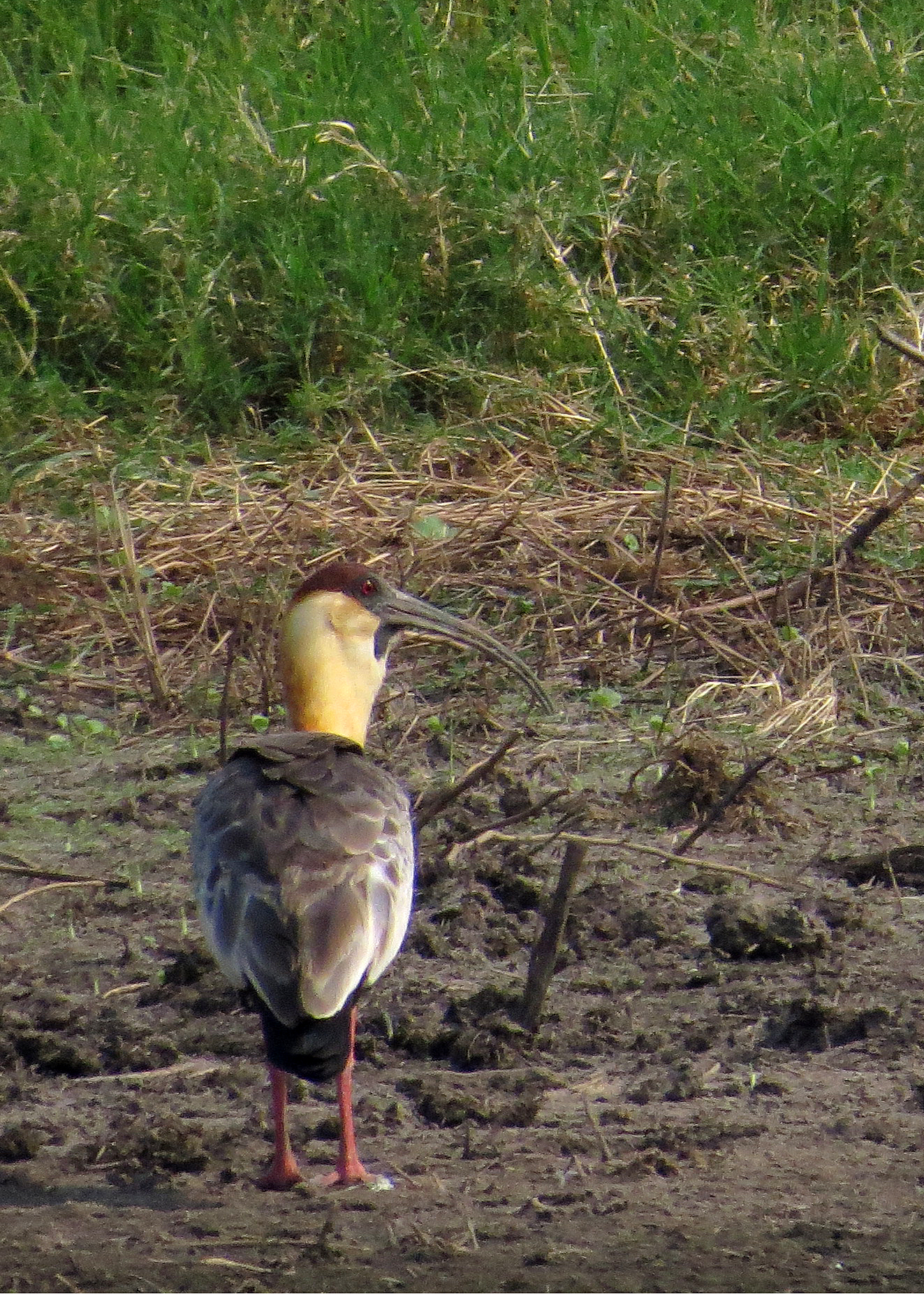
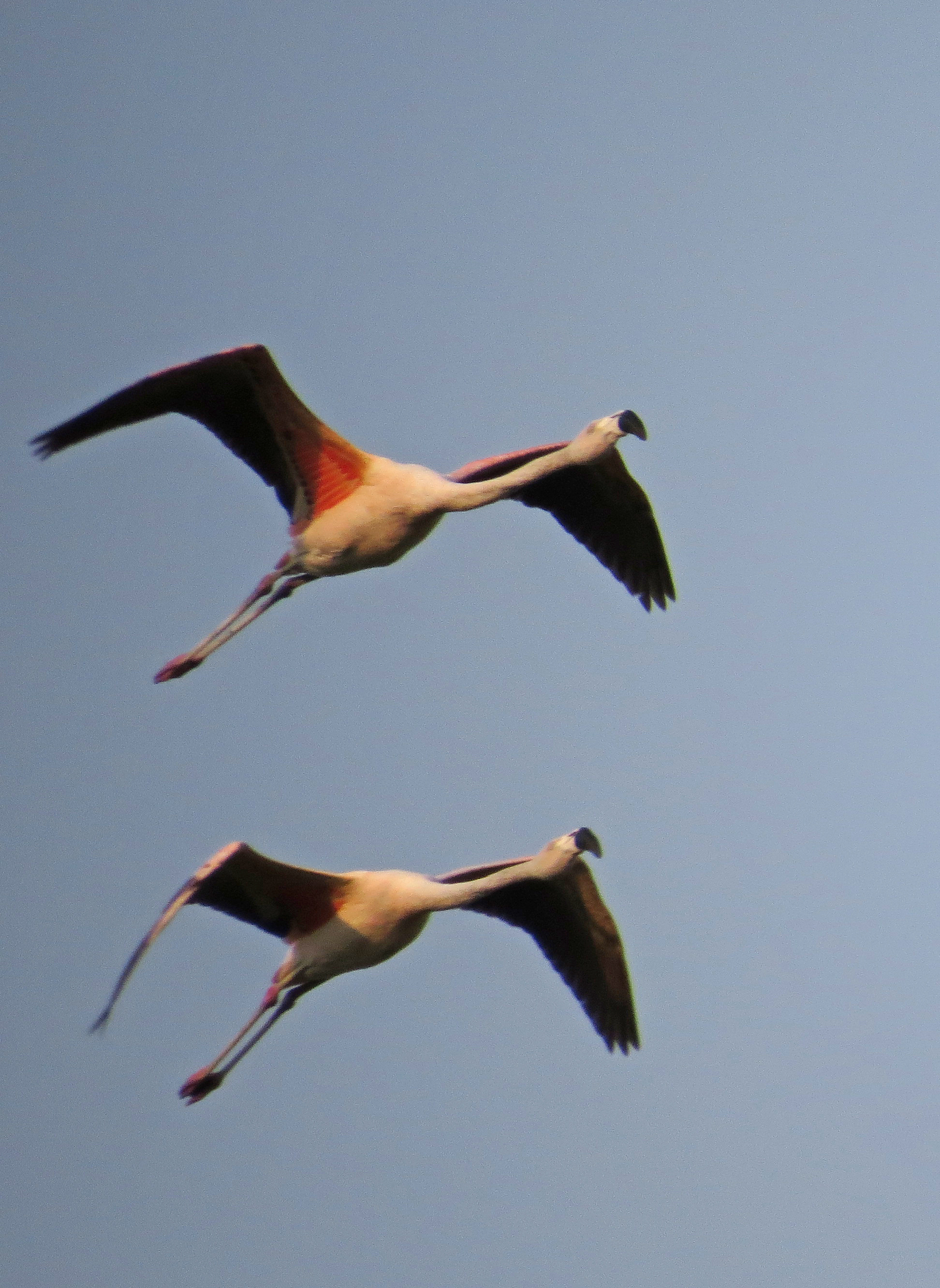
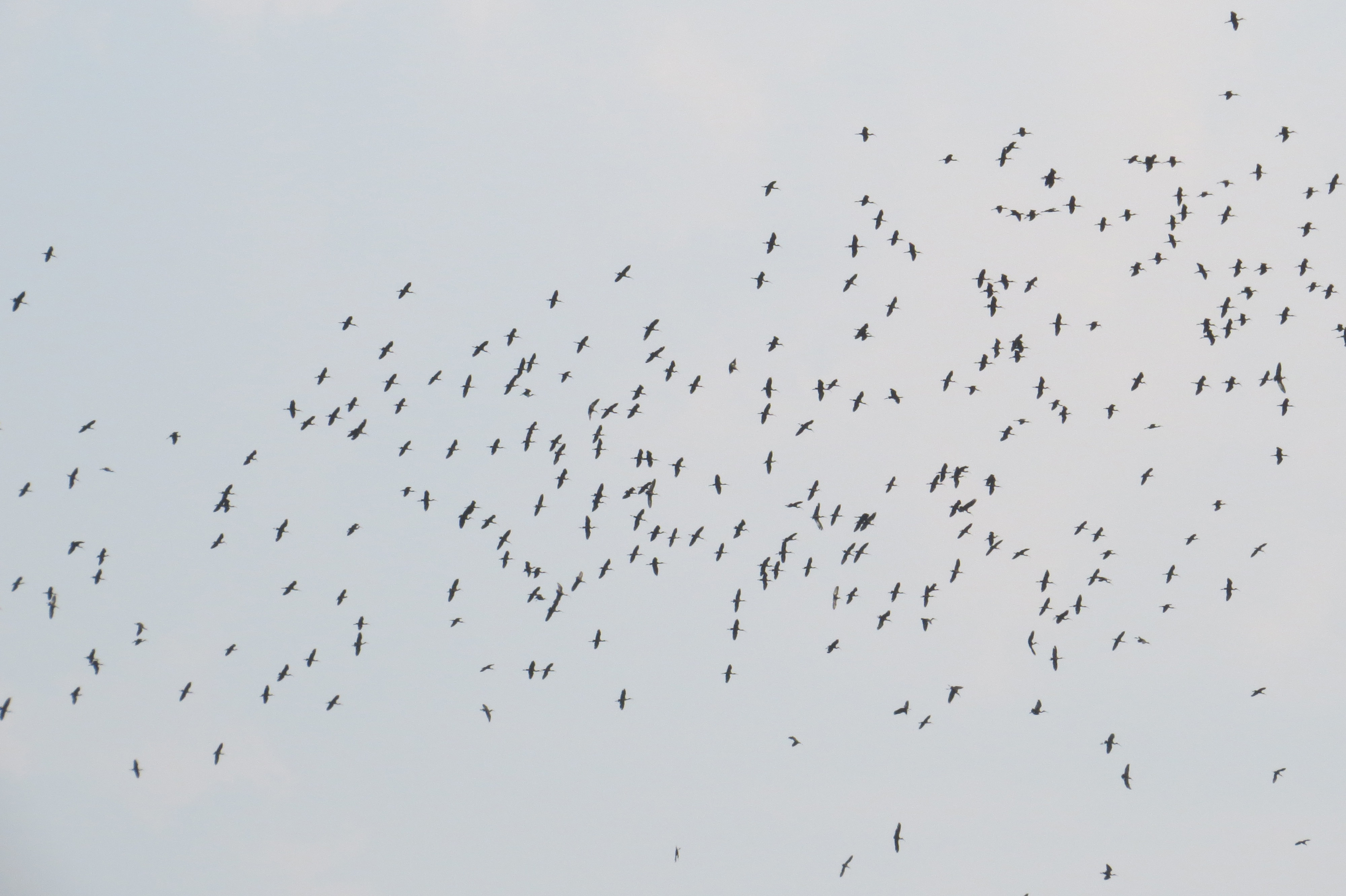
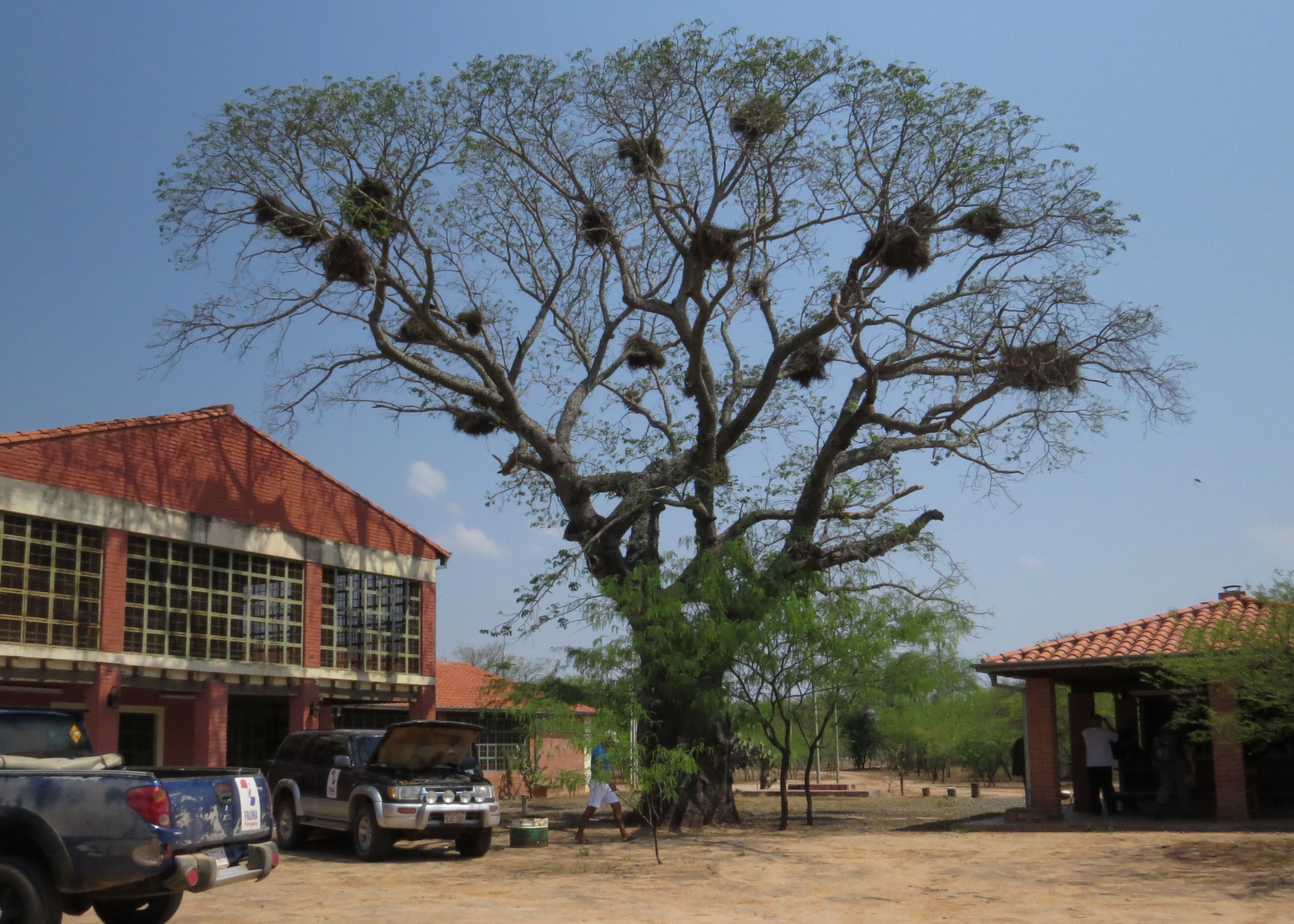
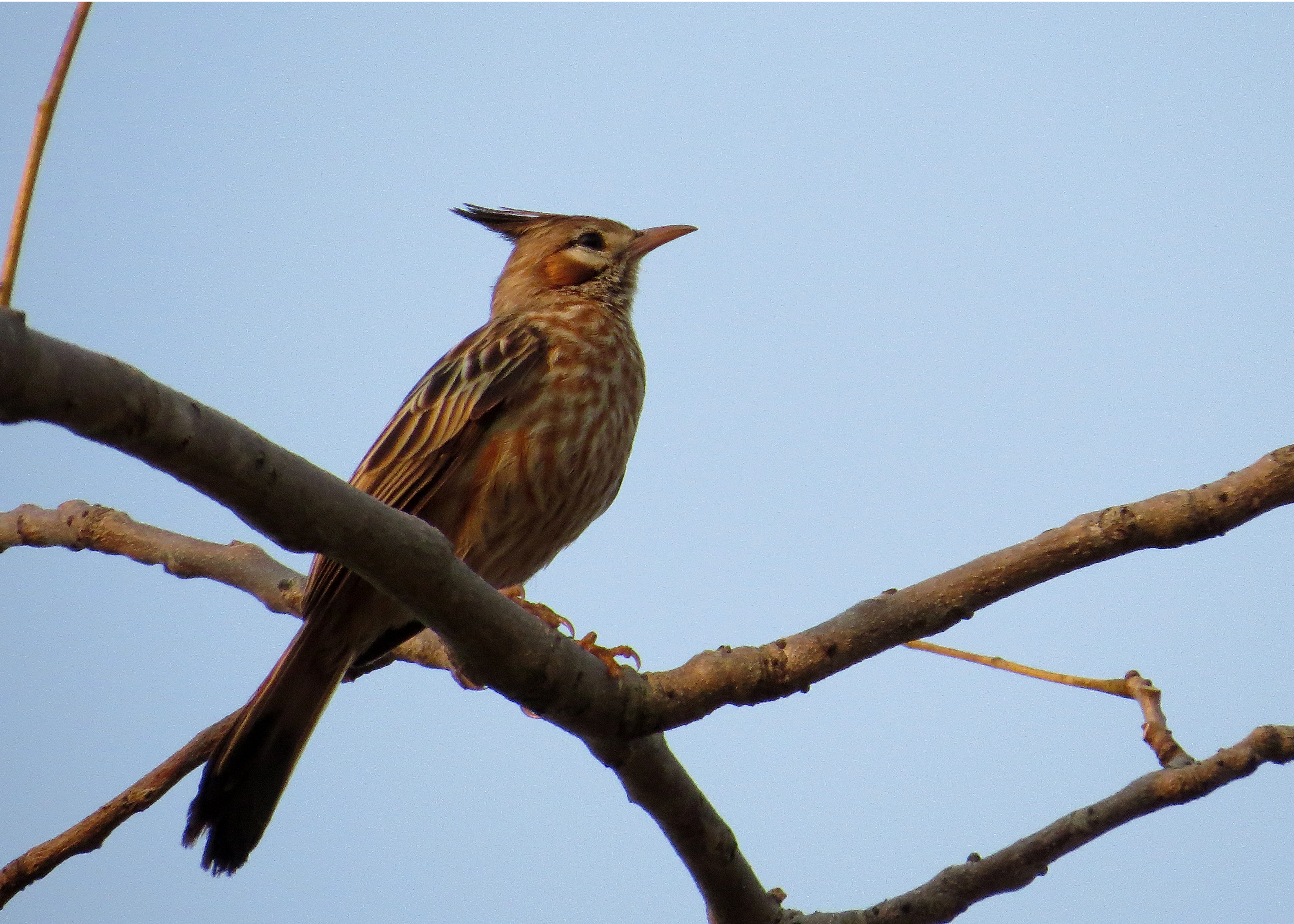
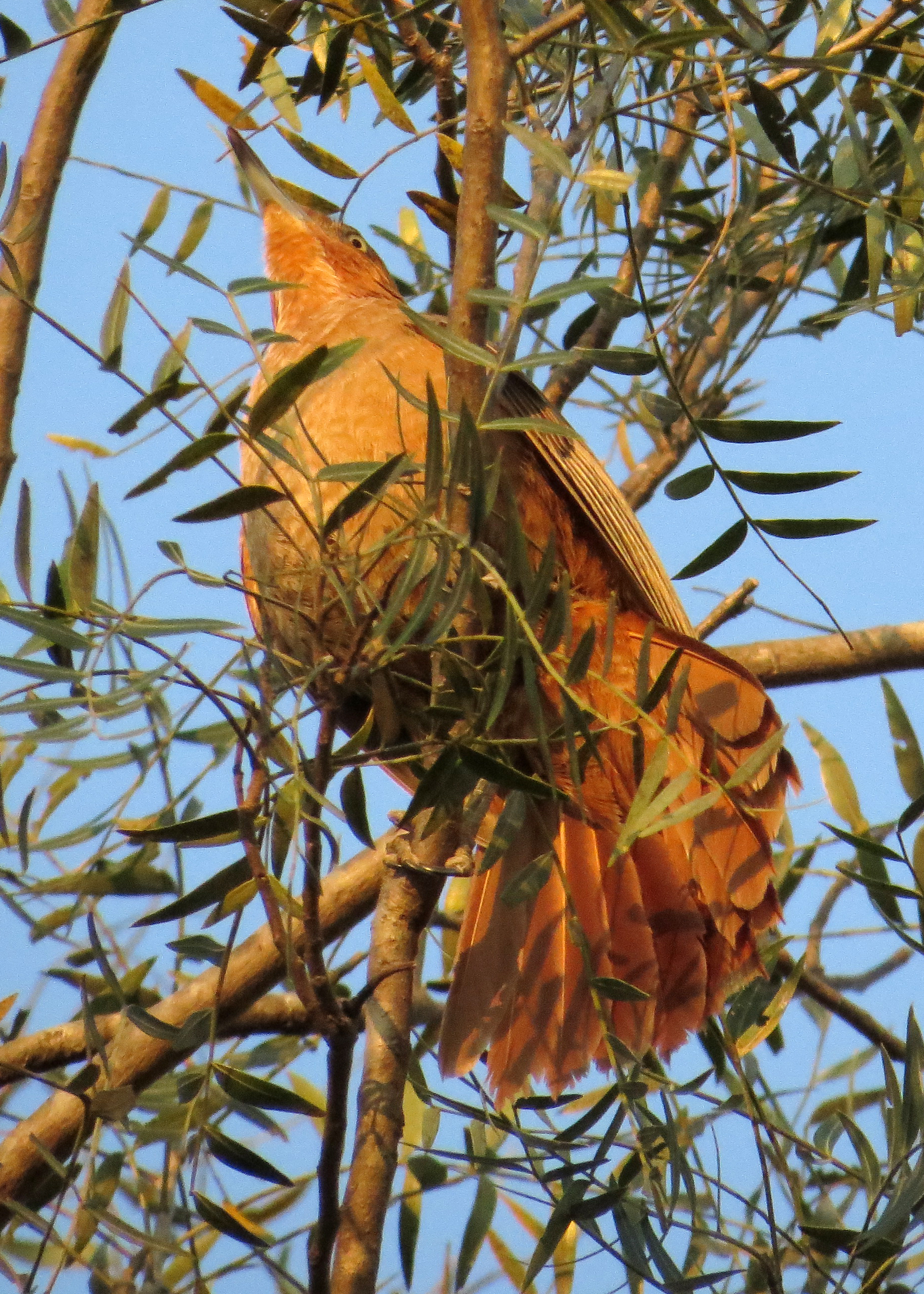
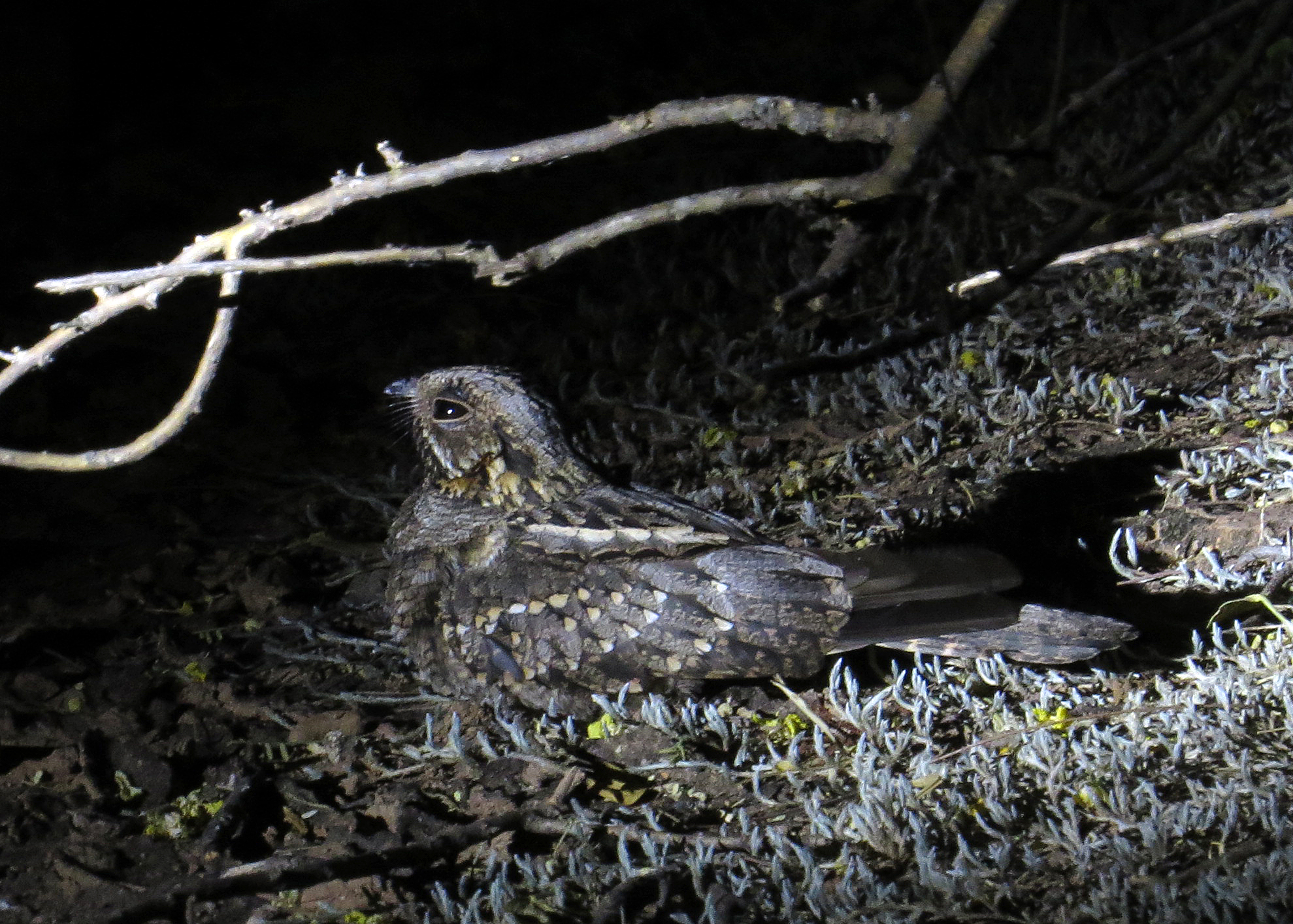
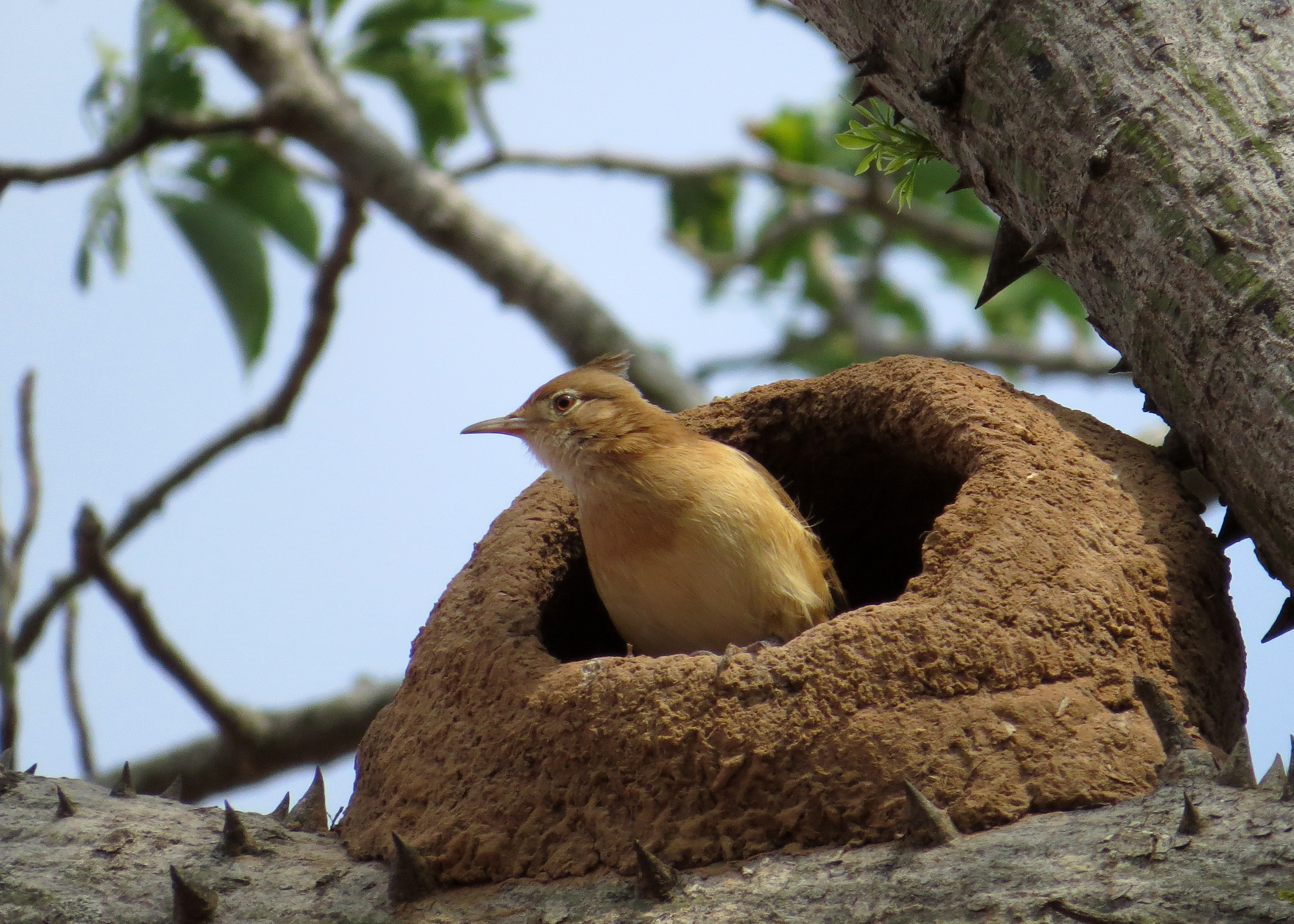
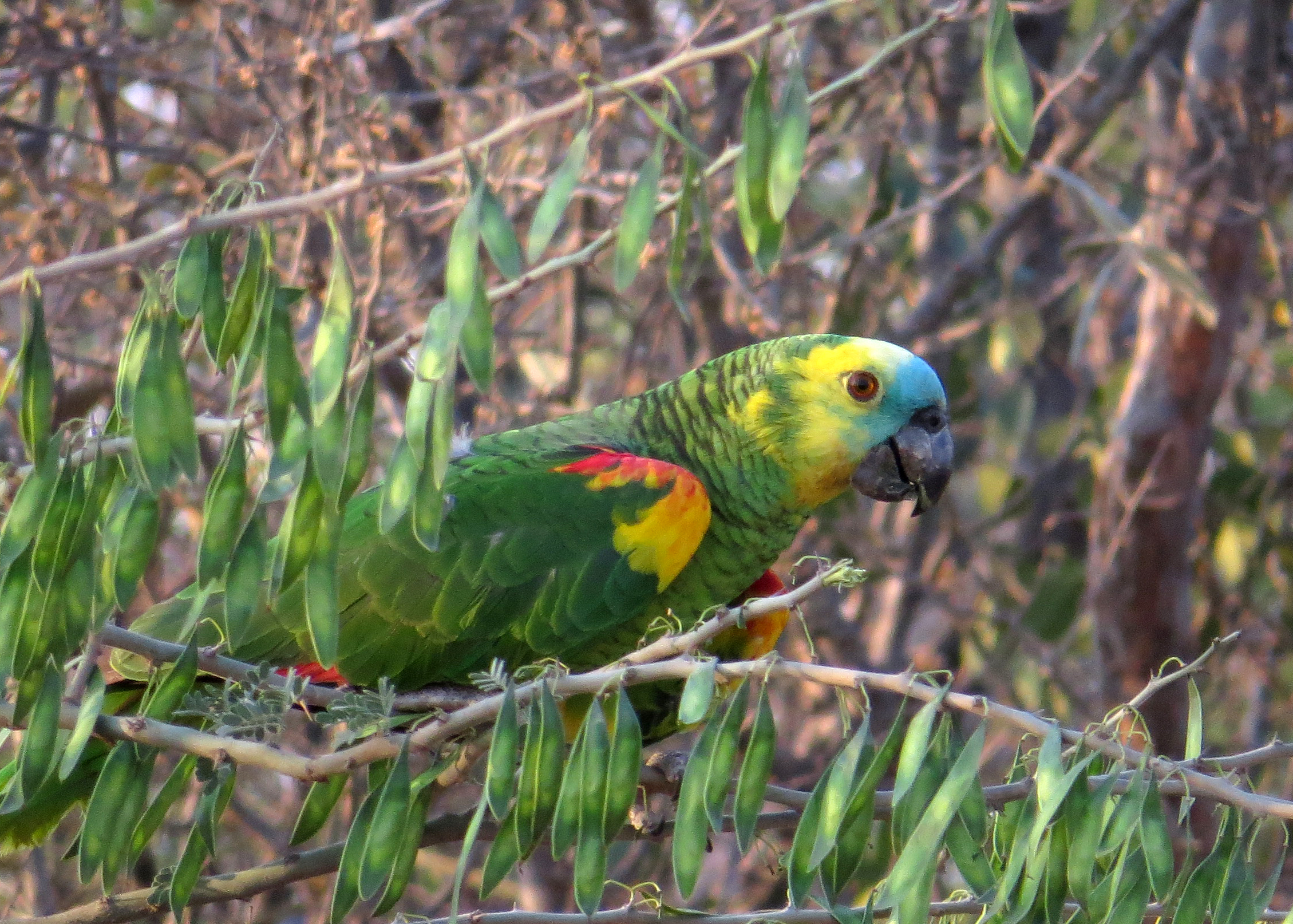


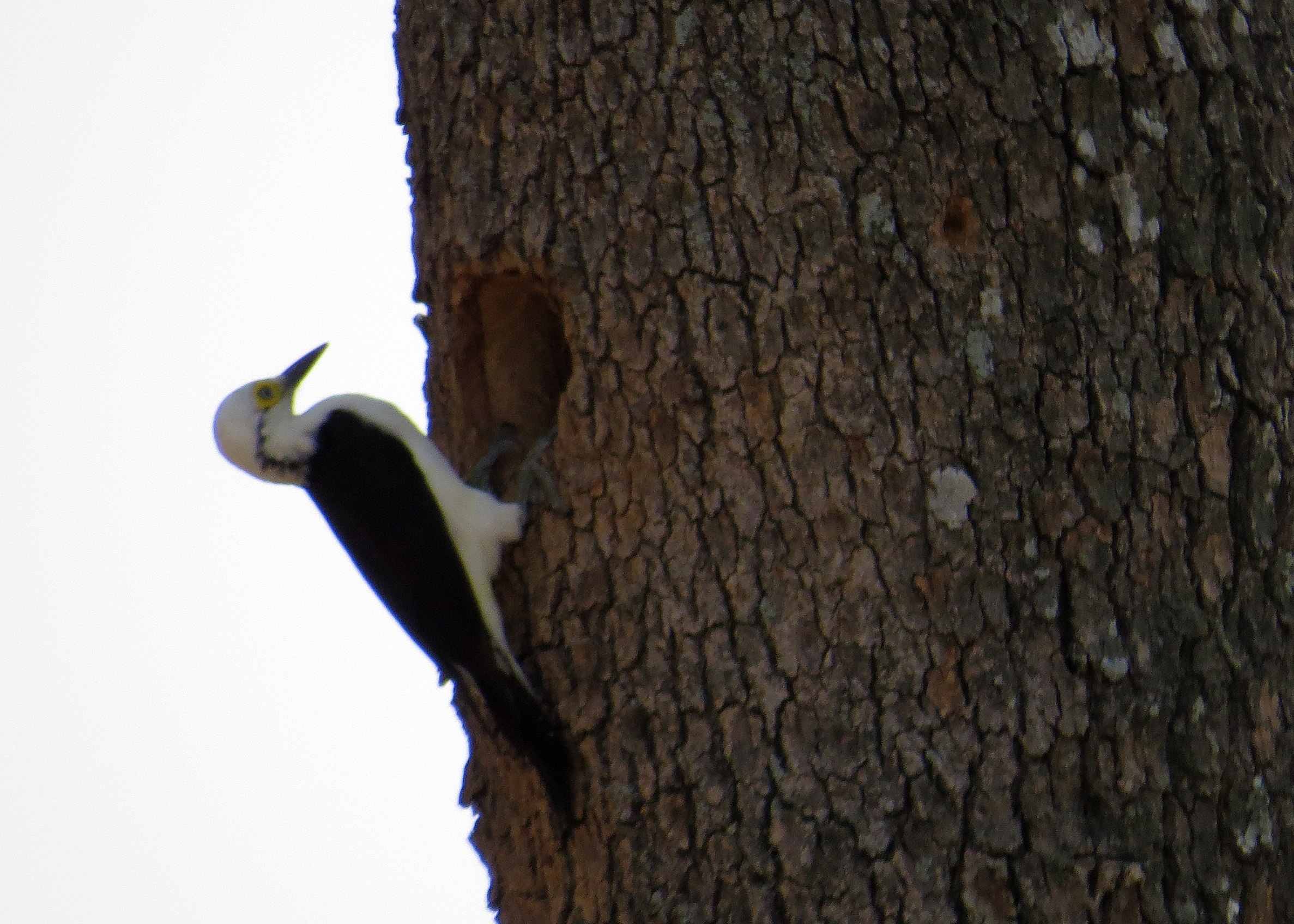


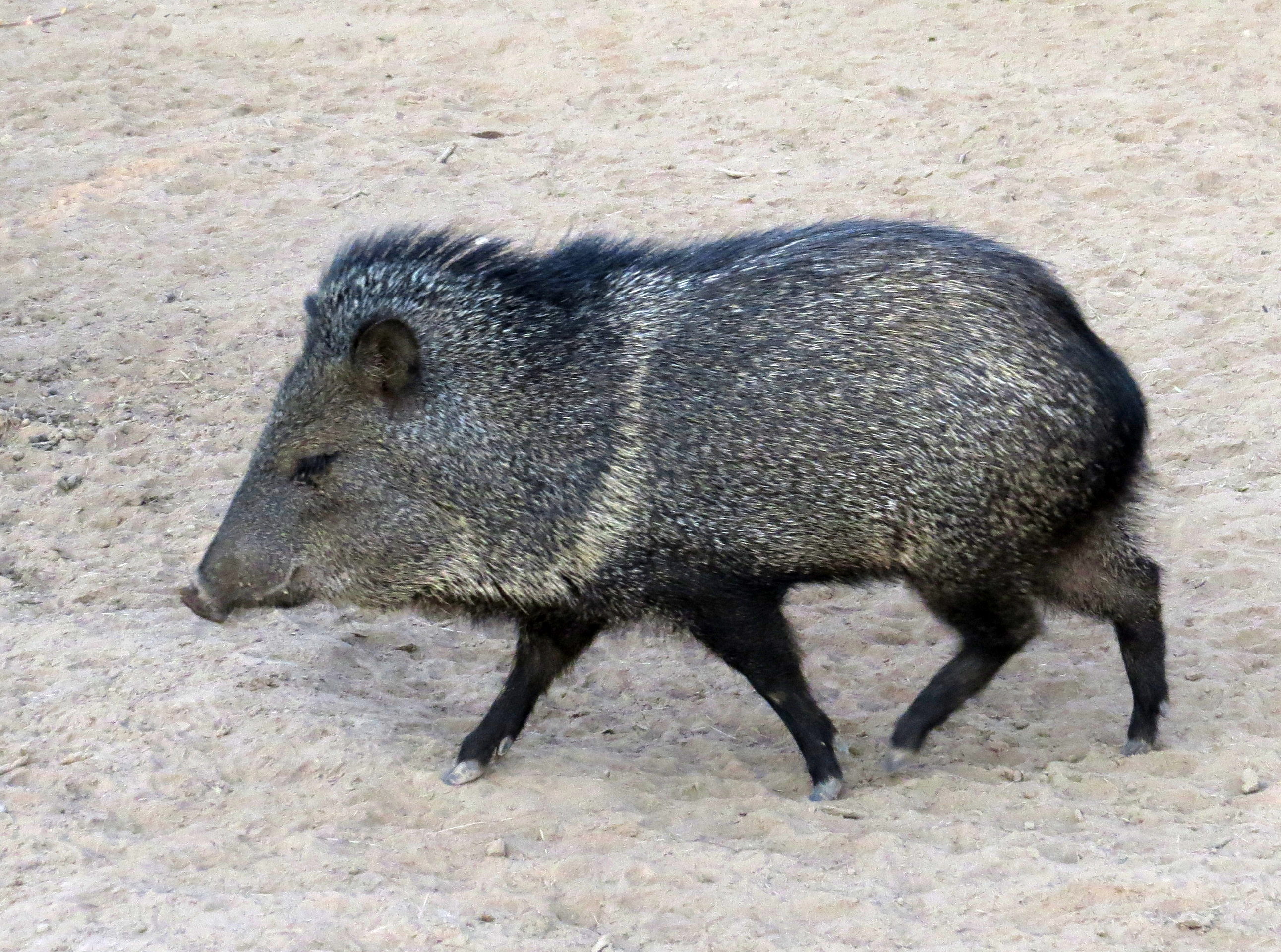
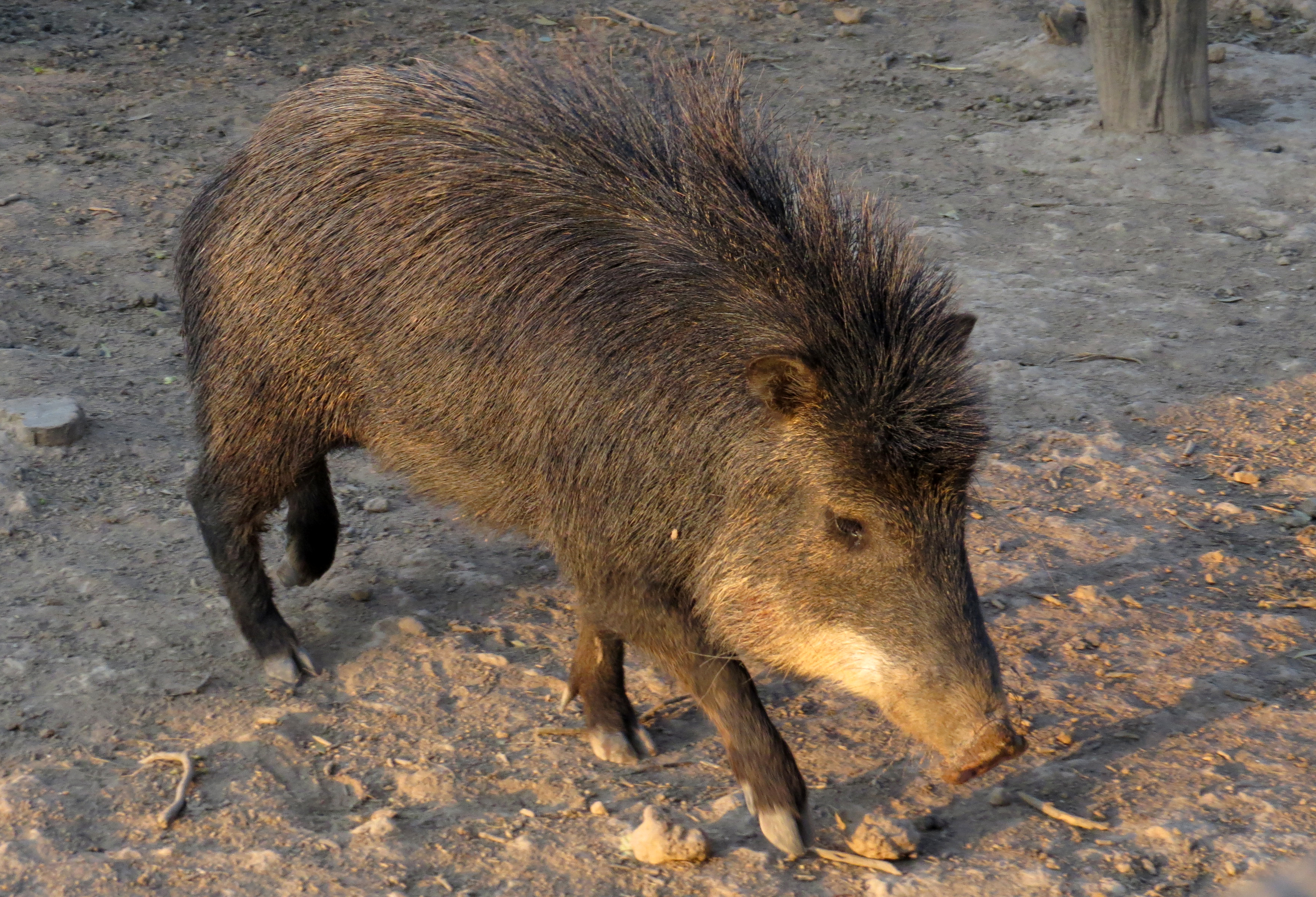


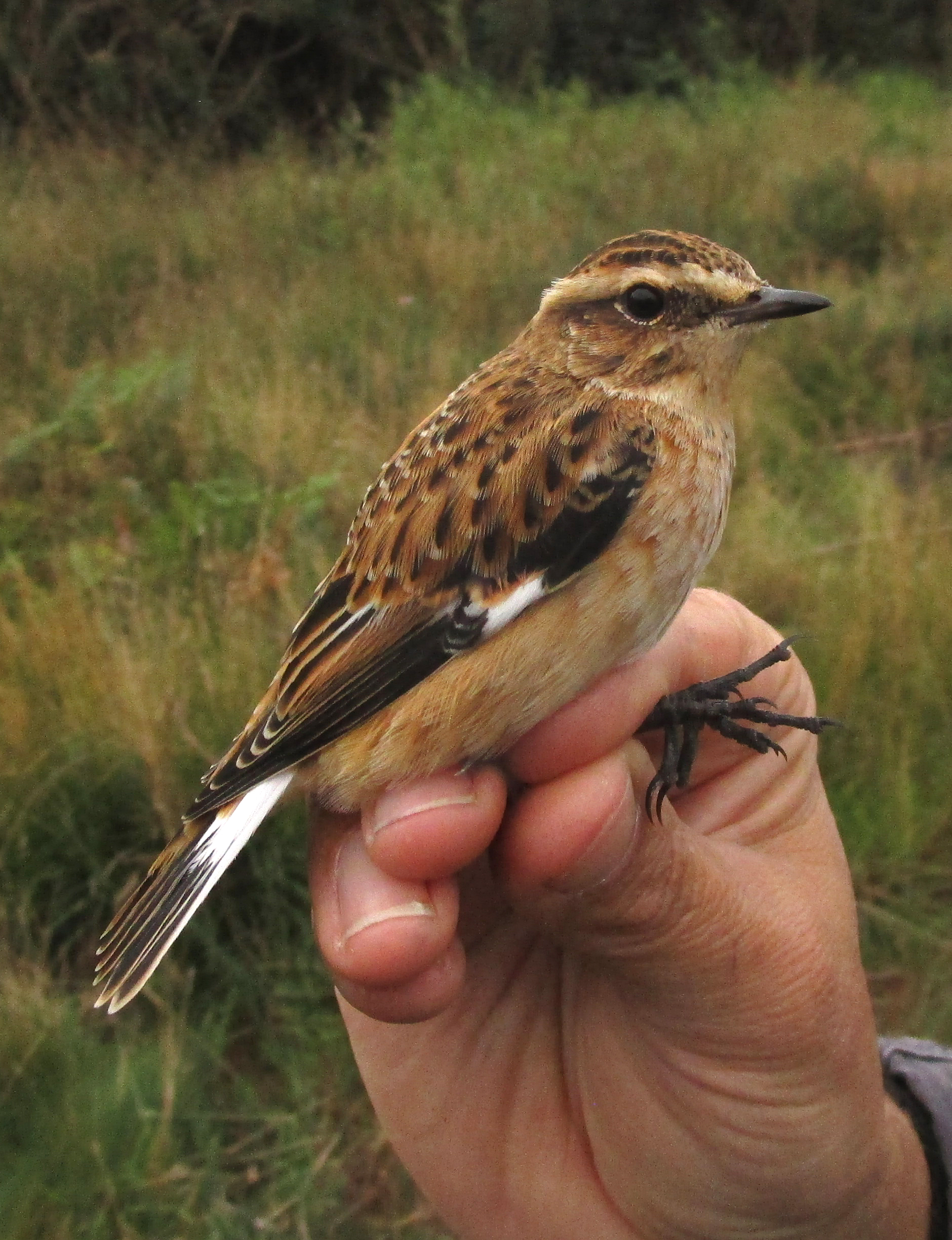

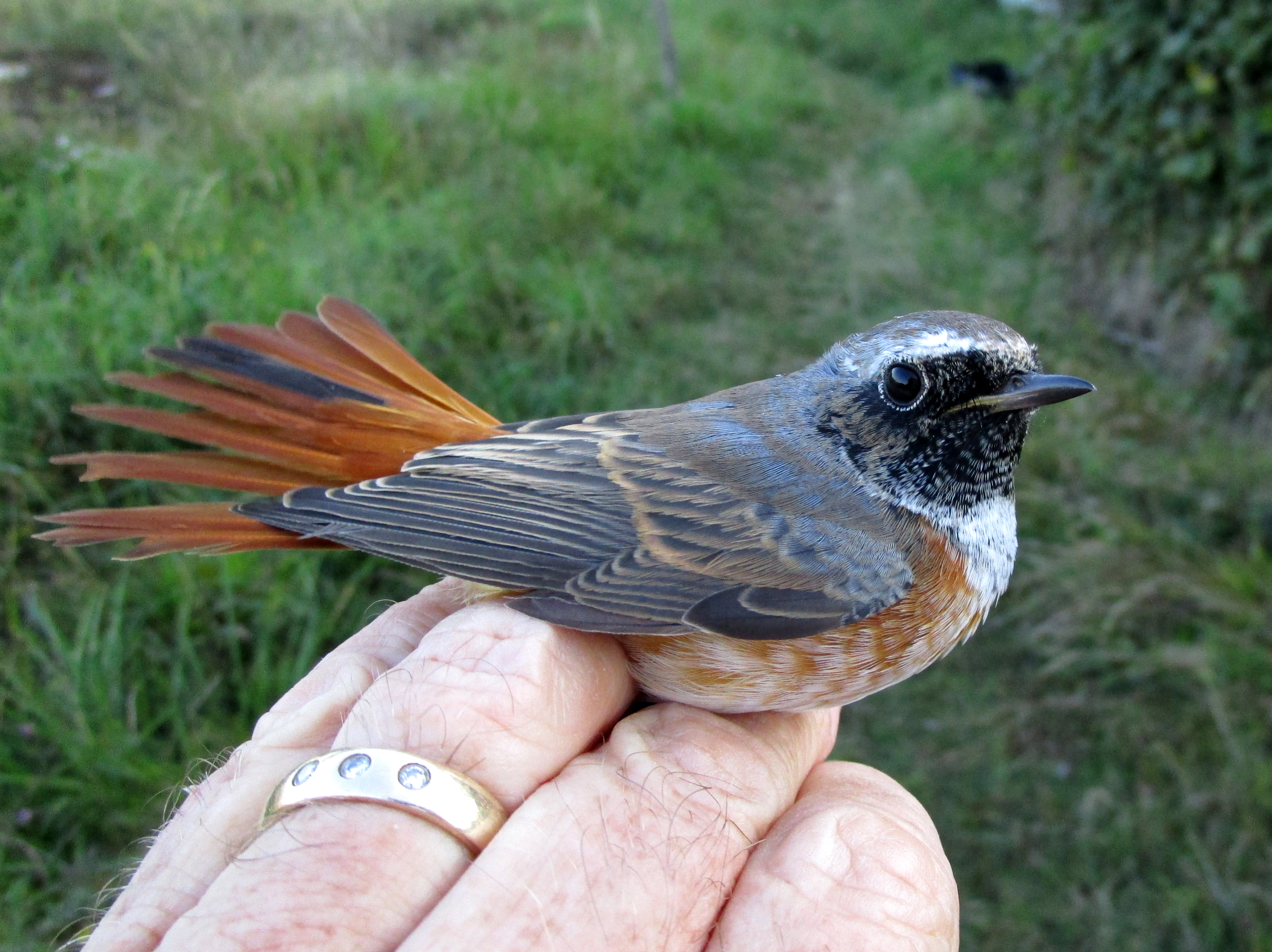



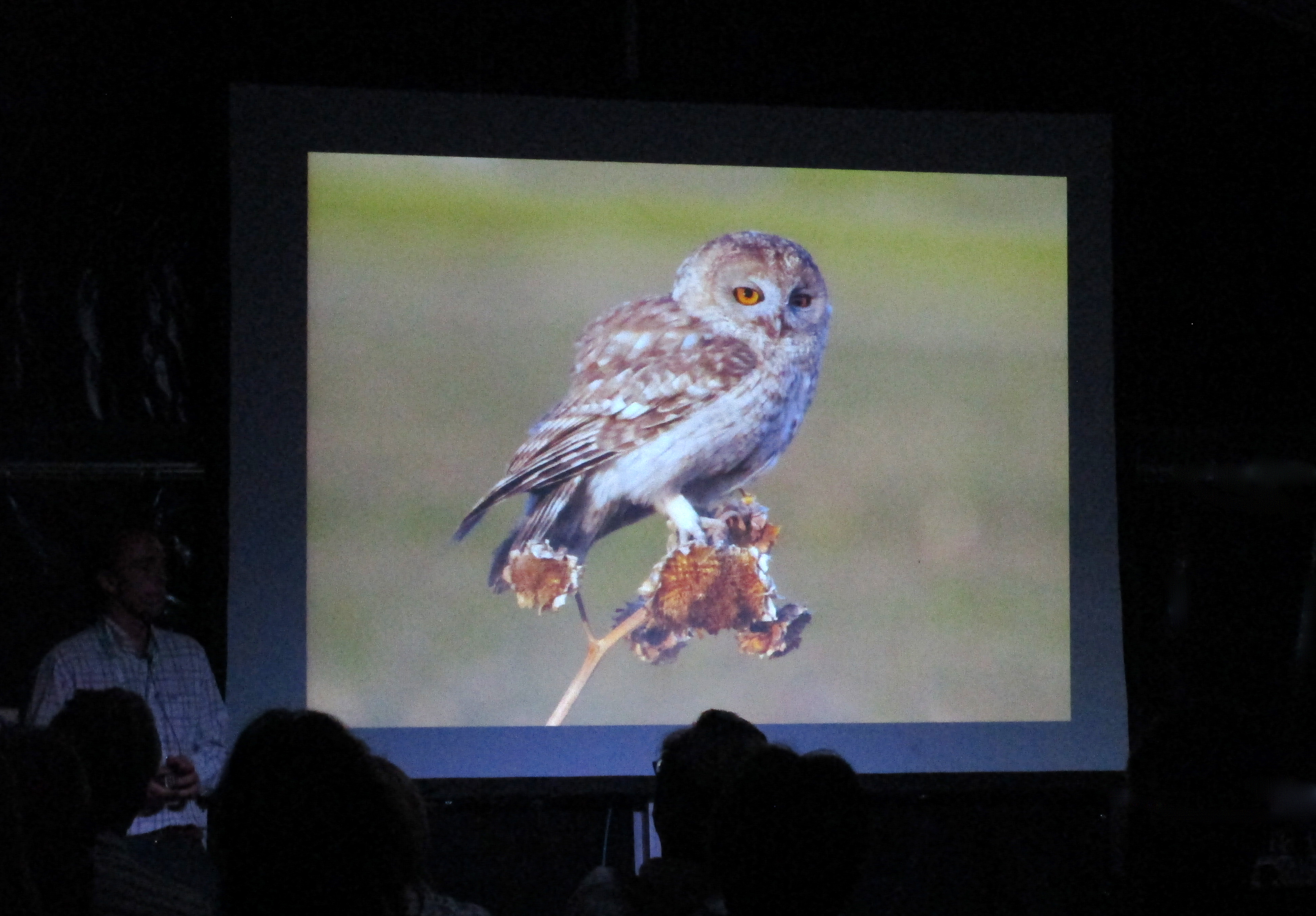


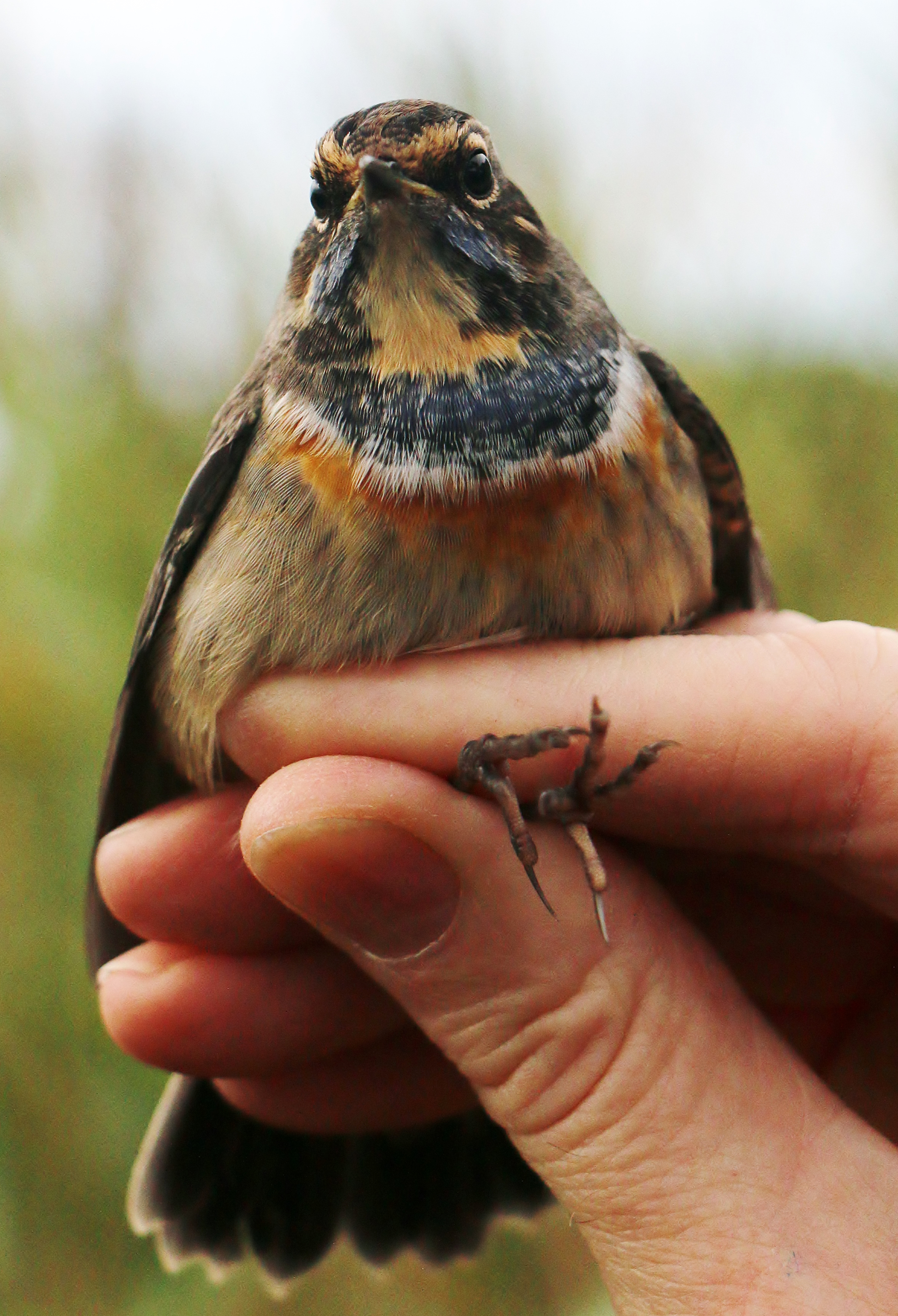

 gryllosblog


