Archive for the ‘Uncategorized’ Category
This is the sixth and final account of my recent trip to Argentina. It covers the journey north from El Califarte to the Strubel Plateau and the La Angostera Estancia and then south to Rio Gallegos.
From here Mark (the leader) and two of the participants travelled on to Tierra del Fuego for the optional extension, but as we had already been to Tierra del Fuego on previous tours, myself and two others flew back to Buenos Aires and then home.
Most of this account covers birds seen on the plateau and the estancia, but a few birds seen near Rio Gallagos are shown at the start.
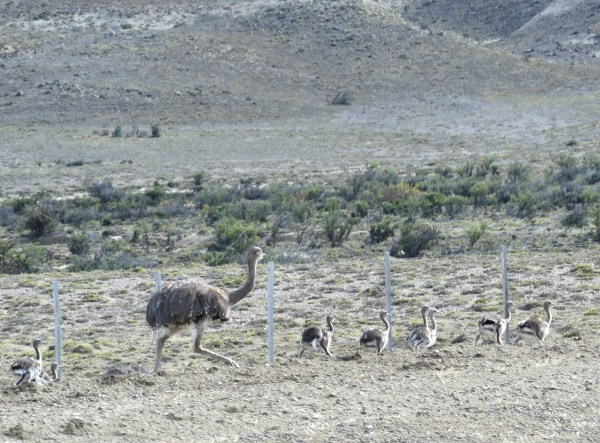
Along the road to Rio Gallegos we came across this Lesser Rhea and chicks trying to get through the wire fence.

Earlier on, crossing the plateau, we had seen a number of dead Guanacos on the stock fences that flanked the road, animals that had got their limbs caught between the wires and had remained trapped until they died. This individual was still alive and Mark and our driver were able to release it, albeit with a large gash to one leg.

In the Rio Gallegos area we connected with the range restricted Austral Canestero ….
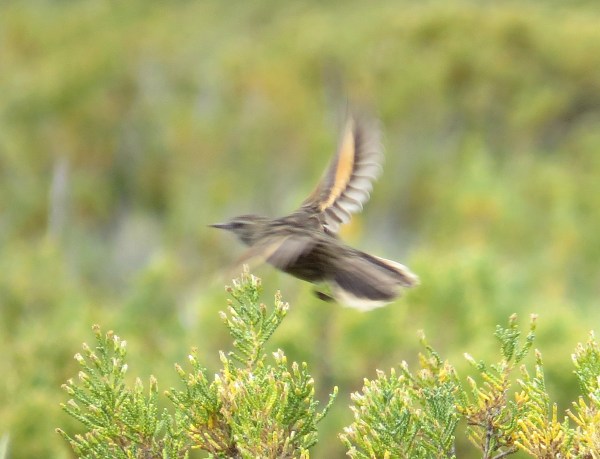
…. which showed off its wing pattern nicely.
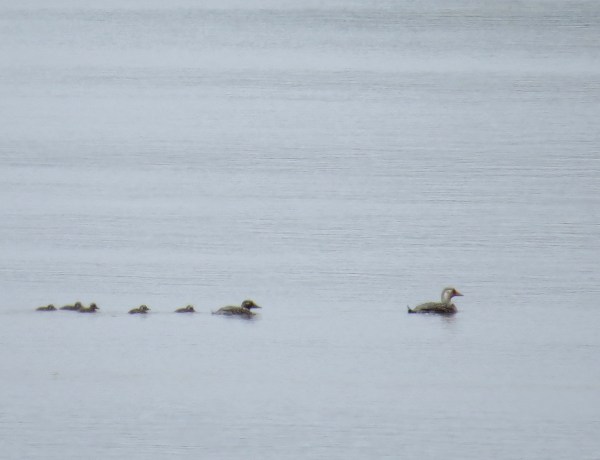
There are four steamer ducks, the flightless Chubut further north, two further flightless species on Tierra del Fuego and the Falklands/Malvinas and this one the Flying Steamer Duck, even in this species older birds loose the ability to fly. Flightlessness may have led to cryptic speciation in this group and it has been suggested that there are several more species to be described.

Other birds in the Rio Gallegos area included this Rufous-chested Dotterel.
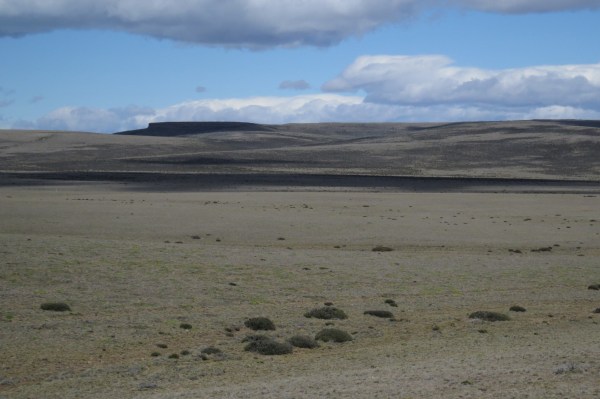
A couple of days earlier we had left Califarte and headed northwards to the Strobel Plateau. This is a wild, windswept and treeless landscape crossed only by a few dirt roads.

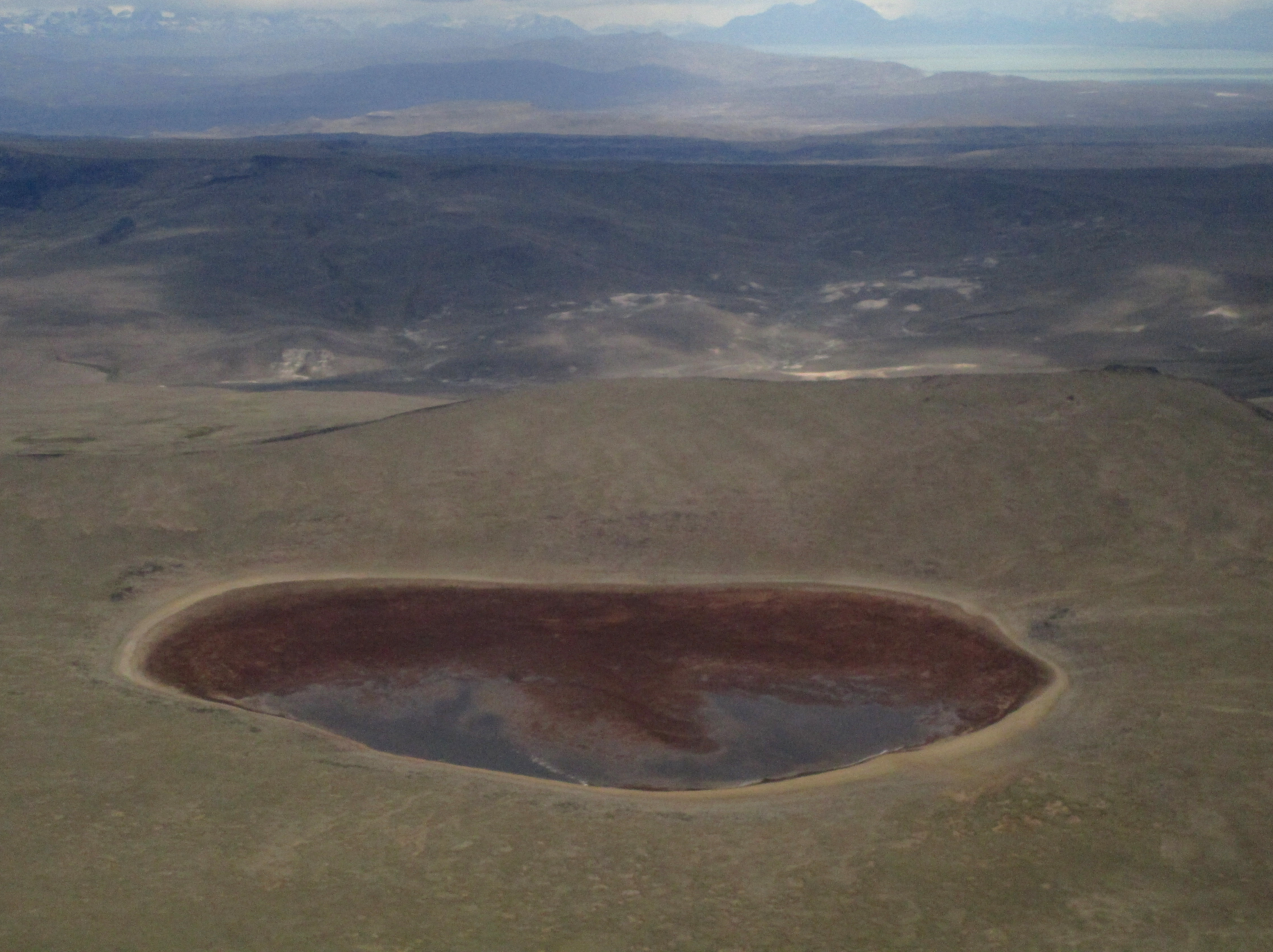
We were heading for a number of crater lakes, the breeding ground for the rapidly declining and critically endangered Hooded Grebe. Fifteen lakes are accessible from the tracks and we checked them all. This crater lake was photographed as we flew over the area when we descended into Califarte

Of the fifteen lakes, twelve were dry and two others covered in a green algal slime. This was the only one that held any birds and there were no Hooded Grebes. This bird was the reason I had come on this trip and now it seemed that there was every chance that I would be going home empty handed.

Well not quite empty handed because there were other good birds up on the plateau; this Patagonian Tinamou ….

…. Least Seedsnipe ….
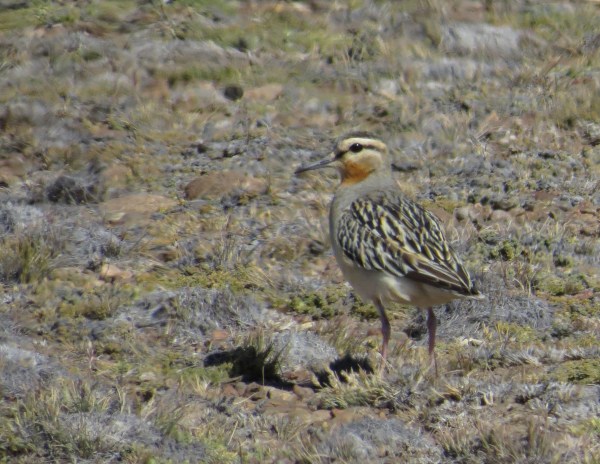
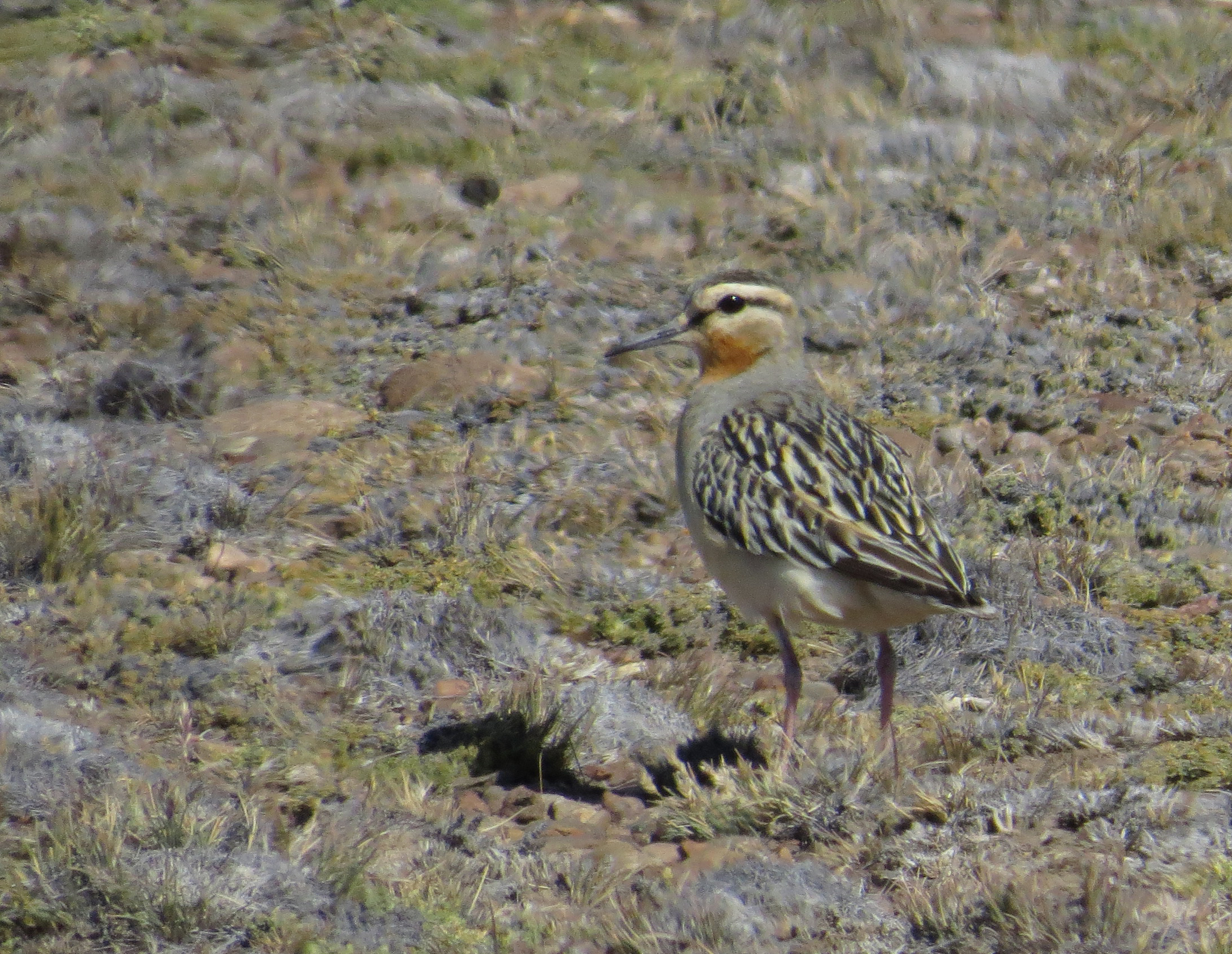
…. Tawny-throated Dotterel ….
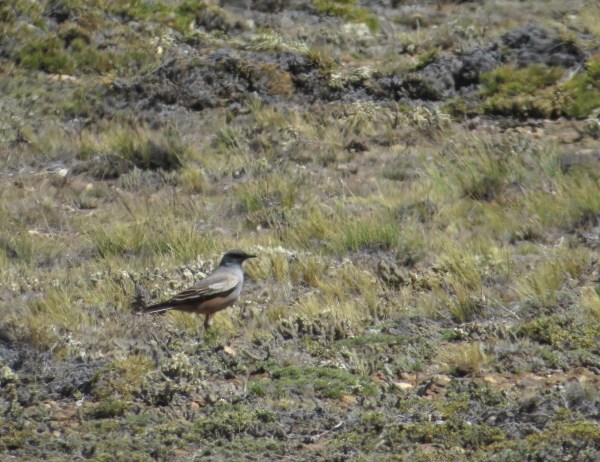
…. and Chocolate-vented Tyrant.

We were staying at this traditional estancia at the foot of the plateau. An adjacent marsh held lots of good birds including the seldom seen Austral Rail (which we only heard), but our main interest was a lake some 5km away where Hooded Grebes had been seen in the past.
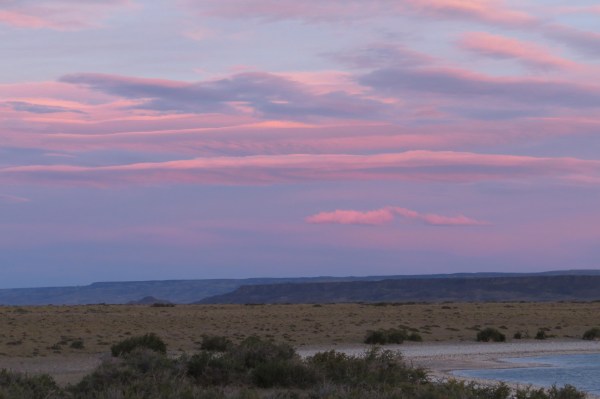
We visited the lake in the late afternoon and again at dusk (in case any birds had come into roost) but again drew a blank. It looked like the trip would have to be summarised as ‘it was a great trip but I missed the bird I had travelled all this way to see’.

But there was plenty to see around the estancia, including this Magellanic (or Lesser) Horned Owl ….

…. flocks of Upland Geese ….

…. which wandered around with their goslings just outside where we were staying ….

…. Upland Goose is a sexually dimorphic species, this is the highly distinctive male.
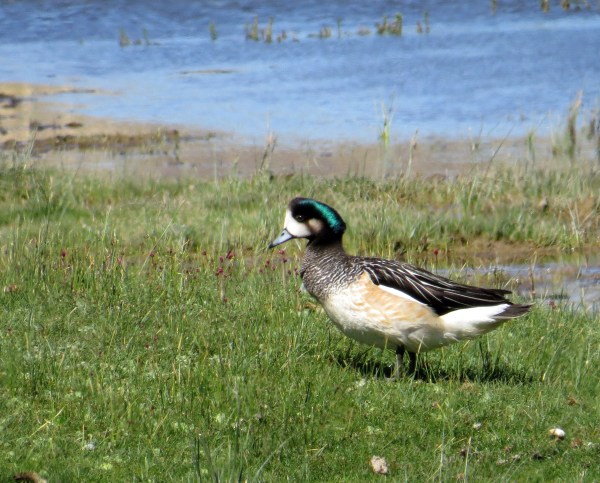
Chiloe Wigeon were common ….
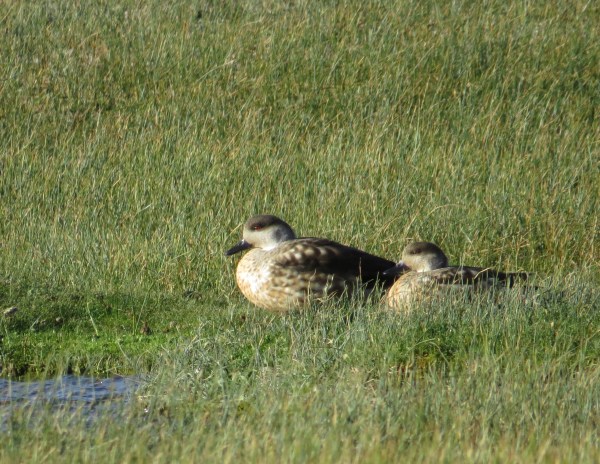
…. and there were small numbers of Crested Duck.
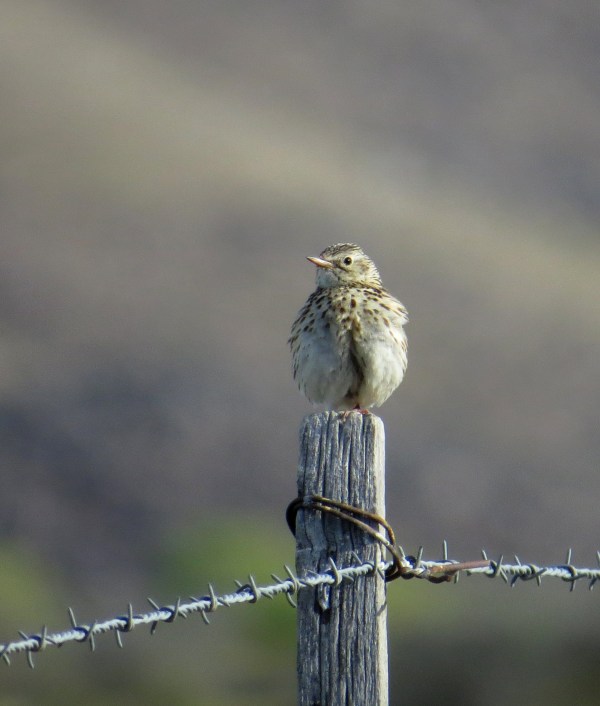
Corendera Pipits perched on the posts but inspite of a lot of tramping about up to our knees in the marsh Austral Rail remained a ‘heard only’.

A feature of this marsh was the wonderful views we had a nesting Cinereous Harriers. I don’t think I have ever had such close and prolonged views of an harrier species before, including our breeding Western Marsh Harriers at home.

The male (photo above) and female (shown here) were seen just yards from the estancia and appeared to be defending their territory against another pair. We had repeated good views throughout the afternoon and early the next morning ….
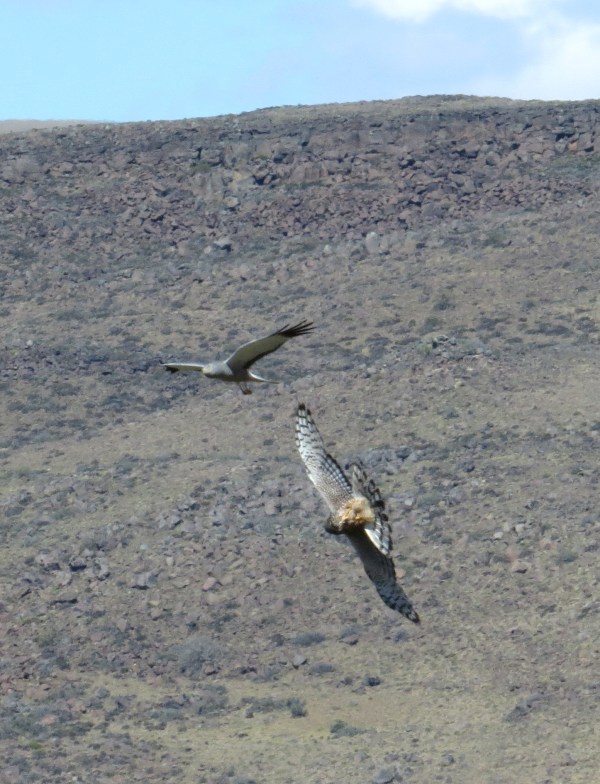
…. and I was even able to photograph a food pass.
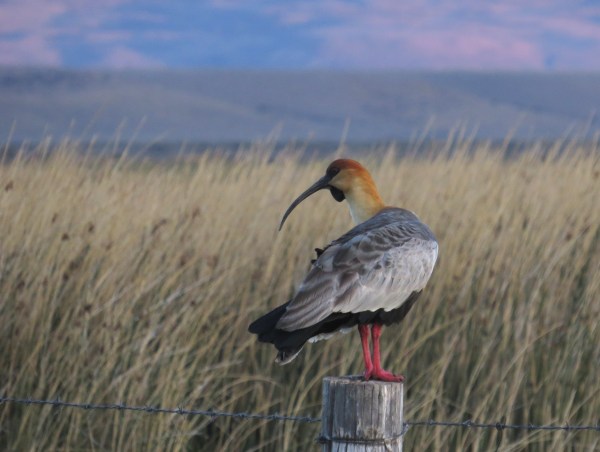
Black-faced Ibis were common and relatively tame.
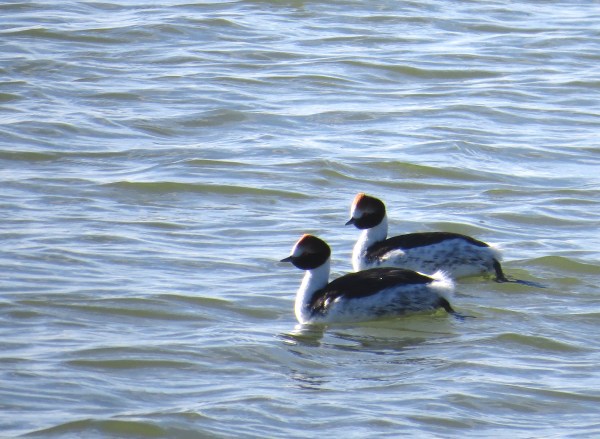
Although it was in the wrong direction we opted to make a third visit to the lake. Our spirits were raised when we realised that there were far more birds there than at dusk last night. Several of us got onto two distant birds simultaneously but it was Mark who got he scope on them and announced ‘Hooded Grebes’. A wave of relief and delight passed through the group!

The distant birds slowly swam towards us and even did a bit of display. This species, which was only described in 1976, is declining rapidly due to the drying out its breeding lakes, being killed introduced mink, its food supply being taken by introduced trout and predatory Kelp Gulls colonising the area due to poor waste management of the increasing human population. It was incredibly exciting to see this extreamly rare bird which looks likely to go extinct within 50 years of its discovery.
It had been a wonderful trip, full of interesting birds and mammals and great scenery. As I had been to many of the sites we visited I wasn’t expecting very many life birds. In the end I added 23 to my list, we had a few misses but that was to be expected. I very much enjoyed traveling in southern Argentina and would certainly recommend it to other birders.
2014 has been a great year, full of foreign travel, great birding/ringing and social events. Fortunately there have been no serious issues, so the year has passed without major problems.
This post just summarises some of the highlights; more photos and discussion of each subject can be found on the blog.
During the year the companionship of my family (see the Christmas photo below) and my many friends (be they from school or university days, or birders and ringers here at home or people I have met on foreign trips) has greatly added to the quality of life. There have been a number of social events and musical concerts, many of which I have illustrated on this site.

When at home much of my time has been taken up with bird ringing, either around Poole or at Durlston Country Park. We have ringed well over 5000 birds in this area and have amassed a lot of useful data. We have been notified of lots of interesting recoveries some of which I intend to post here in due course. The photo shows a male Bearded Tit photographed at Lytchett Bay.

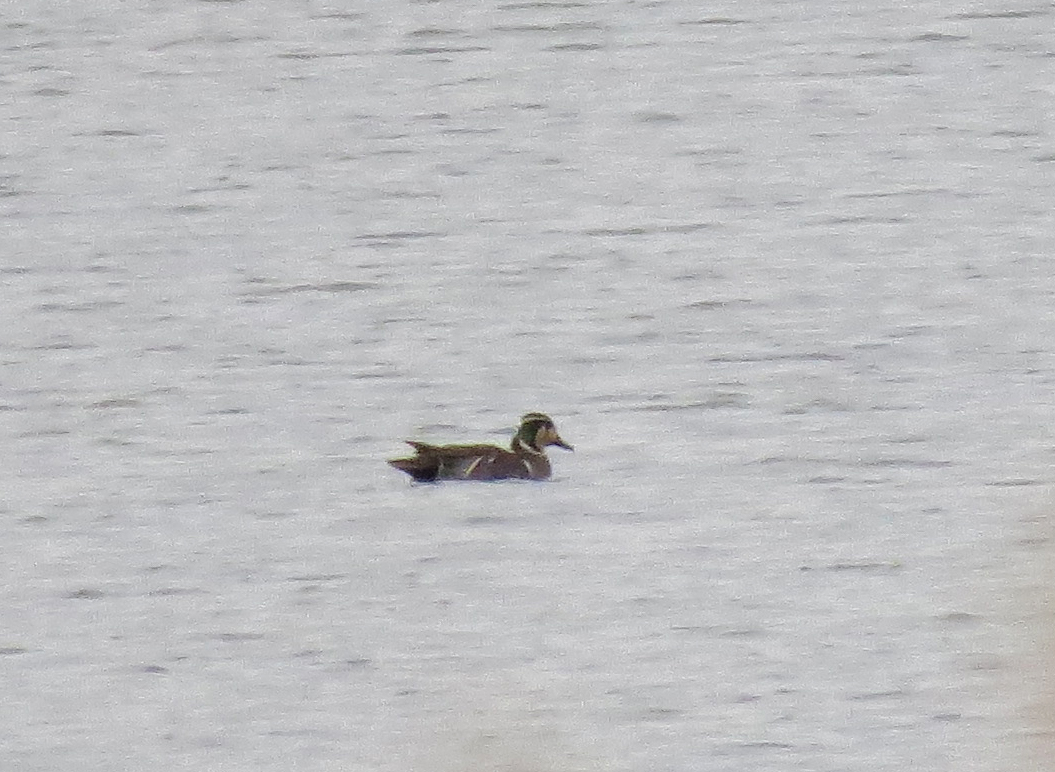
British birding and twitching has taken a bit of a back seat this year. I recorded 223 species in the UK, quite a bit less than usual and most of my birding has been following up other peoples sightings. I have only added one species to my British list – this Baikal Teal seen in Cambridgeshire in March, one to my Dorset list – a Hooded Crow on Portland and one to my Poole Harbour list – a Great White Egret.
Foreign travel has dominated the year. I did eight tours through the year, although this was just seven trips from home as two were taken back to back, and birded in eleven different countries. I recorded 1515 species in total and had 199 life birds. This brings my life list to 7870 following the IOC checklist or 74.5% of the world’s birds. According to the ‘list of lists’ on the Surfbirds website this gives me the 27th highest life in the world, but I know that there are quite a number of birders who do not submit their lists and think I’m more like 50th in the world. Even so, I consider that to be a great achievement and well worth the cost and physical effort involved, and although it hasn’t required much skill on my part, as I have mainly seen these birds on guided tours, I am very pleased to have progressed so far.
For each tour taken in 2014 I have included two photos below, one of the scenery and one of a notable species.
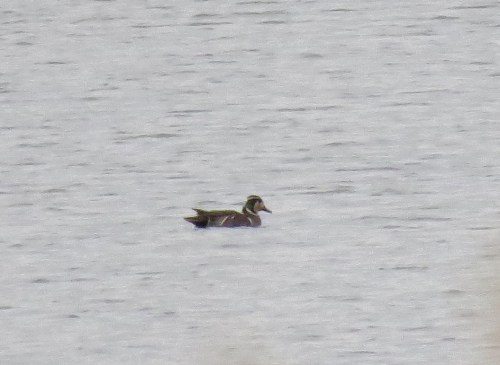
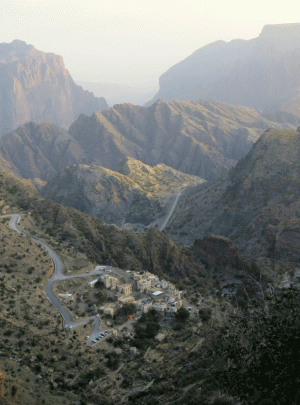
The first trip was in February to Oman to search for the newly described Omani Owl, wonderful scenery, although long hours were spent in the dark before we eventually got good views. No photos were obtained of the owl so I have included a shot of two critically endangered Sociable Lapwings that were also seen on the tour.

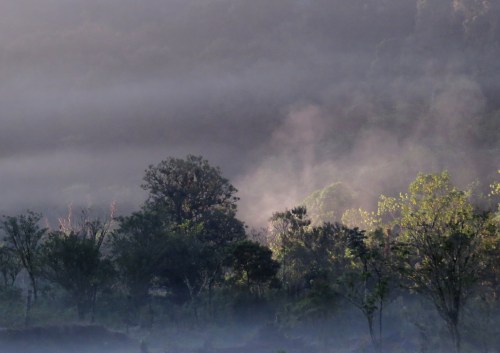
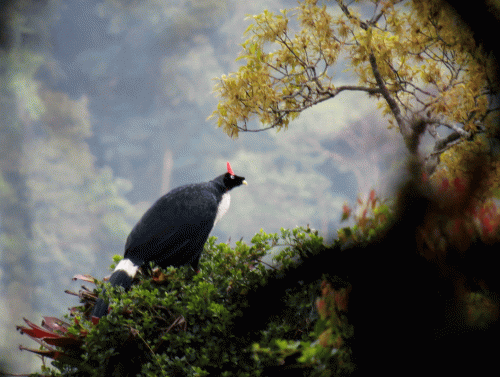
In March I did two trips to Mexico back to back. The first was to the delightful El Triunfo cloud forest reserve in Chiapas. The first photo shows dawn at the clearing where we stayed, the second the incredible Horned Guan, which was the 10,000th bird species Birdquest had seen on their tours.
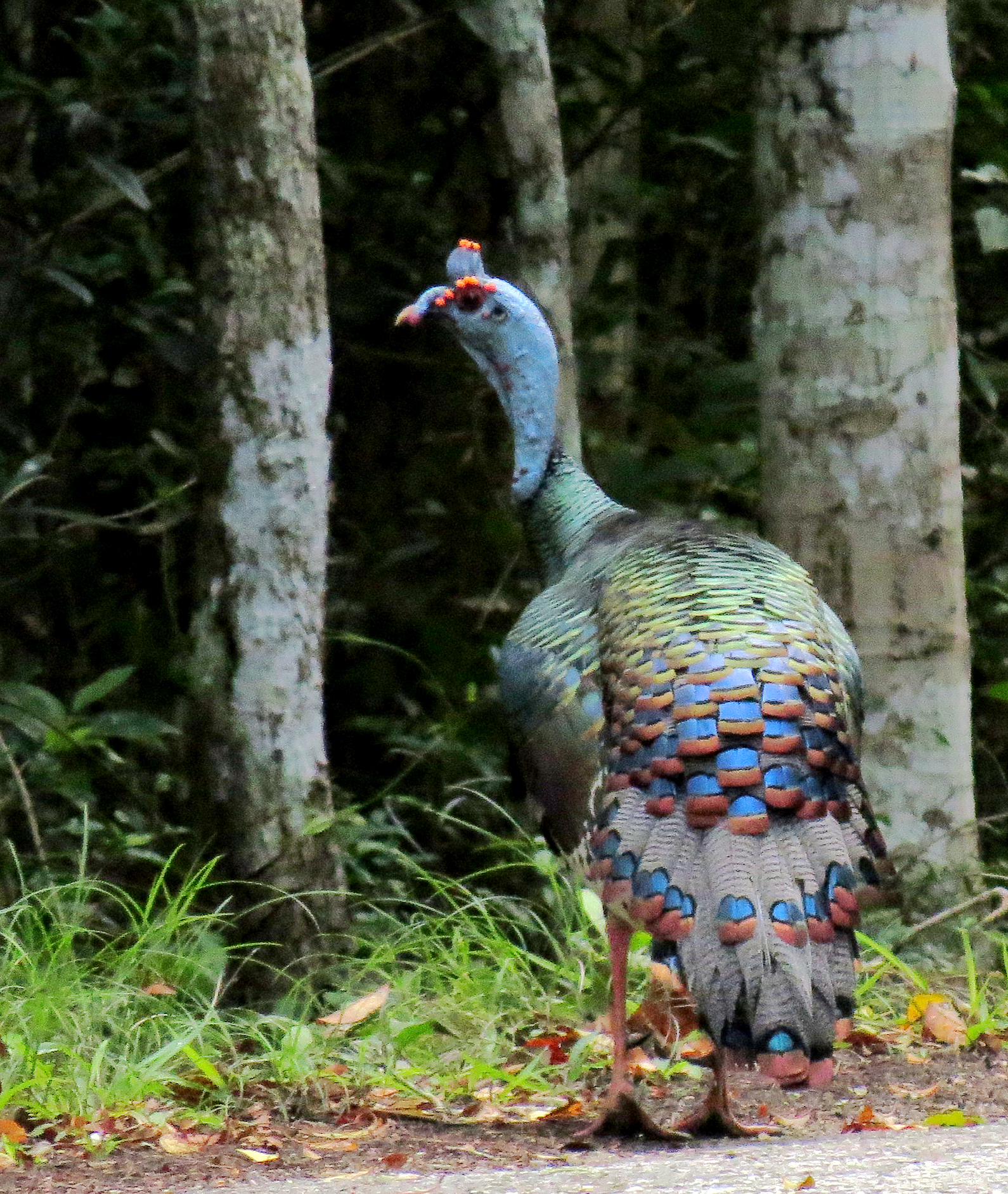
The second Mexico tour was to the Yucatan where we enjoyed the Mardi Gras festival and climbed to the top of some Mayan ruins as well as some stunning birds like the Ocellated Turkey.


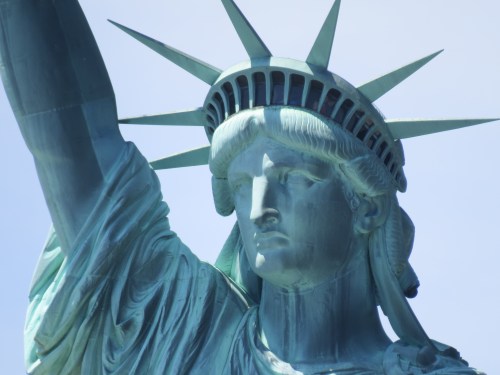
The most varied trip and in some ways the most enjoyable was the drive from North Carolina to the Canadian border that Margaret and I did in May/June. We enjoyed birding in southern woodland and the Appalachians, did pelagic trips off Cape Hatteras, went sightseeing in Washington and New York, birded in the boreal forests of New Hampshire and the coast of Maine as well as visiting a number of friends. I have yet to edit all these photos so I there should be more posts from this most photogenic trip still to come. Below – the Statue of Liberty and a Black Bear seen in North Carolina.

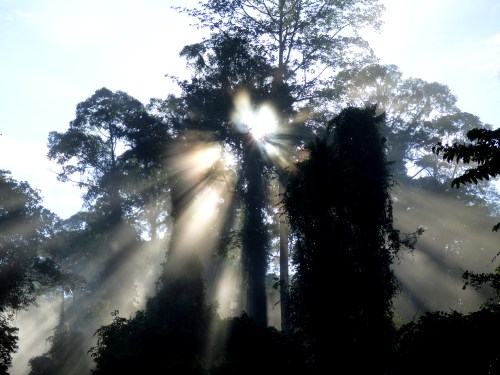
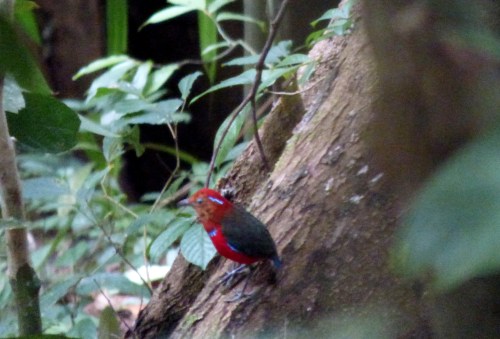
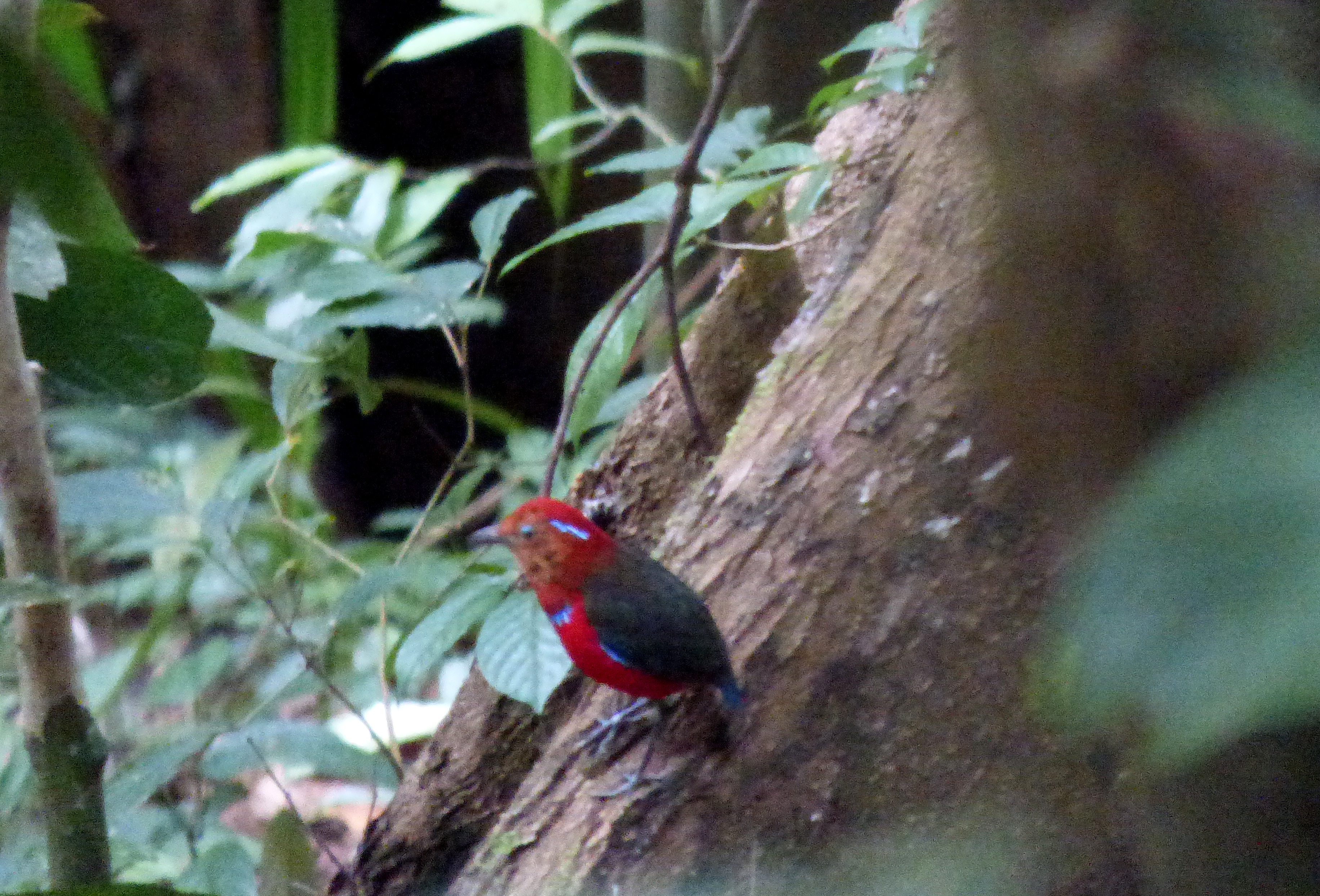
In May/June I had another great trip, this time to Borneo. One of the highlights was seeing the last bird family for my list, Bornean Bristlehead, but the four new species of Pitta came a close second. There was a really good selection of mammals too. The photos show dawn at Danum Valley and Blue-banded Pitta.
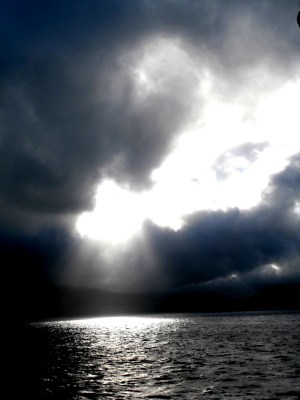
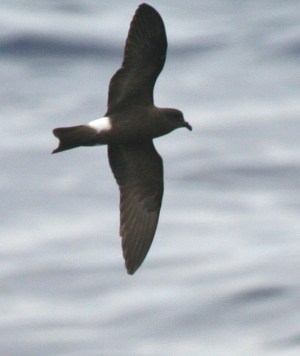
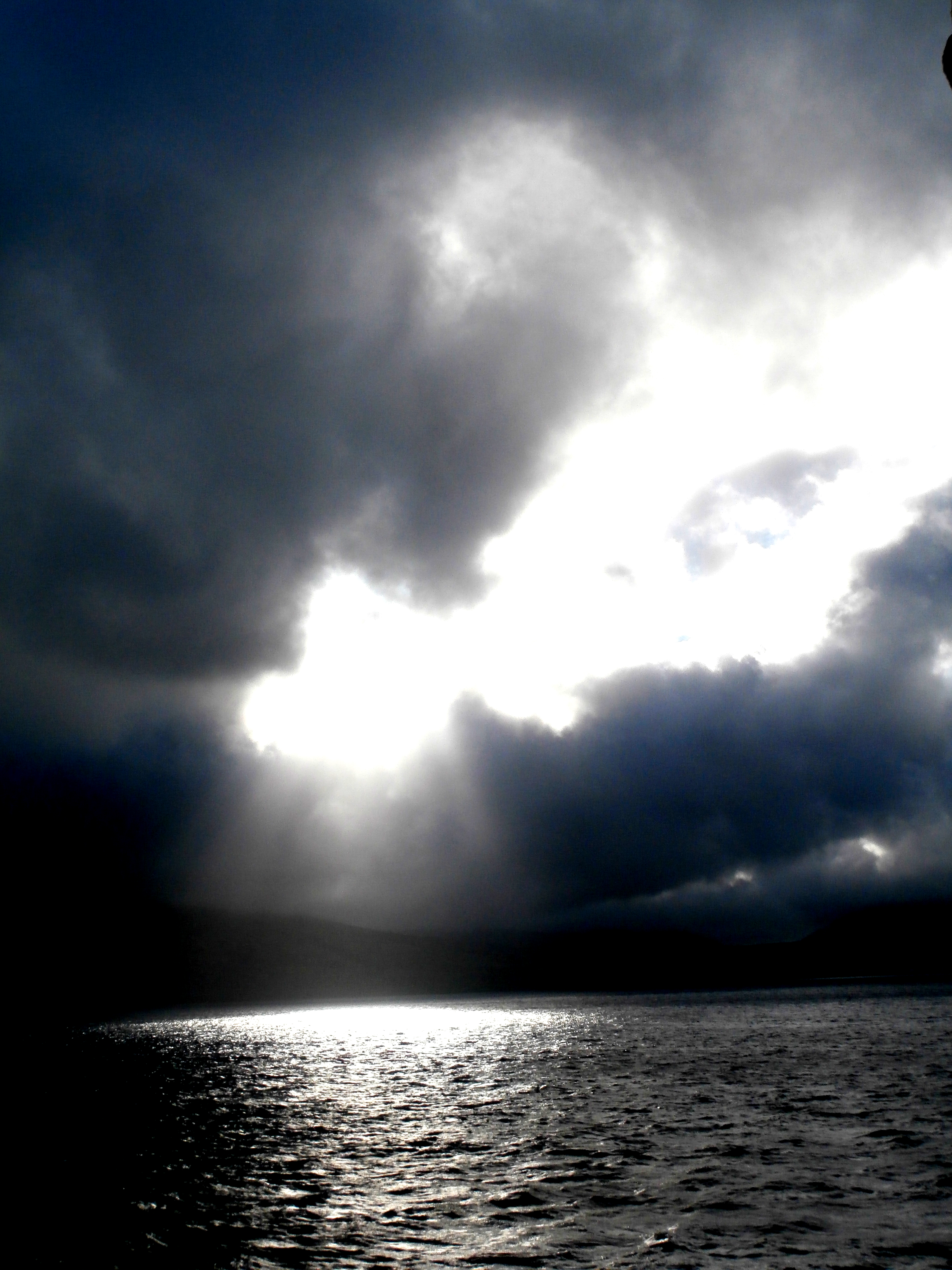
In late August my friend Roger and I had a week in the Azores concentrating on pelagic trips off the island of Graciosa. The highlight for me was seeing two new species of storm-petrel, Monteiro’s and Swinhoe’s The former is shown below along with storm clouds off the coast of Graciosa.
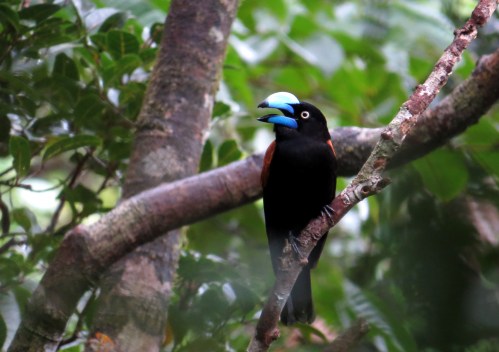
The longest and hardest tip of the year was to northern Madagascar and the Comoros in September/October. Good birds and mammals abounded but roads were poor in places, transport unreliable, journeys were long and accommodation was variable. The photos below shows sunset over Lake Kincloy, the site of the rare Sakhalava Rail, but the bird of the trip was the wonderful Helmeted Vanga seen earlier on the trip on the Masoala Peninsula.

The final trip in November/December was to southern Argentina. This highly scenic trip was most enjoyable and produced some great birds. The photos show the Moreno Glacier in Glacier National Park and the critically endangered Hooded Grebe. I have still to upload the final installment of this trip but will be on this blog within a few days.


All of these trips are illustrated in more detail on the blog. Feel free to scroll back through the year. Happy New Year – here’s to a successful and enjoyable 2015.
This is the fifth installment of my Argentina saga and covers the area around El Califarte and the Glacier National Park.
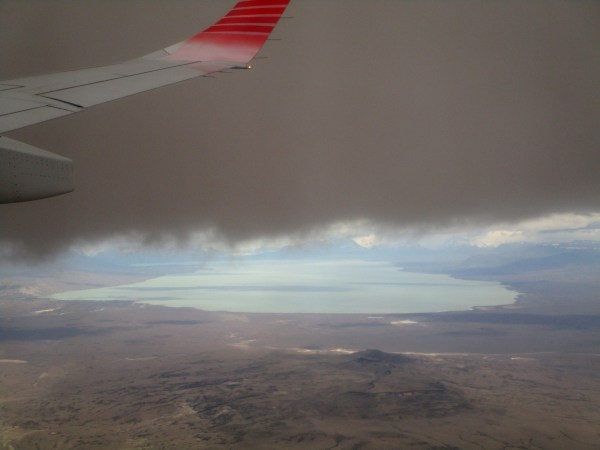
From Trelew we caught a flight to El Califarte in the far south-west of Patagonia. It was a bumpy ride as we descended through the cloud ….
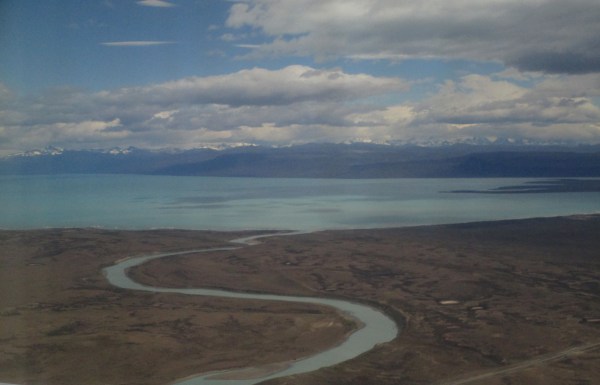
…. but the views as we came into land were spectacular.

Near to El Califarte is Largo Argentino. There was a bitterly cold gale blowing as we battled our way along the shore looking for the rare and enigmatic Magellanic Plover.
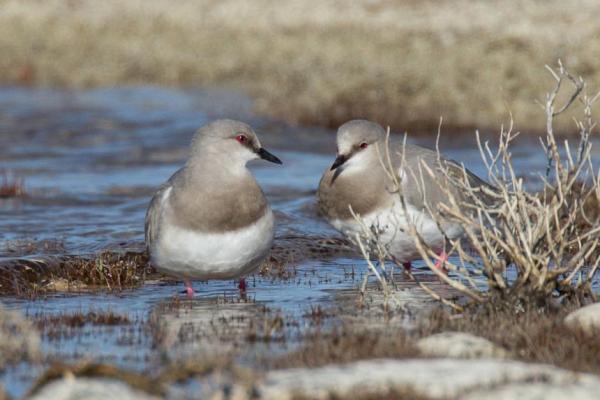
It took about an hour battling into the wind before we found a pair of Magellanic Plovers, a species so unlike all other waders that it is put into its own family. I had a camera failure that day so had to take this picture from the Internet Bird Collection. Photo by R Lewis (no relation).
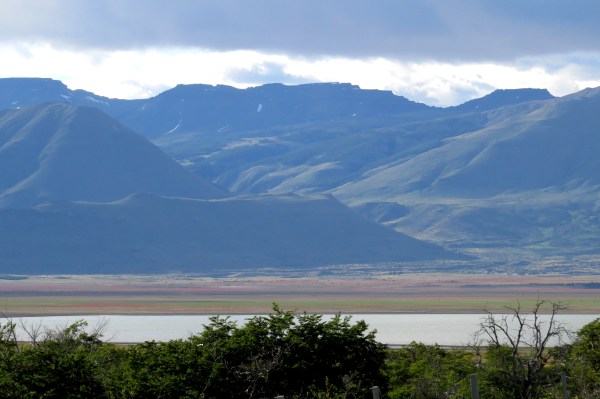
Later we drove up the hill where we had a commanding view of the lake, it was more sheltered here and we were able to get good views of Grey-breasted Seedsnipe, and a small rodent called a Tuco Tuco

The following day conditions had improved as we headed for the incredibly scenic Glacier National Park.

On route we had good views this juvenile Black-chested Buzzard Eagle

…. and these Black-faced Ibis.
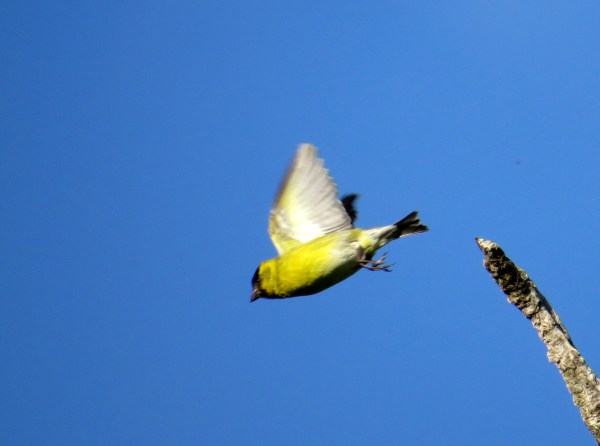
We saw our first Black-chinned Siskin on the edges of the forest.
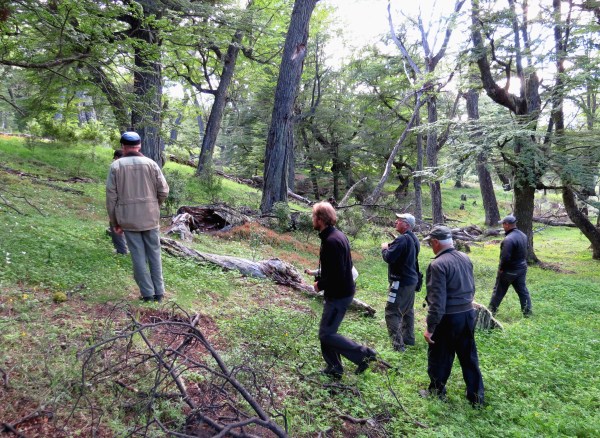
As we approached the Andes the endless Patagonian steppe gave way to Southern Beech forest. These Nothofagus forests are very interesting as species in the same genus also occur in Australia and New Zealand and fossils have been found in Antarctica, showing that they were widespread when all those land masses were joined together as Gondwanaland.
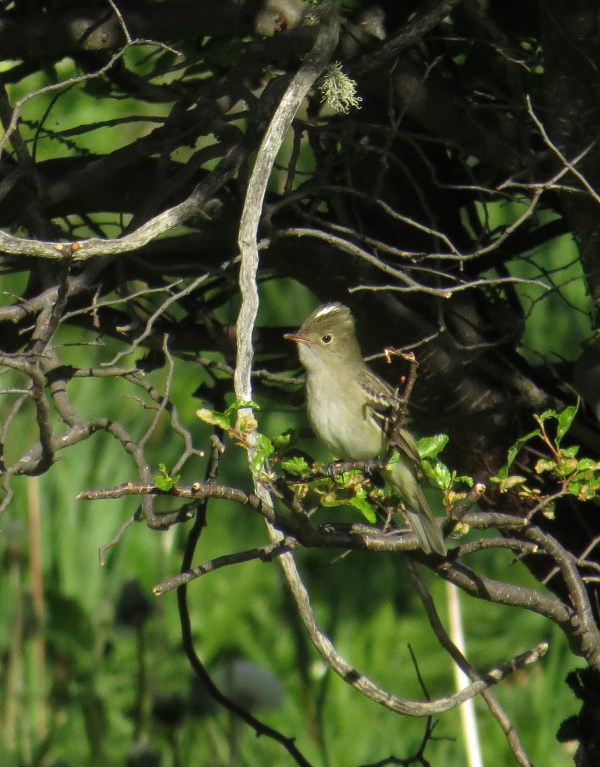
Chilean Eleanias, with their erectile white crests, were quite common ….

…. but we only saw a pair of White-throated Treerunners, a funarid restricted to the southern beech forests.
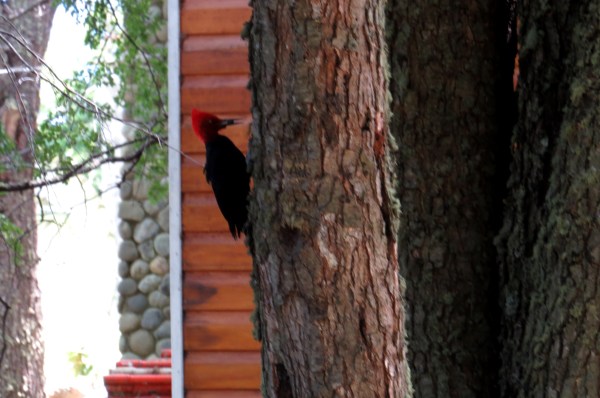
However the highlight of these cool temperate forests was the pair of Magellanic Woodpeckers, one of the largest woodpeckers in the world. This male showed rather briefly but ….

…. but the equally enormous female hung upside down on this bough for some time, allowing great views.

The area around a small and largely overgrown marsh was quite productive with Magellanic Tapaculo (a life bird for me)
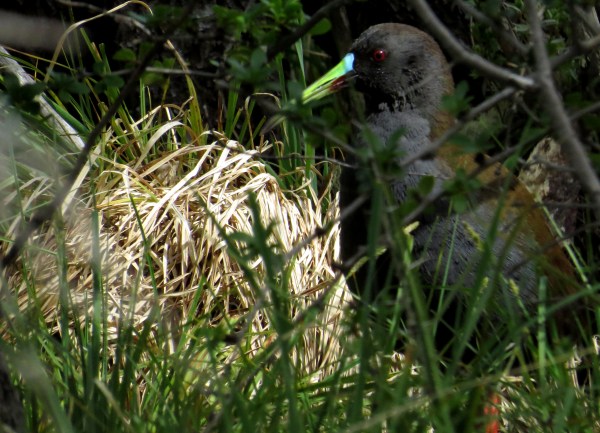
…. Plumbeous Rail ….
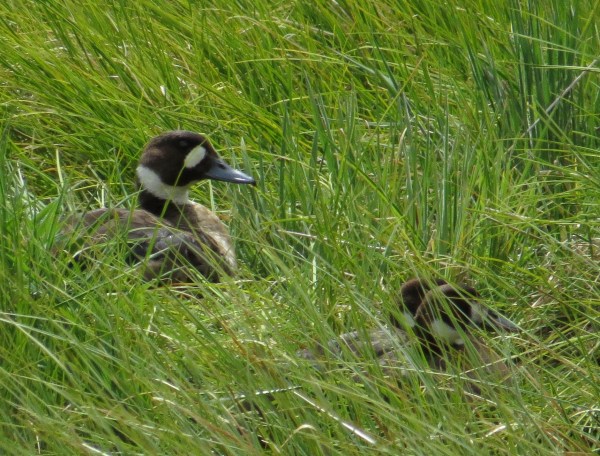
…. and the rare Spectacled (or Bronze-winged) Duck.
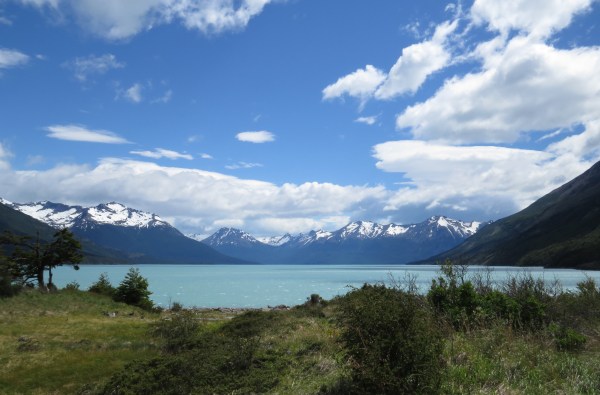
Good as the birding was it was the scenery that stole the day.

From a viewpoint some miles away you get a fantastic view of the Moreno Glacier as it spills down off the Patagonian Ice Sheet. Note the rainbow over the ice.
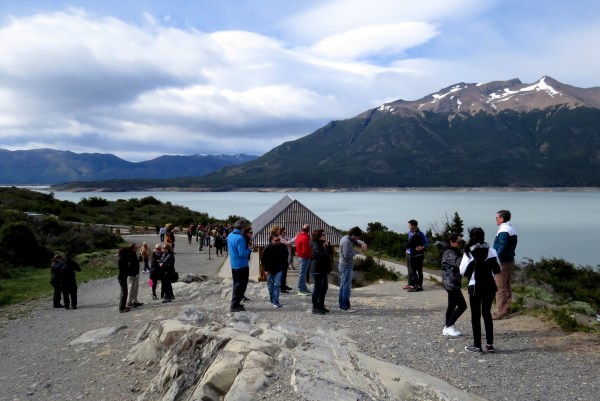
There were plenty of other tourists enjoying the view …..

…. as was the inevitable Rufous-collared Sparrow.
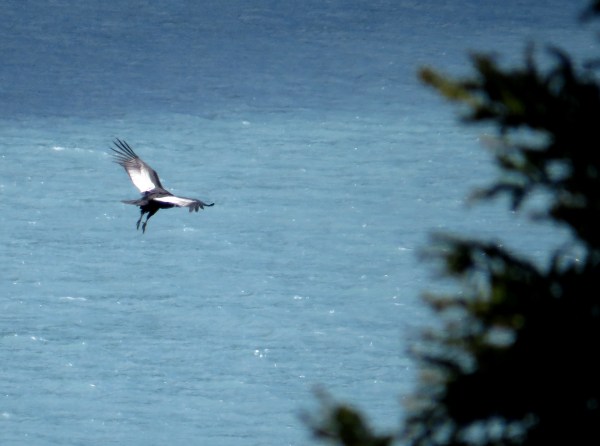
Several Andean Condors were seen in the area, it is not very often that you get to see the upperparts of this high soaring bird.

Close up the Moreno Glacier is absolutely spectacular

The lake is V shaped with the glacier reaching into the lake at the apex of the V. Over a four-year cycle the glacier expands until it touches the land, cutting the lake in two. As rivers flow into the part of the lake visible in this photo the level of this part of this lake rises by up to 20m until the water pressure undermines the glacier and a tunnel is formed. This expands until a ice arch is all that remains, in time this collapses and the cycle starts all over again.

It was a warm day with temperatures in the mid-twenties, but a freezing cold katabatic wind blew off the glacier, so air temperatures could soar just by stepping into a sheltered spot.

Where the ice is greatly compressed by the weight of the glacier beautiful blue colours are formed.
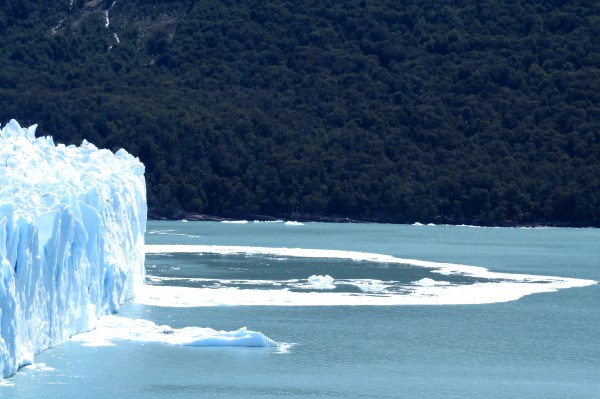
Chunks of ice were always falling off the glacier but as sound travels a lot slower than light, the ice had always fallen into the water by the time we heard the loud crack. We had just left the viewpoint when we heard a massive roar, a huge chunk of ice had fallen off as can be seen by the area of clear water in the photo above, but all we saw was a huge splash.

One of the most memorable sights in the whole trip, indeed on any trip, was when this Condor flew in front of the glacier face.
This post covers our time in Essex. Sussex and Derbyshire over the festive period plus the New Year boat trip in Poole Harbour.

The famiy spent this Christmas in Maldon, Essex with John and Anita. We traveled up on Christmas Eve but Janis and Kara arrived the day before. In the late afternoon whilst the family watched TV, I drove down to the nearby Blackwater River for a bit of birding.
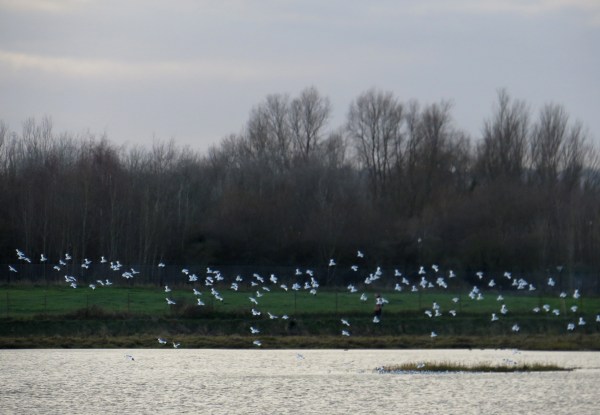
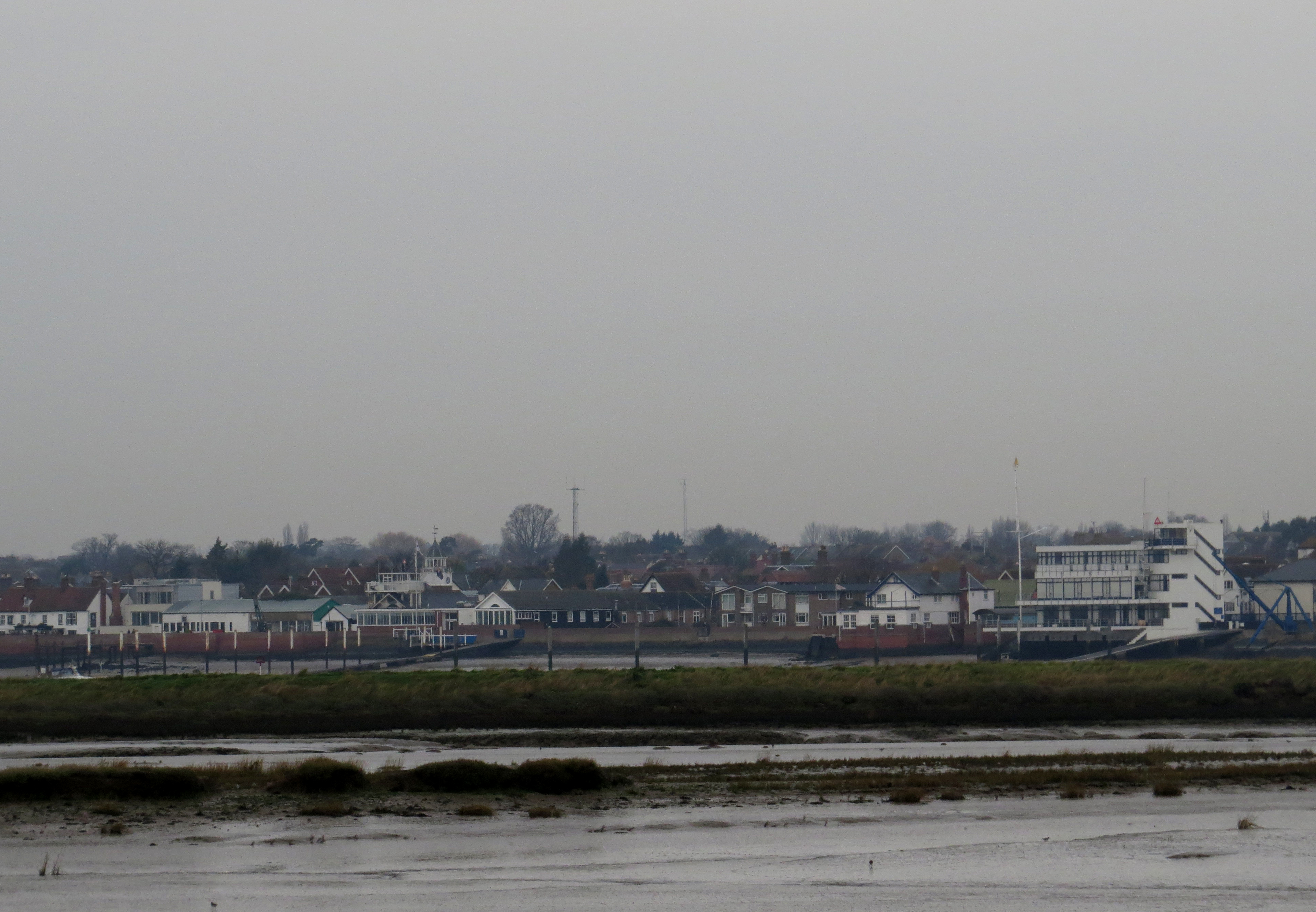
Good numbers of waders and ducks including this flock of Avocets was seen.
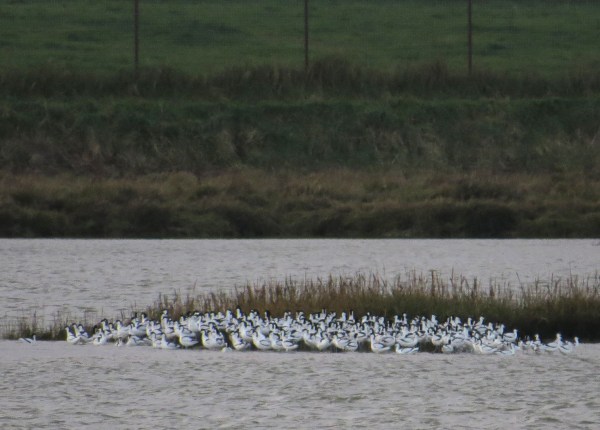
Avocets on the Blackwater River.

Christmas Day Morning – the present opening ceremony. Clockwise John, Anita, Amber, Kara, Margaret and Janis.

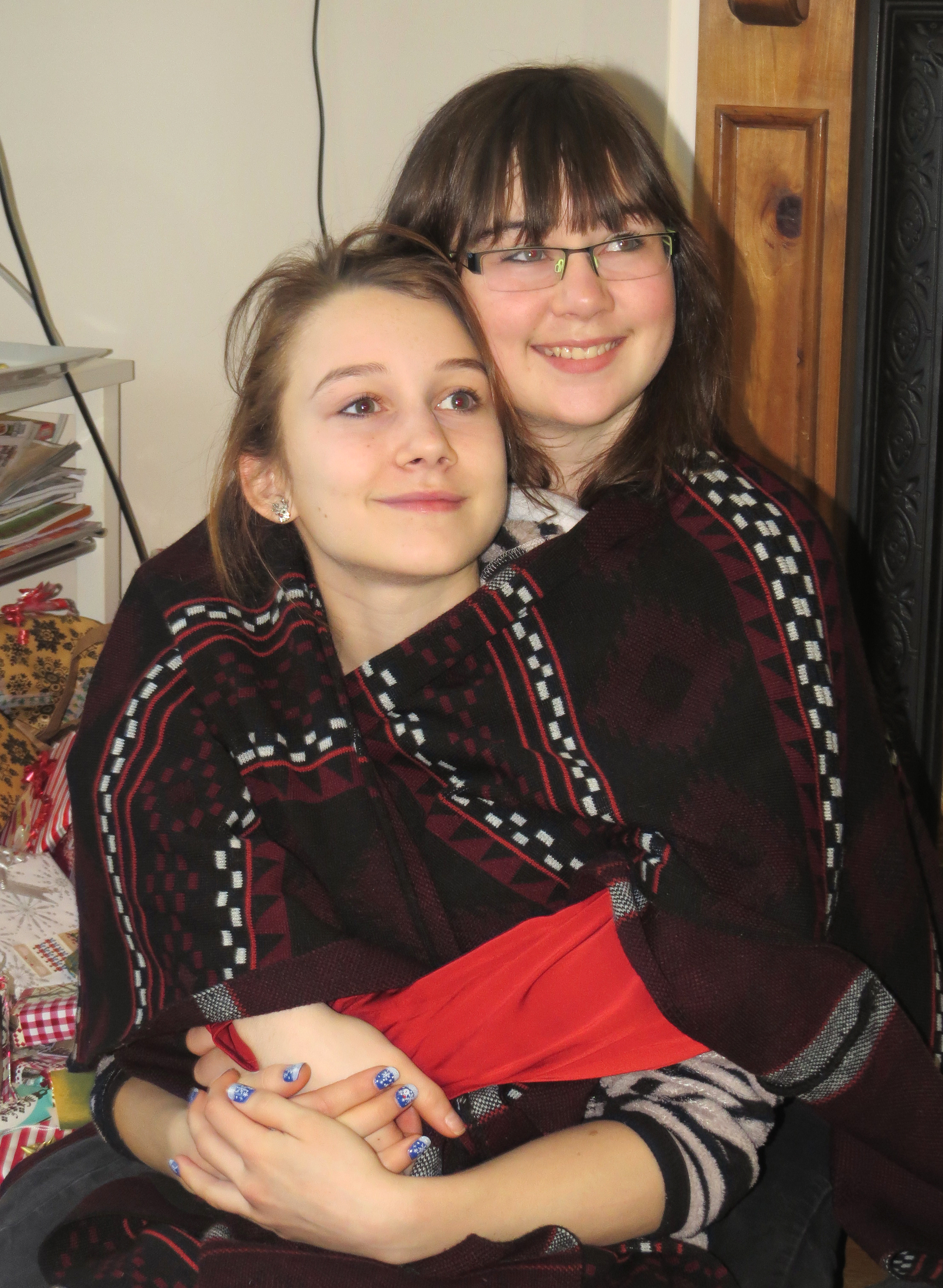
Sisters reunited. Amber has been living and working in Essex with her aunt and uncle since June, whilst of course Kara and Janis still live 100 yards up the road from us.
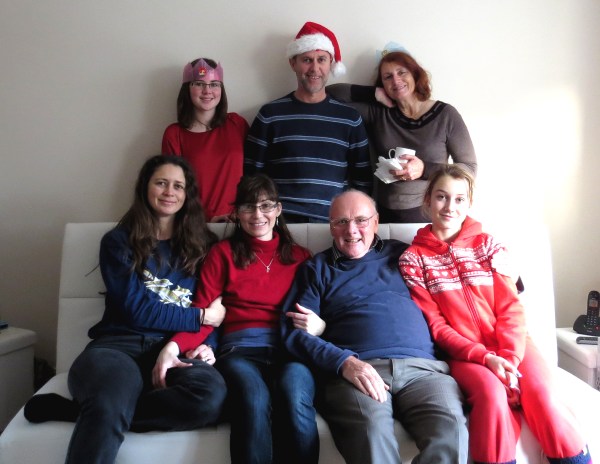
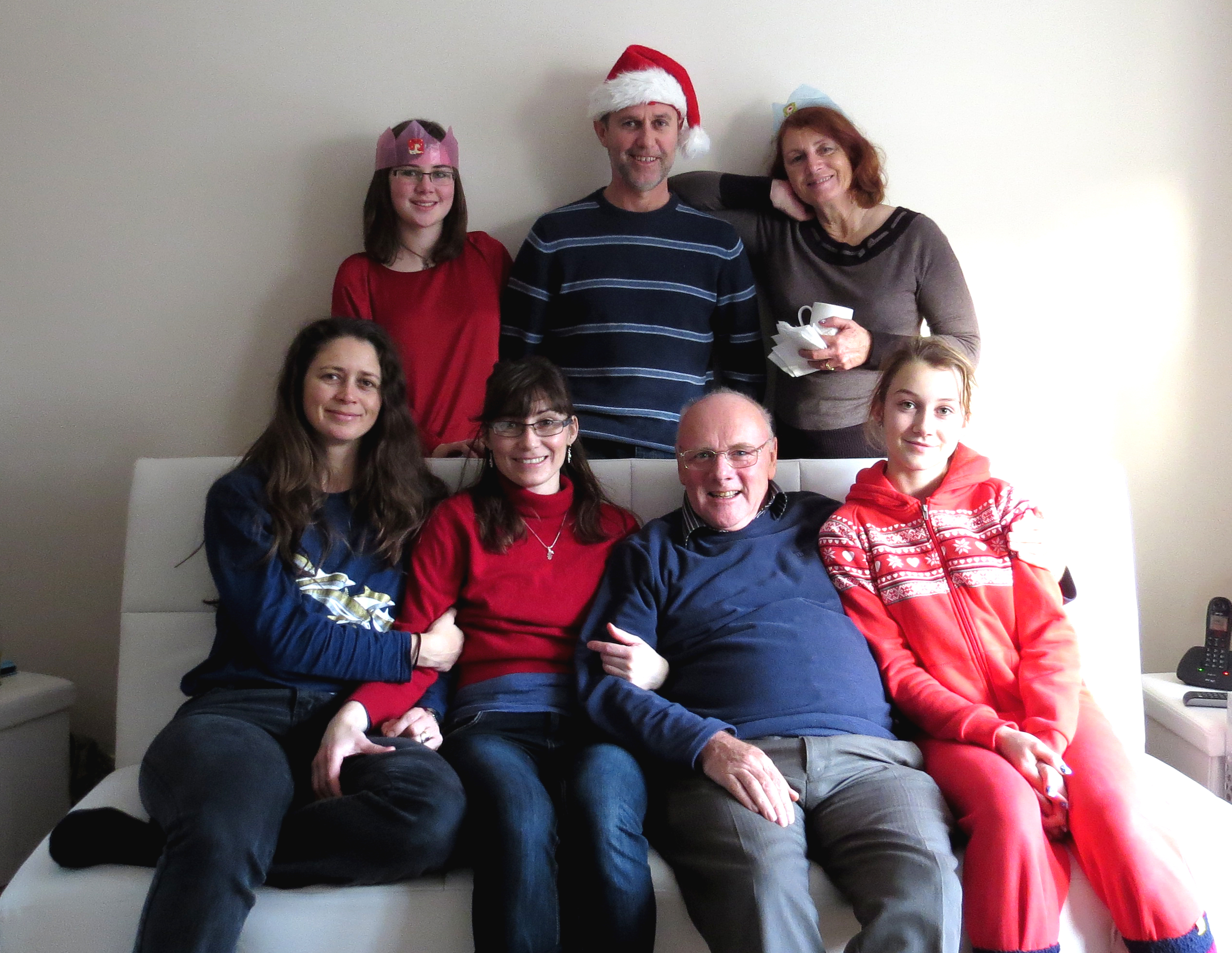
Merry Christmas from the Lewis/Dreosti family.

Kara shows off her new prom dress.

On Boxing Day morning Margaret and I drove to the new RSPB reserve at Wallasea Island, about 45 minutes to the south from Maldon.

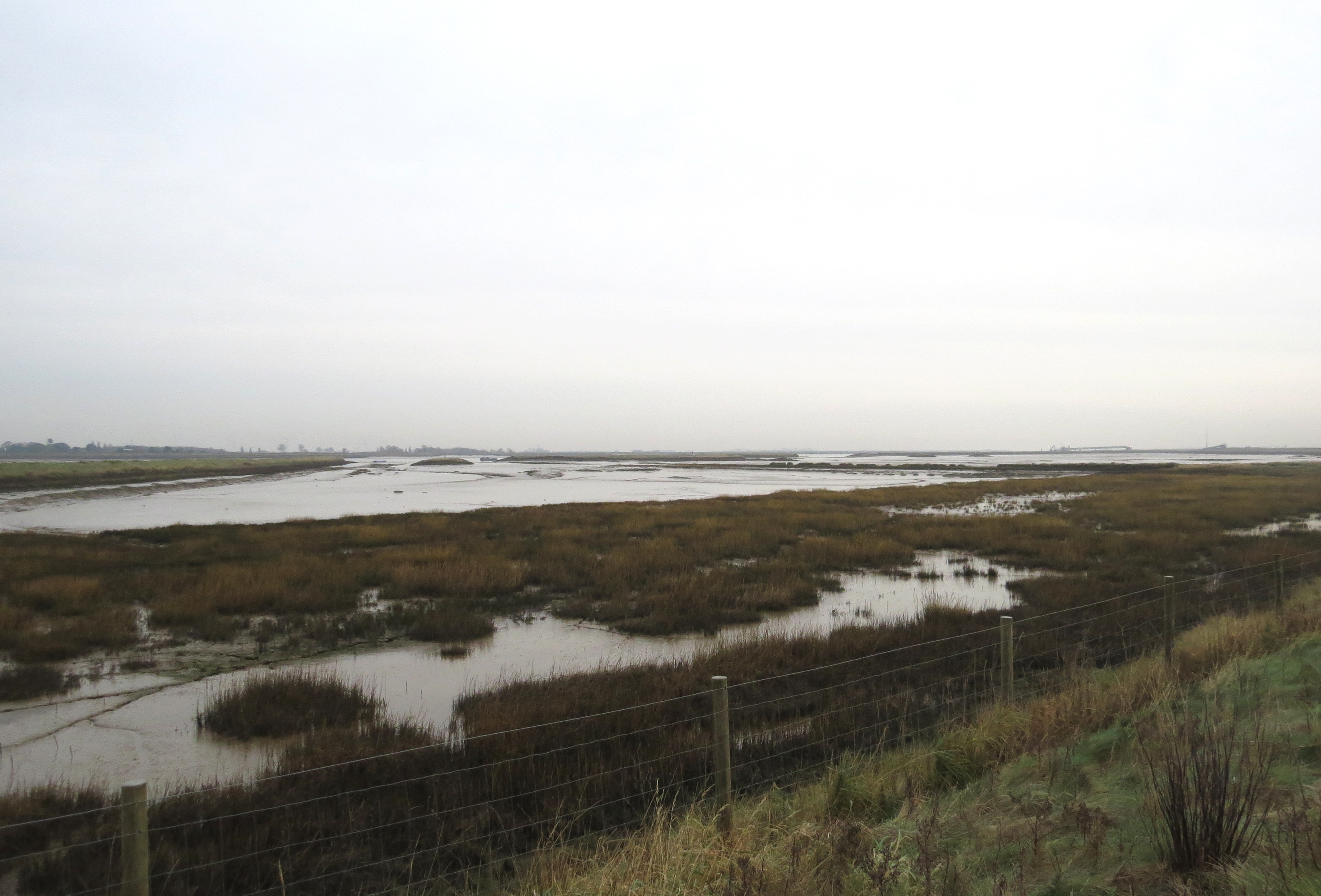
It was a grey day on the saltmarshes with the temperature hovering around freezing. There were many birds on the reserve, large flocks of Brent Geese were to be expected but it was the large numbers of Corn Buntings and Stock Doves (both relatively scarce in Dorset) that impressed me. We also saw up to four Marsh Harriers, a Peregrine, Merlin, Sparrowhawk, Short-eared Owl, Common Buzzard and several Kestrels but not the hoped for Rough-legged Buzzard.

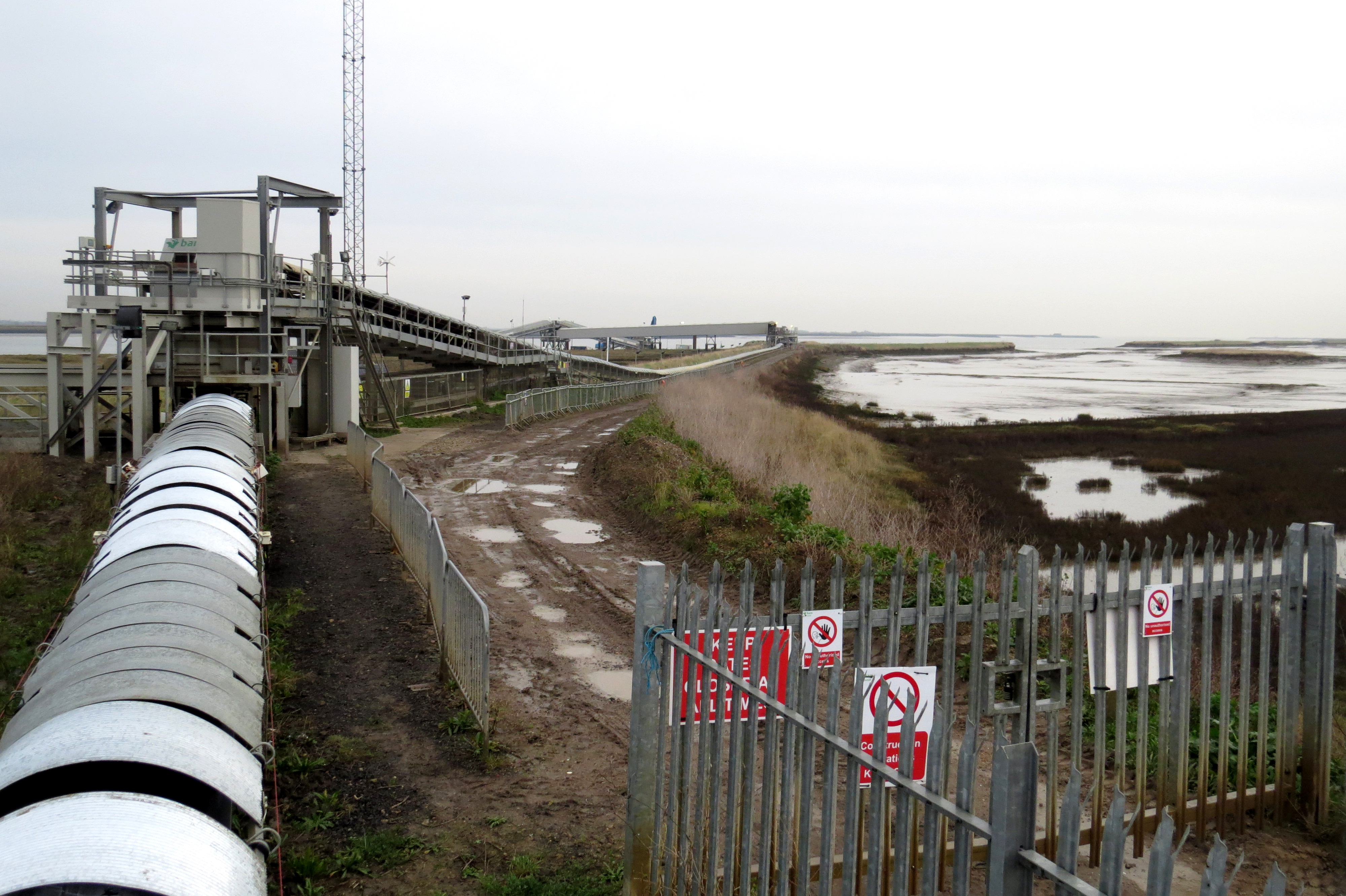
The reserve is undergoing a major development. Using spoil from the Crosslink rail project the land is being raised whilst basins are being created elsewhere. When completed the seawall will be breached in places allowing the basins to flood, so producing a mosaic of tidal lagoons, saltmarsh and rough grazing. The conveyor belt in the photo above is where the spoil extracted from beneath London is brought ashore from barges.
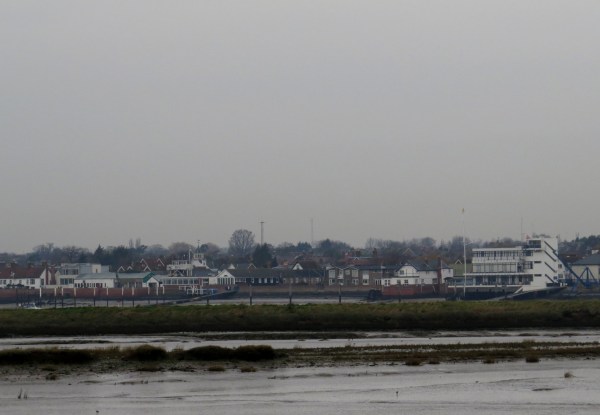
Across the river from the reserve is the town of Burham-on-Crouch. Whenever I see that name I am reminded of the excellent, if saucy song ‘Billericay Dickie’ by Ian Dury ‘Oh golly, oh gosh come and lie on the couch with a nice bit of posh from Burnham-on-Crouch’
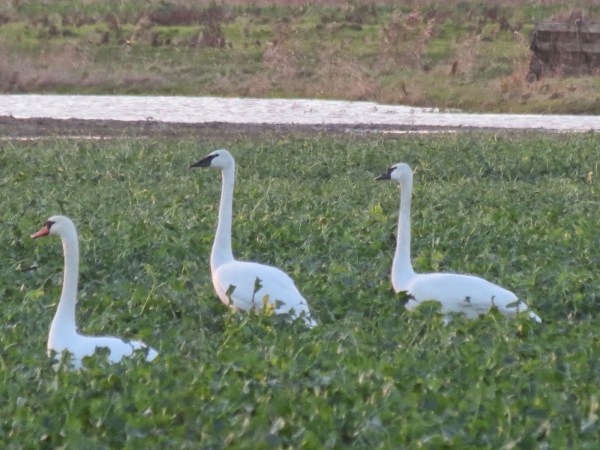
On the 27th we left Essex and headed north to my brother’s place in Duffield, near Derby. On route we stopped at two sites in Suffolk, the RSPB reserve at Boyton and the famous archaeological site of Sutton Hoo. My reason for going to Boyton was to see the two Trumpeter Swans that have been present for the last couple of weeks, one of just five waterfowl species in the world that I have yet to see.
There has been some discussion at to whether these birds are wild or escapes from captivity. Arguments for them being wild are 1) they are unringed 2) the species is increasing rapidly in numbers in the USA due to re-introduction schemes 3) the species is partially migratory 4) there have been severe storms on the east coast of the States which may have induced dispersal out to sea 5) when they first arrived some staining, possibly iron oxide, was seen on the head, something that has been noted on Whooper Swans from Iceland and 6) another large bird from USA/Canada has occurred in the very same area – a Sandhill Crane in 2011. Arguments against are 1) they are adults, the vast majority of vagrants are first years 2) although the species is partially migratory, no really long distance movements have been noted and the swan is not found on the American east coast. The nearest population on the Great Lakes only makes short distance movements to ice free areas in winter and 3) they have arrived on the east coast when you would expect vagrants from America to arrive on the west coast or in Ireland, 4)the comparison with the Sandhill Crane is not really valid as that bird was a first year and had already made landfall in Scotland before moving south in stages, a pattern shared by the previous Sandhills in Britain.
There is almost always a case for and against a particular American vagrant being wild. If we were to give Chimney Swift, an undoubted vagrant, a score of 10 and Harris’s Hawk, a common falconer’s bird and a frequent escape, a score of 1, then I would allocate the Trumpeters a score of 4. Am I going to add them to my British list or my World list – no, am I glad I went to see them – yes, but only because I was in the area anyway.

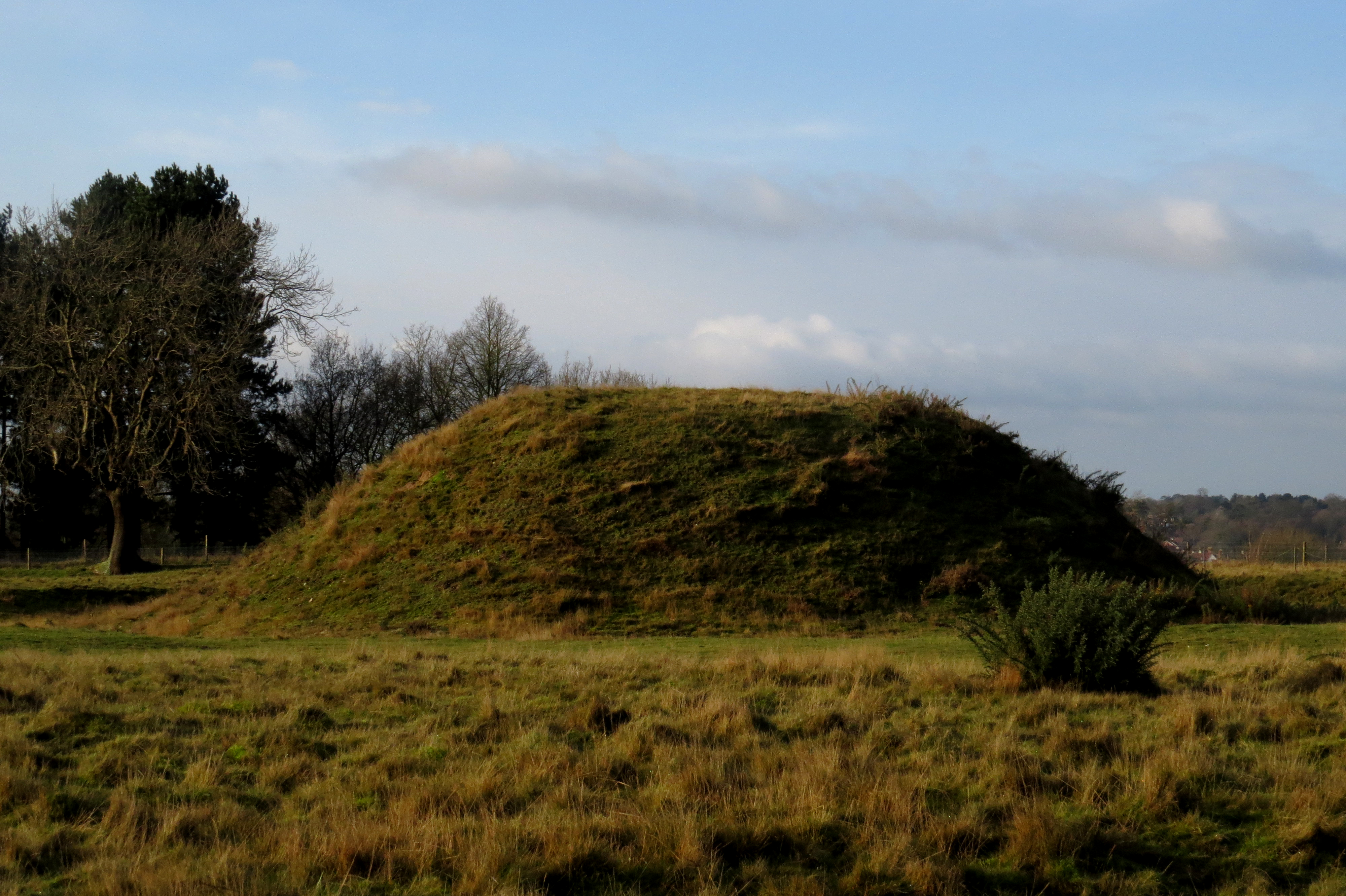
By the time we reached the nearby Sutton Hoo archaeological site of Sutton Hoo the weather had improved. In the late 30’s burial mounds on the site were excavated, many had already been plundered by grave robbers but one was intact and proved to be a ship burial of a Saxon noble, probably King Raedwald who died about 625 Ad..

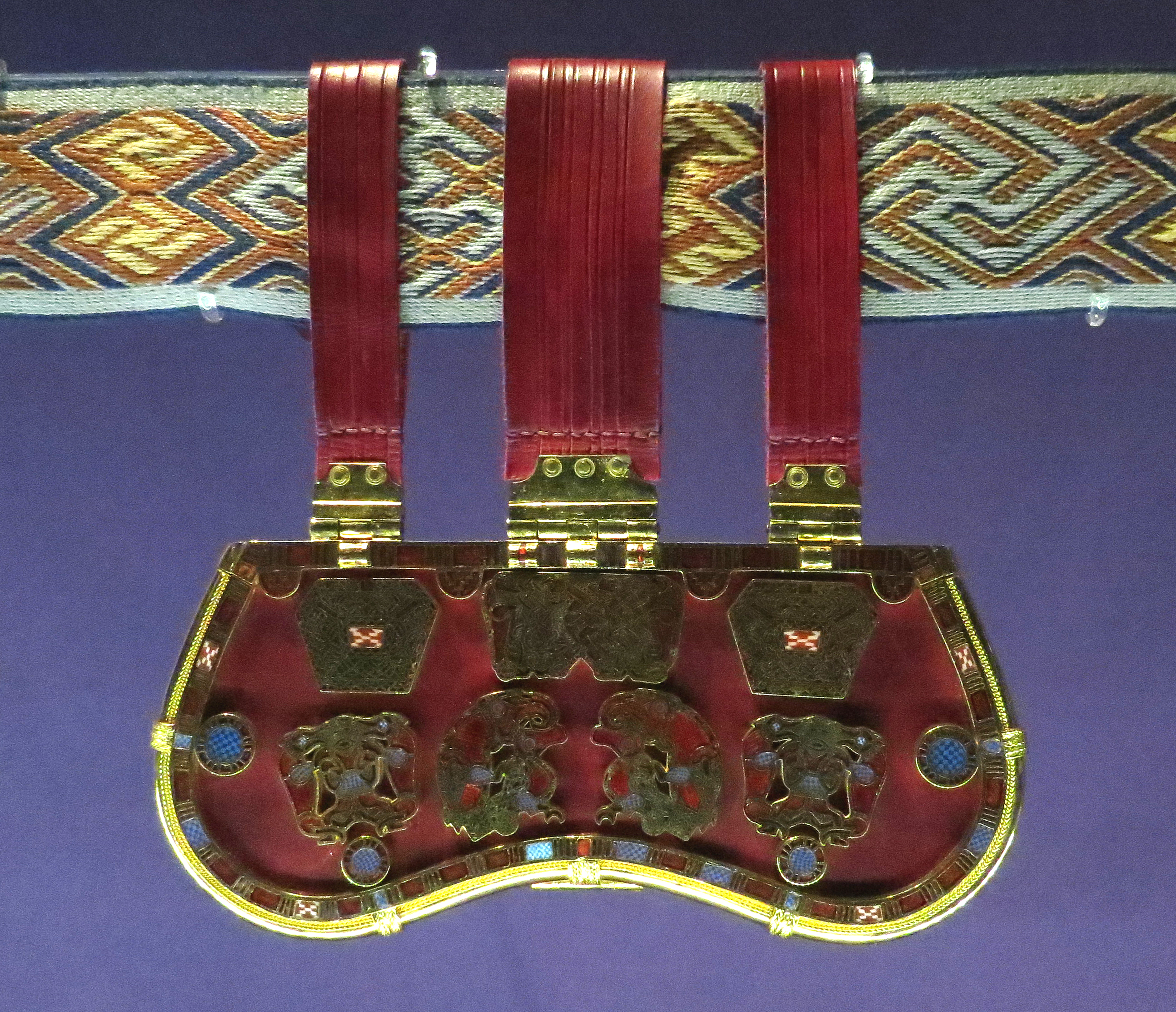
The grave was full of the most wonderful treasures, which are now in the British Museum, but replicas of some are on show at Sutton Hoo. Saxon’s are often thought to be uncivilised people from the ‘Dark Ages’ but these burial goods have shown they could produce the most wonderful artifacts like this gold and enamel purse ….

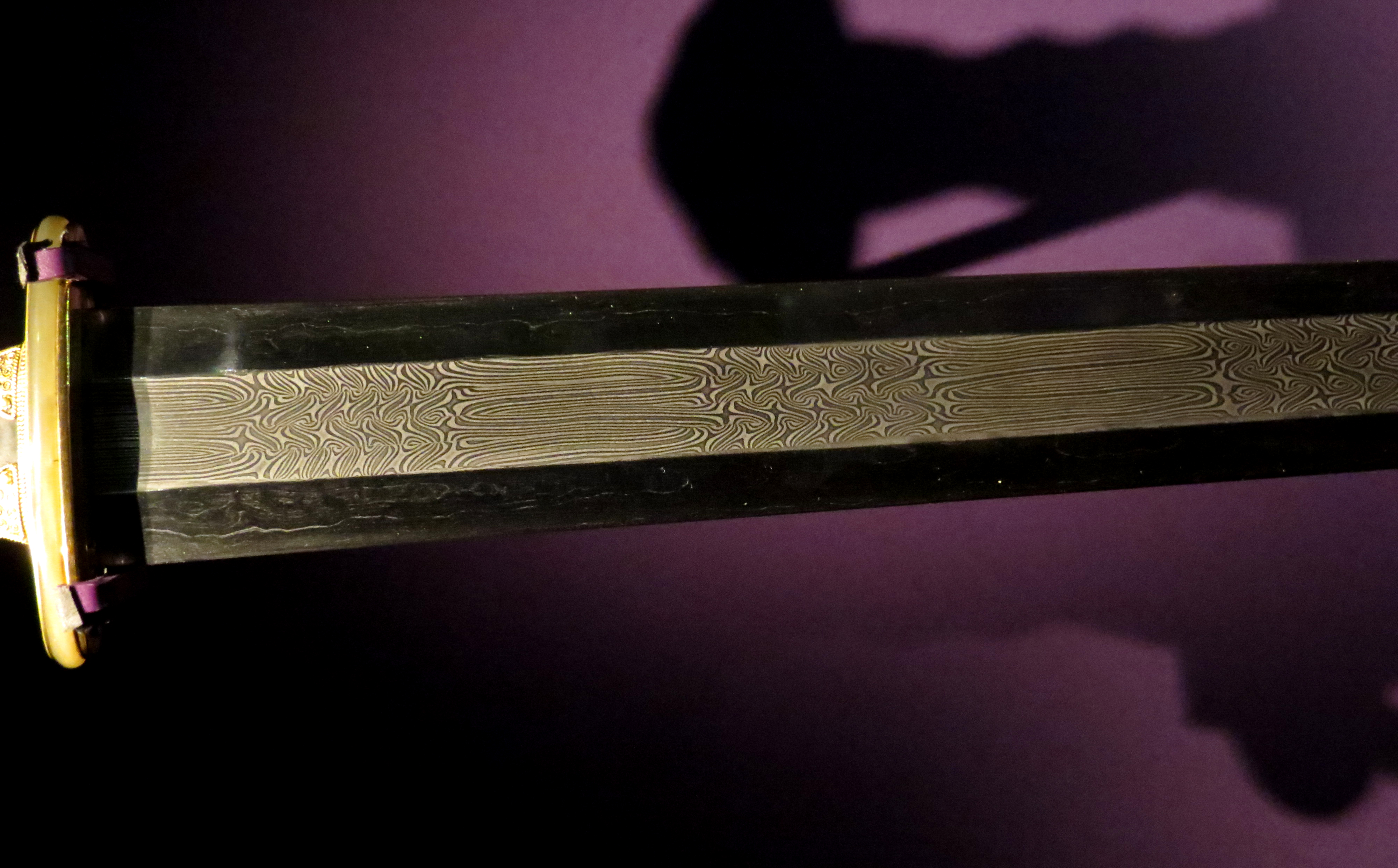
…. the fabulous metalwork of this sword ….

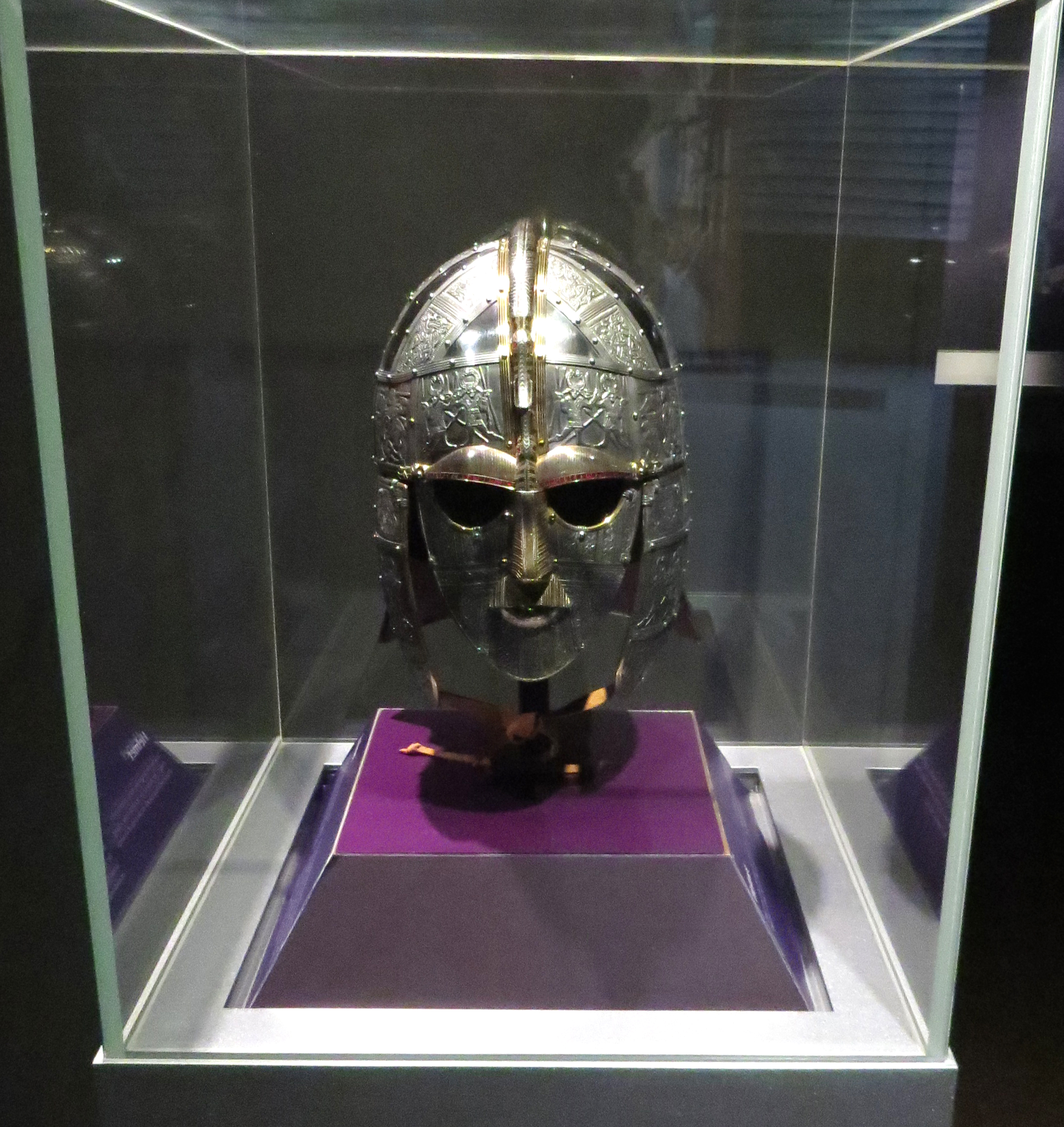
…. or this helmet.

The visitor centre had a recreation of the ship that the king was buried in. His body was laid out surrounded by the goods that he would want to use in the afterlife.
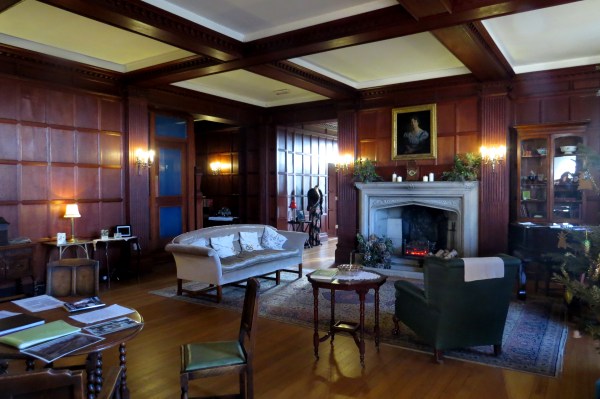
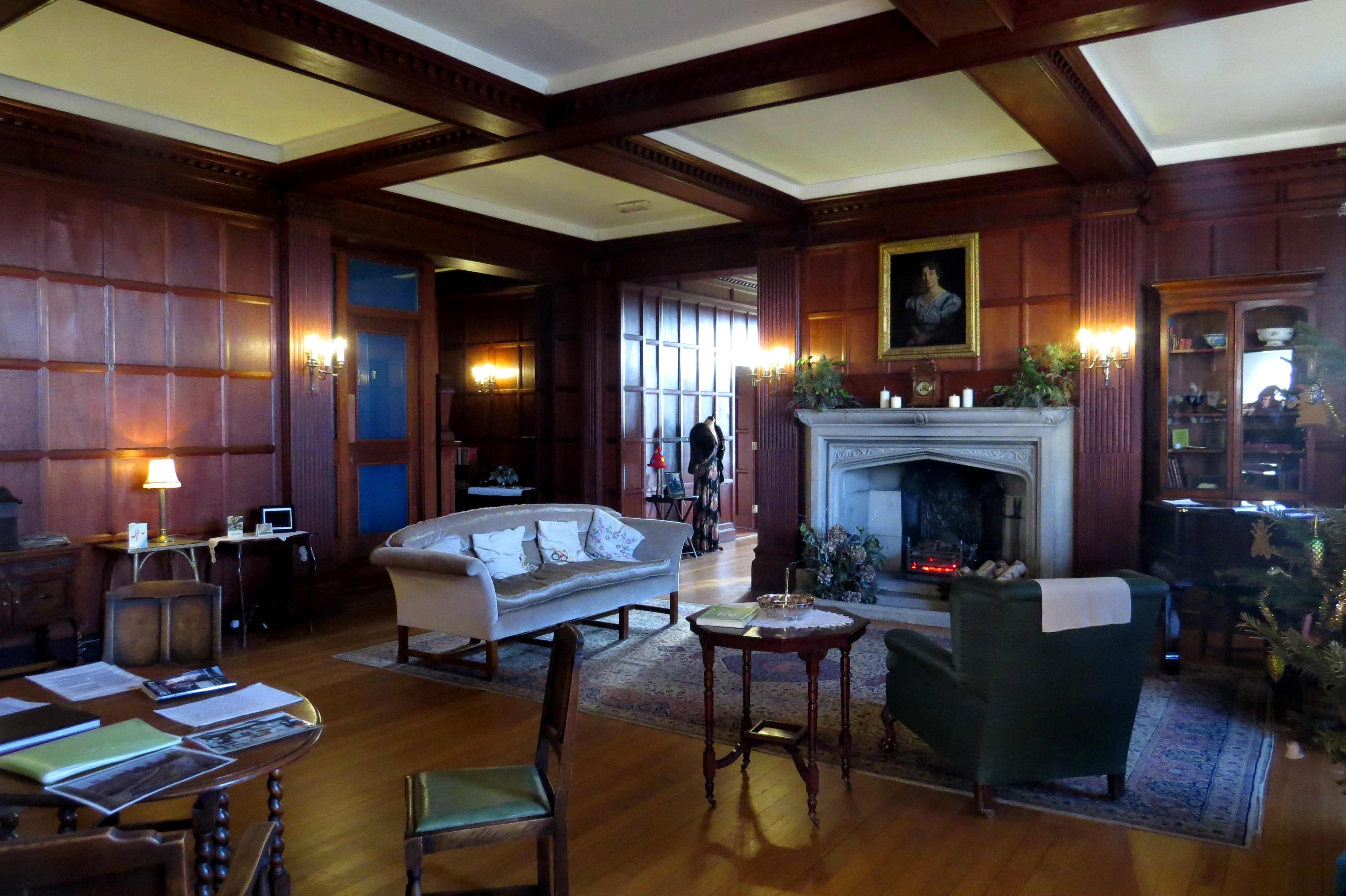
One floor of landowner’s Edwardian Manor House has been preserved as it was at the time of the excavations.

When we arrived in Derbyshire we found that the rain we experienced in East Anglia had fallen as snow further north. The following day we drove north into the Derbyshire Dales and found a picture postcard landscape.

Our destination was the scenic Carsington Reservoir where we saw some great birds, a pair of Bewick’s Swans and a flock of 300 Pink-footed Geese flying between their wintering grounds in Norfolk and Lancashire.
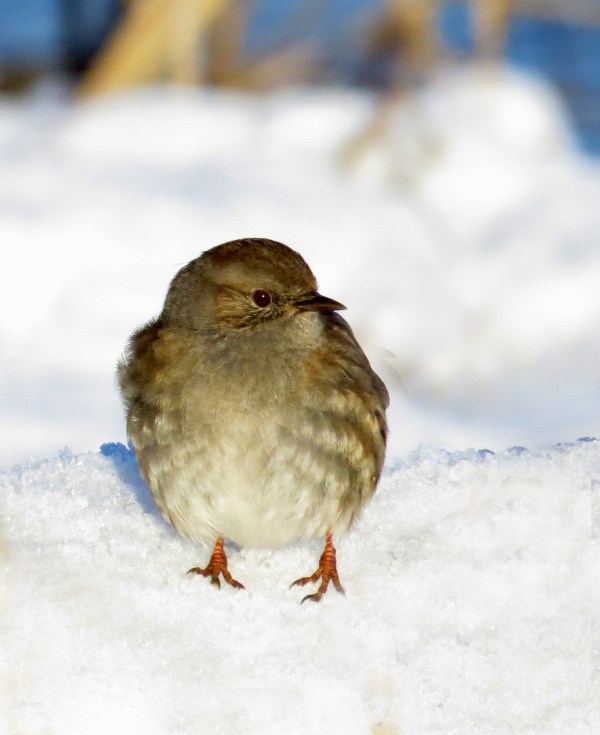
With the cold conditions plenty of birds, such as this Dunnock, were coming to feeders.
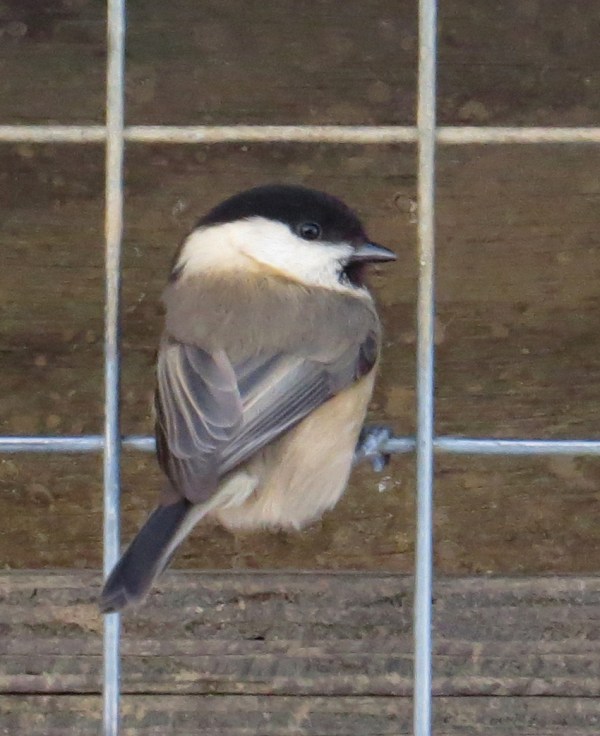
I was particularly pleased to get views of Willow Tut, a species that has long been extirpated from Dorset.

These two photos show several of the subtle features that separate Willow Tit from the similar Marsh Tit. Willow Tits have a duller crown, thicker neck, a pale wing panel, a more diffuse border to the bib, a subtle gradation from the cheeks to the side of the neck, lack of a pale patch at the base of the bill and a smaller difference between the length of the longest and outermost tail feathers. In spite of all these fine pointers the best ID features remain the vocalisations.

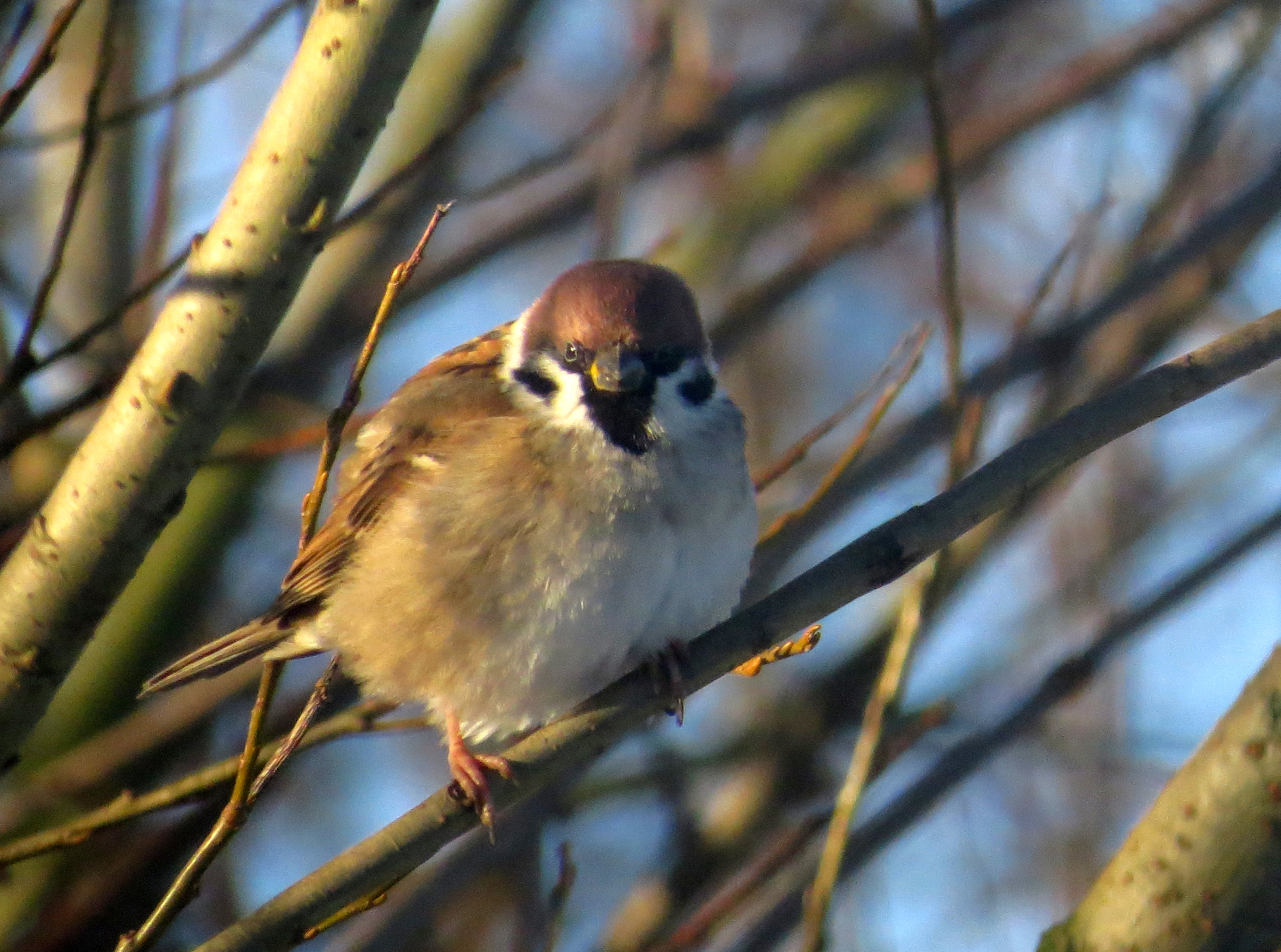
Another bird that we seldom see in Dorset but which is delightfully common at Carsington, is Tree Sparrow.
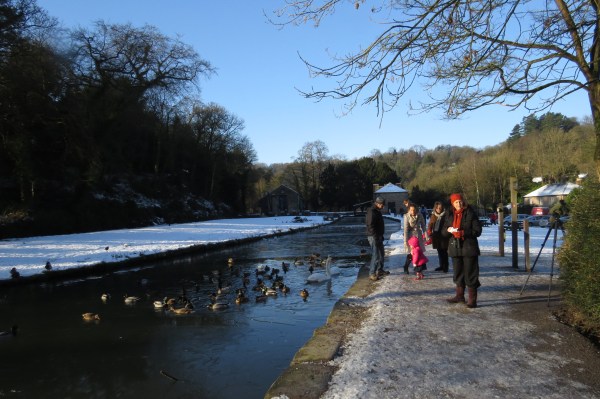
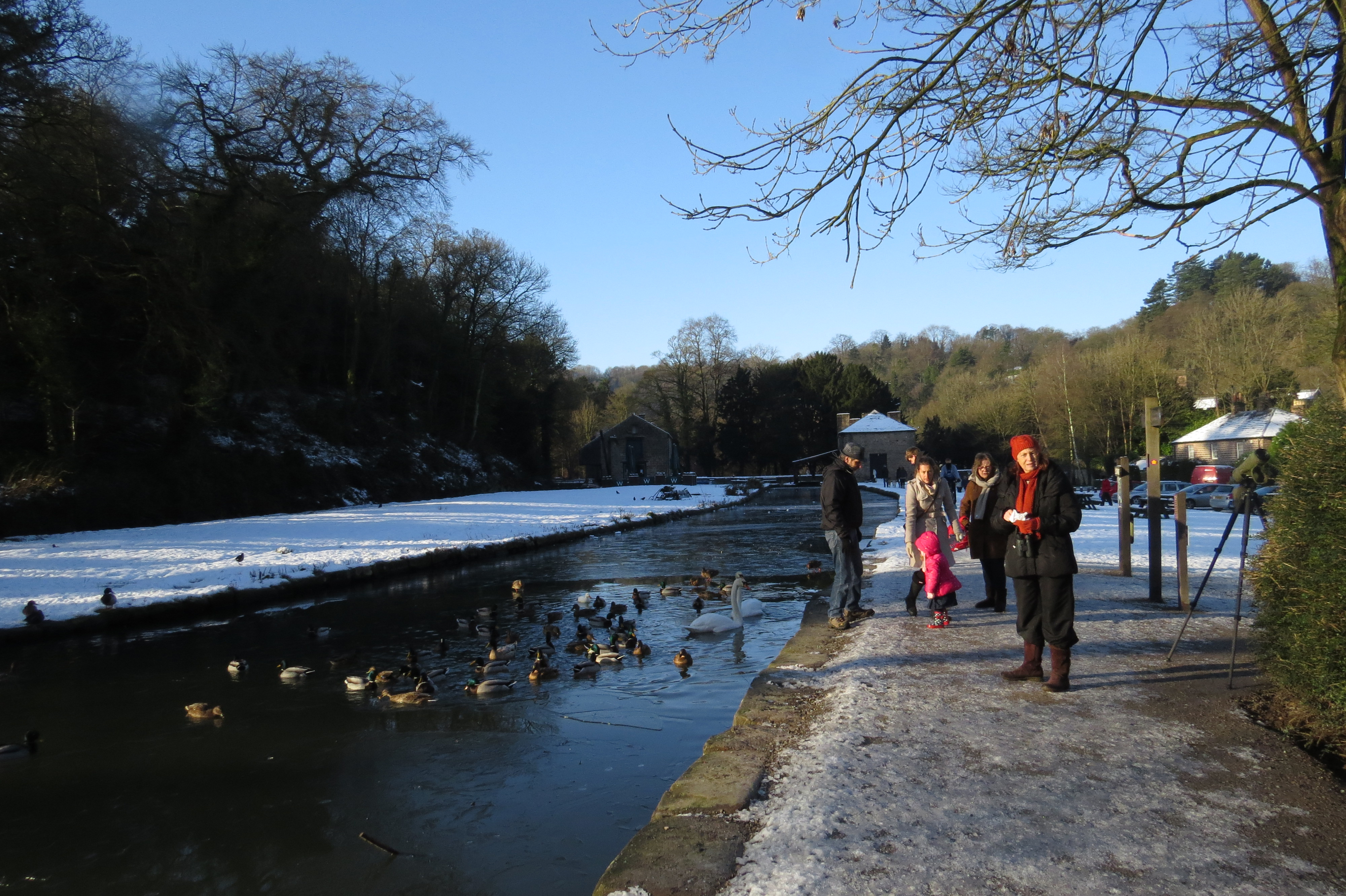
Later we went to the nearby Cromford Mill, a site where Hawfinches are often reported but are never there when I visit. This actual mill is considered to be the birth place of the industrial revolution. The canal which once brought materials to and from the mill is now a pleasant place for a walk or a spot to feed to feed the ducks.

During our time in Duffield we spent some time with my brother and his family and also visited several of my old friends. We picked up my old school and Uni mate Nigel (sat next to Margaret) and visited friends from school and also Di who was at University with me and her husband Steve.

We didn’t do anything to celebrate New Years Eve and just ended up seeing the New Year in by watching the Queen concert and the fireworks on the telly.

We are very thankful to Mark and Mo Constantine for putting on their annual bird boat around Poole harbour on New Year’s Day. About 65 birders took up their kind offer and we had a good social as well as some good birds. Only a few are in this shot as most are upstairs enjoying the birding upstairs.

Poole Quay was busy and parking places hard to find due to the crowds watching the annual New Years Day raft race which seemed to involve all contestants getting thrown into the water.

It was a very low tide and the boat couldn’t get around all the islands as a result we didn’t visit the area to the west of Brownsea which often holds interesting ducks or Arne where most of the Spoonbill flock hangs out. However we did see this Spoonbill near the boat near Ower Quay. Not being able to complete the circuit was to our advantage as when we retraced our steps we came across a Black Guillemot near Brownsea Castle. This is the first time I’ve seen this species in Poole Harbour. I didn’t get any photos but some along with another account of the bird boat have been posted on Steve Smith’s excellent blog at http://BirdingPooleHarbourandBeyond.blogspot.co.uk

After the boat docked Margaret and I drove round to North Haven and the mouth of Poole Harbour where in spite of the crowds going for a New Year’s Day walk these Purple Sandpipers were dodging the incoming waves.

An arctic breeder ‘purps’ winter on rocky shorelines, in Dorset this means they are seldom seen away from Mudeford Quay at Christchurch, the North Haven in Poole, Portland Bill and the Cobb at Lyme Regis.
This the fourth update from Argentina and covers our time on the Valdez peninsula and at Punto Tombo a short distance to the south.

We arrived at Puerto Piramides on the Valdez peninsula mid afternoon on the 28th and straight away boarded a whale watching boat similar to this.
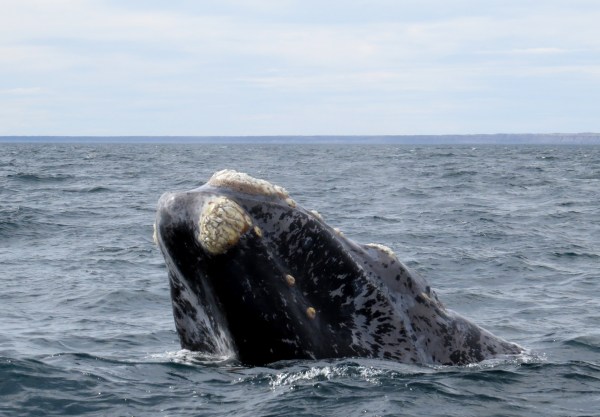
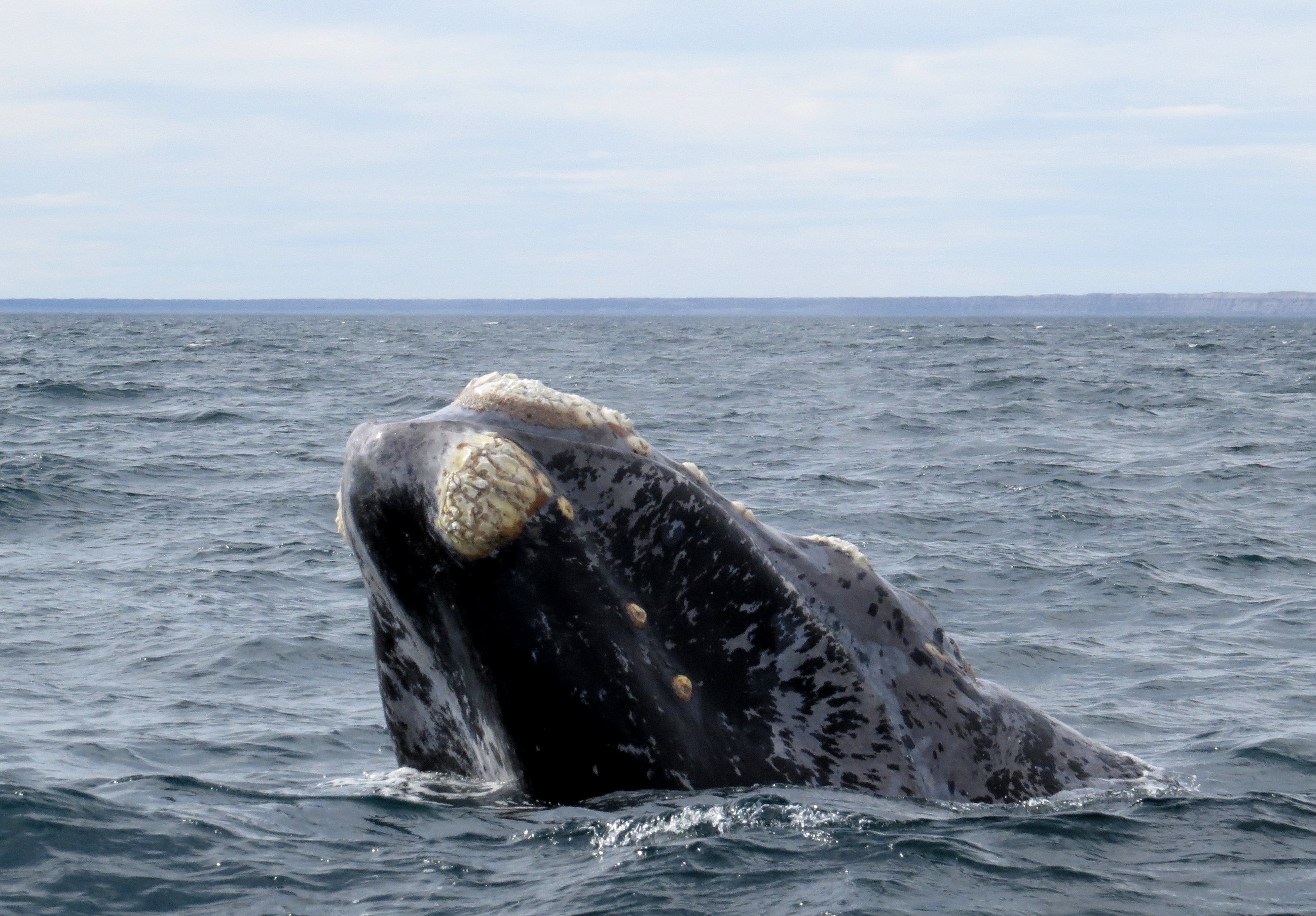
There are two large sheltered bays on the Valdez, both are calving and mating grounds for large numbers of Southern Right Whales (so called because being slow and floating when dead they were considered the right whales to hunt). The whale watching boats only operate in the southern bay, the whales often approach the boats quite closely allowing great views.
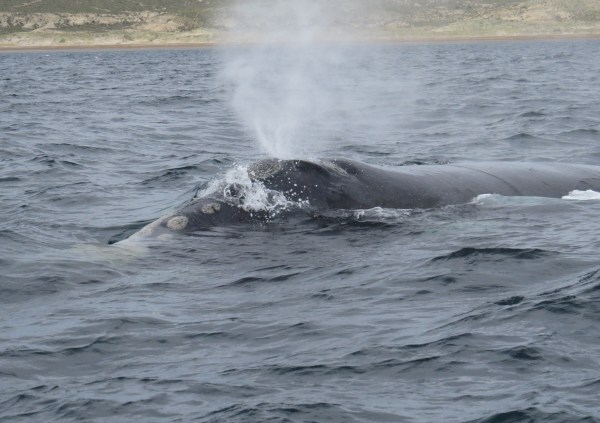
We had at least four whales close to the boat including two calves and at about 25 were seen throughout the bay.
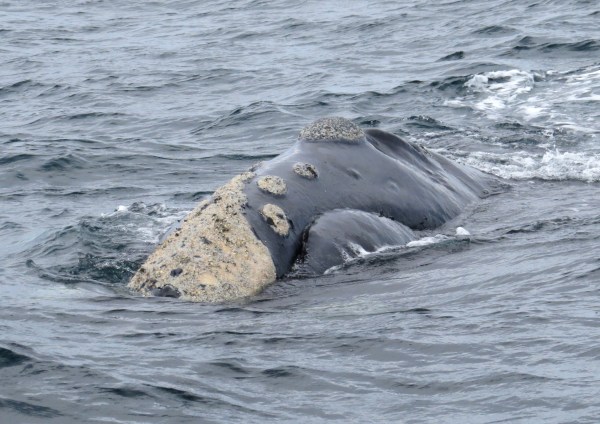
The head and upper jaw of the Southern Right Whales are covered with areas of thickened tissue known as callosities which are even present on the young calves.

We were on a boat with about 30 other tourists (thousands of tourists visit the Valdez each year to see the whales) our leader Mark and participant Jim climb to the lookout platform ….
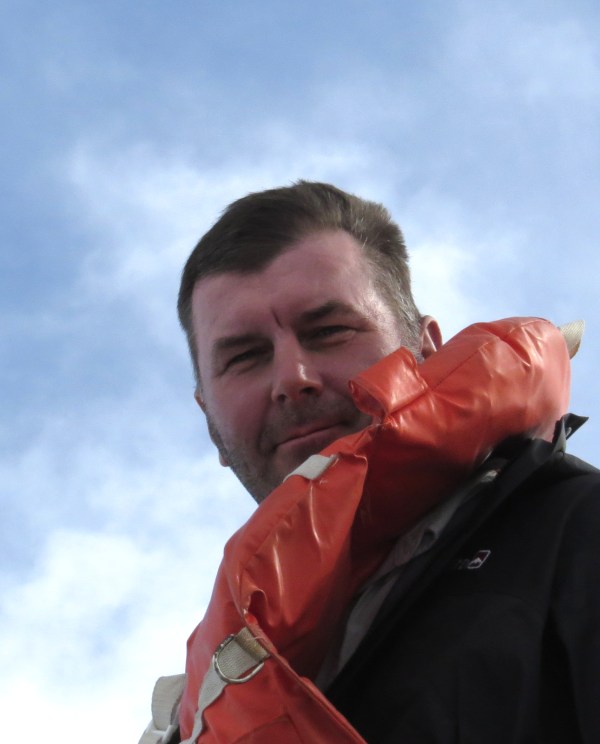
…. but the captain neglects to tell them that he was returning at speed so they have to hang on for their lives.

The following day we drive around the rugged coast of the Valdez.

Unfortunately the wind was very strong, at least F7 probably gusting to F8 and it was impossible to stand in the most exposed places let alone use binoculars or a scope.

We were able to see this haul out of young Southern Elephant Seals on the south east corner of the island but it was so windy that we beat a hasty retreat.
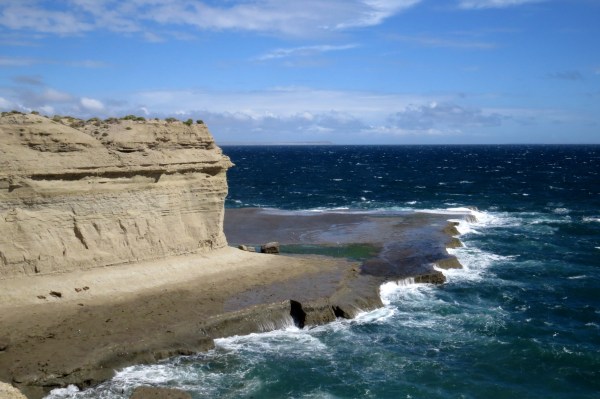
We continued north but ……
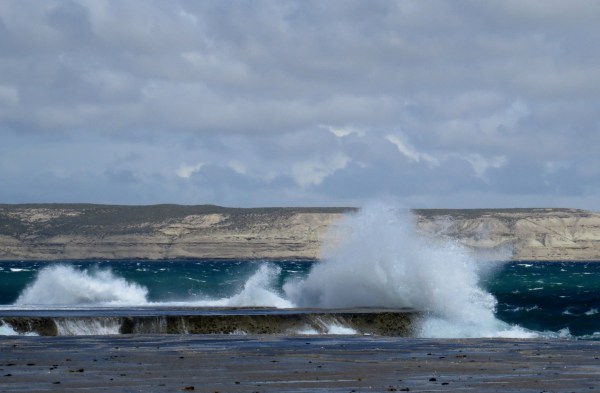
…. conditions weren’t much better.
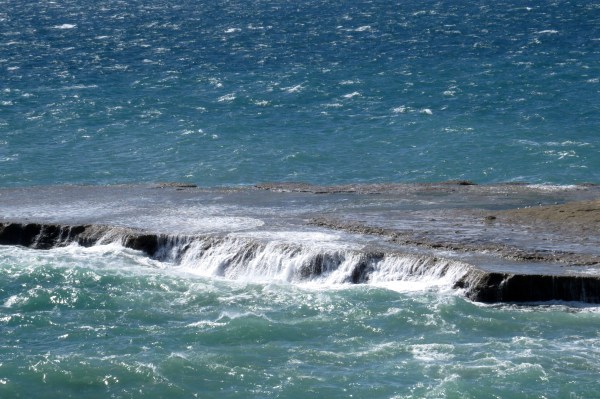
Again only a brief visit was made to this lookout ….

…. however we had more success at this sheltered bay. Good numbers of Elephant Seals and a few birds were seen here, however last year the tour watched a party of Orcas (Killer Whales) and one took a seal pub by beaching itself as seen on Attenborough documentaries- no such luck this year.
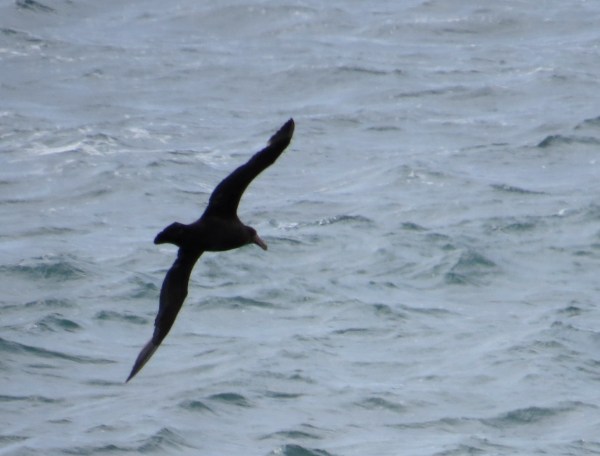
There were a number of Southern Giant Petrels in the area, major scavengers, they can often be seen around seal colonies.

In spite of the vicious wind, this Patagonian Yellow Finch perched nicely in front of us

A little inland we saw lots of Lesser (or Darwin’s) Rheas …..

….and these Pacas, large hare-sized guinea pigs with white mini-skirts. Unfortunately I was unable to open the window of the bus by my seat and getting in and out was a nightmare due to the wind blowing the door out of your hands, so this photo and that of the rheas had to be taken through the glass.
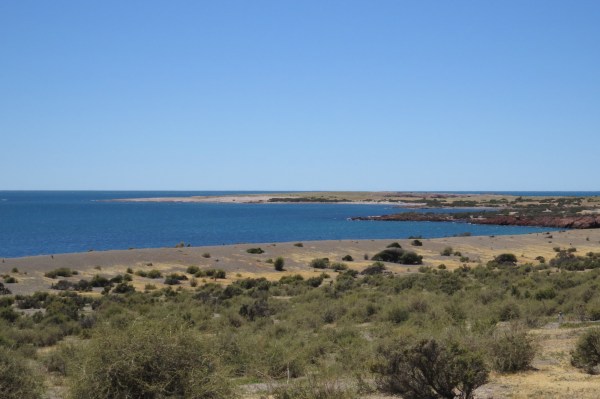
The following day we left the Valdez and drove south to Punto Tombo, a reserve near Trelew.

Access through the colony is by means of a boardwalk, this allows the penguins to waddle underneath in places, so it is possible to get very good views without getting in their way …. well that’s the theory.
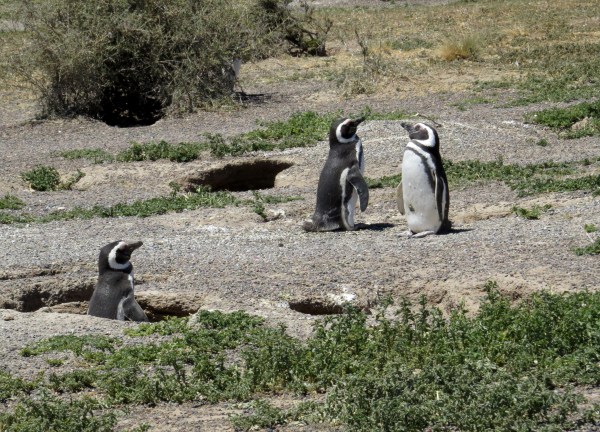
Although there are a million penguins in this colony they are spread out over a huge area and not packed together like some of the Antarctic species.

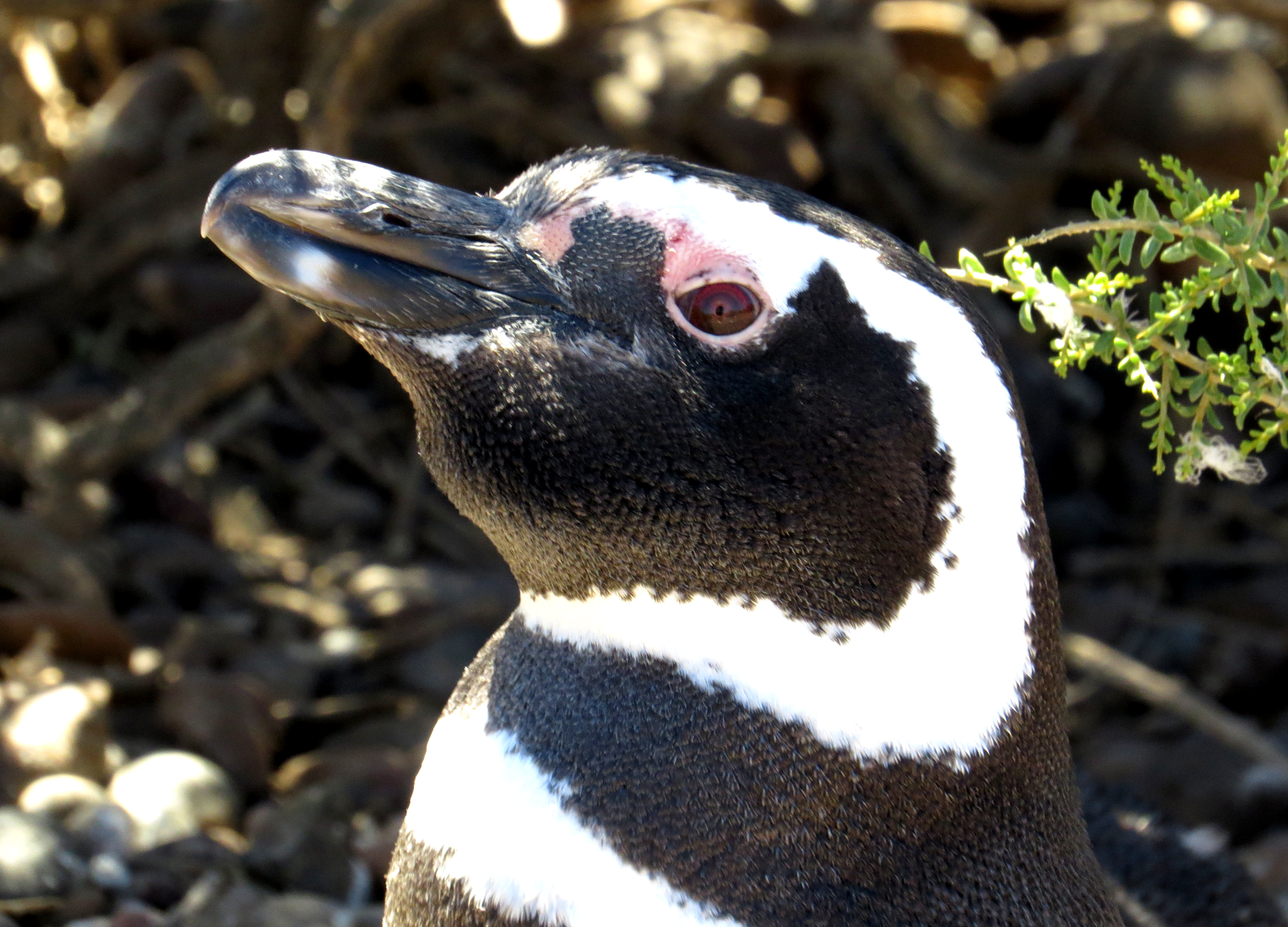
As Magellanic Penguins are hole nesters they have to nest at well spaced intervals.

Yet another Magellanic Penguin.

You can even watch them swimming underwater.
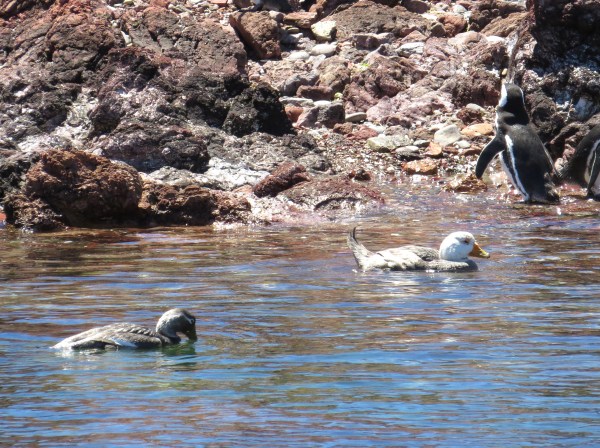
One of the prime targets in this area was the Chubut Steamer Duck, a flightless species known only from this small part of the Argentine coast.
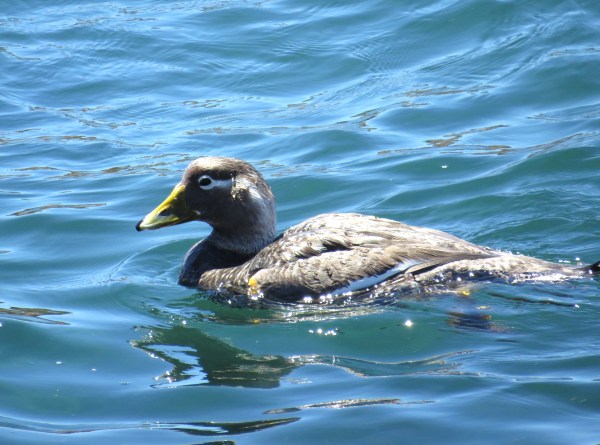
Note the yellow spur on the carpal joint of the (rather stubby) wing of this female.
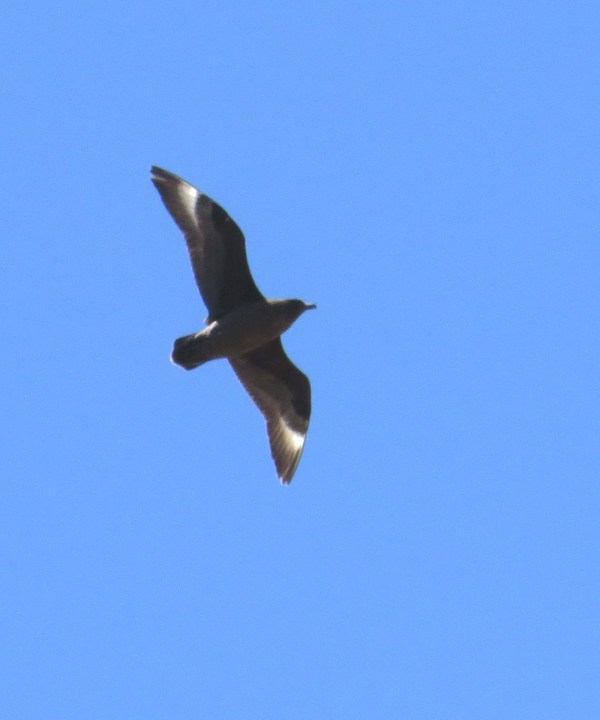
A few Brown Skuas, close relative of our Bonxie, patrolled the penguin colony on the look out for unguarded eggs or chicks.

…. as did the ubiquitous Chimango Caracara.
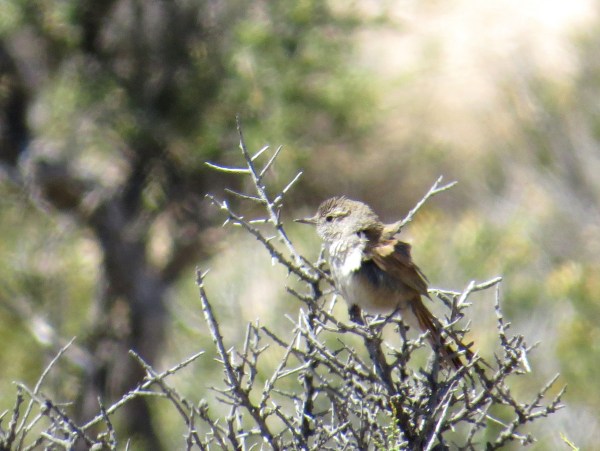
Other birds included Sharp-billed Canastero ….

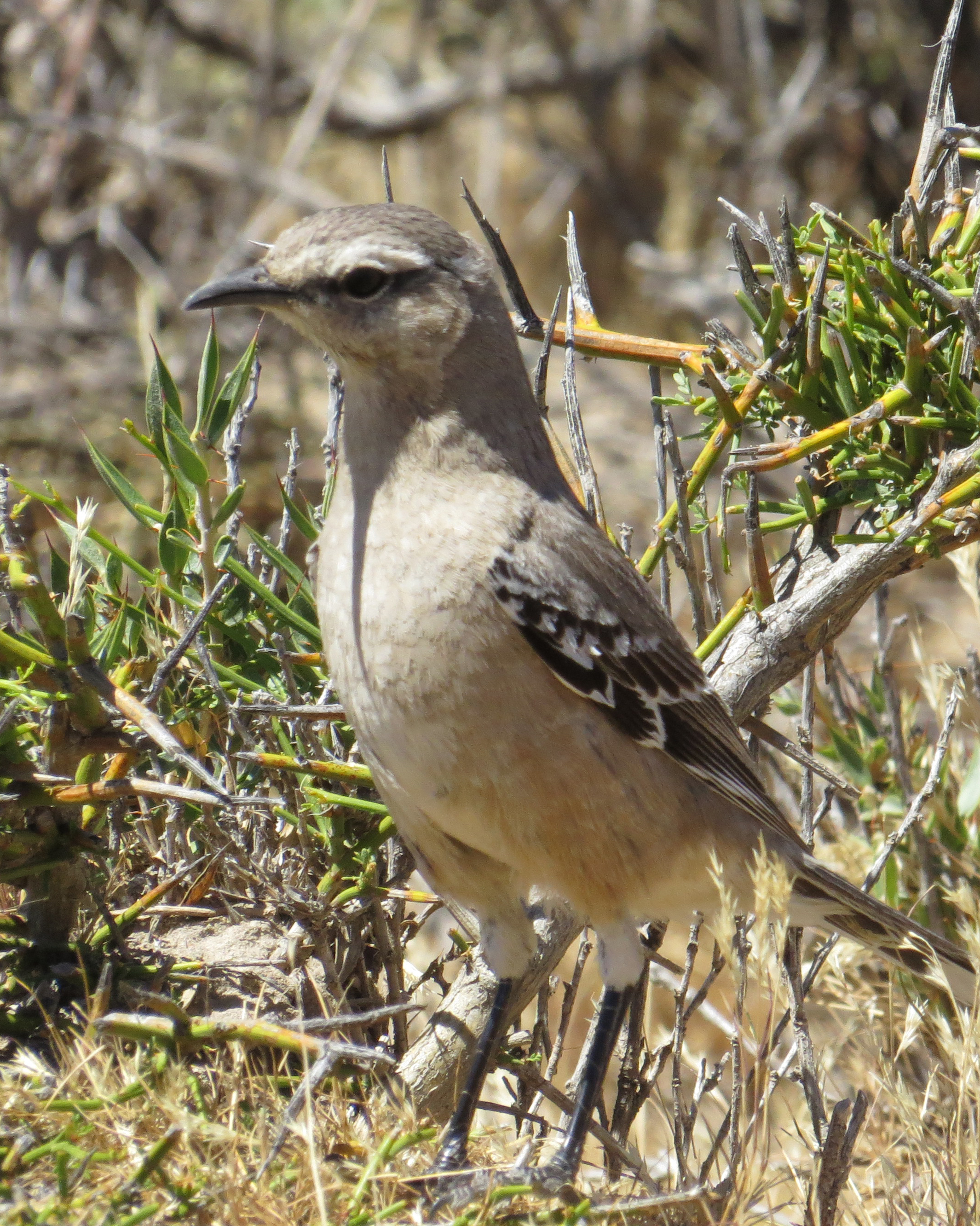
…. Patagonian Mockingbird ….
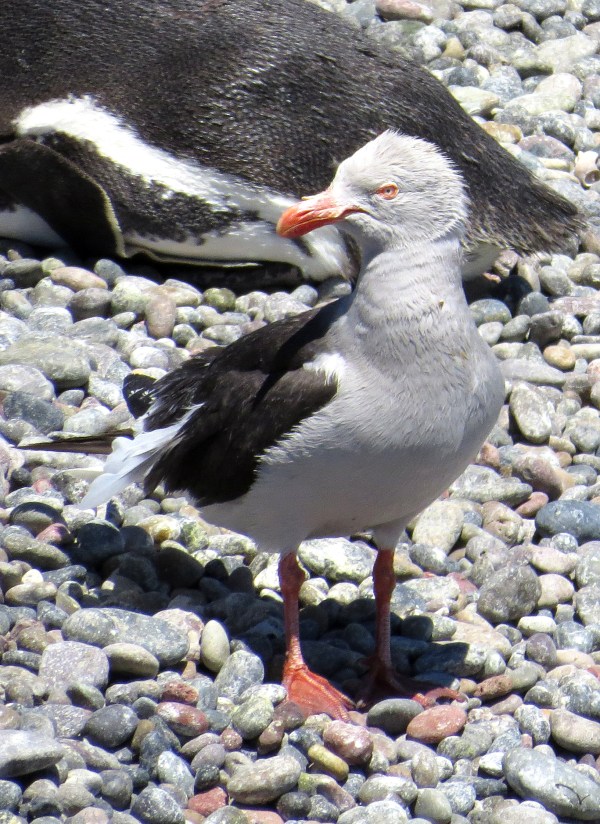
…. and the only Dolphin Gulls of the trip.
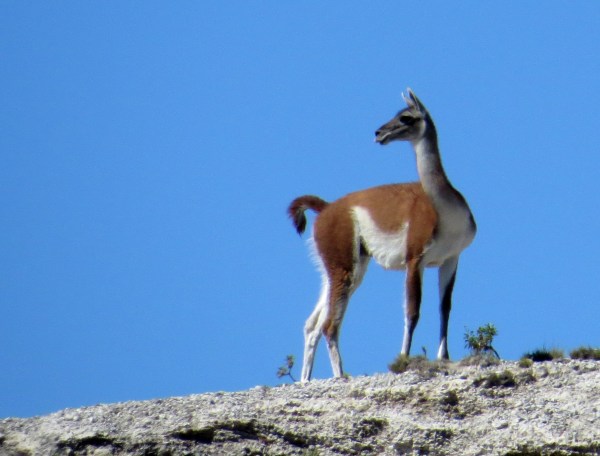
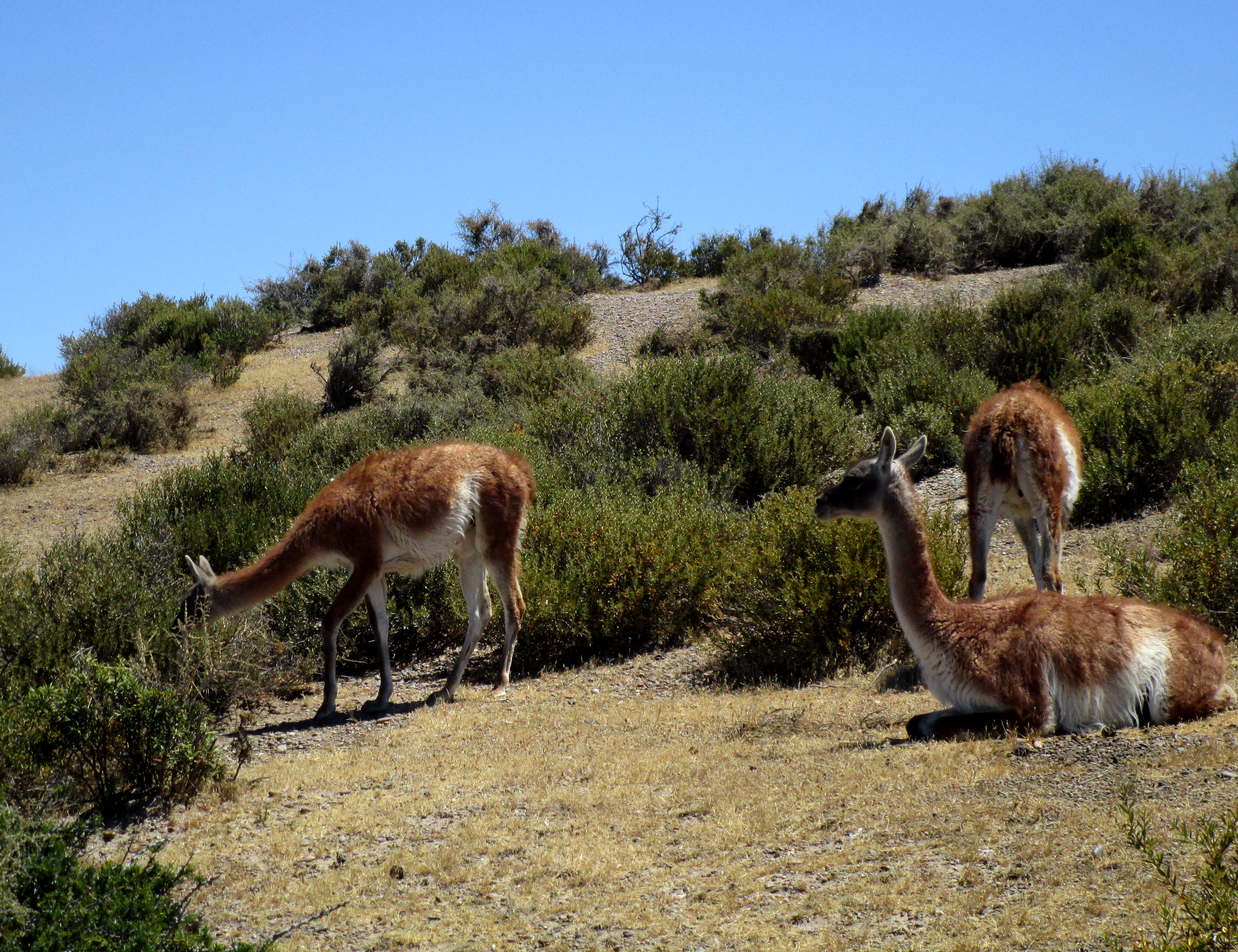
Both the Valdez and the Porto Tombo area are strongholds of the Guanaco, the wild ancestor of the Llama.
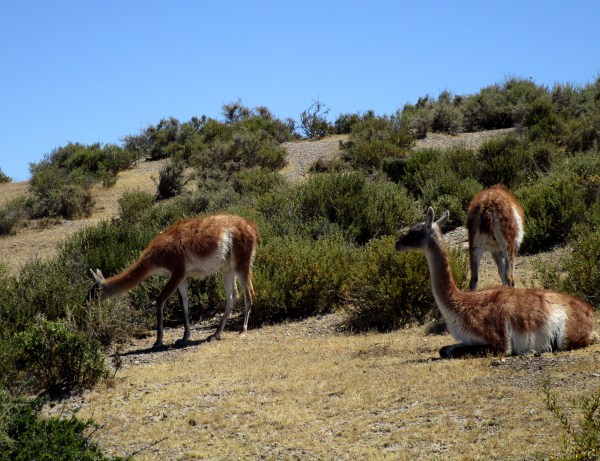
…. although usually wary, here they fed close to the paths ….

…. and allowed close approach …..
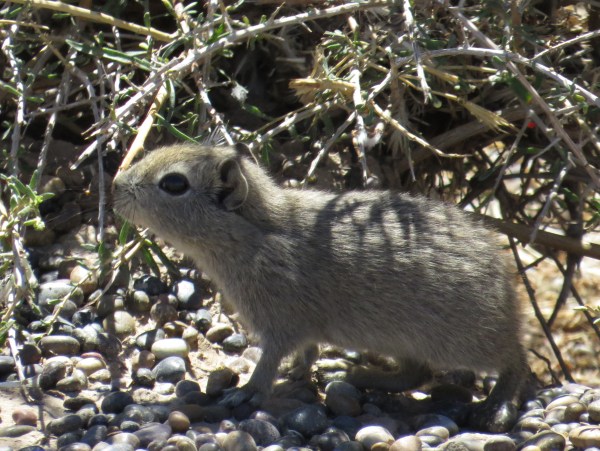
…. as did this tiny Southern Mountain Cavy (which was nowhere near the mountains) ….

…. and this remarkable Larger Hairy Armadillo.

The day ended with a visit to a rather unsavoury water treatment (= sewage) works, where we had good views of thesse Chilean Flamingos along with a variety of other waterfowl.

We stayed overnight in Trelew, the capital of this formerly Welsh speaking part of Argentina. Before going to the airport of our flight to the south we visted a lake in the city where we had good views of Black-necked Swans ….
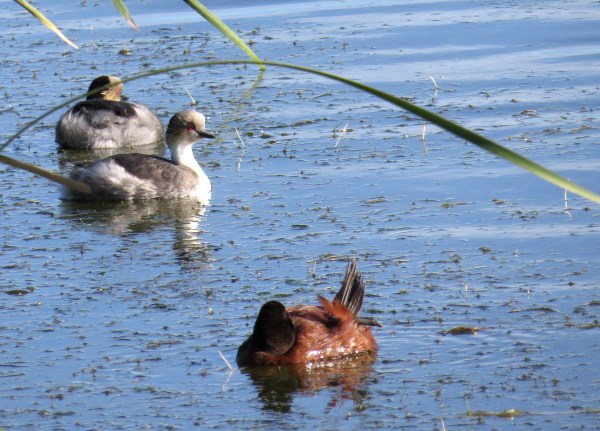
…. and this pair of Silvery Grebes and a Lake Duck.
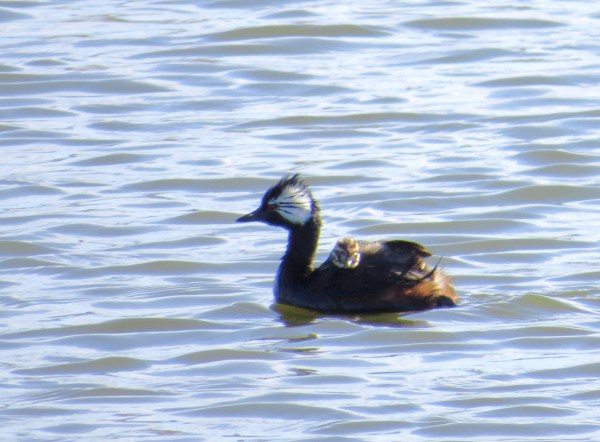
In typical grebe fashion, this White-tufted Grebe carries its chick on its back.
The third instalment of my Argentine adventure saw us drive eastwards to San Clemente for two night stay, then make the long drive south to Bahai Blanca and onto Las Gruces the following day. From Las Gruces we continued on to the Valdez Peninsula, which will be the subject of the next post.

The pampas covers much of southern Argentina, a huge expanse of grassland interspersed with shallow lakes and marshes. From Buenos Aires we drove eastwards towards San Clemente stopping many times on route. Although dark clouds threatened it remained largely dry.
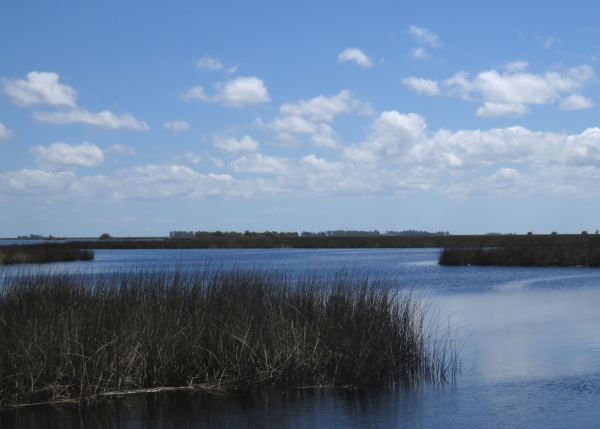
Shallow lakes provided a haven for many wildfowl.
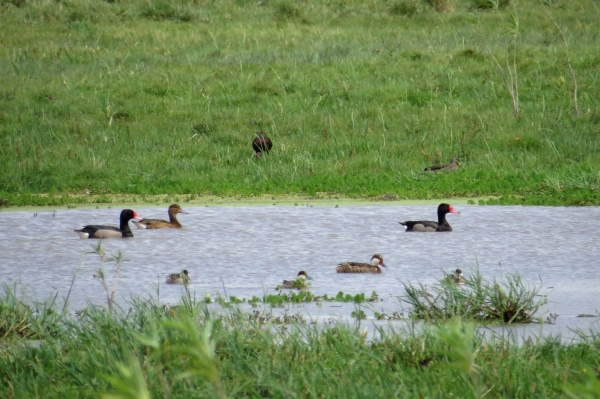
In this shot alone you can see three Rosybill, three Silver Teal, a White-cheeked Pintail and a White-faced Ibis.
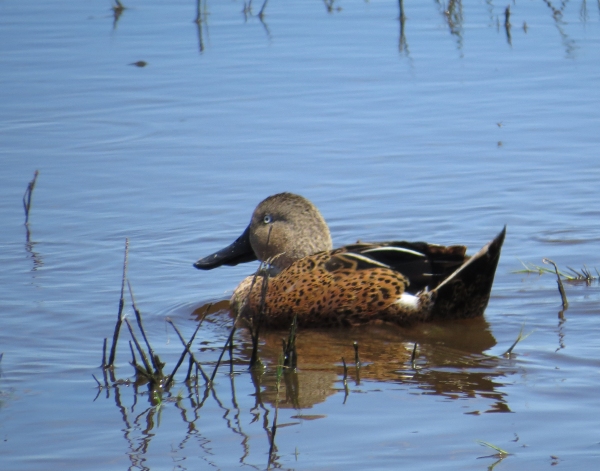
Red Shoveler ….
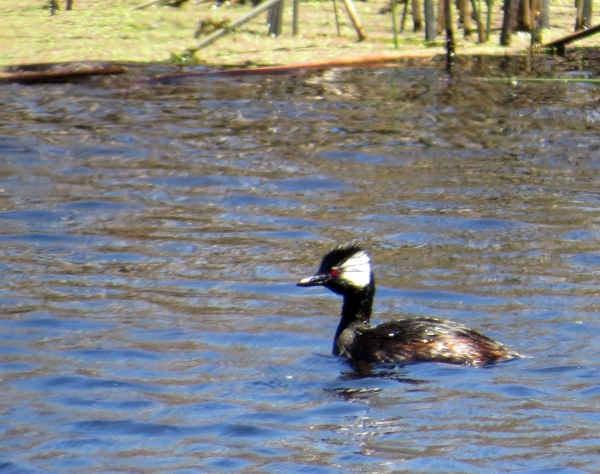
…. White-tufted Grebe ….
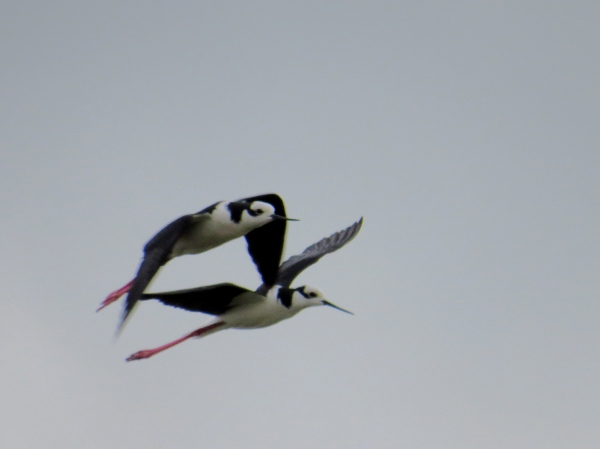
..and Black-necked Stilts (closely related to and possibly conspecific with the Old World Black-winged Stilt) were all seen regularly.
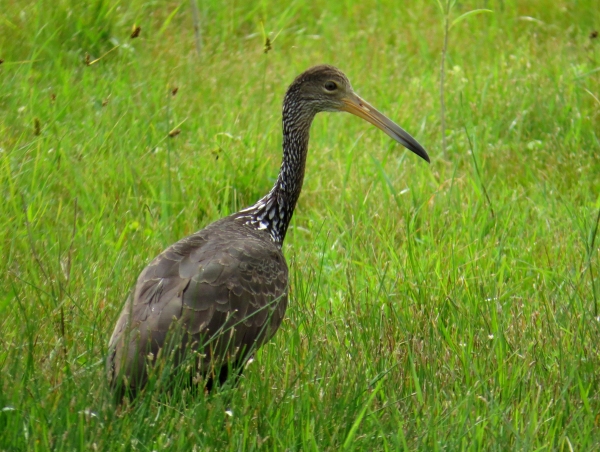
Damp grasslands held many birds such as this Limpkin, a distant relative of the cranes and the sole member of its family.
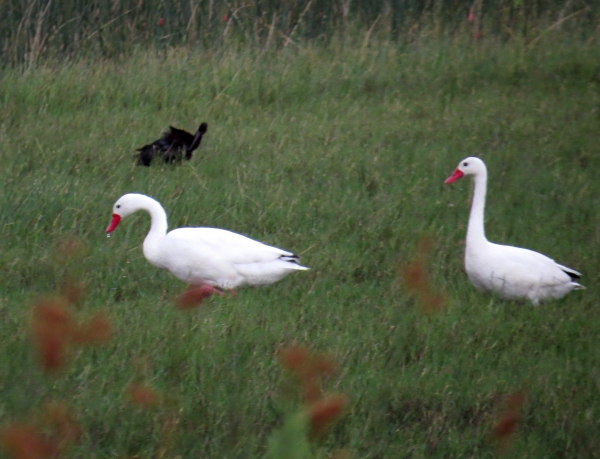
Coscoroba Swans were common both on the lakes and feeding nearby on the wet grasslands.
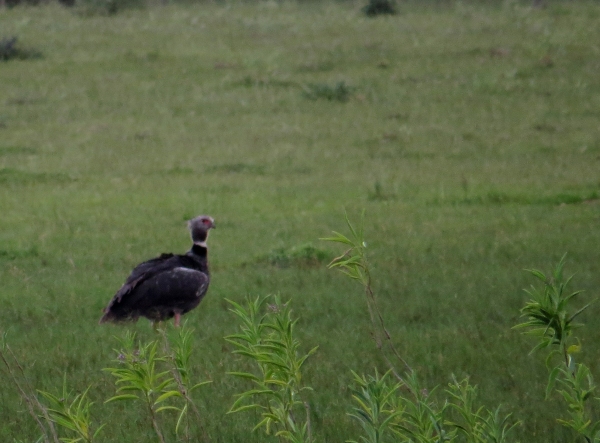
The huge Southern Screamer, one of three species in their family, are a primitive form of wildfowl. We splashed around in one flooded marsh in the hope of flushing a South American Painted-snipe. In most years this takes several hours to find one or two, this year we flushed 35 within yards of the bus! We didn’t advance any further as the water was coming over our wellies.
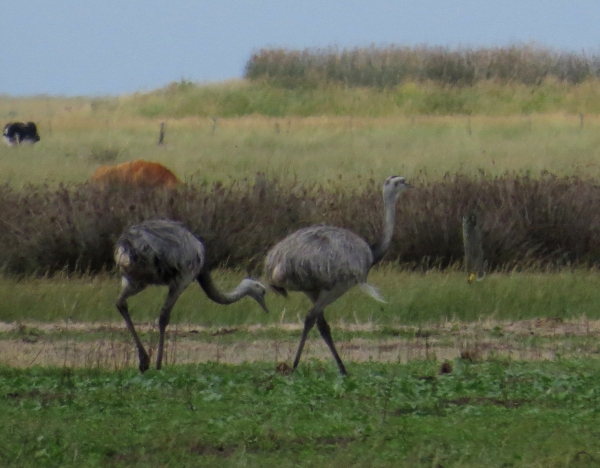
Drier areas held parties of Greater Rheas, the South American equivalent of the Ostrich.
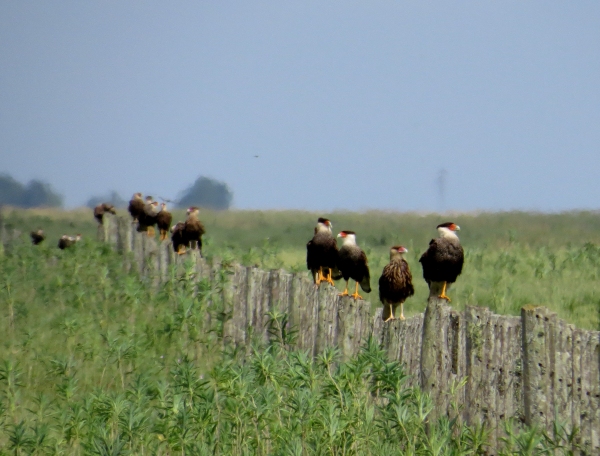
Southern Crested Caracaras (Caracaras are related to falcons) were abundant ….
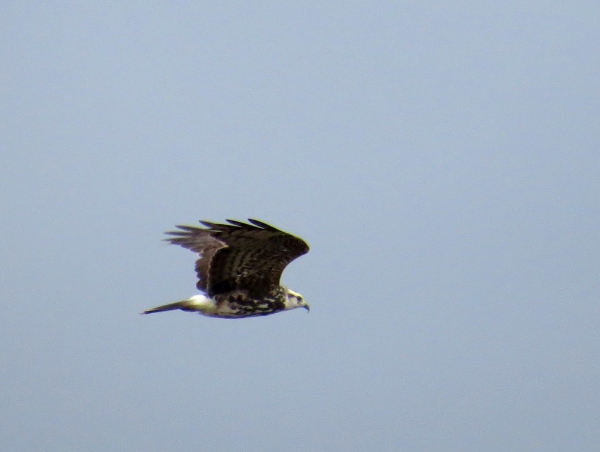
…. as were Snail Kites, this is a juvenile bird.
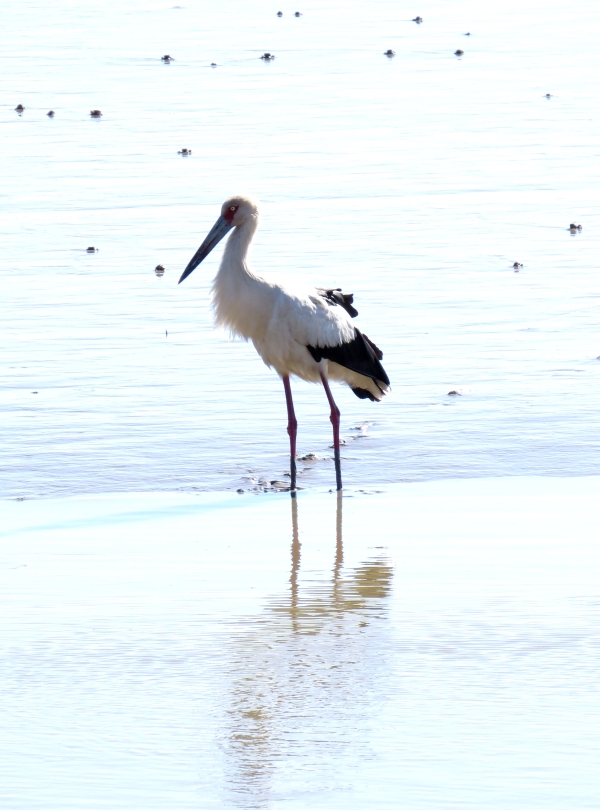
This Maguari Stork was feeding on the mud of a nearby river.
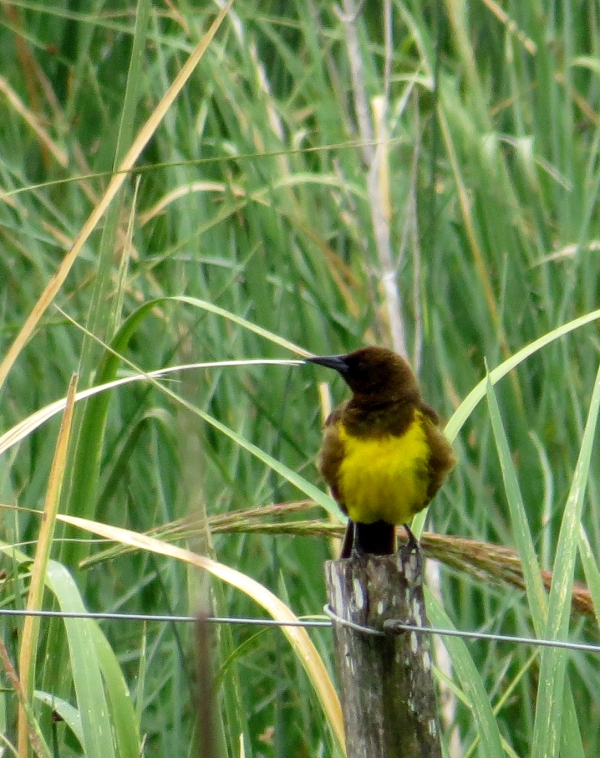
Passerines in the area including this Brown-and-yellow Marshbird, a member of the Icteridae or New World Blackbirds ….
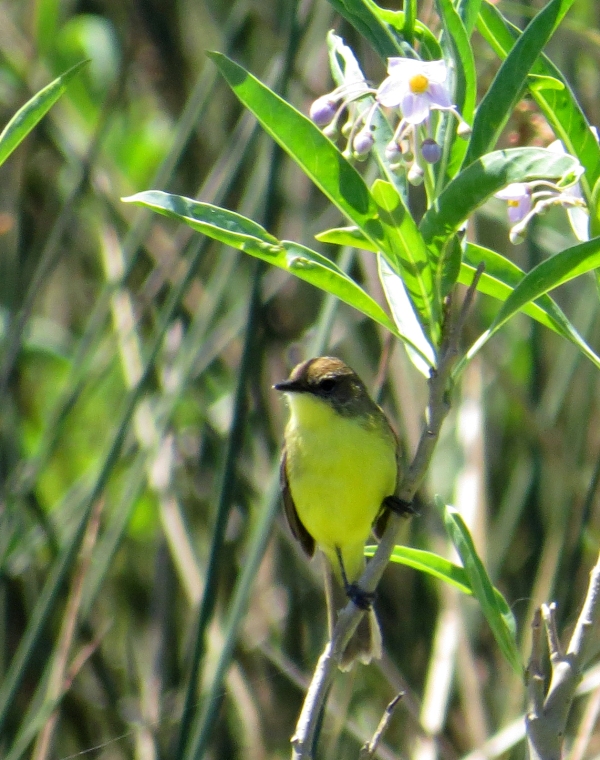
…. Warbling Doradito, a tyrant-flycatcher ….
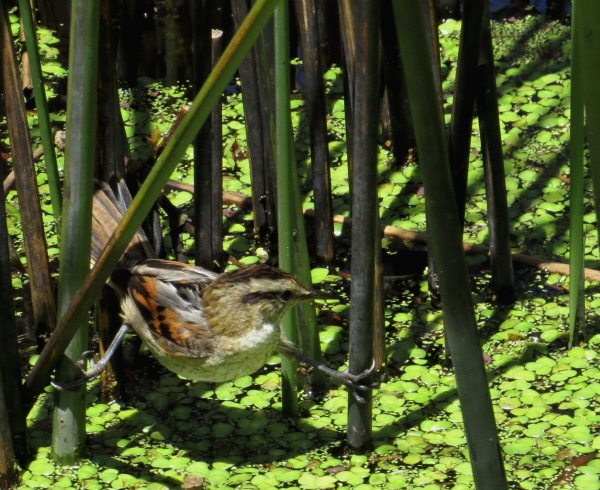
…. acrobatic Wren-like Rushbirds (a funarid) ….

…. but the real prize was this tiny tyrant-flycatcher which goes under the wonderful name of Bearded Tachuri.
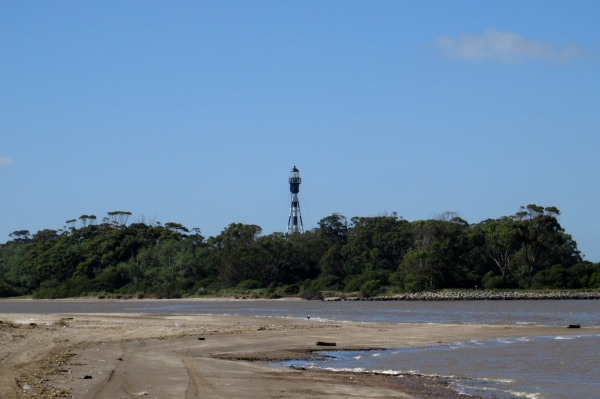
We also visited the coast at Punta Rasa, seeing the tiny Dot-winged Crake in the saltmarsh.
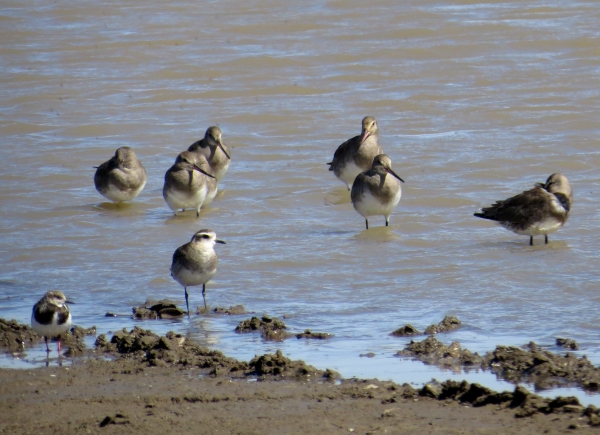
There were many shorebirds/waders on the beach, mainly migrants from North America. Here a flock of six Hudsonian Godwits join single Turnstone and American Golden Plover.

Hudsonian Godwits winter further south than most Nearctic waders with much of the population going as far as Tierra del Fuego. In a British context they can be separated from our Black-tailed Godwit by their dark underwing. I was lucky enough to see a Hudsonian Godwit in Devon in 1981 I think there have only been three British records, all close together in the early 80s, which probably related to the same bird.
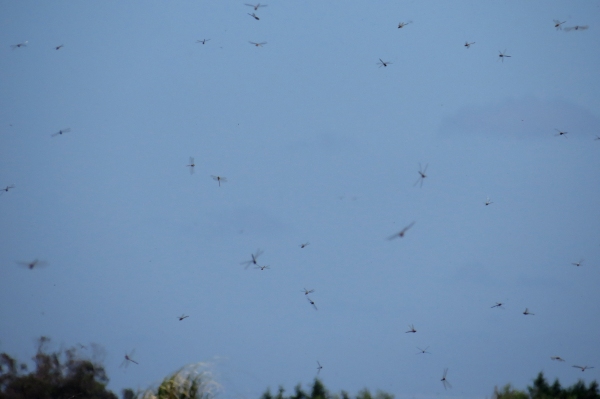
Incredible numbers of dragonflies were flying along the beach at Punta Rasa, probably numberings in tens of thousands. Whether these were migrants or had recently emerged I don’t know. I was surprised that there weren’t a lot of falcons taking advantage of this bonanza, but eight Swainson’s Hawks overhead, wintering birds from North America, were probably feeding on the dragonflies.
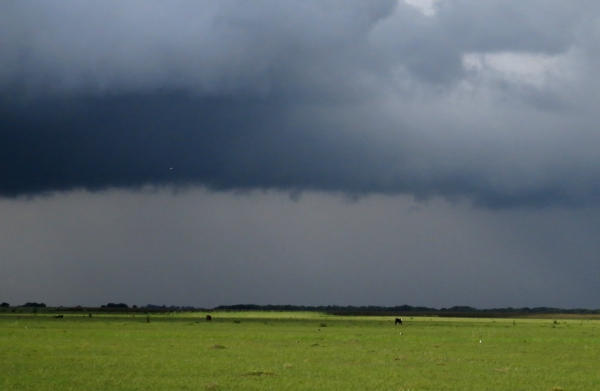
As we drove south the marshes gave way to open grassland and scrub. We had several periods of bad weather but most of the time it was hot and sunny.
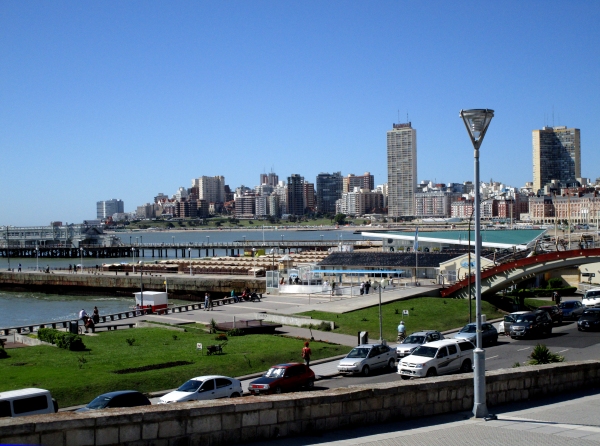
After a while we arrived at the city of Mar del Plata. I wondered why we went right into the city centre and then headed for the docks rather than take the by-pass ….
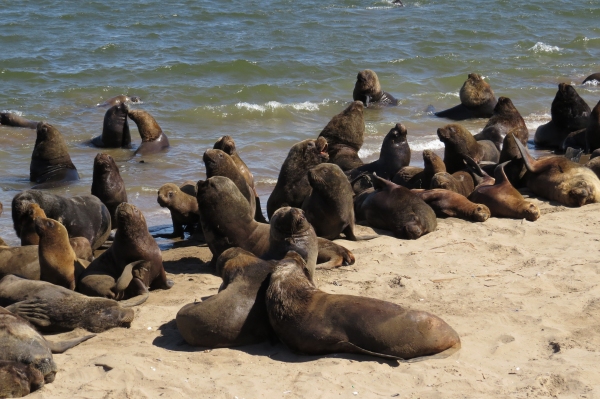
…. but all was revealed when we stopped at a beach near the docks where a number of South American Sea Lions were hauled out. We were also looking for Snowy Sheathbills but the only ones we saw were on the far side of the harbour and just appeared as white dots in the scope.
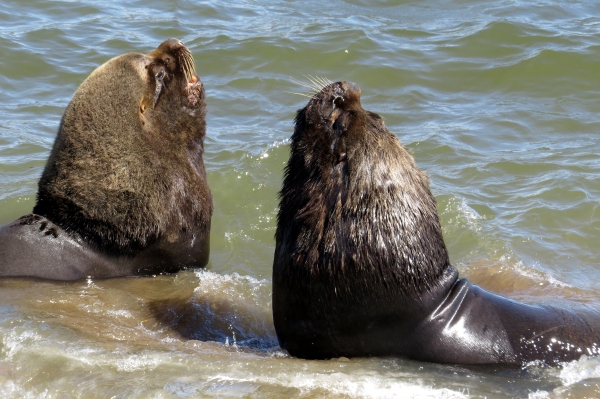
Although this was not a sea lion breeding beach the males were sizing themselves up and fights broke out from time to time.
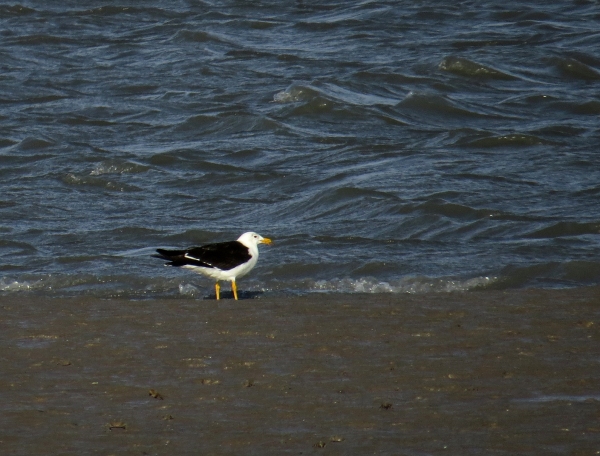
Olrog’s Gull is a specialist crab-eating species restricted to the north-east coast of Argentina. We saw a few 1st year birds near Punta Rasa but had to drive much further south see see any adults.
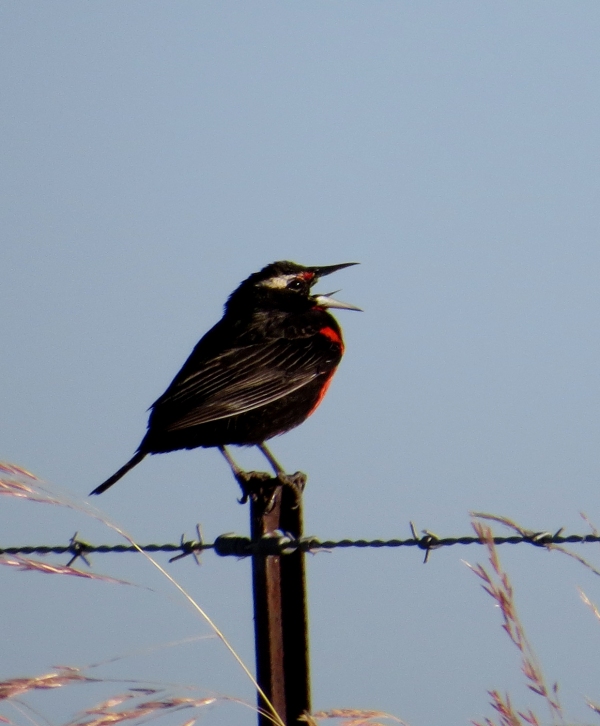
One of the key species in this area is the very rare Pampas Meadowlark. Separated from the much commoner Long-tailed Meadowlark by underwing pattern, shape of the bill, underwing colour, shade and shape of the red on the breast and song, it has declined drastically in recent years.
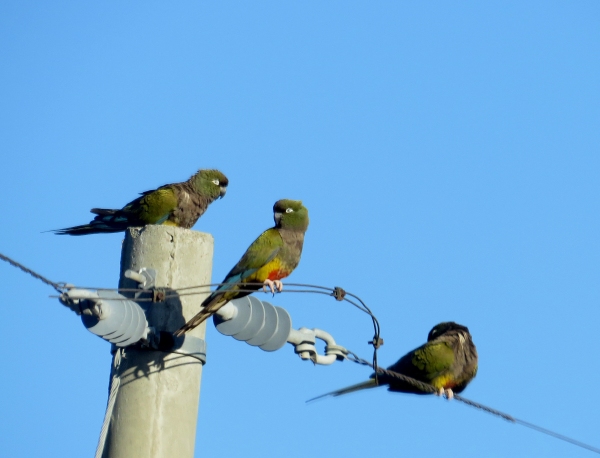
The further south we went the commoner Burrowing Parrots became.
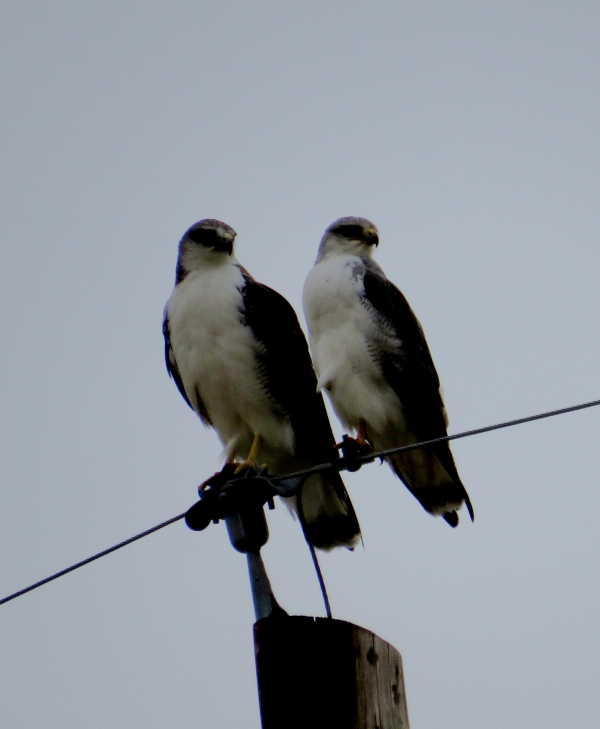
This pair of Variable Hawks were photographed on a roadside pylon. The smaller male is on the right. Once considered two species, Red-backed Hawk (mainly lowlands) and Puna Hawk (highlands), it is now realised that there is a massive amount of variation and that the two former ‘species’ might be merely colour morphs.
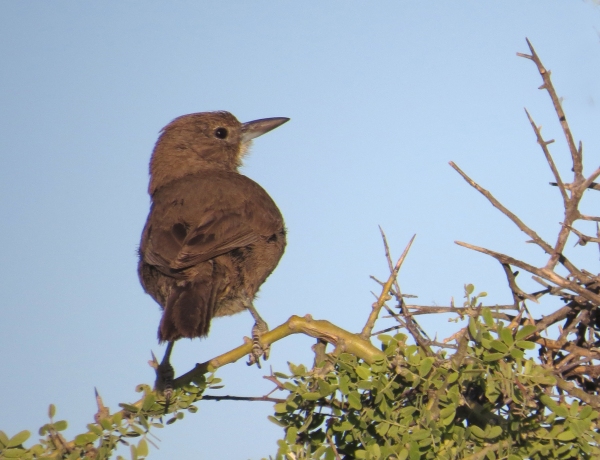
On the 28th we had an excellent few hours in the scrub to the south of the town of Las Grutes, seeing two difficult to find funarids – White-throated Cachalote ….
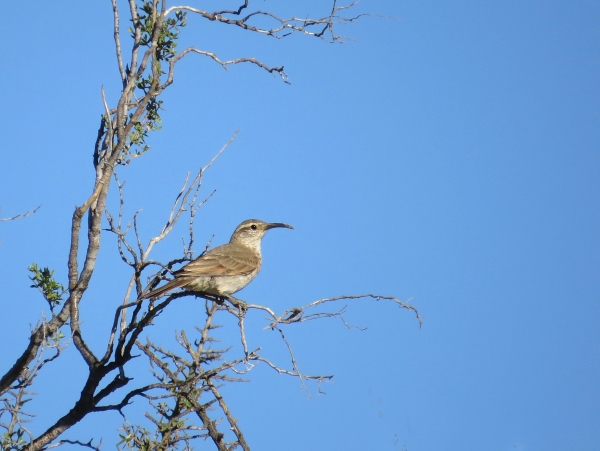
and Scale-throated Earthcreeper.
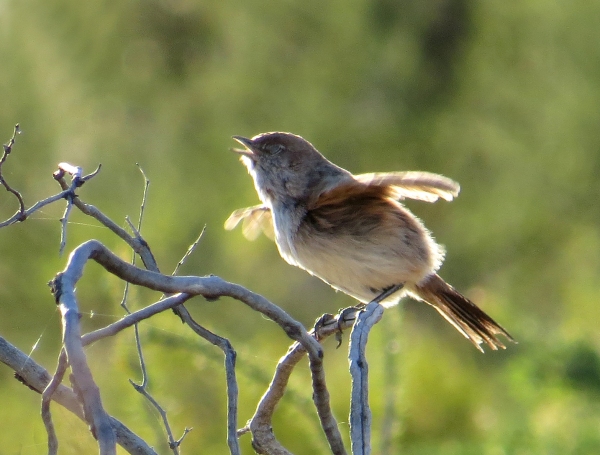
Another highlight was this Sandy Gallito (a name more reminiscent of a news reader than a bird) here seen performing it strange wing rotating display with its eyes closed. Although this bird looks like yet another funarid it is in fact a large member of the tapaculo family.
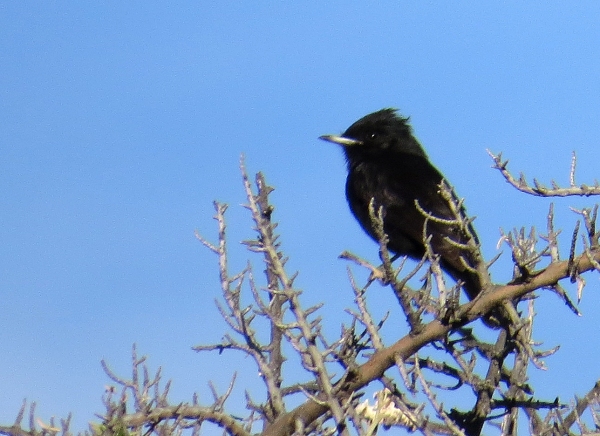
The previous day we had found Hudson’s Black Tyrant, a bird restricted to central Argentina, photos were obtained but they were distant. Today we obtained far better views of the very similar White-winged Black Tyrant, which has a bit more white in the opened wing than the Hudson’s.
This, the second installment from my Argentina trip, covers days one to four of the tour which was spent in the Cordoba area to the north and west of Buenos Aires. Terry and I flew from the capital to Cordoba early in the morning where we met up with leader Mark Pearman and the other three members of the group. We drove to the village of Izo Cruz where we checked into our hotel and then went birding locally.
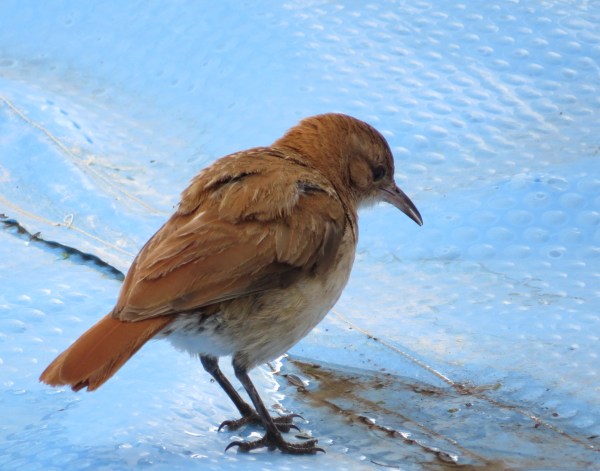
One of the most familiar birds in this part of Argentina is the Rufous Hornero. This bird was photographed feeding on the cover of a swimming pool at the hotel.
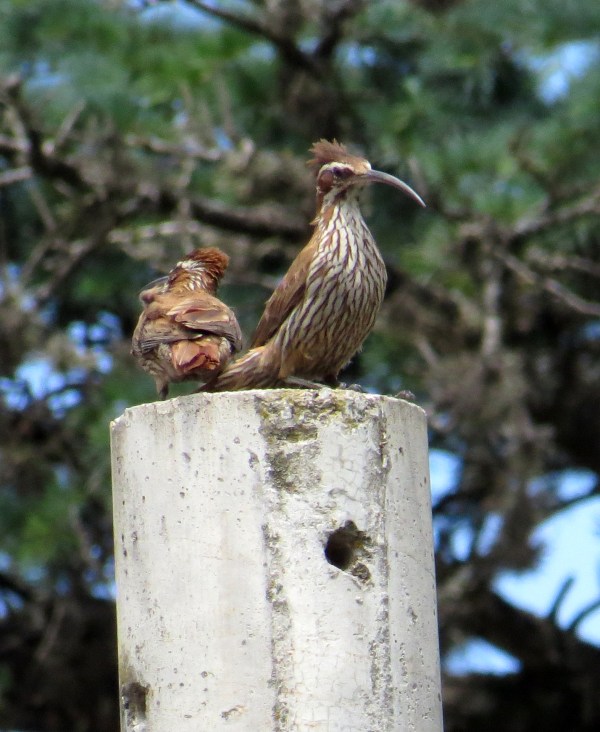
Woodcreepers are a familiar site in the Neotropics but are almost always are seen climbing trees, woodpecker fashion, in mature forest but these two Scimitar-billed Woodcreepers were messing around on a concrete post in the middle of the village

Open woodland and scrub a short drive from our hotel held a variety of common species such as this Campo Flicker ….

…. and the beautiful Fork-tailed Flycatcher.
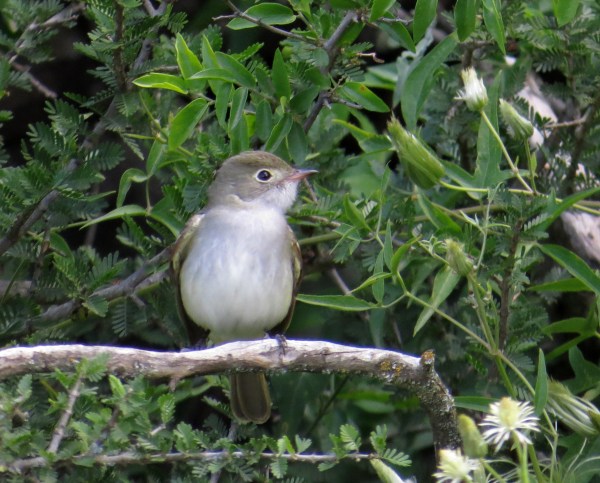
Tyrant flycatchers are one of the commonest groups of birds in the Neotropics, indeed with 431 species they are the largest bird family in the world. Some like the Fork-tailed Flycatcher are showy and easy to identify, others are more elusive and some like the 27 species of eleanias are frustratingly similar. Fortunately this Short-billed Eleania can be identified by having a third wing-bar, but as that’s not visible in this photo it doesn’t help much.
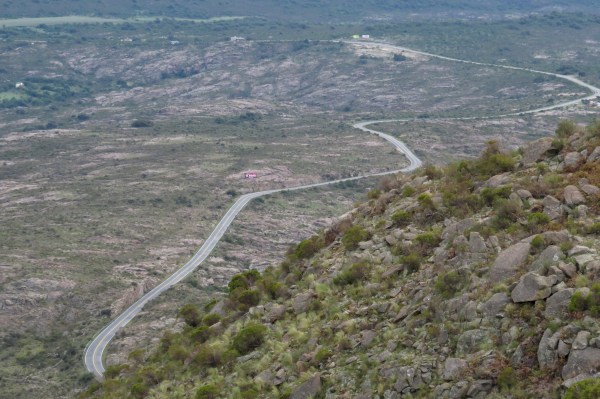
The following day we climbed high into the Sierra de los Comechingones, a mountainous ridge that lie to the east of, and is much older than, the Andes.

However we soon ran into some very bad weather with heavy rain and high winds.
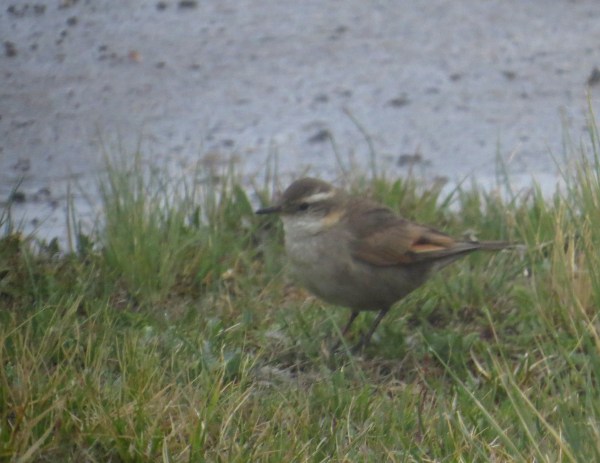
In spite of the atrocious conditions at the top (about 2100m asl) we still managed to find both of our targets; this Cordoba Cinclodes ….

…. and its cousin, Olrog’s Cinclodes. With high wind, rain and dreadful visibility it was amazing we got to see these range restricted birds at all, let alone photograph them.

Although conditions improved as we descended I was worried whether I had brought enough warm weather gear, this was the northernmost part of the trip and it was bitterly cold at the top – what was it going to like in Patagonia, far to the south?

The next day we drove north to Salinas Grande but yesterday’s rain had softened up the dirt roads somewhat ….
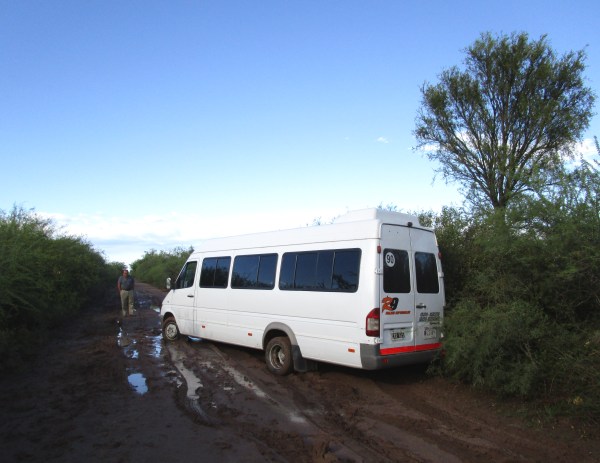
…. that said our driver put on an exceptional show of incompetence and got the bus well and truly stuck. It look the help of some locals and the driving skills of one of our group (who is used to tricky road conditions in his native Canada) to get us going again.
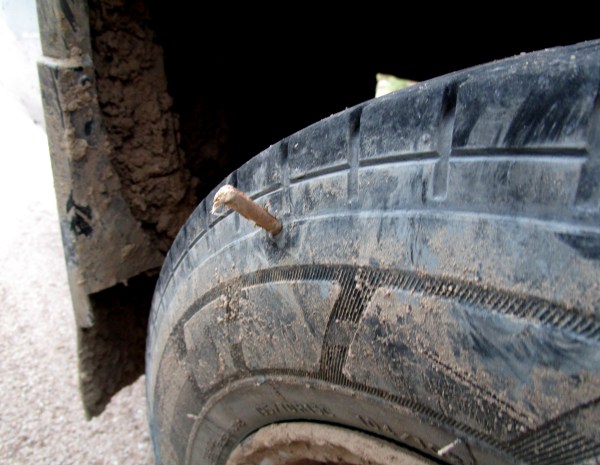
We managed to pick up this huge thorn in the tyre somewhere on route but rather than get it fixed the driver left it in situ over the next couple of days whilst the tyre slowly deflated.

Whilst the driver was faffing with the bus we walked on for a couple of kilometers to try and get to the salt lake before it got too hot. Surrounded by the ruins of a former salt extraction industry, the lake shimmered in the increasingly hot sun.

We soon found our target, Salinas Monjita, a terrestrial tyrant flycatcher that behaves like a wheatear. This species is restricted to the xerophytic scrub surrounding a few saline lakes in the Cordoba region.
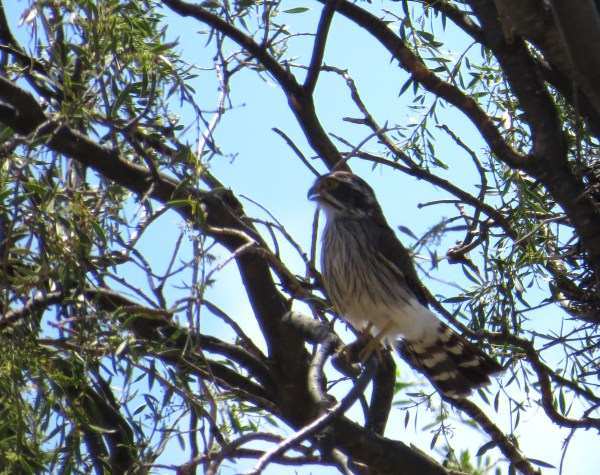
Returning to our stricken bus were got great views of a rare Spot-winged Falconet.
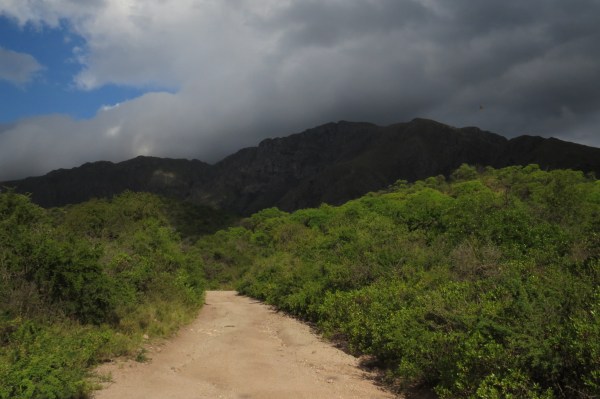
That afternoon and the following morning we birded woodland near the mountain village of Capilla del Monte. Our main target was the elusive Black-bodied Woodpecker, but it remained just that – elusive.

The scrub and woodland held a number of good birds such as ….
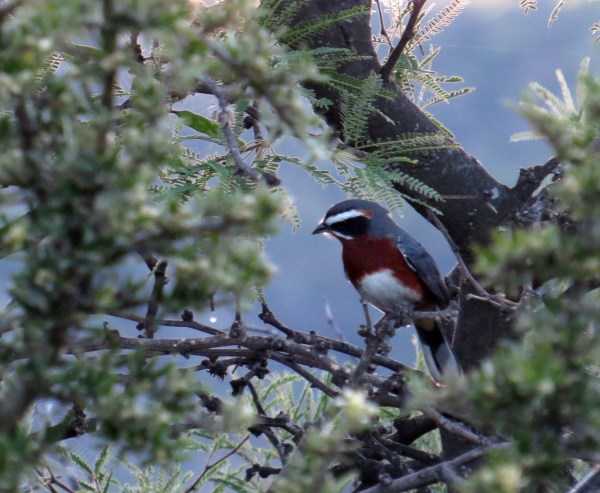
…. Black and Rufous Warbling-Finch, ….

…. this curious group of Green-barred Woodpeckers ….
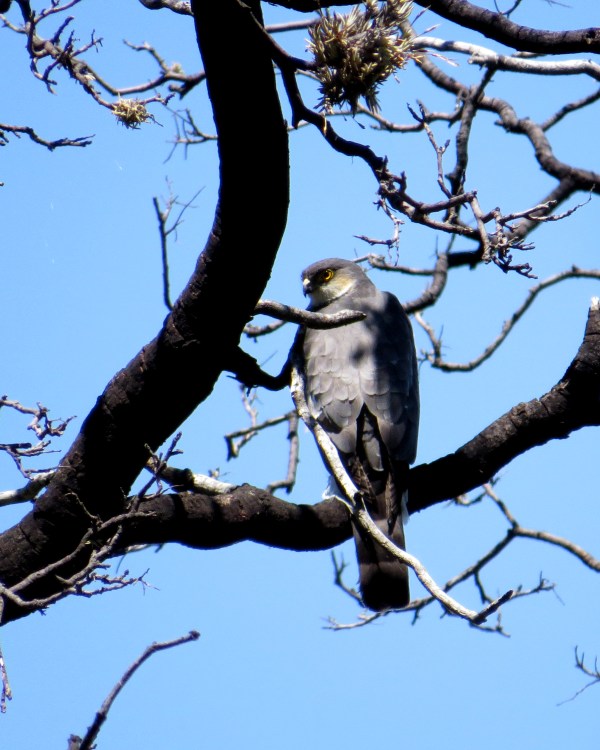
…. and this Rufous-thighed Sparrowhawk (the woodpeckers are not looking at the sparrowhawk, the photos were taken on different days)
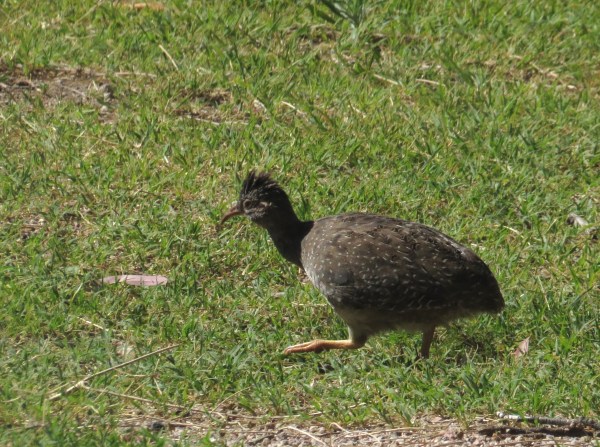
Recent research has shown that Tinamous are some of the most ancient of birds which is why they now appear at the start of world bird checklists. They are typically elusive, keep to cover and often are heard only. We were told by a local that he had woodpeckers around his property so hoping it might be a Black-bodied we went to investigate. We had no luck with the pecker but found that he had habituated an Andean Tinamou by feeding it and we obtained great views. In the afternoon we drove back to Coroba and caught a flight to Buenos Aires.
I visited Argentina on a four week long BirdQuest trip in 1997, however the following year they added extra areas and divided the tour into two, one to the north and the other to the central and southern regions. Thus I would have to go back and do both tours if I was to get to see the majority of the birds of this fascinating and scenic country. One bird I particularly wanted to see was the beautiful, yet rare Hooded Grebe, in 1997 we visited the lake where it was first described in 1974 but it was only an occasional visitor to this lake and we dipped. Subsequent tours drove to the lakes on the remote plateau in southern Patagonia with considerable success but a recent article by the Neotropical Bird Club indicated that the species was now facing many problems and was heading for extinction. If I wanted to see it I need to go now! The account of the search for the Hooded Grebe will be posted later.
This post covers a pre-tour day in the capital plus a day with the group in the same area five days later.

The international airport lies someway from the centre but at the end of the tour we returned from Patagonia to the domestic airport which is situated on the shore of the huge Rio de La Plata, close to the downtown high rise apartments.

Buenos Aires is a very modern and prosperous city, however as can be seen from this aerial shot more basic accommodation exists sandwiched between the railway line and various freeways.
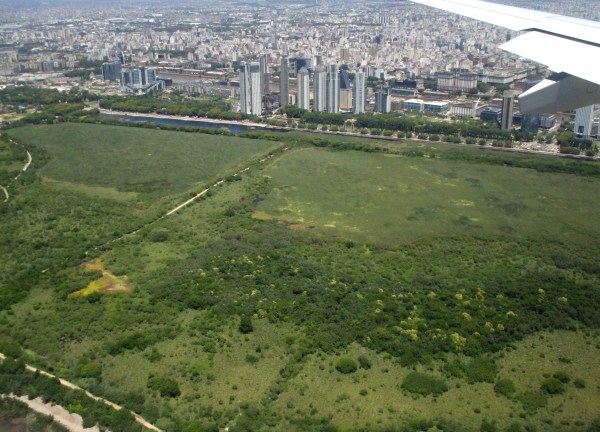
Flying into the domestic terminal you get a very good view of the main birding site in Buenos Aires, Costanera Sur. Popular with locals as a place to relax, jog or picnic it is an outstanding nature reserve, but in recent years the open water and muddy pools have been colonised by vegetation and now the only place to watch the once abundant wildfowl is the narrow strip of water between the park entrance and the high rise blocks.

The tour started in the city of Cordoba, but I decided rather than continue on to Cordoba from Buenos Aires to stay overnight and bird Costanera Sur in the afternoon. Having met up with my room mate Terry at the airport we dropped our gear off at the hotel and got a taxi into the downtown area where we first walked along the promenade that runs parallel to the park.

The first birds we saw were a family party of Coscoroba Swans ….
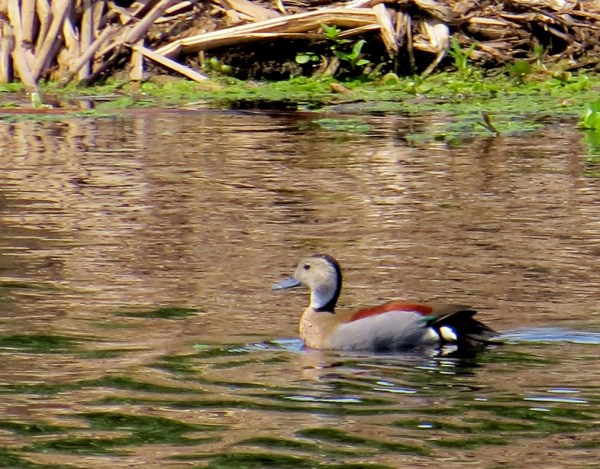
…. but soon we found something much rarer, a pair of Ringed Teal, a scarce duck that I have managed to miss on all my previous visits to South America and which was the last waterfowl for my Neotropical list.

It was very hot out on the promenade and we were glad to enter the park and get into the shade.
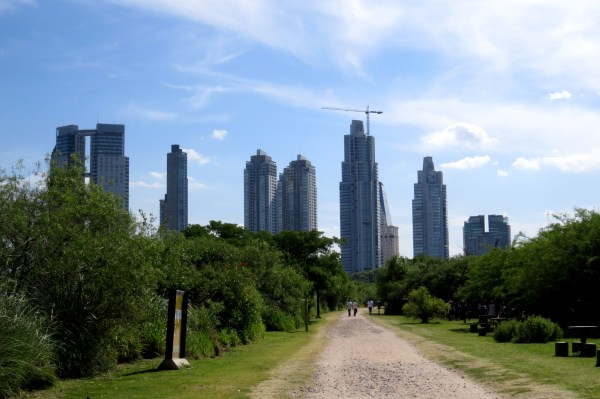
On previous visits to Costenera Sur I have seen such goodies as South American Painted-snipe and Spotted Rail but now with most of the open water closed over pickings were thin ….
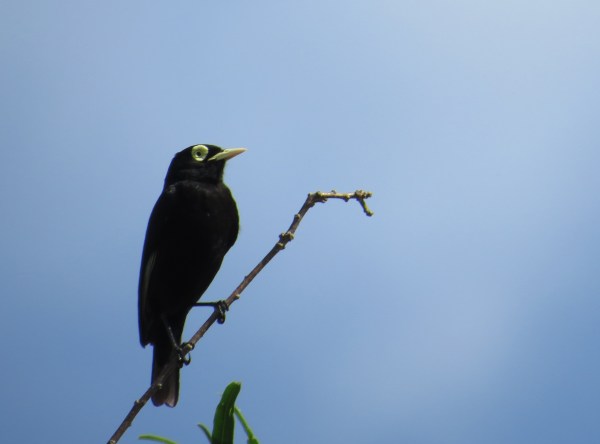
… that said we saw some marsh birds like the strange Spectacled Tyrant …
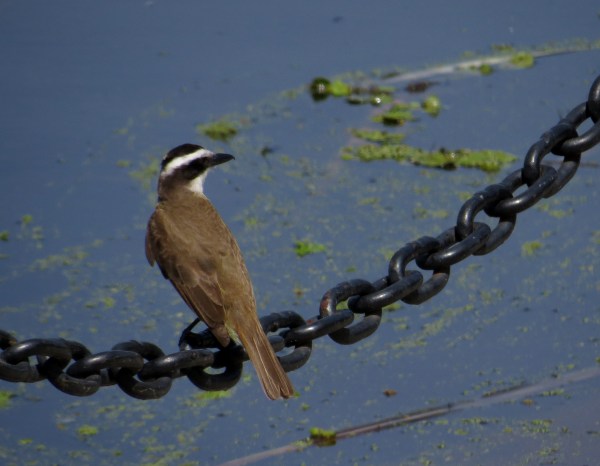
… as well as commoner species like the widespread Great Kiskadee ….

…. Green-barred Woodpecker ….
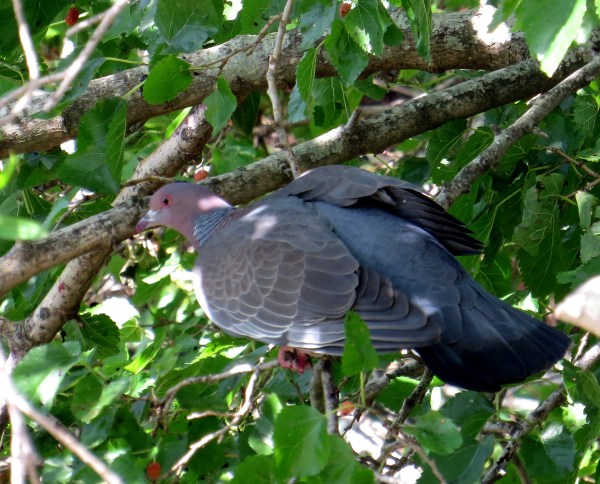
…. the common Picazuro Pigeon ….

…. and the vociferous Monk Parakeet.

The once common Coypu aren’t so easy to see now that most pen water has gone but we saw a few endearing Brazilian Cavies (or Guinea Pigs) on the paths.

The first four days of the actual tour were spent in the Cordoba region (see next post) but on day five we were back in the Buenos Aires area and paid an early morning visit to Otemendi, a reserve to the north-west of the city.
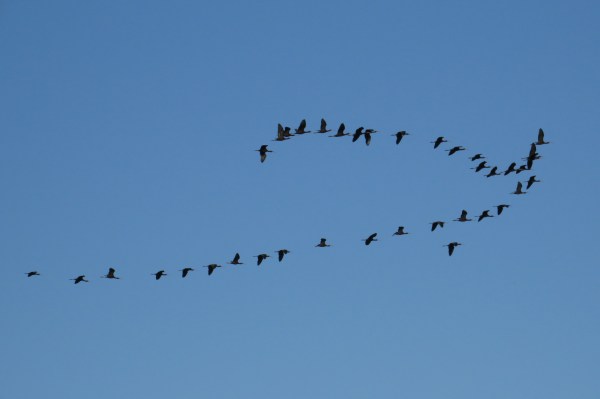
Large flocks of White-faced Ibis flew overhead ….
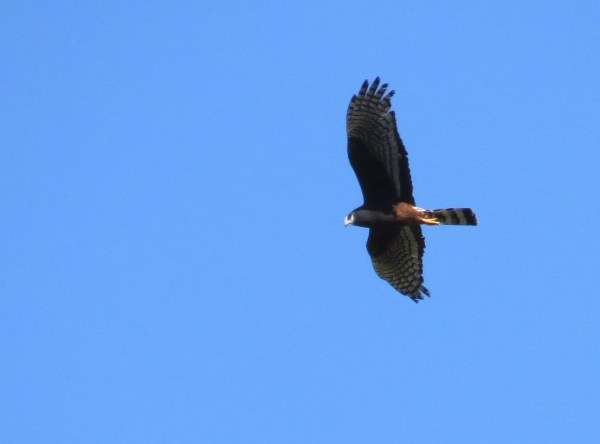
…. and a beautiful Long-winged Harrier (above) joined the many Snail Kites in the air above us
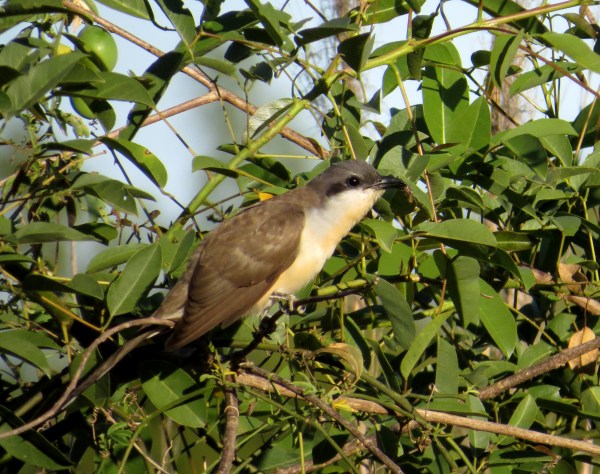
Trees bordering the marsh held Dark-billed Cuckoos ….
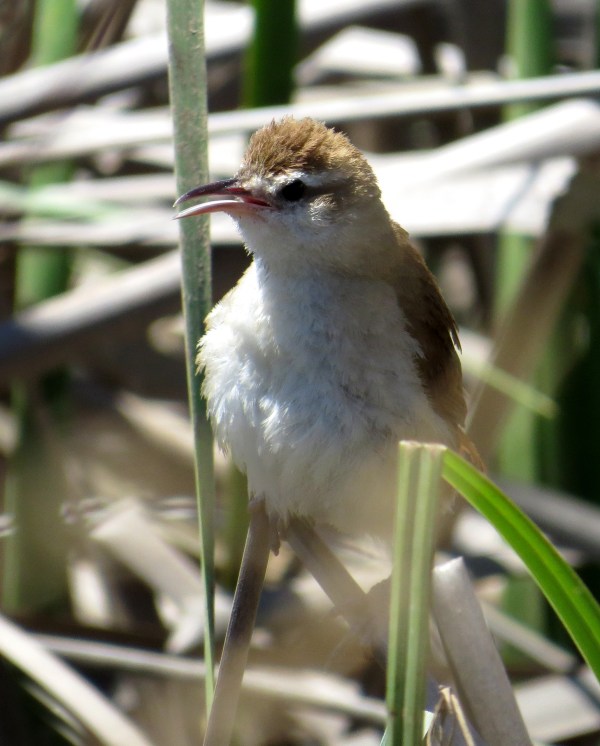
…. whilst the reeds held both Curve-billed (above) and Straight-billed Reedhaunters.
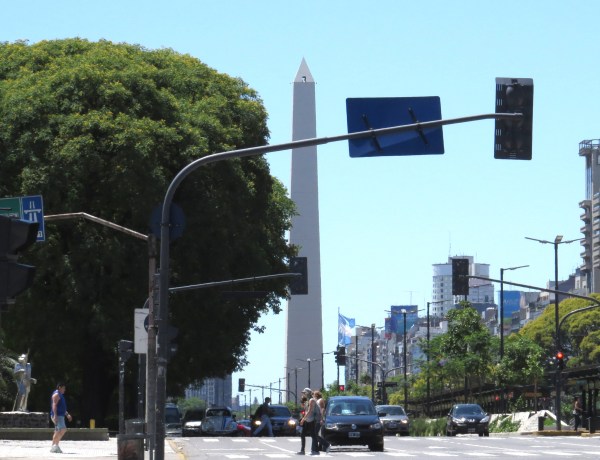
We returned to our hotel on the famous 9 de Julio Avenue in Buenos Aires during the heat of the day. Named after the date of independence in 1816, this enormous avenue is 14 lanes wide.

The image of Eva Peron stares down on the traffic jams.

Later in the day we drove through the city to Costanera Sur ….

…. but the day was a Bank Holiday and the place was packed with many cyclists, noisy kids and loud music. Hardly surprisingly we hardly saw any wildfowl and the much envied Ringed Teal had gone. Terry and I were so glad we made the effort to get here under our own steam before the tour started.

In 1898 HG Wells wrote one of the first science fiction novels, War of the Worlds which depicted the invasion of Earth by Martians, I remember reading the book as a teenager. Of course like all science fiction it is deeply rooted in the values and concepts of the time that it was written (we wouldn’t think today that aliens would only be interested in invading England and that anyone who wanted to escape would merely have to get on a boat to some foreign location) but it remains one of the most enduring examples of the genre. In 1978 Jeff Wayne produced a very successful musical version of the story which he has recently revived as a stage show. We were able to see this excellent show at the BIC in Bournemouth on the 11th.

The show was full of technical wizardry, a band and an orchestra played in front of the huge screen which depicted the narrative, but also players sang and acted out the story on the stage.

The story is narrated by a journalist who is caught up in the Martian invasion, his role is part sung by Brian McFadden ….

… and part spoken by a ‘virtual’ Liam Neeson, who appears in this panel over the stage or as a life size hologram on stage which was able to virtually interact with other characters.

As the story develops the Martians invade.

A 35ft high Martian fighting machine appears on the stage …
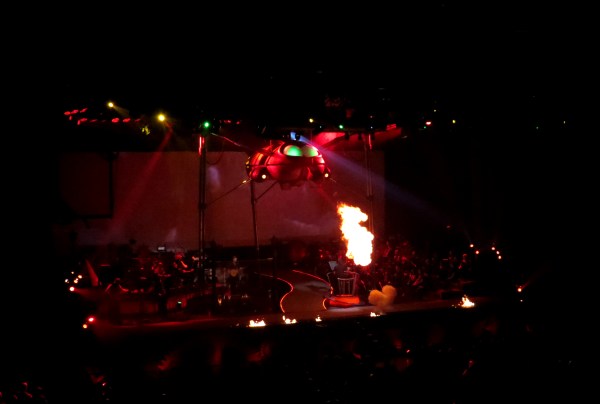
… and proceeds to belch real flames over the audience.

One of my favourite parts was the duet between Parson Nathaniel (Jason Donovan) and his wife Beth (Carrie Hope Fletcher) as to whether the invaders are Martians or demons.

The red weed that HG Wells claims gave Mars its red colour takes over the countryside.

The infantryman (Shane Ward) claims that the survivors can build cities underground away from the invaders but soon after the Earth’s bacteria kill off the Martians and bring the story to its conclusion (well almost).

Brian McFadden, Joseph Whelan, Carrie Hope Fletcher, Shane Ward and Jason Donovan take a bow. It was a fantastic concert, flawlessly executed with no technical hitches (in spite of the potential difficulty in coordinating so many aspects of the performance) with great performances from musicians and actors alike.
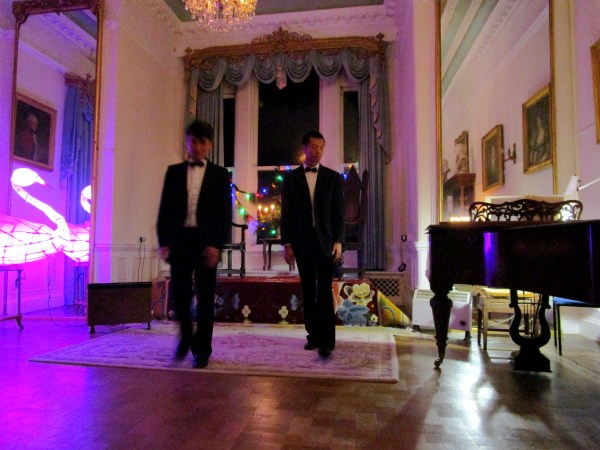
In complete contrast on the 13th we went to a dinner and musical performance at Gaunt’s House, a old stately home now run as a spiritual retreat, situated to the north of Wimborne. A very talented pianist played pieces by Schubert and a tenor accompanied him singing pieces by Schumann, Ravel and others. Although beautifully performed these ‘lieders’, short songs sung in German, mean little to me but I did enjoy the Schubert. After the interval we all took part in a carol concert.

Our connection with Gaunt’s House is that Daphne, (centre), a fellow member of the Phoenix (formerly Nexus) organisation works there. We joined several Phoenix members and others for a ‘ghost walk’ around the upper corridors and rooms of this extensive house.
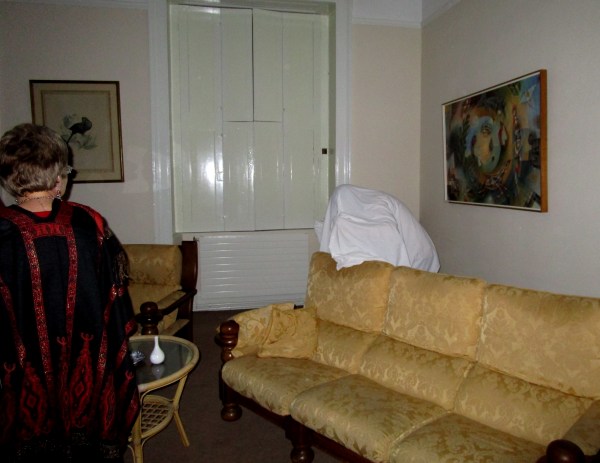
Although potentially scary in the darkened room, the flash on my camera revealed the ‘ghost’ ……

… to be no more than a member of staff in a sheet who managed to run ahead of the tour and hide in each unlit room before the group arrived.
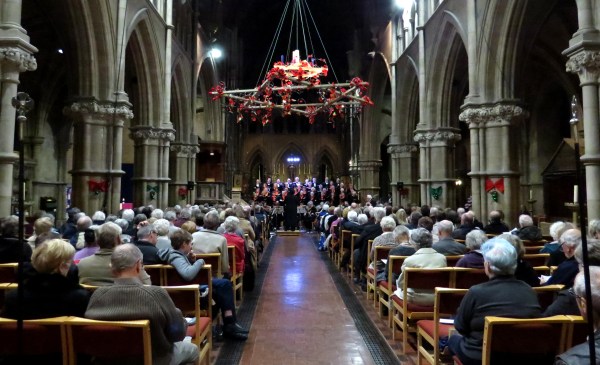
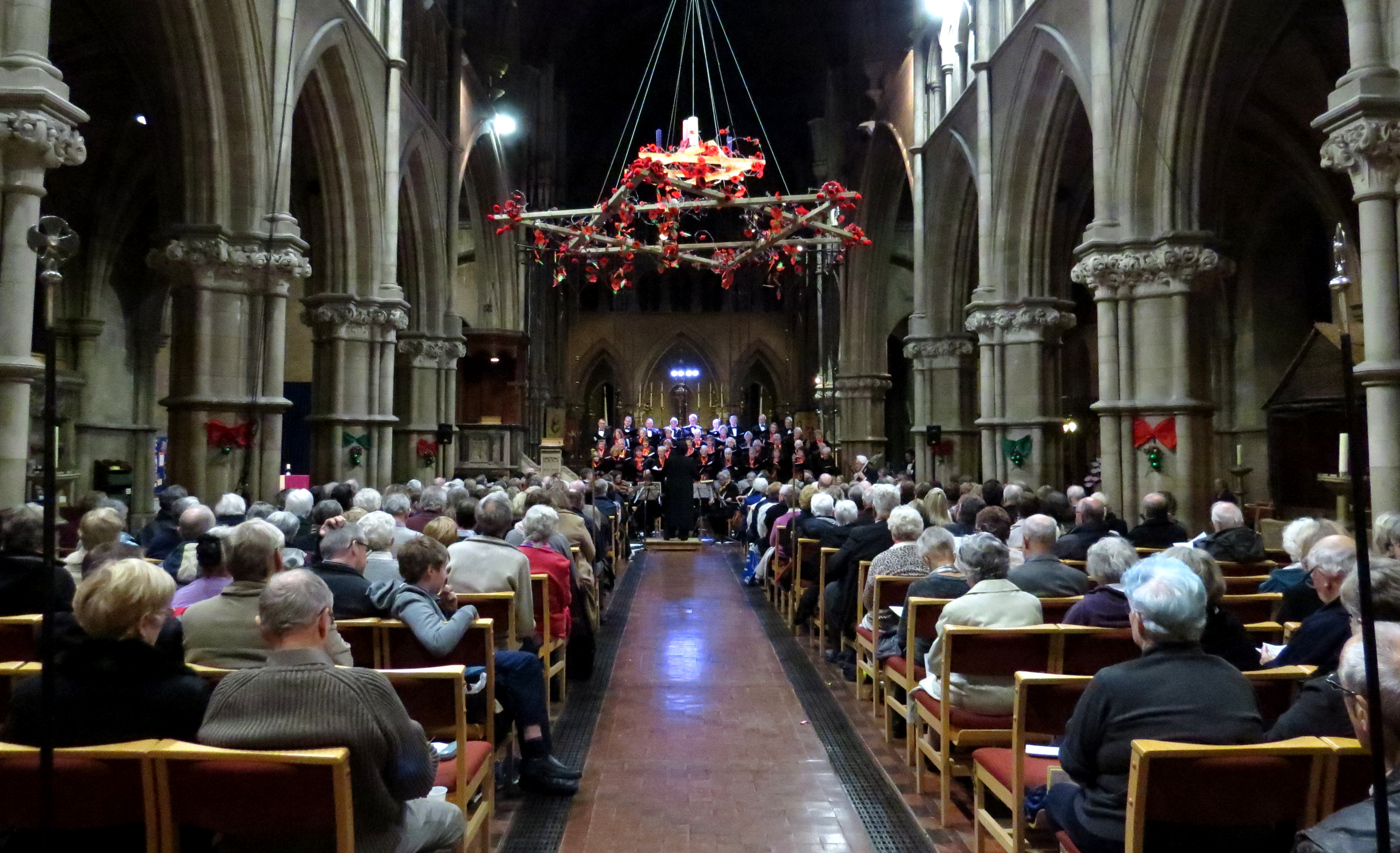
The following day Margaret’s choir performed their Christmas concert at St Peter’s Church in Parkstone.

The Barclay House Choir have a new conductor/musical director Helen Brind and I was pleased to see that she maintained the high standard of her predecessor. Margaret is on the left of the next to top row, my old work colleague Ann Hitchcoe is to her right and our friend Christine third from the left on the front row. The orchestra is led by Andrew Foot.
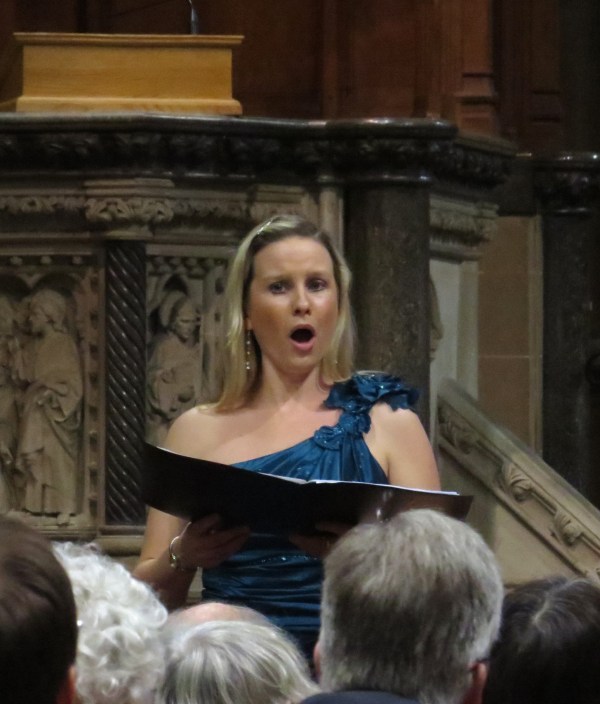
Soloist soprano Abbi Temple had a wonderful voice.

Spot the birder! L-R Mark Constantine, Trevor Warwick, Tom Carly, Jackie Hull (Nick joined us later), Shaun Robson, Mo Constantine, Mike Gould, Marcus Lawson, Richard Webb, Nick Hopper, Bob Gifford, Ewan Brodie, Terry Elborne, Roger Howell, Steve W Smith and me. Years ago I used to set pretty difficult bird quizzes for the Dorset Bird Club, fortunately the baton has been taken up by Paul Morton who set a really challenging quiz on the 8th December. We all lined up to be randomly selected into teams. I must admit our team didn’t do well (my excuse was that I was still suffering jet lag) but what really let us down was a round of bird name anagrams, I have to admit that my mind just doesn’t ‘do’ anagrams and that seemed to apply to all my team.
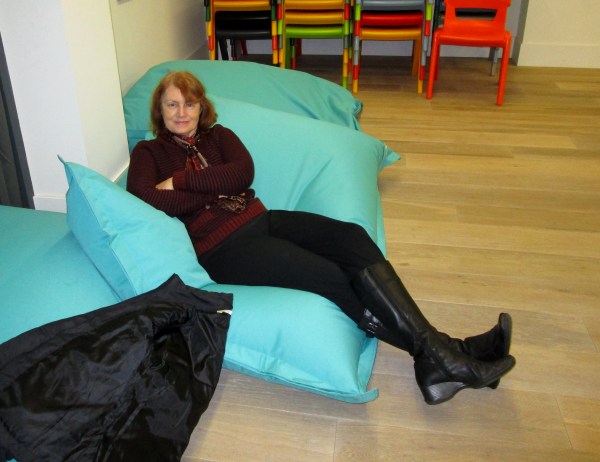
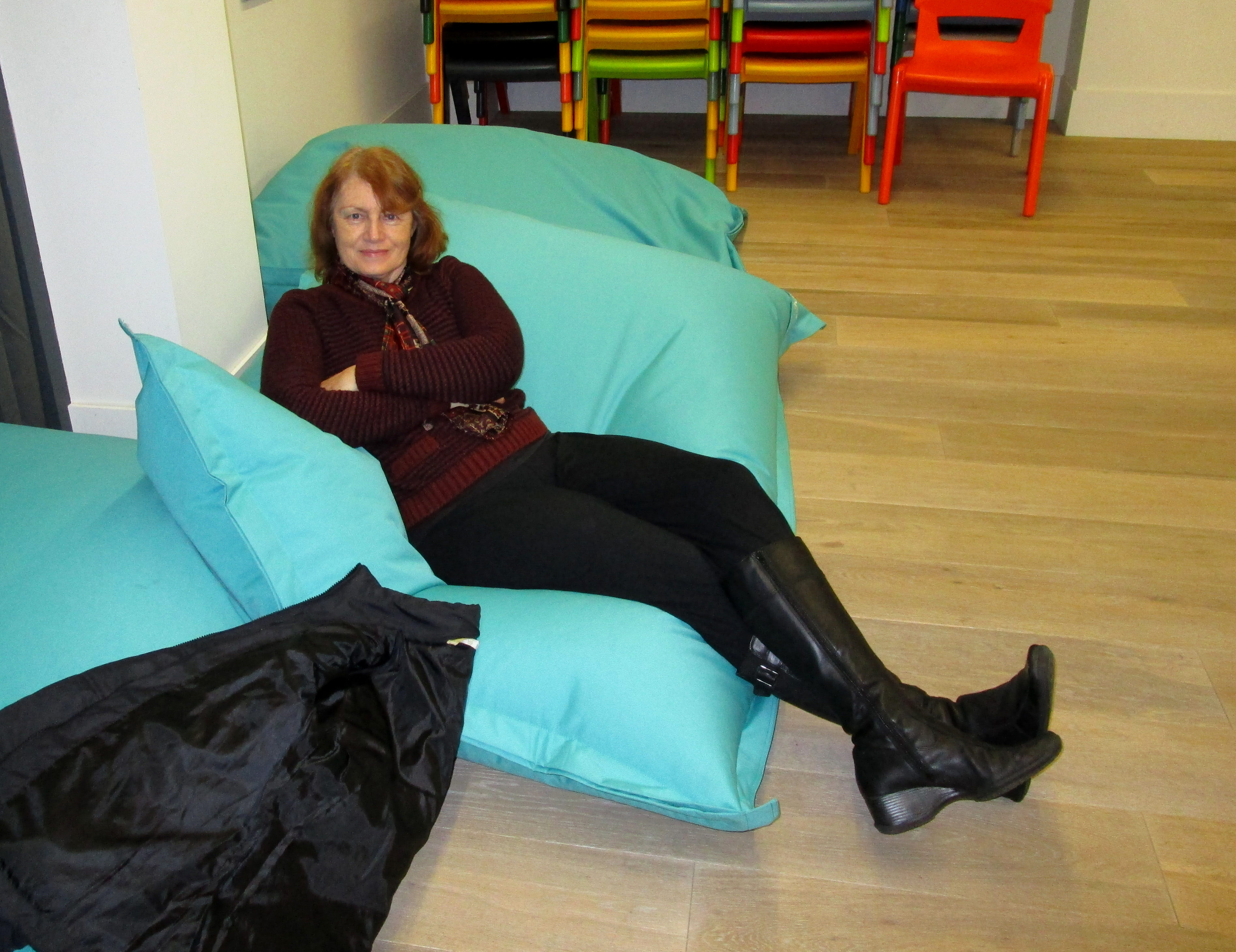
Thanks were due not only to Paul but also for Mark and Mo Constantine who made LUSH digital centre available for the quiz. Margaret opted not to be in a quiz and relaxed in the corner.
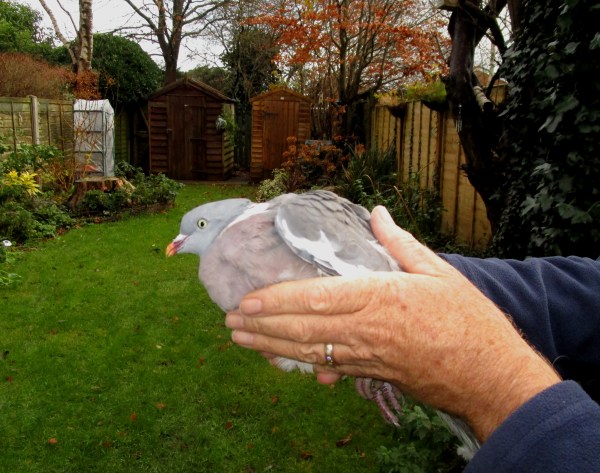
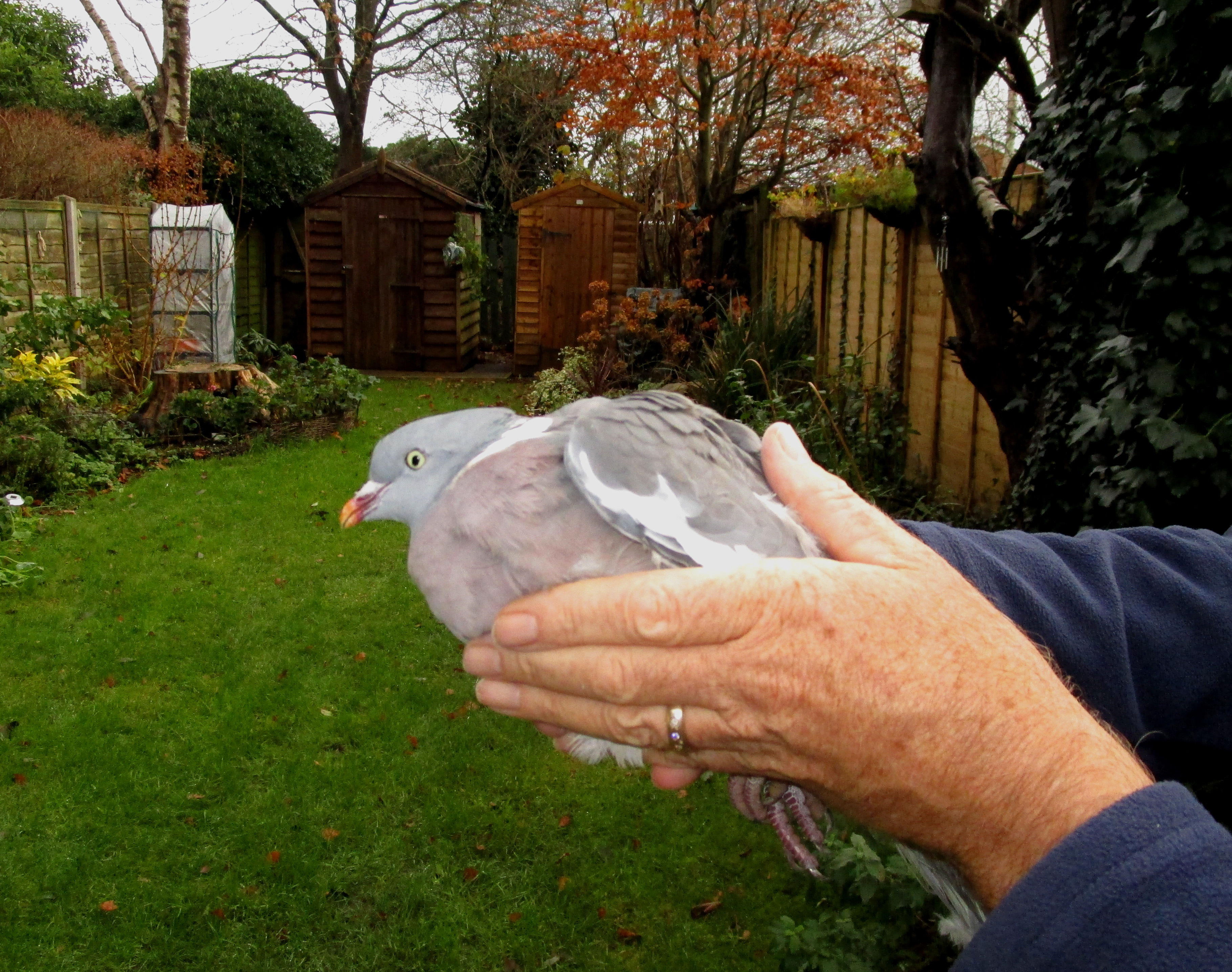
With some new traps I have been doing a bit of ringing in the garden, this Woodpigeon was an unexpected catch – and quite a handful too.
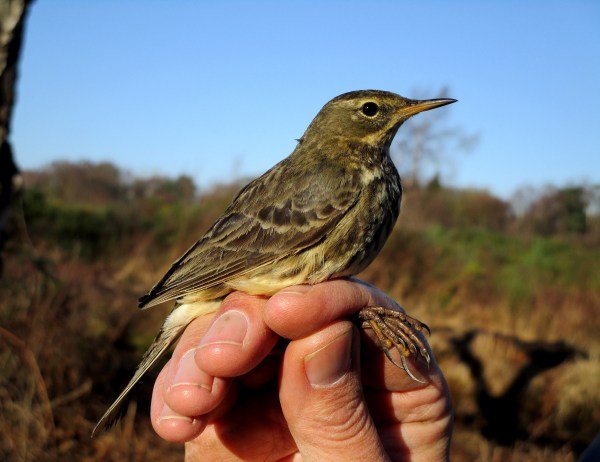
But the best ringing took place on 13th at Lytchett Bay where we caught an interesting variety of birds including this Rock Pipit. Following the Shaun’s capture a Belgian ringed Rock Pipit recently (we are awaiting details of where and when it as ringed) we have decided to renew our efforts to trap Rock Pipits, particularly as we think that those wintering on the saltmarsh may be of the Scandinavian race littoralis. We also ringed a Stonechat, several Meadow Pipits, Reed Buntings, Cettis’ Warblers and Chiffchaffs ….

… and also these gorgeous Bearded Tits.

Of all the birds we ring, the male Bearded Tit has to be one of the most beautiful. Being a scarce bird that it is somewhat irruptive and nomadic ringing ‘beardies’ is very worthwhile as previous long distance movements have shown. I mentioned earlier that I had two new trainees, Rik and Ginny, they have been joined by a third, Emma. With three people to train I shall attempt to put even more effort into my ringing activities in 2015.
I have returned from southern Argentina late on the 6th, my last foreign trip of 2014. I still have to edit the many photos that I took in this scenic and wildlife rich part of the world, but I will be posting them here in due course.
In the mean time here is a report on some of the birds that we have seen since my return. During 2014 I have concentrated on foreign birding and whilst at home, local ringing, but a few goodies still around on my return induced me into the field last Sunday and Monday.
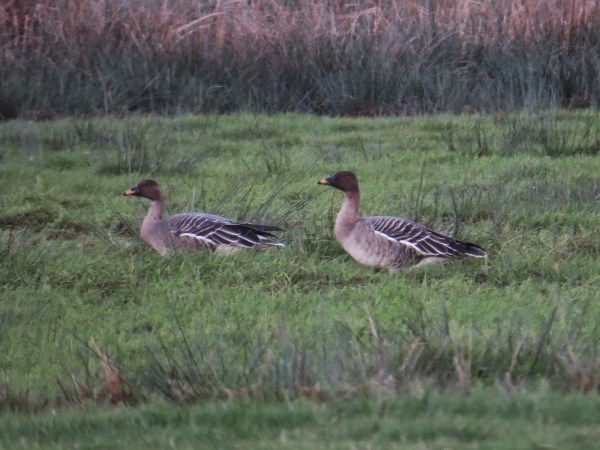
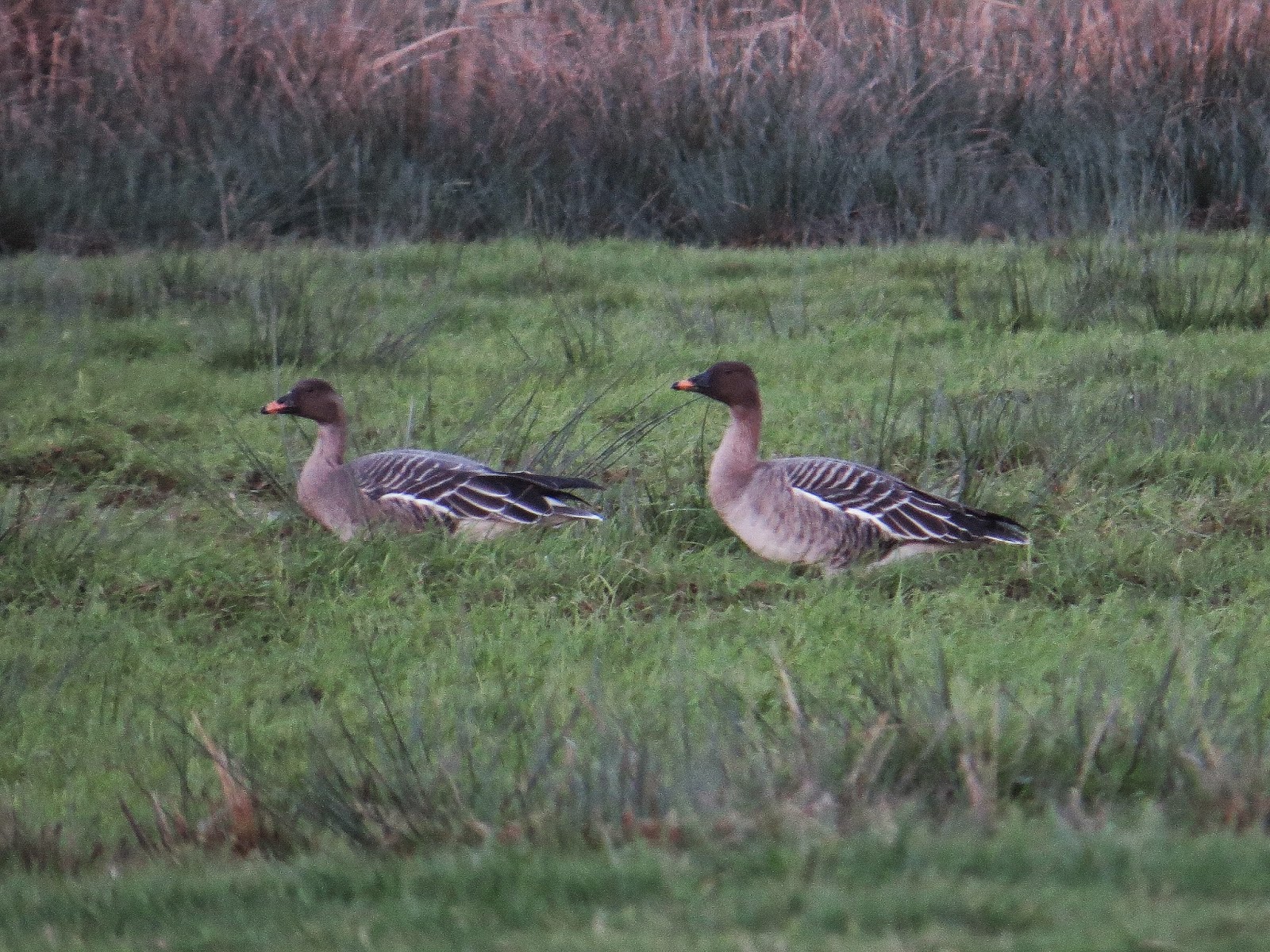
A pair of Bean Geese were found in Swineham/Aren Moors area recently. They were too far away when we saw them for photos but these shots were obtained earlier by 12 year old Joe Mitchell, published here with permission from his dad Jol. There has been debate as to whether these birds with their fairly long bills were of the taiga, rather than the expected tundra breeding race. This is of some importance as most world checklists consider then to be two different species. Expert comment however, has led me to believe that they are of the tundra group (or species) on account of the lack of a deep chest and the shape of the bill, in particular ‘grinning patch’. In a discussion a couple of years ago with my friend Paul Harvey on Shetland, I learned that many of the Bean Geese that occur in Shetland cannot be assigned to one form or the other and perhaps originate, unlike those birds that winter in Holland and the south of UK, from any area in Siberia where the two forms interbreed. Perhaps the BOU have been wise not to follow the major world checklists in splitting Bean Goose into two species.

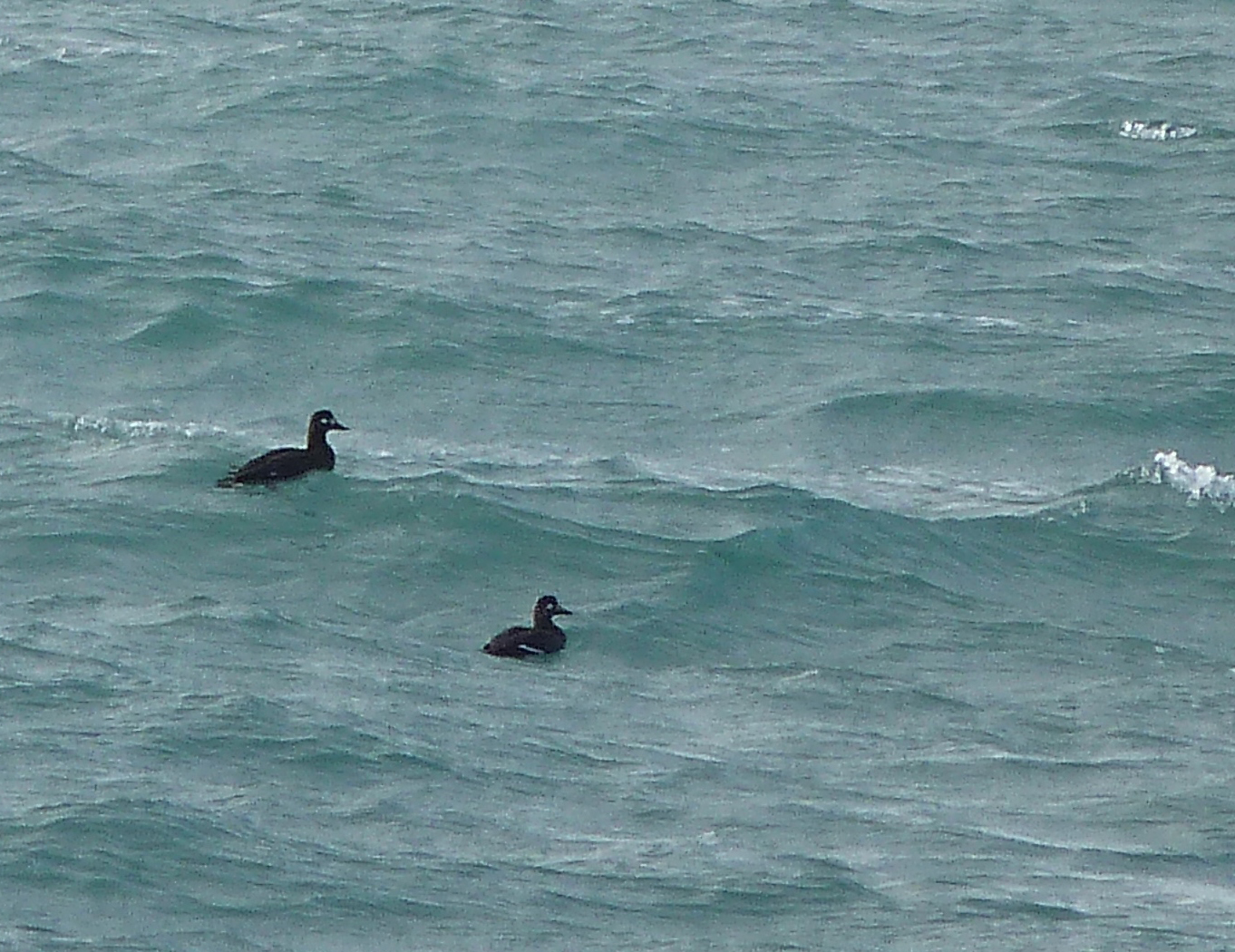
Velvet Scoter are regularly seen in very small number in Dorset in winter and on passage but these two females at Ringstead bay where the first I had seen in 2014. Photo by Geoff Upton used with permission.
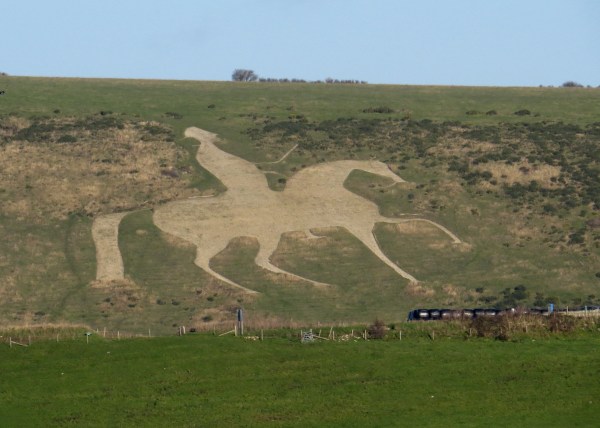
Our next destination was the fields near Redcliffe Point just to the east of Weymouth to look for a Richard’s Pipit that has taken up residence in the area. Here you get a great view of the Osmington White Horse, a 280 x 320 ft figure of George III said to have been constructed in 1808, supposedly to commemorate the King’s patronage of Weymouth. One local legend has it that the man who cut the figure committed suicide when he realised that he had portrayed the King riding away from Weymouth rather than towards it.
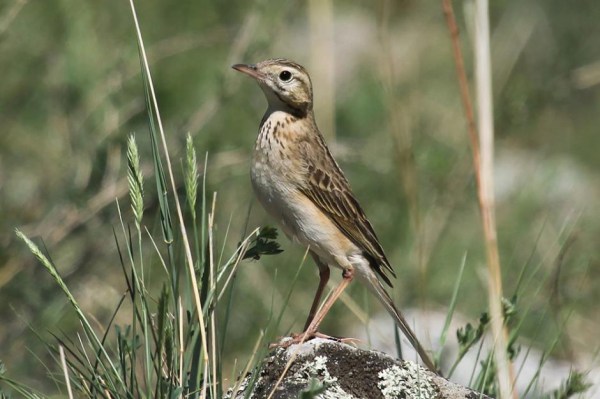
The Richard’s Pipit showed well in the scope but was flushed several times by dog walkers before I could photograph it. Others have claimed it to be an adult based on the lack of juvenile median coverts but it just might have been have been a first winter bird that moulted all of the coverts. Photos from Internet Bird Collection by Sergey Pisarevsky of an adult photographed in Russia. Notice the large size compared to Meadow Pipit, upright stance, streaked back and pale lores.

Moving on to Portland Bill, we had very good views of this first winter Barred Warbler from the Obs patio, for some reason this bird has a dislodged primary on the left wing.
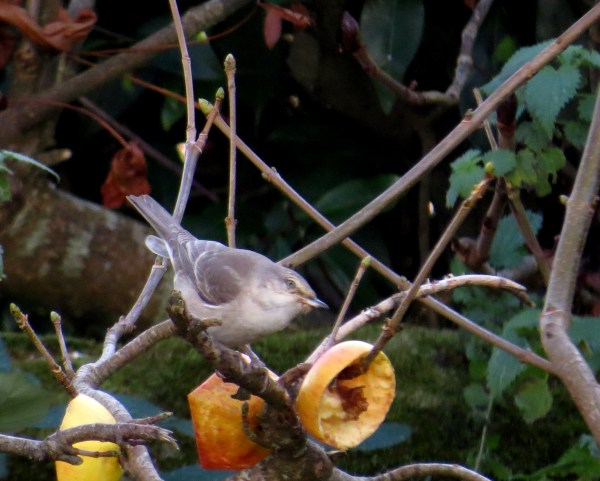
Barred Warbler is a scarce visitor to the UK, with first winters occurring mainly in northern and eastern areas in September and October. Adults with their startlingly pale eyes and barred breast are almost unheard on in the UK, at least in the south.

First winter Barred Warblers seen earlier in the autumn have wholly black eyes. This individual seems to developing the pale eyes of an adult already. I have seen 18 Barred Warblers in the UK and about 25 abroad, but none as well as this bird which seemed to be defending these apples against all comers.




























 gryllosblog


