The last Brazil post dealt with our visit to the Canudos Biological Reserve and its wonderful Lear’s Macaws. From here we drove south-east to Jeremoabo and the following day continued to the coast at Palmares in coastal Pernambuco.

Pectoral Antwren, one of many species of antwren seen on the tour and one that is restricted to far eastern Brazil, was a highlight of our time at Jeremoabo.
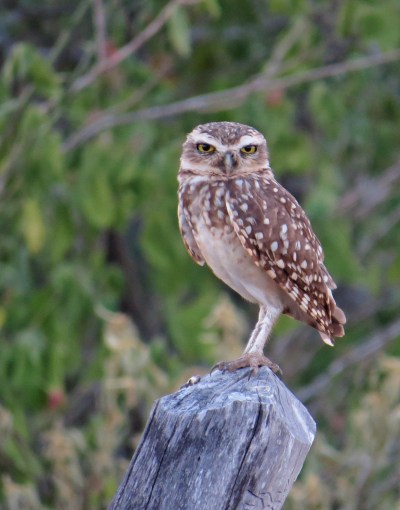
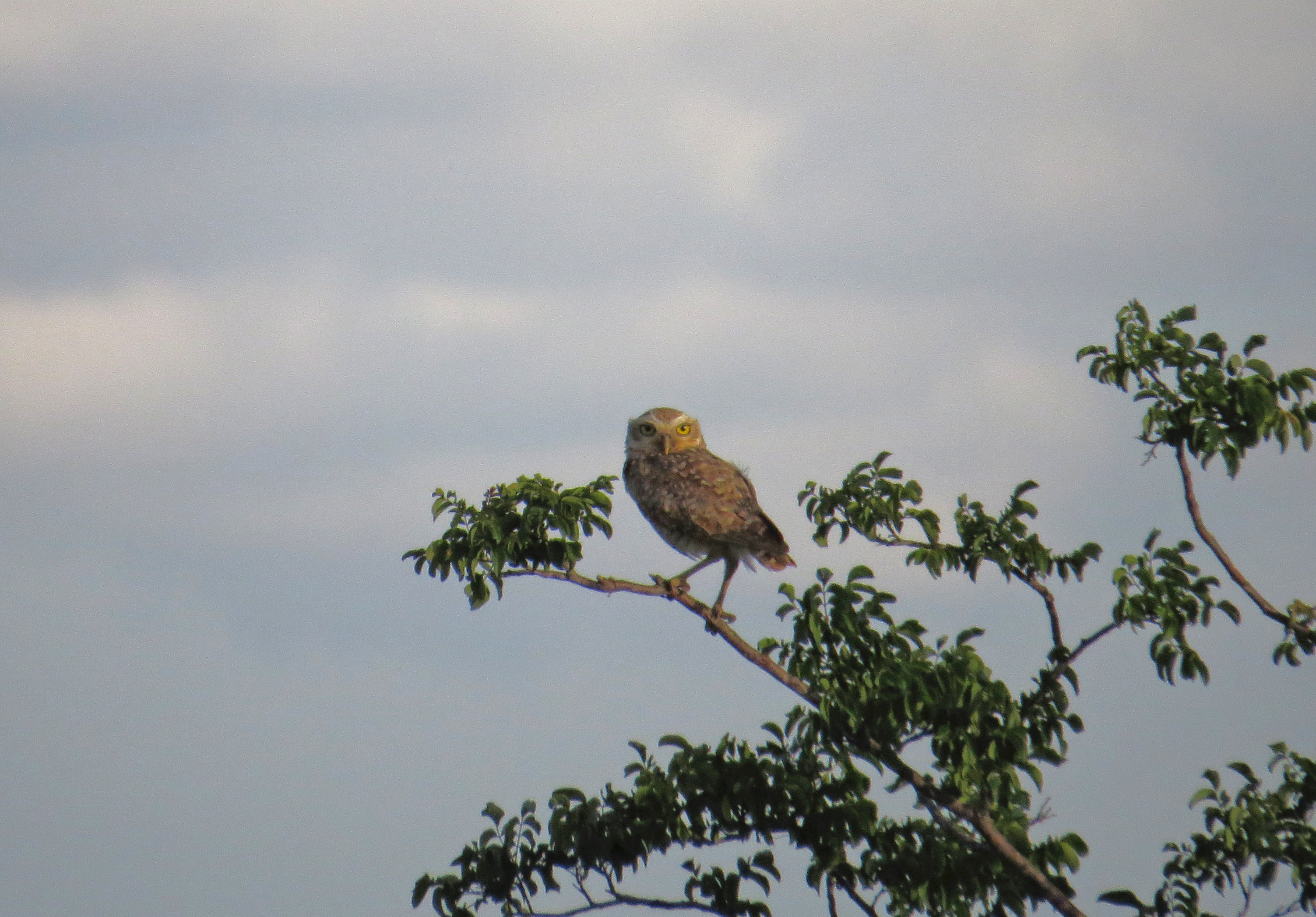
Burrowing Owls could be seen along the sides of the road in open areas.
The area around Palmares is part of the ‘Pernambuco centre of avian endemism’. Unfortunately the vast majority of forest has been converted to sugarcane or banana plantations and the remaining endemic birds are critically endangered. Some forest does remain, but it is severely fragmented. In Europe or North America forest birds would disperse from one patch to another so bolstering the population, but here each population becomes increasingly isolated and inbred so numbers are falling at an alarming rate. Alagoas Foliage-gleaner, Pernambuco Pygmy-owl and Cryptic Treehunter may already be extinct and Alagoas Antwren, Pinto’s Spinetail and White-collared Kite may soon be following them into oblivion. Originally three days were scheduled for this area but rather than ‘flog a dead horse’ our time was cut to a day and a half, allowing us to see some of the specialities without wasting time on birds that had already disappeared.

Frei Canaca reserve is typical of the plight of the NE Brazilian coastal rain forest, being encircled with and fragmented by plantations. We saw some good birds here but they were in very low density and it was hard work!

I wasn’t able get good photos of any of the Pernambuco forest birds but in coastal marshes we saw and photographed the equally rare Forbe’s Blackbird.

The attractive White-headed Marsh Tyrant is a much commoner and widespread bird.

Overhead we had great views of the largest of the lowland New World vultures (the Andean Condor of course is the largest).

Further south in coastal Bahia State we came across another range restricted antbird – Fringe-backed Fire-eye.

We visited nearby palms at dusk and were fortunate to see …
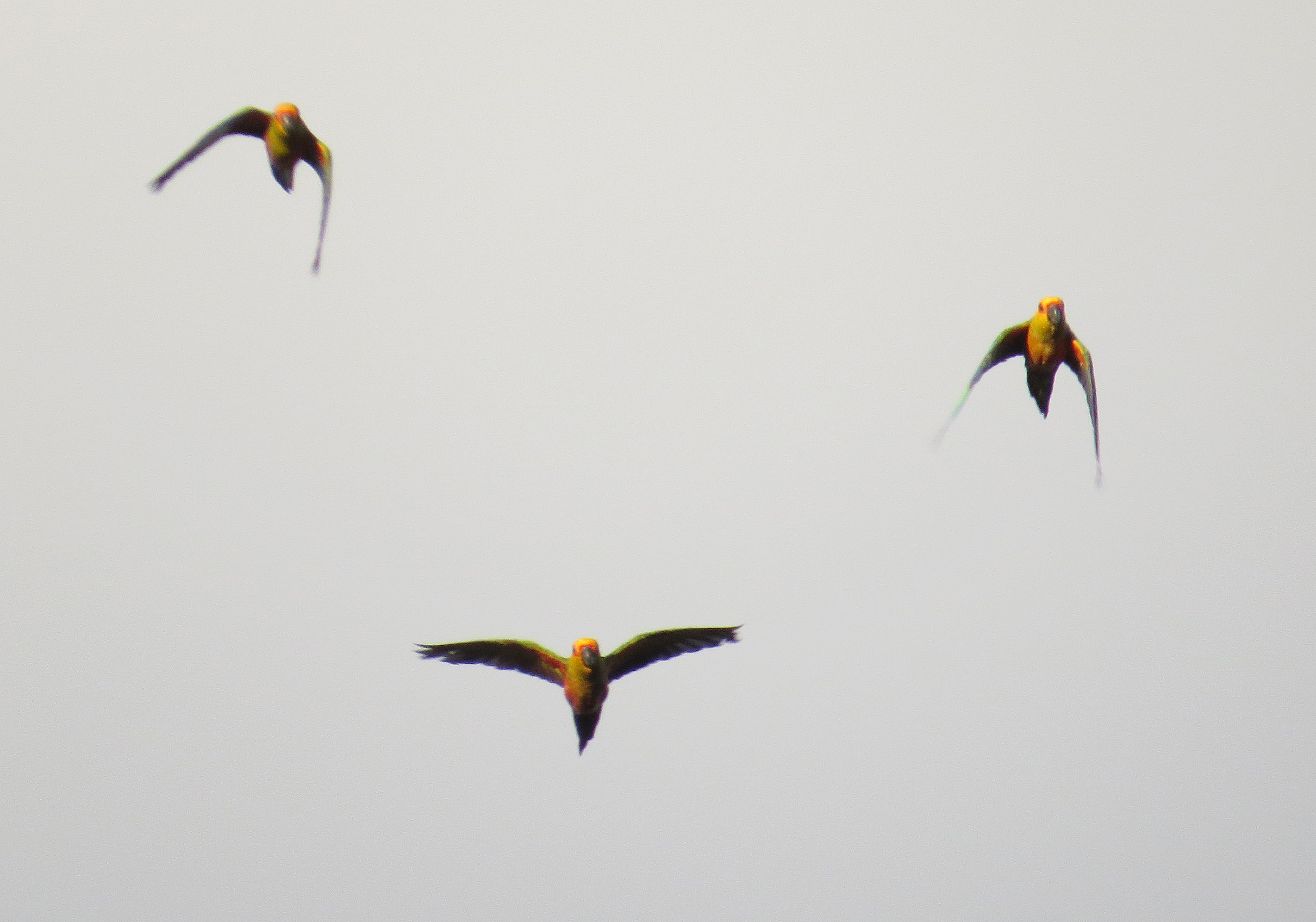
…. the endemic Jandaya Parakeets flying to roost.
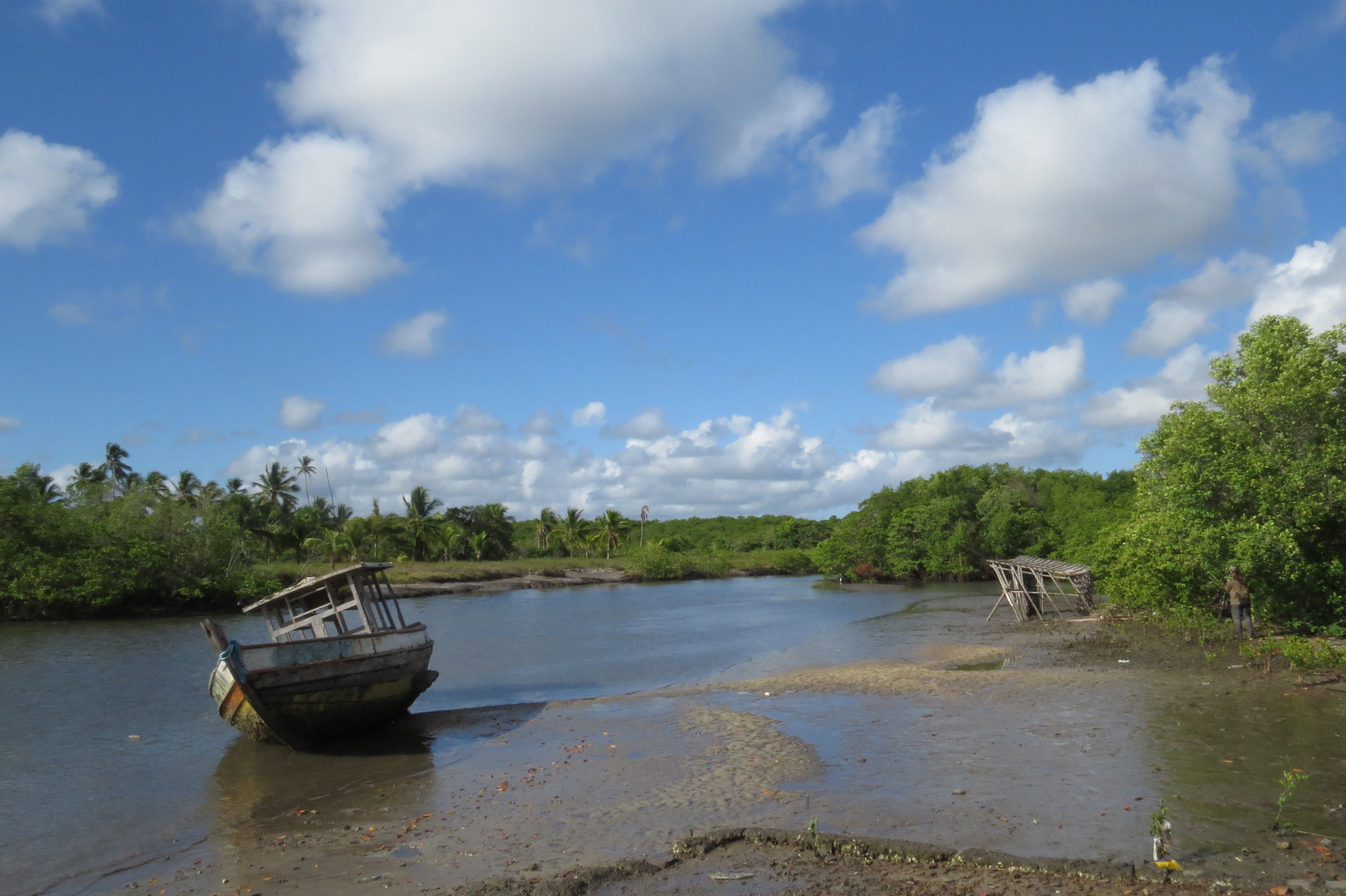
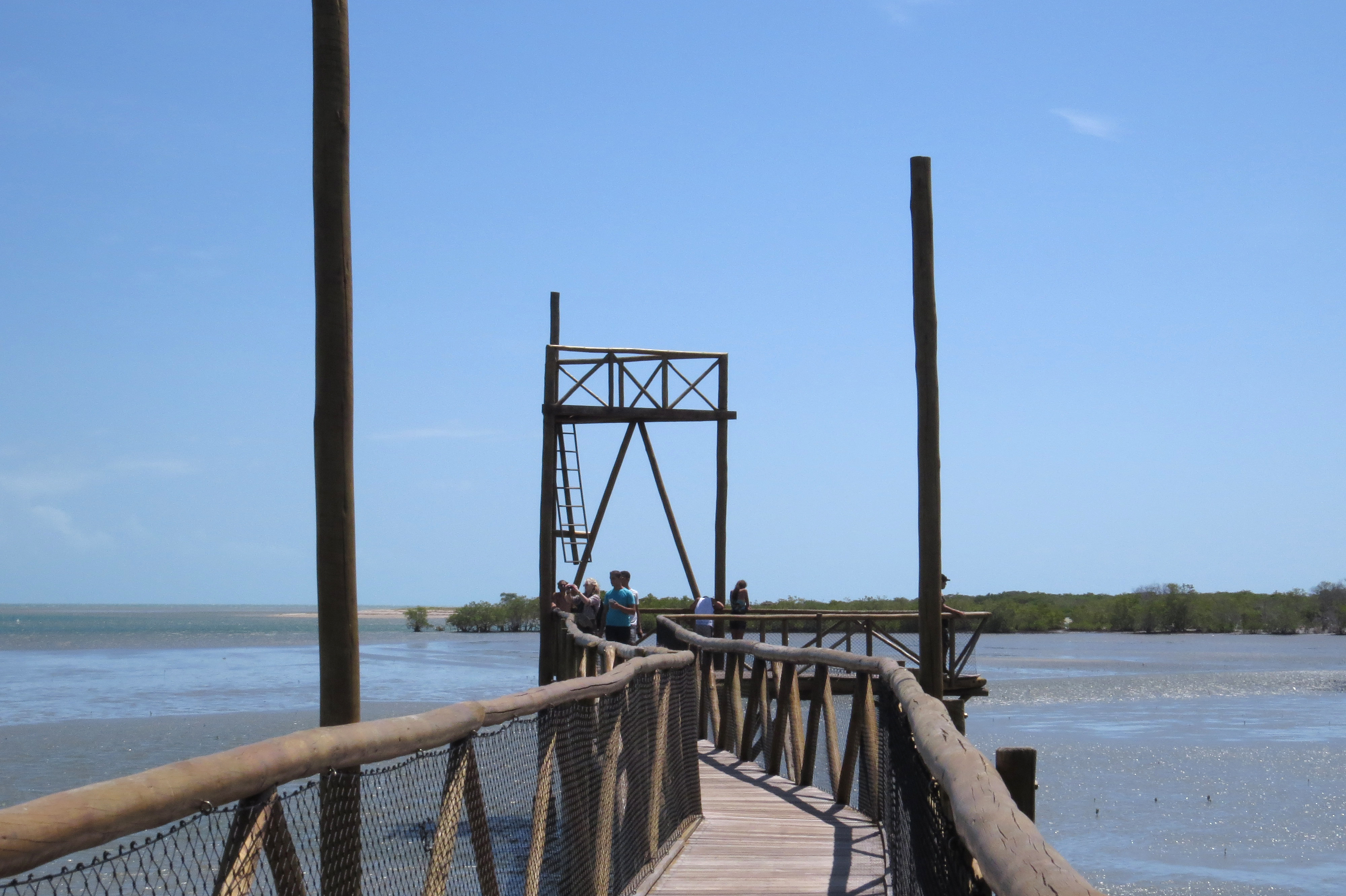
Searching mangroves the following morning we located several of the recently split Mangrove Rails, but they refused to be coaxed from deep cover and remained a ‘heard only’. However a chance encounter with another tour group gave us great scope views of the coastal Rufous Crab-hawk, but it was too distant for decent photos.
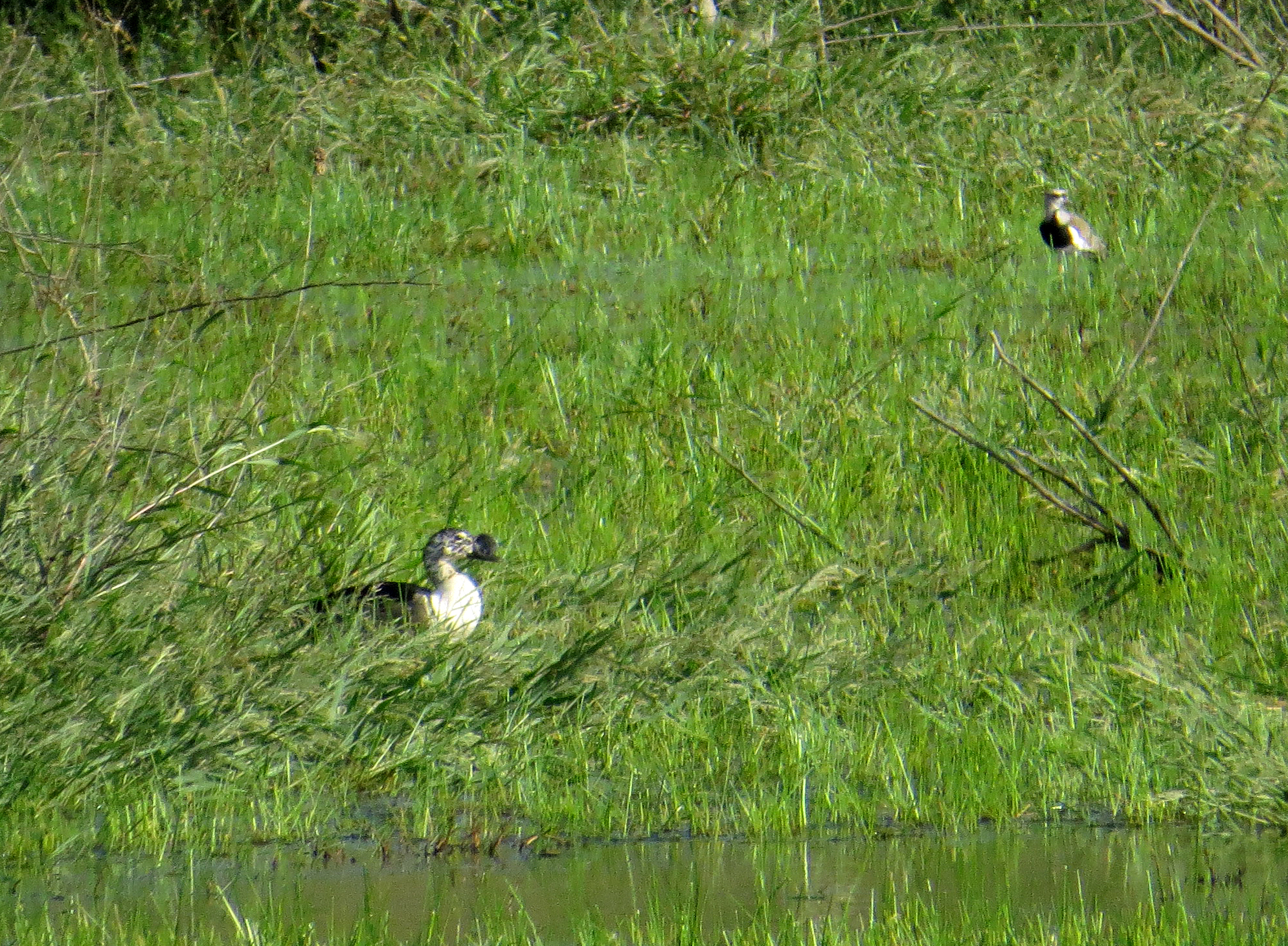
On route we saw the trip’s only Comb Duck, a species recently split from the Old World Knob-billed Goose.

Chestnut-headed Blackbirds frequented these roadside marshes.

Moving back inland, we stayed for a couple of nights in the charming town of Lencois. From here we explored the nearby Chapada de Diamantina and surround caatinga.

You’re not going to be confused as to which is which with these toilet door signs!
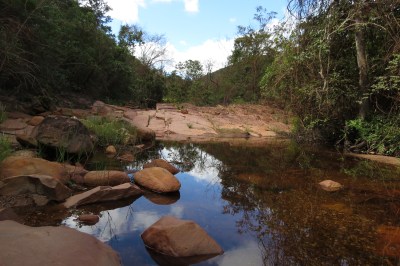
A nearby river valley held two very special birds ….

…. Sao Francisco Sparrow, named after the regions largest river ….
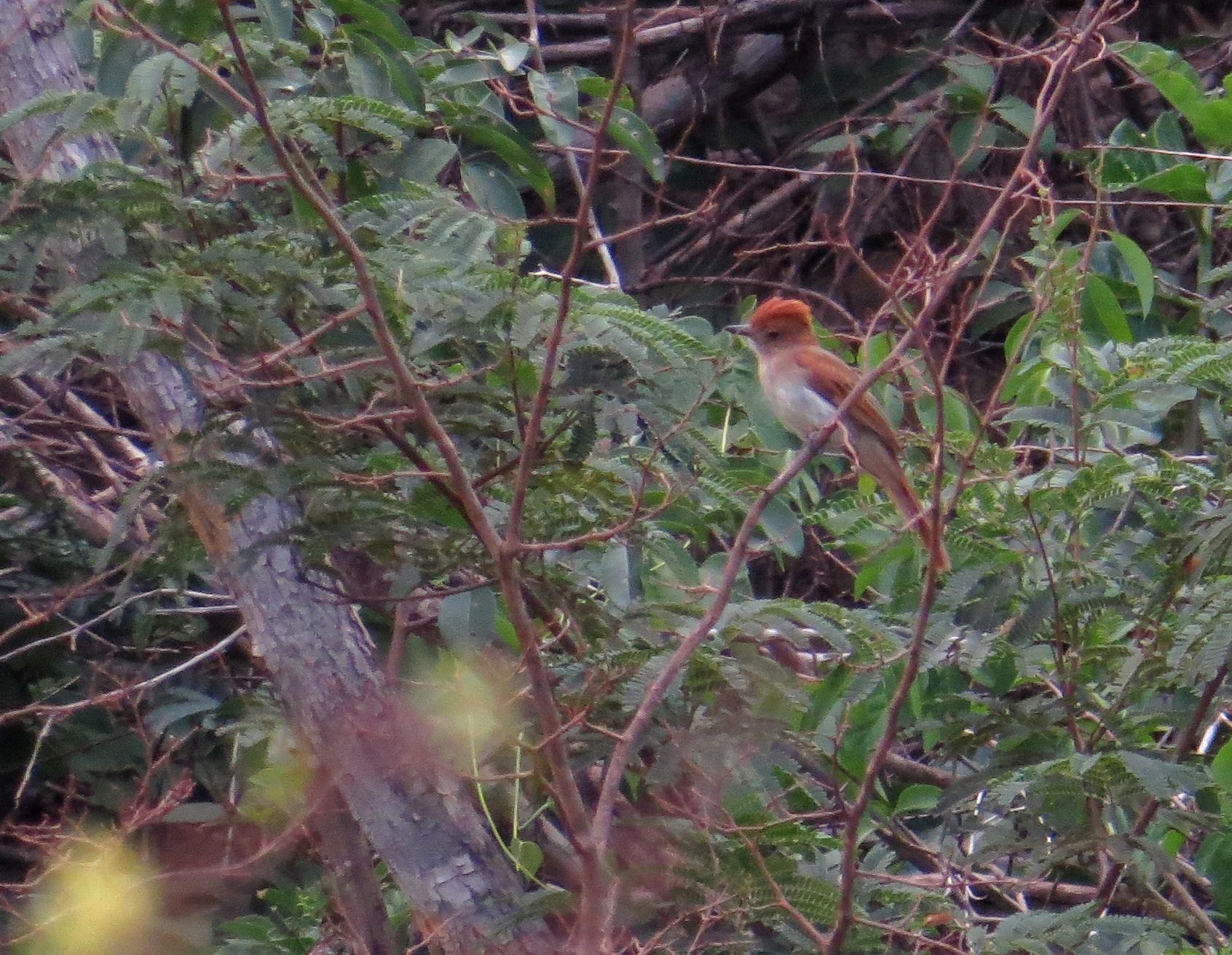
… and Ash-throated Casiornis, a seldom seen tyrant flycatcher that looks more like a furnarid.

The Chapada de Diamantina consists of many tepui-like rock outcrops and is scenically very attractive.
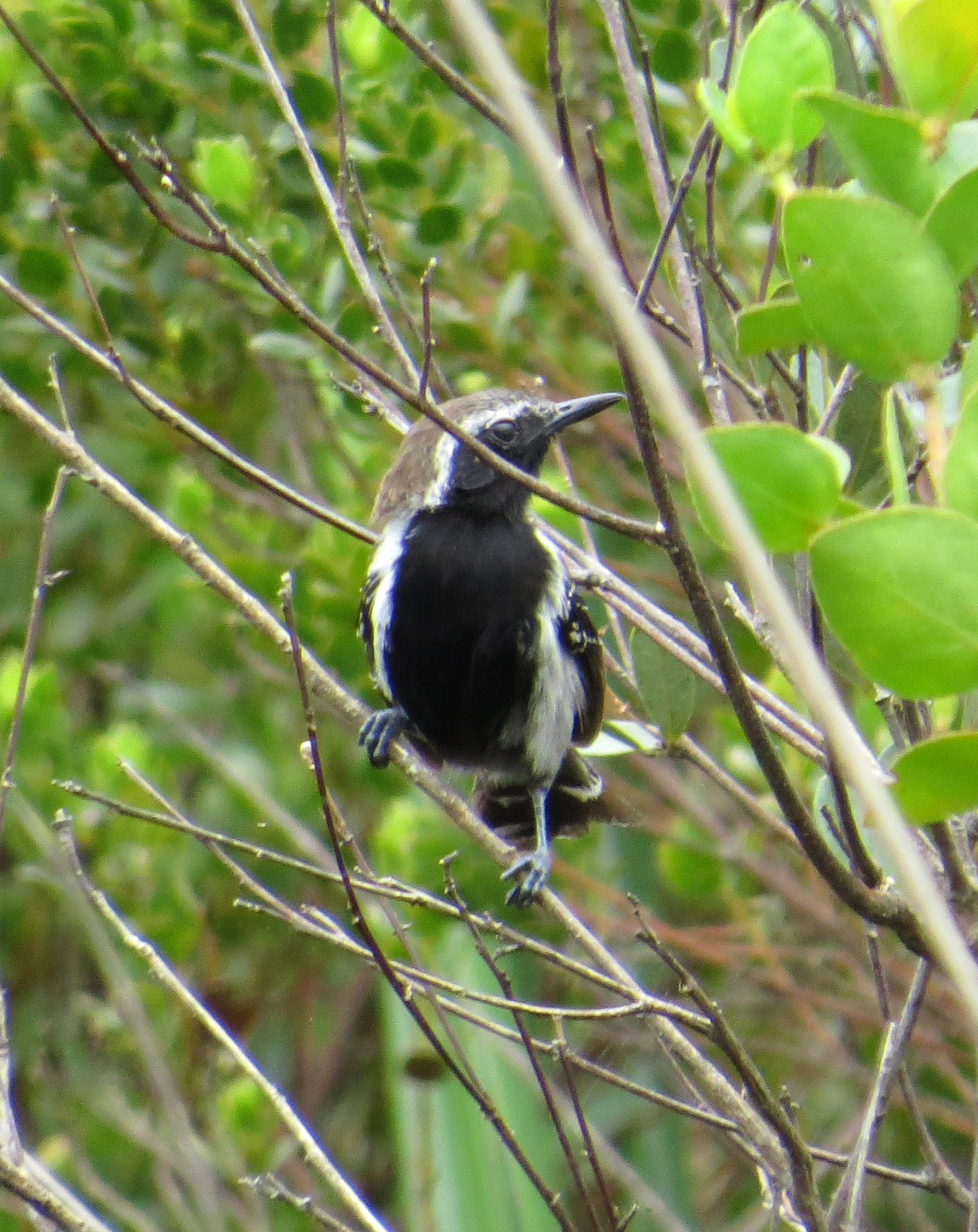
Among the many great birds we saw was Sincora Antwren, a bird described as recently as 2007 ….

…. and Serra Finch, another eastern Brazil speciality.
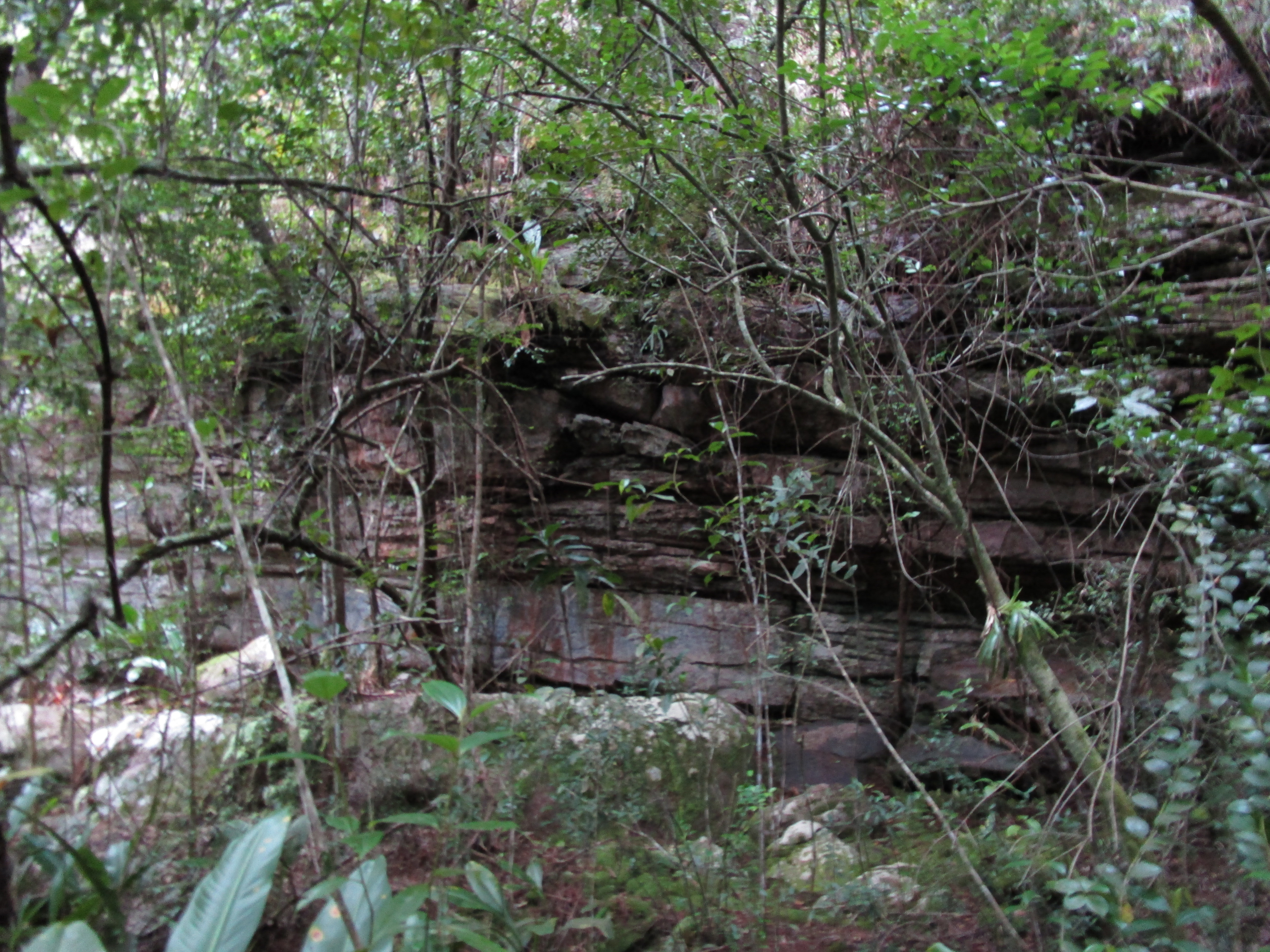
One of the best birds we saw in the area was another recently described species, Diamantina Tapaculo. To get to see this rarity we had to battle our way through thick scrub and climb down into this rocky gully. Our first attempt was unsuccessful, which was frustrating as our leader had already located it on a ‘recce’ whilst we were having lunch, so we knew it was there. But our attempt the next morning was successful, but no pictures were obtained of this little skulker.

This slightly blurred photo of a Red-cowled Cardinal looks like (but isn’t) something out of John Dunning’s ‘South American Land Birds’. Long before any good field guides existed for South American, JD mist-netted many South American species and photographed them in a special photography cage, complete with a few branches to perch on and a pale blue background to mimic the sky. For a long time this book was the best guide available.

Also endemic to NE Brazil is the Campo Troupial, a species of icterid or New World blackbird.

Cinnamon Tanager, another eastern Brazilian bird.

The former Hepatic Tanager has been split into three, the Central American populations which reach as far north as the south-west USA, retain the name Hepatic Tanager, the Andean forms are now known as Tooth-billed Tanager and this, the lowland form, is appropriately known as Red Tanager.

The following morning we climbed high into the tepui-like cliffs of the Chapada de Diamantina, but early morning mist obscured the views.

Out targets, Stripe-tailed Yellow-finch ….

…. the beautiful Hooded Visorbearer ….
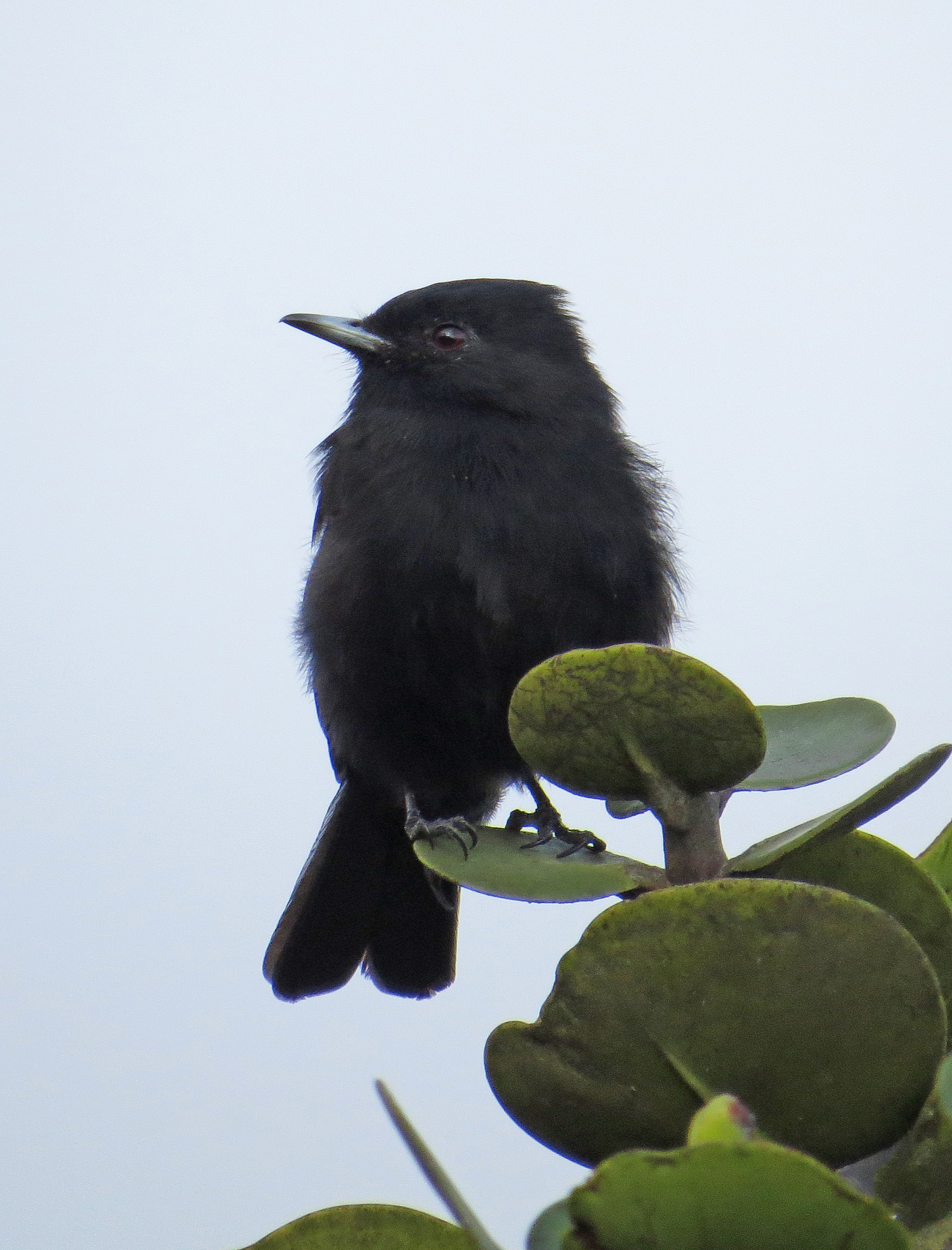
… and the drab Velvety Black Tyrant soon fell.
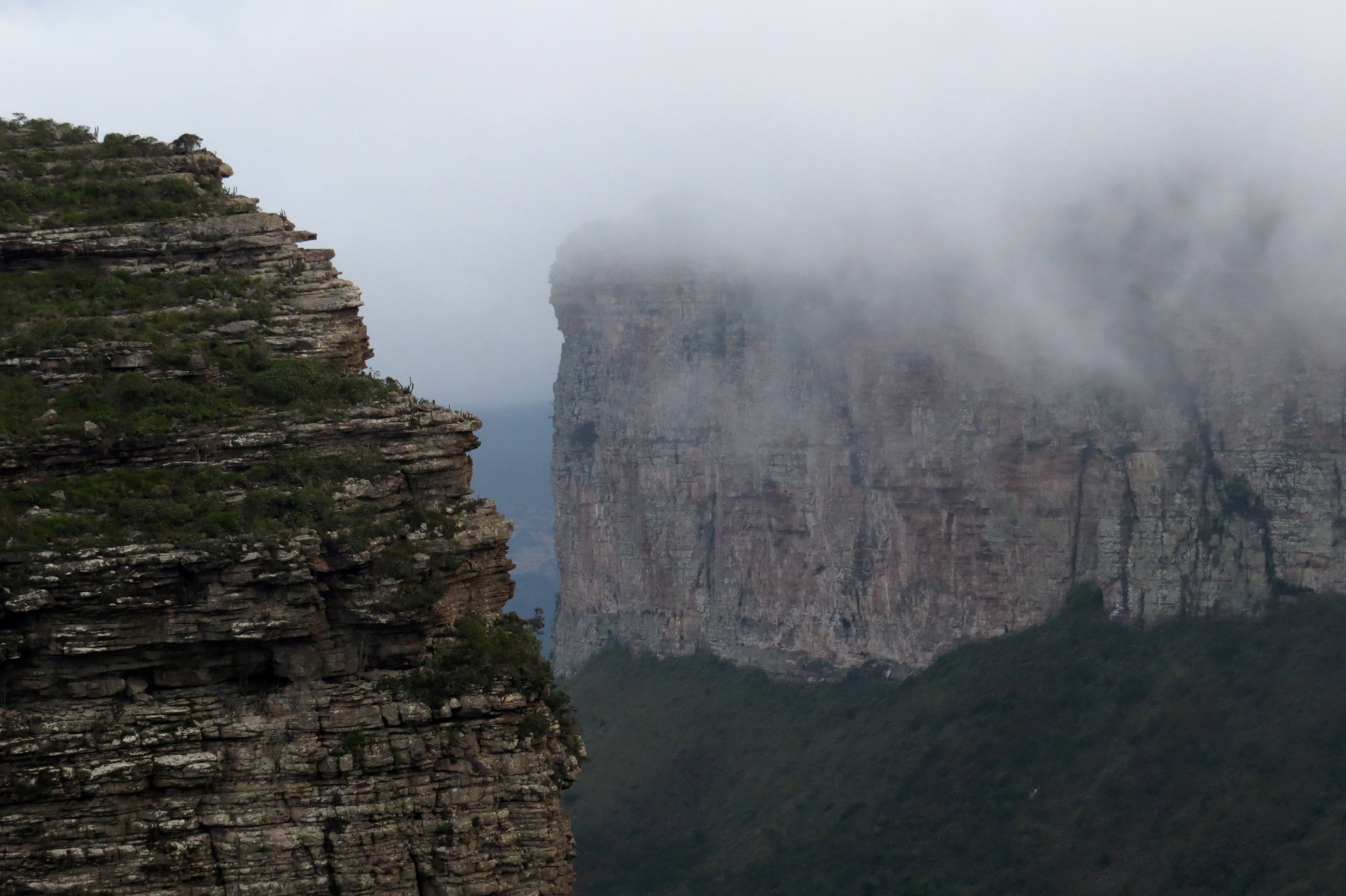
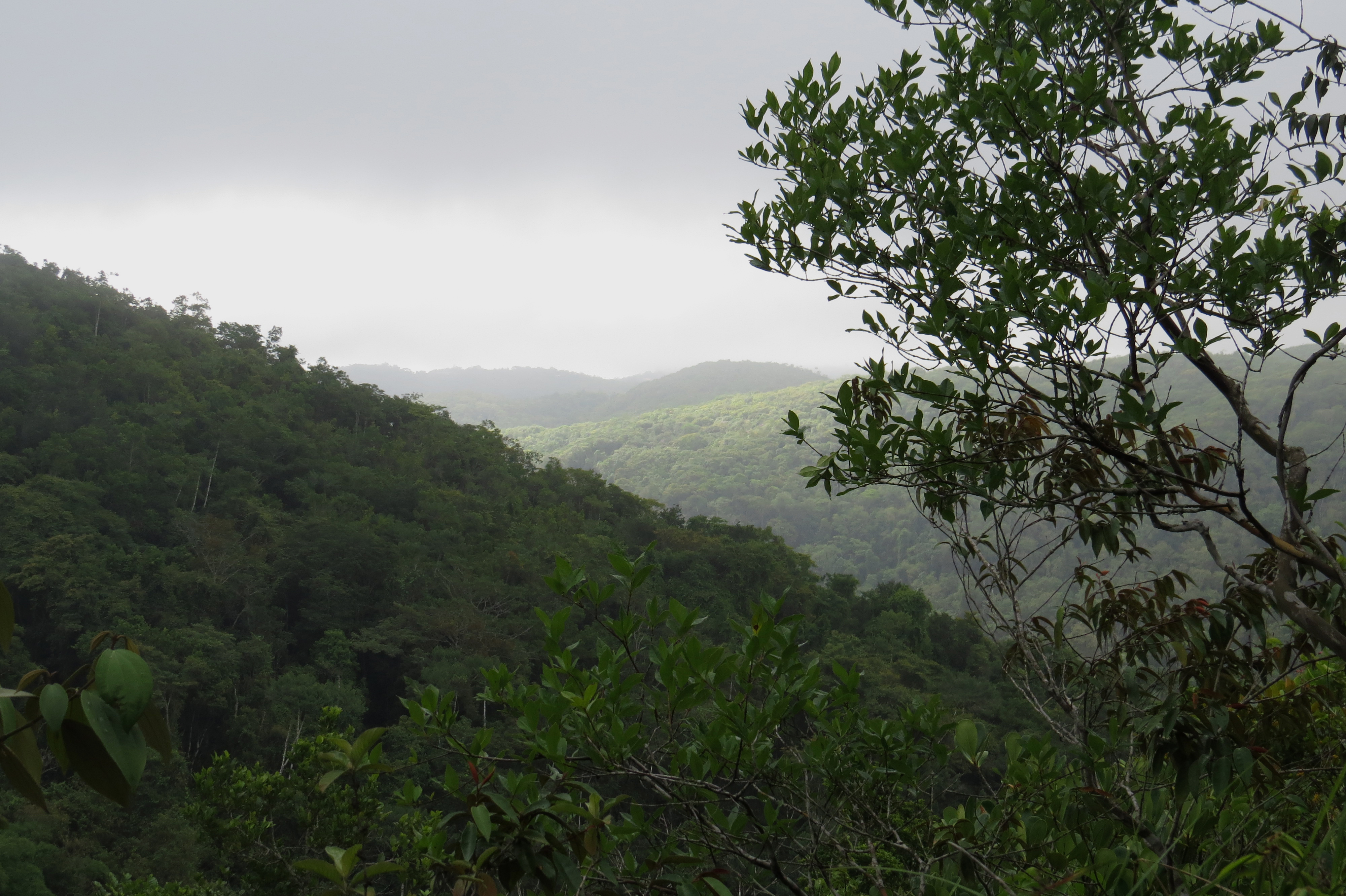
On the way down we found the cloud had lifted slightly, partially revealing the dramatic scenery.

Lower down we found the stunning Blue Finch, but at a considerable distance. However this Black-throated Saltator performed at close range.

The Shrike-like Tanager is just that, a spitting image of the Old World Lesser Grey Shrike, apart from lacking a hooked bill and an evil look to its beady eye.
Not far from Lencois we birded an extensive area of caatinga.

Plumbeous Seedeater was one of many scarce or range restricted seedeaters we were to see on the tour.
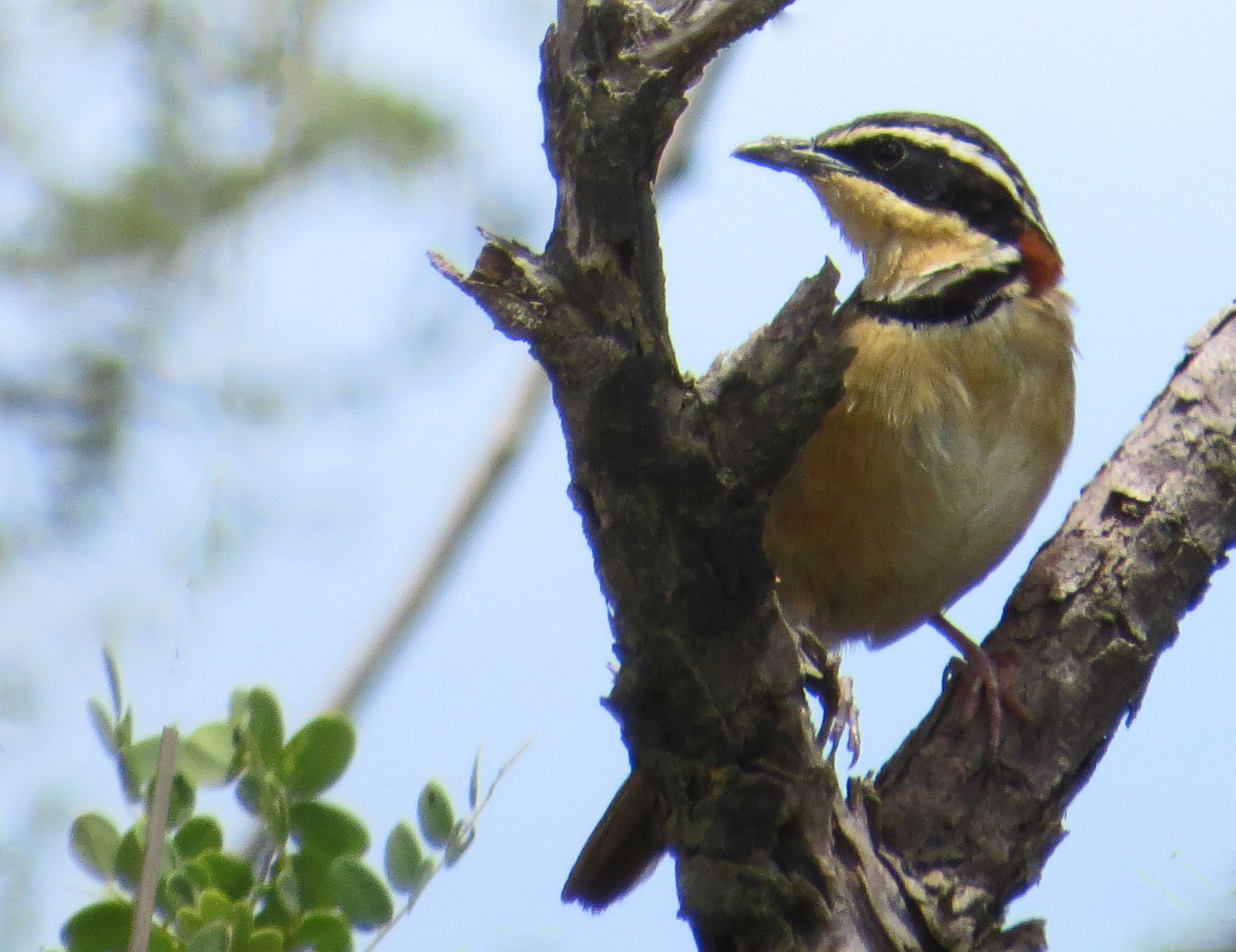
We had great views of Collared Crescentchest. The four species of crescentchest are now considered to be a separate family Melanopareiidae, rather than being included in the tapaculos.
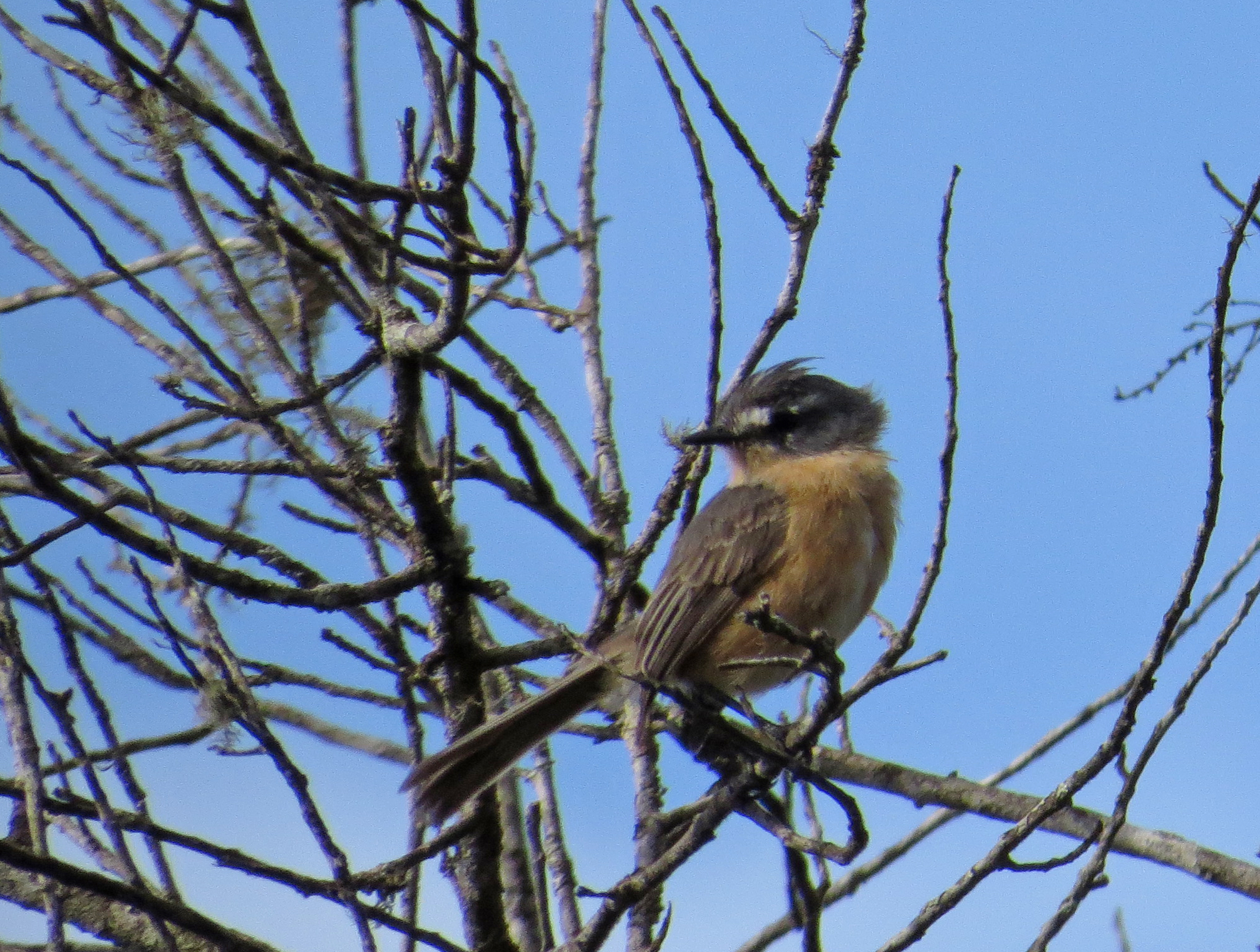
Other goodies included the tiny Grey-backed Tachuri, a diminutive tyrant-flycatcher ….

…. the dainty Sharp-tailed Tyrant ….

…. and some scary looking spiders.
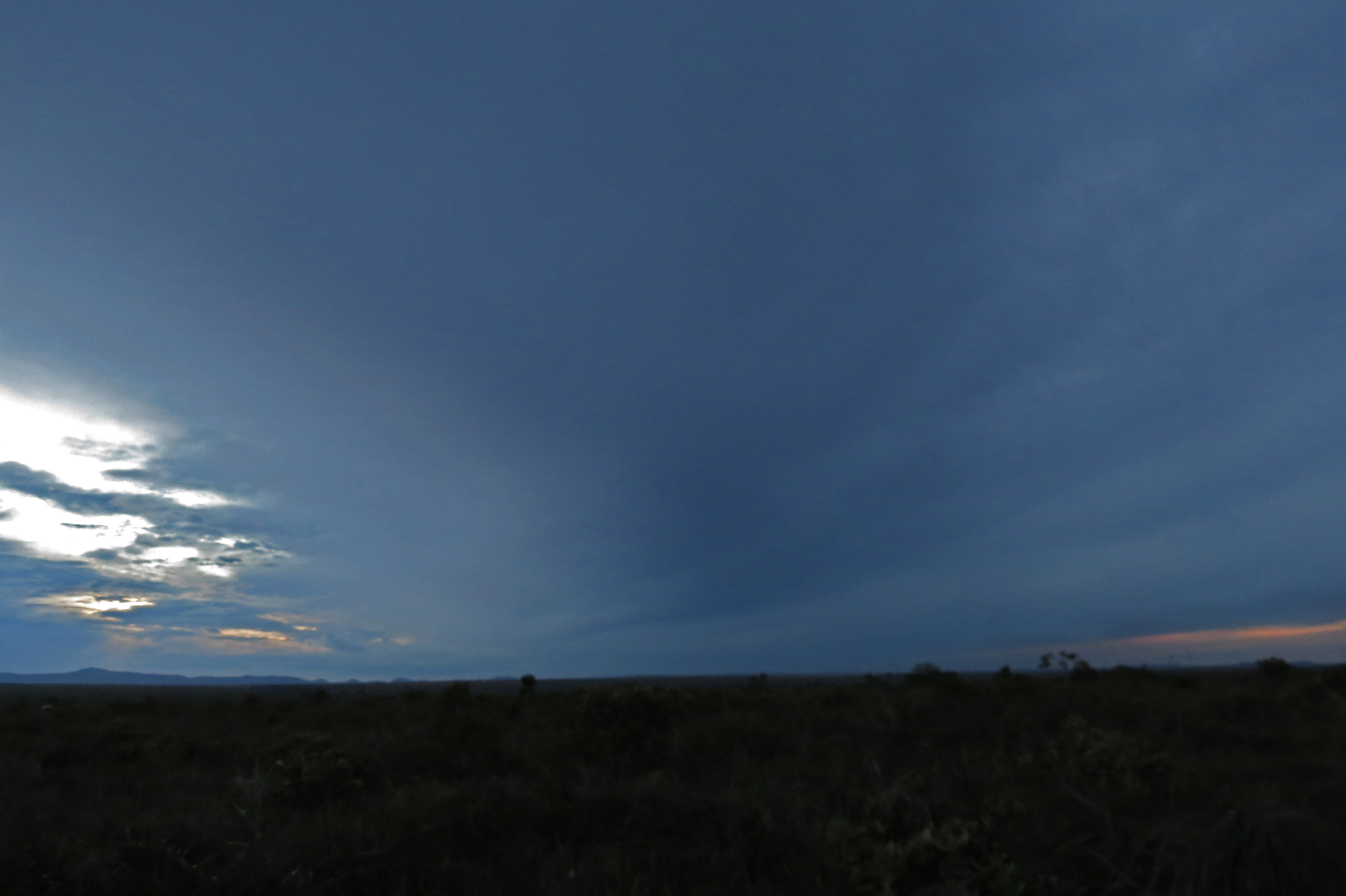
Dark clouds gathered as dusk fell ….

…. but that didn’t prevent an impressive gathering of 15 or so Least Nighthawks.
From here we continued south heading for Mucage and Boa Nova. This will be the subject of the next post.










 gryllosblog