Archive for the ‘Cinclodes’ Tag

Central Peru part 4: Huariaca area and Lake Junin – 17th – 19th November 2016.   Leave a comment


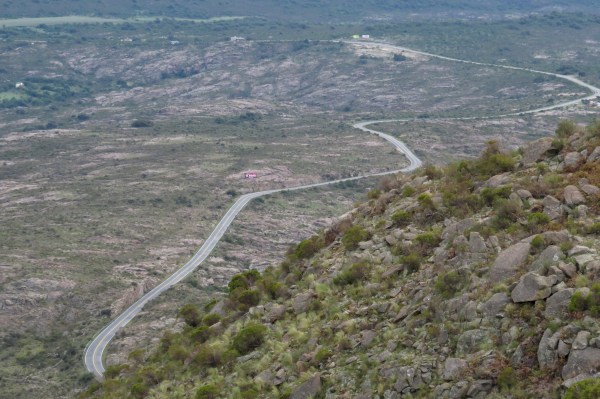
img_7212-huariaca-road

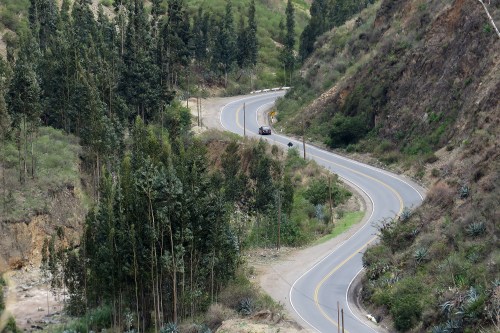
After leaving the Huanaco  we explored areas near Huariaca, notably this steep-sided canyon.


img_7210-huariaca-lunch-stop

It was a bit of a slog climbing up the steep sides but we were getting used to the altitude.


img_7213-lunch-break

Meanwhile our ever helpful drivers prepared lunch. Note how the use of a telephoto lens has altered perspective, the front of the bus appearing wider than the back. This ‘size illusion’ can be critical if you are comparing the size of one bird in a photo (say a peep) with another species (say a Dunlin) that is a little way behind it.
 

img_7220-band-tailed-pigeon

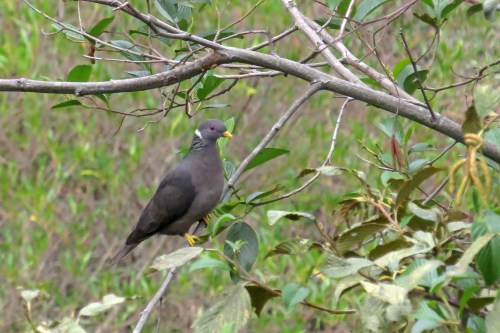
Some of the species we encountered well familiar to us like Band-tailed Pigeon ….
 

img_7230-rufous-backed-inca-finch-best

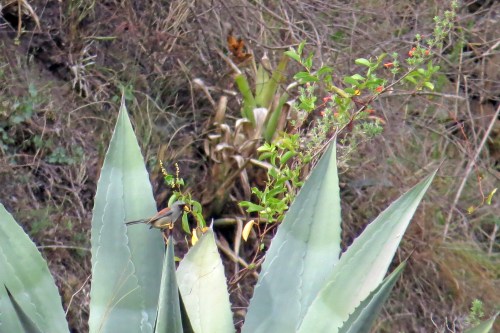
…. but eventually we found our target, the rare Rufous-backed Inca-finch.
 

img_7235-huariaca-area

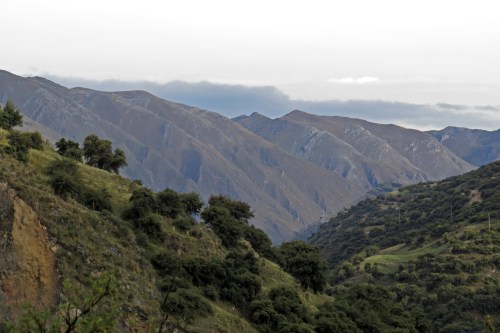
The following morning we stopped at an area of polylepis forest in the upper Huariaca valley.
 

img_7258-giant-conebill

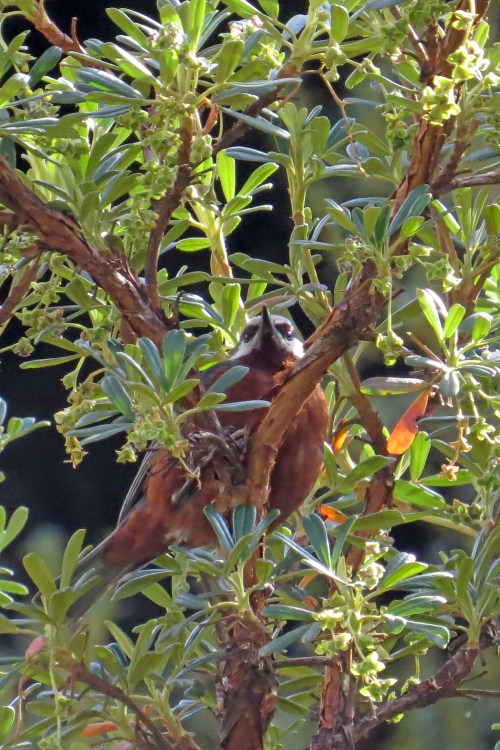
We encountered a number of localised species such as this Giant Conebill ….


img_7242-cinclodes

…. as well as widespread ones like Cream-winged Cinclodes.


img_7265-old-polylepis

One of our main targets was Stripe-headed Antpitta which had eluded us up to now. We eventually caught up with it in this grove of gnarled polylepis trees.


img_7239-playing-field-and-polylepis-windbreak

Much of the polylepis forest has been felled, either for firewood or to replace it with alien and wildlife unfriendly eucalyptus which is preferred as its fast growing straight trunks can be used in construction and as windbreaks. However as this photo shows if coppiced polylepis can grow straight and quite quickly.
 

img_7275-distant-mountains-from-l-junin

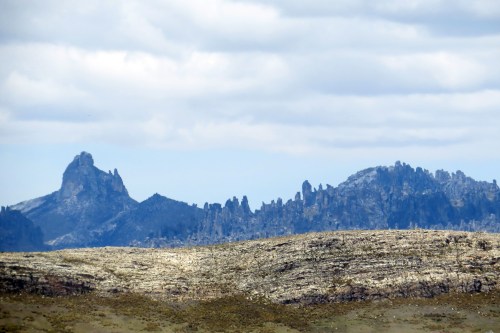
By the afternoon we arrived in rocky basin that holds the enormous Lake Junin, the second largest lake in Peru (after Lake Titicaca)


img_7272-burrowing-owl

Surrounding areas held a good range of species including Burrowing Owl ….


img_7312-puna-ibisjpg

…. Puna Ibis ….


img_7321-aplomados

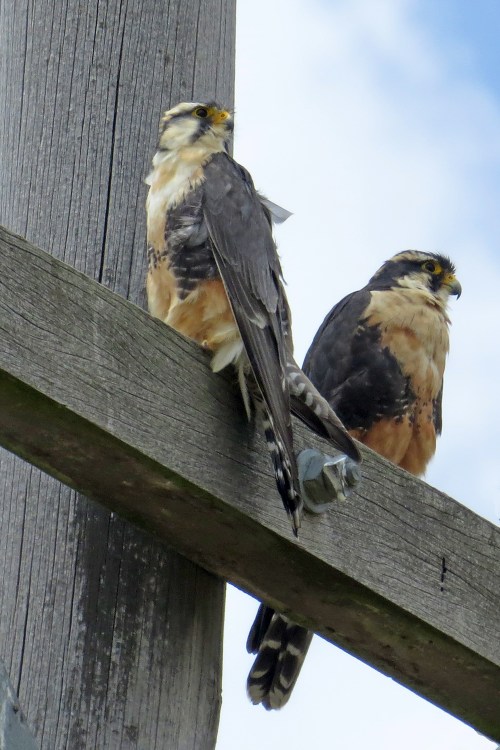
…. this lovely pair of Aplomado Falcons ….
 

img_7362-black-billed-shrike-tyrant

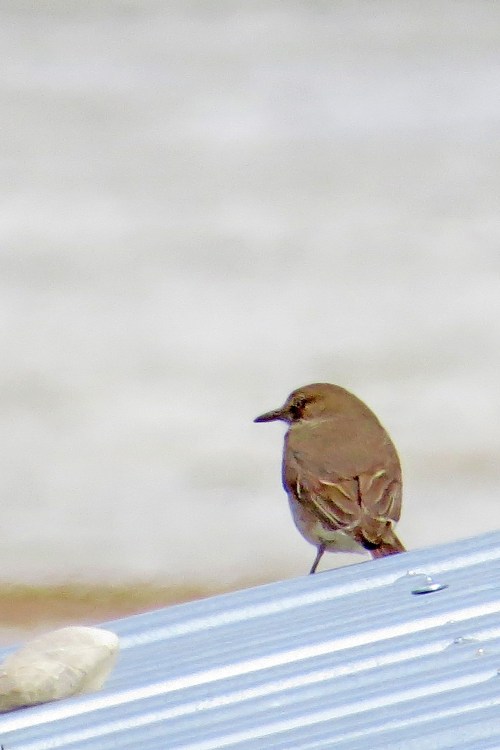
…. the now familiar Black-billed Shrike Tyrant ….


ornate-tinamou SL

…. Ornate Tinamou (photo by my friend and trip participant Steve Lowe)


img_7387-buff-breasted-earthcreeper

Buff-breasted Earthcreepers showed nicely.


img_7388-buff-breasted-earthcreeper

In general there is less variation in English from one field guide/checklist to  another the Neotropics than in any faunal region yet the field guide confusingly calls this Plain-breasted Earthcreeper.
 

img_7376-rodent-sp

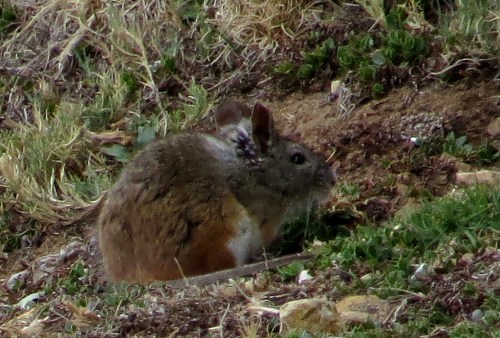
This rodent was eventually identified as an Ashy Chinchilla Rat


img_7365-lake-junin

We could look out on the expansive waters of Lake Junin ….


img_7487-chilean-flamingos

…. and the many lagoons that fringed its shores.


img_7404-andean-avocet

Photography (for example of this Andean Avocet) was difficult as we would have flushed the birds if we had disembarked, so it had to be done through the single opening window which resulted in several of the group performing strange contortions.


img_7427-chilean-flamingos

One of the stars of the show were these Chilean Flamingos ….


img_7426-chilean-flamingo

…. but although Chileans were common we didn’t see James’ or Andean Flamingos, species that mainly occur on the salt flats further south.


img_5135-black-rail-site

One of the highlight of this trip was seeing the normally invisible Black Rail. Although I have heard this species in the USA it is very rarely seen. Patiently waiting with our eyes fixed on this gap in the reeds we waited for one to respond to a tape, in the end we saw a pair but they was too quick for photos. The Lake Junin form differs vocally from other populations and probably should be split as Junin Rail.
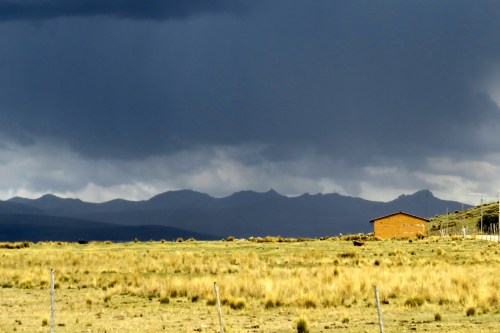
 

img_7433-lake-junin-area

With storm clouds gathering ….


img_7413-lake-junin

…. it was time to head to the town of Junin for our overnight stop


img_7452-nr-lake-junin

There was time for some birding on the outskirts of the town …,
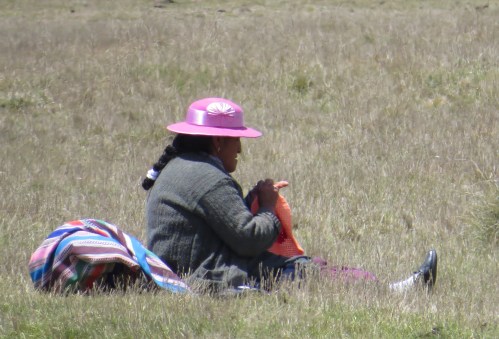
 

img_7714-local-knitting

…. avoiding the gaze of a local knitter ….


img_7472-dorbingnys-chat-tyrant

…. we searched for species like D’Orbigny’s Chat-tyrant and ….


img_7462-andean-flicker

…. Andean Flicker


img_7713-lake-junin-area

The following morning we met up with a boatman who took us along a channel and out into the middle of the lake.
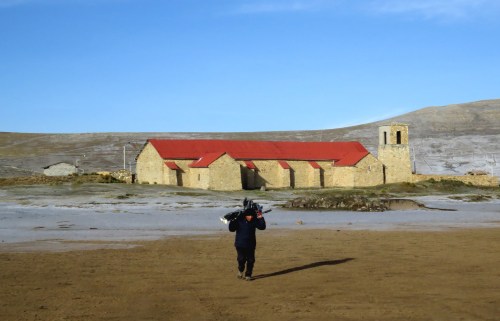
 

img_7491-boatman-with-outboard

The boat was at its mooring but the outboard was safely stowed elsewhere. The boatman slung the 80kg engine over his shoulder and ran towards us; all this at an altitude of 4100m !
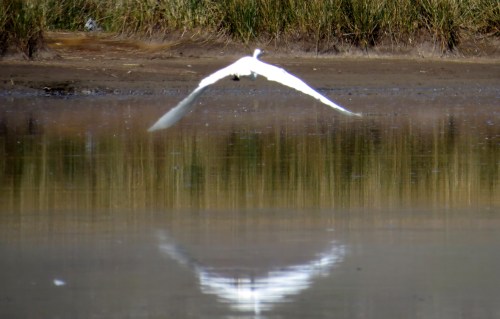
 

img_7653-great-egret

Many birds were seen on our way out such as this Great Egret

 

img_7497-andean-gulls

Andean Gulls were breeding on the margins of the lake ….


img_7625-andean-gull

…. and were are constant companions until we were far from shore.


img_7657-yb-teal

The many ducks included Yellow-billed Teal ….


img_7656-puna-teal

…. Puna Teal ….


img_7636-fem-andean-duck

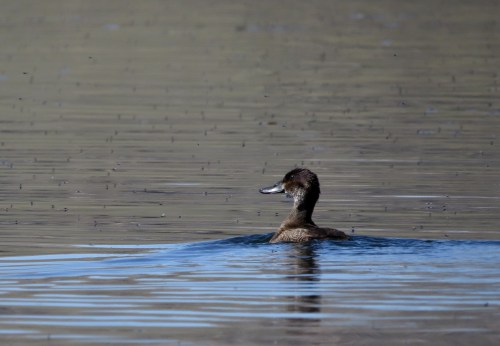
…. and Andean Duck, a species that is sometimes lumped with the North American Ruddy Duck


img_7712-white-tufted-grebe

White-tufted Grebes were easy to find but they were not our main target ….


img_7603-junin-grebe

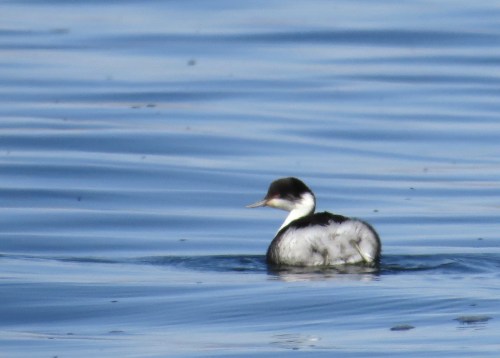
Far out in the middle of the lake we came across four Junin Grebes, a flightless species endemic to this one lake. Official estimates give a population size of over 400, but our boatman, a local warden and others who know the area well think it could be as low as 40. The species is threatened by pollution from local mines and the introduction of Rainbow Trout.
 

img_7592-junin-grebe

Until the 70s there were 23 species of grebe in the world but in a short space of time three went extinct, one each in Madagascar, Guatamala and Colombia. In each case it was due to a change in water use, usually the introduction of predatory fish which ate all their food or the pollution from agriculture. It now looks like two more species will join them in the near future, Junin Grebe and the Hooded Grebe of Patagonia. Junin Grebe was the last of the 20 extant grebes for my world list but my joy in seeing it was tempered by the thought that we could be some of the last birders to do so.
 

img_7692-bright-rumped-yellow-finch

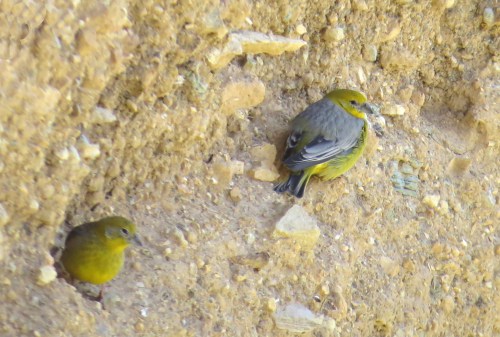
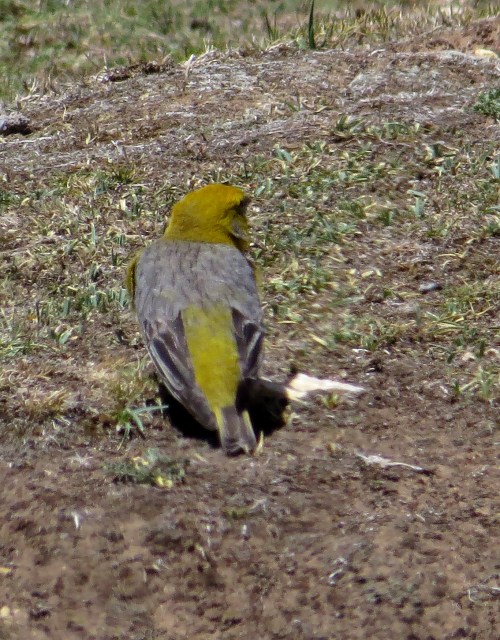
Whilst the outboard and boatman were delivered to their rightful destinations we birded around the nearby buildings seeing many Bright-rumped Yellow-finches
 

img_7667-bright-rumped-yellow-finch

…. some living up to their name.


img_7661-black-siskin

Also there were good numbers of the beautiful Black Siskin.


img_7279-black-siskin

The male Black Siskin in particular is quite a stunner.
 

img_7671-andean-cavey

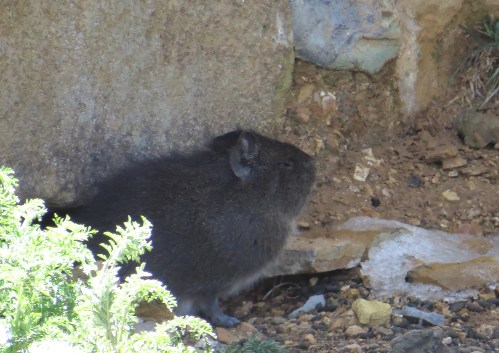
We had good views of this Andean Cavy, the wild ancestor of the Guinea Pig.
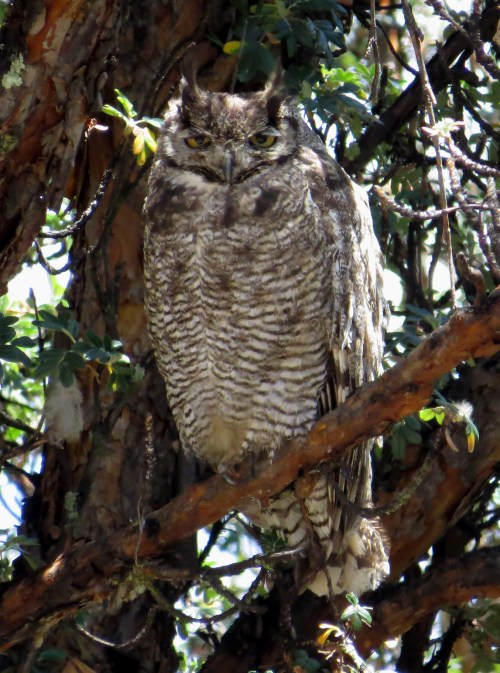
 

img_7688-magellenanic-horned-owl

Our time at Lake Junin ended with a search for a hummer called Black-breasted Hillstar, whilst we did see it well, it was nesting inside a barn and the photos were poor. However this Magellanic Horned Owl that was found nearby posed nicely.
19th – 22nd November 2014: Argentina part 2 – the Cordoba region   Leave a comment


This, the second installment from my Argentina trip, covers days one to four of the tour which was spent in the Cordoba area to the north and west of Buenos Aires. Terry and I flew from the capital to Cordoba early in the morning where we met up with leader Mark Pearman and the other three members of the group. We drove to the village of Izo Cruz where  we checked into our hotel and then went birding locally.

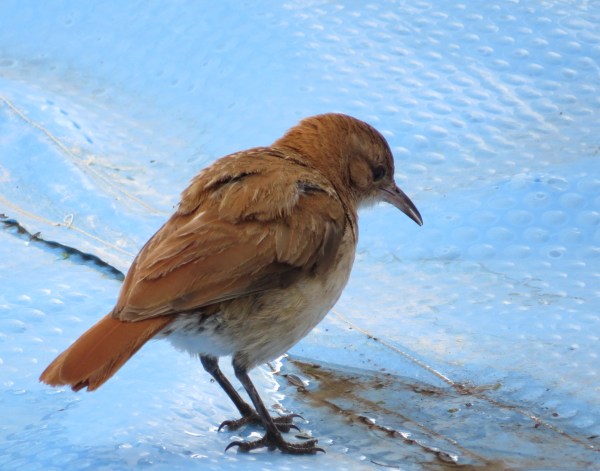
IMG_2150 Rufous Hornero

One of the most familiar birds in this part of Argentina is the Rufous Hornero. This bird was photographed feeding on the cover of a swimming pool at the hotel.

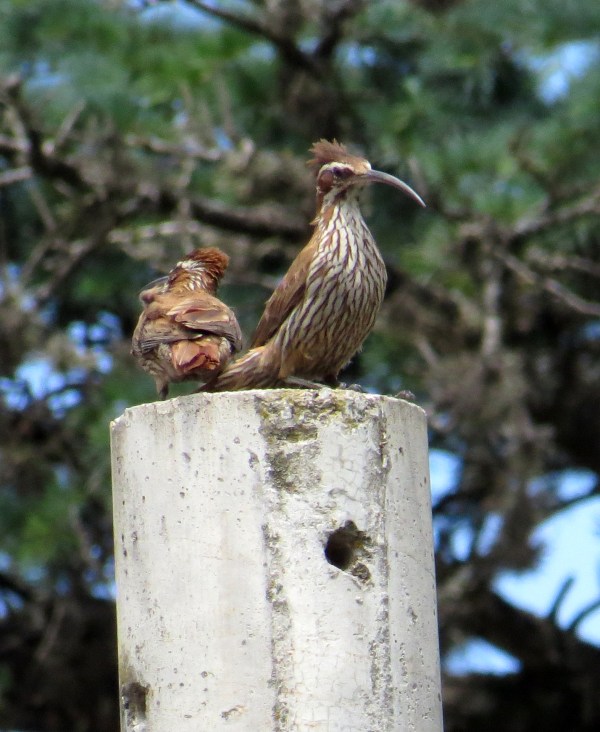
IMG_2015 Scimitar-billed WC

Woodcreepers are a familiar site in the Neotropics but are almost always are seen climbing trees, woodpecker fashion, in mature forest but these two Scimitar-billed Woodcreepers were messing around on a concrete post in the middle of the village

IMG_2028 Campo Flicker

Open woodland and scrub a short drive from our hotel held a variety of common species such as this Campo Flicker ….

IMG_2064 Fork-tailed Fly

…. and the beautiful Fork-tailed Flycatcher.

IMG_2060 Short-billed Eleania

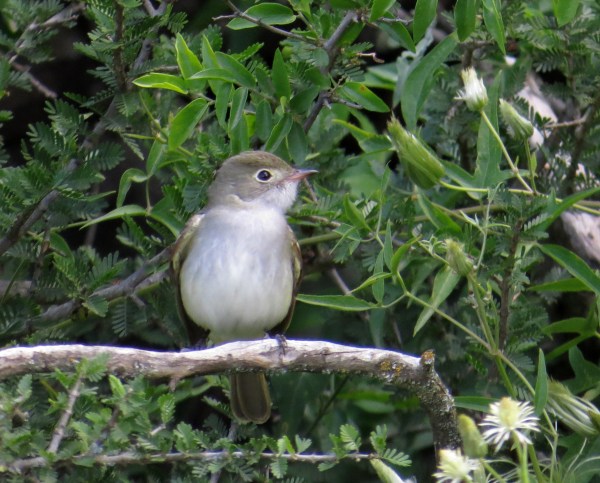
Tyrant flycatchers are one of the commonest groups of birds in the Neotropics, indeed with 431 species they are the largest bird family in the world. Some like the Fork-tailed Flycatcher are showy and easy to identify, others are more elusive and some like the 27 species of eleanias are frustratingly similar. Fortunately this Short-billed Eleania can be identified by having a third wing-bar, but as that’s not visible in this photo it doesn’t help much.

IMG_2088 Sierras

The following day we climbed high into the Sierra de los Comechingones, a mountainous ridge that lie to the east of, and is much older than, the Andes.

IMG_1109 storm

However we soon ran into some very bad weather with heavy rain and high winds.

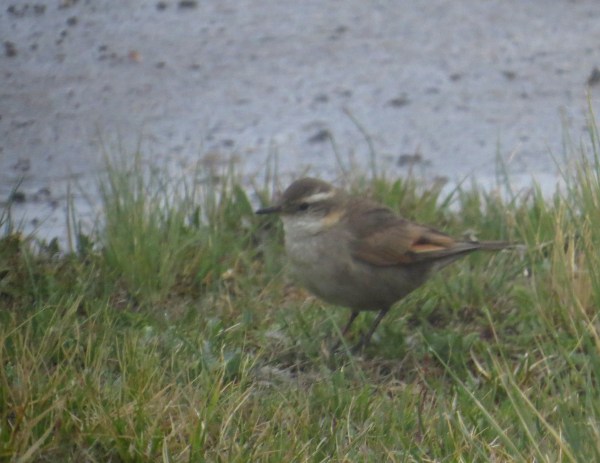
IMG_2099 Cordoba Cinclodes

In spite of the atrocious conditions at the top (about 2100m asl) we still managed to find both of our targets; this Cordoba Cinclodes ….

IMG_2102 Olrog's Cinclodes

…. and its cousin, Olrog’s Cinclodes. With high wind, rain and dreadful visibility it was amazing we got to see these range restricted birds at all, let alone photograph them.

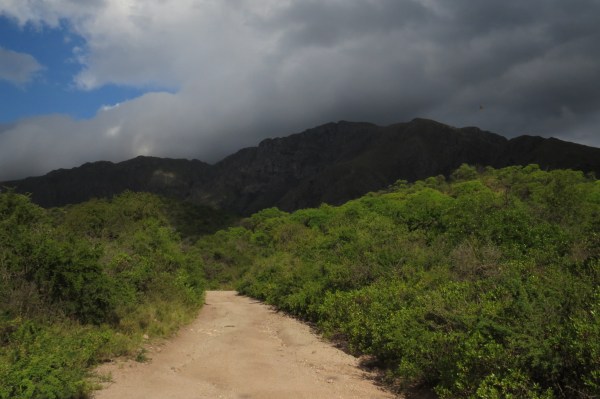
IMG_1100 sierras view

Although conditions improved as we descended I was worried whether I had brought enough warm weather gear, this was the northernmost part of the trip and it was bitterly cold at the top – what was it going to like in Patagonia, far to the south?

IMG_1120 muddy track

The next day we drove north to Salinas Grande but yesterday’s rain had softened up the dirt roads somewhat ….

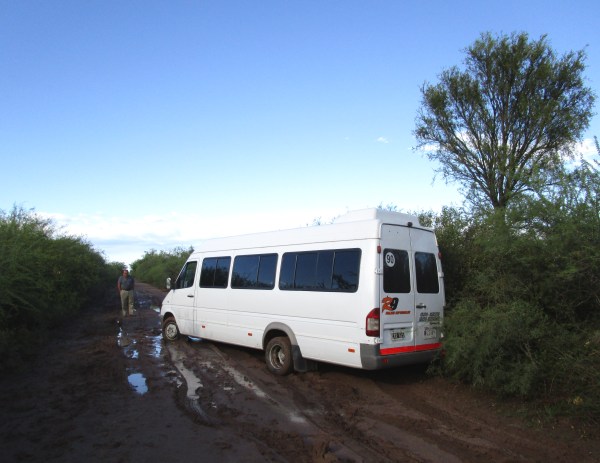
IMG_1118 bus stuck in mud

…. that said our driver put on an exceptional show of incompetence and got the bus well and truly stuck. It look the help of some locals and the driving skills of one of our group (who is used to tricky road conditions in his native Canada) to get us going again.

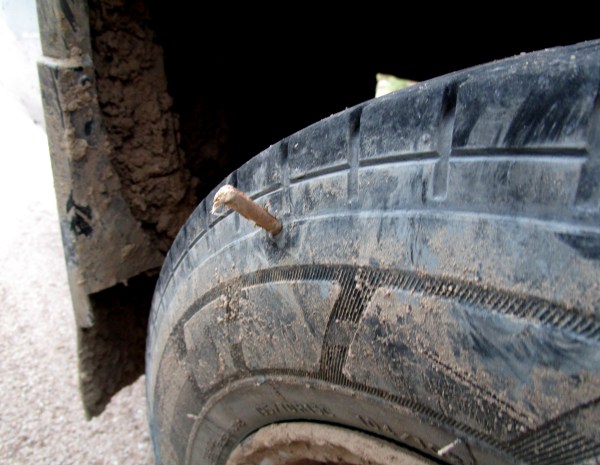
IMG_1124 thorn in tyre

We managed to pick up this huge thorn in the tyre somewhere on route but rather than get it fixed the driver left it in situ over the next couple of days whilst the tyre slowly deflated.

IMG_2131 Salinas

Whilst the driver was faffing with the bus we walked on for a couple of kilometers to try and get to the salt lake before it got too hot. Surrounded by the ruins of a former salt extraction industry, the lake shimmered in the increasingly hot sun.

IMG_2126 Salinas Monjita

We soon found our target, Salinas Monjita, a terrestrial tyrant flycatcher that behaves like a wheatear. This species is restricted to the xerophytic scrub surrounding a few saline lakes in the Cordoba region.

IMG_2134 Spot-winged Falconet

Returning to our stricken bus were got great views of a rare Spot-winged Falconet.

IMG_2167 Capillo del Monte

That afternoon and the following morning we birded woodland near the mountain village of Capilla del Monte. Our main target was the elusive Black-bodied Woodpecker, but it remained just that – elusive.

IMG_2188 Capillo del Monte

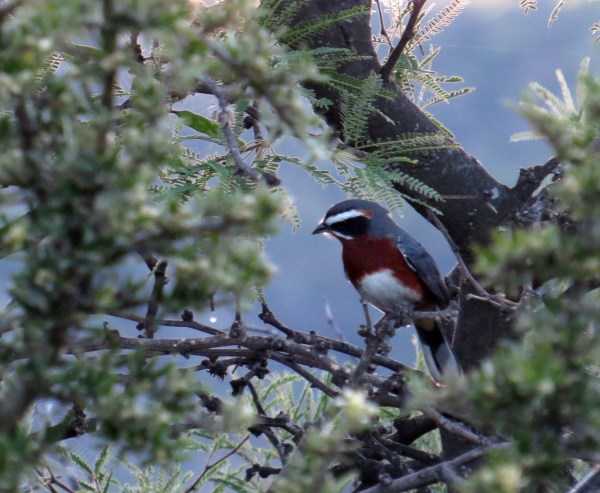
The scrub and woodland held a number of good birds such as ….

IMG_2179 Black & Rufous Warbling Finch

…. Black and Rufous Warbling-Finch, ….

IMG_2086 Green-barred Woodpeckers

…. this curious group of Green-barred Woodpeckers ….

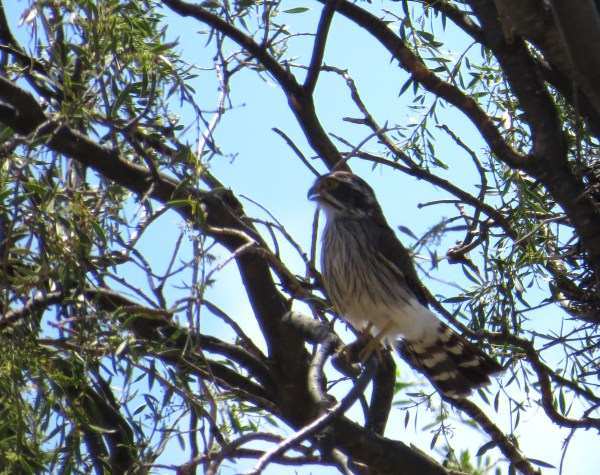
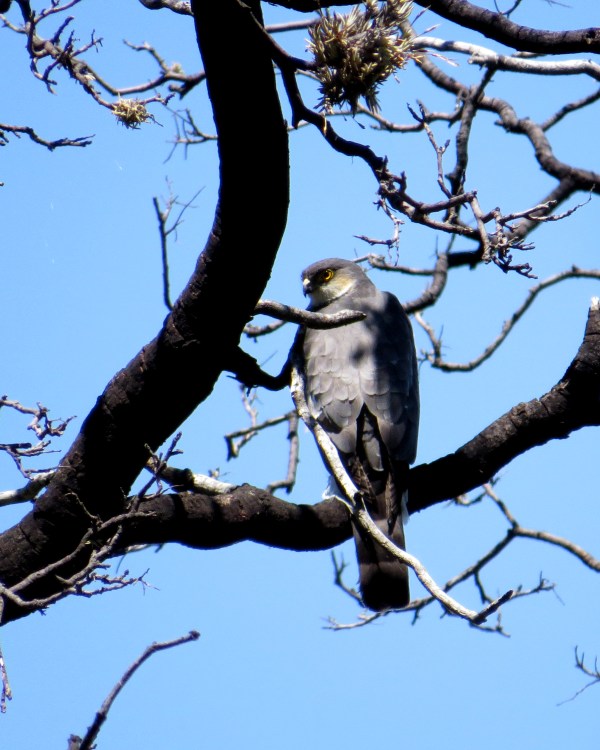
IMG_2239 Rufous-thighed Sparrowhawk

…. and this Rufous-thighed Sparrowhawk (the woodpeckers are not looking at the sparrowhawk, the photos were taken on different days)

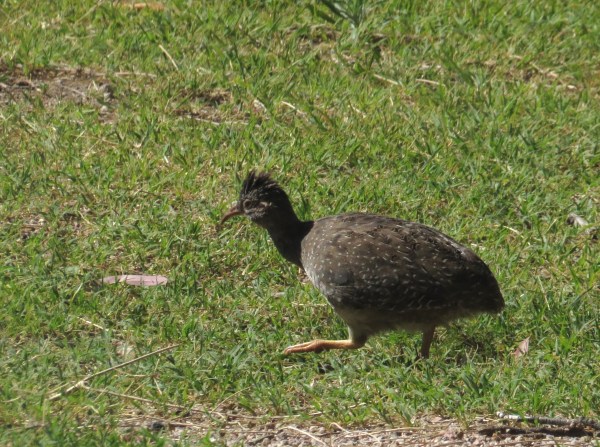
IMG_2227 Andean Tinamou

Recent research has shown that Tinamous are some of the most ancient of birds which is why they now appear at the start of world bird checklists. They are typically elusive, keep to cover and often are heard only. We were told by a local that he had woodpeckers around his property so hoping it might be a Black-bodied we went to investigate. We had no luck with the pecker but found that he had habituated an Andean Tinamou by feeding it and we obtained great views. In the afternoon we drove back to Coroba and caught a flight to Buenos Aires.