When I returned from Mexico I uploaded a short summery of the trip to my blog. Having now edited all the pictures I am now uploading a batch from the first part of the trip: El Triunfo National Park in the state of Chiapas.
Photos of the two key birds of the area, the Horned Guan and Resplendant Quetzal, have already been uploaded in March.
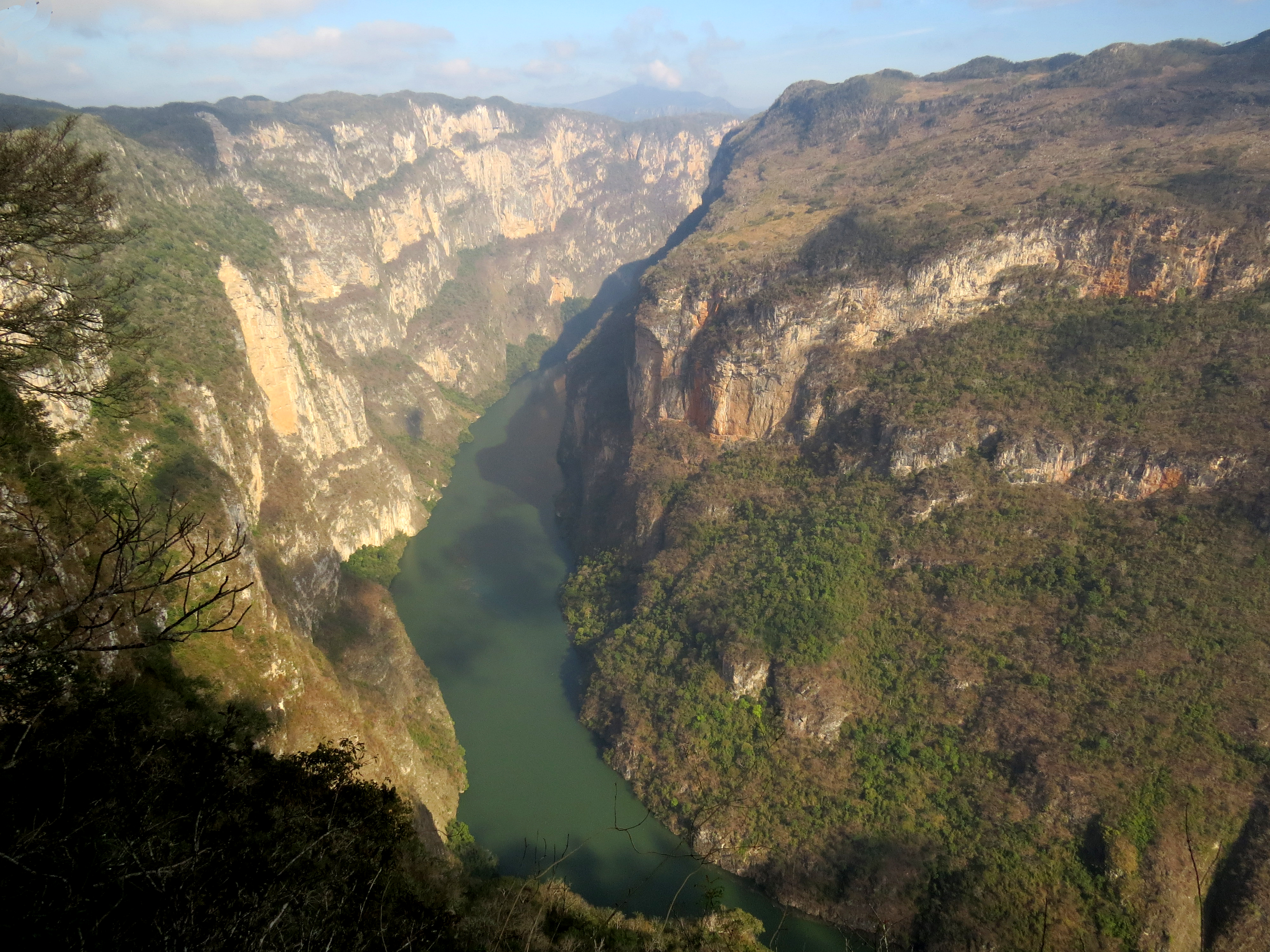
Our tour started at the scenic Sumidero Canyon near to the state capital of Tuxtla Gutierrez. In the afternoon we drove to Galtnango, a small town within striking distance of El Triunfo.
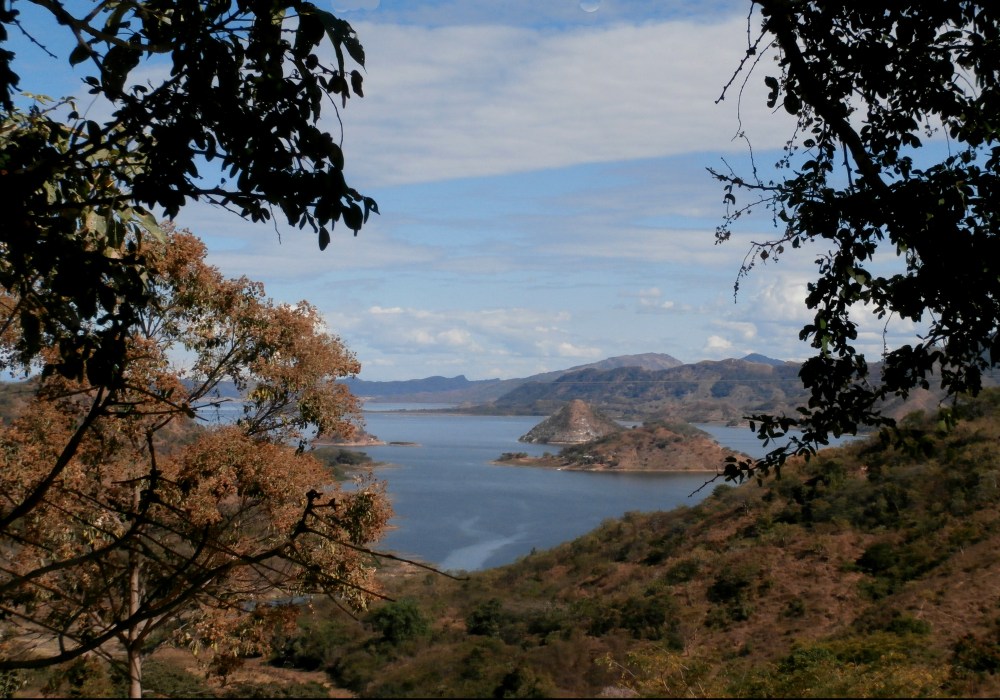
On route we picked up a number of widespread birds for the trip list, including some distant, gulls, herons and pelicans on this reservoir.
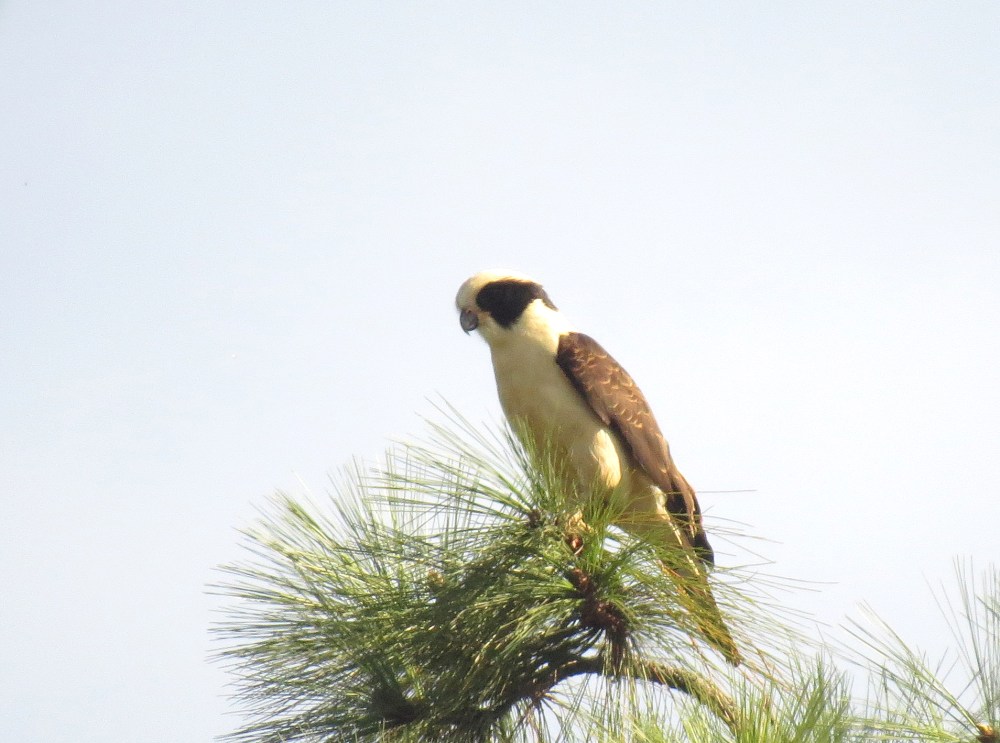
The following morning we drove to the base of the trail that leads up the Atlantic slope of El Triunfo, seeing many good birds, including this Laughing Falcon on route.
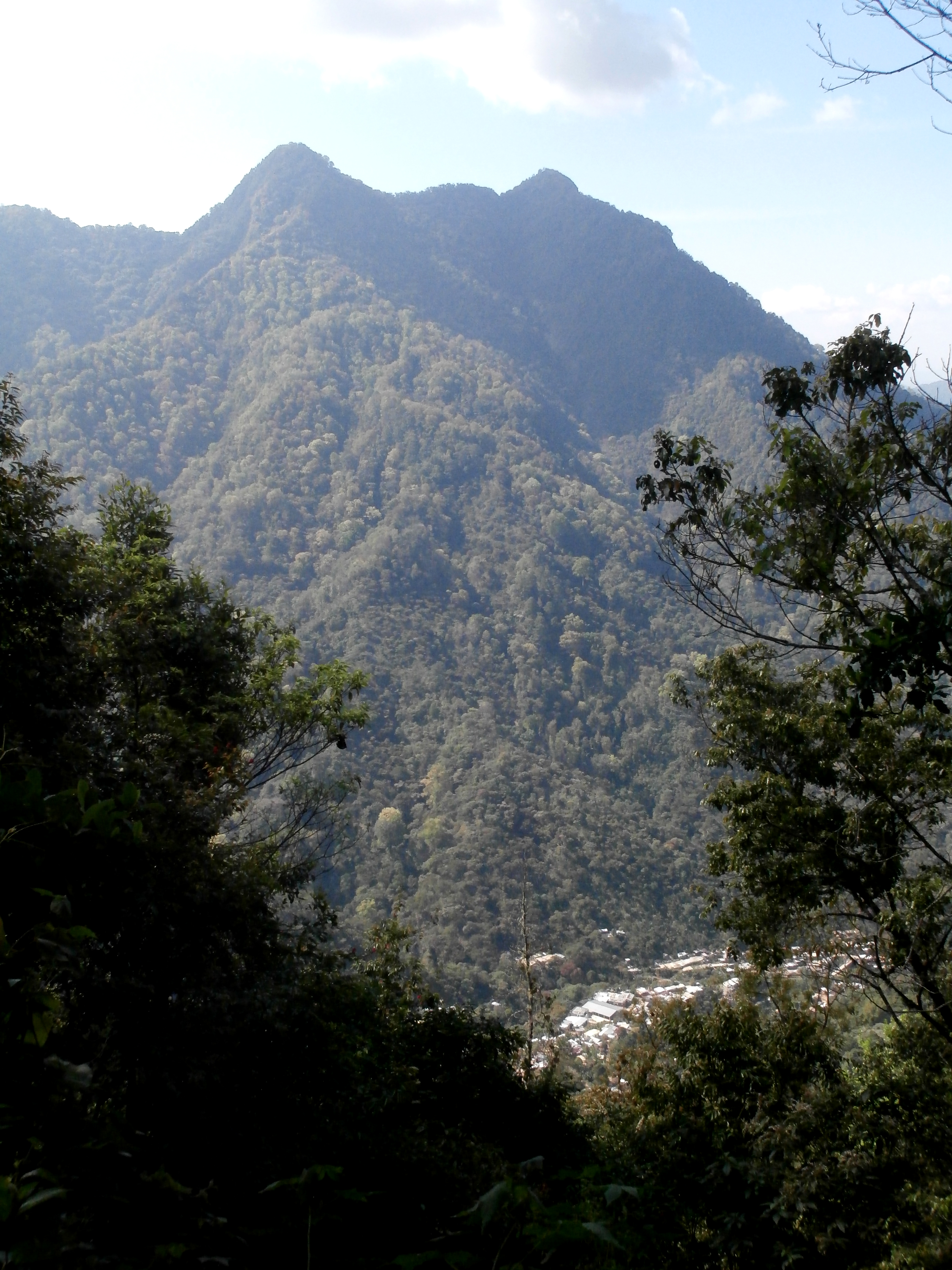
About midday started the long climb to the park HQ, it was a 12km hike and a 730 m climb, pretty tiring but not too bad at a slow birding pace. With the exception of the park buildings, this was the last view we were to have of human habitation or activity for the next week.
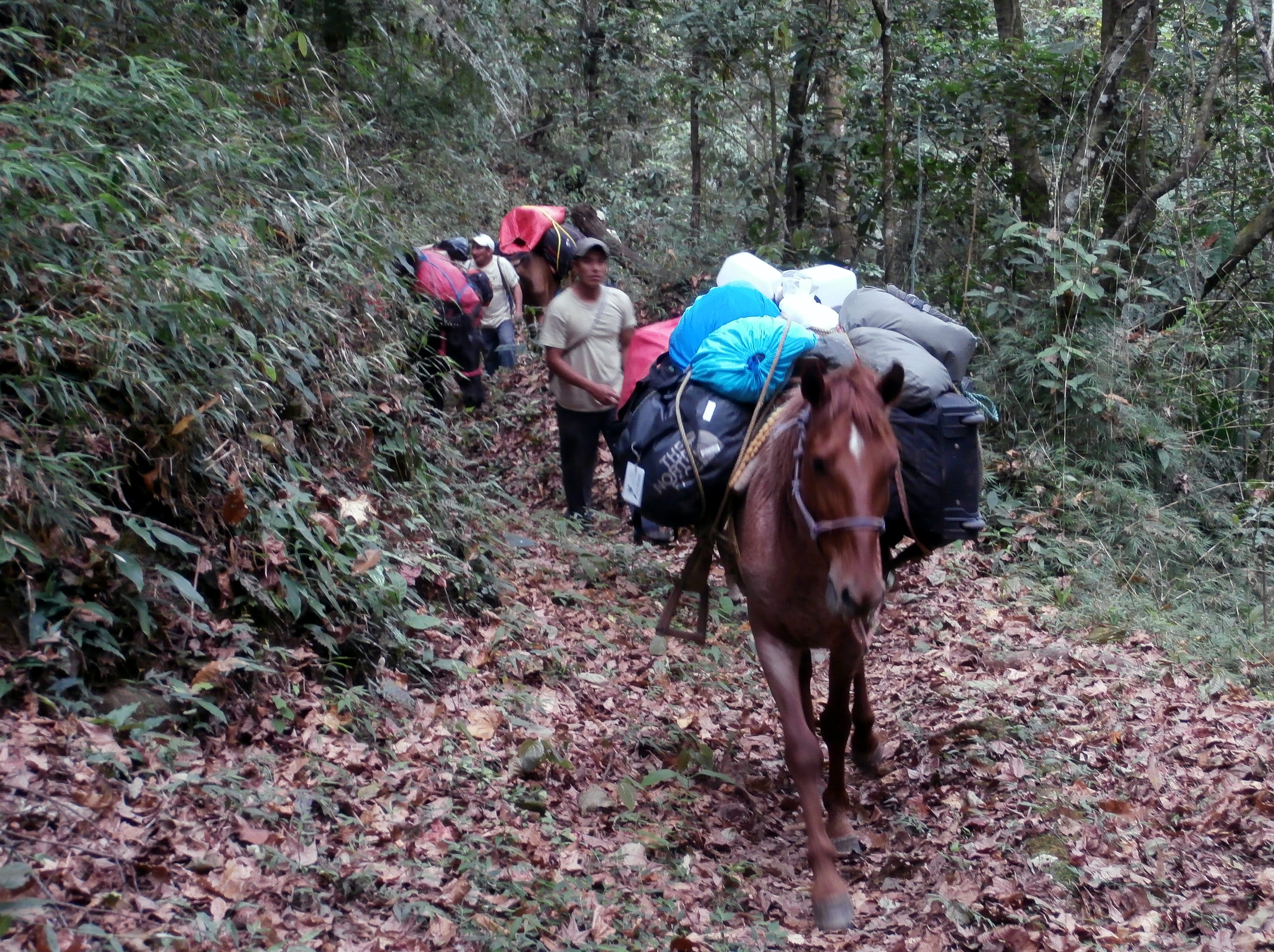
All our luggage and food went up on horseback.
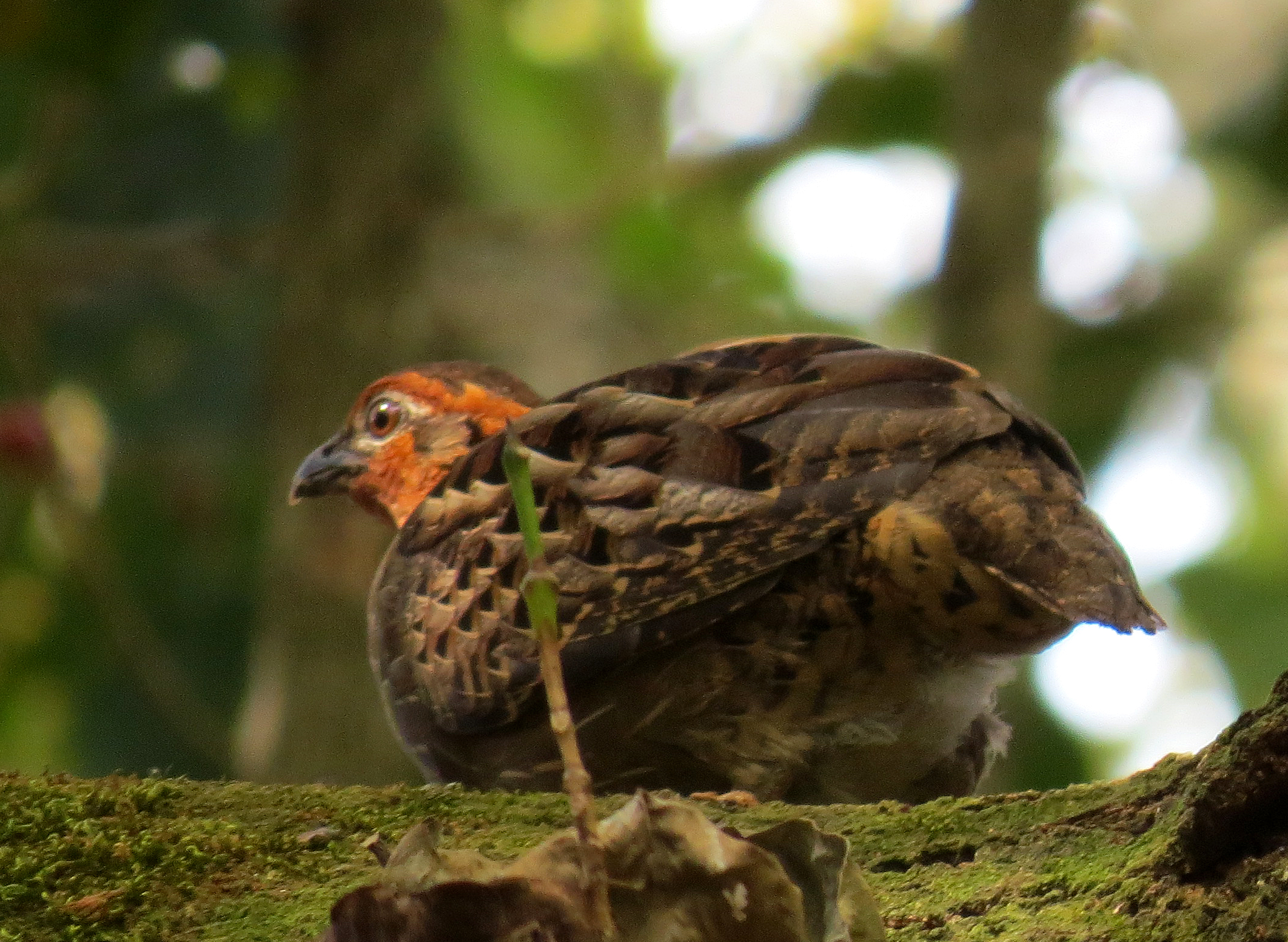
We were very lucky to get such good views of this Singing Quail.
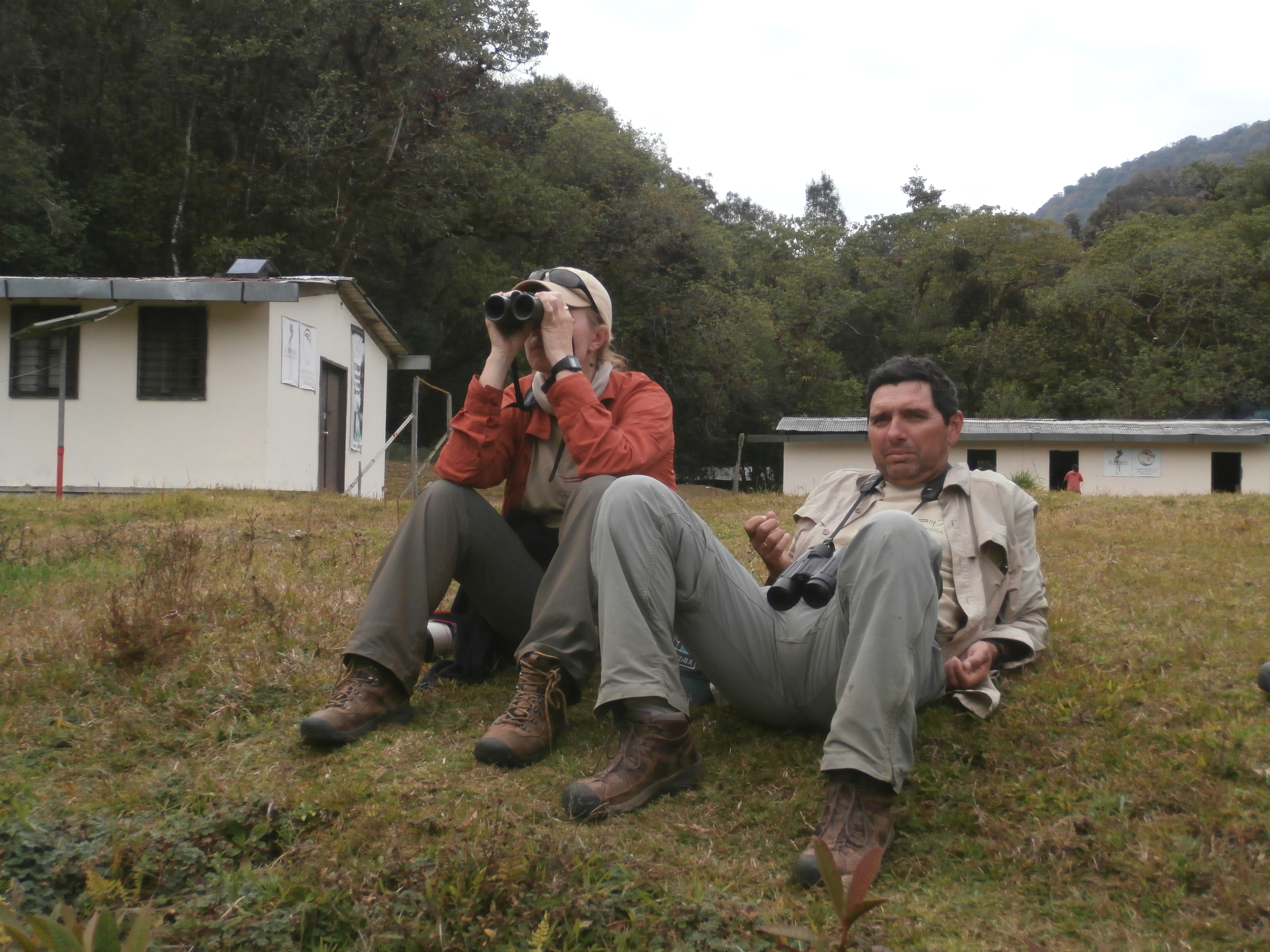
Our excellent local guides, Amy and Jorge and the El Triunfo HQ. We were able to stay in dormitory accommodation for our four nights here.
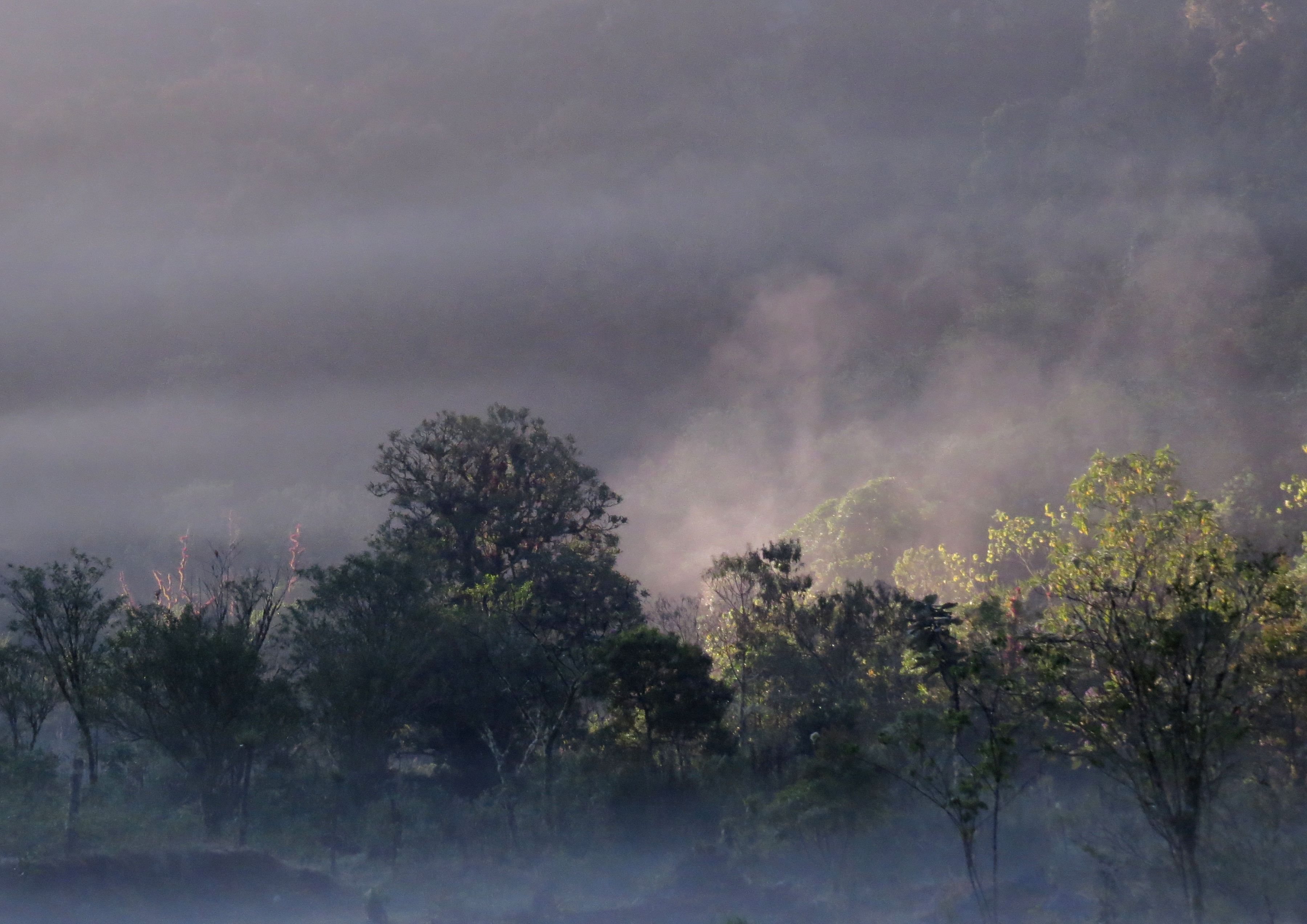
Each morning the rising sun illuminated overnight mist in the clearing.
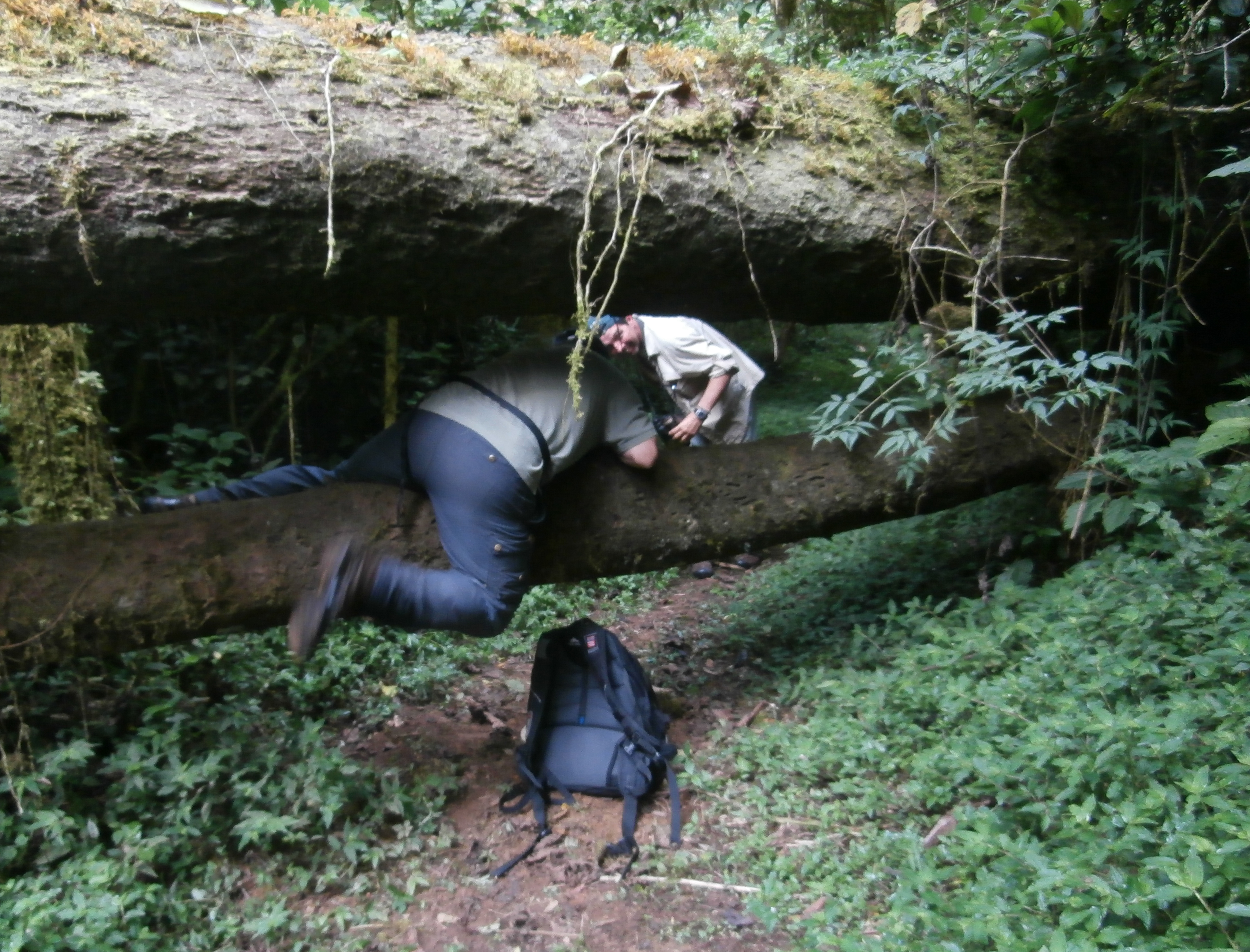
Usually walking the trails was quite easy, but there were some obstacles!
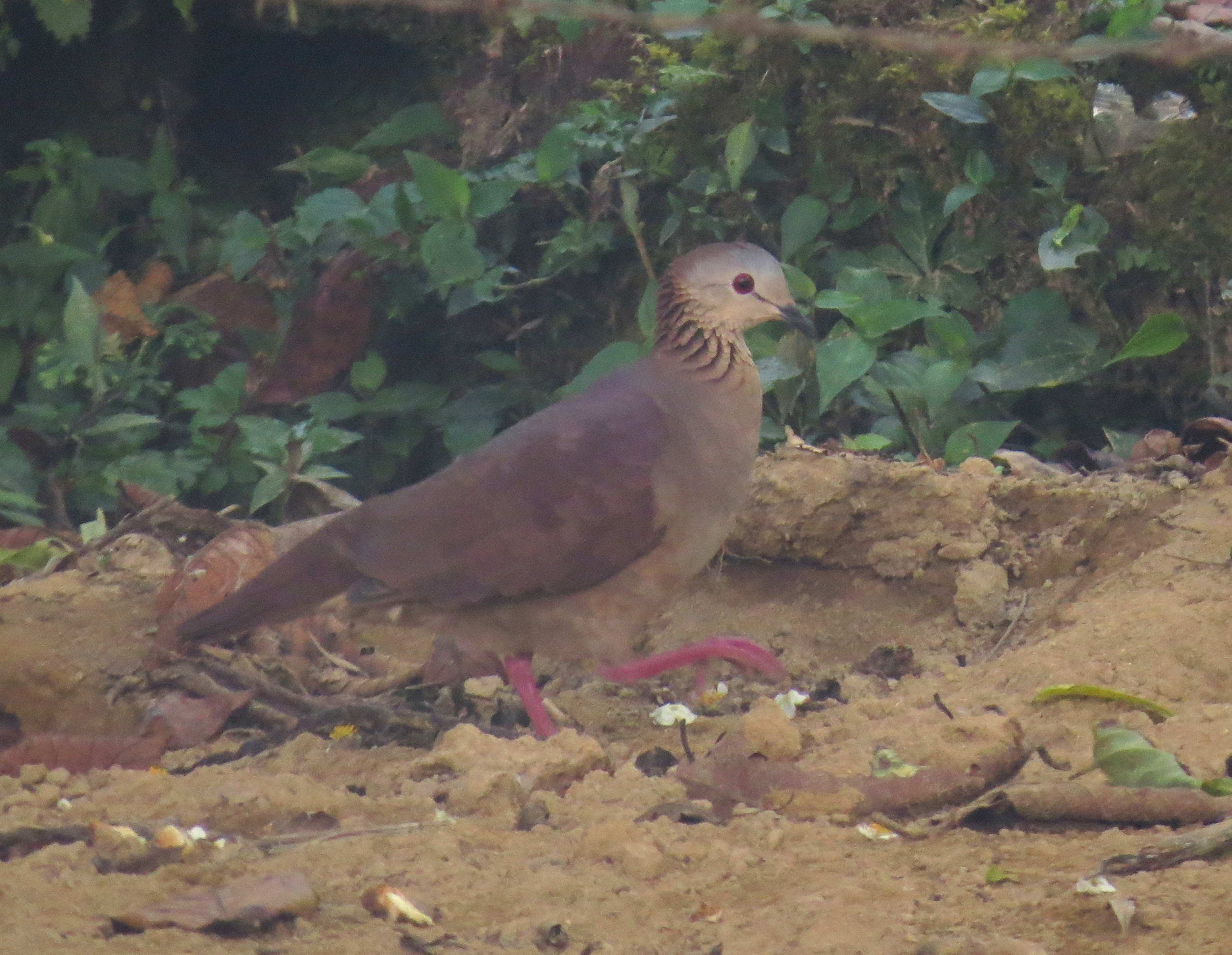
Extraordinarily shy, we had given up hope of seeing White-faced Quail-dove until one was found visiting the compost heap at the back of the kitchen, but it still took a couple of hours of patient observation before it put in an appearance.

Emerald Toucanet has been split into five species, the nominate form in Mexico keeps the original English name.
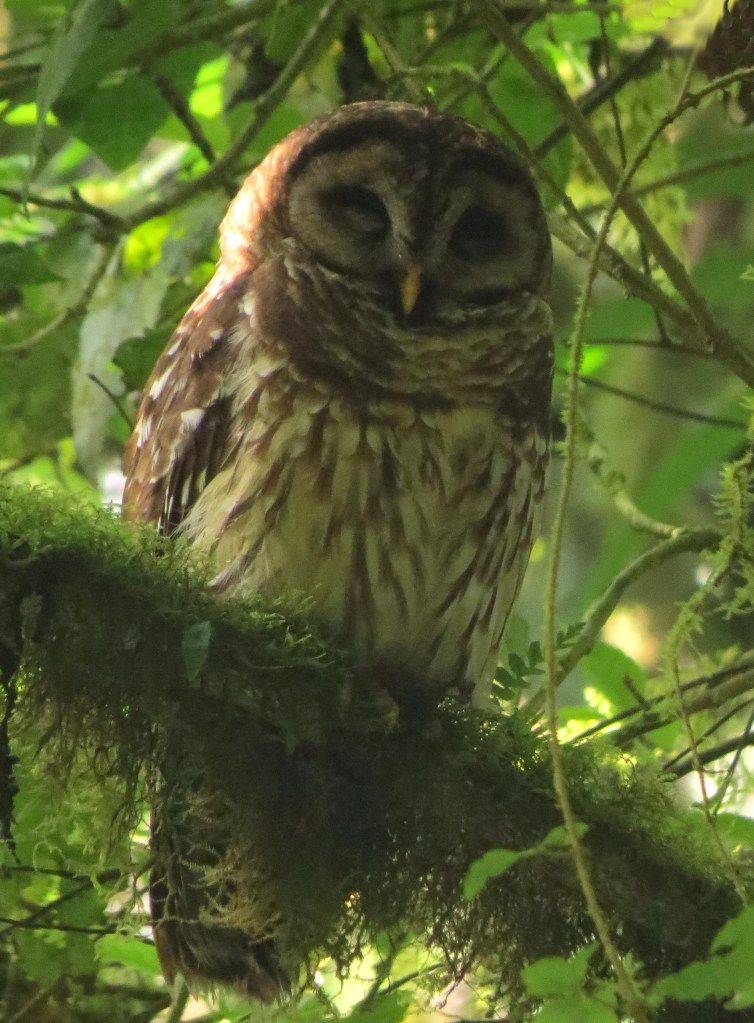
We had great views of the endemic and very localised Fulvous Owl at night but struggled to get decent photos. Fortunately we came across this obliging individual in the daytime a few days later.
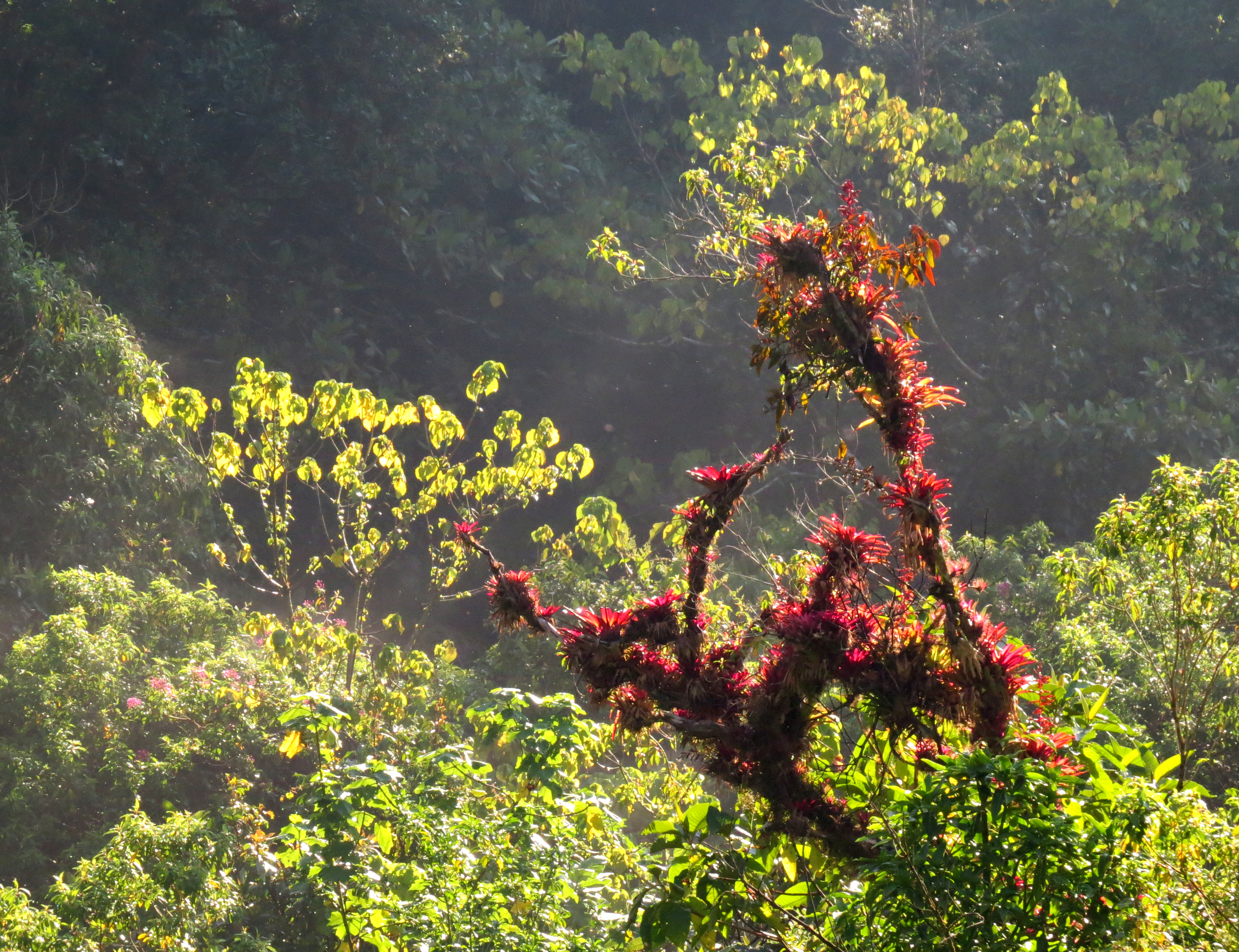
Trees draped in moss and bromeliads (air plants) typify these cool mountain forests.

After three full days on the Atlantic side of the park we said goodbye at dawn and climbed another 150m to the Continental Divide and started our decent of the Pacific slope …
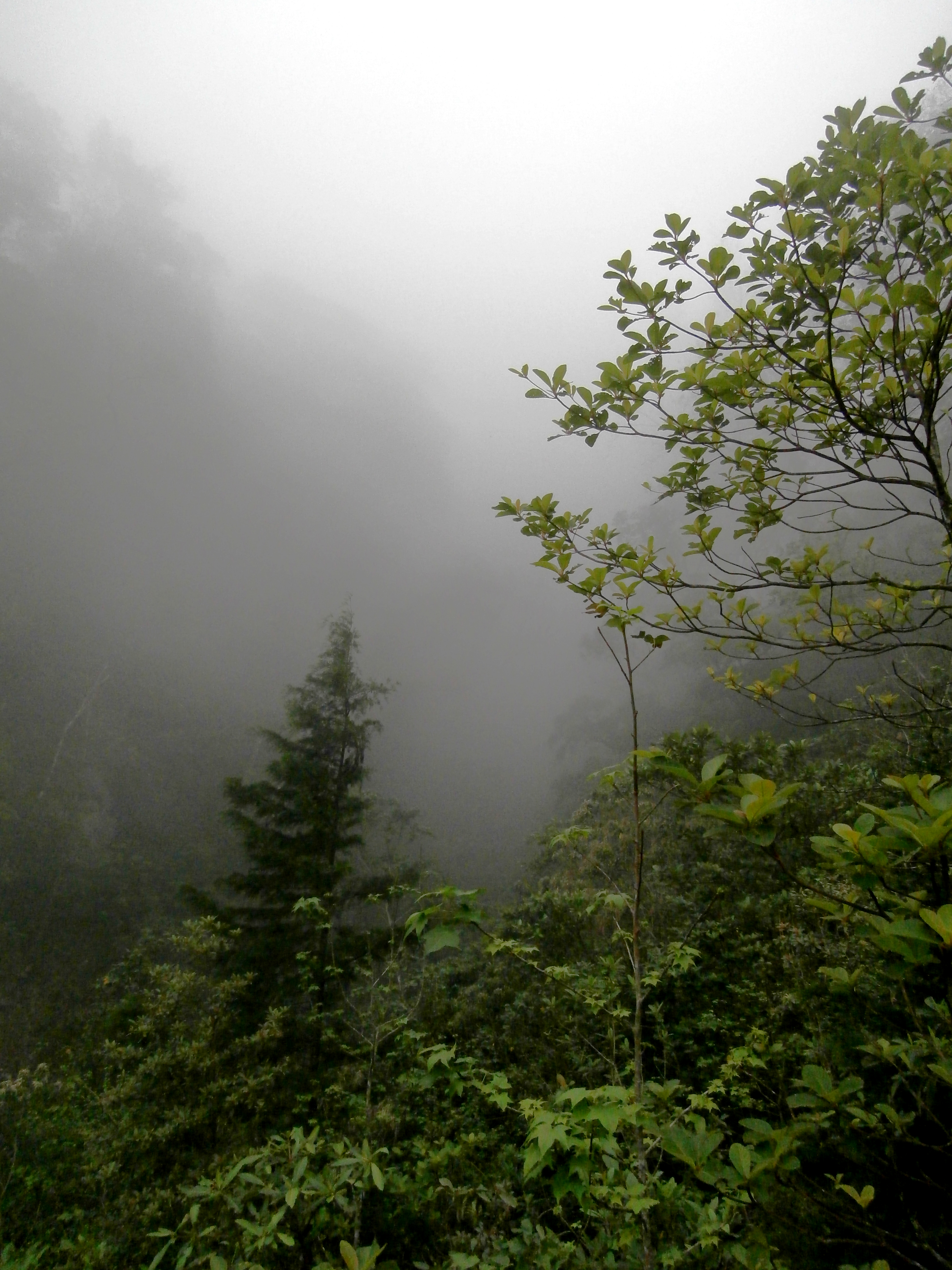
… where we were immediately plunged into dense cloud and so missed out on views of the distant Pacific Ocean.
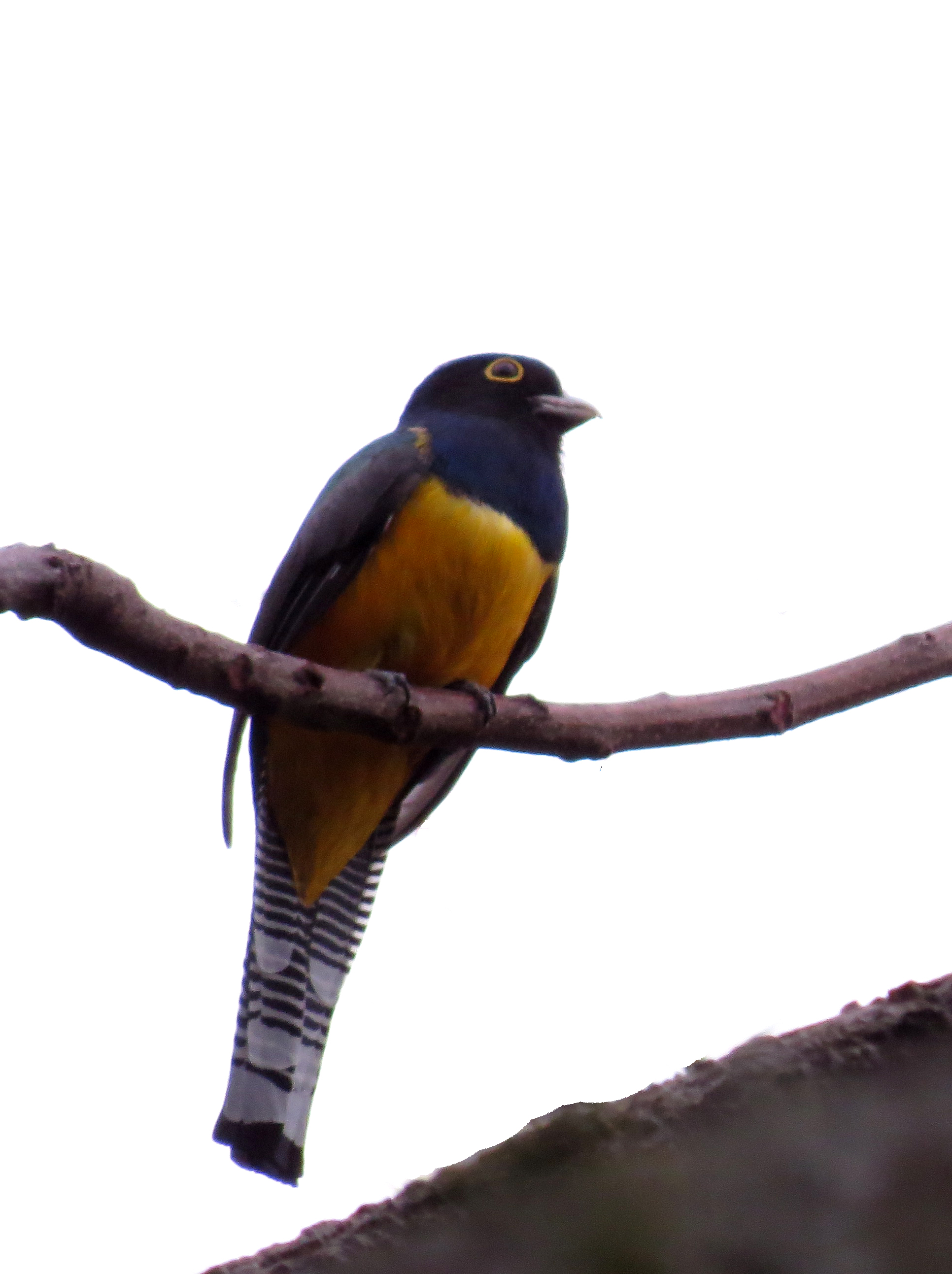
A male Gartered Trogon
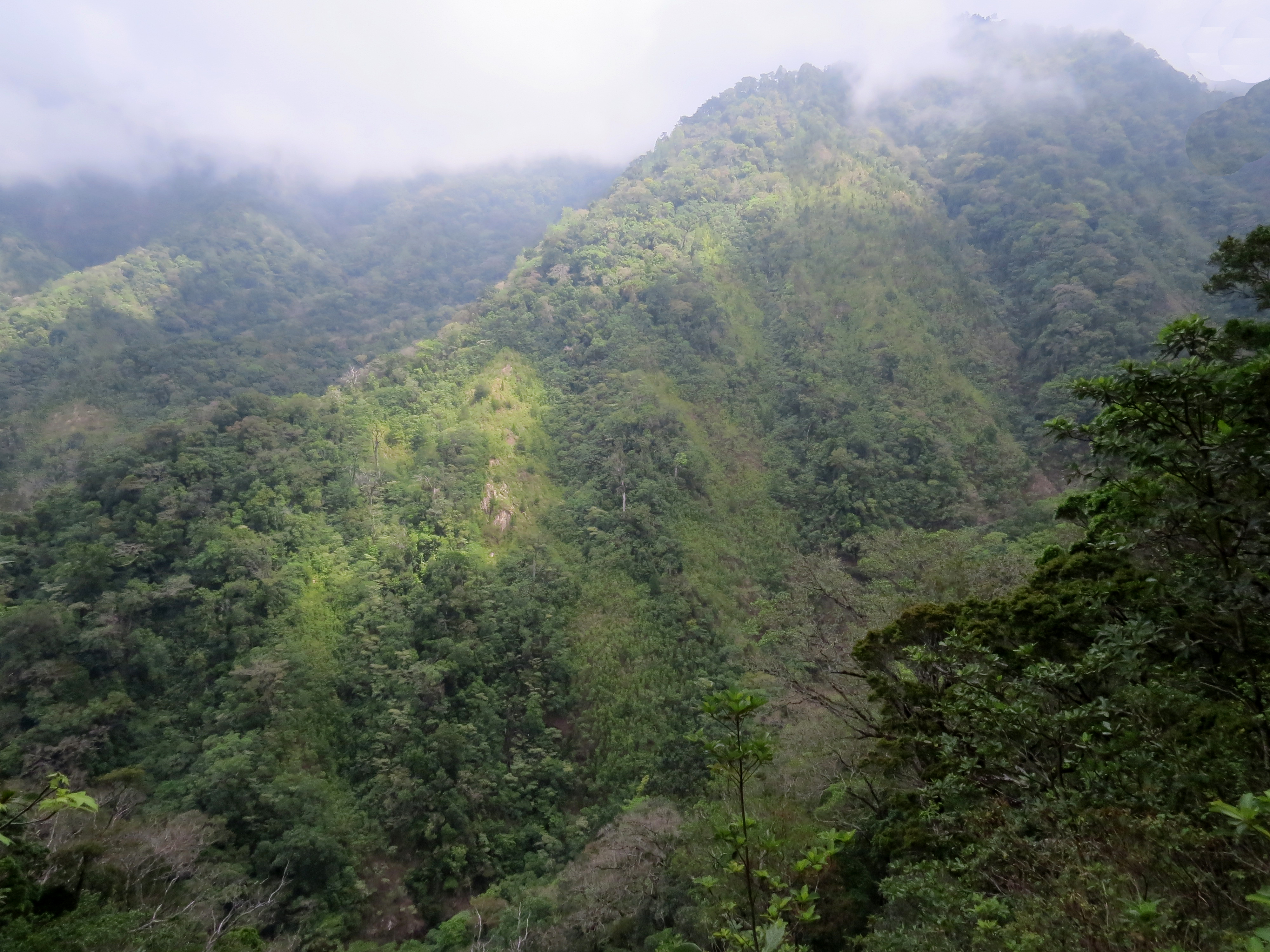
Eventually we dropped below the cloud. The slopes are not deforested by locals but by the regular landslides that occur on these precipitous ridges.
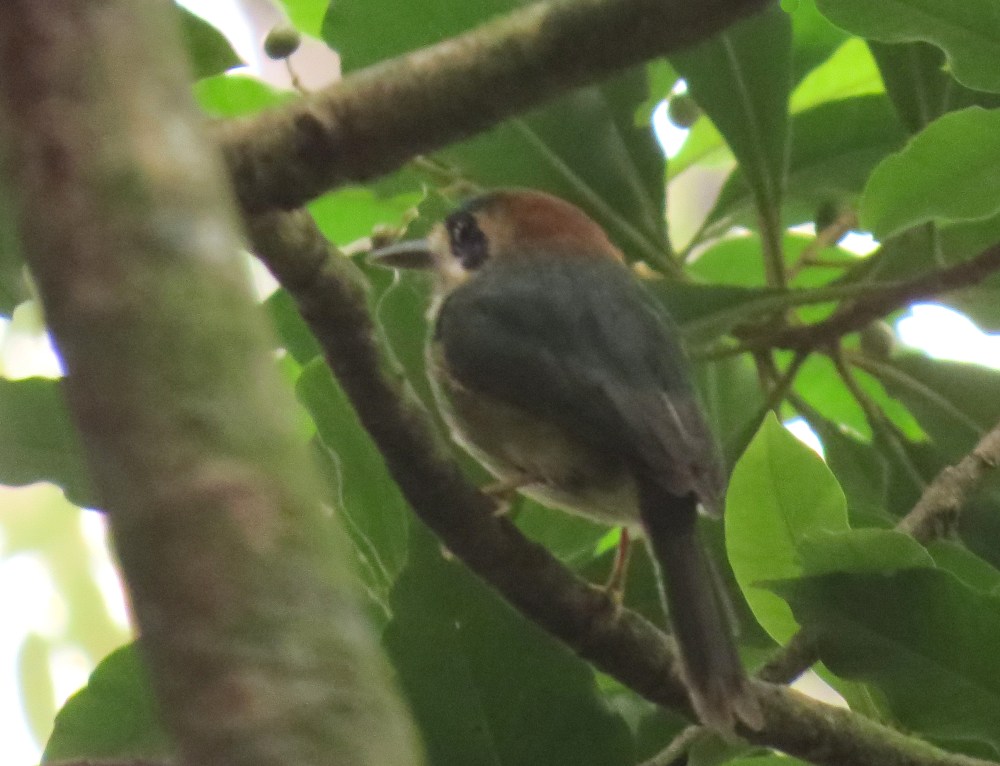
The diminutive Tody Motmot is a rare inhabitant of the Pacific slope. Other great birds included the little known Cabanis Tanager, Long-tailed Manakin and …
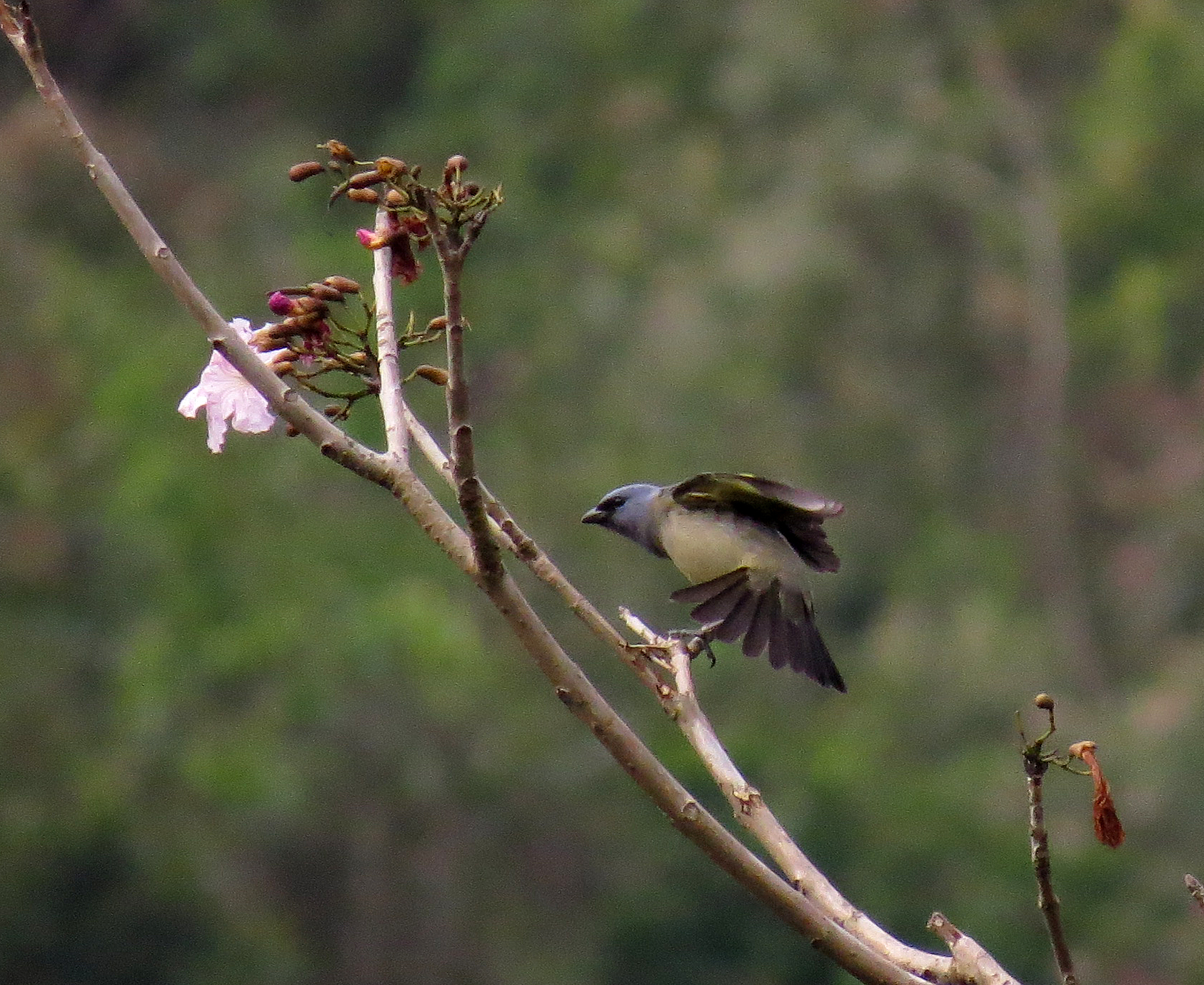
… this Yellow-winged Tanager caught having an early morning stretch

On the Pacific slope we had to camp at three different sites on consecutive nights. On the left is Bob Higbie from North Carolina who has been visiting Mexico since the early sixties. Mark van Beirs (right) was the tour leader and Birdquest managing director Mark Beaman (standing) came along to document the 10,000 species for the Birdquest life list.
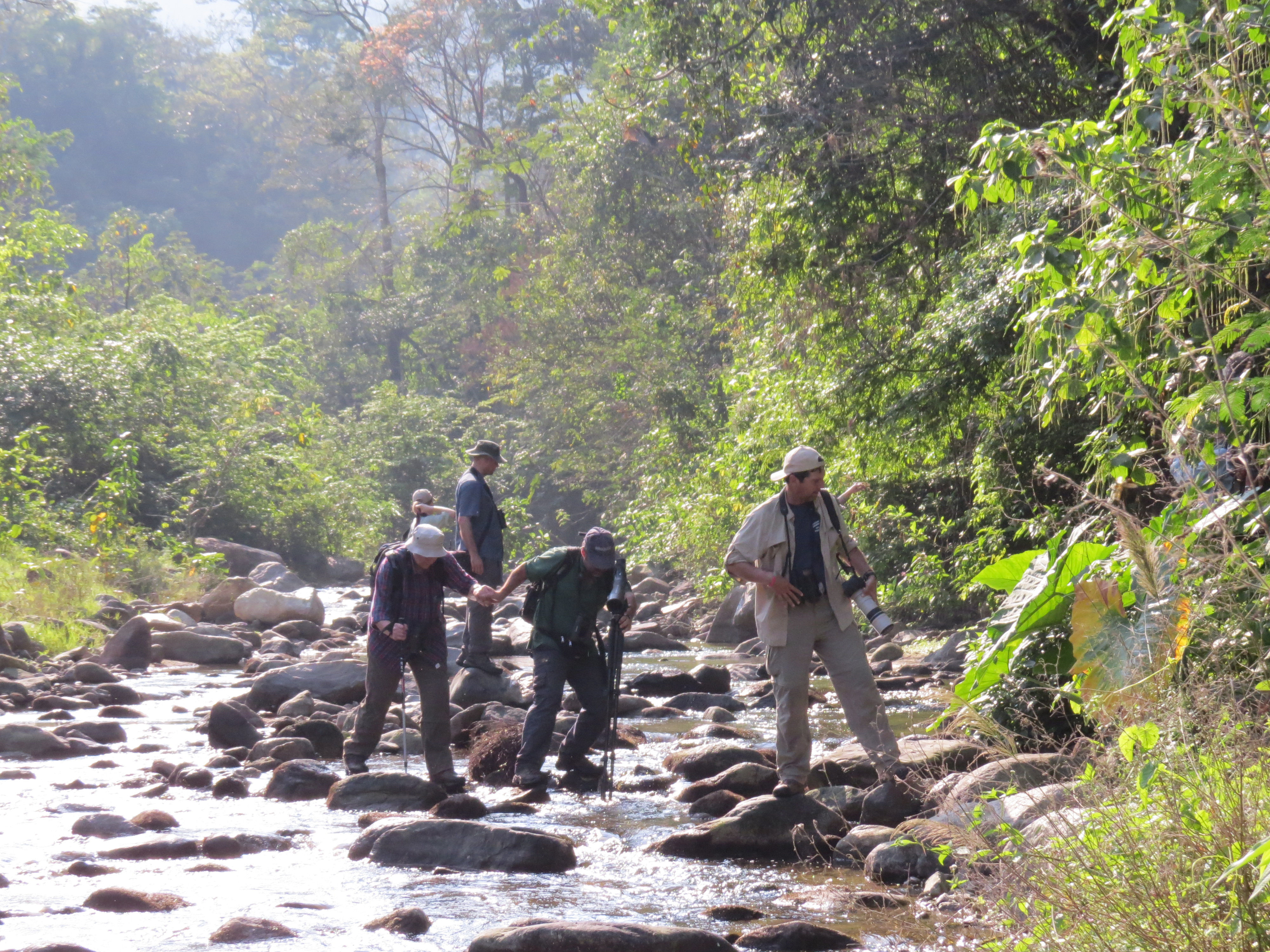
On the last morning we left the camp, crossed the river and walked along fairly open ground to our transport. we were back in ‘civilisation’. Much of the rest of the day was spent birding in open habitat and farmland scrub as we made our way back to Tuxtla Guttierez.
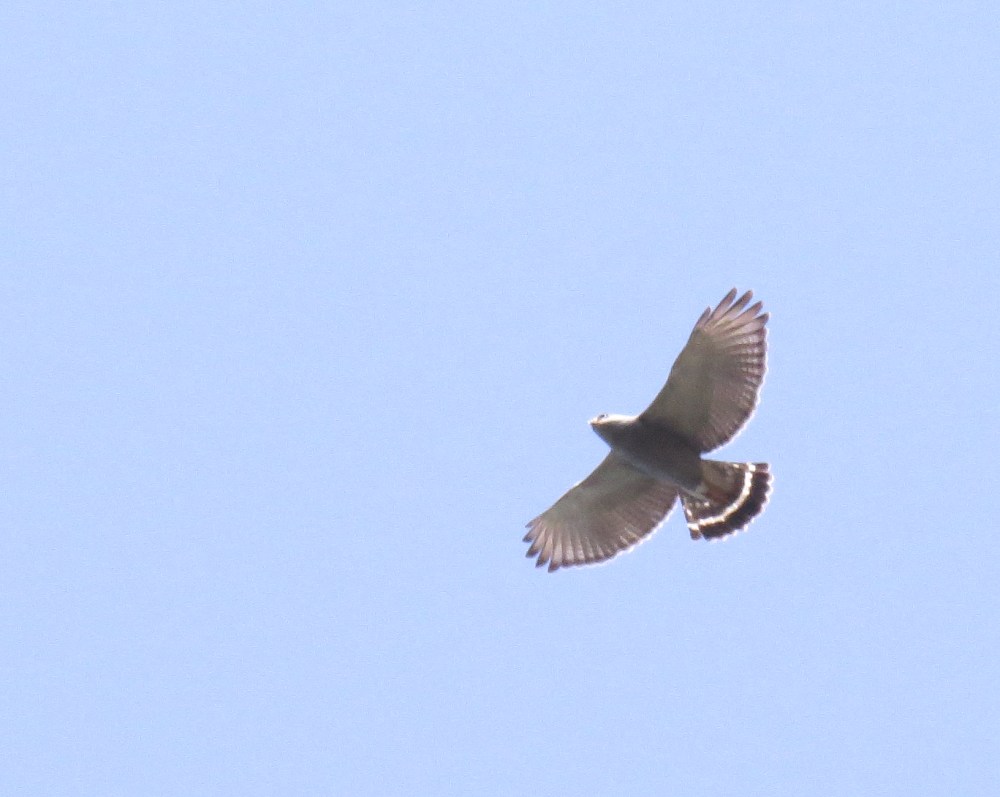
Several Grey Hawks were seen over the open areas.
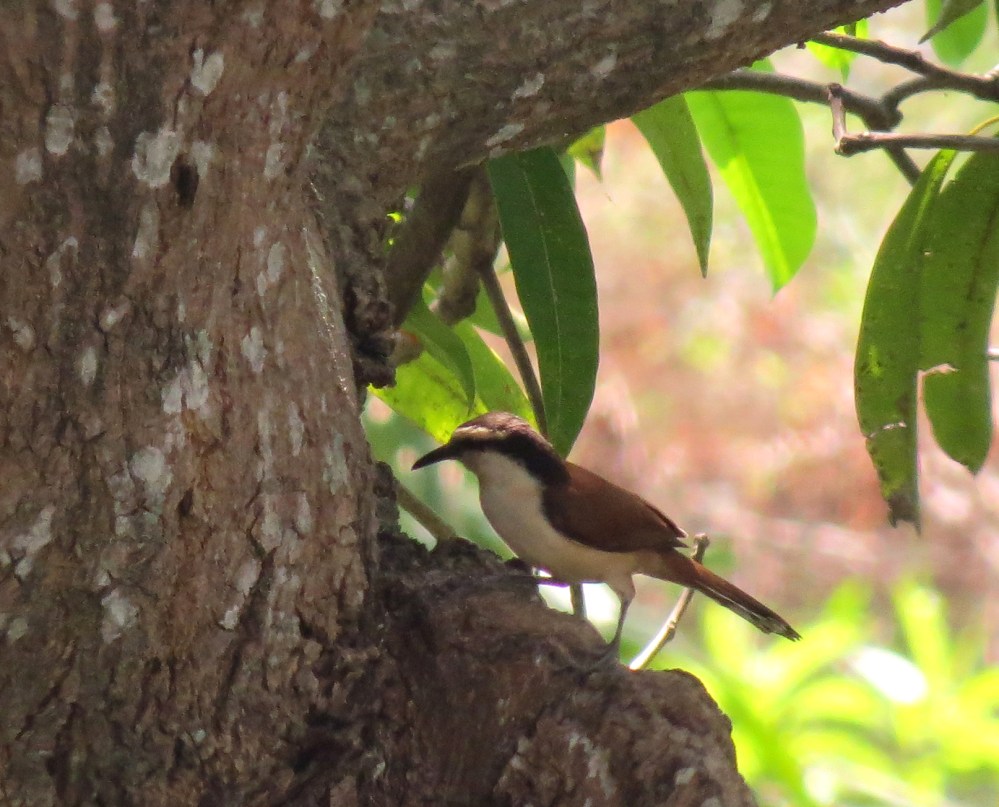
Giant Wrens lived up to their name

The exquisite Rosita’s (or Rose-bellied) Bunting was a life bird for me but it didn’t pose well for photos.
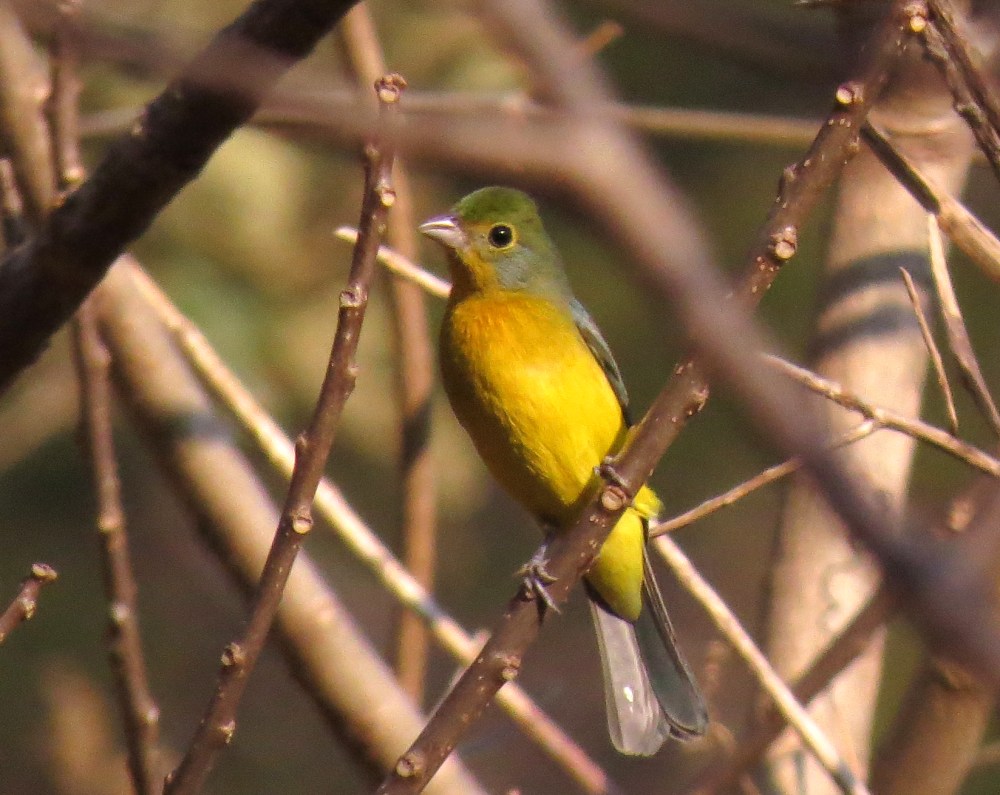
Female Orange-breasted Buntings were pretty enough ….
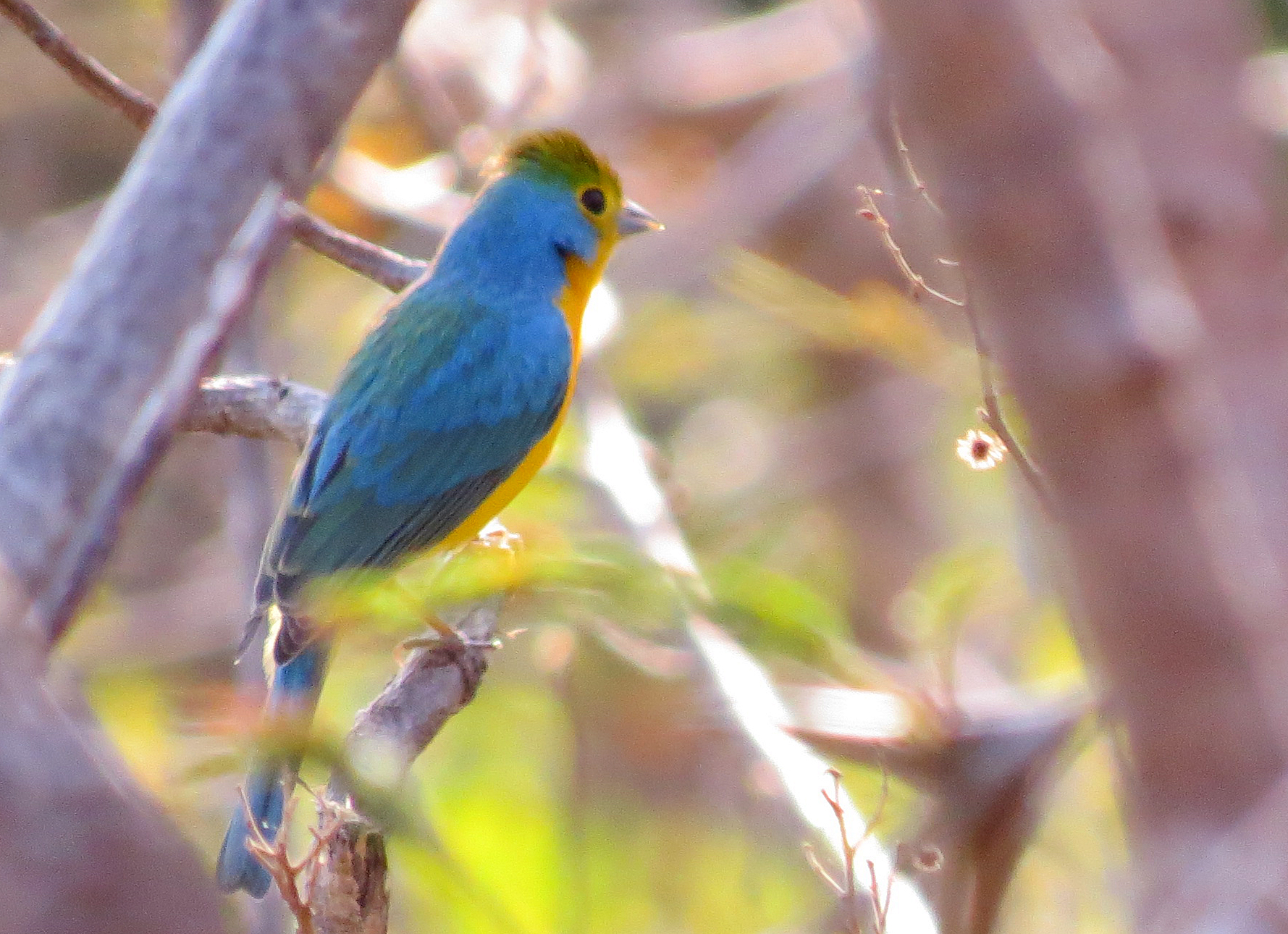
… but the males were just mind blowing!
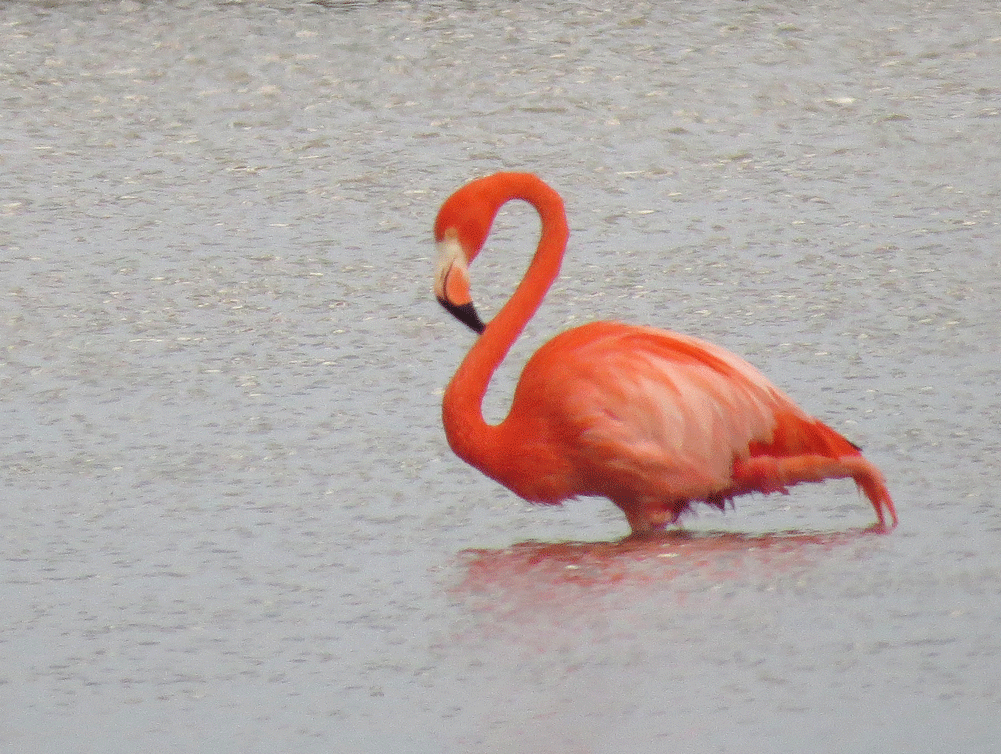
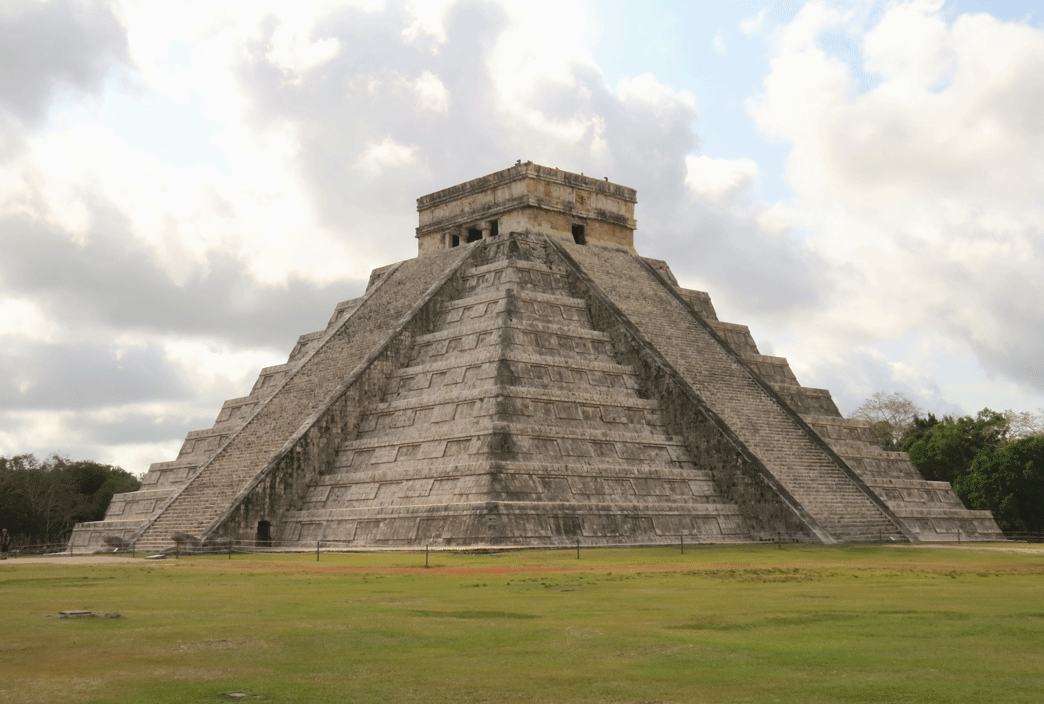
After an excellent days birding we over-nighted in Tuxtla before heading to the airport, most of the group flew home, but Mark van Beirs, Riita and myself flew to Mexico City and then on to Cancun for the second part of our trip – the Yucatan peninsula.
El Triunfo had been a truly excellent place to go birding, great birds, great scenery and great company. The hiking and camping was quite tiring but it was a price well worth paying for such an excellent trip



 gryllosblog
