2014 has been a great year, full of foreign travel, great birding/ringing and social events. Fortunately there have been no serious issues, so the year has passed without major problems.
This post just summarises some of the highlights; more photos and discussion of each subject can be found on the blog.
During the year the companionship of my family (see the Christmas photo below) and my many friends (be they from school or university days, or birders and ringers here at home or people I have met on foreign trips) has greatly added to the quality of life. There have been a number of social events and musical concerts, many of which I have illustrated on this site.

When at home much of my time has been taken up with bird ringing, either around Poole or at Durlston Country Park. We have ringed well over 5000 birds in this area and have amassed a lot of useful data. We have been notified of lots of interesting recoveries some of which I intend to post here in due course. The photo shows a male Bearded Tit photographed at Lytchett Bay.

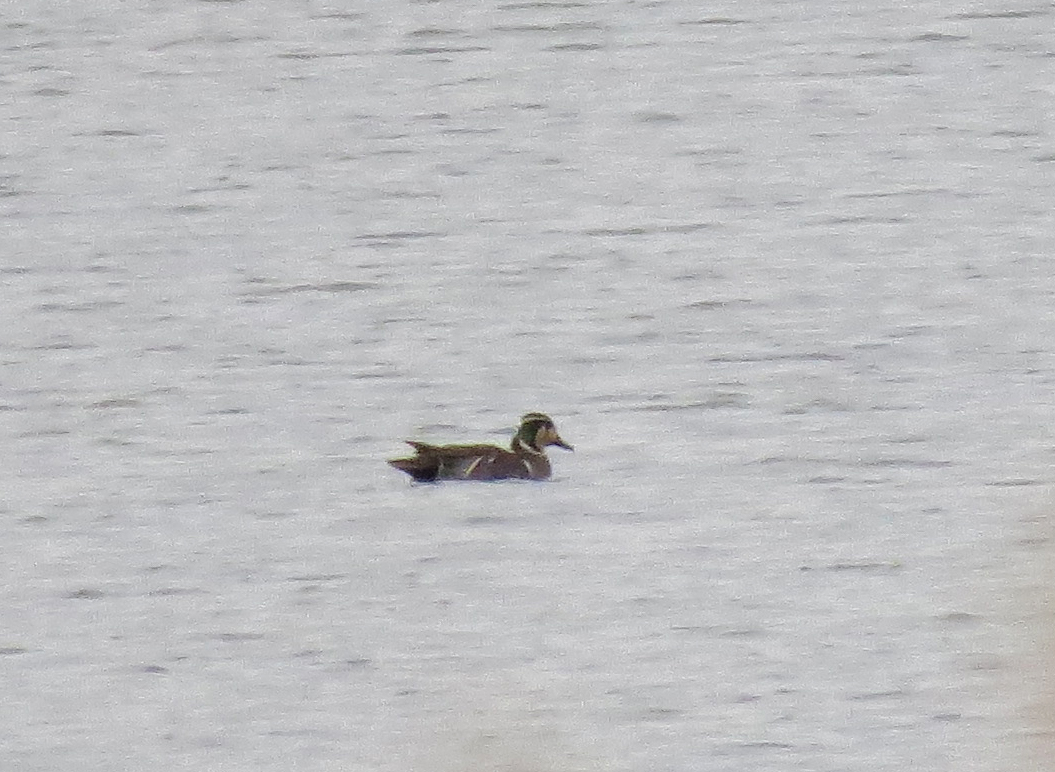
British birding and twitching has taken a bit of a back seat this year. I recorded 223 species in the UK, quite a bit less than usual and most of my birding has been following up other peoples sightings. I have only added one species to my British list – this Baikal Teal seen in Cambridgeshire in March, one to my Dorset list – a Hooded Crow on Portland and one to my Poole Harbour list – a Great White Egret.
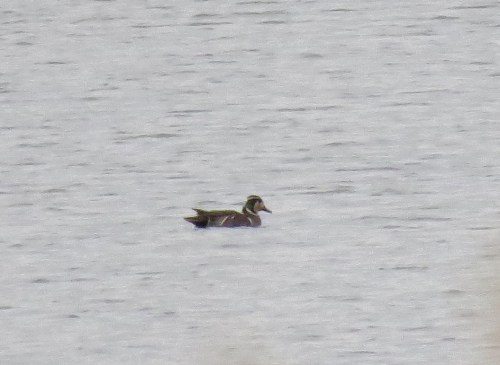
Foreign travel has dominated the year. I did eight tours through the year, although this was just seven trips from home as two were taken back to back, and birded in eleven different countries. I recorded 1515 species in total and had 199 life birds. This brings my life list to 7870 following the IOC checklist or 74.5% of the world’s birds. According to the ‘list of lists’ on the Surfbirds website this gives me the 27th highest life in the world, but I know that there are quite a number of birders who do not submit their lists and think I’m more like 50th in the world. Even so, I consider that to be a great achievement and well worth the cost and physical effort involved, and although it hasn’t required much skill on my part, as I have mainly seen these birds on guided tours, I am very pleased to have progressed so far.
For each tour taken in 2014 I have included two photos below, one of the scenery and one of a notable species.
The first trip was in February to Oman to search for the newly described Omani Owl, wonderful scenery, although long hours were spent in the dark before we eventually got good views. No photos were obtained of the owl so I have included a shot of two critically endangered Sociable Lapwings that were also seen on the tour.
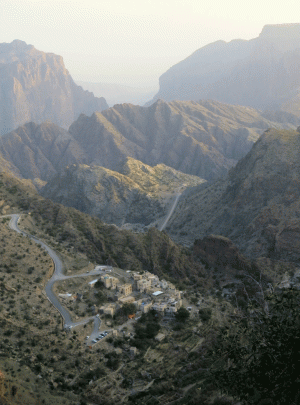

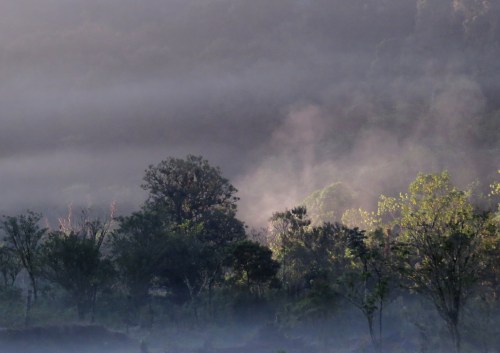
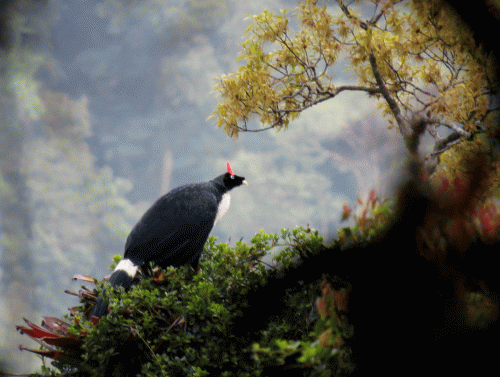
In March I did two trips to Mexico back to back. The first was to the delightful El Triunfo cloud forest reserve in Chiapas. The first photo shows dawn at the clearing where we stayed, the second the incredible Horned Guan, which was the 10,000th bird species Birdquest had seen on their tours.
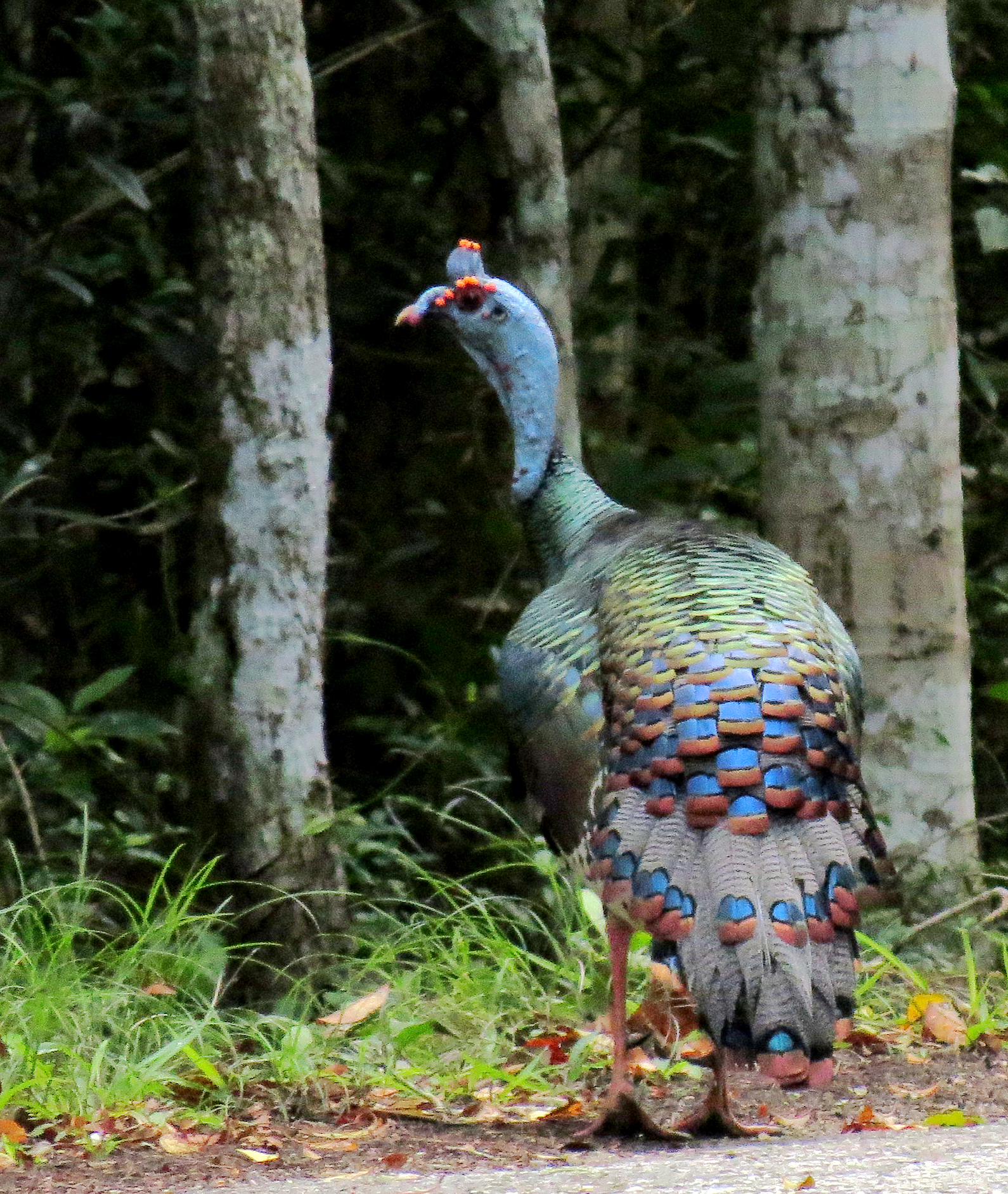
The second Mexico tour was to the Yucatan where we enjoyed the Mardi Gras festival and climbed to the top of some Mayan ruins as well as some stunning birds like the Ocellated Turkey.


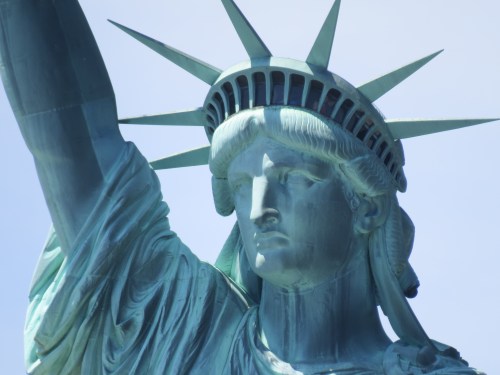
The most varied trip and in some ways the most enjoyable was the drive from North Carolina to the Canadian border that Margaret and I did in May/June. We enjoyed birding in southern woodland and the Appalachians, did pelagic trips off Cape Hatteras, went sightseeing in Washington and New York, birded in the boreal forests of New Hampshire and the coast of Maine as well as visiting a number of friends. I have yet to edit all these photos so I there should be more posts from this most photogenic trip still to come. Below – the Statue of Liberty and a Black Bear seen in North Carolina.

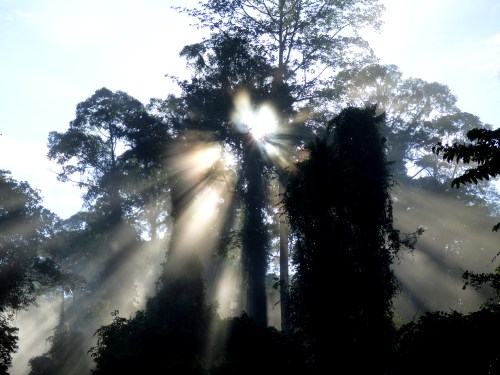
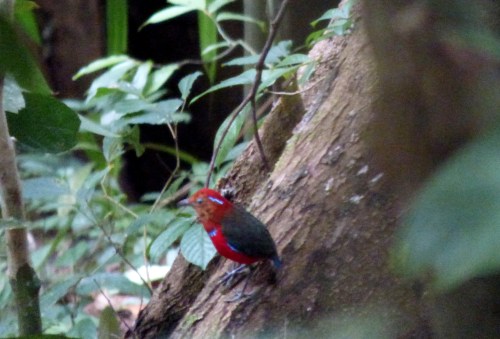
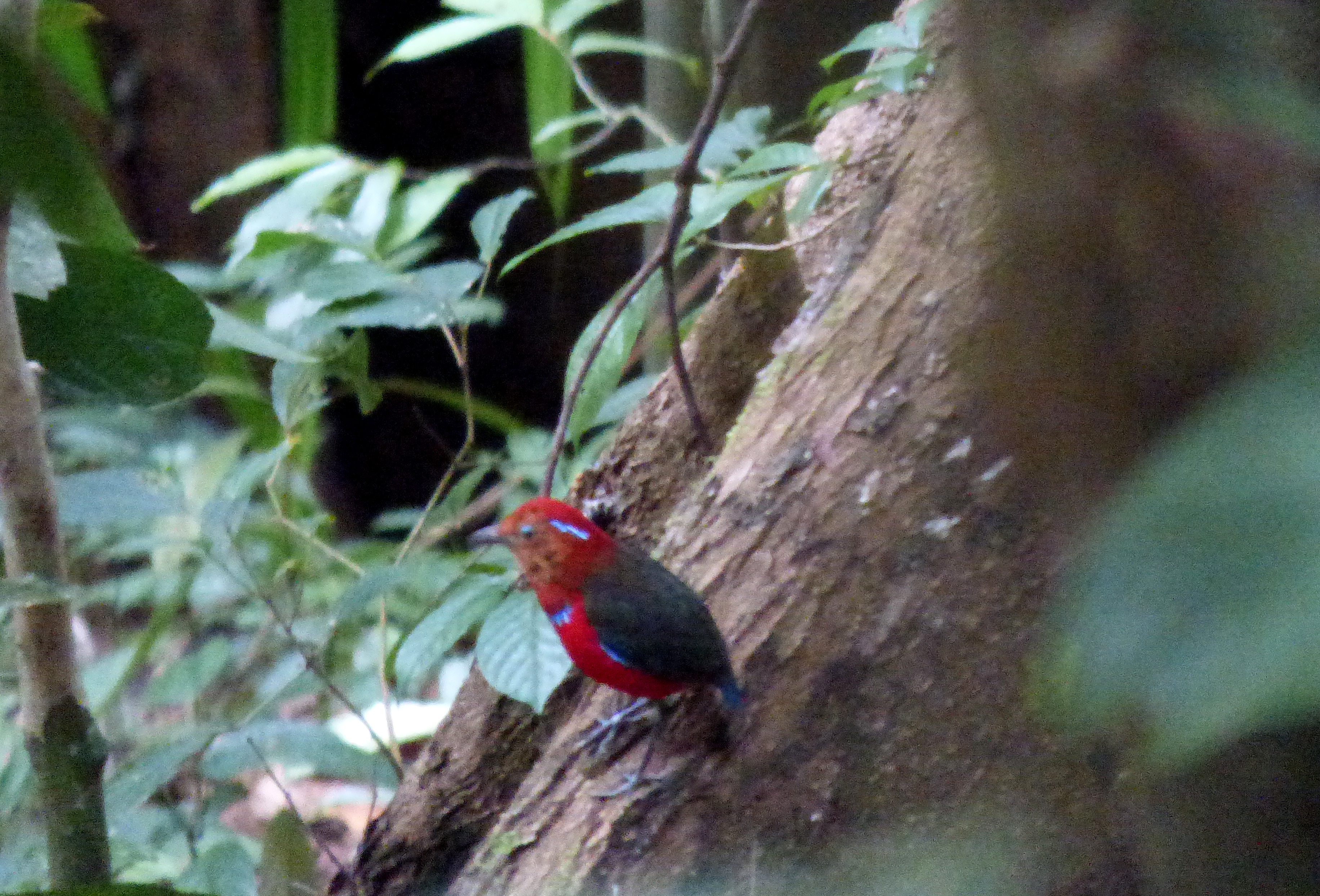
In May/June I had another great trip, this time to Borneo. One of the highlights was seeing the last bird family for my list, Bornean Bristlehead, but the four new species of Pitta came a close second. There was a really good selection of mammals too. The photos show dawn at Danum Valley and Blue-banded Pitta.
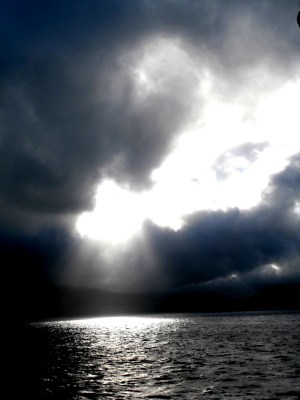
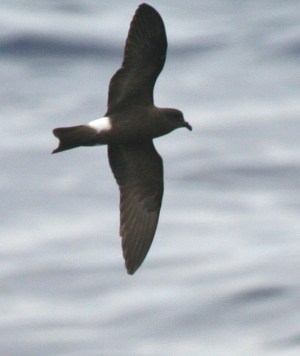
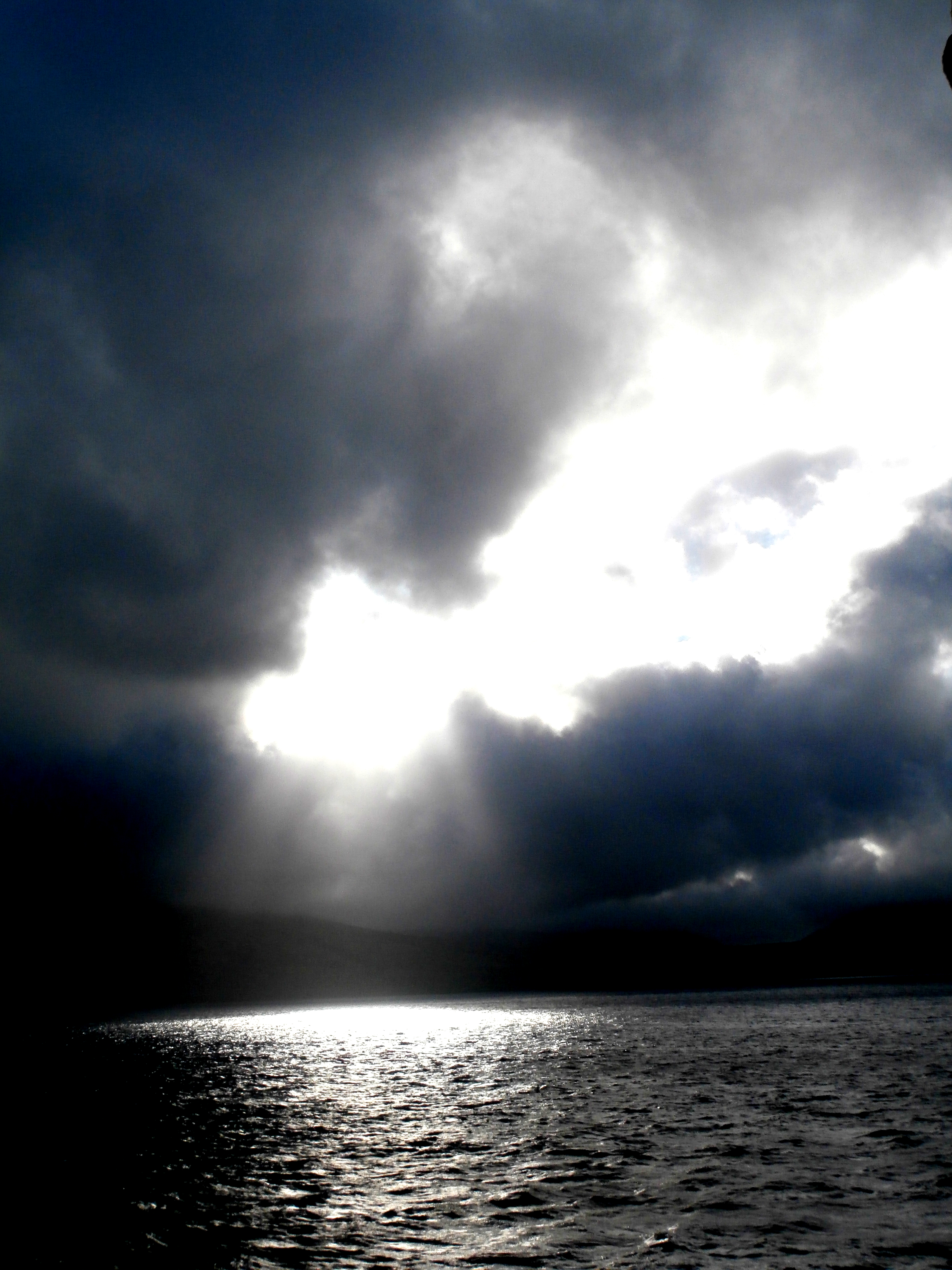
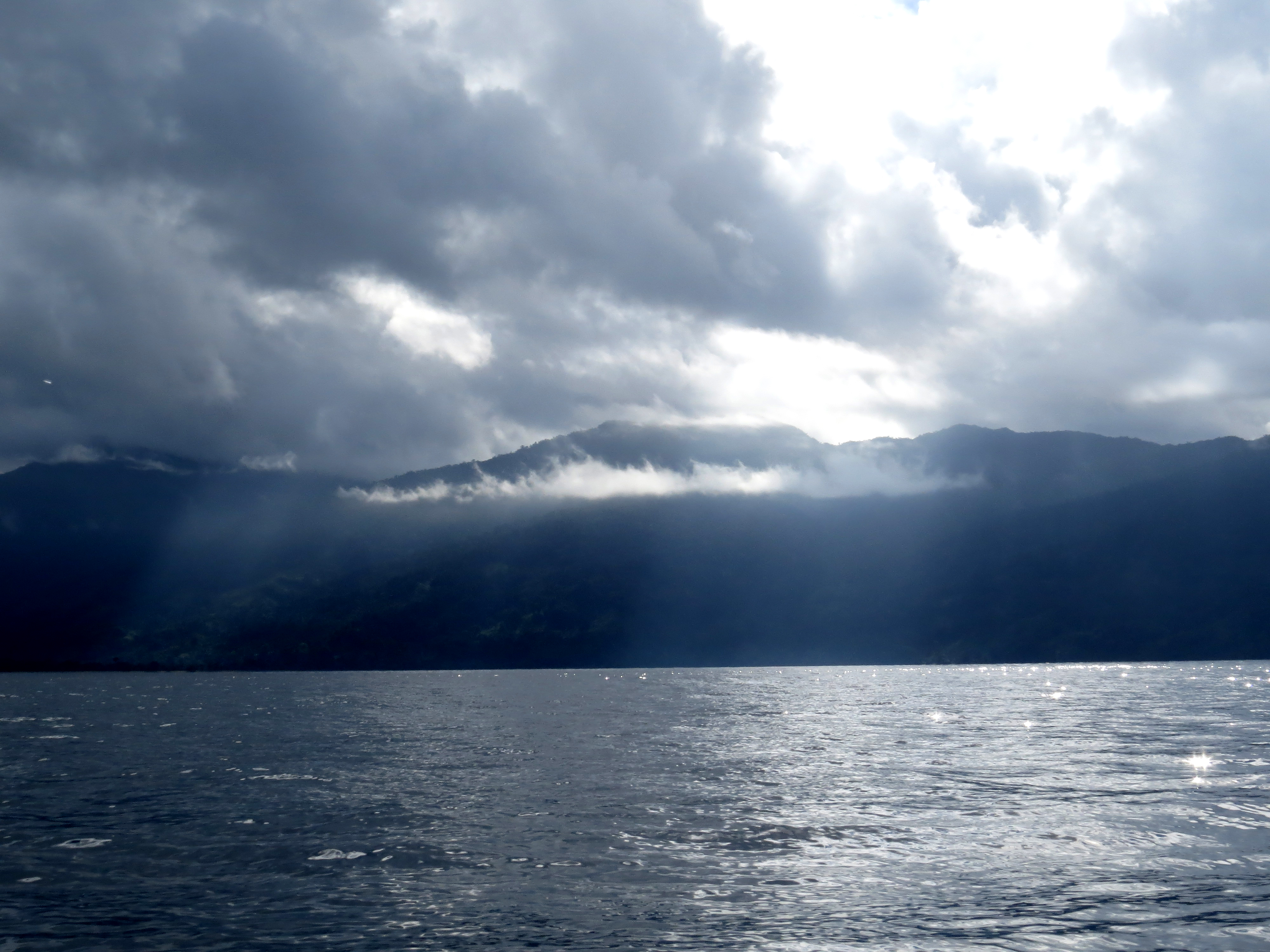
In late August my friend Roger and I had a week in the Azores concentrating on pelagic trips off the island of Graciosa. The highlight for me was seeing two new species of storm-petrel, Monteiro’s and Swinhoe’s The former is shown below along with storm clouds off the coast of Graciosa.
The longest and hardest tip of the year was to northern Madagascar and the Comoros in September/October. Good birds and mammals abounded but roads were poor in places, transport unreliable, journeys were long and accommodation was variable. The photos below shows sunset over Lake Kincloy, the site of the rare Sakhalava Rail, but the bird of the trip was the wonderful Helmeted Vanga seen earlier on the trip on the Masoala Peninsula.

The final trip in November/December was to southern Argentina. This highly scenic trip was most enjoyable and produced some great birds. The photos show the Moreno Glacier in Glacier National Park and the critically endangered Hooded Grebe. I have still to upload the final installment of this trip but will be on this blog within a few days.


All of these trips are illustrated in more detail on the blog. Feel free to scroll back through the year. Happy New Year – here’s to a successful and enjoyable 2015.
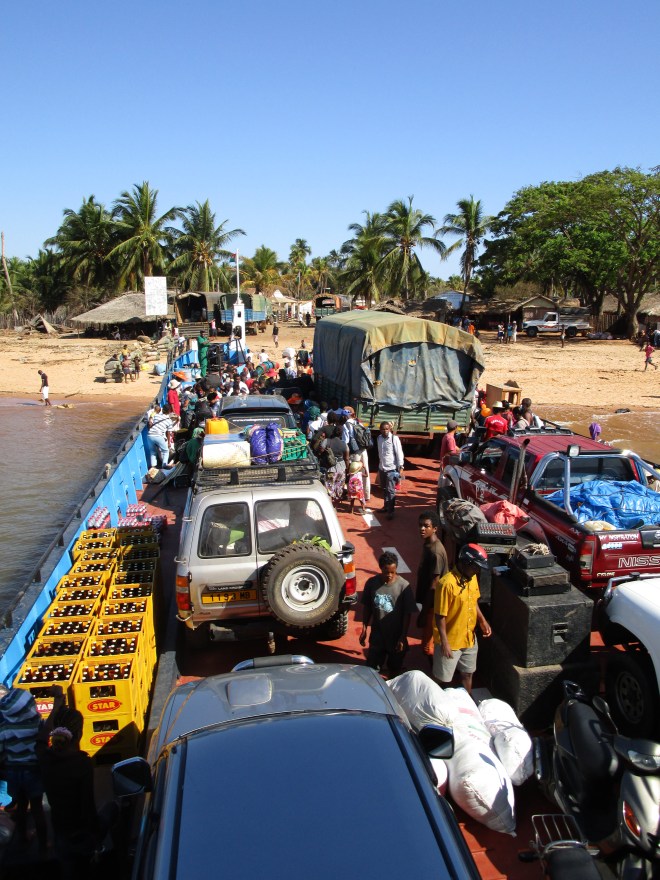
For the last part of our Madagascar trip we drove to a remote area to the south of Majunga. First we had to cross the wide Betsiboka Bay by ferry. We wondered where all the beer in the yellow crates and the huge sound system were going, it appears they were heading to the village next to where we would camp!
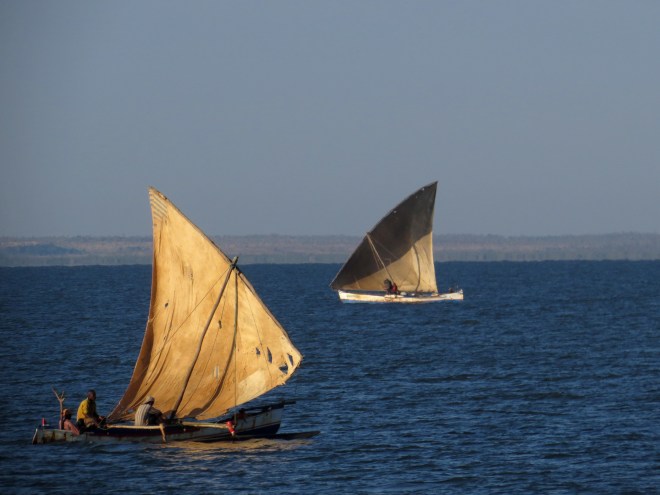
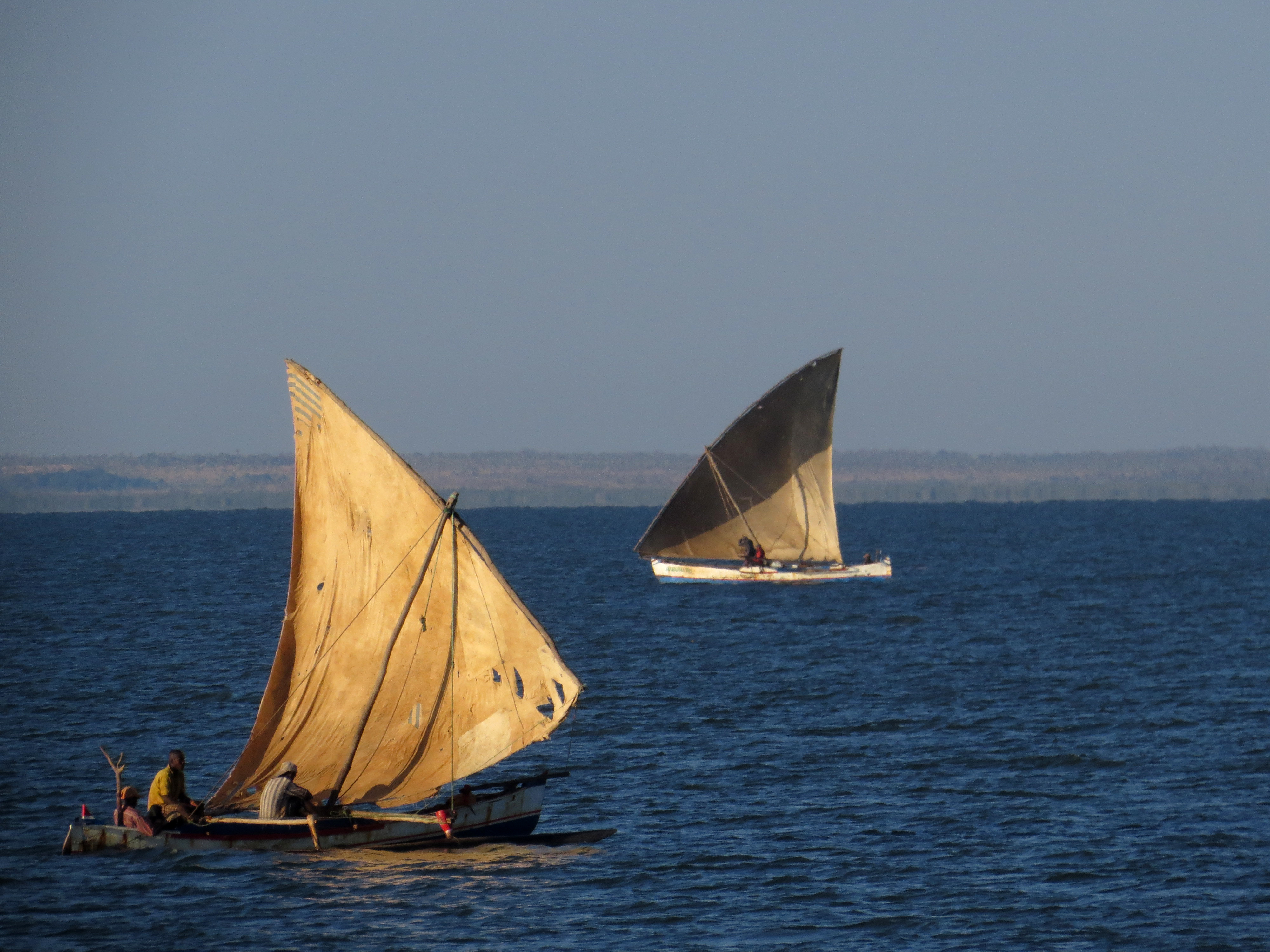
There were many traditional dhows crossing the bay ….

.. although some looked like their sails needed a bit of attention.

We made a detour to a nearby lighthouse where there was a highly visible population of Mongoose Lemurs …

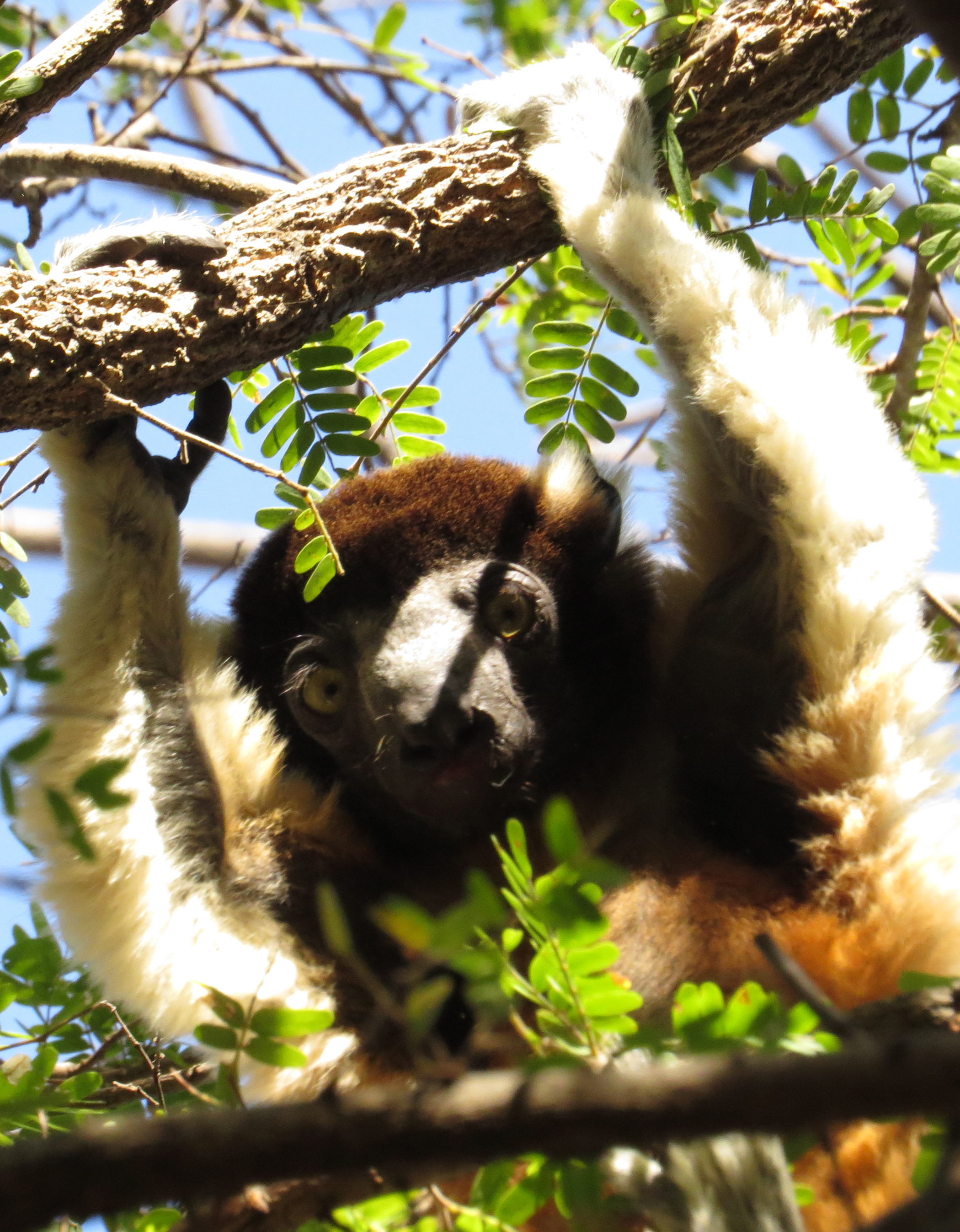
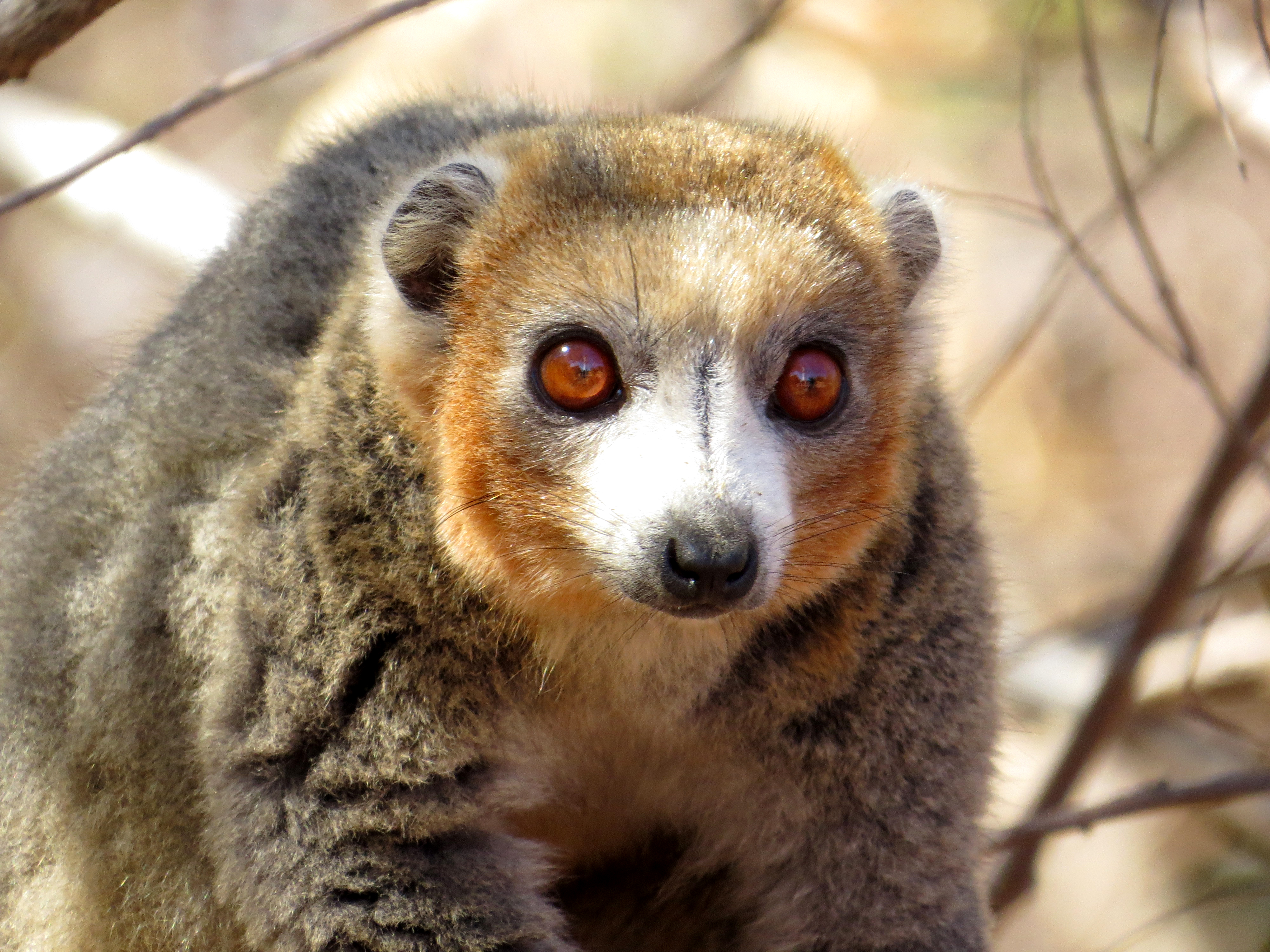
.. and a family group of Crowned Sifakas.
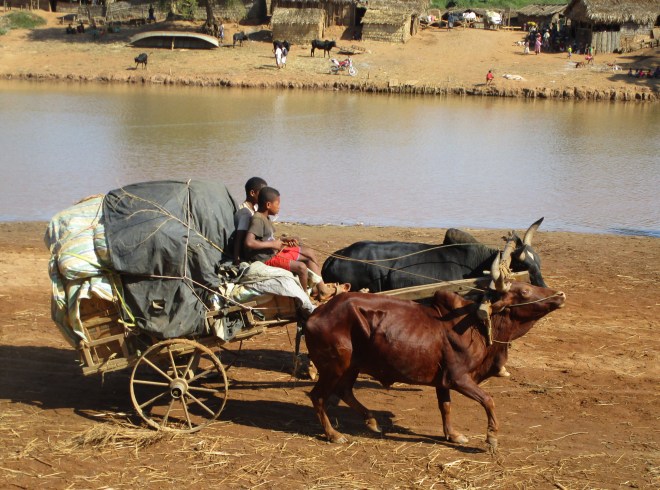
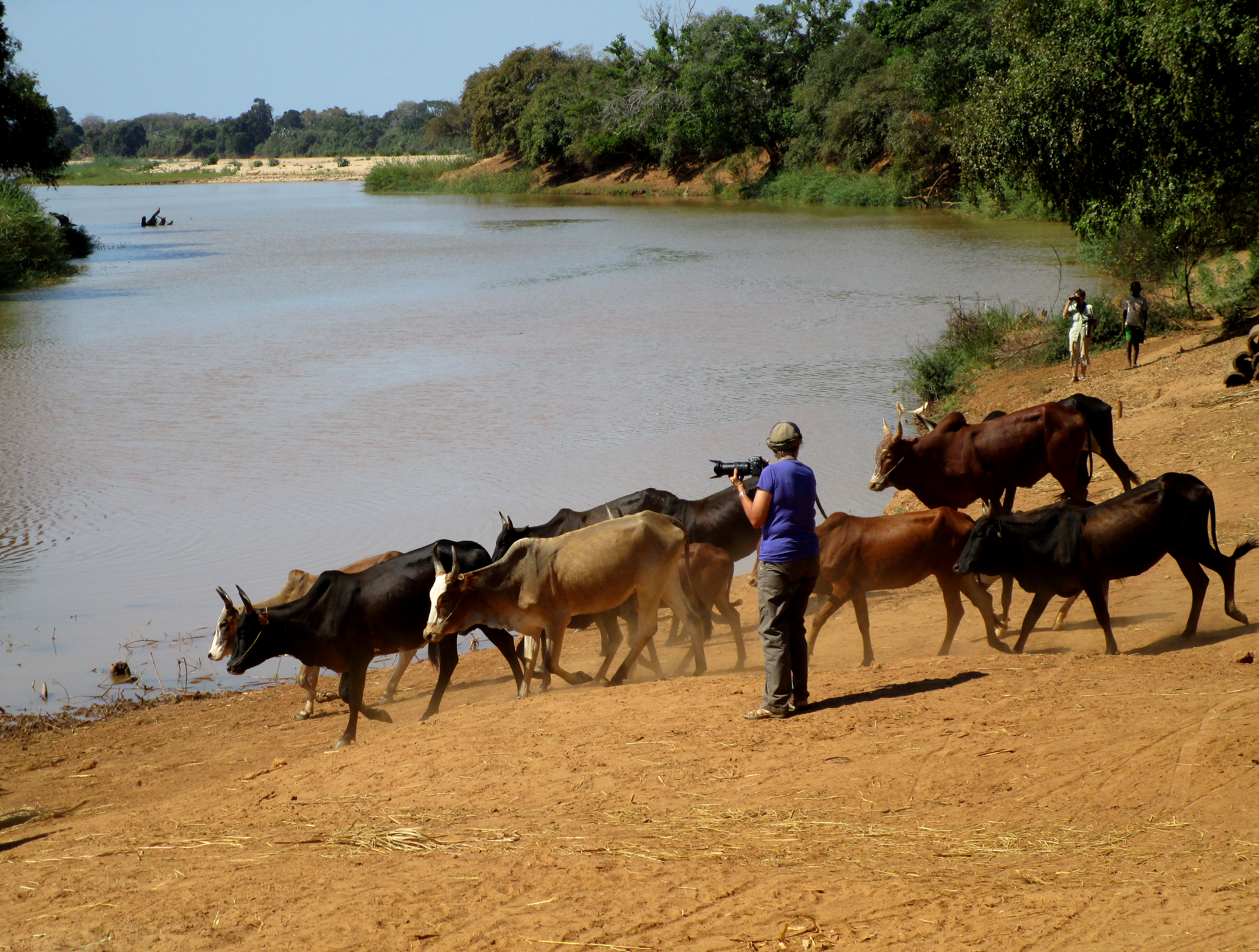
With no tarmacked roads, transportation in this remote region was mainly by ox-cart.

Our progress was blocked by a wide river, the cattle could swim across …

… but the ox-carts (and our Landcruisers) had to cross by pontoon …

.. pulled by a very muscular villager.

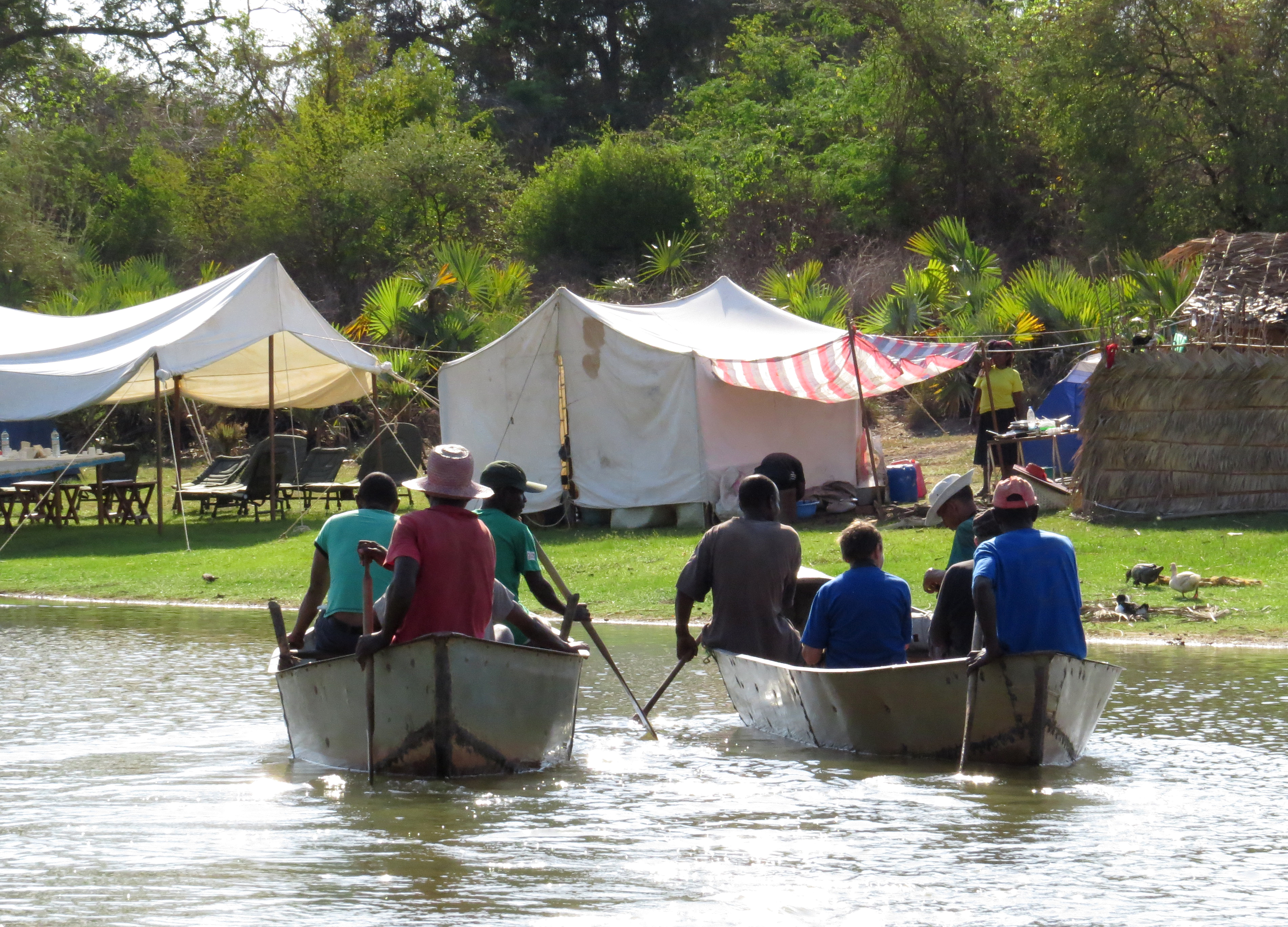
Our well provisioned camp was beside the beautiful Lac Kinkony. All seemed peaceful until night fell …
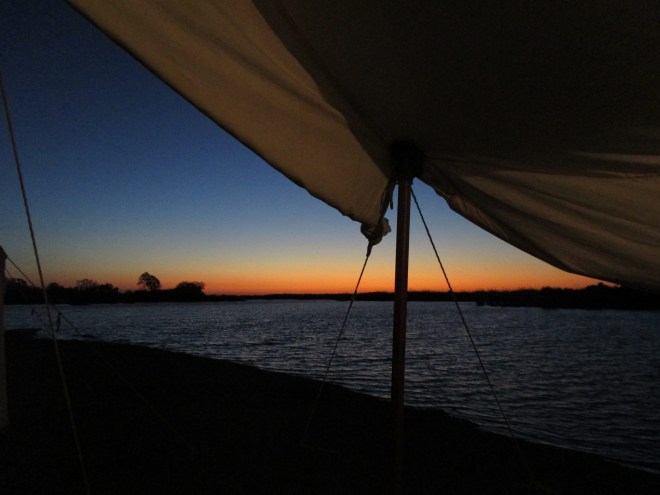
….. when very loud rap music started up in the nearby village and continued from 1800 until 0800 the next morning. It appears that a much revered local man who had lived into his 80s had just died and his body would lie in state for a week whilst the locals got drunk and partied all night in his honour. Bear in mind that there would be no refrigeration and daytime temperatures were in the mid 30s so it would be wise to approach the village from upwind.

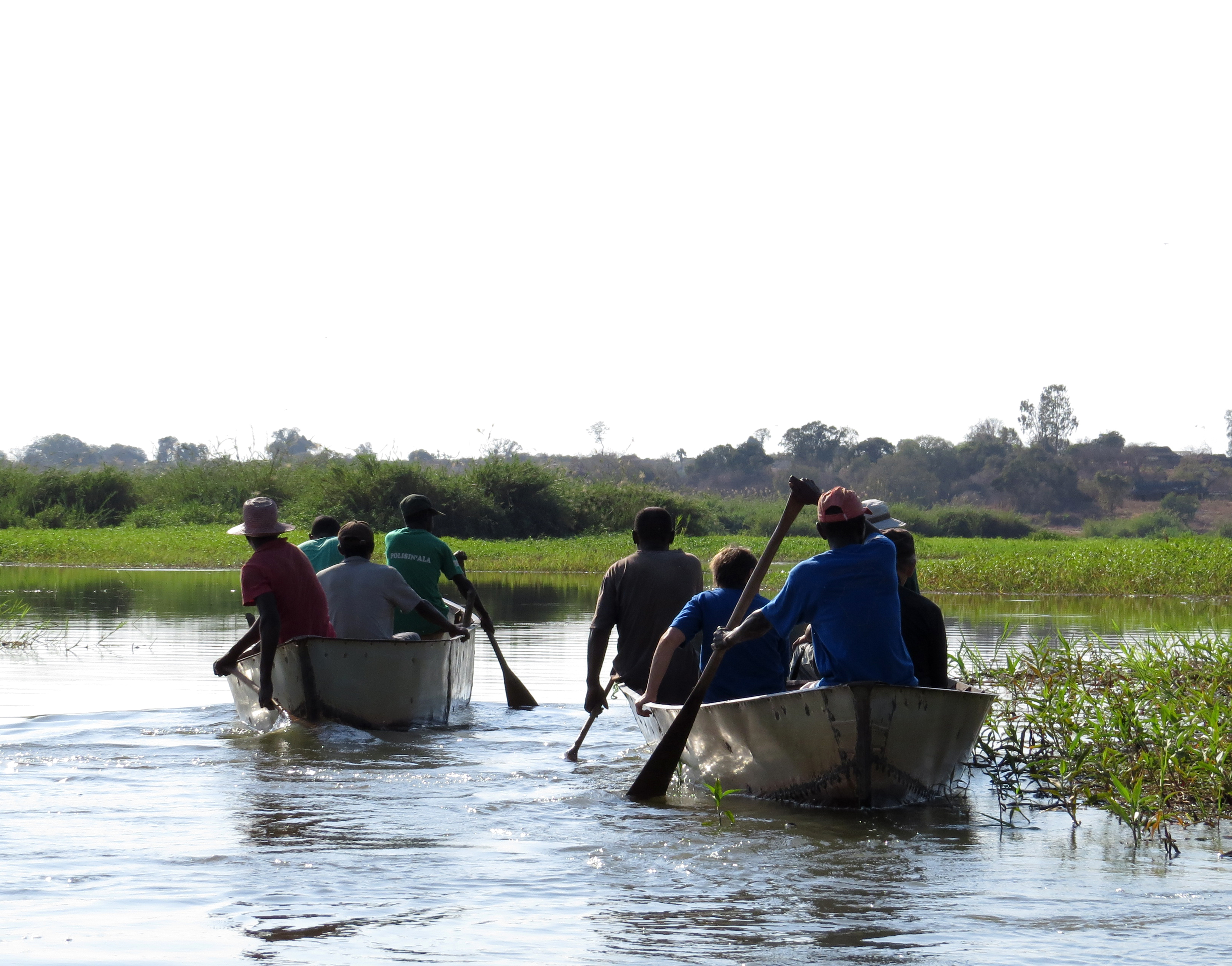
The following morning, a bit bleary eyed due to lack of sleep, we set of in boats to investigate the bird life of this beautiful lake.

Much of our time was spent searching the narrow channels between the reeds.
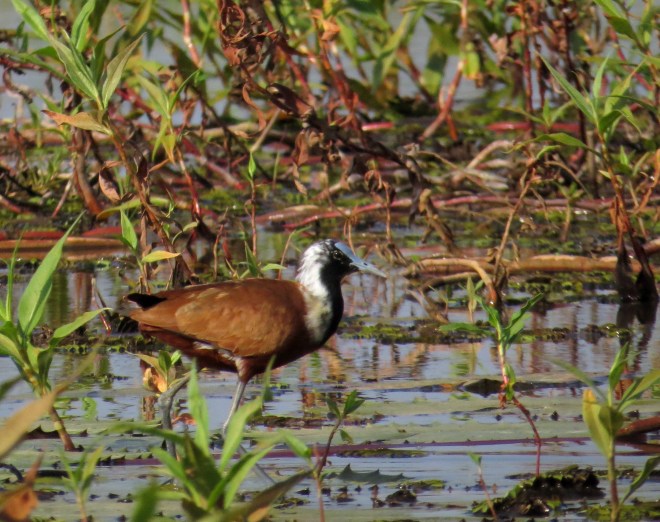
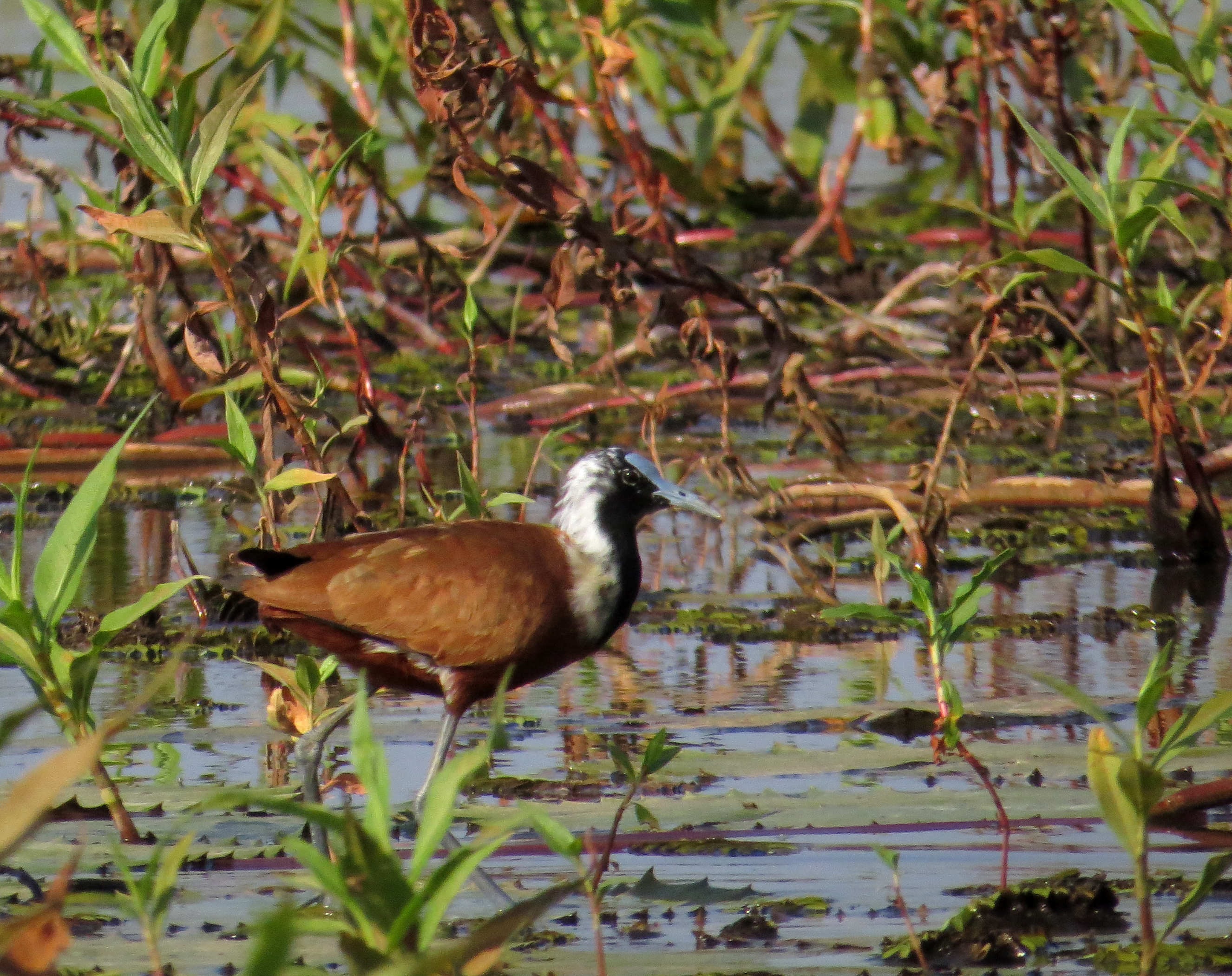
We found the endemic Madagascar Jacana …

… and Allen’s Gallinules (bizarrely one of these African crakes was found on Portland in Dorset a few years ago but only survived long enough for locals to twitch it) ……

… but our main target was the almost unknown Sakalava Rail, a bird that was only reliably observed five times in the 20th century but has recently been shown to be quite common at Lac Kinkony.
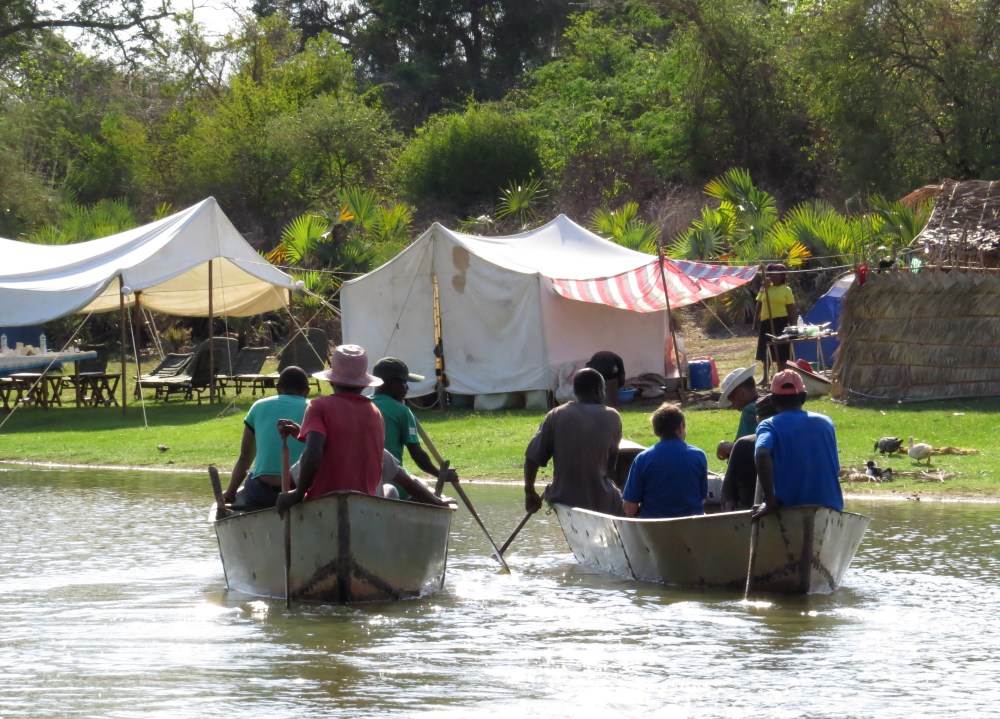
Back for lunch and a siesta.
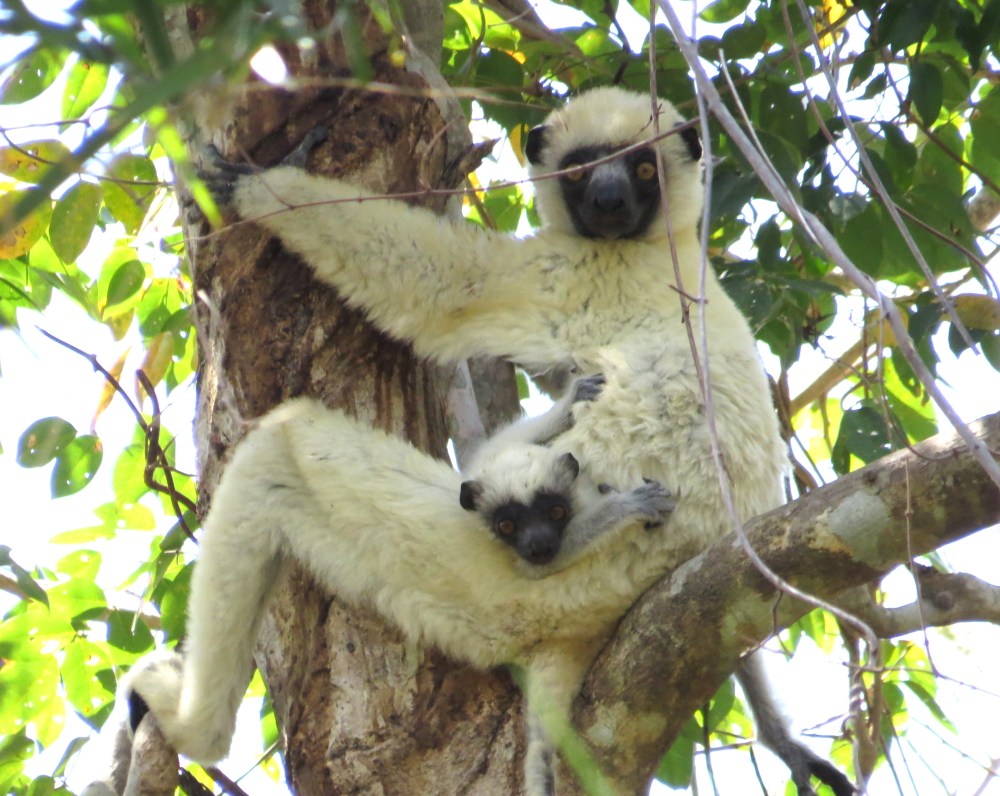
Nearby woodland held the beautiful Decken’s Sifaka.
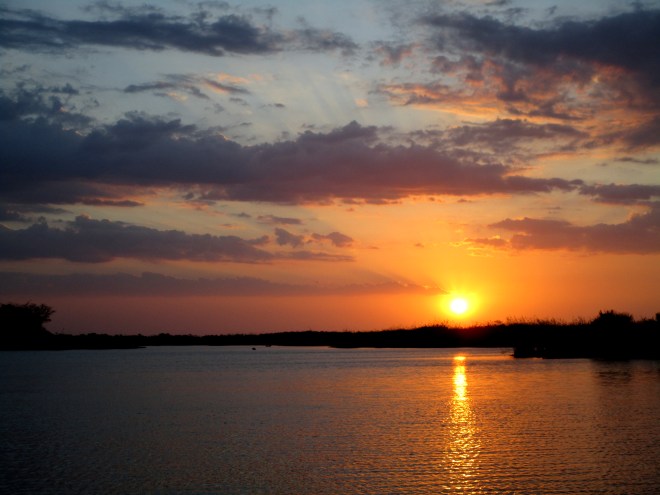
We had another boat trip in the late afternoon then it was time to relax with a sundowner …..

… before the music from the village started up all over again.

Nocturnal forays near the camp proved fruitless due to the racket so we drove for several miles to find Madagascar Nightjar and this charming Grey Mouse Lemur.
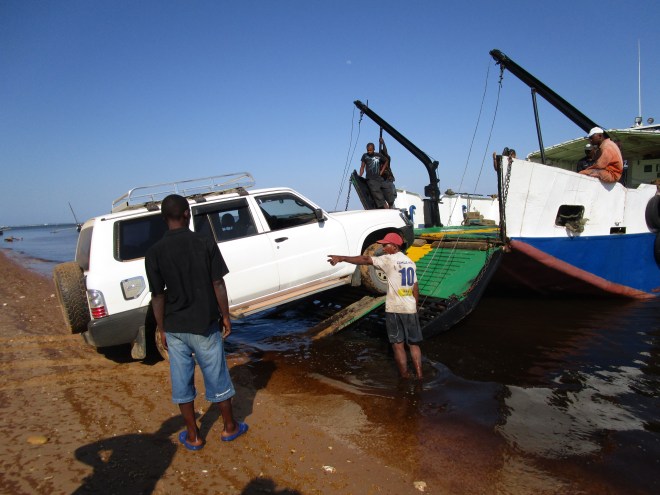
The following day we made the long and bumpy drive back to Betsiboka Bay and boarded an even more decrepit ferry than the one we had come out on.
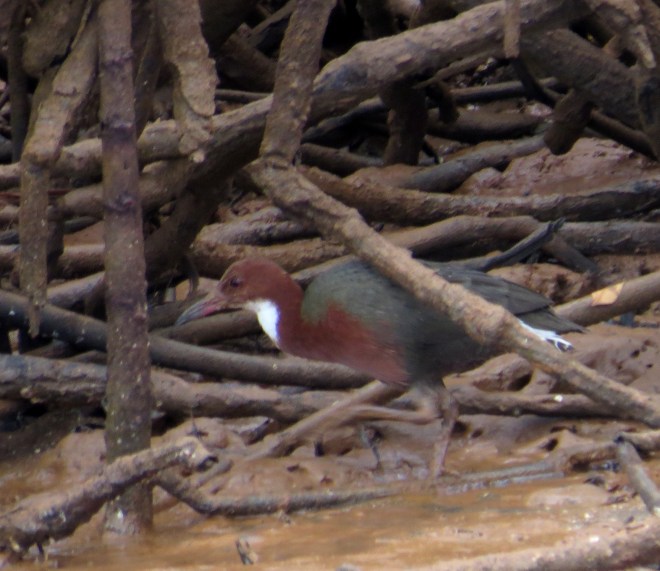
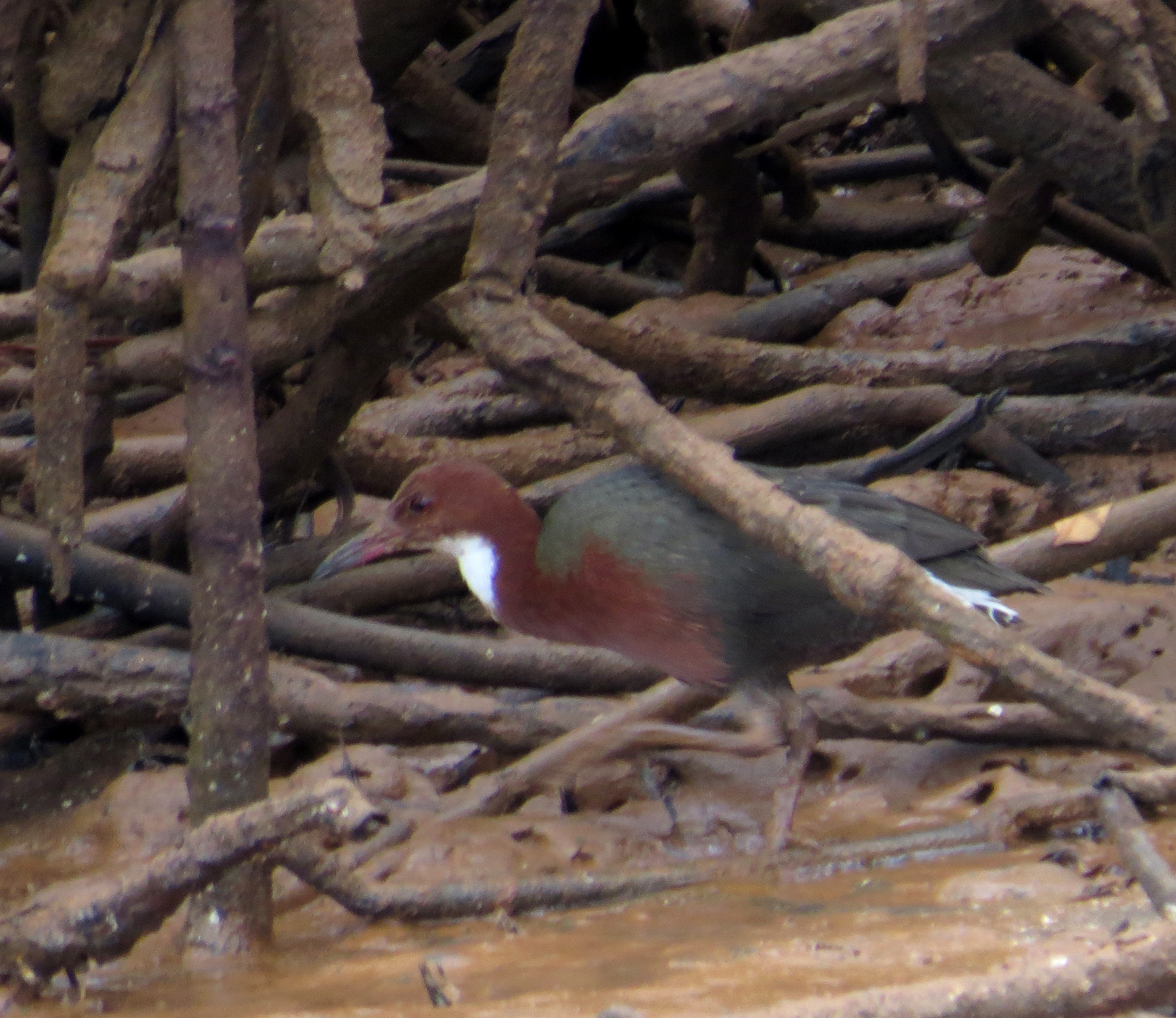
The following morning we took a boat trip from Majunga around the Bay, finding White-throated Rails in the mangroves …..

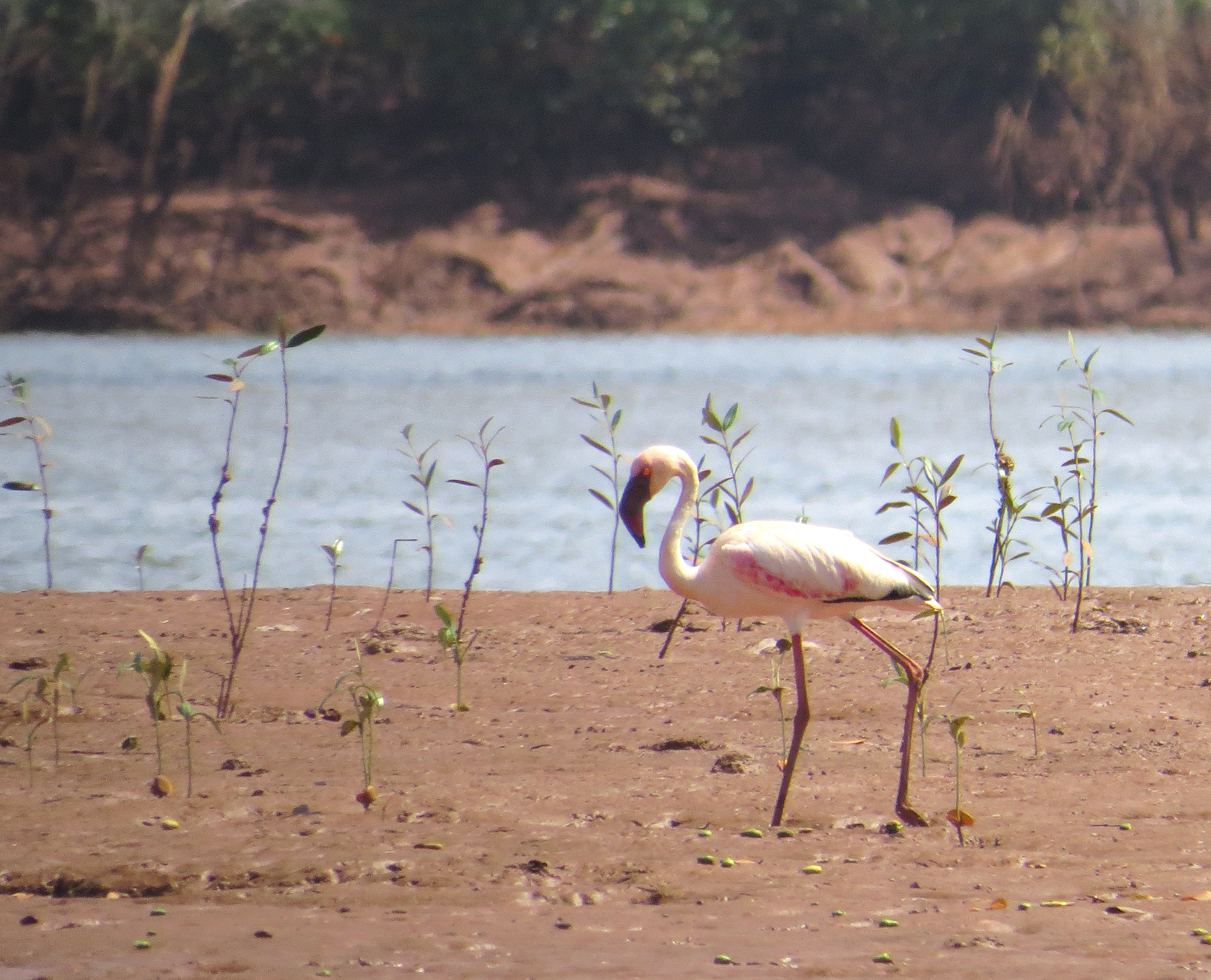
… Lesser Flamingos ….
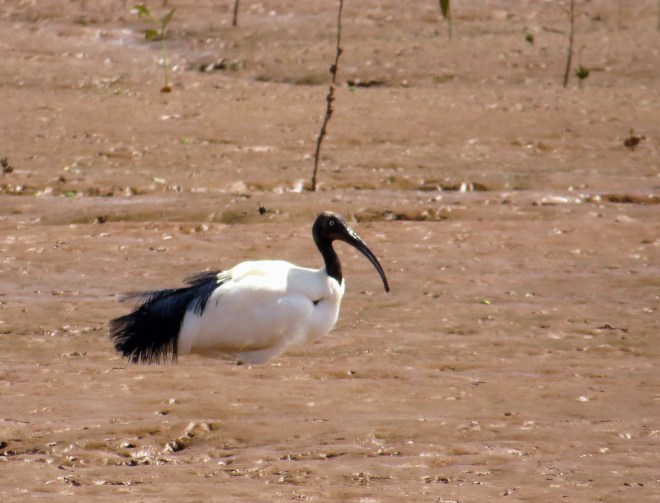
… and the recently split Madagascar Sacred Ibis on the mud flats ….

… but our main target was the endangered Bernier’s Teal which we saw very well. We were due to fly from Majunga to the Comoros Islands but due to a Mad Air reshuffle we had to fly back to Antananarivo that afternoon for an overnight stay and fly to the Comoros the following day, something akin to flying from London to Paris to get to Glasgow. This was the problem that had necessitated the 16 hour drive described in Part 2 of this narrative.
After the previous days horrid drive we spent a very pleasant and rewarding morning around the Ankarafantsika reserve near Ampijoroa. This is the only location I visited on this tour which was shared with my 1992 trip. Then there was no accommodation available and we had to drive the three hours from Majunga to get here. In those days sites were much less well known and inspite of searching for a couple of days we failed to find Schlegel’s Asity and Van Dam’s Vanga, both of which we saw this time. In the afternoon we drove to the coastal city of Majunga.

We spent the morning searching the wide tracks of the Ankarafantsika reserve.

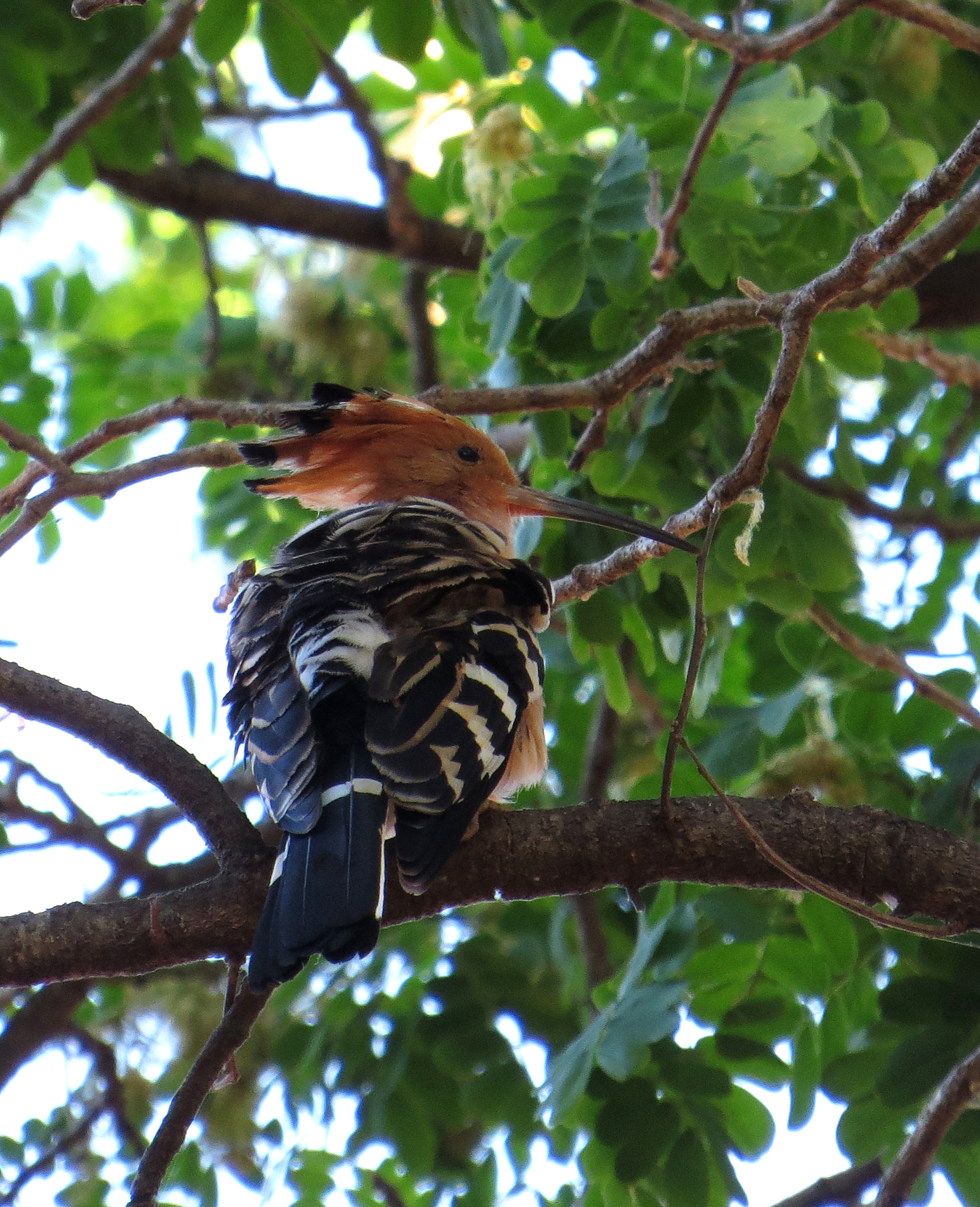
The hoopoe on Madagascar sounds more like a Turtle Dove than the familiar oop-poop-poo of a Eurasian Hoopoe and is now considered to be a separate species.

Is the hoopoe-like bill of the Sickle-billed Vanga a case of convergent evolution?
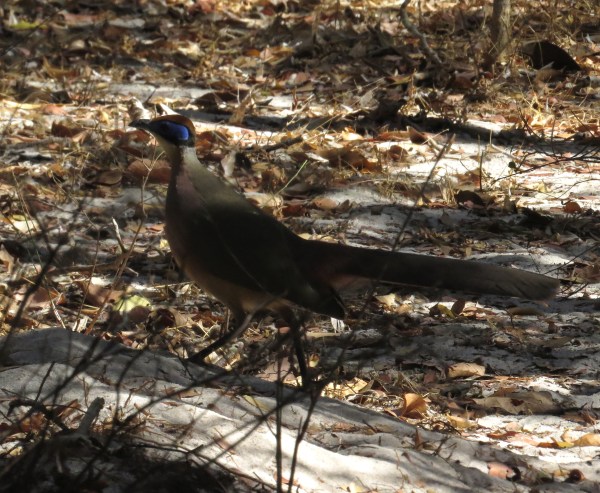
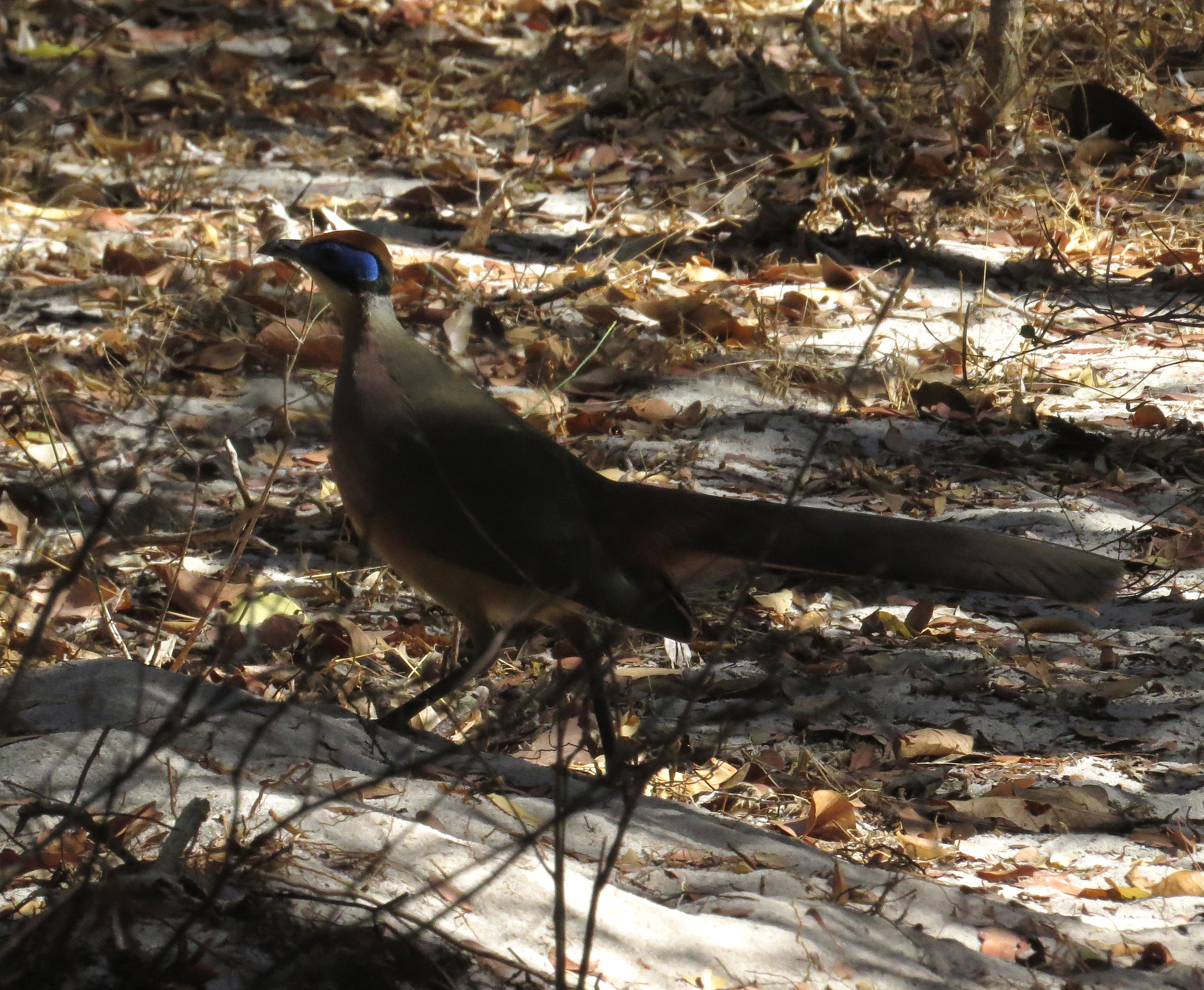
The secretive Red-capped Coua kept to the shadows, but gave good views.

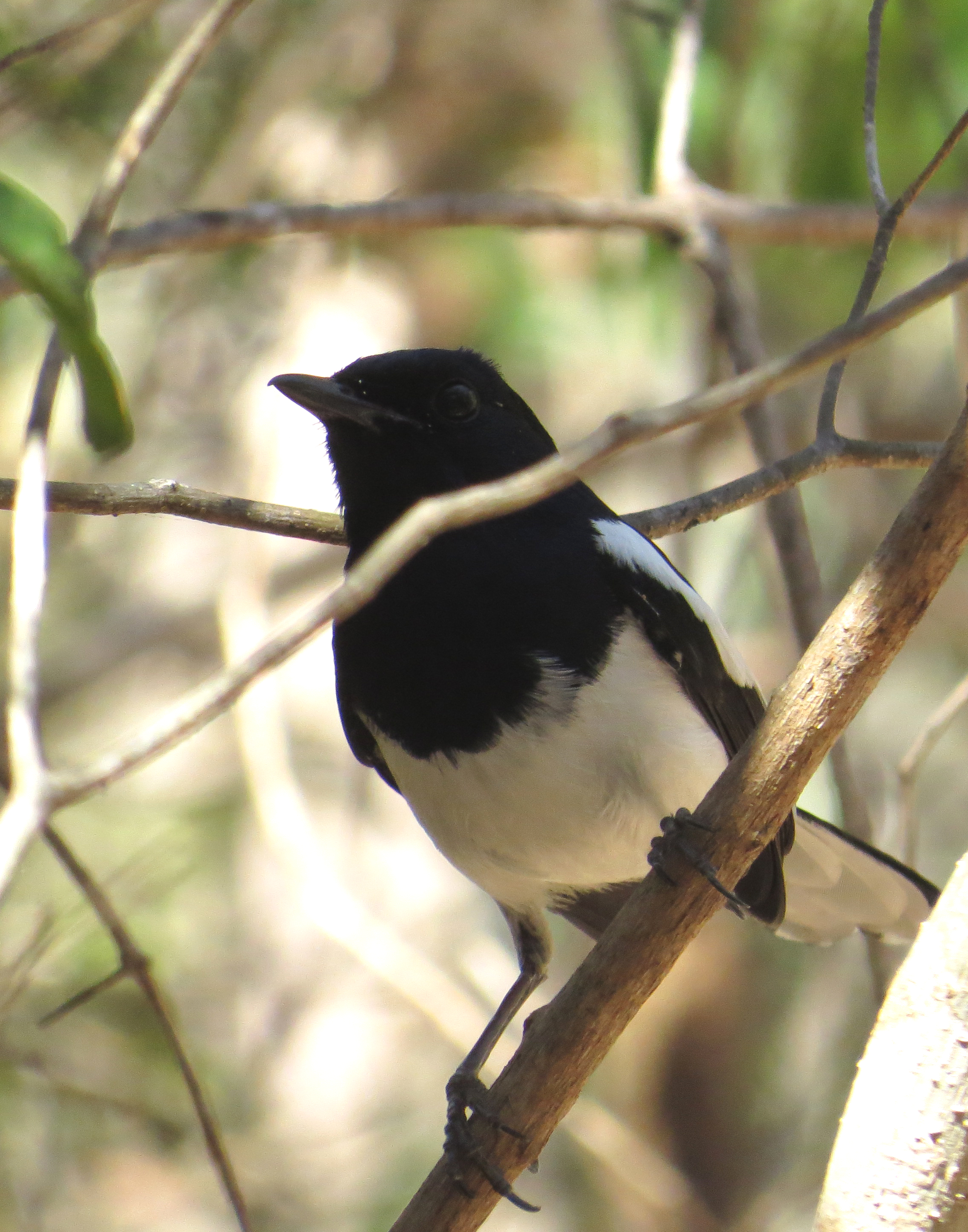
The Madagascar Magpie Robin is closely related to similar species in SE Asia, how they colonised across the wide expanses of the Indian Ocean is anyone guess.

Paradise flycatchers occur in Asia and Africa so could have colonised from either direction. Females are rufous all over but males occur in two varieties , the commoner rufous phase with a white tail ……

…. and the beautiful white phase.

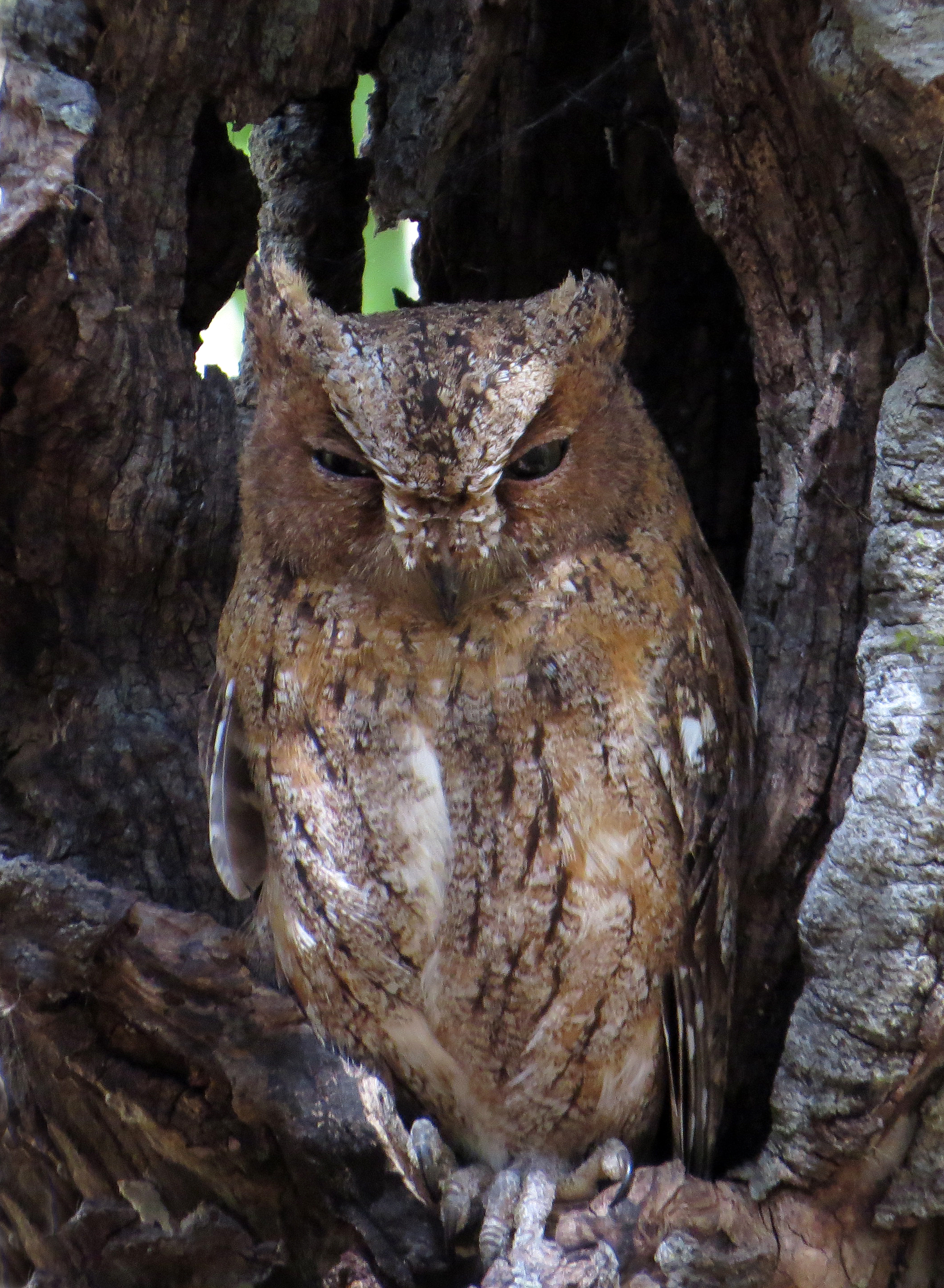
This Torotoka Scops Owl, the dry country equivalent of Rainforest Scops Owl, was found at its daytime roost.

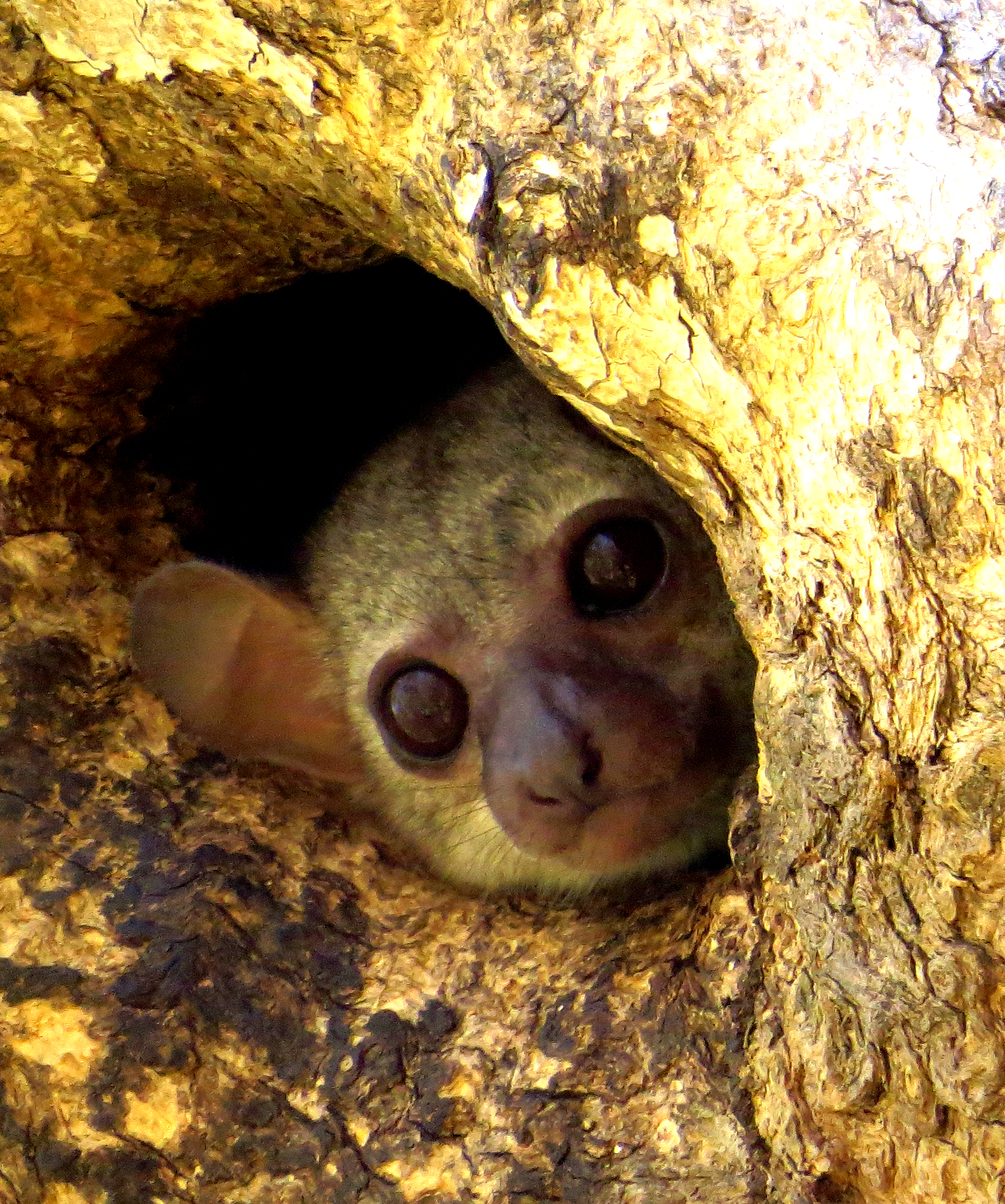
Also at its daytime roost was this nocturnal Milne-Edwards Sportive Lemur.
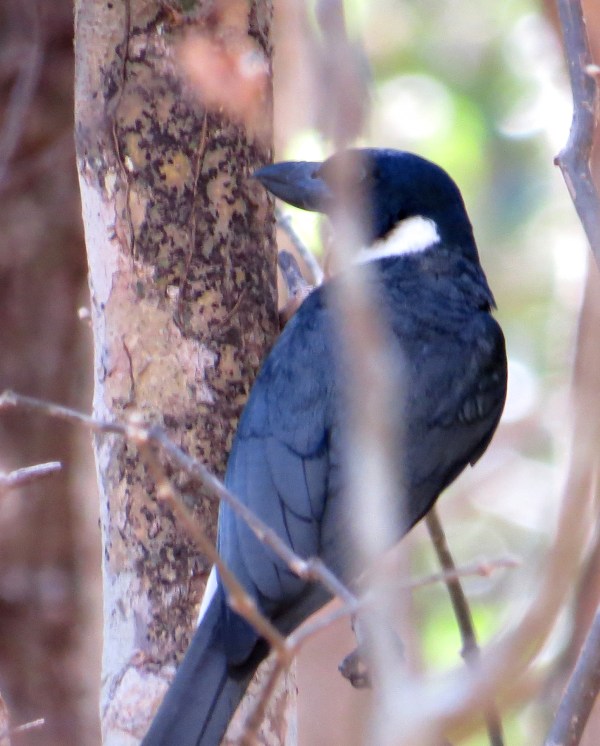
I didn’t get a photo of my lifer Sclegel’s Asity which kept to the tree tops but managed this shot of Van Dam’s Vanga, shame about the vertical out-of-focus twig.

The large and attractive Coquerel’s Sifaka was found near our accommodation.
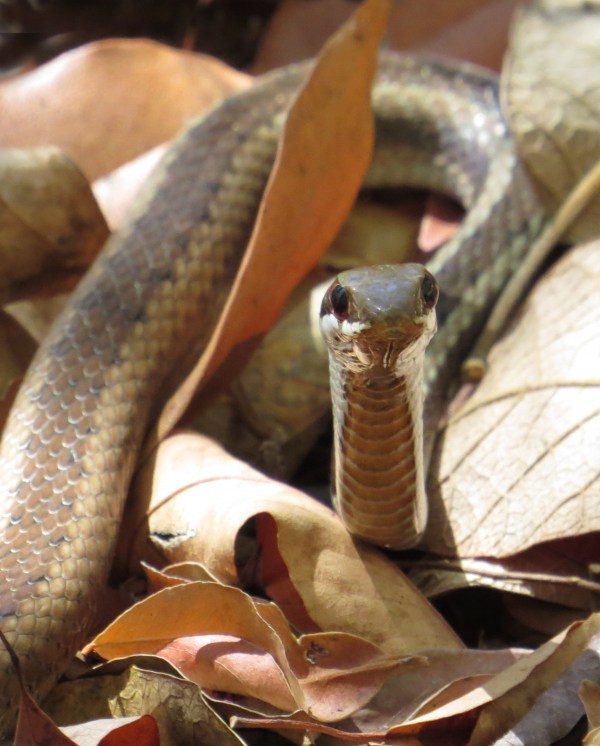
Madagascar seems to have relatively few poisonous snakes, a good job too as we saw quite a few.
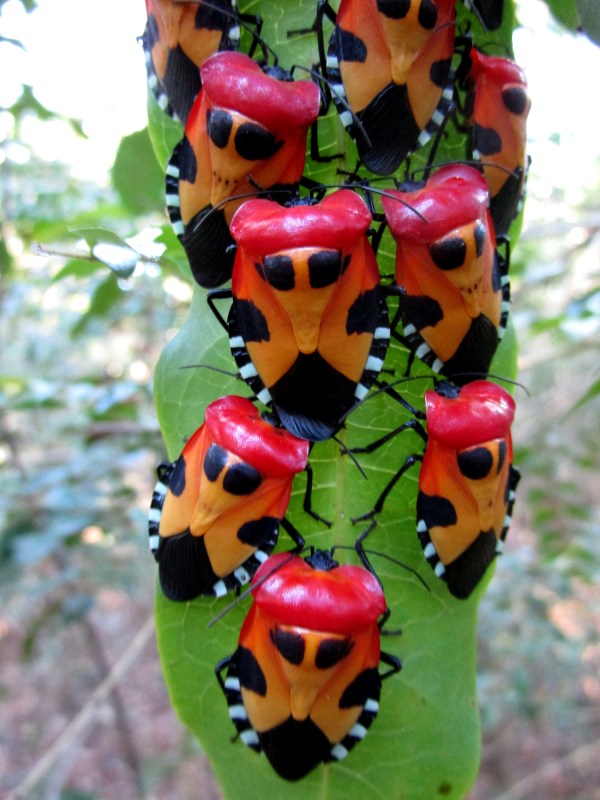
Madagascar is full of natural delights. Birds, mammals, reptiles and amphibians all come in weird and wonderful forms as do do many insects.
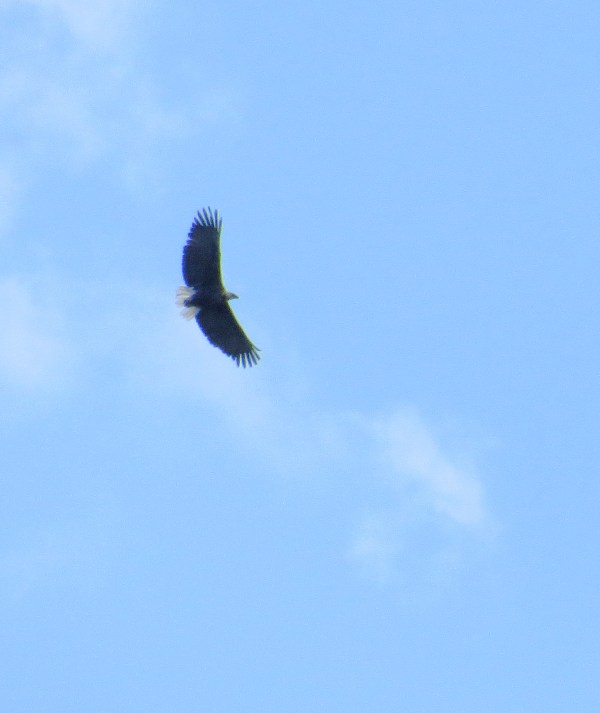
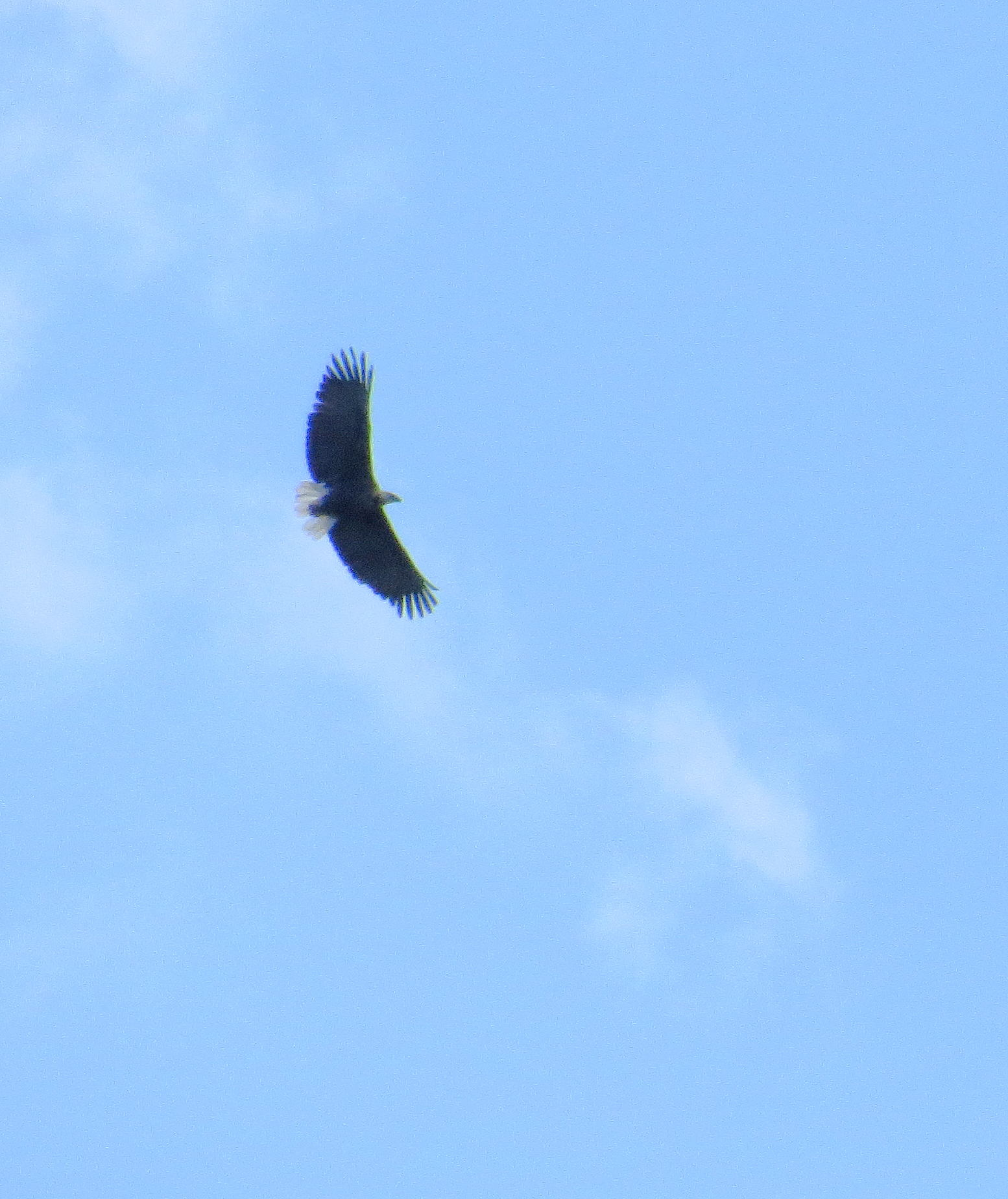
At a nearby lake a pair of the critically endangered Madagascar Fish Eagle was seen ……

Only about 100 pairs are in existence and virtually all birders who have seen it will have done so at this lake. I wonder how many generations of eagles have been at this lake since I saw them there in 1992

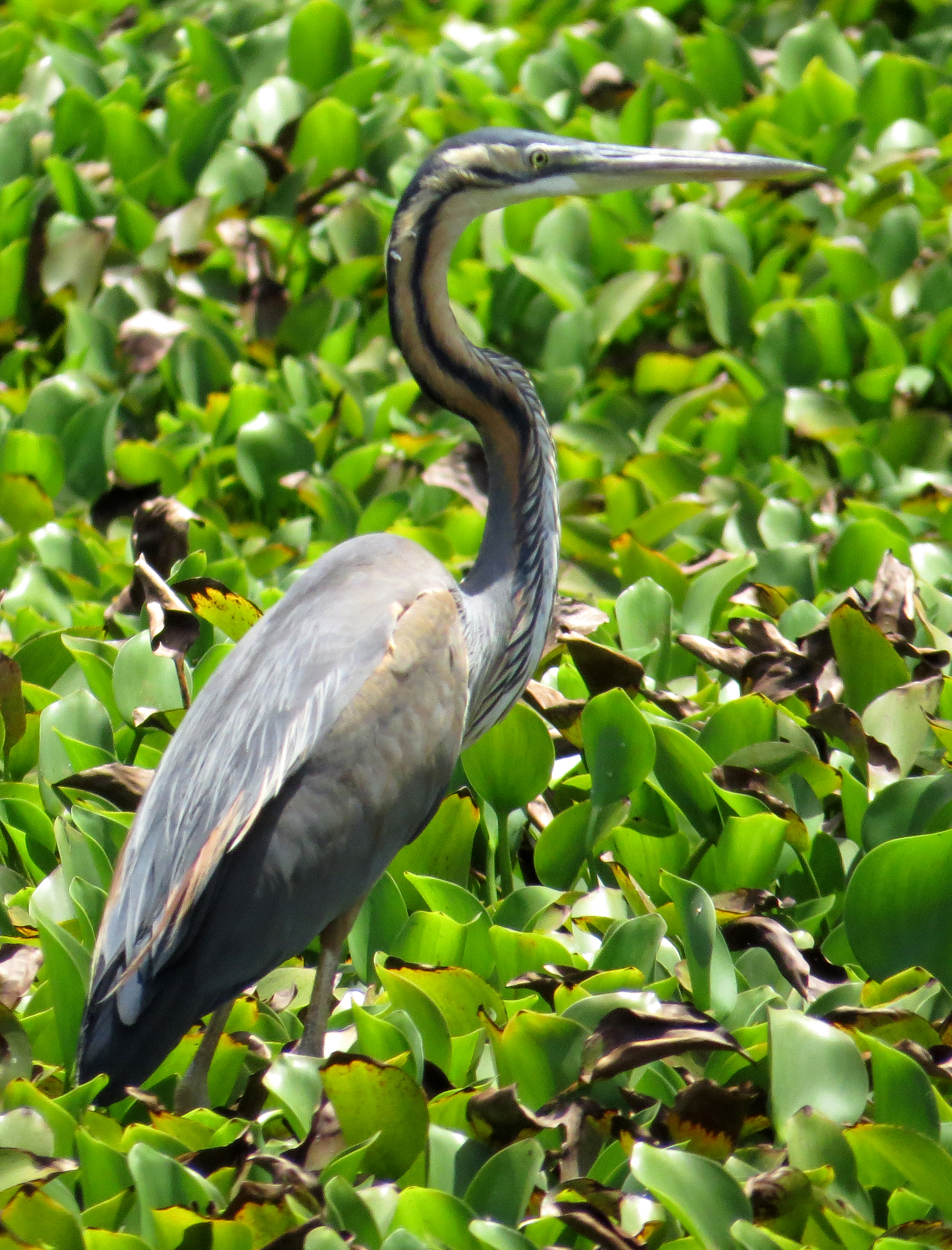
The margins of the lake were full of herons; Striated, Squacco and the widespread Purple ……

… but pride of place went to the endemic Humblot’ s Heron.
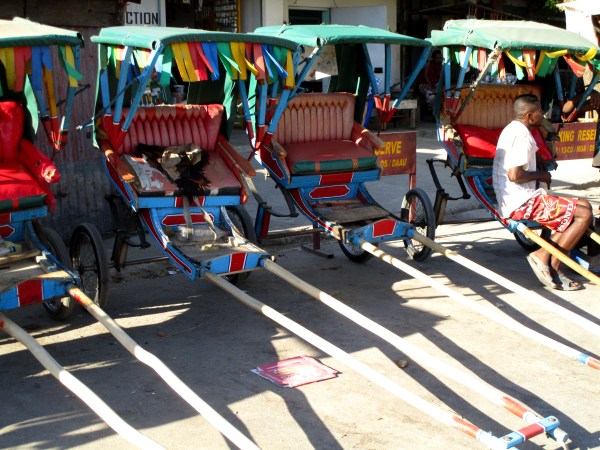
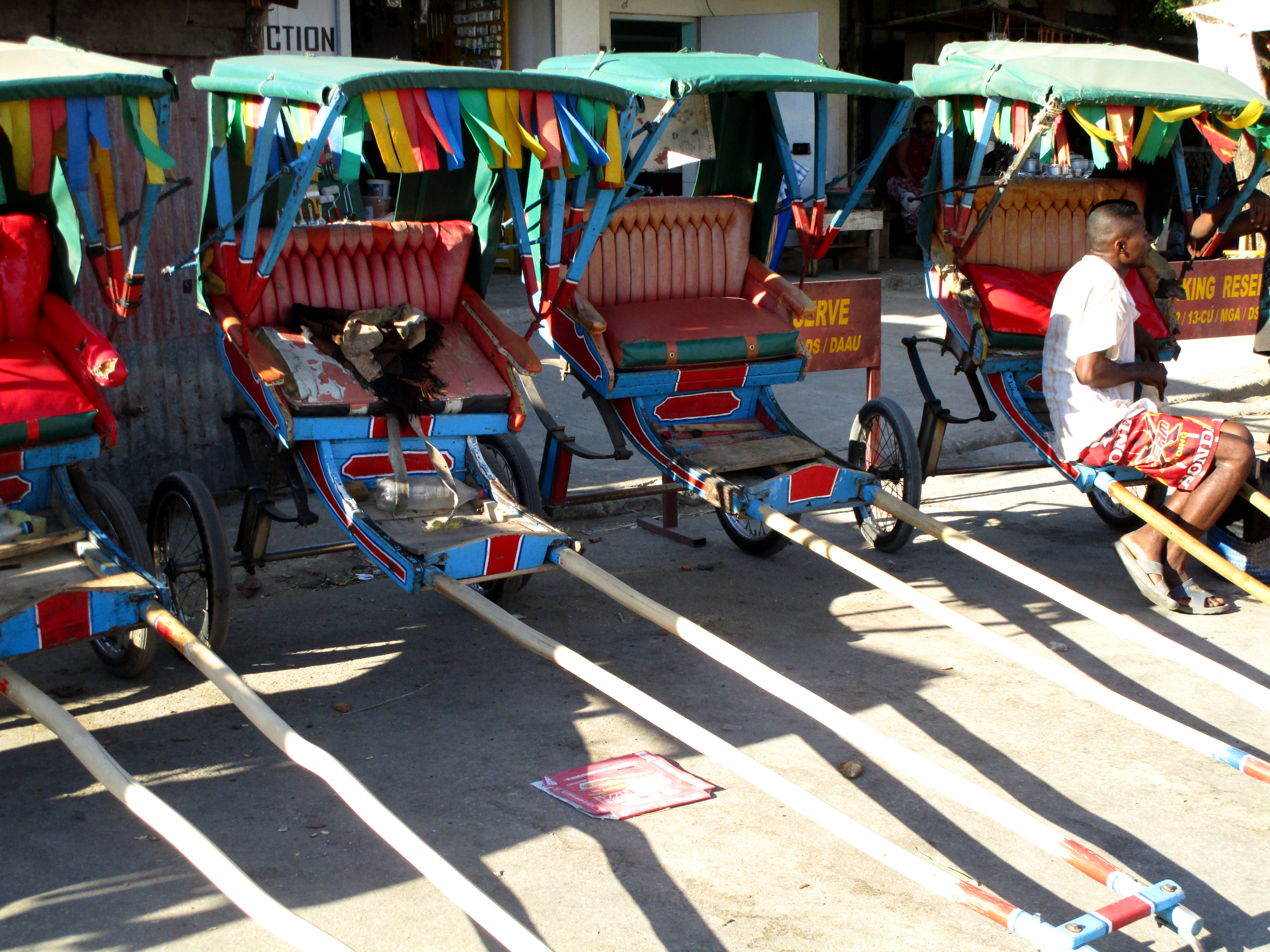
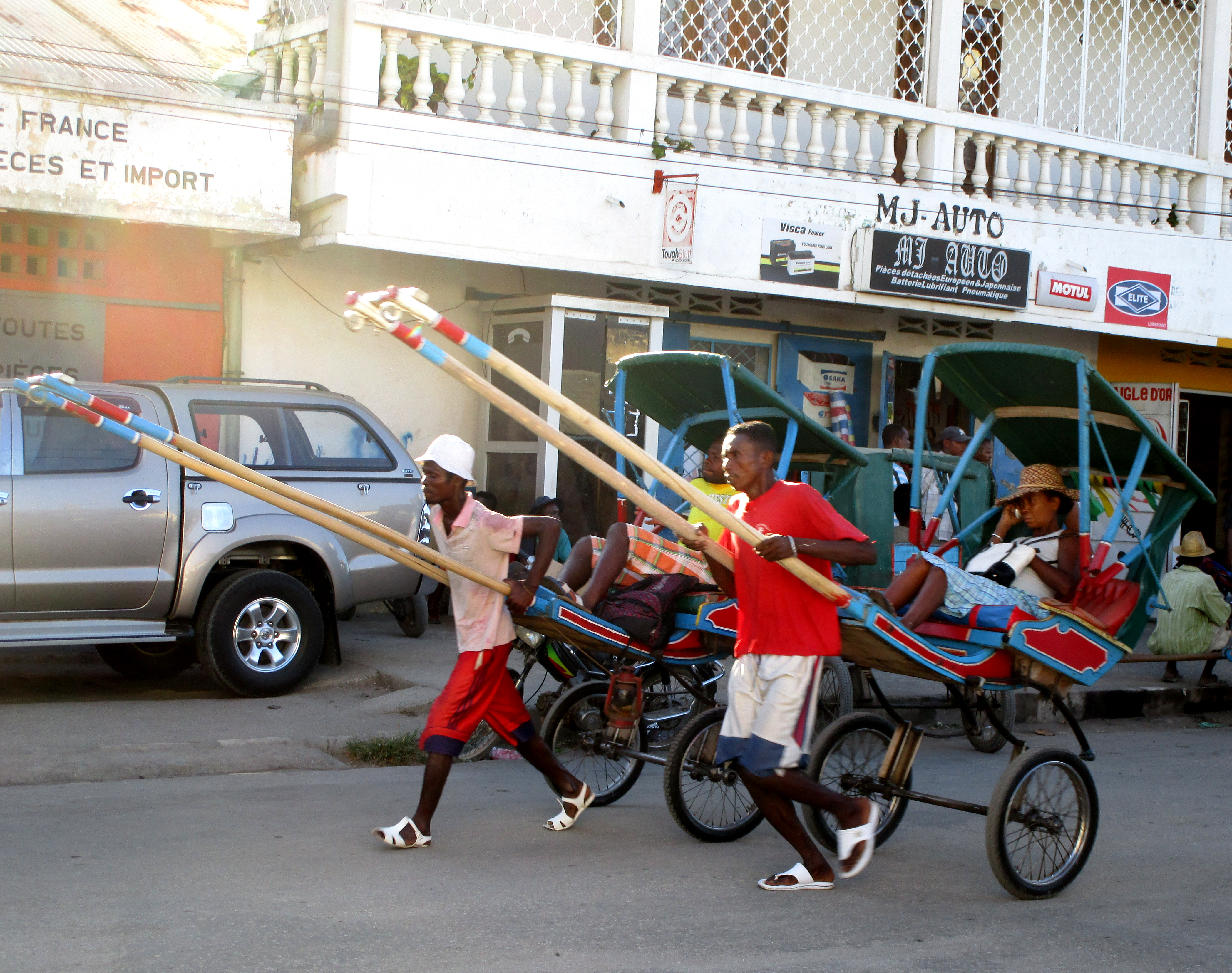
We reached Majunga in the late afternoon. The hotel looked good from the outside but was prone to electricity and water shortages. The main mode of transport in Majunga seems to be the rickshaw.

That’s a good job if you want to stay fit!
We left Antananarivo very early on the 26th for our flight to Antseranana in the far north of Madagascar. The rest of the day was spent birding in the nearby Montagne D’Ambre national park. This is an area of dry deciduous forest which has a few good birds but rather more good mammals and reptiles.
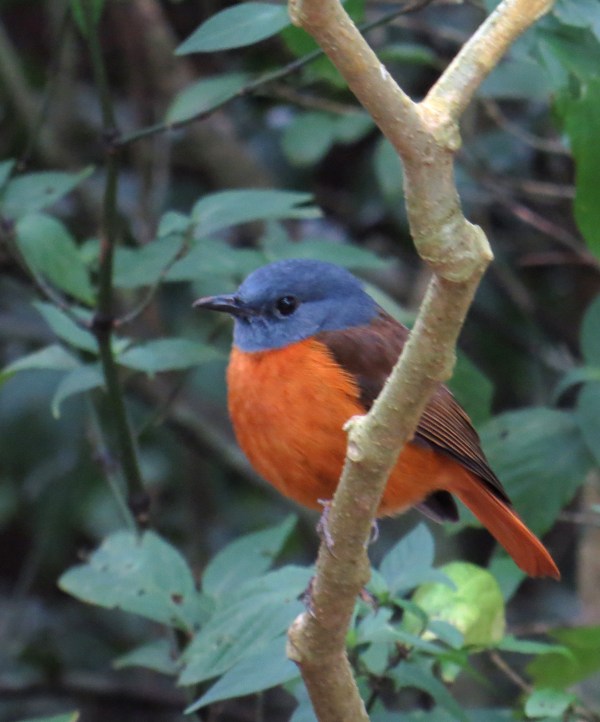
Our main target was the very localised Amber Mountain Rock Thrush. I am always glad to add new ‘splits’ to my list, so-called ‘armchair ticks’ but I’m afraid this is an ‘armchair lump’ as it has recently been declared to be the same species as the Forest Rock Thrush that I saw on my 1992 trip to Madagascar.

An unbelievably cute Crowned Lemur

A highly entertaining Ring-tailed Mongoose searched the picnic site for discarded scraps.
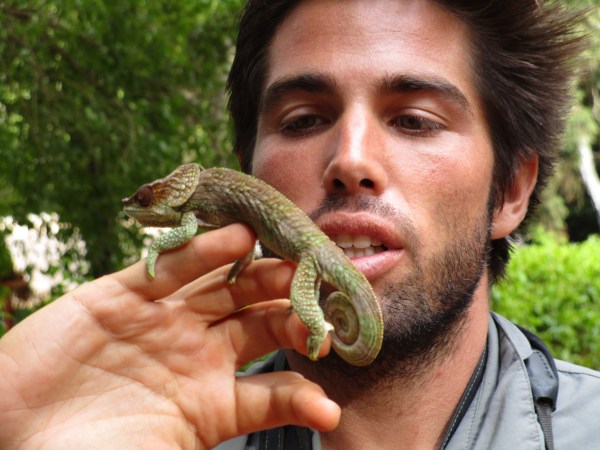
Our tour leader Dani Lopez Velasco holds an Elephant Chameleon. Madagascar is the chameleon capital of the world, We identified eight species on the tour ……

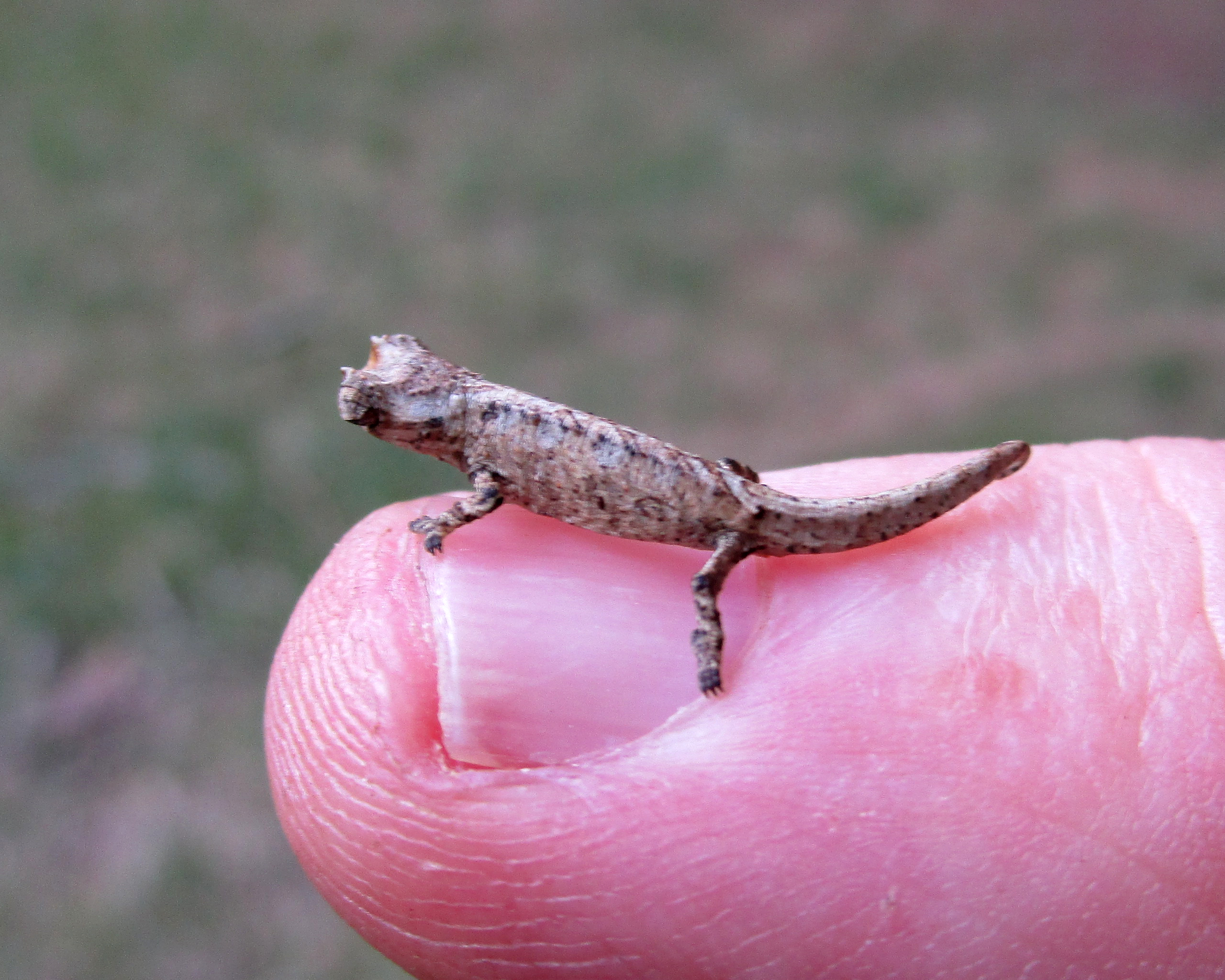
….. the most entertaining one was this tiny Dwarf Chameleon …..
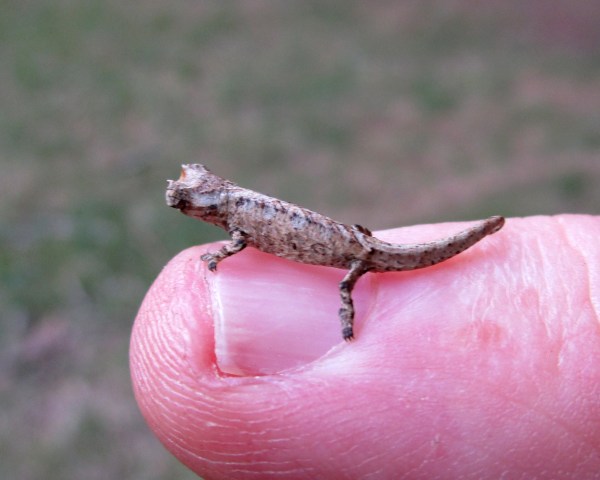
… the smallest reptile in the world !

A night walk produced a few nocturnal lemurs, several Chameleons, a few roosting birds and this ultra-bizarre Satanic Leaf-tailed Gecko.

The hotel claimed to be in possession of the oldest living animal in the world, an Aldabran Tortoise that they said was about 235 years old. For certain it has been in the family’s possession since 1904 and was fully grown then.
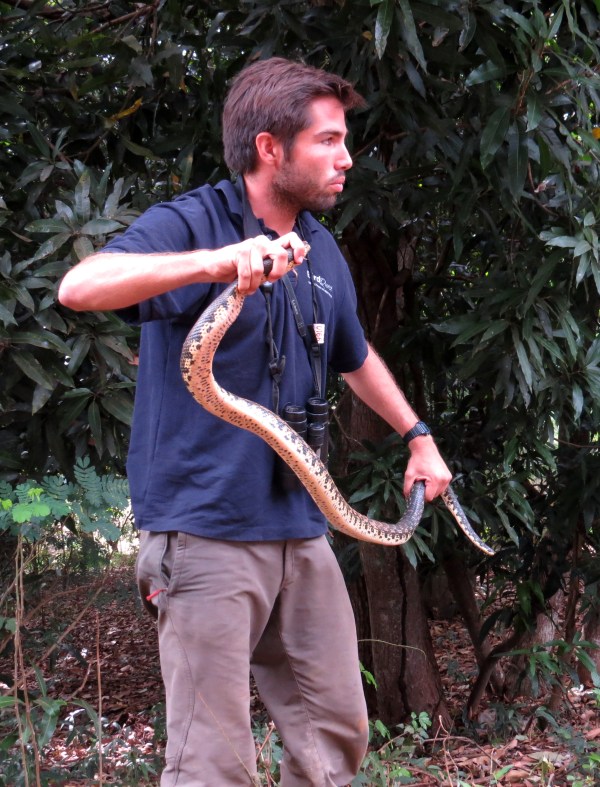
On the 27th we left Antseranana for the 10 hour drive to Antsohihy. On route Dani demonstrated his snake wrestling skills with this Madagascar Giant Hognose Snake.
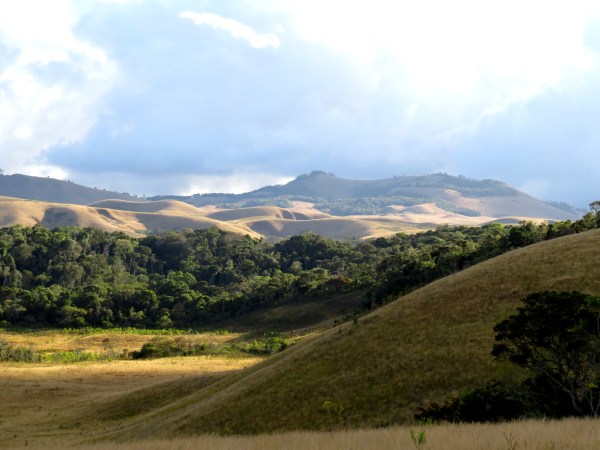
The drive from Antsohihy to our next site here in the largely deforested, yet beautiful central plateau was plagued with problems. During the first four hours our convoy of three 4x4s covered the first 100 km of dirt road but then just as we turned off to climb up to the plateau one vehicle broke down, fortunately a replacement was hired in the nearby village.

The next 40km took six hours at little more than walking pace, much of the time we were in four-wheel drive, sometimes having to get out to push or move rocks.

There were some nice distractions on the way such as this Madagascar Blue Pigeon.

Now you can see why we averaged less than 7km per hour!

In the afternoon the second of our vehicles broke down and the replacement went missing, we weren’t sure if the replacement was lost but later heard that a wheel had fallen off!
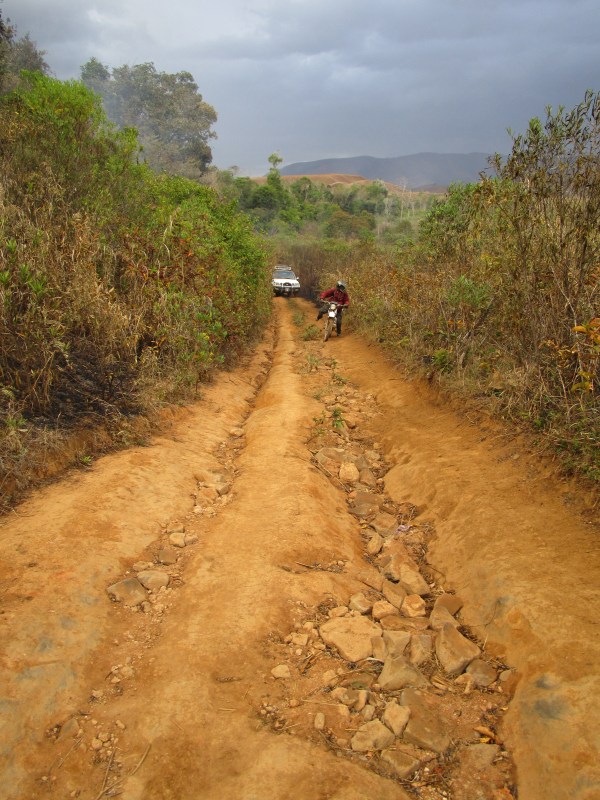
The guy on the motorbike was our saviour, unbeknown to us he drove up and down the track passing messages between the various cars and without him we might still be there!

We arrived at the campsite after dark all squashed into one vehicle. Our luggage, tents, sleeping bags, warm clothes (it was cold at night in the mountains) and food (a crate load of live chickens) were still on the broken down vehicles. Also we had to cross the river on stepping stones without the benefit of a torch. Fortunately some of the research staff cooked us some rice and plantains but we had to huddle around the fire for a few hours until vehicle number two made it with all the gear, the cook, park warden and chickens

The following morning we were left to wonder how we had crossed this in the dark.

The reason for all this effort was to reach this remote volcanic crater lake. A few years ago researchers looking for new sites for the critically endangered Madagascar Fish Eagle found something much rarer, Madagascar Pochard, then thought to be extinct. The entire world population breeds on this tiny lake but it is so deep that young birds struggle to dive deep enough to find food and juvenile mortality is very high.

If we assume the Asian Pink-headed Duck and Crested Shelduck, neither of which have been seen for over half a century, are actually extinct, then Madagascar Pochard is the rarest duck in the world.
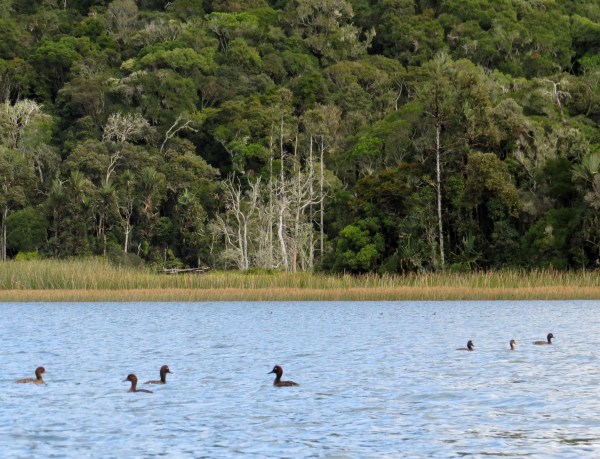
With a total population of 28, 25% of the world’s population is in this photo. The two small dots in the background are Madagascar Grebes.

An adjacent crater held a lake with marshy edges over which this male Madagascar Harrier hunted
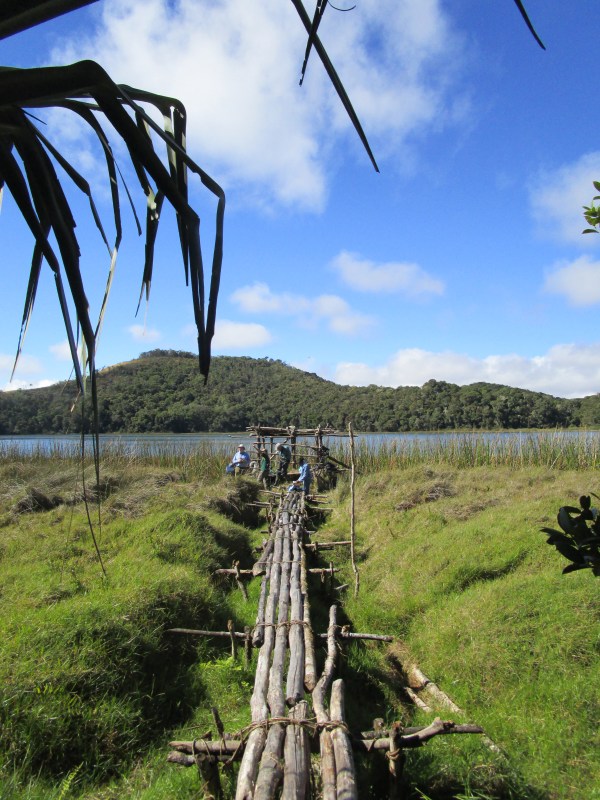
A ramshackle boardwalk had been constructed across the marsh, to our amazement we heard, and both Dani and I saw, Slender-billed Flufftail, sparrow-sized endemic crake that has only ever been found in six localities and until the previous week was unknown at this site.
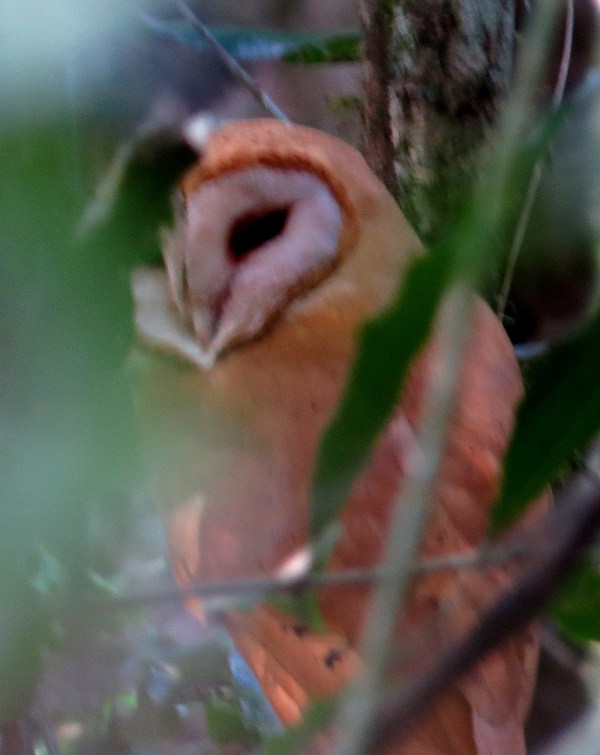
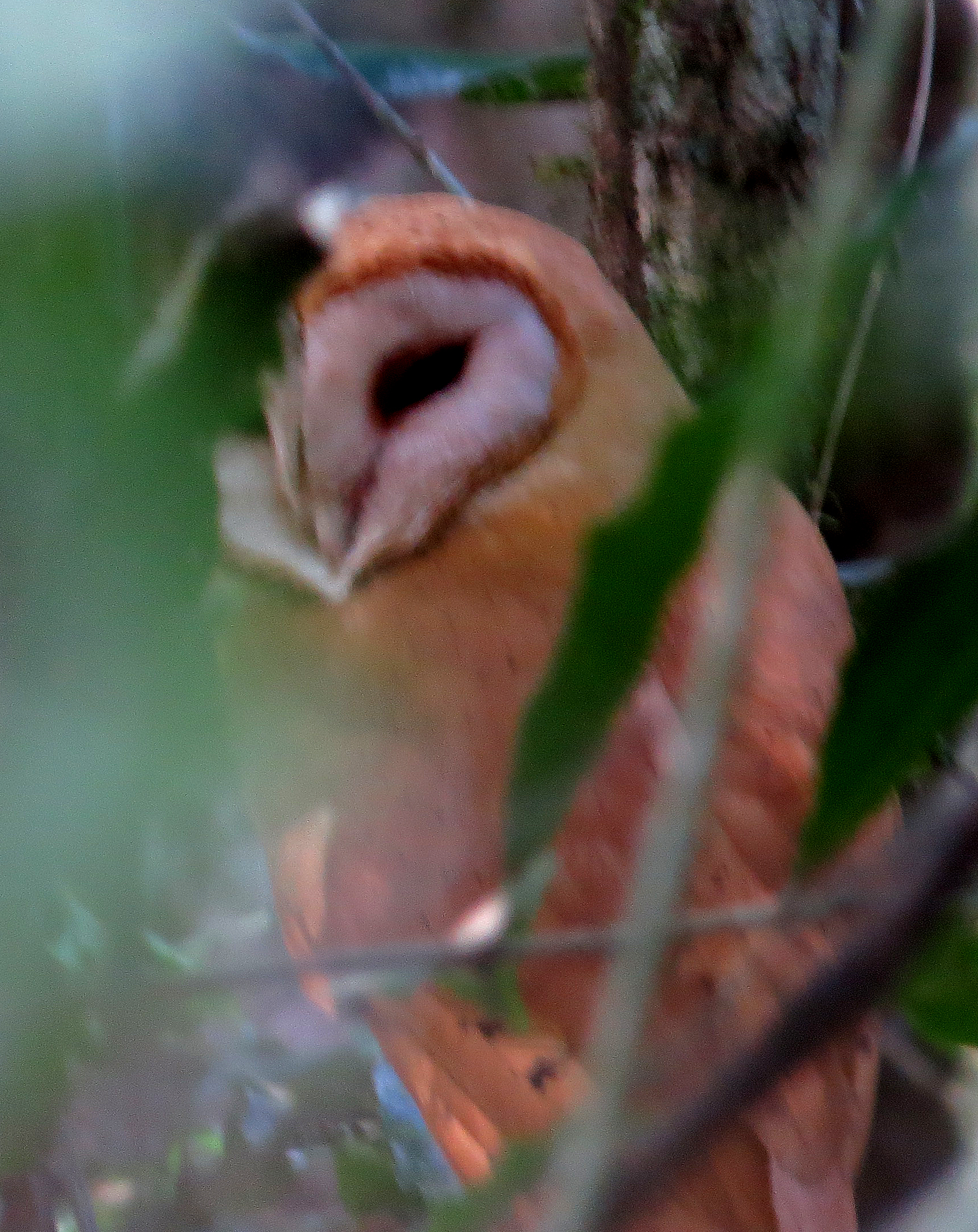
Later that day we walked a couple of miles to a roost of the very rare and seldom seen Madagascar Red Owl. Unfortunately intervening vegetation and low light didn’t allow for pin-sharp photos. Getting to this remote location had been tough but the rewards made it so, so worthwhile.

Getting to the Mad Pochard site had been difficult and so was leaving. We didn’t have any breakdowns but the replacement minibus that was sent to meet us at the village down below was very slow. In the end we all crowded into the Landcruiser and left the luggage on the minibus. Due to Mad Air mucking us up again (this time with our flight to the Comoros in a weeks time) we had to save a day by driving all the way to Ampijoroa rather than Antsohihy, a knackering 16 hour hot, uncomfortable and cramped drive. I’m glad we did though, as we saw some cracking birds the next day which we would have missed otherwise (see next post). We arrived about 2230, the luggage arrived two hours later!
Following on from my post of September 20th, I finally arrived in Antananarivo (usually shortened to Tana), the capital of Madagascar in the late afternoon of the 21st, about 16 hours late. Changes to Air Madagascar (Mad Air) schedule meant that this day would be largely wasted anyway, in effect the two sets of flight delays had cancelled each other out!
It had been along and troubled journey but I had arrived at last and the trip could begin in earnest. I had visited Madagascar before in 1992, doing the ‘standard circuit’ of the eastern rainforests plus the south and south-east but in many ways I did that trip too early. Over the following decades not only were new sites for many species located but wholly new species for science were discovered. Rather than go back and do that tour all over again I chose to visit the more remote areas of northern Madagascar on a tour that also included the Comoros islands. The part I was most interested in, the Masoala peninsular, was sold as an optional pre-tour extension, this meant that our time here was reduced due to the delays and also meant that if all went well the best birds of the entire trip would be in the first few day and then it would all be downhill from then on!

Madagascar has suffered from catastrophic deforestation. Flying into Antananarivo you see nothing but a devastated landscape, no forest cover, no agriculture, just bare ground and erosion gullies.
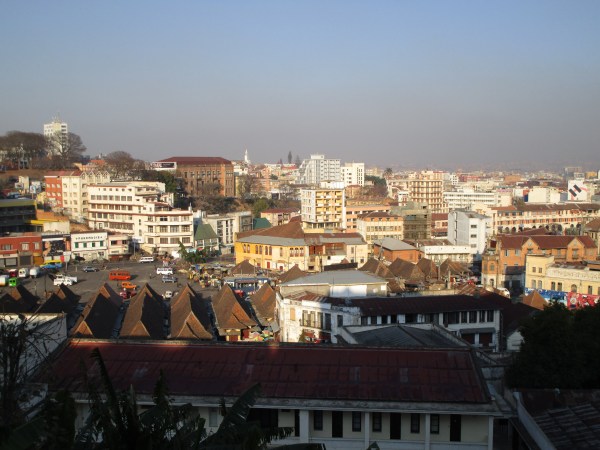
The view from our hotel in Tana
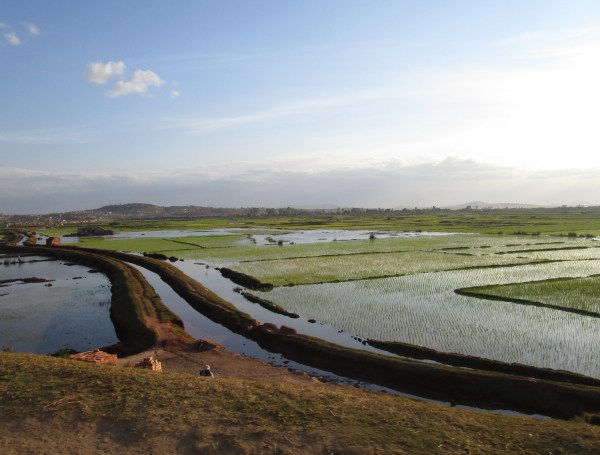
You cross this area of paddies on the way from the hotel to the airport.
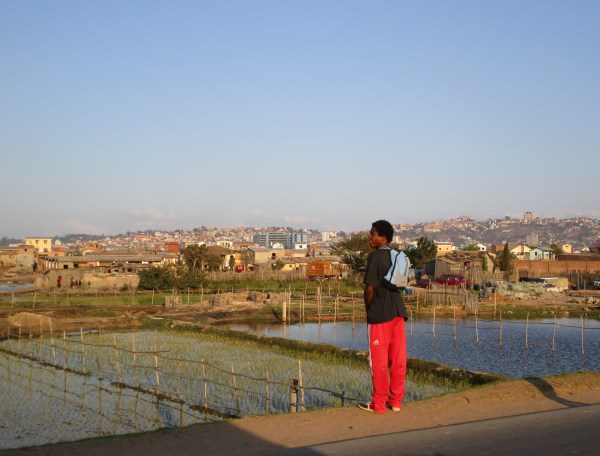
Tana is unusual as it seems to be bisected by a series of paddy fields. Maybe this area is too low lying for construction.

Our first birding excursion was to Lac Alarobia within the confines of the city. Many good species can be found here including the declining Malagasy Pond Heron. Birds in the photo are mainly Red-billed Teal with the odd Black-crowned Night Heron and Great Egret.
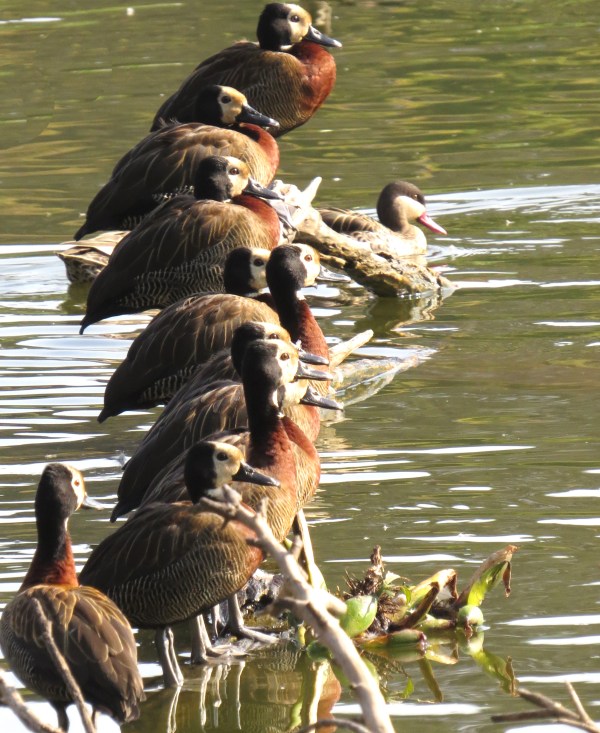
A line of White-faced Whistling Ducks with one Red-billed Teal swimming.

A pair of Knob-billed Geese.

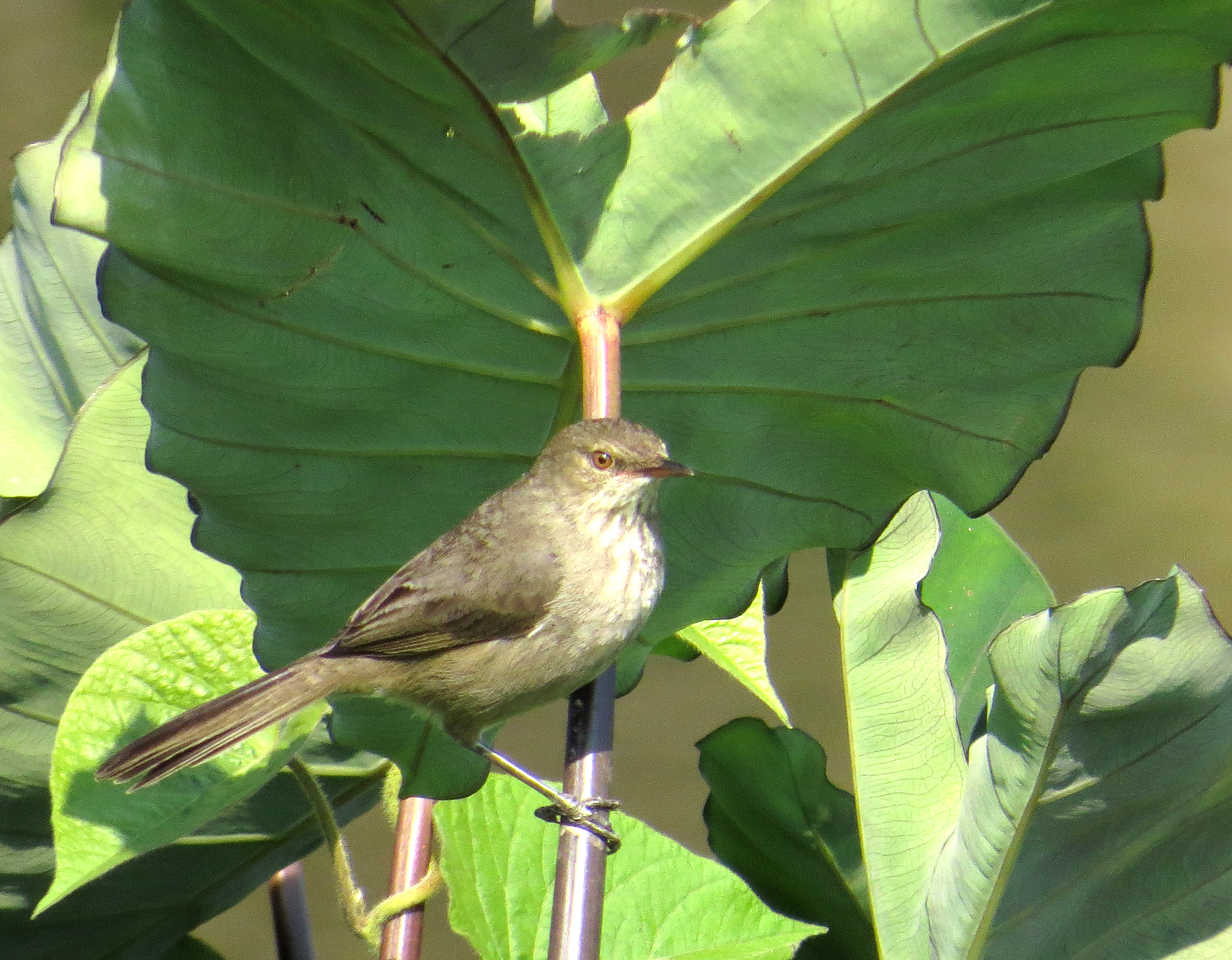
The endemic ‘acro’, Madagascar Swamp Warbler was common along the edges of the marsh.
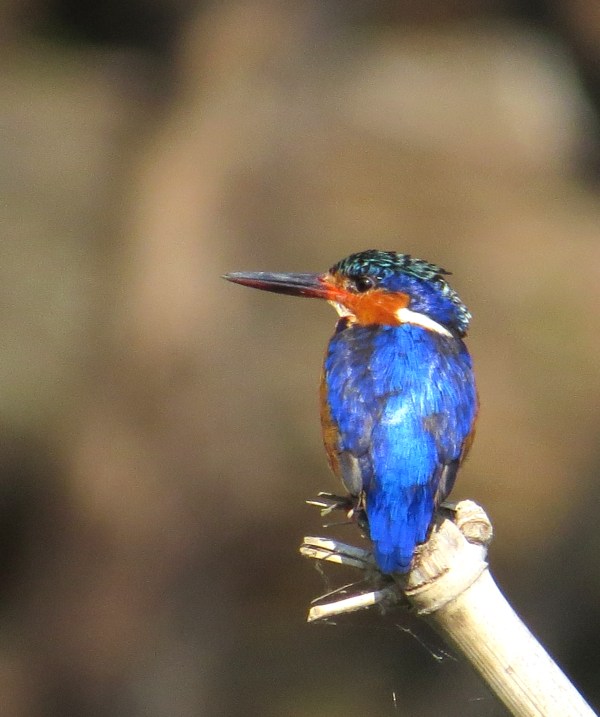
The endemic Madagascar Kingfisher is clearly derived from the Malachite Kingfisher of Africa.

Later that day we flew to Maroantsetra in the north and the following morning took a speedboat to our lodge on the Masoala peninsular. In contrast to most of Madagascar, the peninsula remains heavily forested.
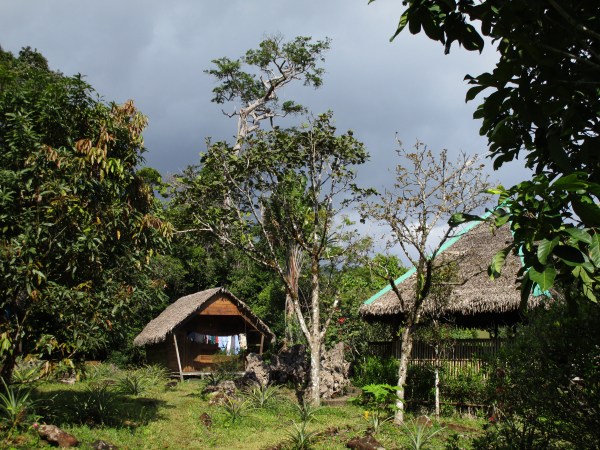
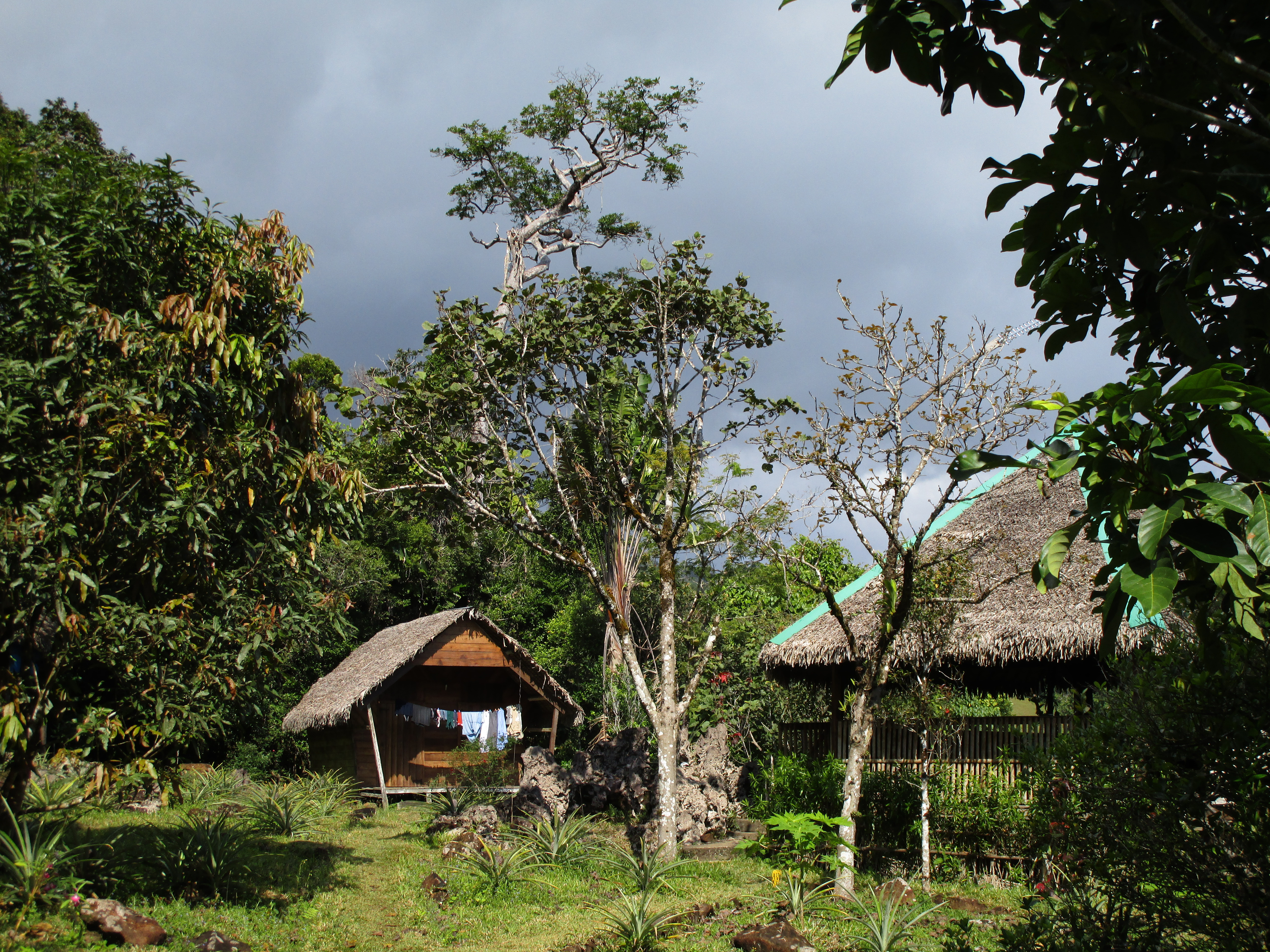
The lodge on the Masoala, rather basic but a lovely place to stay.

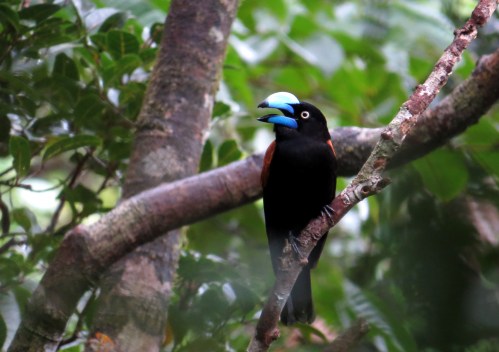
This was always going to be my ‘bird of the trip’, one of my most wanted birds in the world. Vangas are a family of birds that are endemic to Madagascar region and the incredible and rare Helmet Vanga is restricted to what little remains of these these north-eastern forests. Our first encounter was with a dull, yet still amazing juvenile but an hour or so later this stunning adult male appeared.

Ground Rollers are another family endemic to Madagascar. On my last trip I only saw three of the five species so I was delighted to see the other two on the Masoala. This Short-legged Ground Roller was seen minutes after the Helmet Vanga and minutes before I saw my third and final Mesite, yet another of Madagascar’s endemic families.
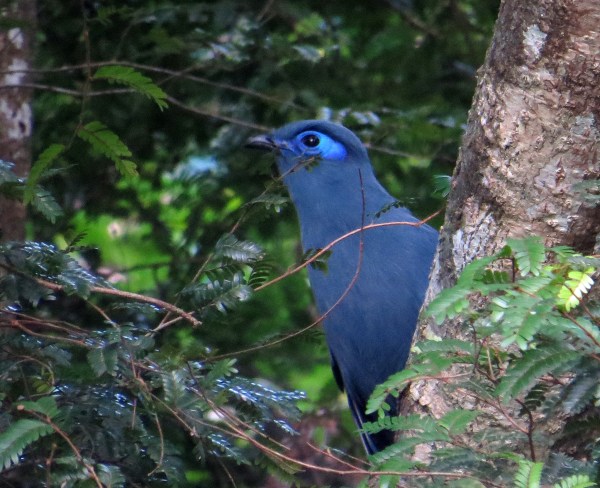
Couas are cuckoo-like birds endemic to Madagascar. Arguably the best looking is this stunning Blue Coua, although Red-breasted Coua, which I failed to photograph well, was a much appreciated life bird.
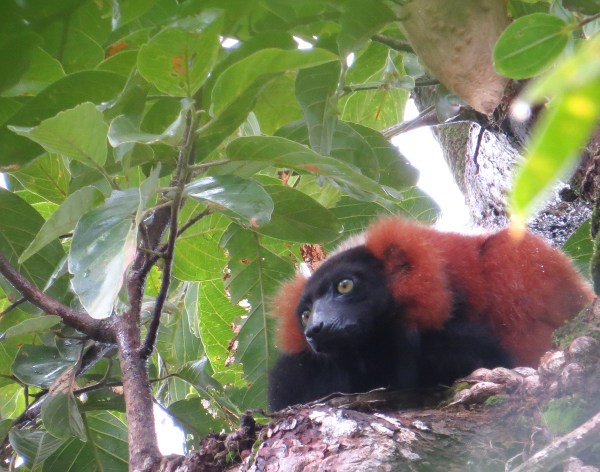
As well as a wonderful set of endemic birds spread over six families, Madagascar has a host of endemic mammals. Most famous of these are the 90 or species of lemur such as this impressive Red-ruffed Lemur that was found near our chalets.
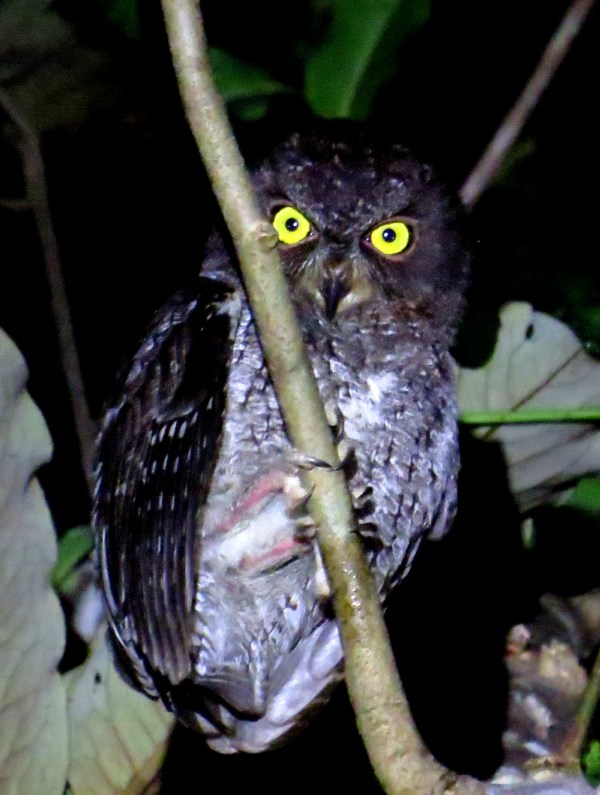
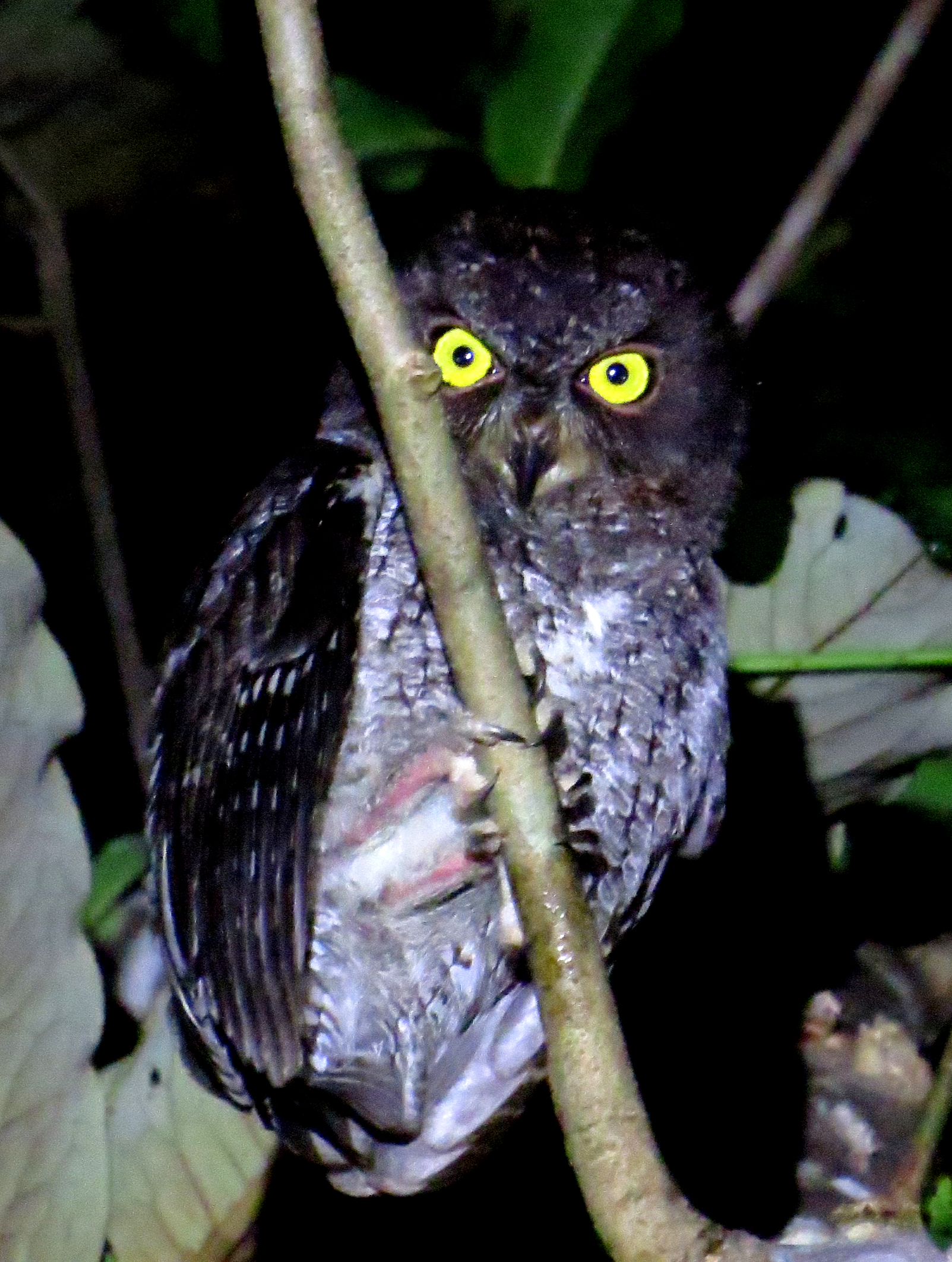
Nighttime saw us face to face with this Rainforest Scops Owl ….

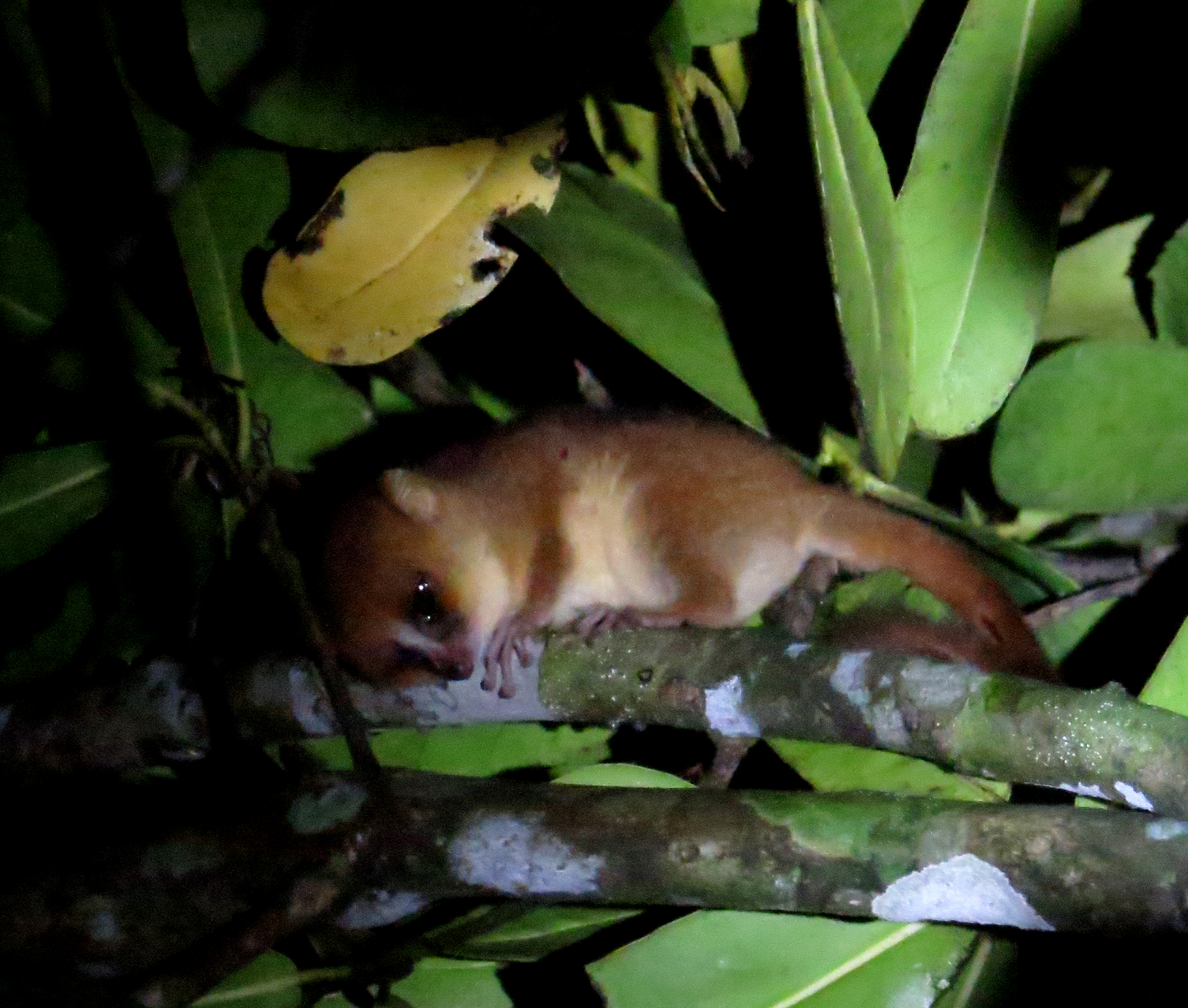
… and the diminutive Brown Mouse Lemur, as small as a hamster.
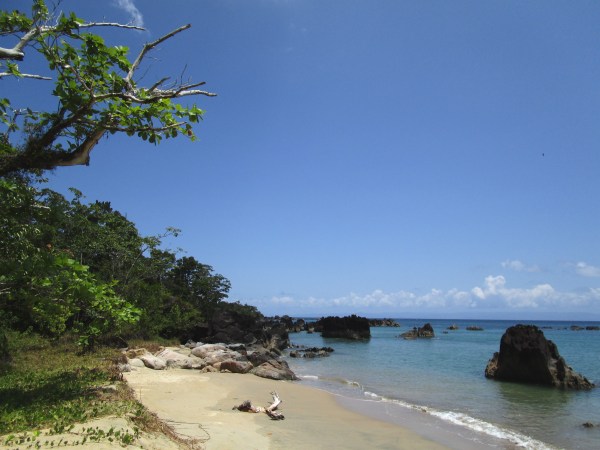
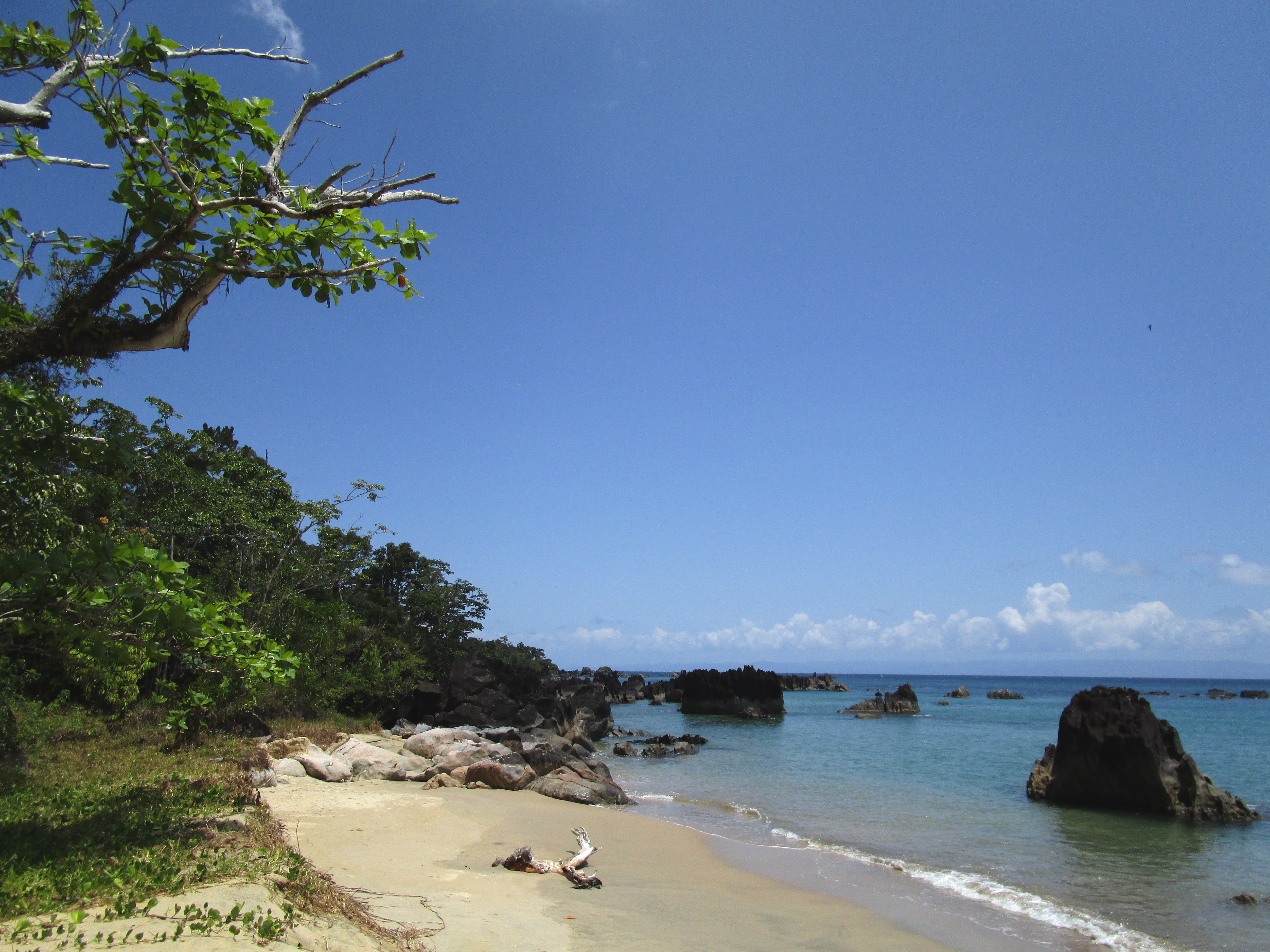
The beautiful shore was only a few hundred meters from our rustic chalets.
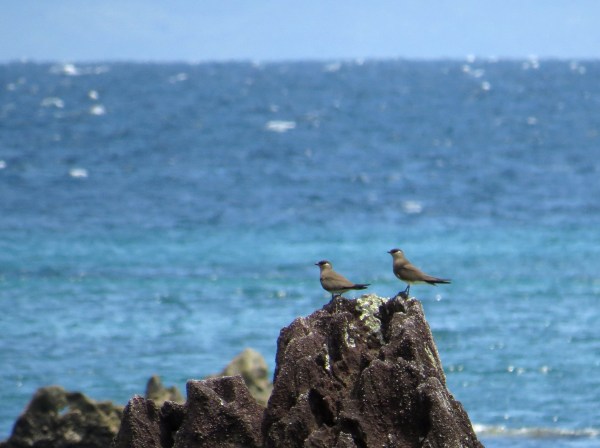
Madagascar Pratincoles (or Mad Prats as I called then) stood sentry on the rocks.
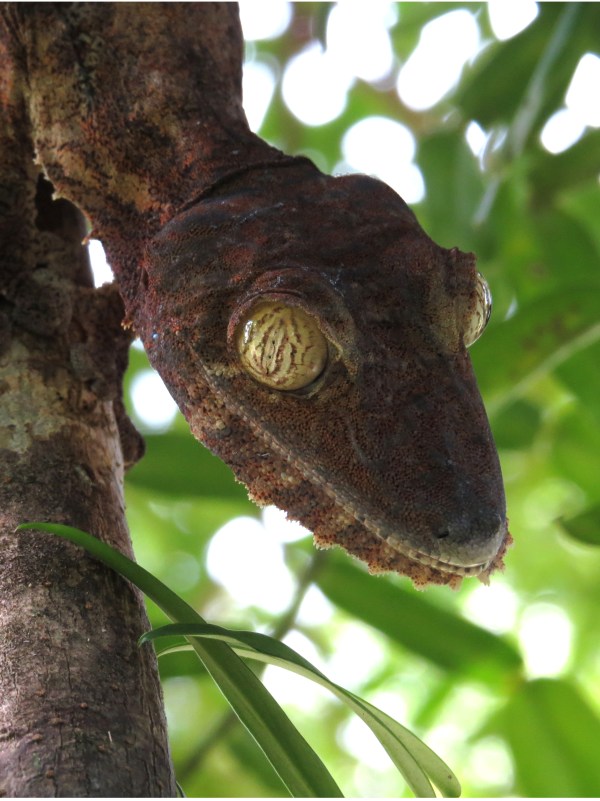
It’s not all about birds and mammals. Madagascar has a wealth of amazing reptile and amphibians. Isolated from the rest of the world for over 130 millions years, evolution has run riot and produced some very bizarre creatures indeed – such as this Leaf-tailed Gecko ….
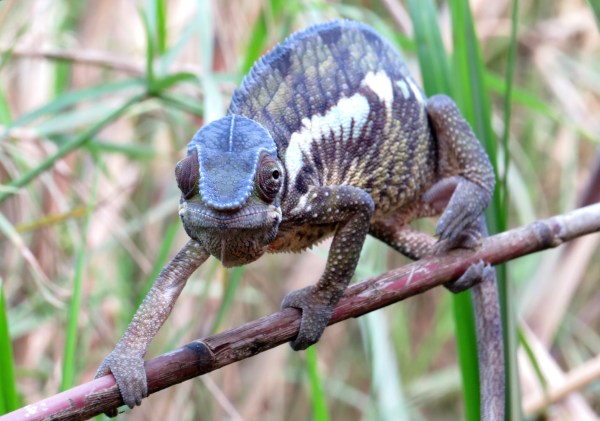
….. or Panther’s Chameleon …..

… but strange as the above might be, the prize for weirdness has to go to the Tomato Frog!

A final beautiful sunset from the beach on the Masoala …..

… before we boarded the speedboats and returned to Maroantsetra and then flew back to Tana.

























 gryllosblog


