I don’t know if its Facebook or WordPress’ fault but the picture that comes up when I post the blog link isn’t the one that appears on my Facebook Timeline. Can anyone help me stop this?

On 13th February we attended a lovely evening at the Lighthouse in Poole entitled ‘Yet another evening with Rick Wakeman’ Just the man himself and a piano, this proved to be a wonderful evening showcasing his fantastic keyboard skills as he played a series of pieces depicting various times in his life.

Musician, composer, TV personality, raconteur and comedian, Rick told stories about the recording of ‘Morning Has Broken’ with Cat Stevens, his time with Yes, describing singed Jon Anderson as ‘I have never known someone who cares so deeply about the planet whilst living on a totally different one’ and what happened when his mother took all the inhabitants of an old people’s home to see one of his extravagant rock concerts.

Over a month later on the 15th March we visited the BIC to see the lovely and very talented Paloma Faith in concert. Her music was wonderful (although I found the sound mix to be a bit strong on the treble for my ears) but what really grabbed my attention was the support act ….
…. I had never heard of California band Vintage Trouble before (although I have seen singer Ty Taylor performing with Paloma on the Jools Holland Show). The musicians played excellent blues and rock style but Ty Taylor stole the show, if you shut your eyes you could believe you were listening to James Brown or Otis Redding. His energetic act took him all over the stage and indeed all over the auditorium. He returned to perform an Aretha Franklin song with Paloma during the main set.

Stupidly I didn’t take my camera so these shots were taken on my phone. This was particularly annoying as we had great seats just behind the mixing deck free from other people’s heads. Here Ty Taylor, Rick Barrio Dill, Nalle Colt and Richard Danielson line up to be photographed by and with the fans.

In the second half Paloma Faith did a great set on her white art deco stage, complete with a ten piece band (most of whom are hiding in this shot).

And here dances with her backing singers.

Some family news. Our granddaughter Amber is still working in Essex and living with her aunt and uncle Anita and John. She came back to Dorset for a week and paid us a visit or two. As those of you who have visited us might notice, we have had all the doors and some internal windows in the house replaced recently which gives it a much brighter look.

John and Anita also paid us a visit on the way back from visiting friends in Weymouth and Kara popped in too. Coincidently it was Mother’s Day so that was a nice treat for Margaret.
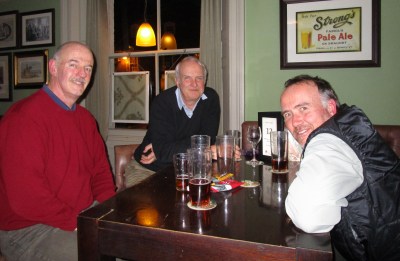
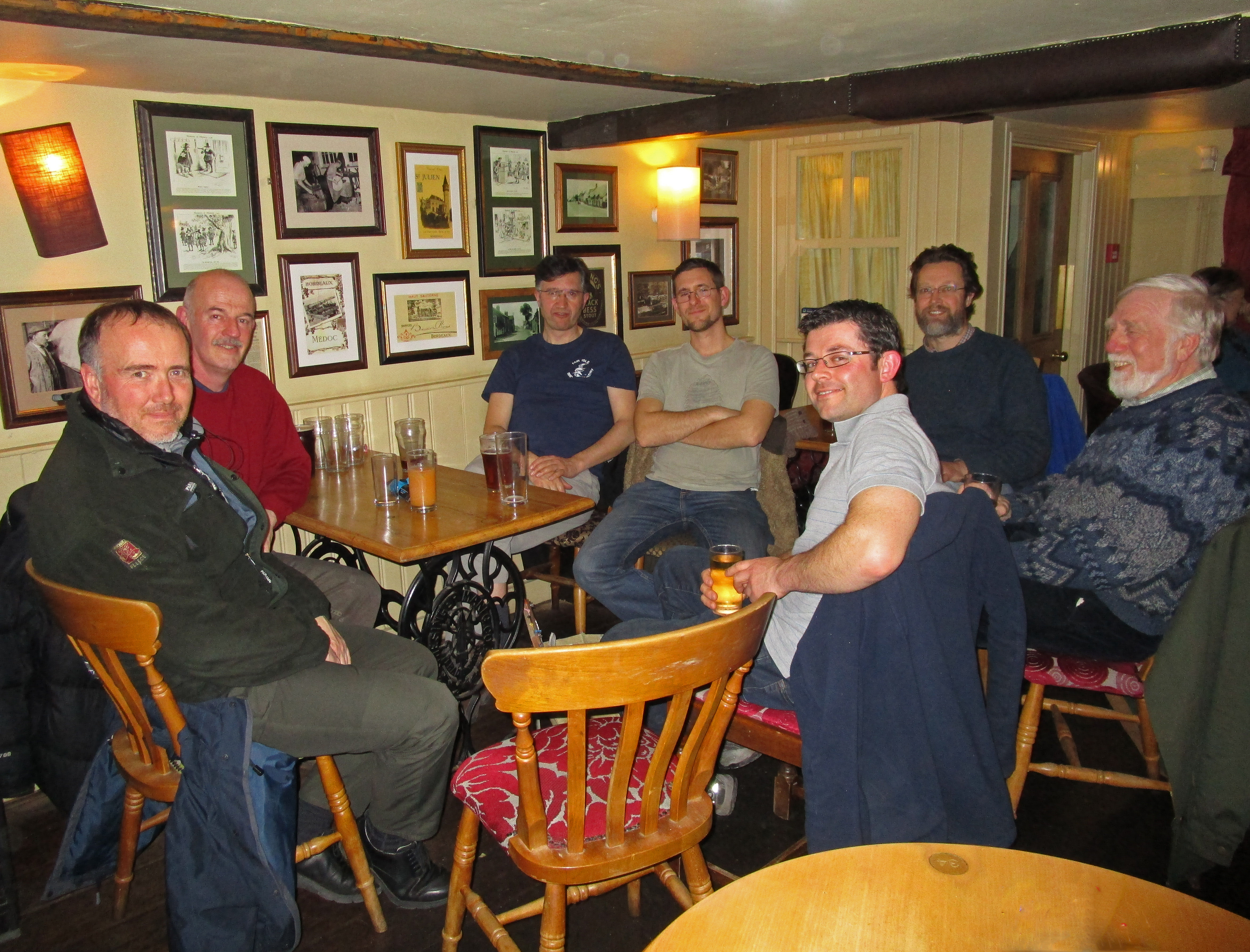
In the last fortnight I have had a reunion with an old friend and had to say goodby to some new ones. Alan Martin, treasurer and one of the leading ringers in Stour Ringing Group up to 1996, was back in Dorset on business so three of us joined him for a drink in Wareham on 13th. L-R Bob Gifford, Alan Martin and Ian Alexander

We were all back in a pub in Wareham (well nearby Stoborough to be precise) on the 17th to say farewell to two members of the ringing group. Simon Breeze, a warden at Durlston is leaving for a new job in Somerset and Mick Cook has decided to retire from ringing due to other commitments. L-R Ian, Bob, Shaun Robson, Simon Breeze, Mike Gould, Sean Walls and Mick Cook. We wish them both well but manning the ringing site at Durlston without their input and their expertise is going to be a challenge .
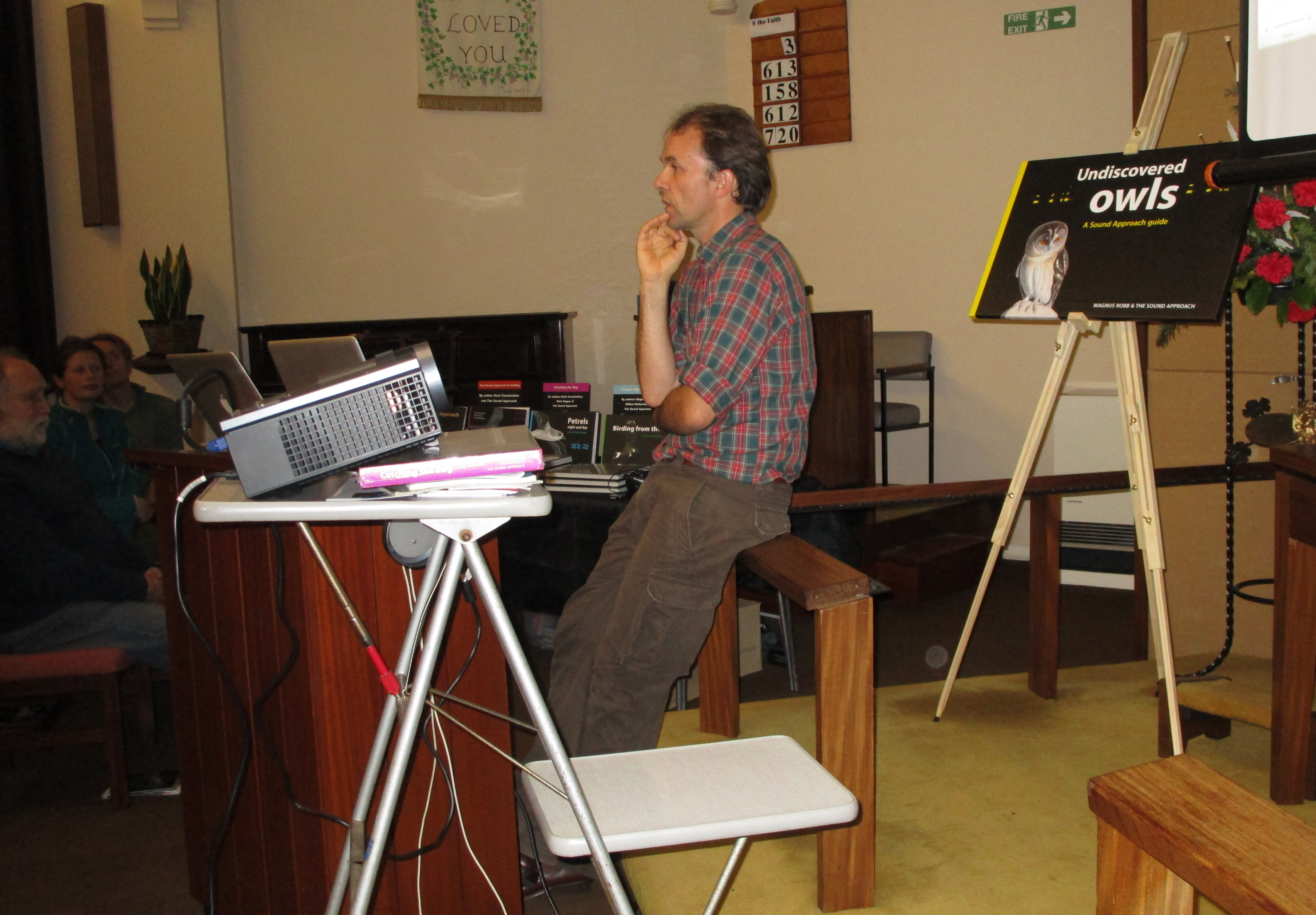
On 18th it was back to Wareham again, this time for the AGM of the Dorset Bird Club which we held in the Methodist church. The Club had looked like it was in danger of folding but thanks to a very generous offer from the Birds of Poole Harbour charity, Marcus Lawson has been employed for two years to take the Club forwards. After the AGM we had a fascinating talk from Magnus Robb on the new Sound Approach book ‘Undiscovered Owls’. We heard some of the wonderful sound recordings (the one of a Ural Owl was so atmospheric), were informed about Magnus’ discovery of the Omani Owl and learned about how the Little Owls over much of Europe, North Africa and Asia are not Little Owls at all , but a separate species they are naming the ‘Cucumeow’. It was one of the most entertaining and informative talks I have ever been to.

Magnus answering questions after his talk on Undiscovered Owls. It looks like this book is going to be of an even higher standard than the four the Sound Approach has produced already. See http://soundapproach.co.uk/product/undiscovered-owls/ for details including a pre-publication discount offer.
On the morning of the 20th there was the long-awaited partial eclipse of the Sun. It was going to be about an 88% coverage of the Sun by the Moon but that would have been spectacular enough. However there was thick cloud in our area and all we noticed was a drop in light levels and temperature. Fortunately I have seen several partial eclipses and a total eclipse, although the latter only briefly. In August 1999 I took a flight from Hurn airport specifically to see the total eclipse. We flew SW of Cornwall to the area of totality. Views through the aircraft windows were good but not excellent, because in spite being in a window seat as soon as I had seen it I had to duck down to let the other two passengers in my row have a view and because almost immediately the pilot had to turn the plane around to let the other side have a chance. As a result views of totality were restricted to a few seconds. One of the most memorable things was watching the shadow of the Moon race across the clouds towards us leaving a dark purple stain in its wake.

Although far better shots can be seen on the internet I have uploaded a scan of this photo which was taken from the cockpit of the 1999 charter flight and was delivered as print to all the passengers. It has been on my sideboard for the last 16 years and has faded some what. This along with it being taken though an aircraft’s window explains the poor quality.
And finally I delayed posting this entry until after our Ringing Group’s AGM on the 22nd. I thought it would be nice to have a photo of all of us together, well 13 out of the 16 of us actually. The evening went well and we made lots of plans for the future, sorted out a few issues and awarded the ‘Stoate Award’ for the worst paperwork entry of the year, but after the meeting had broken up I realised I had forgotten to take any photos. We have managed to go three years since the last AGM (does that make it a TGM?) so it might be 2018 before I have a chance to do that again.
Here’s a summary of the last nine days or so’s activities.
A lot of time has been spent recently in preparing for my talk ‘What came first, the Archaeopteryx or the egg?’ which was a look at bird evolution and how birds got to be where they are today. I gave the talk to the Dorset Bird Club AGM of the 28th of March and it was well received. I will be giving the talk again next week to another organisation and hope to report on it here after that.
The following day Ewan and I visted Portland. There were a few early migrants like Wheatears and Chiffchaffs but the general feeling was that the spring migration hadn’t really got underway yet. We had distant views of the regular Iceland Gull but the best bird was a winter adult Little Gull that showed well at Ferrybridge.
.
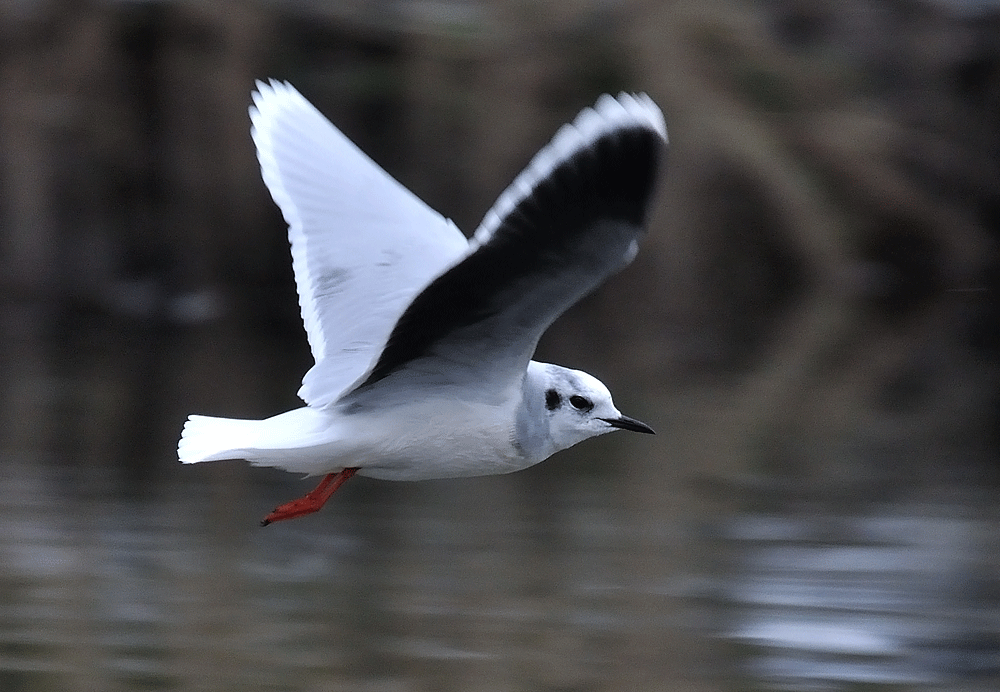
I took what I thought was an excellent series of photos of the Little Gull only to find that I had left the memory card in my laptop and I was ‘shooting blanks’. Here is a very similar bird taken from www.of birds and pies blogspot
.
On the Saturday evening we went along to a social do in Ferndown organised by a local South African group. We shared an excellent selection of home cooked food and ended up playing Scrabble all evening – doesn’t sound too exciting, but was good fun. Since Margaret and I have been together over the past seven years, I have of course, met many South Africans and contra to the Spitting Image sketch, most have been very nice indeed! However I do get irritated when a small minority (and I emphasise it is a small minority) pigeonhole you and lecture about how much better things were when the white man was in charge. Fortunately for almost all, apartheid ended twenty years ago, its time for them to get over it and move on!
.
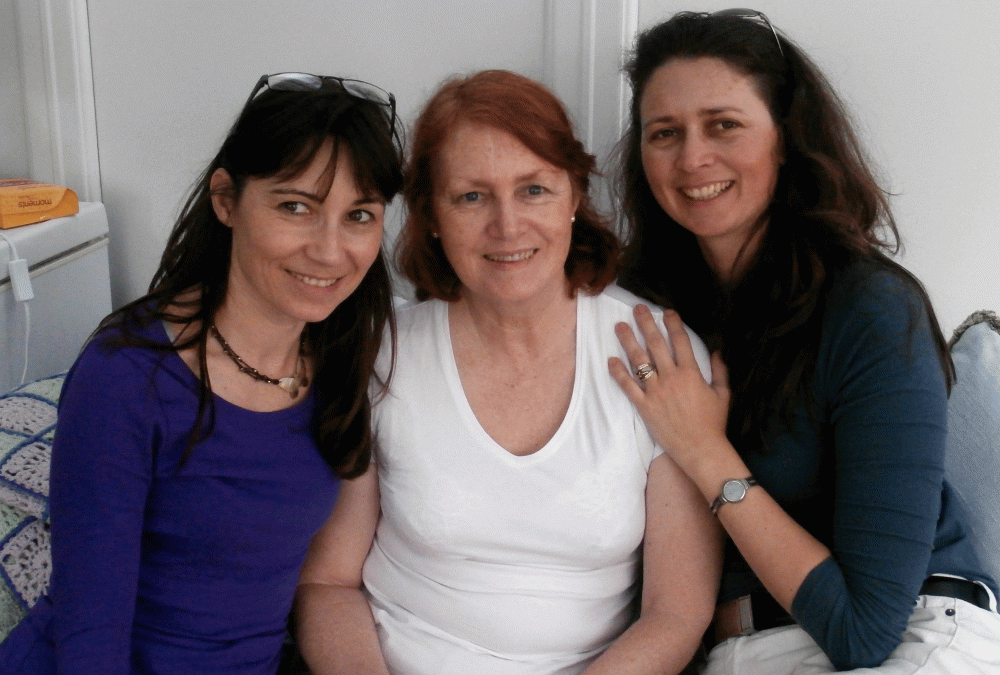
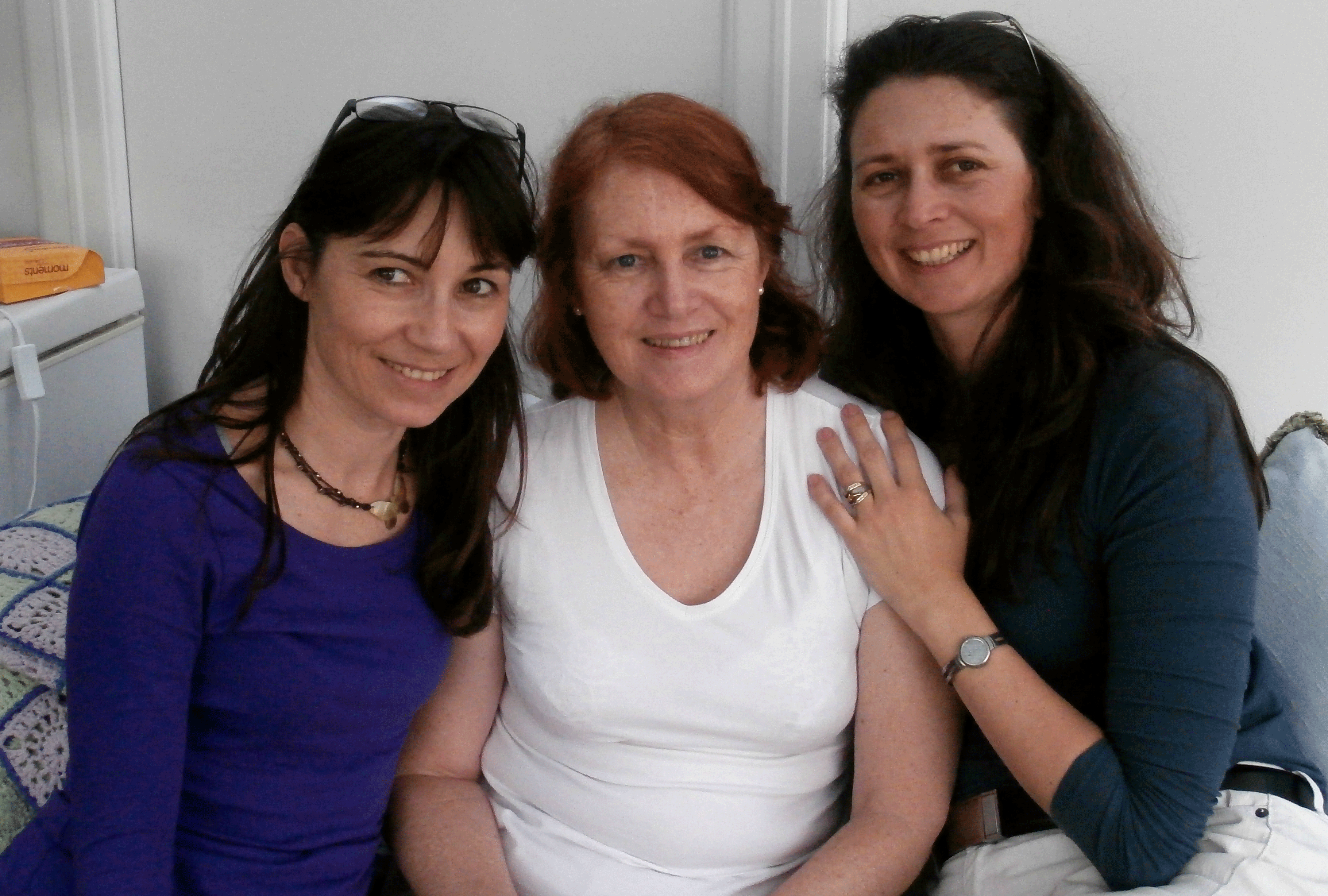
Continuing the South African theme, Janis, Amber, Kara, John and Anita came over to our place for Mother’s Day. Janis (L) and Anita (R) cooked us an excellent meal ….
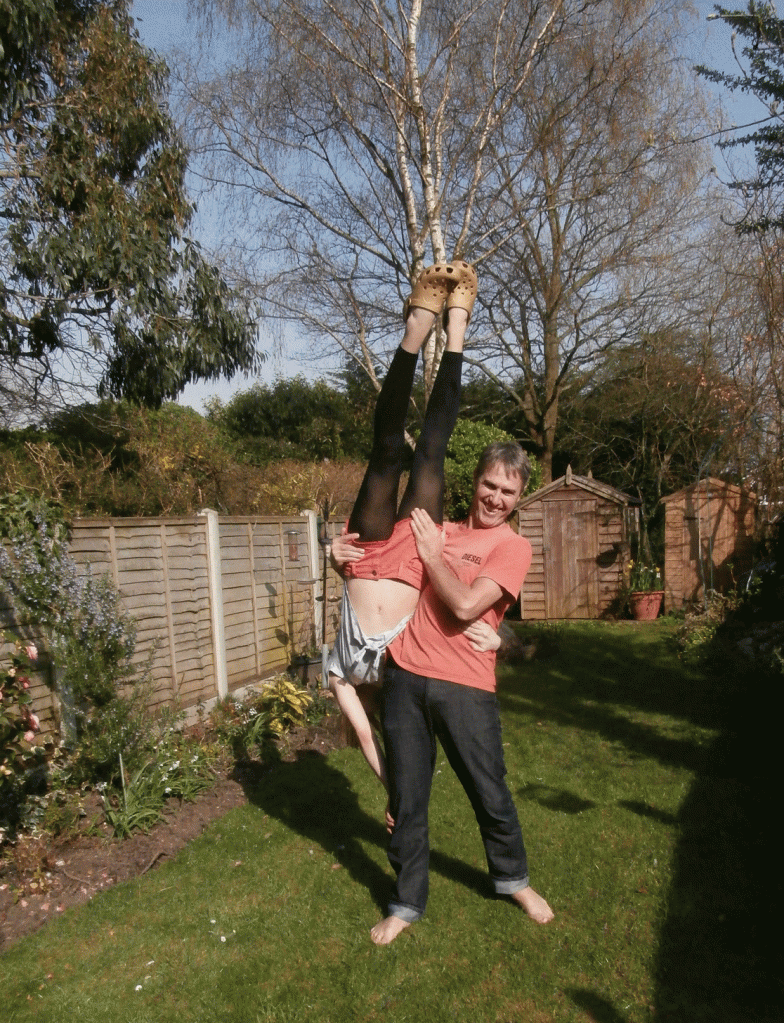
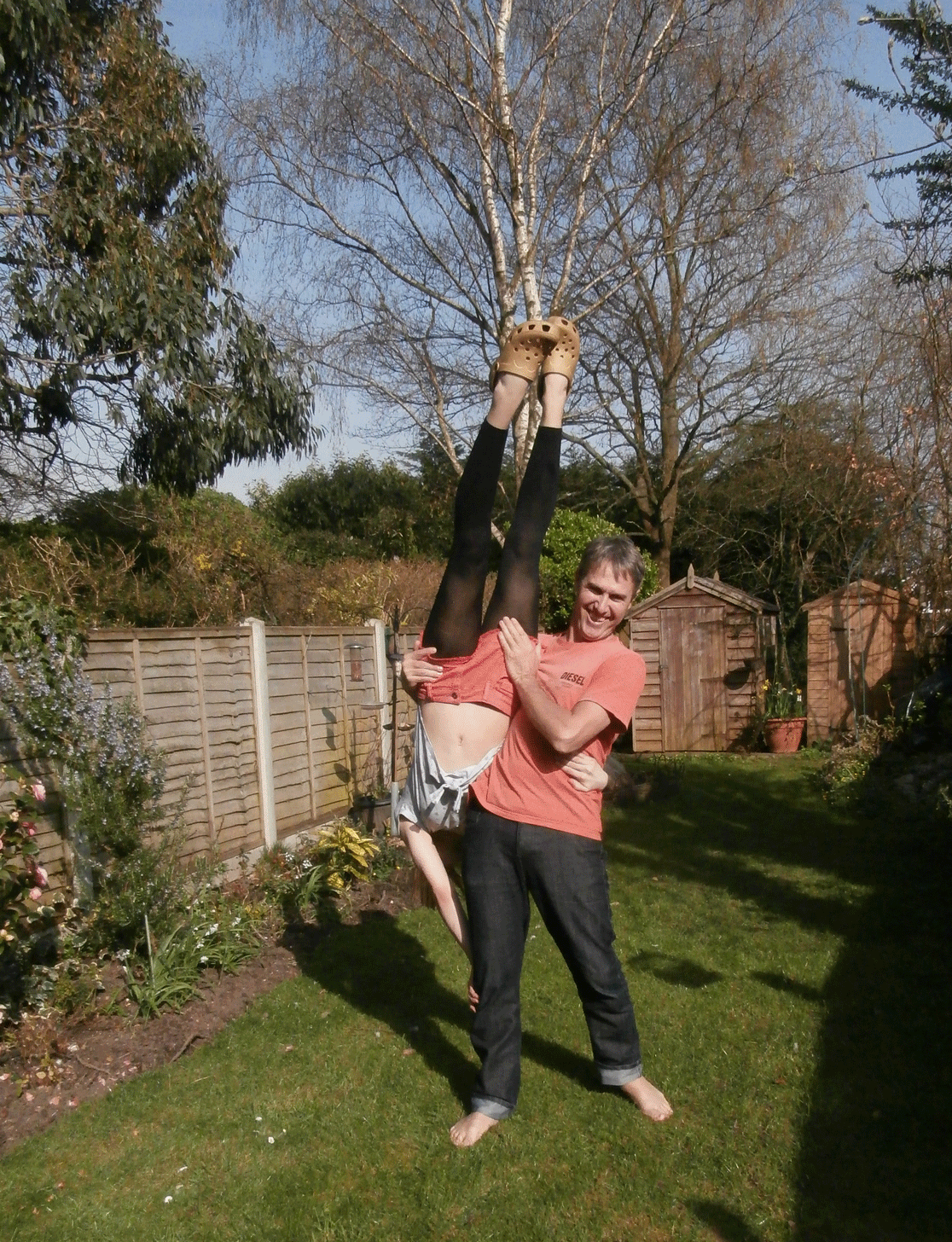
….. meanwhile John helped Kara with her gymnastics in the garden
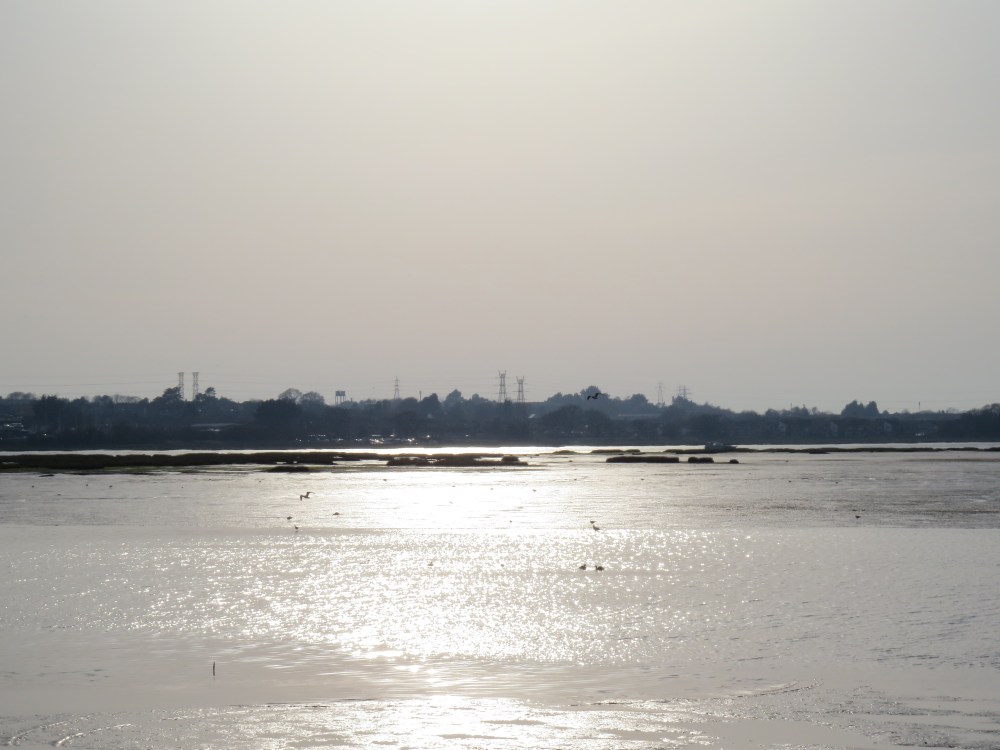
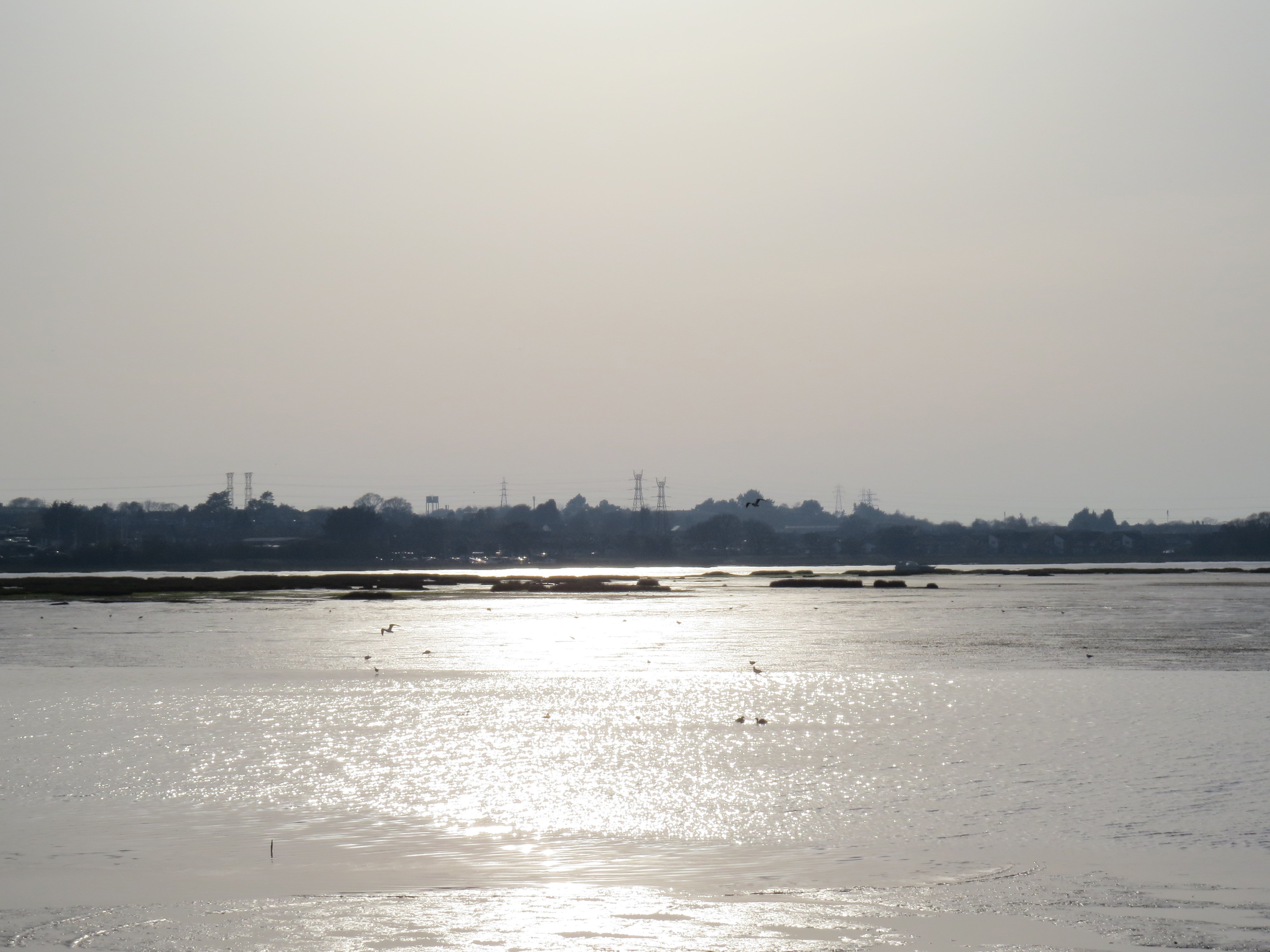
I nearly missed the last Wetland Bird Survey (Webs) of this winter period on later that day, but fortunately one of the counters put out news of a Red-breasted Goose from his count area and I realised I should have already been at Holes Bay!
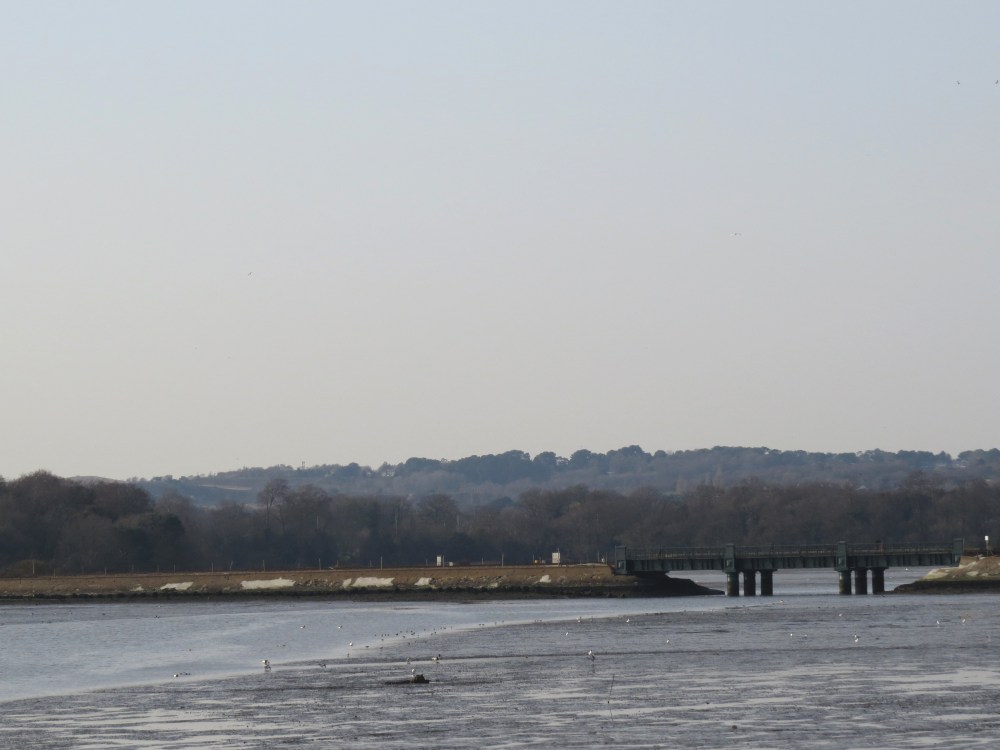
I was in luck as it was such a low tide that the waders and wildfowl were still present in spite of the fact I was 30 minutes late, but by this time of the year most birds have moved north to their breeding grounds and I only saw small numbers.
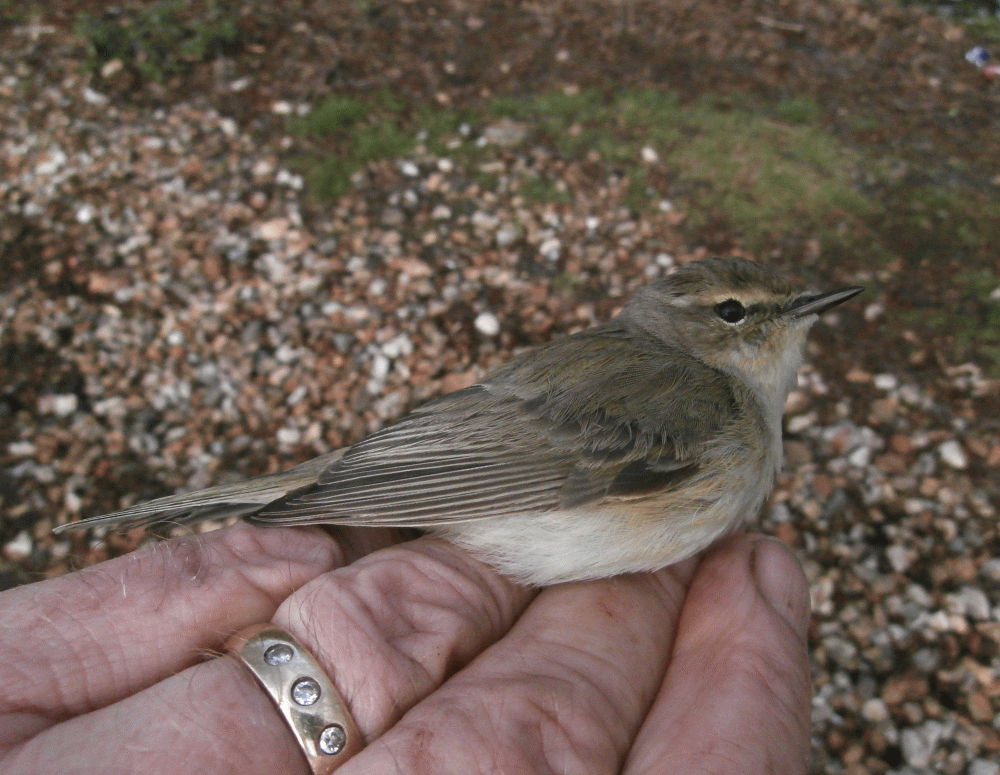
On the 31st a few of us had a ringing session at Fleets Lane. A few newly arrived Blackcaps were the highlight. On a previous session on the 25th we retrapped this Chiffchaff, I have since found that it was ringed at the same site on 19th April 2013, so it is either a local breeder returning to area (although we haven’t trapped it in between) or a migrant pausing on migration at Fleets Lane in consecutive years. Also interesting is its very dull colour , quite like a Siberian Chiffchaff but lacking the green cast to the primary fringes.

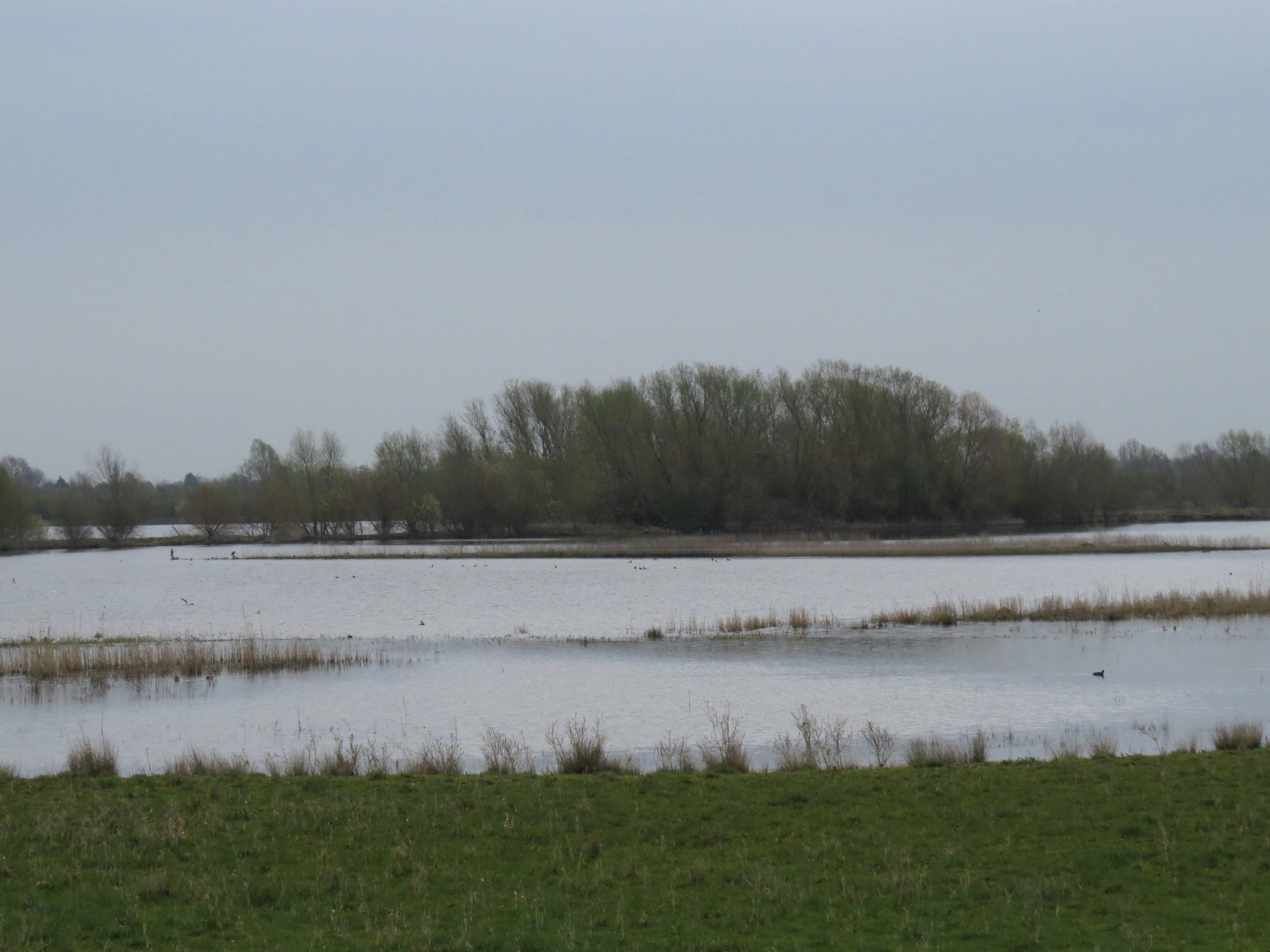
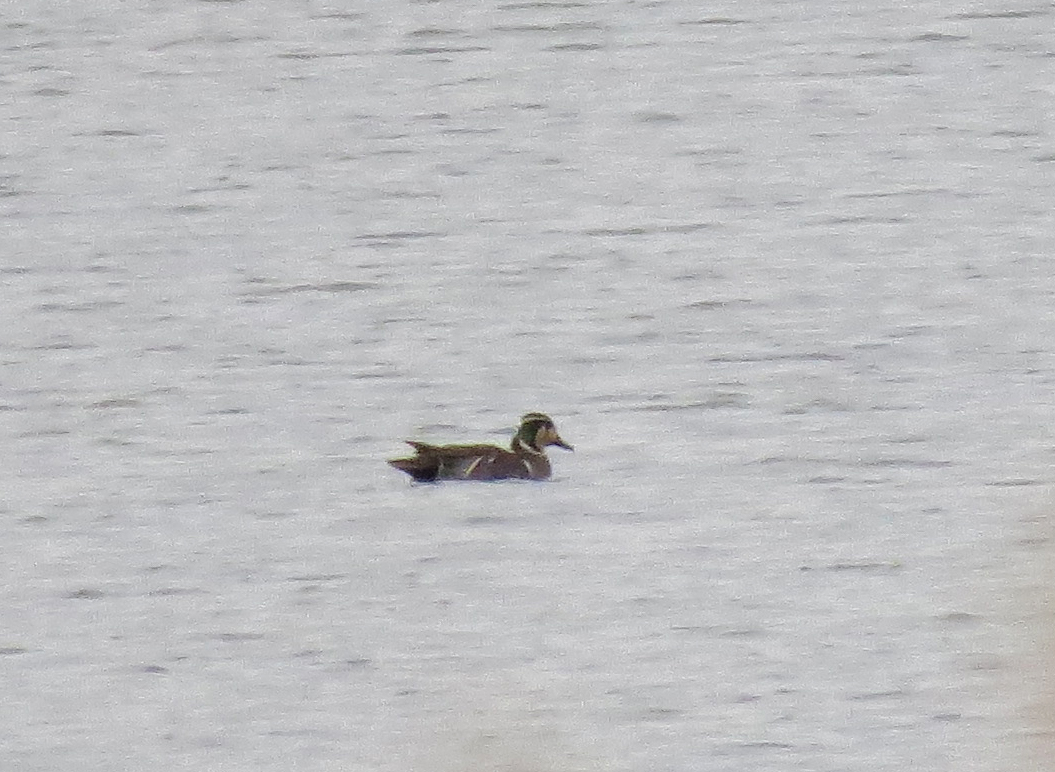
Although I was out early ringing with the others on the 31st my mind was really on a rare duck in Cambridgeshire. Not wishing to spoil the Mother’s Day celebrations the day before I had delayed the twitch until the Monday. With confirmation that it was still there coming about 0900 ,I left after the ringing session for the long drive to Fen Drayton just NW of Cambridge.
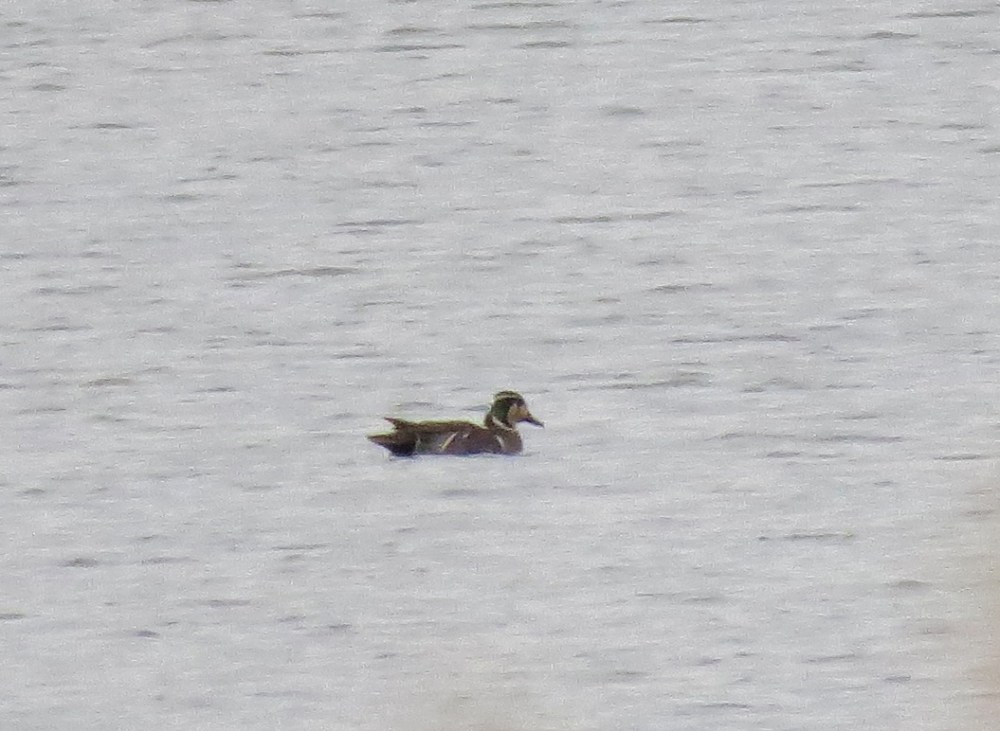
Fen Drayton is an excellent wetland reserve but one I had never visited it before. Neither had I seen it’s star attraction, a Baikal Teal before (at least in the UK). A rare vagrant from north-east Siberia, it had probably wintered to the south after westward vagrancy last autumn and was now heading back towards the breeding grounds.

There were those who were dismissing this bird as an escape from captivity, so it was satisfying that a few days later it was rediscovered at the Ouse Washes to the north before disappearing completely – it was clearly on its way to Siberia! It was a long seven-hour drive to Cambridgeshire and back in the same day, but well worth it.
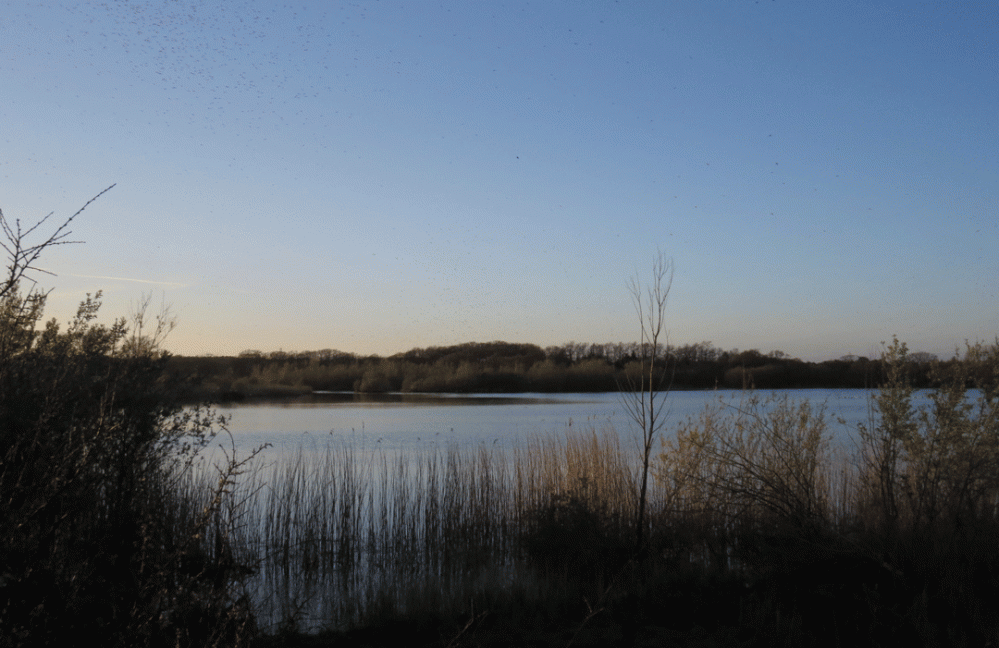
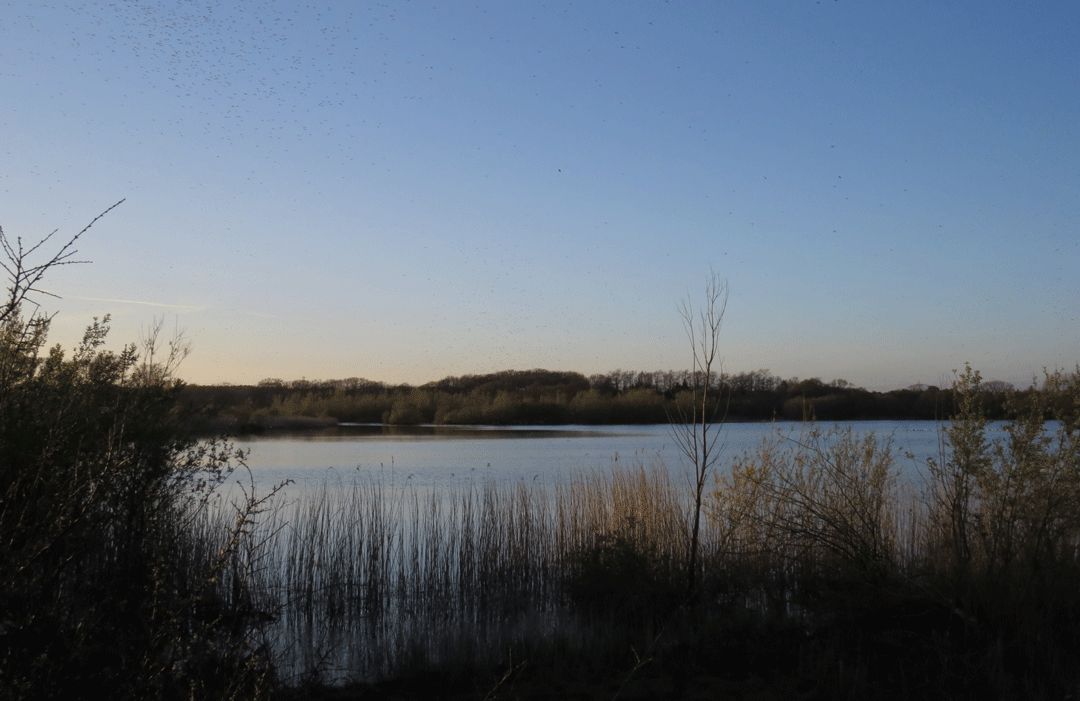
Much of the week has been spent catching up on editing photos, making notes on previous foreign trips and preparing for future ones, but Margaret and I spent a couple of hours at Swineham near Wareham on the 4th seeing a drake Scaup and other wildfowl, a few Sand Martins and both Hen and Marsh Harrier. Note the cloud of midges in the top left of the photo, summer is on its way!

In spite of the midges,we stayed until sunset. Originally permission was given for gravel extraction at Swineham on the condition that the site went into conservation management once work was complete. However it went into private ownership and access has been severely curtailed, with willows deliberately planted to prevent viewing of the pits from the public footpath. The conservation organisations should have got in there first, it would make a first class reserve both birders and for educating the public about conservation. This is in stark contrast to the site I was to visit the following day.
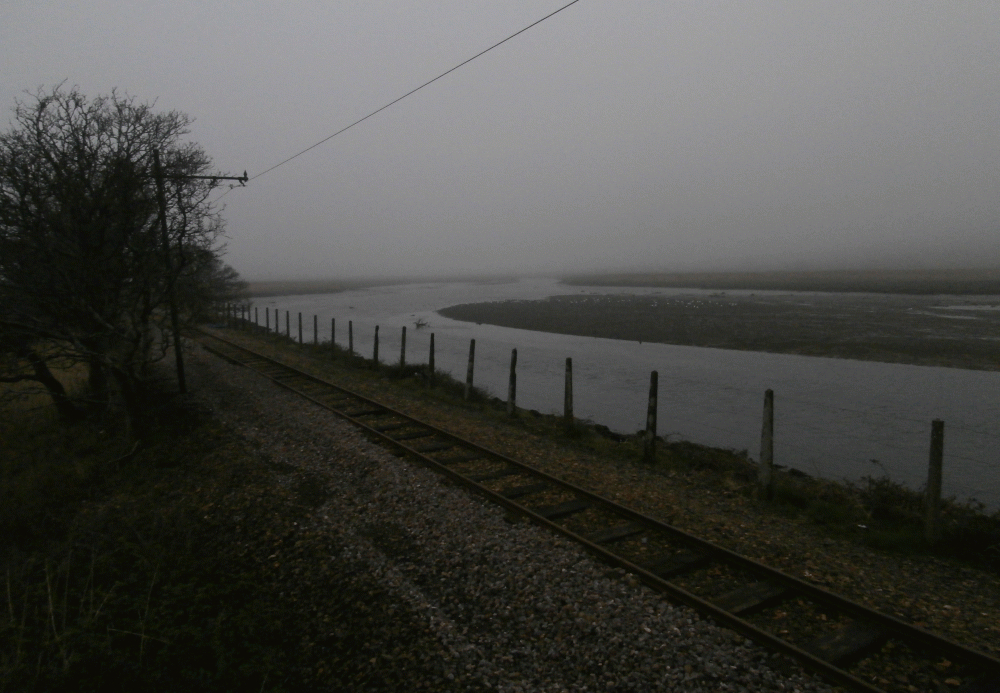
Unlike the sunny evening yesterday, the 5th April was foggy with intermittent drizzle. Five Stour Ringing Group members went to Seaton on the Axe Estuary in East Devon for a ringing conference. After the conference we were given a guided tour of the nearby reserve. Here a dedicated group of local conservationists and ringers along with a very switched on local council have turned a number of fields alongside the estuary into a purpose built reserve and education centre. We were amazed at the attention to detail and forethought and although we didn’t see too many birds in the awful conditions .we were delighted to have seen the place. I have been there before, if you want to see pictures under nice sunny condition then look for a blog entry in October 2012.

Of course the reason for our going to Seaton as to attend the South-west ringers conference. Six talks were given during the day on Manx Shearwaters on Lundy, the Black-tailed Godwit colour ringing project, the Shelduck study on the Axe estuary, Pied Flycatchers on Dartmoor and the activities of the West Cornwall ringing group. One of the most entertaining talks was from Matt Prior (above) on how single-handedly he has managed to create a huge population of the threatened Tree Sparrow by a combination of a nest box scheme and feeding stations.

Conferences like this give the opportunity to meet other ringers and exchange ideas as browsing the various stands and exhibits. After hearing from these six speakers what others had achieved in their spare time, our delegation felt like complete amateurs and on the way back there was much discussion what we could or should be doing back home in Dorset.












 gryllosblog


