gryllosblog Gryllo's (aka Ian Lewis') blog. All things to do with travel, wildlife especially birds, history, architecture and anything else that interests me.
As I said in my last post my blog has been resurrected and as well as catching up with my more recent travels I intend to go back and post more about trips that I didn’t cover previously.
The most obvious example of this Mongolia, a country I have been wanting to visit for decades but have never got round to. The wide open plains and deserts, high mountains and forests have always appealed but as I have travelled more and more in Asia the number of new birds that I would get on a trip to Mongolia declined to a mere seven (and I only got to see five of those).
What finally made my mind up to go was the fact that I had been targeting birds that had occurred in the UK. I was never going to see all of the 618 bird on the British List in the UK itself but I’d have a go at seeing all (but the two extinct ones of course) somewhere in the world. By 2018 there was just one left, Red-throated Thrush. The only accepted British record was of one that spent nine days at the Naze in Essex in autumn 1994. Due to work commitments I couldn’t go until the Friday night of the 9th day. Of course it had gone by the morning. Mongolia represented my best chance of seeing this species so in 2018 I finally decided to go. I’m so glad I did.
Mongolia is a landlocked country in east Asia and in spite of its size of 1.5 million km^2 it is only bordered by China and Russia. It is the most sparsely inhabited sovereign state in the world with a population of only 3.3 million half of which live in the capital. There is little arable land and most of the terrain is desert, steppe or mountainous. 30% of the population still lead a nomadic lifestyle. This gives it a population density of just 2/km^2 compared to 432 in England. Our tour took us first north-east to the Khentii Mountains, then back to Ulaanbaatar then due south into the Gobi Desert. After visiting sites in and around the southern Altai with passed through the Khangai Mountains before passing through Ulaanbataar to revisit the Khentii Mountains.
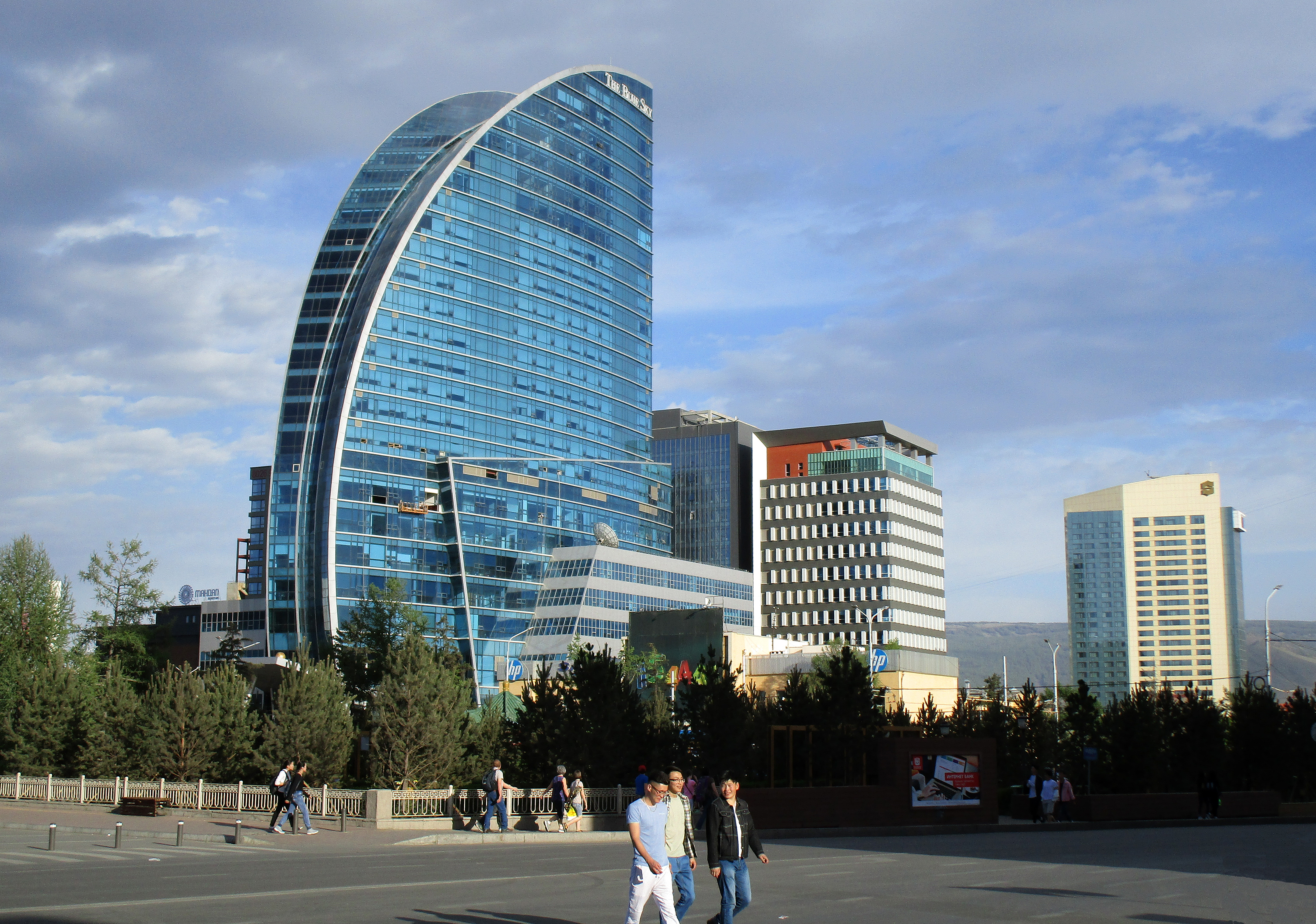
At nearly 48 degrees north Ulaanbaatar is a comparable latitude to Vienna in Austria and at nearly 107 degrees east is further east than Jakarta in Indonesia. The centre looks modern but much of the city is a sprawling mass of huts and gers (yurts) as ever increasing numbers of Mongolians flock to the capital looking for work.
The government building are fronted by a series of canopies designed to look like the roofs of traditional gers.
Our first birding was along the Tuul River, which flows out of the Khentii through Ulaanbataar. Here we saw truly wild Mandarin Ducks unlike the feral ones that occur in the UK.
Of course as there is (or was) continuous forest cover across Eurasian a lot of species that can be found in northern Europe occur in the forests of Mongolia as well, such as Lesser Spotted Woodpecker …
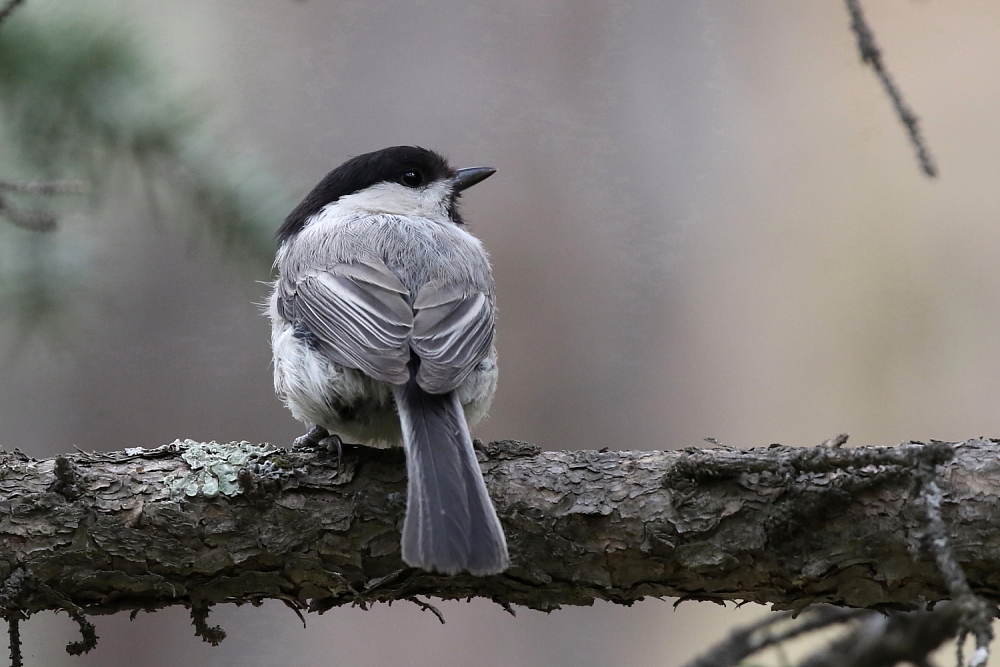
… and Willow Tit. Tour leader János Oláh sent a set of photos to tour participants and where possible I’ve used his photos as they’re so much better than mine! (copyright János Oláh/Birdquest)
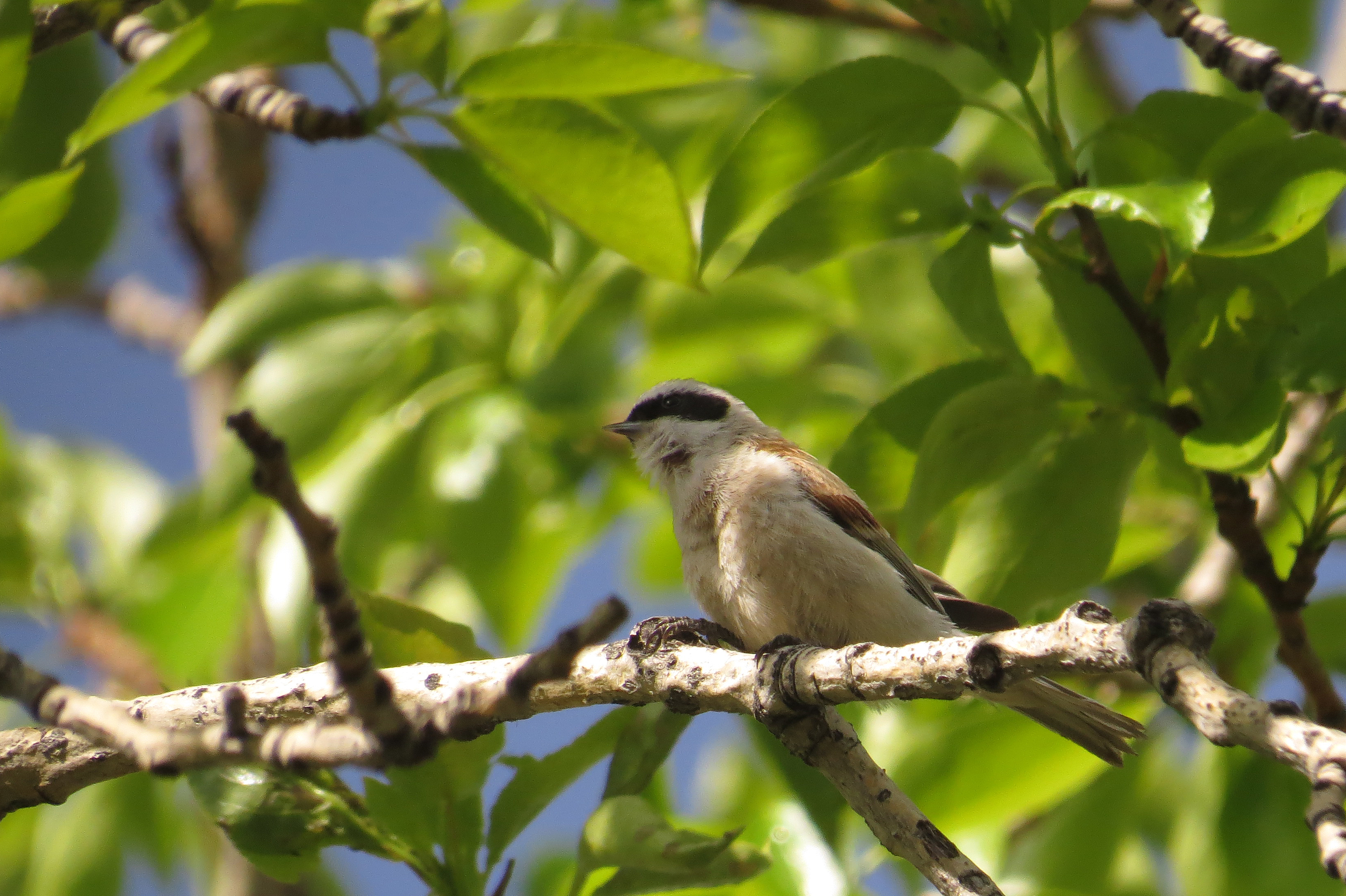
In other case we see ecological replacements of European/West Palearctic birds eg Chinese Penduline Tit rather than Eurasian Pendulaine Tit …
… and the striking Daurian Jackdaw rather than our familiar Western Jackdaw.
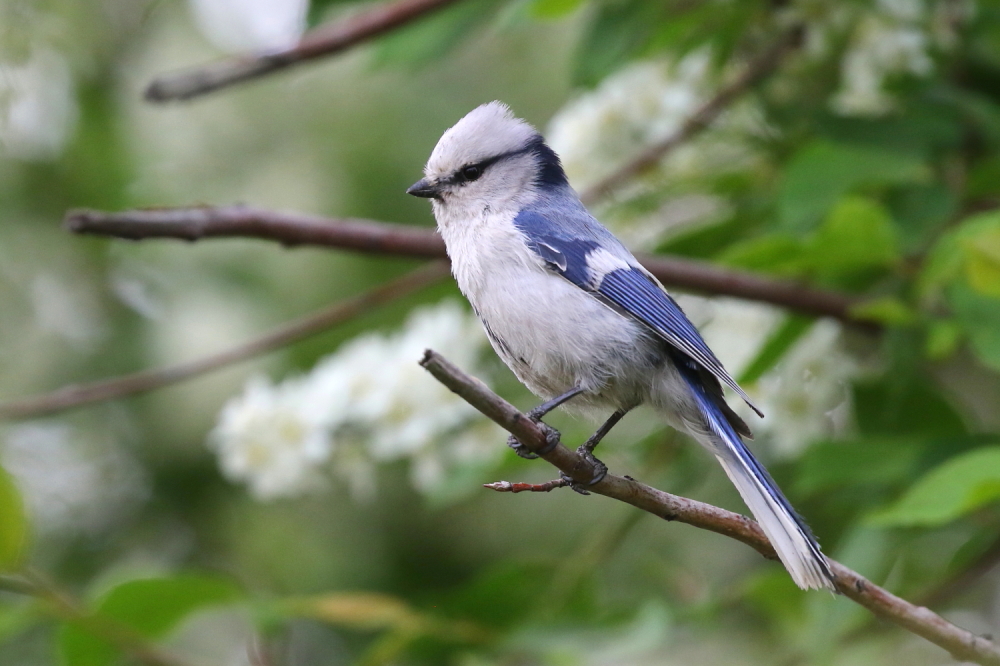
One bird that just creeps into the Western Palearctic but has never occurred in the UK is the drop dead gorgeous Azure Tit. But I guess its a case of familiarity breeds contempt, if Azure Tits were common and you found your first Blue Tit you’d be enthusing about all those lovely yellow bits!(photo copyright János Oláh/Birdquest)
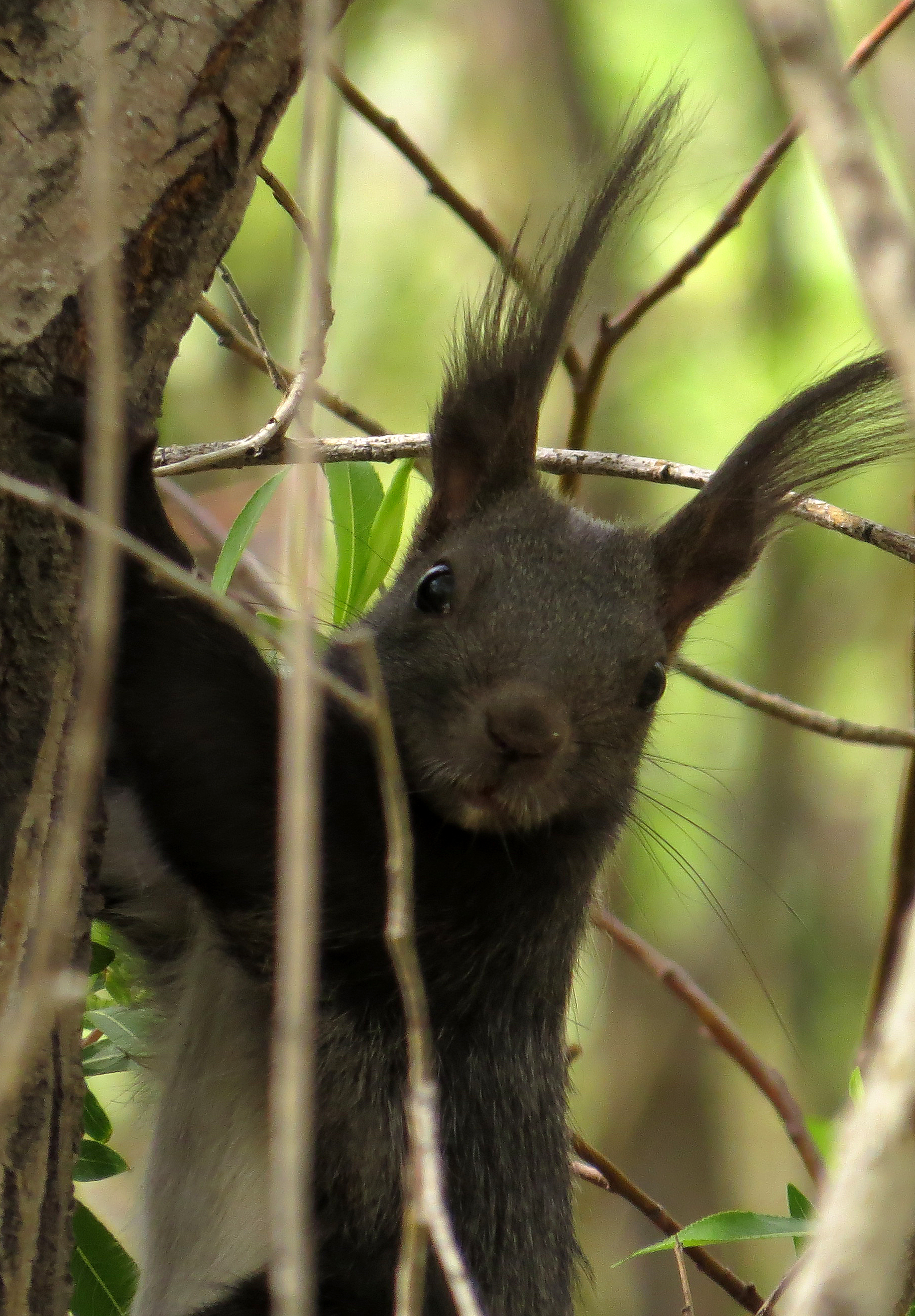
Eurasian Red Squirrel is a species with a range across the boreal zone but the ones in Mongolia look very different from our familiar British ones.
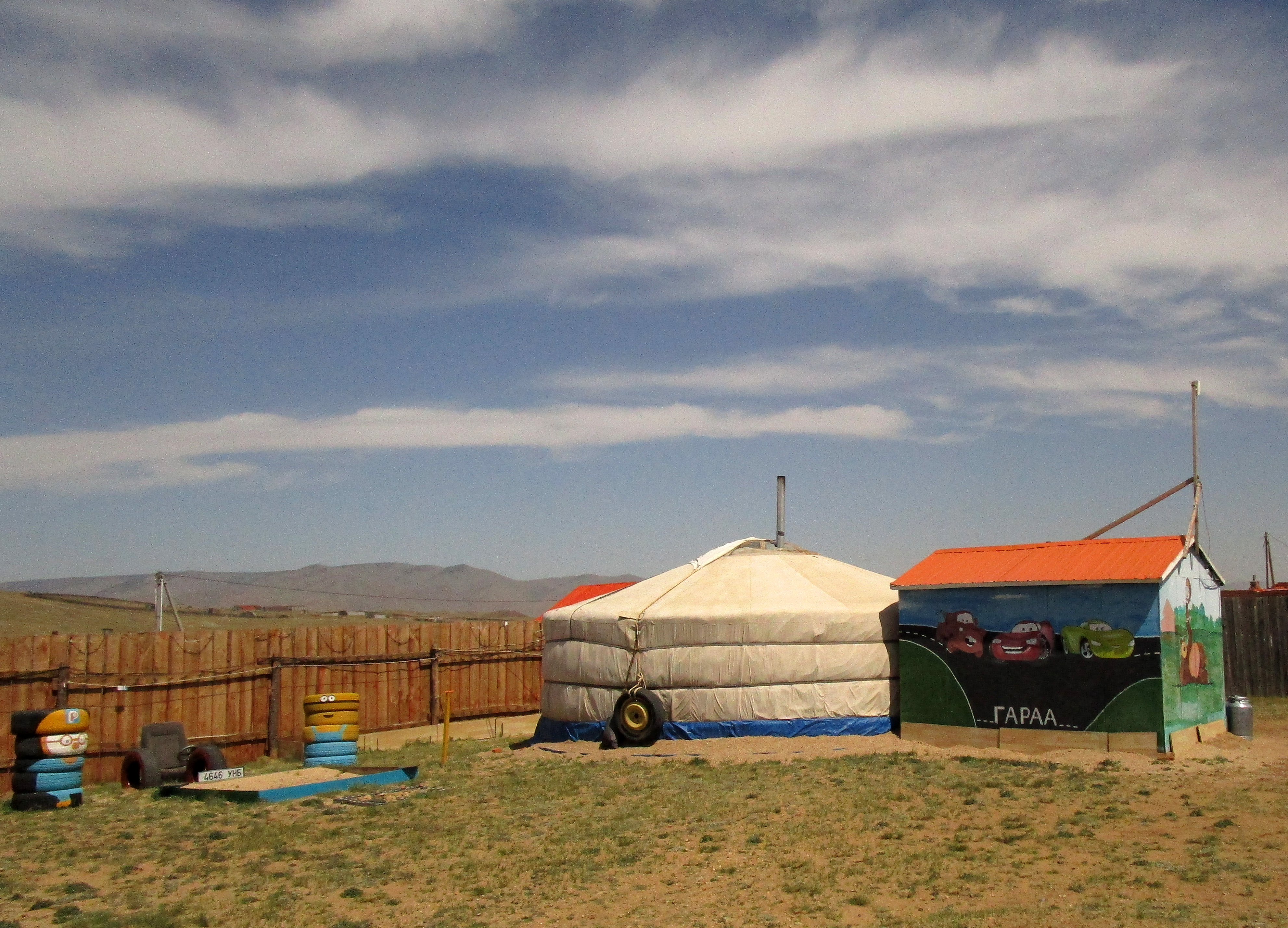
In the afternoon we headed for Bogd Khan, an area just outside the city. Ulaanbataar has massively increased in size in recent years as nomadic people have upped their yurts and set them on the city outskirts. There’s been no infrastructure development to support this. The gers in the photos are tourist ones so that vistors to Ulaanbataar can spend a night in one and have a true ‘Mongolian experience’ without really leaving civilisation.
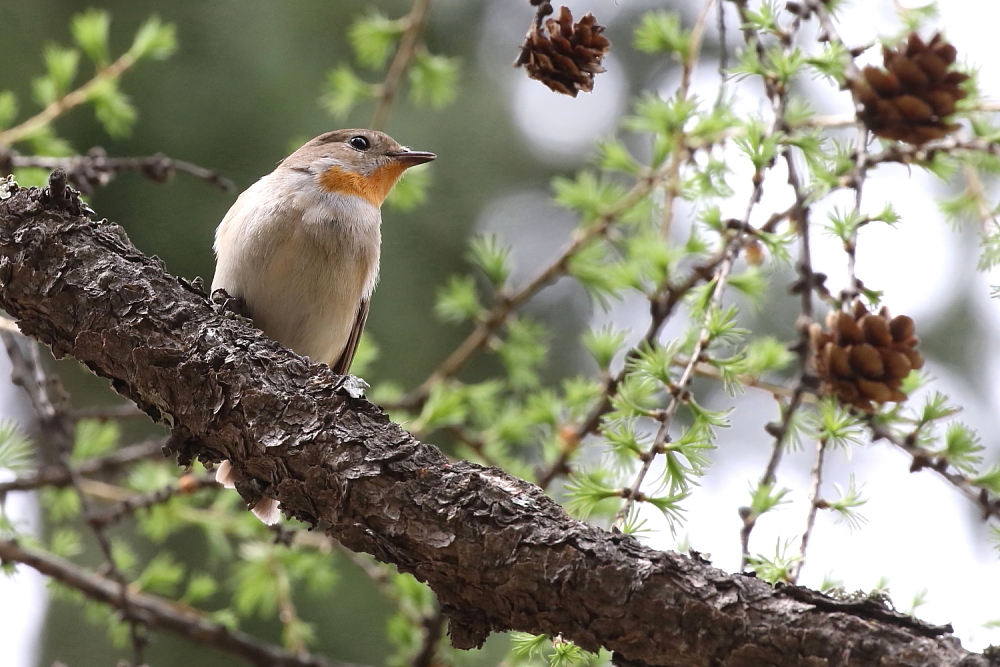
This forest had some great birds to including Taiga Flycatcher (sometimes called Red-throated Flycatcher) the eastern equivalent of the European Red-breasted Flycatcher. (photo copyright János Oláh/Birdquest)
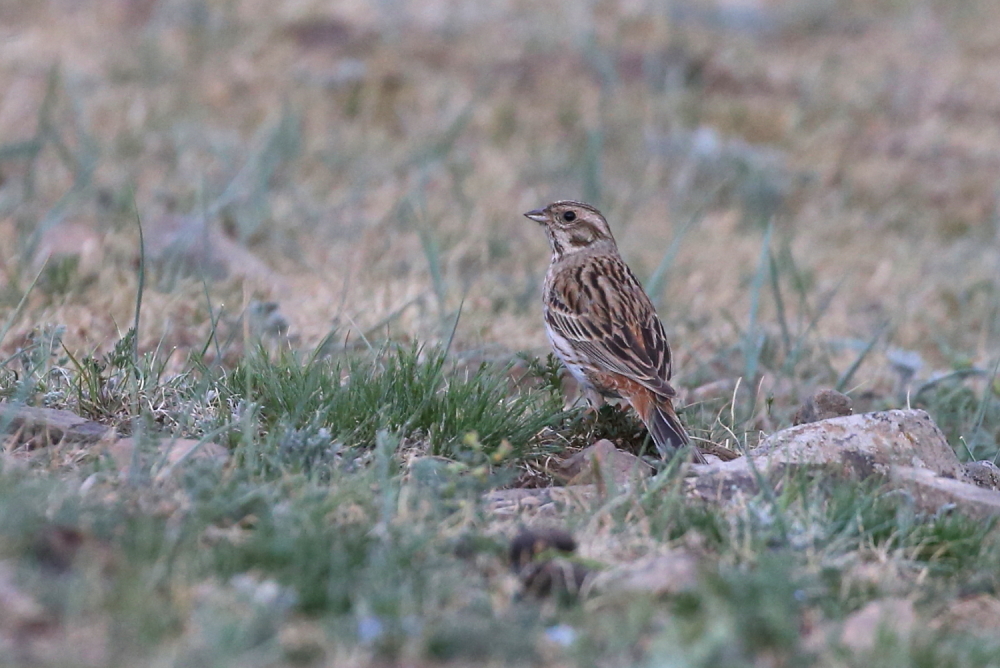
Another ‘eastern equivalent’ is Pine Bunting, the eastern relative of Yellowhammer, with which it hybridises and to my ears sounds just the same. This is a female …. (photo copyright János Oláh/Birdquest)
… and this is the male (Pine Bunting – photo copyright János Oláh/Birdquest)
Although they occur as close to the UK as northern France and so should be quite familiar, I think the bird of the afternoon was this female Black Woodpecker, which gave fantastic photo opportunities (photo copyright János Oláh/Birdquest)
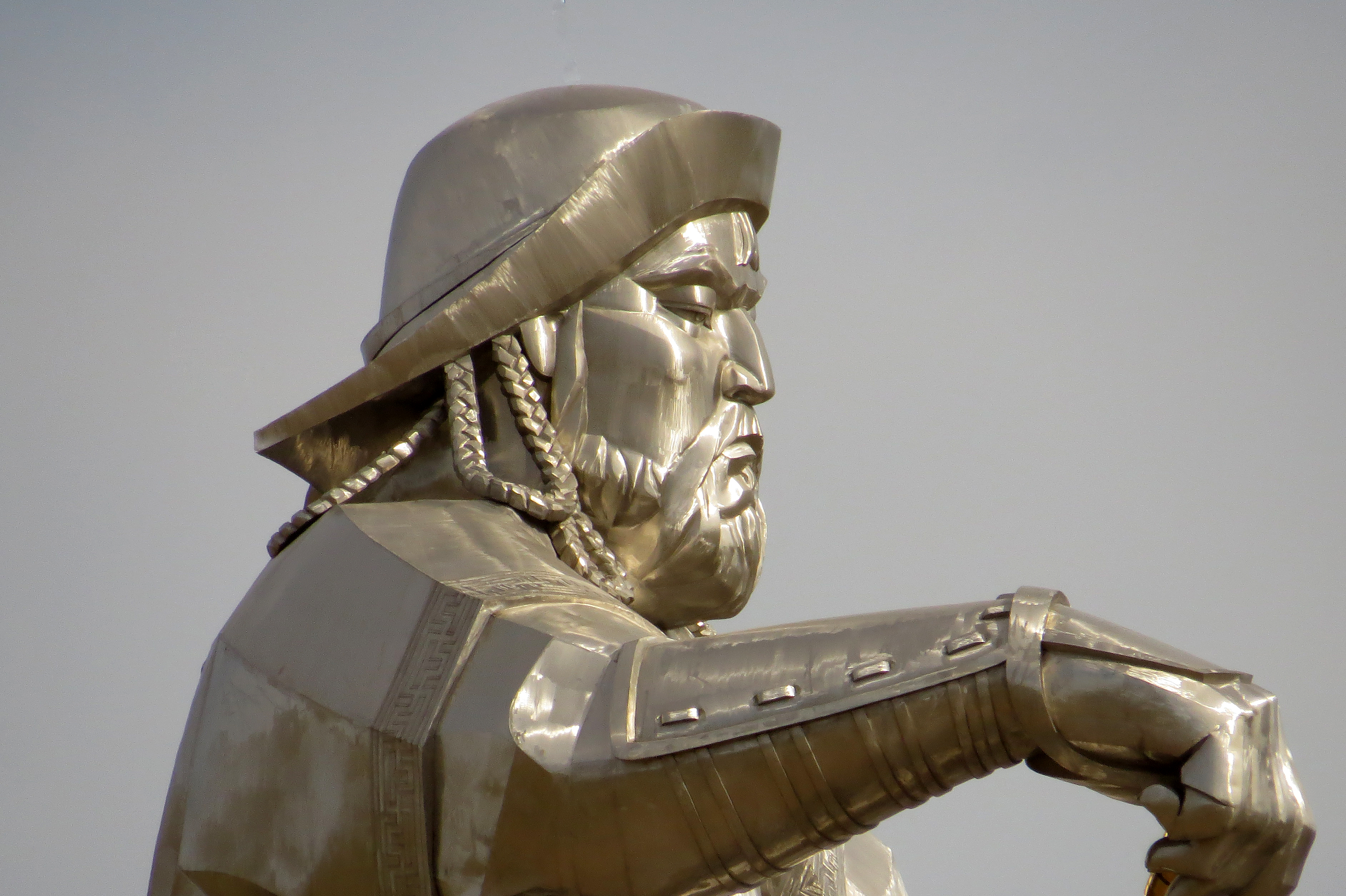
The next morning we left the city in two rather tatty, quite uncomfortable, yet tough-as-nails Russian minibuses for what was to be 17 nights of wild camping. On the main road east from the capital we paused briefly as the gigantic statue of Mongolia’s best known leader, Chinggis Khaan, usually referred to in the west as Ghengis Khan. The 40m tall stainless steel statue sits on top of 10m high visitor centre and museum and was built in 2008. Visitors can ascend through the body of the horse to a viewing platform in its head. Of course as it was a birding trip there wasn’t time to do any more than take a few photos.
Although Chinggis Khan was probably responsible for the greatest genocide in history there were positive aspects to his reign. See what Wikipedia has to say about Mongolia’s most famous son clickhere
We moved on to the lake at Gun Galuut. This was supposed to be our first introduction to the steppe lakes, but in practice it held some very important birds that weren’t seen elsewhere on the tour. Almost all of the grasslands in Mongolia are unfenced and the enormous numbers of grazing stock (horses, donkeys, cattle, sheep, goats and camels number 65 million compared to the 3.5 million humans) wander at will.
Birds abound at these lakes, we saw resident wildfowl like Stejneger’s Scoter and Whooping Swan and migrants like these Pacific Golden Plovers on route to the arctic (copyright János Oláh/Birdquest).
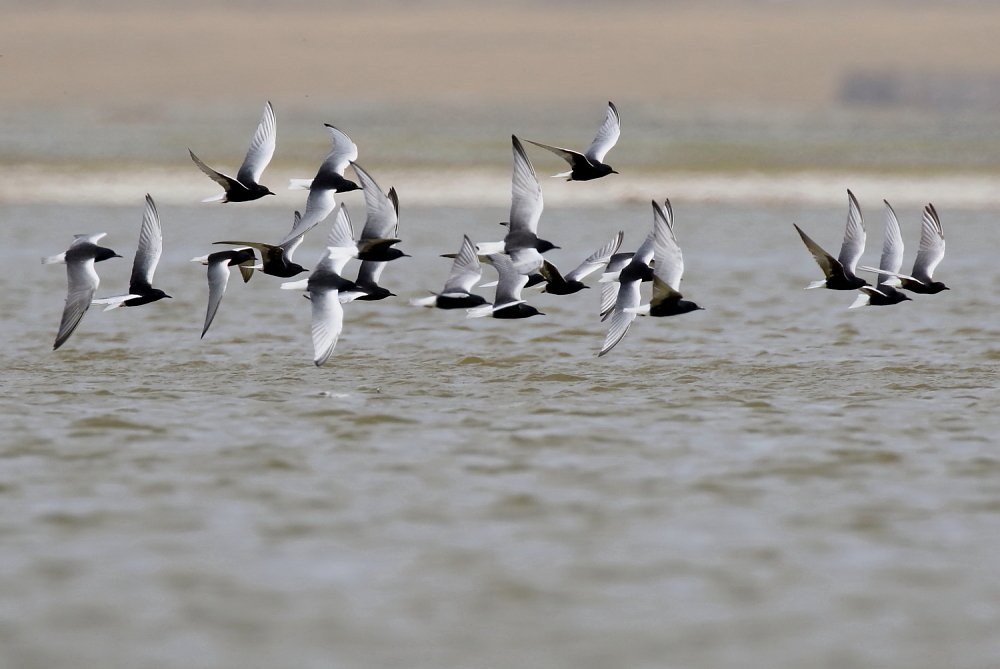
But the outstanding spectacle at the lake was the large number of White-winged Terns
White-winged Terns breed on lakes from the Baltic eastwards to the Sea of Japan and are a familiar site over much of the Old World tropics during winter, however the sight of a flock of them in summer plumage is one of the delights of Plaearctic birding. (copyright János Oláh/Birdquest)
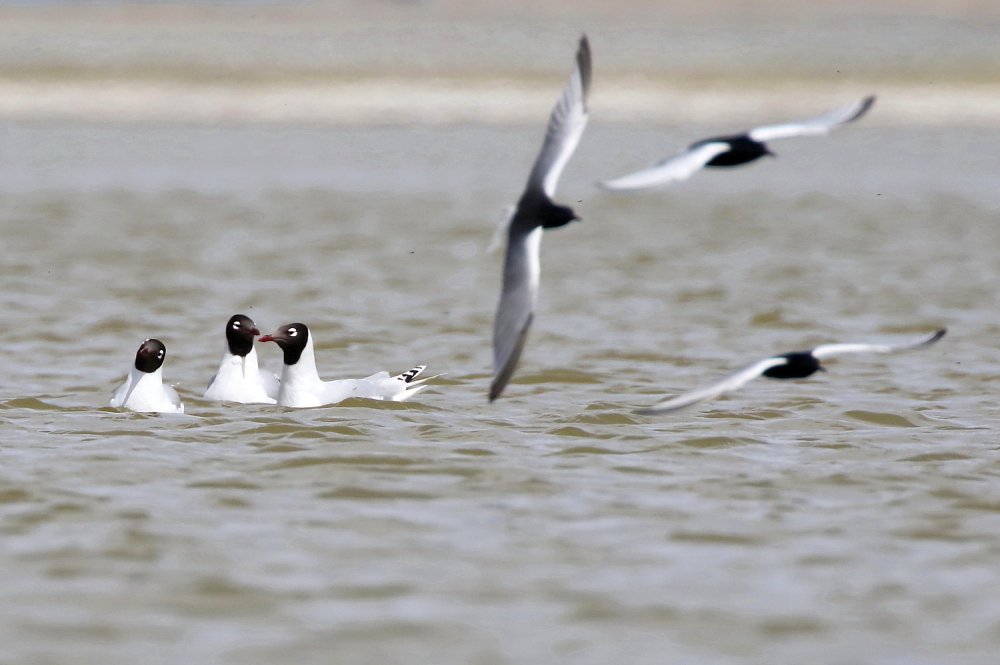
Scanning across the lake I asked what was that distant group of four gulls with black heads. János said they were just Black-headed Gulls, but I hadn’t realised that he had been looking in a different direction. It’s a good job we moved closer to the birds I found as they proved to be Relict Gulls, one of the most wanted species on the entire trip. (copyright János Oláh/Birdquest)
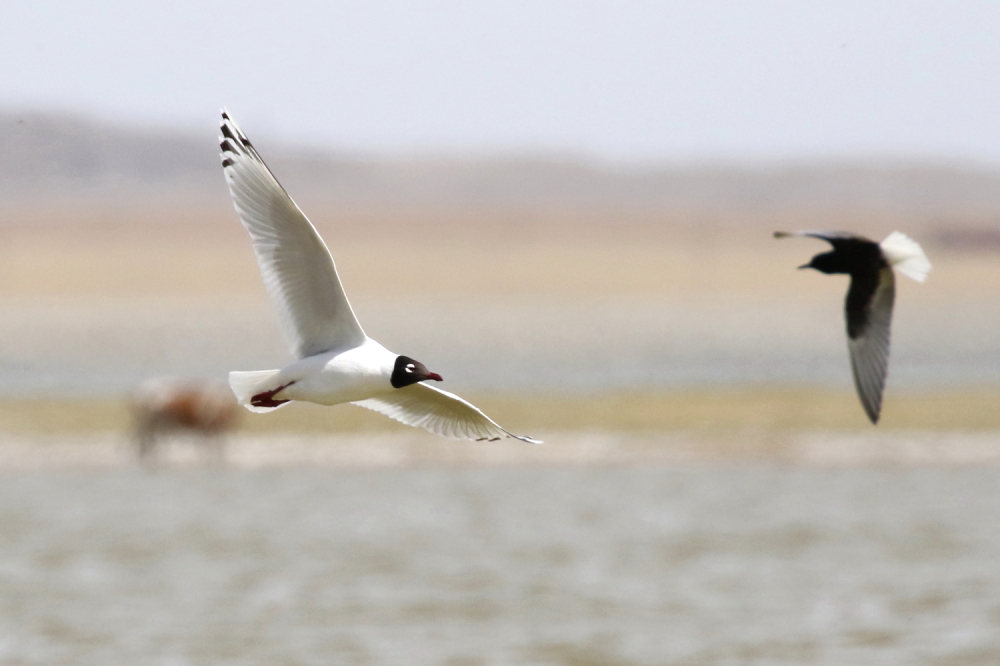
Relict Gull as a breeding bird is restricted to two lakes in easternmost Kazakhstan, and a few lakes in Mongolia and one in northern China. It was considered a race of Mediterranean Gull until 1971. We were not expecting it here, rather on lakes further south – where we failed to see any more! (copyright János Oláh/Birdquest)
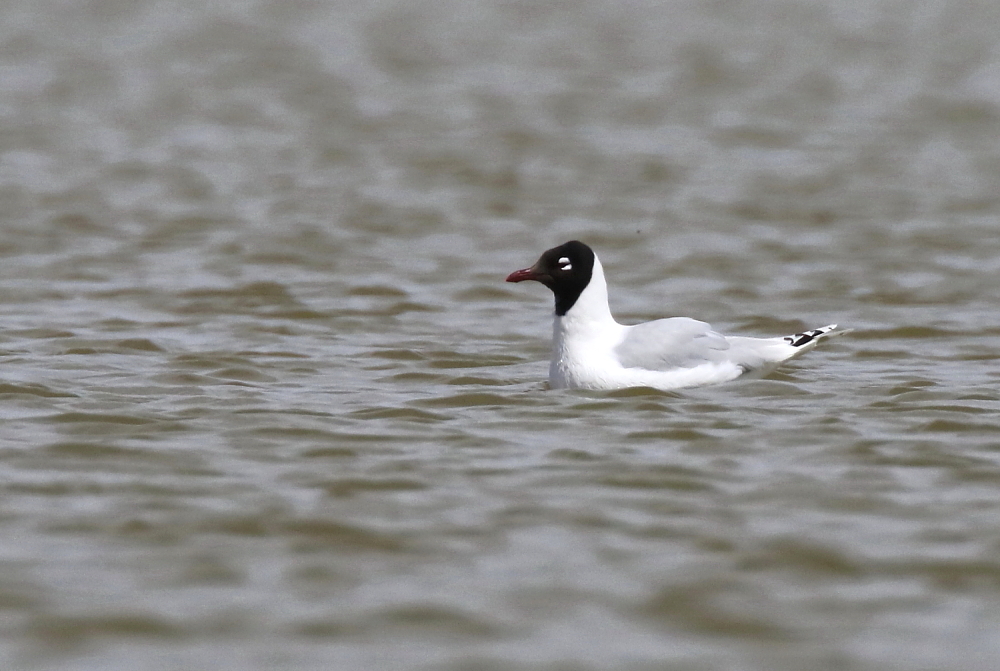
Relict Gull was one of the five life bird I got on the trip. The only other place they can be seen is on east coast of China in winter. (copyright János Oláh/Birdquest)
Relict Gull almost completes my list of the world’s birds. Just Lava Gull on the Galapagos to go. (copyright János Oláh/Birdquest)
In the drier areas we found good numbers of the elegant Demoiselle Crane (copyright János Oláh/Birdquest)
Sorry to include this poor photo but this is the only one I got of a distant White-naped Crane. One of the key birds of the trip. Also in the photo are a number of Ruddy Shelducks.
We moved on to the Khentii Mountains and made camp in the valley below. Our camp site is just visible to the left of the top of the tallest burnt stump. It was cold during the night but it was a lovely location. Normally the visit to the Khentii Mountains is left to the end and has been offered as an optional extension. The main reason for the visit is to see the highly elusive Black-billed Capercaille. Late May isn’t the best time for them but an earlier visit would mean missing other migrant species that wouldn’t have arrived. János had come up with the idea of going twice; at the start and end of the trip, which involved more driving but gave us the best chance of seeing both sets of birds. As you can see it was a long slog up the hillside from the campsite, made worse by the fact that the only sightings of the ‘Capers’ where of two females seen briefly in flight by one or two clients at the front. It was disappointing to say the least.
After an unproductive morning we descended to the campsite. Our best encounter that morning was with this nesting Cinereous Vulture. As the slope was so steep we could see straight into the nest, even though it was at least 10m up in the tree (copyright János Oláh/Birdquest)
Fortunately János had a cunning plan. Local guide Naasta was in contact with a warden who knew of lek site. It surely would be too late in the year to see the males lekking (for example I’ve never seen Western Capercaille lekking despite 20 or so visits to Scotland in late April, May and June) but perhaps a few would still be hanging about in the area. The drive through the forest and open hillsides took most of the afternoon. Northern Mongolia forms the southernmost extent of the great ‘taiga forest’ that extends from Scandinavia to Kamchatka. Note the hills are mainly covered with larch, this conifer can survive extremely low temperatures in winter even lower than pine or fir and is the dominant conifer in central Siberia/northern Mongolia. To cope it is deciduous and drops its needles in the autumn so in spring the trees are fresh and green like a broad leafed forest. The bare areas are due to exposure to the wind rather than deforestation.
We eventually met up with the warden. Naasta, János disappeared with him to scout out a suitable campsite. In the meantime we found this shrike. The only ‘grey shrike’ taxon on the list was ‘Steppe Grey Shrike, considered a full species for a while, but now subsumed back in Great Grey Shrike again. However its a bird of the south of Mongolia in the saxual scrub. It wasn’t until we got home that several of us realised that this was Northern Grey Shrike, the grey shrike that occurs in eastern Siberia and northern North America. As János didn’t see it, it never went on the trip list.
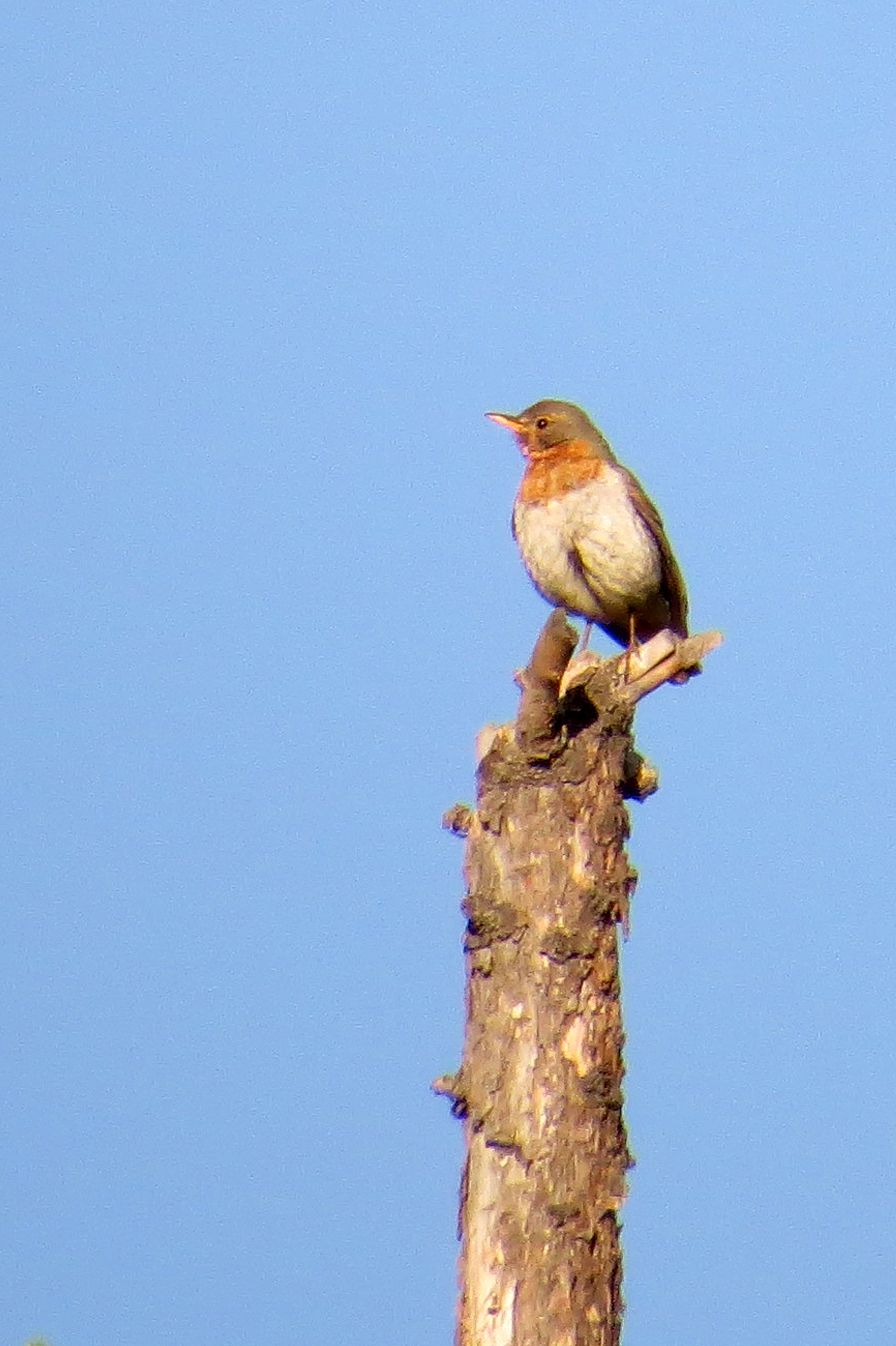
However the next species, right next to our campsite was for me at least, one of the trip’s top birds, a smart male Red-throated Thrush. As I explained in the intro this was the only bird that is on the UK List that I haven’t seen anywhere in the world. Situation remedied for now at least.
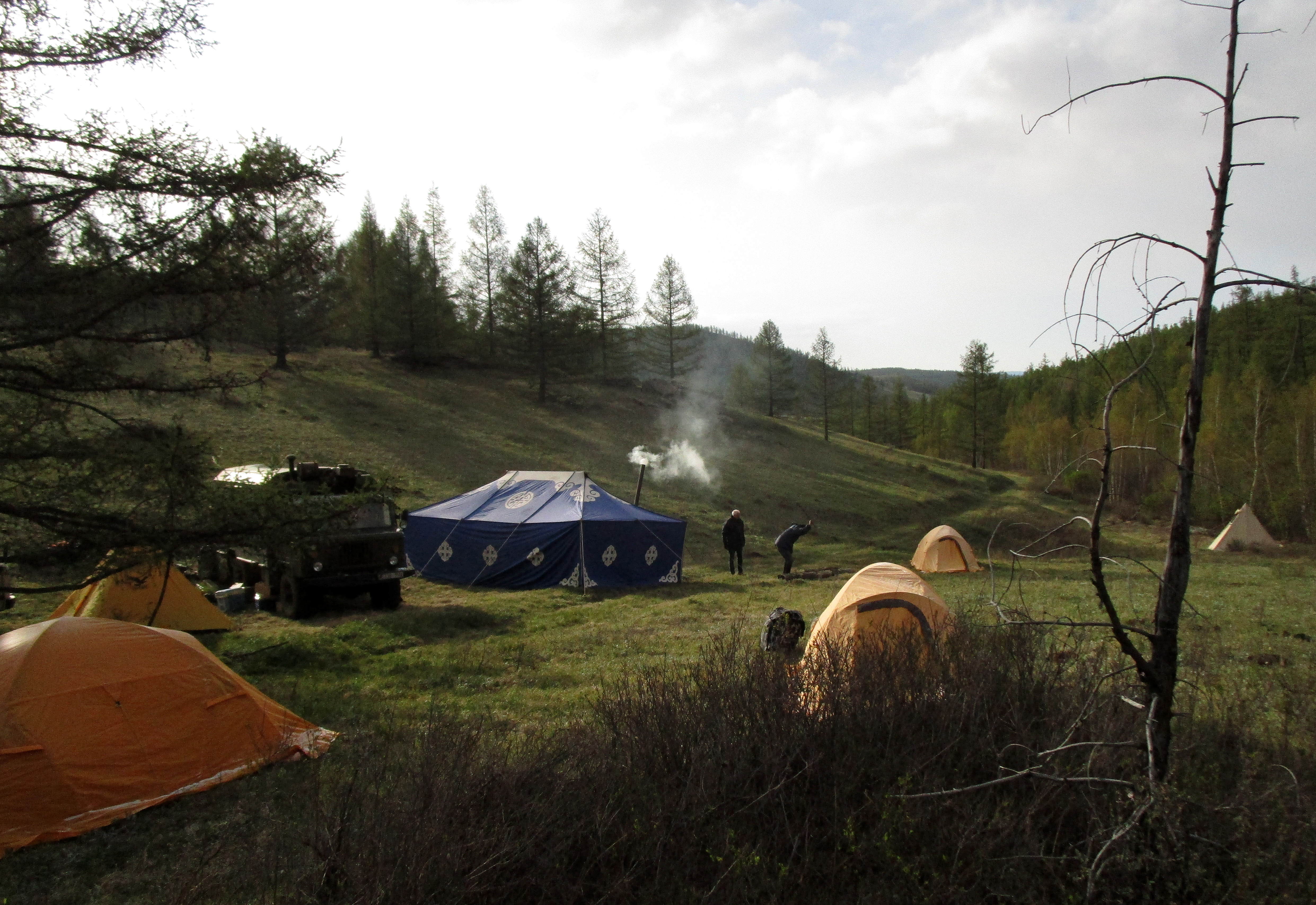
Our second campsite was in a beautiful location but once the sun went down it became very cold. In spite of the stove in the mess tent we felt very chilly as we ate our dinner. I couldn’t get my thicker sleeping bag inside my case and so brought a relatively thin one thinking I could always sleep in my fleece. By the end of the night I was wearing every layer I could find, T-shirt, two sweaters, fleece, three pairs of socks two pairs of trousers. Water bottles inside the tent froze and the temperature at 0345 when we arose was measured at -14C.
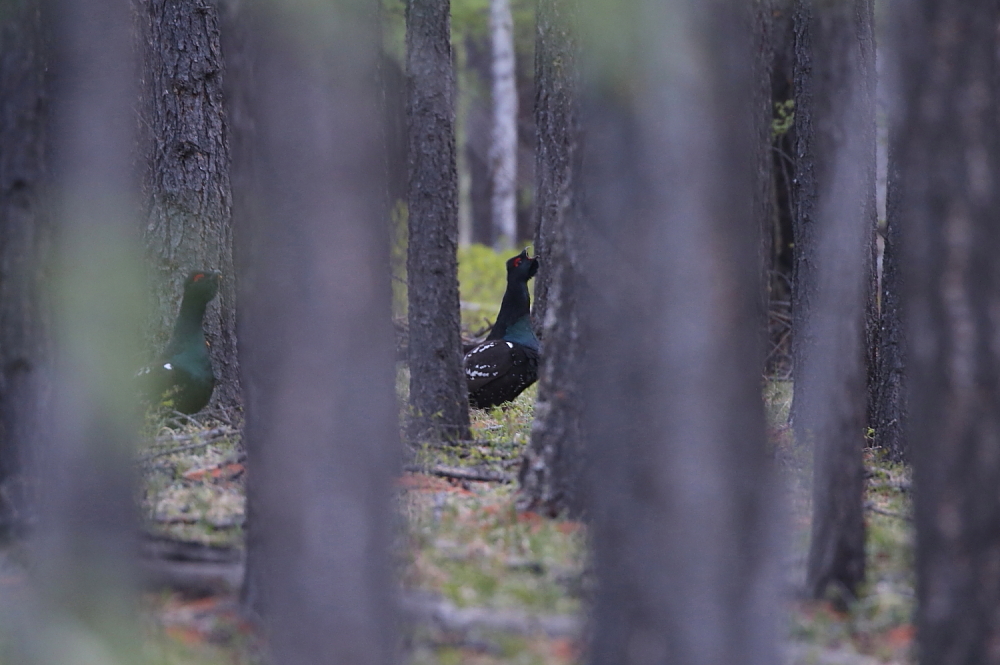
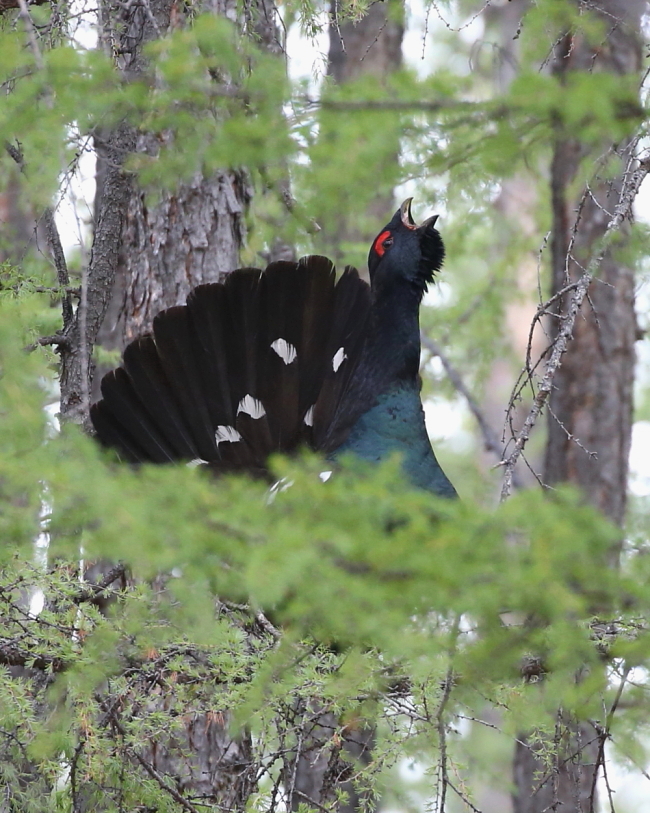
We could hear the Black-billed Capercailles from the camp, we only had to walk a few hundred yards and then, creeping ever closer, we could see them through the trees. On most trips this view would more than satisfy but we were in for a real treat. (copyright János Oláh/Birdquest)
The very low temperatures had pushed these hardy birds back into full lek mode. We had the most stupendous views as up to ten Black-billed Capercaille males strutted around, called from the trees and displayed to the females lurking in the shadows. In a lifetime of watching wildlife I have encountered hundreds of gob-stopping moments but this was up there with the best. (copyright János Oláh/Birdquest)
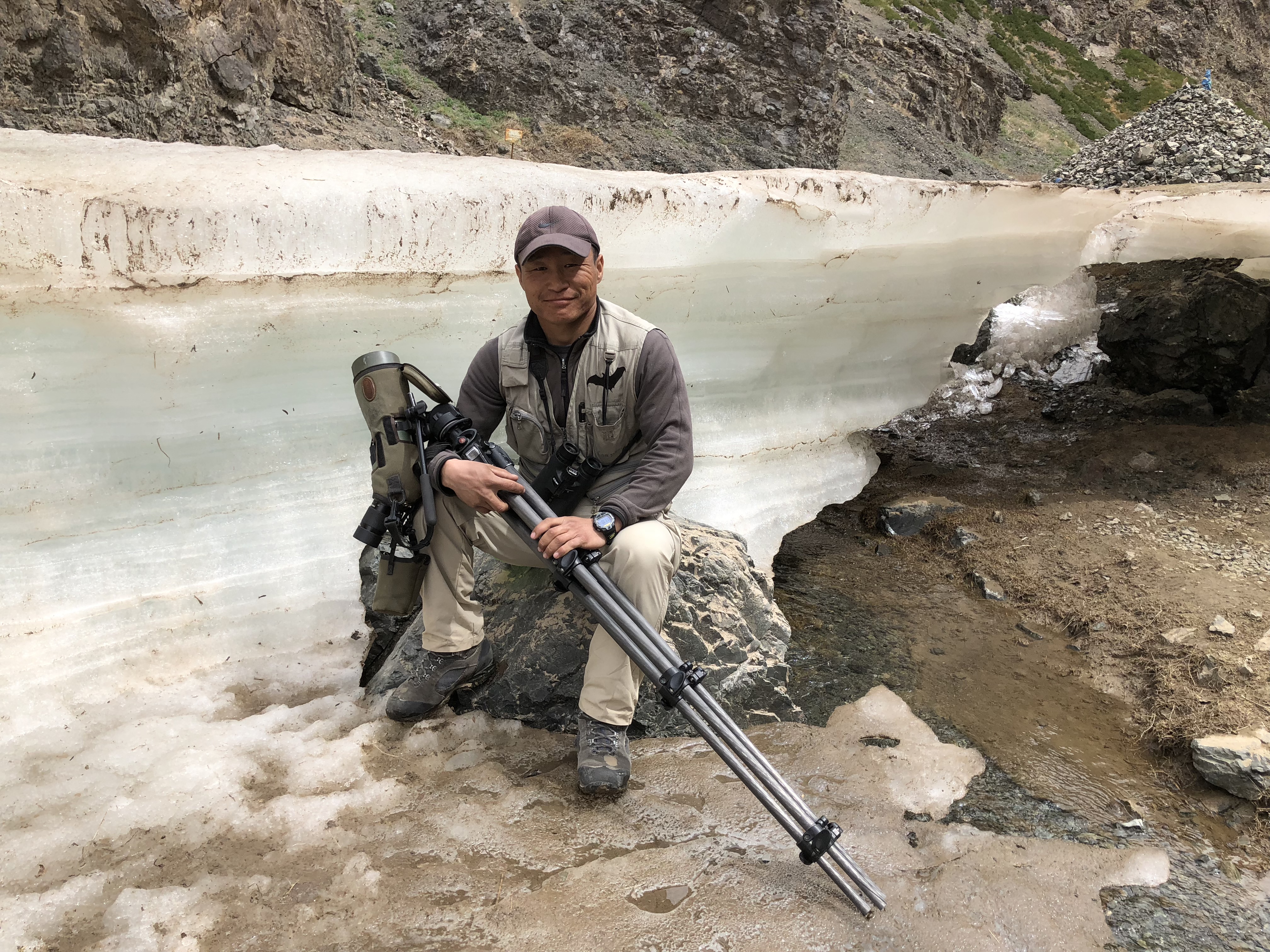
This is our local guide Naasta (actual name Dalannast Munkhnast) – photographed later in the trip in the Altai mountains.
On the way back to Ulaanbataar later that morning we stopped at his ger just outside the city.
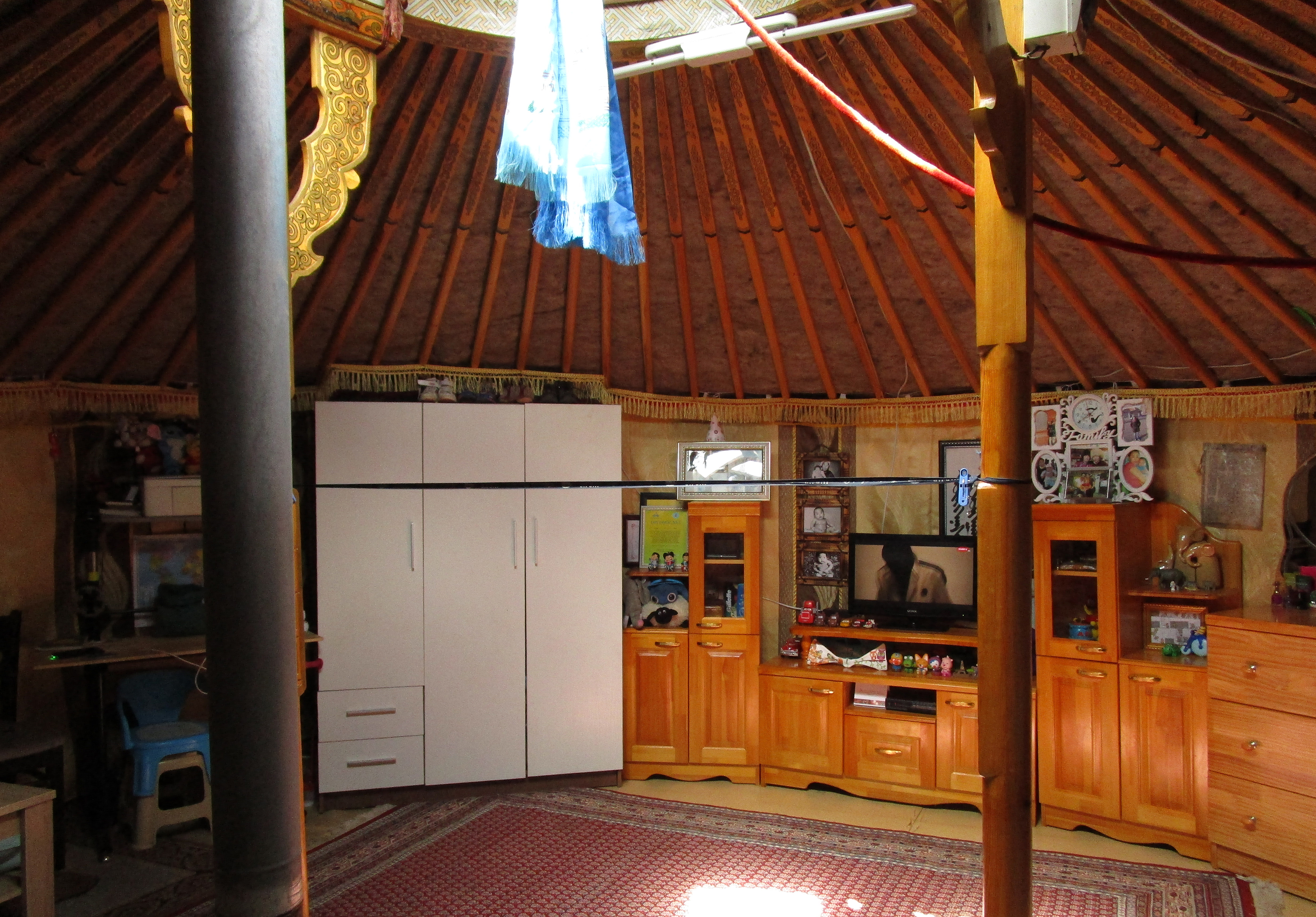
His wife had cooked us a nice meal. Although it looks small from outside the ger looks bigger on the inside (like a Mongolian Tardis) and with its thick padding would be quite comfortable, although I wouldn’t want to visit the outside loo in the depths of a Mongolian winter.
But it’s always best to end with a bird photo so I’ll finish this first post on Mongolia with one of the highlights of the trip, if not one of the highlights of my life – the majestic Black-billed Capercaille (copyright János Oláh/Birdquest)
The last post dealt with our time in southern France. From there we crossed into Italy and then turned north towards Assendria and then on to Aosta in the Italian Alps.
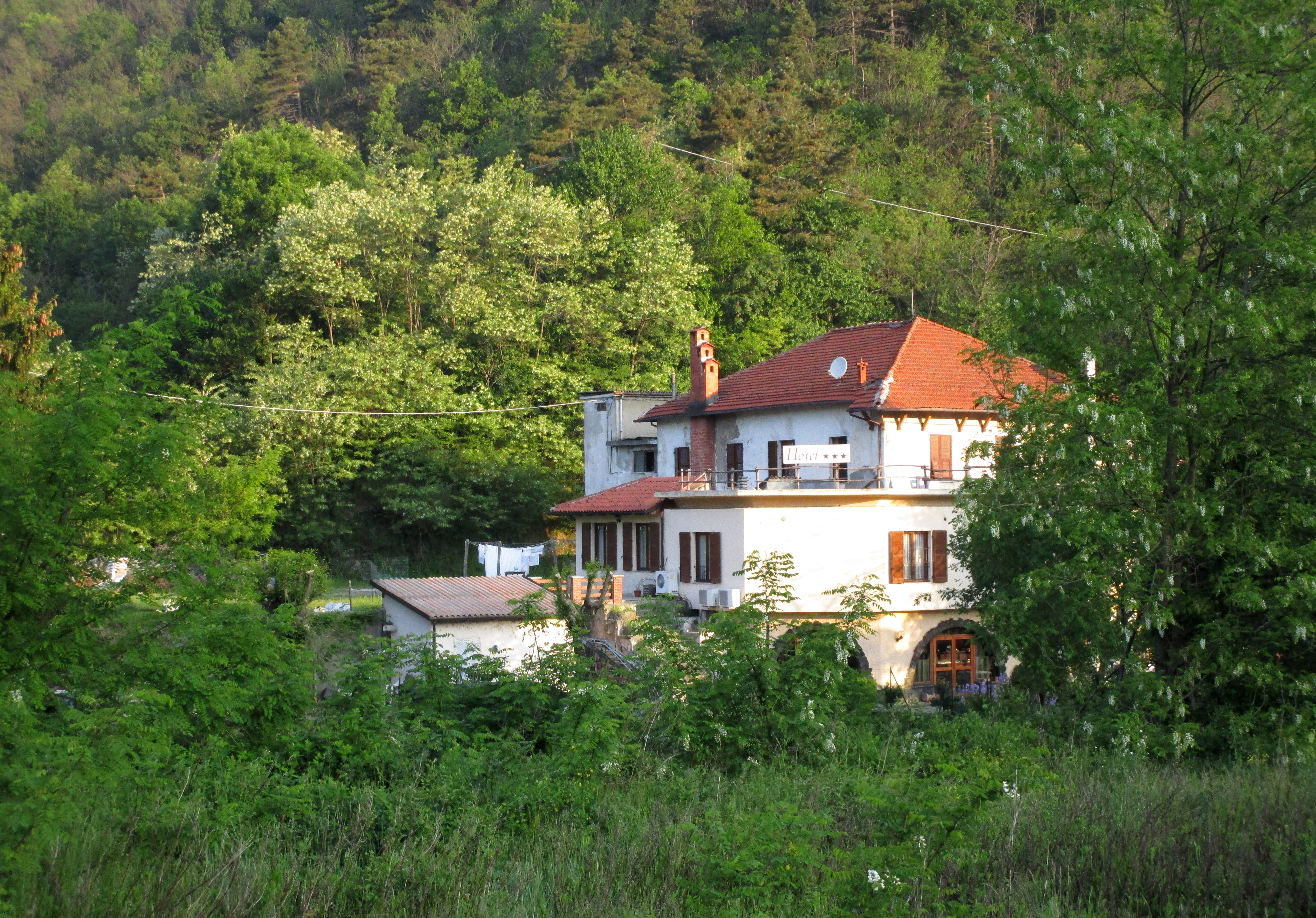
On the 7th we stopped for the night at a hotel near the town of Ovada in Italy. My reason for taking this route north to the Italian Alps was that I hoped to find Moltoni’s Warbler, a recent split from Subalpine Warbler. I think I have seen this species before, but the identification lies wholly on geographical grounds and I wanted to see and hear one well to be absolutely sure. This area is at the northern edge of its range and in spite of searching areas of scrub, field margins and waterside vegetation we drew a blank. The valley was narrow and held a six lane motorway, a railway line and the minor road we were travelling on, so noise levels were high – which didn’t help, but I did add a number of species to the trip list.
We arrived in Aosta in the mid-afternoon. A short distance west of Aosta a minor road entered the Gran Paradiso National Park from the north. The weather had deteriorated and there was light rain.
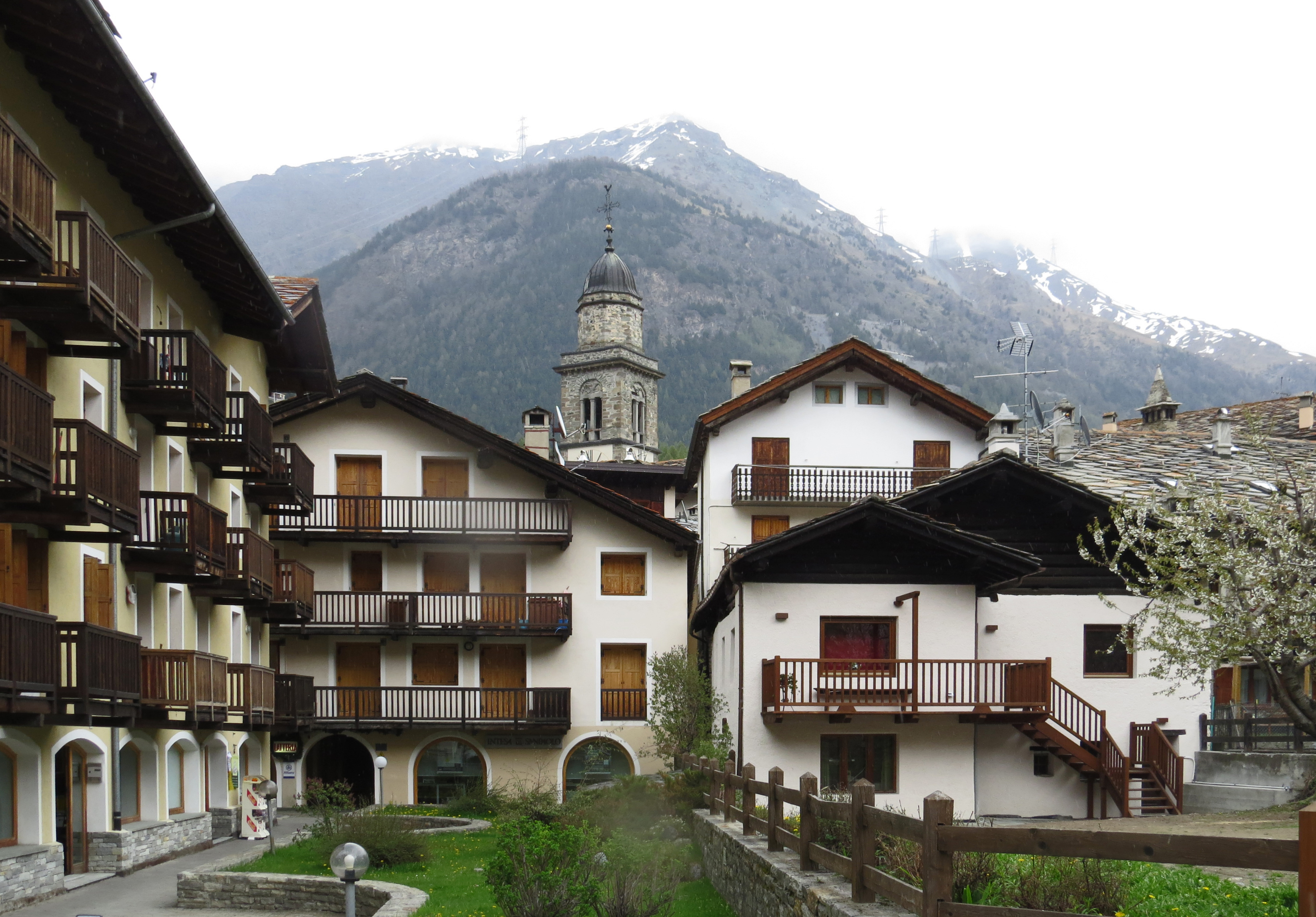
At the end of the road we stopped at the small town of Corbe.
Fortunately the rain eased off although we didn’t get to see the 4000m peak of Gran Paradiso.
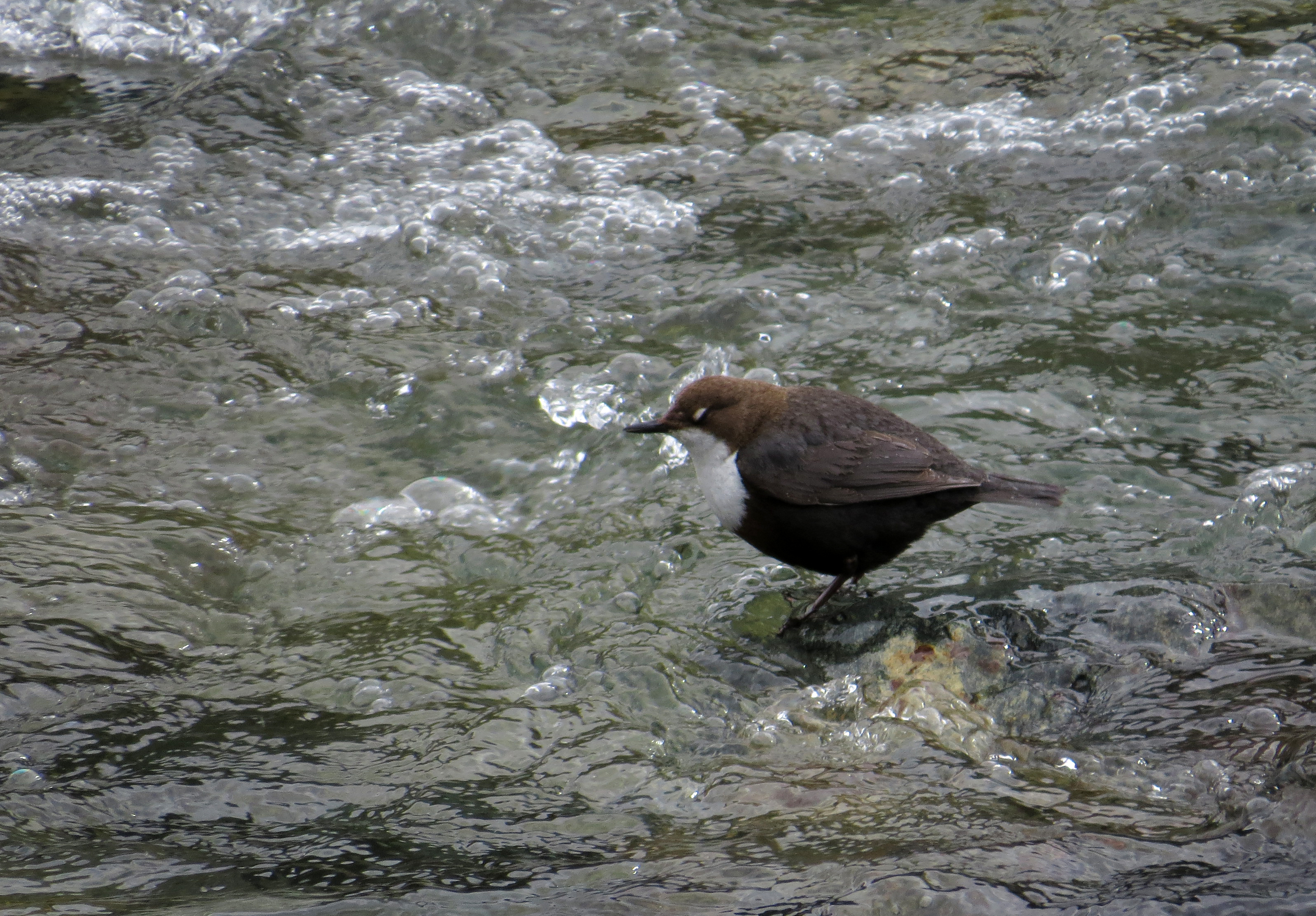
The river that flows through the town gave us great views of a pair of Dippers.
I have seen this species many times but usually they fly off at your approach or are seen distantly. On this occasion I could spend as long as I wanted photographing them
Note the white ‘third eyelid’ or nicitating membrane that protects the eye when they are underwater.
The following morning we drove east to the town of Breuil-Cervinia. On route we had great views of the mighty Matterhorn, at 4478m one of the highest of the Alpine peaks. Note the ‘banner clouds’ just below the summit. This is caused by winds blowing across the summit causing an area low pressure in the lee (just like an aerofoil does) this in turn pulls warmer, damp air up from below which turns to cloud as it cools.
The pretty town of Breuil-Cervinia is dominated by views of the Matterhorn.
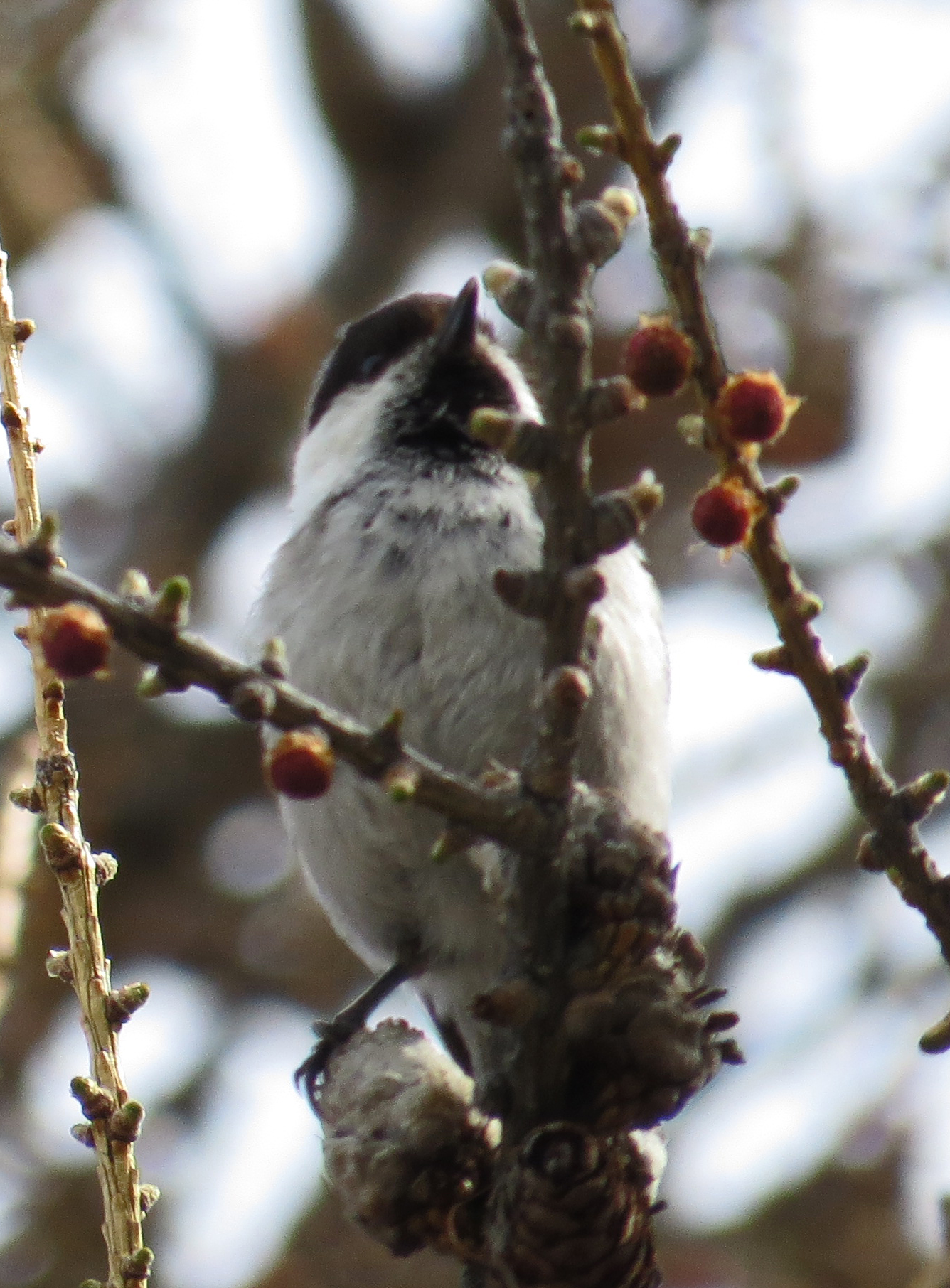
Woodland on the edge of the town held a number of Willow Tits, a species that I use to see here in Dorset but it has been extirpated from much of southern England for some time now.
Just north of the town near the ski lift we came across a number of nice birds such as Fieldfare, Water Pipit, another Dipper, Grey Wagtails and this Whinchat.
I was particularly pleased to see several Citril Finches as I have only seen this European endemic a couple of times before. Surprisingly two days after I took this photo Britain’s twitching fraternity were watching the UK’s second ever Citril Finch in Norfolk.
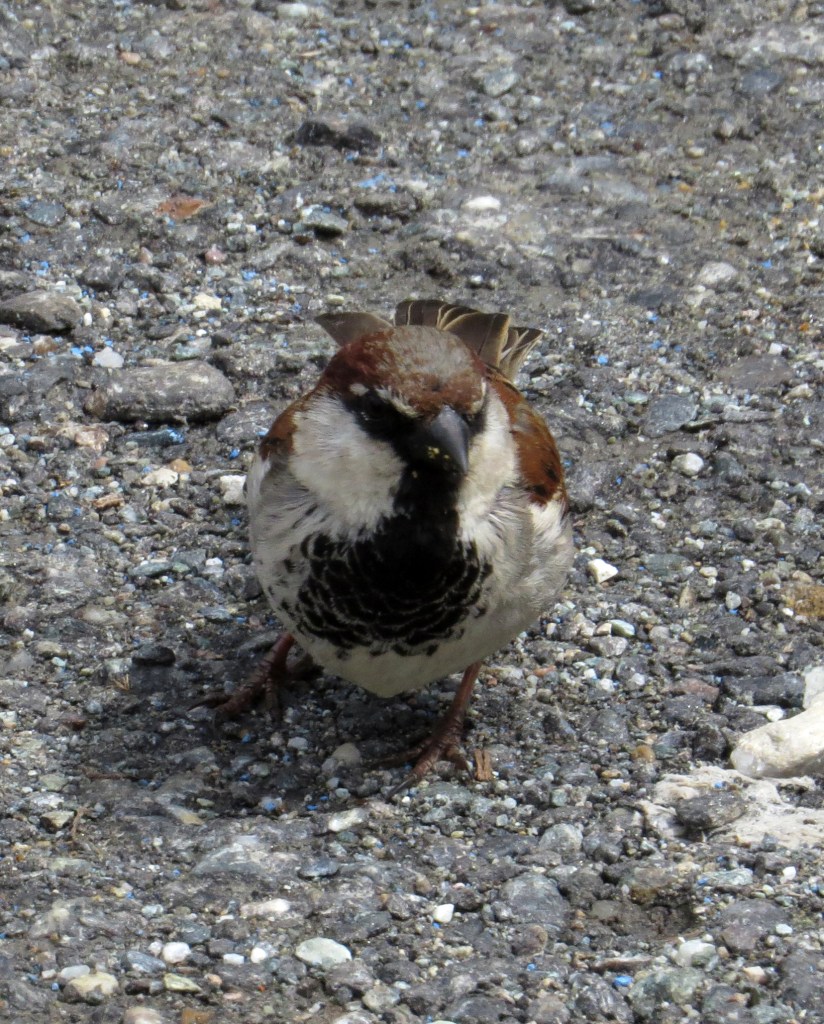
Since we arrived in Italy the familiar House Sparrow had been replaced by the newly recognised Italian Sparrow. Italian Sparrows occur as far north as Aosta but here at Cervinia, just a few Km from Switzerland a range of intermediates occur.
The white cheeks, supercilium and heavily spotted breast are all features of Italian Sparrow but the grey feathering on the crown indicates that it has House Sparrow genes in there as well.
For comparison, here is a photo of a pure Italian Sparrow taken by Lake Garda, Italy in 2013
I took the cable car up above the snow line in hope of finding some high altitude birds ….
….clearly the local Alpine Choughs were nest-building.
I also had a brief view of an Alpine Accentor plus a pair of Snowfinches. The area was full of skiers taking advantage of the fact that they could still ski as late in the year as mid-May.
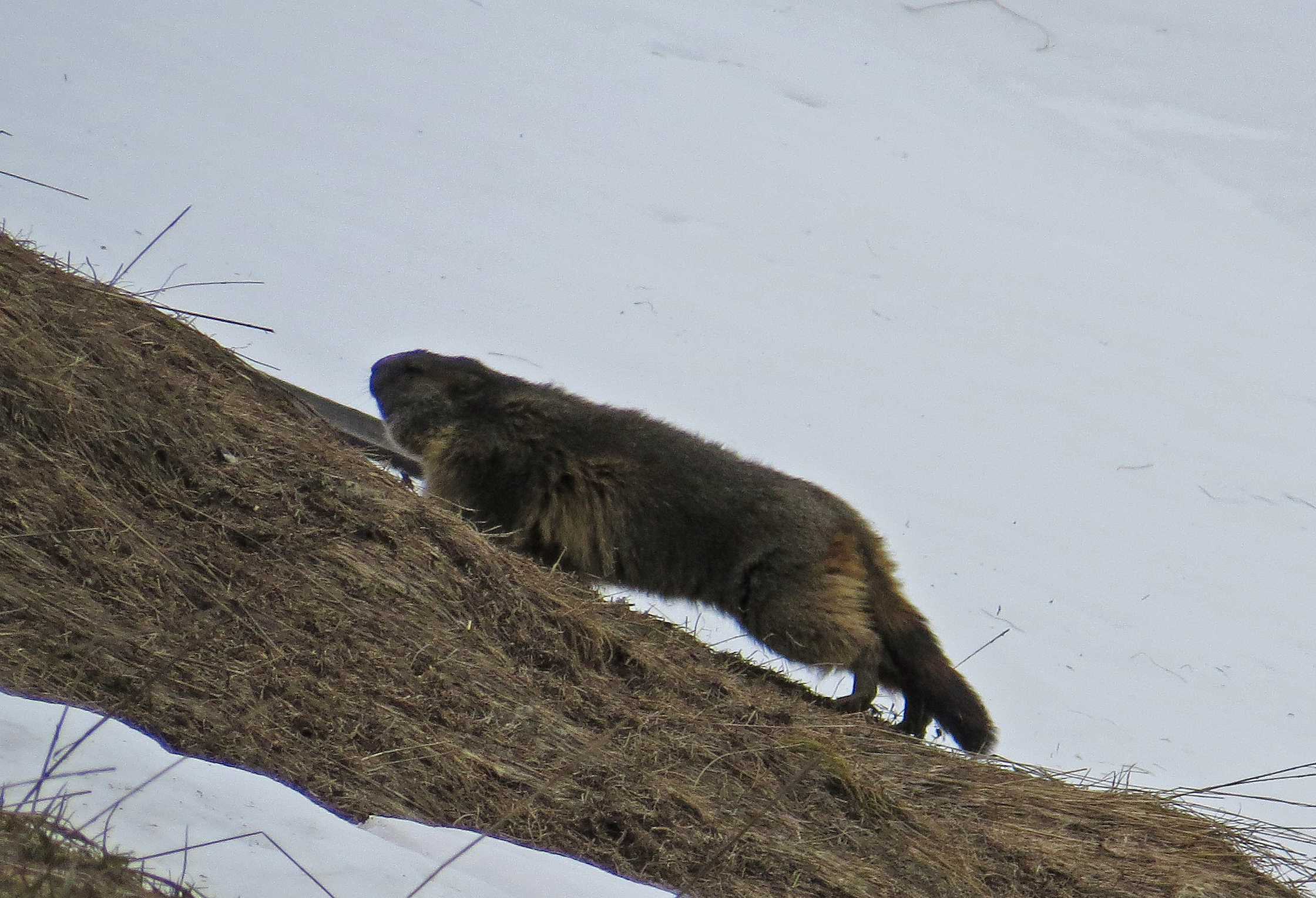
Whilst waiting to come down the ski lift I watched the antics of several Alpine Marmots.
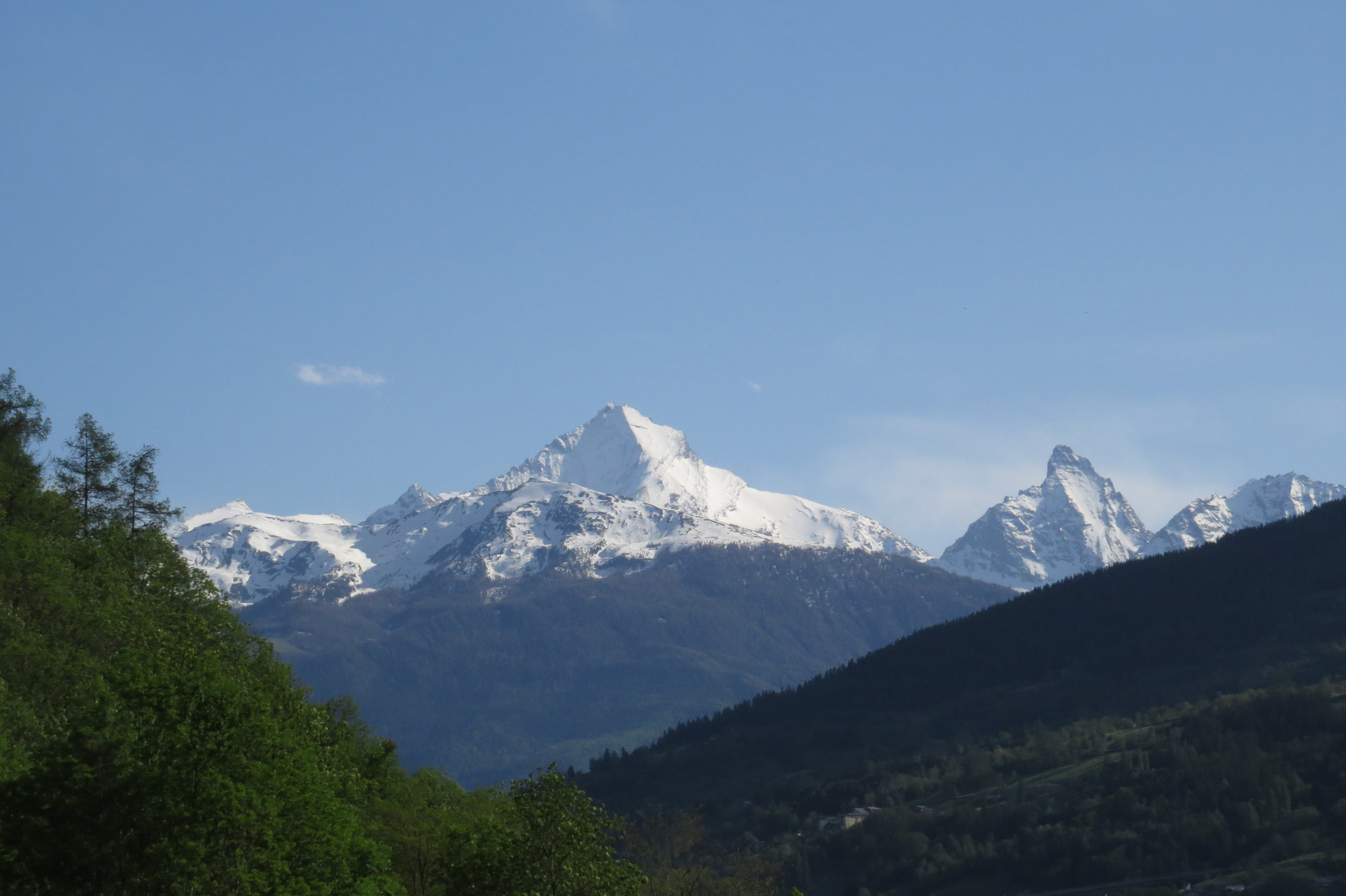
I asked a skier who was waiting to descend if he knew what this distant peak was, the answer was Gran Paradiso, the one that had been shrouded in cloud yesterday ….
…. but more importantly the skier told me there were many ‘mountain goats’ around when he arrived earlier that morning. With the ski lift on its way I just had a couple of minutes to see if I could locate an Alpine Ibex before it was time to descend. They clearly had moved some way from the ski lift but I found a group of three about half a mile away just before I had to board the ski lift. A new mammal for my list which means that I had three ‘lifers’ on this trip: one bird, one mammal and one country.
Later in the day we explored several areas closer to Aosta, seeing nice birds like Crested Tit ….
…. and this Short-toed Eagle.
The following day it was time to head northwest towards Chamonix in the French Alps.
Rather than go through the long (and expensive) Mont Blanc tunnel we decided to cross into Switzerland via the Gt St Bernard Pass and take the old road that climbs to the top of the pass before descending into Switzerland and then doubling back on ourselves to get to Chamonix.
Unfortunately we found that this road was closed but we drove as far up it as we were allowed. Birding was good as we had the road to ourselves, and we found Firecrest, Black Woodpecker and this immature Golden Eagle.
We crossed into Switzerland via the St Bernard tunnel then took a side road into the scenic Valle de Ferret.
We saw quite a few birds here but the star of the show was this immature Lammergeier or Bearded Vulture, part of a reintroduction program to the Alps. The bird is clearly in wing moult but strangely the replaced feathers on the right-wing are white.
The bird reappeared after a while carrying a huge stick. I would have thought that it was too young a bird to be nest-building. Lammergeier’s are known to feed on the marrow of long bones by dropping them from a height to crack them open. Perhaps it was getting in some practice in with this stick.
From the Valle de Ferret we continued south to the town of Martigny then westwards and crossed back into France. We stayed the night in the beautiful town of Chamonix in the shadow of Mont Blanc. This will be the subject of the next post.
This post covers our time in Essex. Sussex and Derbyshire over the festive period plus the New Year boat trip in Poole Harbour.
The famiy spent this Christmas in Maldon, Essex with John and Anita. We traveled up on Christmas Eve but Janis and Kara arrived the day before. In the late afternoon whilst the family watched TV, I drove down to the nearby Blackwater River for a bit of birding.
Good numbers of waders and ducks including this flock of Avocets was seen.
Avocets on the Blackwater River.
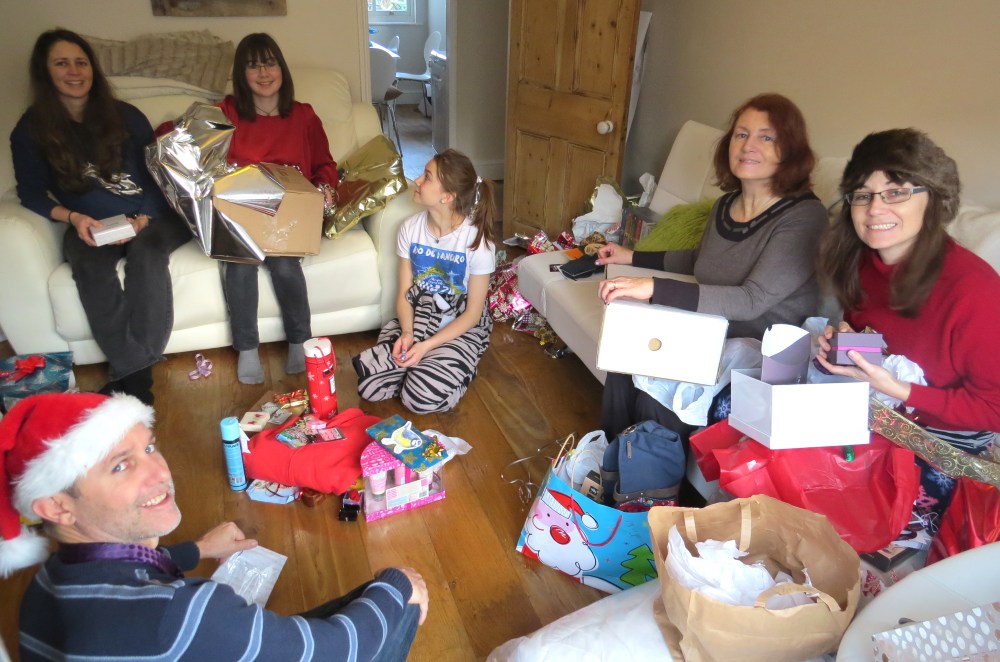
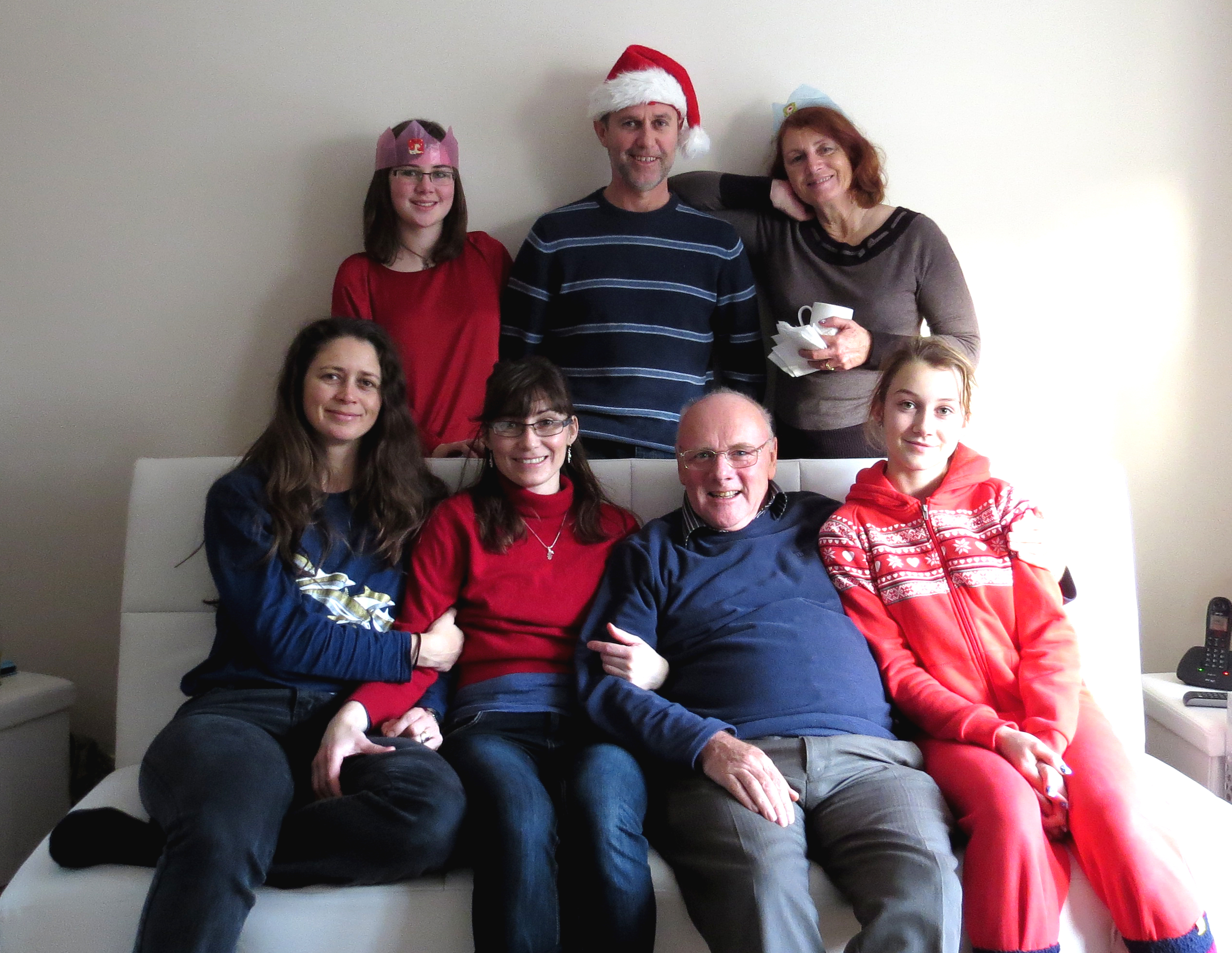
Christmas Day Morning – the present opening ceremony. Clockwise John, Anita, Amber, Kara, Margaret and Janis.
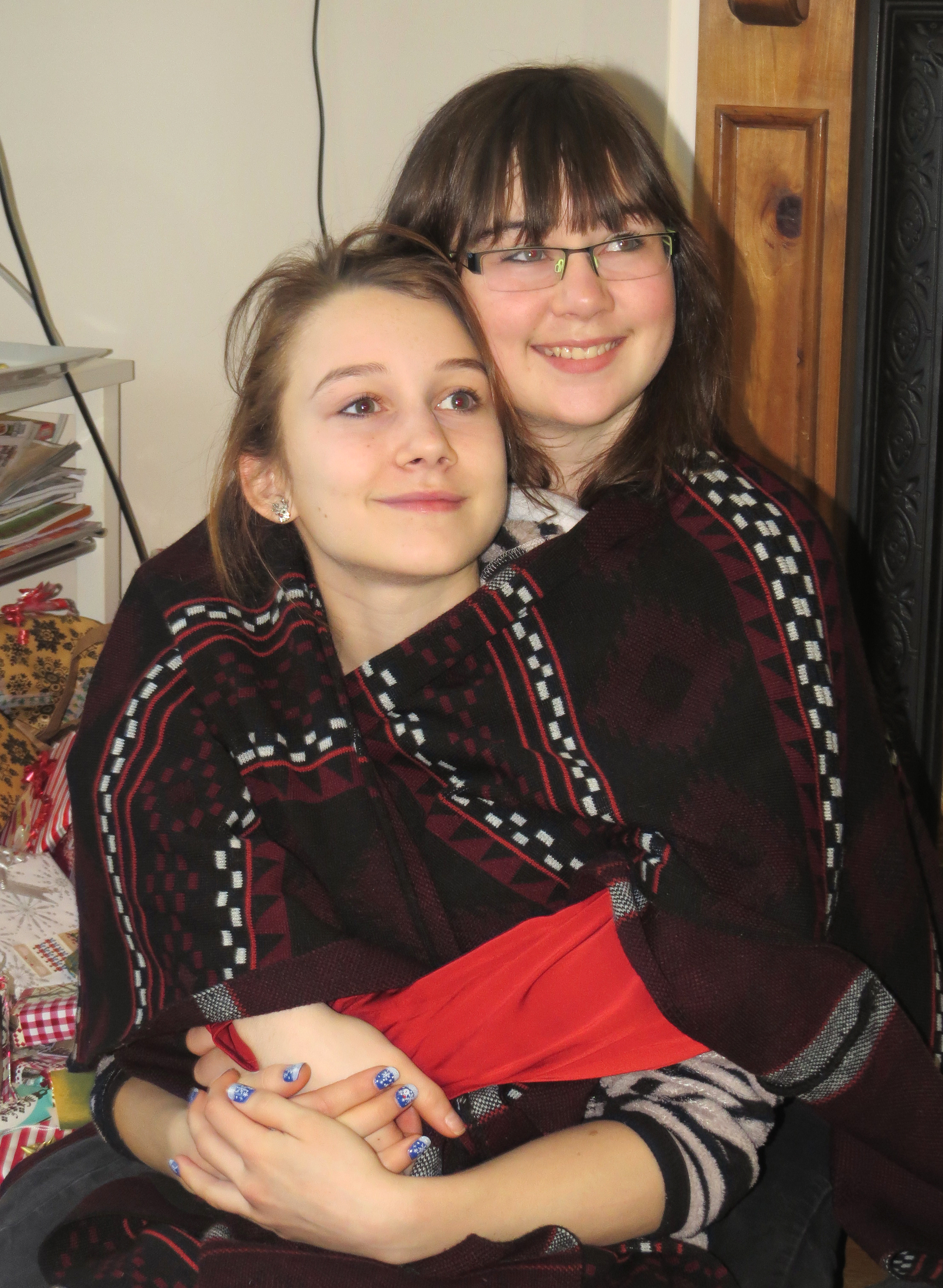
Sisters reunited. Amber has been living and working in Essex with her aunt and uncle since June, whilst of course Kara and Janis still live 100 yards up the road from us.
Merry Christmas from the Lewis/Dreosti family.
Kara shows off her new prom dress.
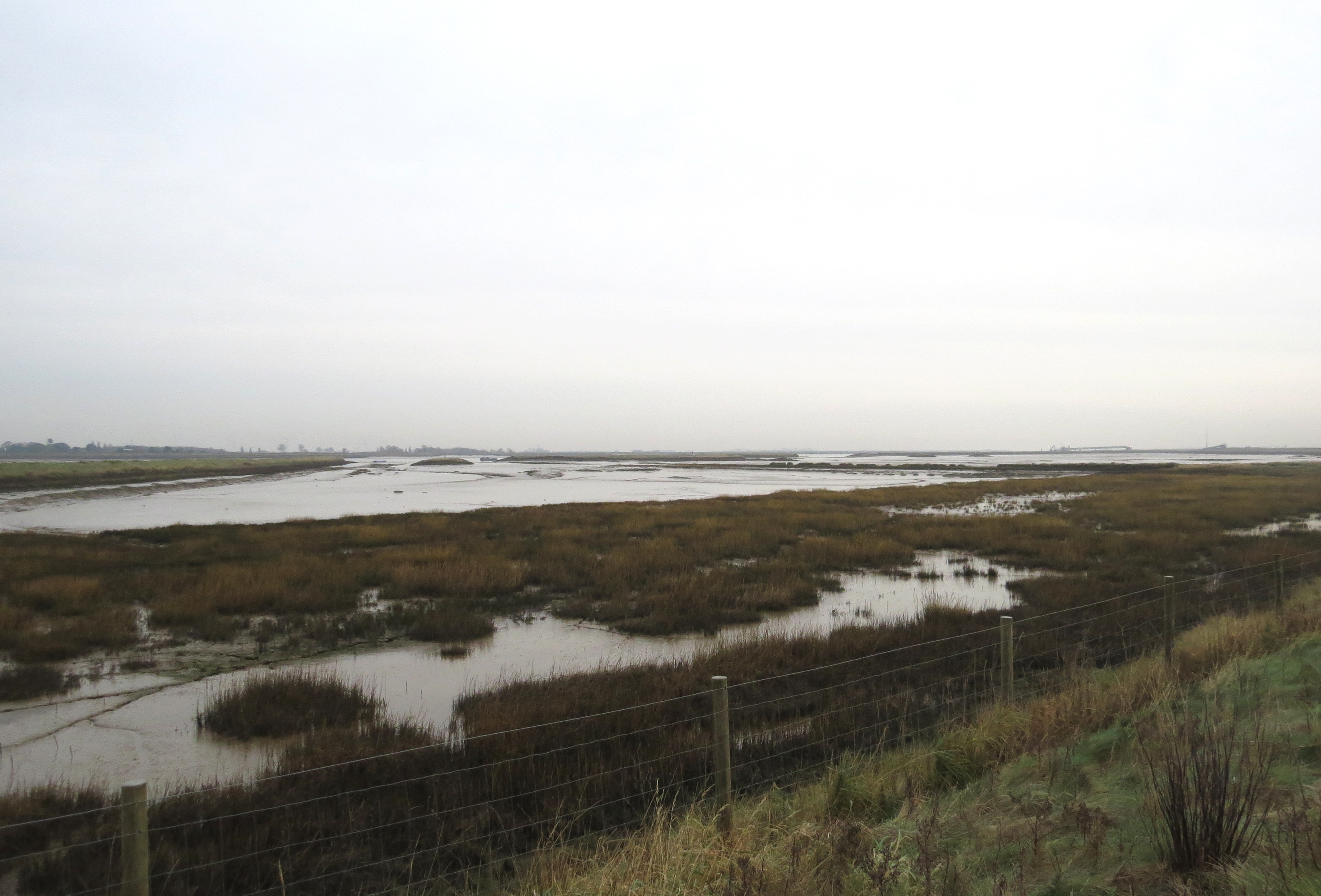
On Boxing Day morning Margaret and I drove to the new RSPB reserve at Wallasea Island, about 45 minutes to the south from Maldon.
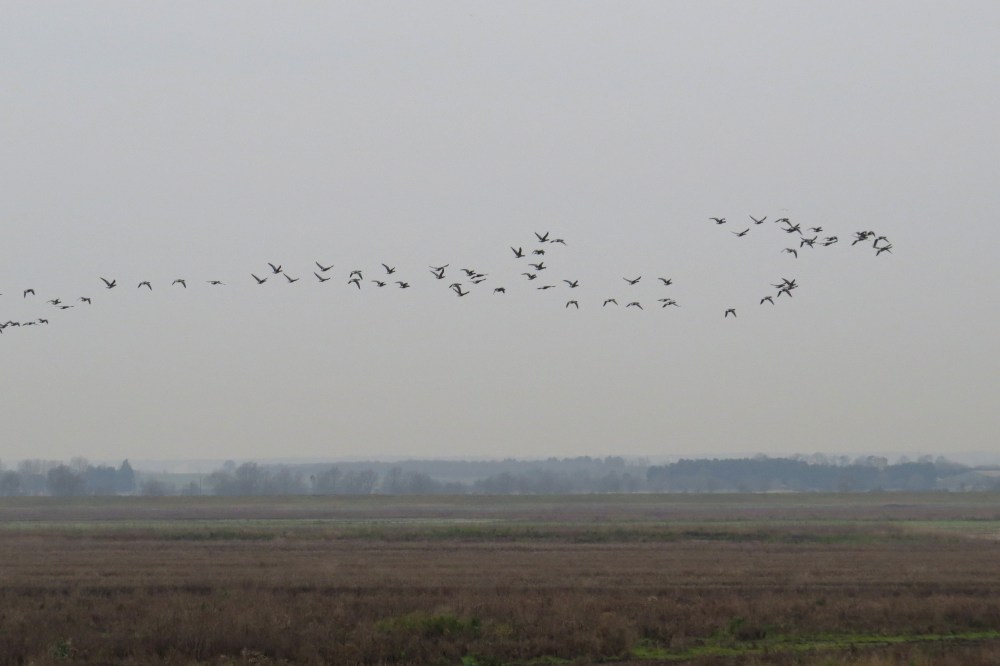
It was a grey day on the saltmarshes with the temperature hovering around freezing. There were many birds on the reserve, large flocks of Brent Geese were to be expected but it was the large numbers of Corn Buntings and Stock Doves (both relatively scarce in Dorset) that impressed me. We also saw up to four Marsh Harriers, a Peregrine, Merlin, Sparrowhawk, Short-eared Owl, Common Buzzard and several Kestrels but not the hoped for Rough-legged Buzzard.
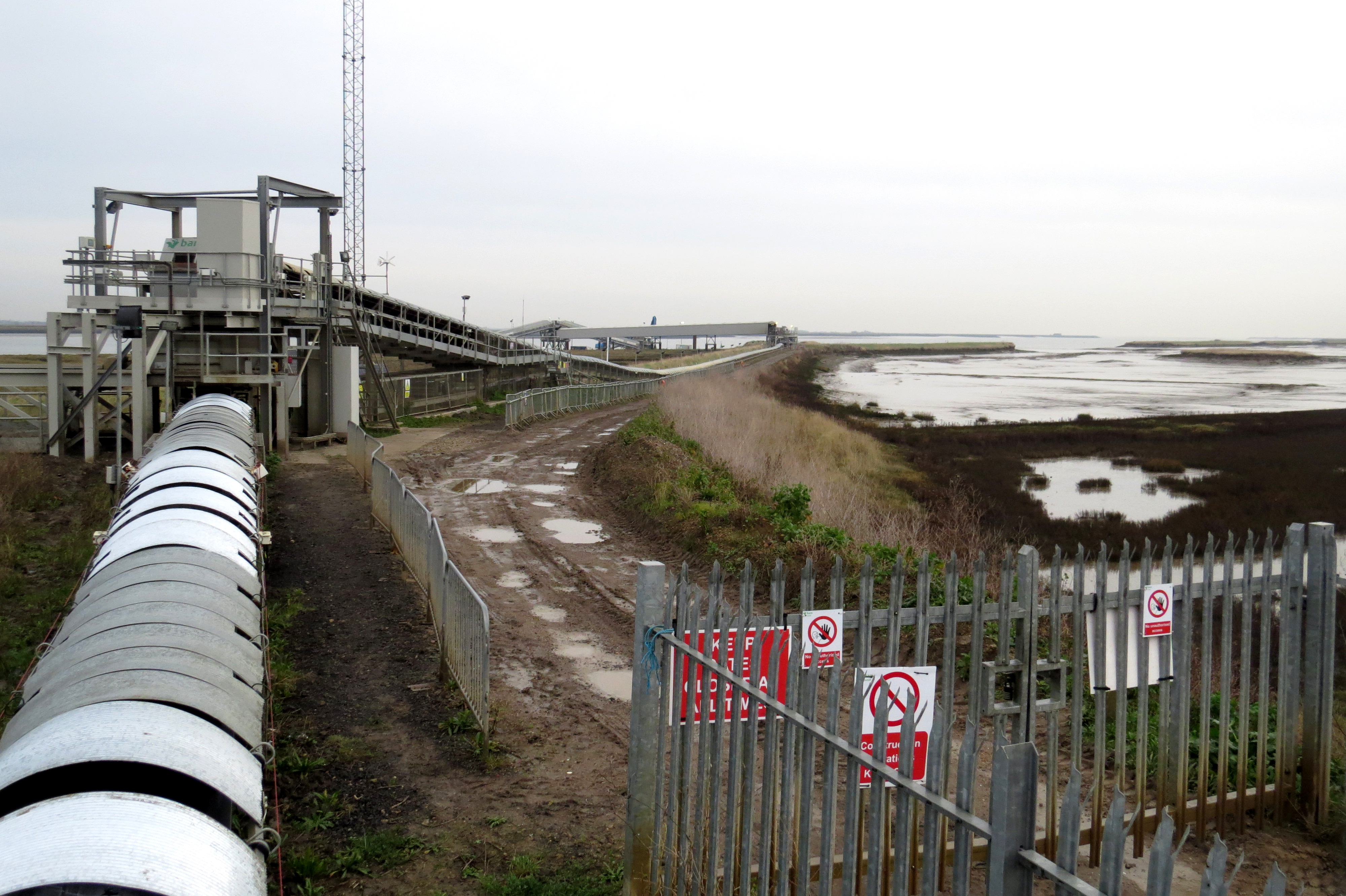
The reserve is undergoing a major development. Using spoil from the Crosslink rail project the land is being raised whilst basins are being created elsewhere. When completed the seawall will be breached in places allowing the basins to flood, so producing a mosaic of tidal lagoons, saltmarsh and rough grazing. The conveyor belt in the photo above is where the spoil extracted from beneath London is brought ashore from barges.
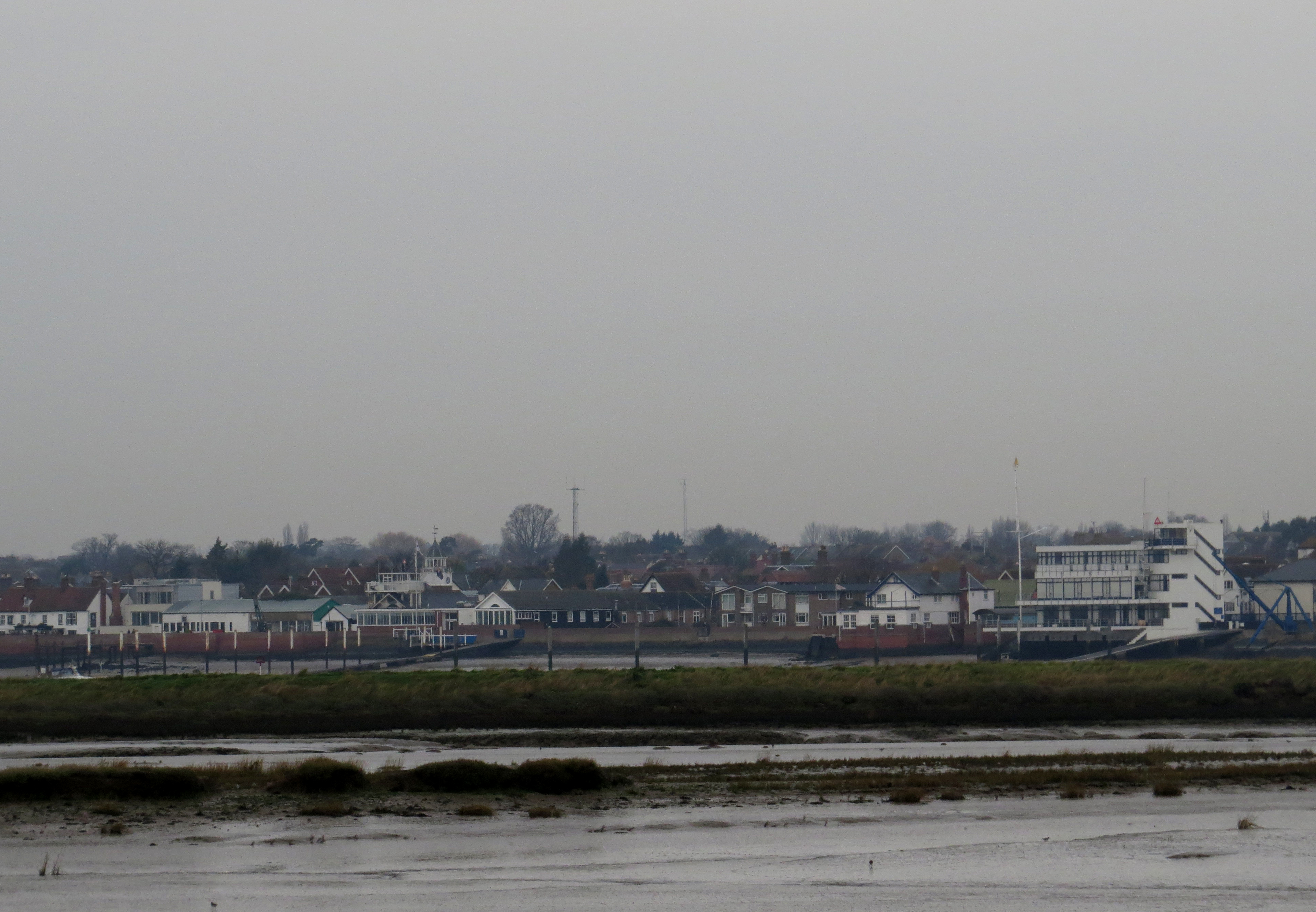
Across the river from the reserve is the town of Burham-on-Crouch. Whenever I see that name I am reminded of the excellent, if saucy song ‘Billericay Dickie’ by Ian Dury ‘Oh golly, oh gosh come and lie on the couch with a nice bit of posh from Burnham-on-Crouch’
On the 27th we left Essex and headed north to my brother’s place in Duffield, near Derby. On route we stopped at two sites in Suffolk, the RSPB reserve at Boyton and the famous archaeological site of Sutton Hoo. My reason for going to Boyton was to see the two Trumpeter Swans that have been present for the last couple of weeks, one of just five waterfowl species in the world that I have yet to see.
There has been some discussion at to whether these birds are wild or escapes from captivity. Arguments for them being wild are 1) they are unringed 2) the species is increasing rapidly in numbers in the USA due to re-introduction schemes 3) the species is partially migratory 4) there have been severe storms on the east coast of the States which may have induced dispersal out to sea 5) when they first arrived some staining, possibly iron oxide, was seen on the head, something that has been noted on Whooper Swans from Iceland and 6) another large bird from USA/Canada has occurred in the very same area – a Sandhill Crane in 2011. Arguments against are 1) they are adults, the vast majority of vagrants are first years 2) although the species is partially migratory, no really long distance movements have been noted and the swan is not found on the American east coast. The nearest population on the Great Lakes only makes short distance movements to ice free areas in winter and 3) they have arrived on the east coast when you would expect vagrants from America to arrive on the west coast or in Ireland, 4)the comparison with the Sandhill Crane is not really valid as that bird was a first year and had already made landfall in Scotland before moving south in stages, a pattern shared by the previous Sandhills in Britain.
There is almost always a case for and against a particular American vagrant being wild. If we were to give Chimney Swift, an undoubted vagrant, a score of 10 and Harris’s Hawk, a common falconer’s bird and a frequent escape, a score of 1, then I would allocate the Trumpeters a score of 4. Am I going to add them to my British list or my World list – no, am I glad I went to see them – yes, but only because I was in the area anyway.
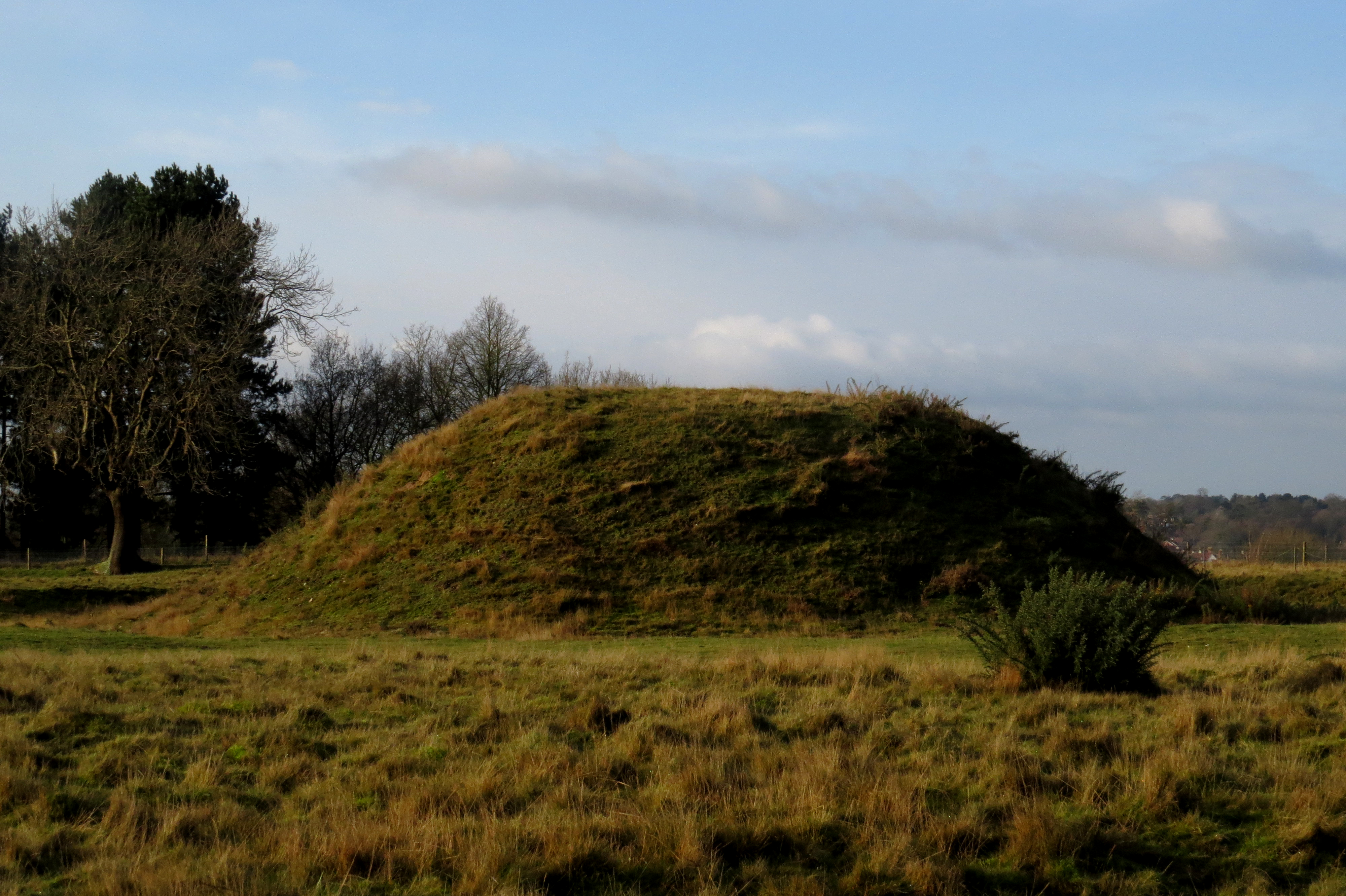
By the time we reached the nearby Sutton Hoo archaeological site of Sutton Hoo the weather had improved. In the late 30’s burial mounds on the site were excavated, many had already been plundered by grave robbers but one was intact and proved to be a ship burial of a Saxon noble, probably King Raedwald who died about 625 Ad..
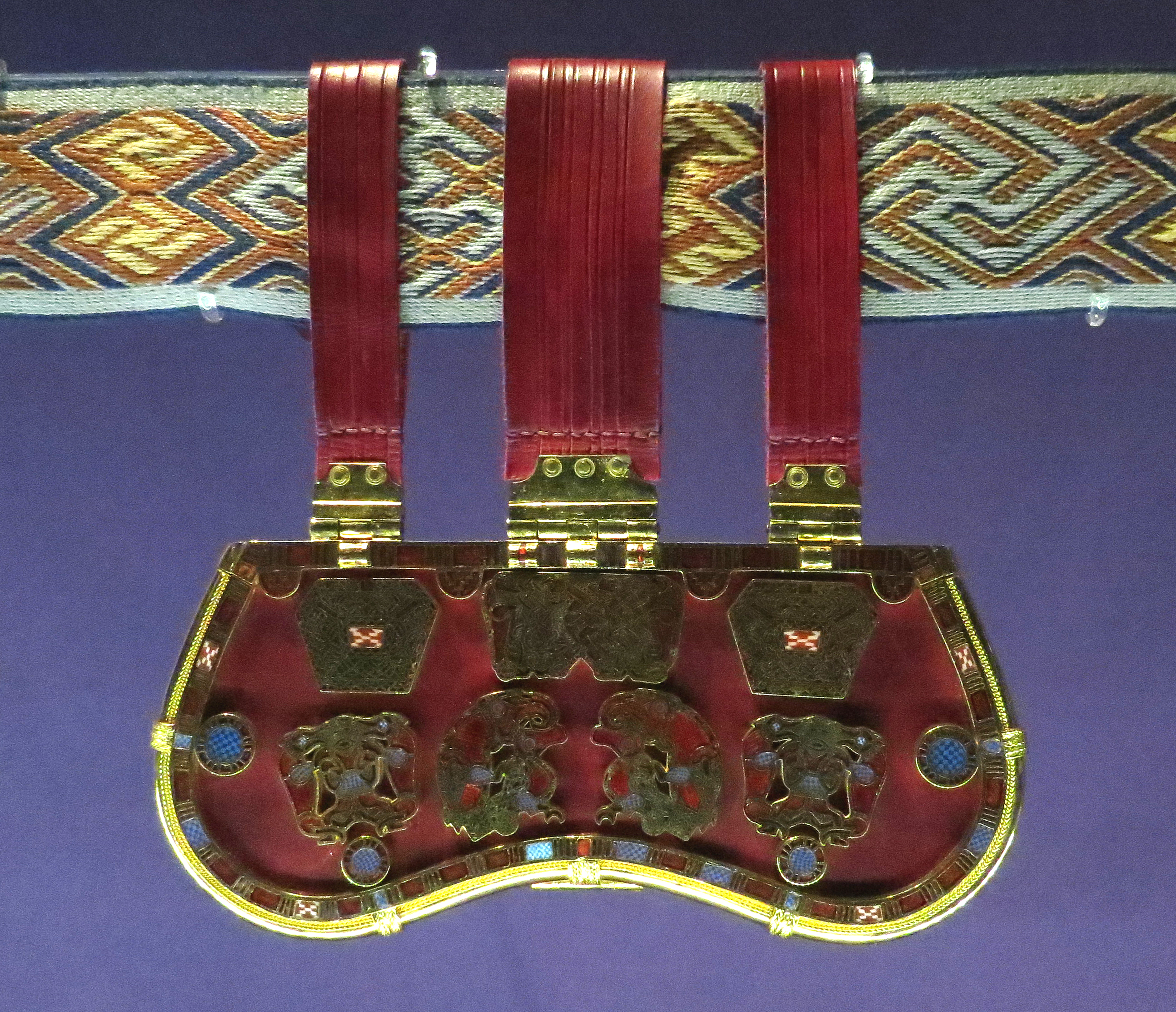
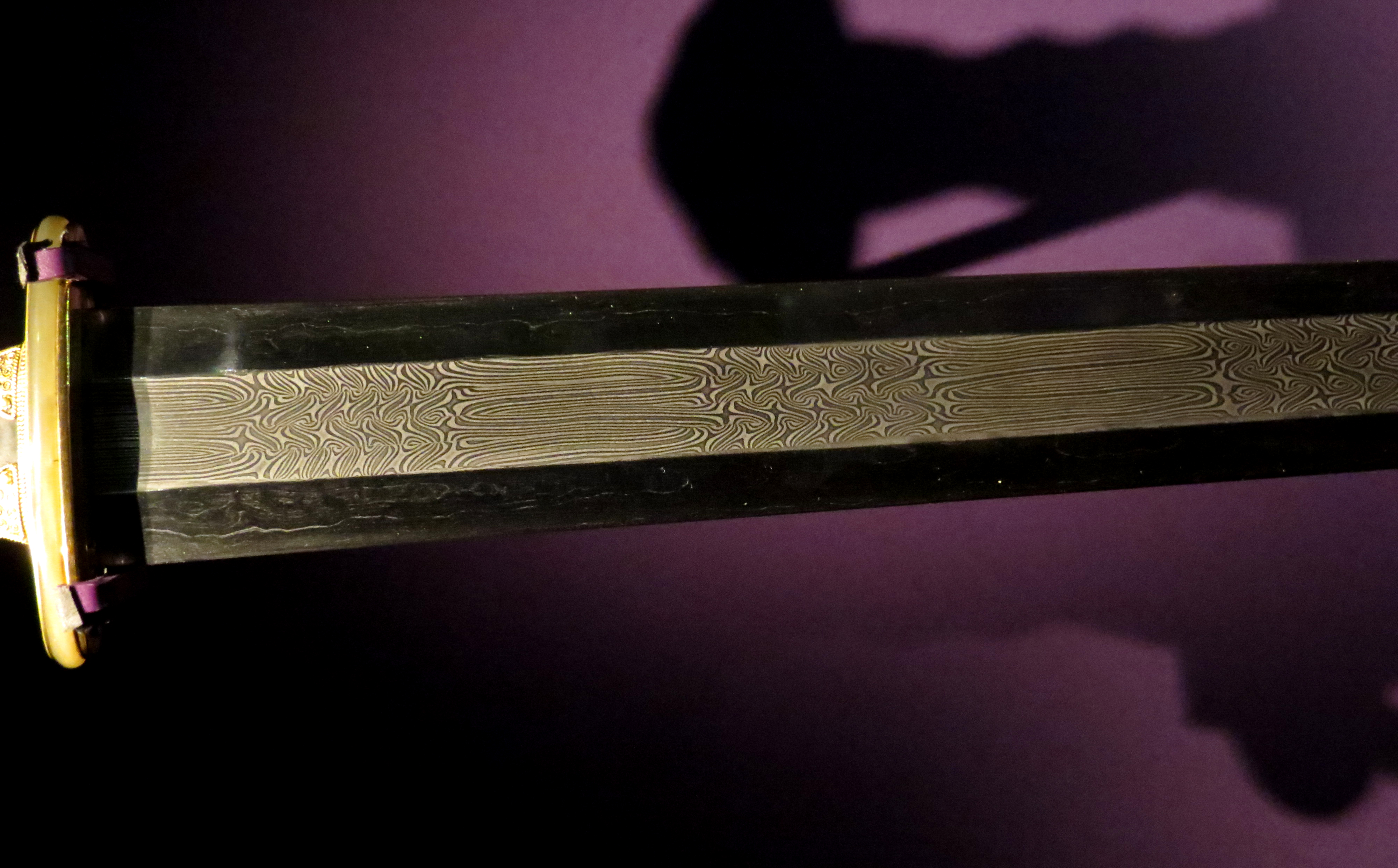
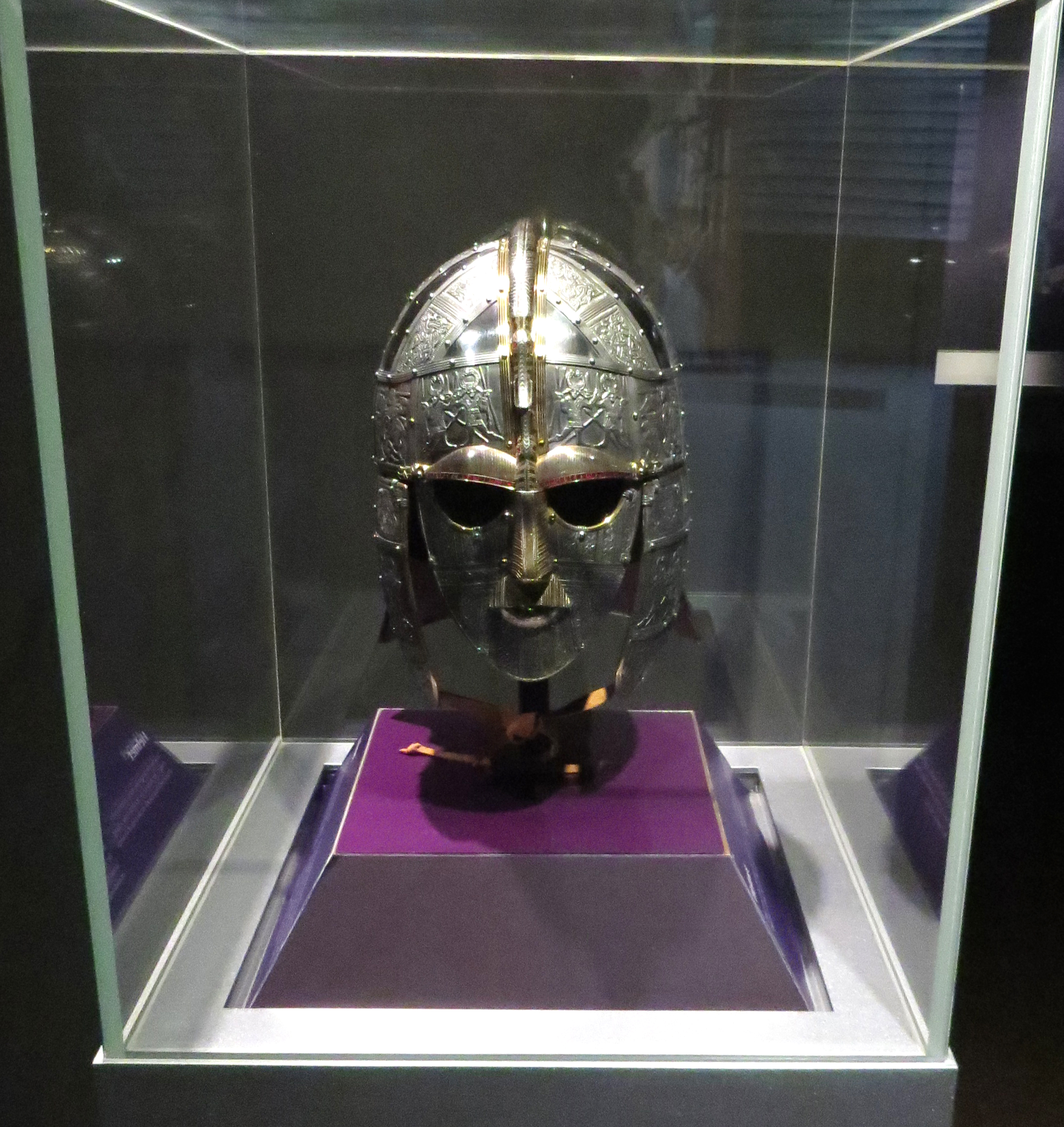
The grave was full of the most wonderful treasures, which are now in the British Museum, but replicas of some are on show at Sutton Hoo. Saxon’s are often thought to be uncivilised people from the ‘Dark Ages’ but these burial goods have shown they could produce the most wonderful artifacts like this gold and enamel purse ….
…. the fabulous metalwork of this sword ….
…. or this helmet.
The visitor centre had a recreation of the ship that the king was buried in. His body was laid out surrounded by the goods that he would want to use in the afterlife.
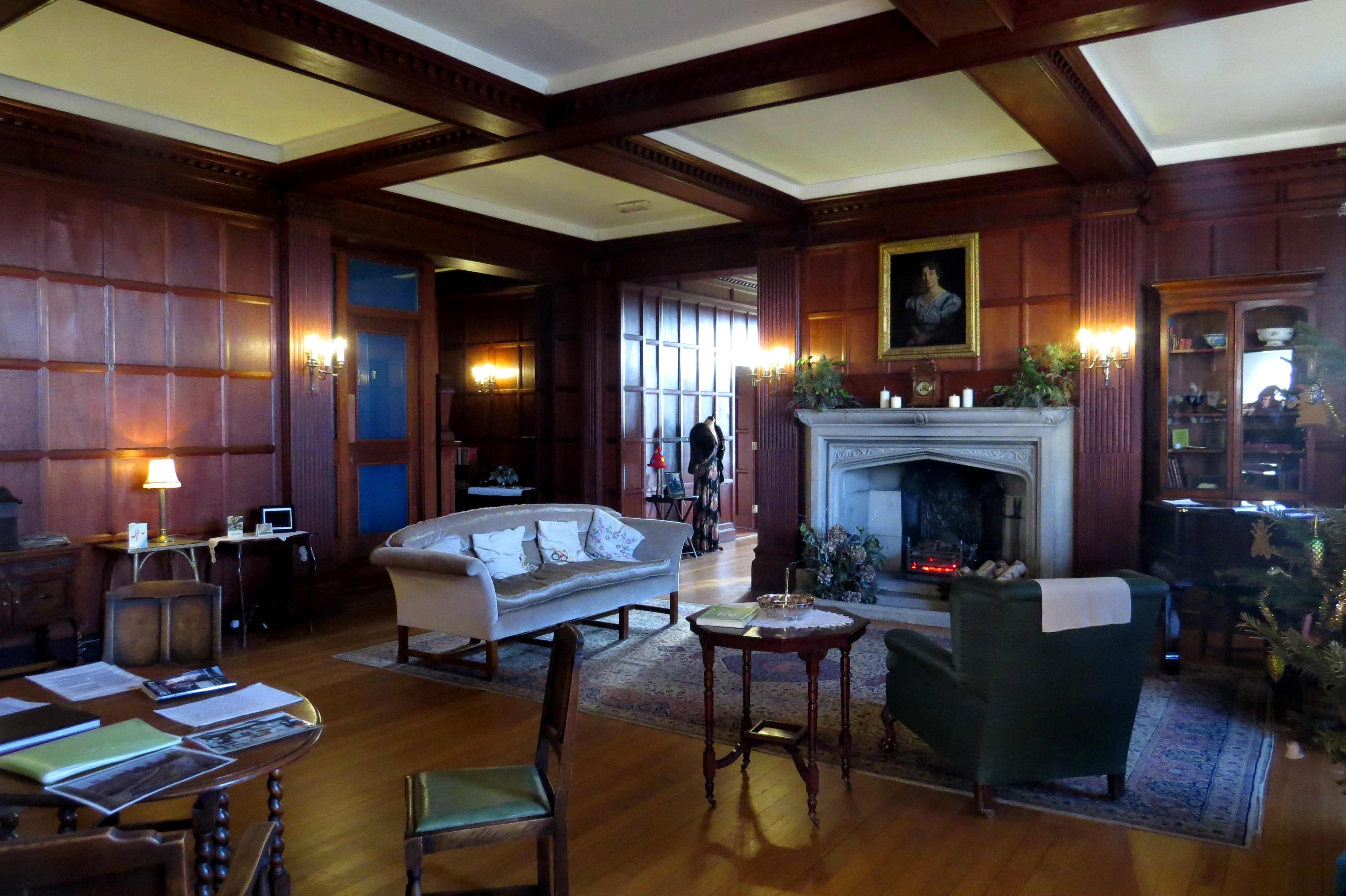
One floor of landowner’s Edwardian Manor House has been preserved as it was at the time of the excavations.
When we arrived in Derbyshire we found that the rain we experienced in East Anglia had fallen as snow further north. The following day we drove north into the Derbyshire Dales and found a picture postcard landscape.
Our destination was the scenic Carsington Reservoir where we saw some great birds, a pair of Bewick’s Swans and a flock of 300 Pink-footed Geese flying between their wintering grounds in Norfolk and Lancashire.
With the cold conditions plenty of birds, such as this Dunnock, were coming to feeders.
I was particularly pleased to get views of Willow Tut, a species that has long been extirpated from Dorset.
These two photos show several of the subtle features that separate Willow Tit from the similar Marsh Tit. Willow Tits have a duller crown, thicker neck, a pale wing panel, a more diffuse border to the bib, a subtle gradation from the cheeks to the side of the neck, lack of a pale patch at the base of the bill and a smaller difference between the length of the longest and outermost tail feathers. In spite of all these fine pointers the best ID features remain the vocalisations.
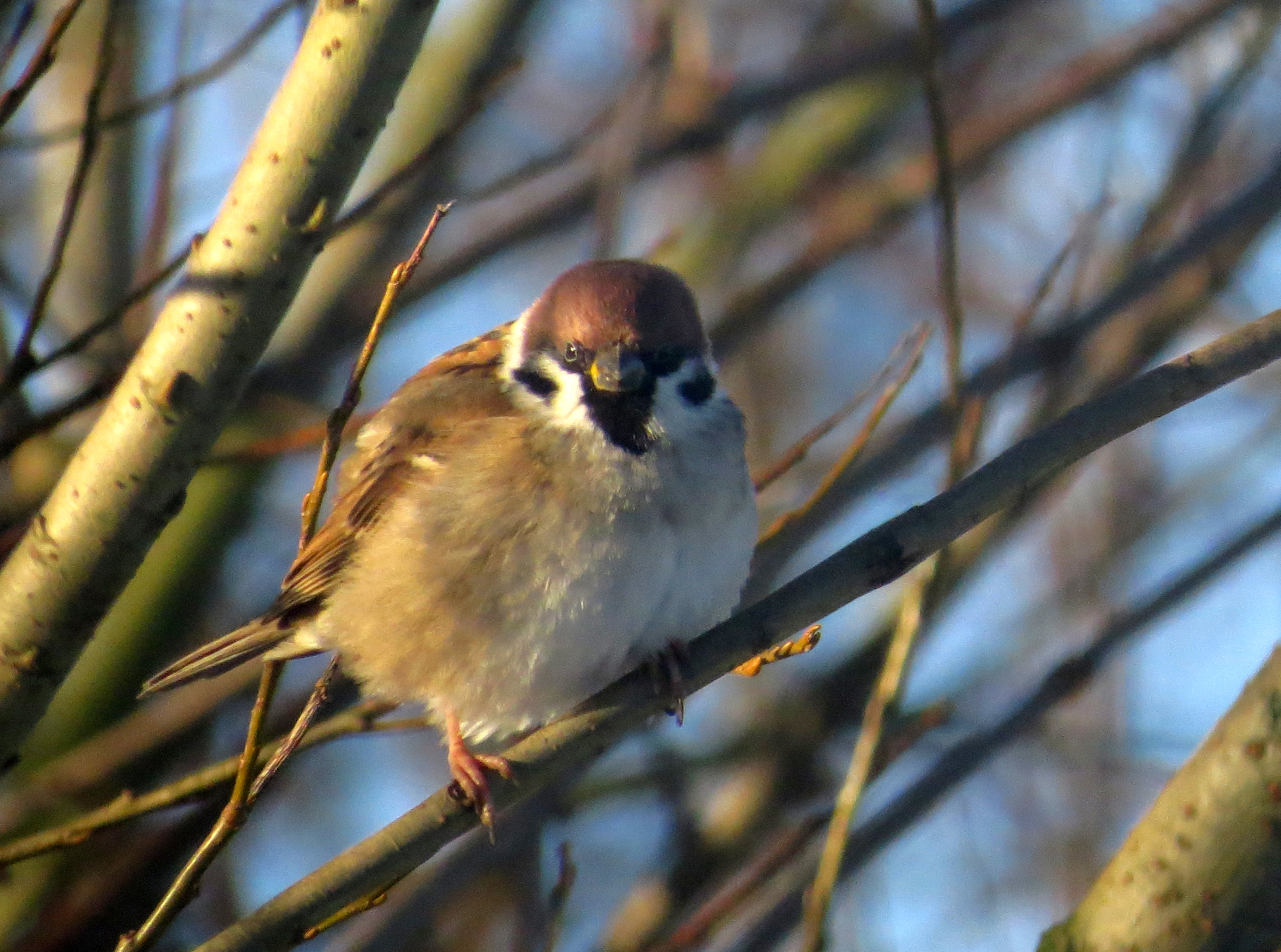
Another bird that we seldom see in Dorset but which is delightfully common at Carsington, is Tree Sparrow.
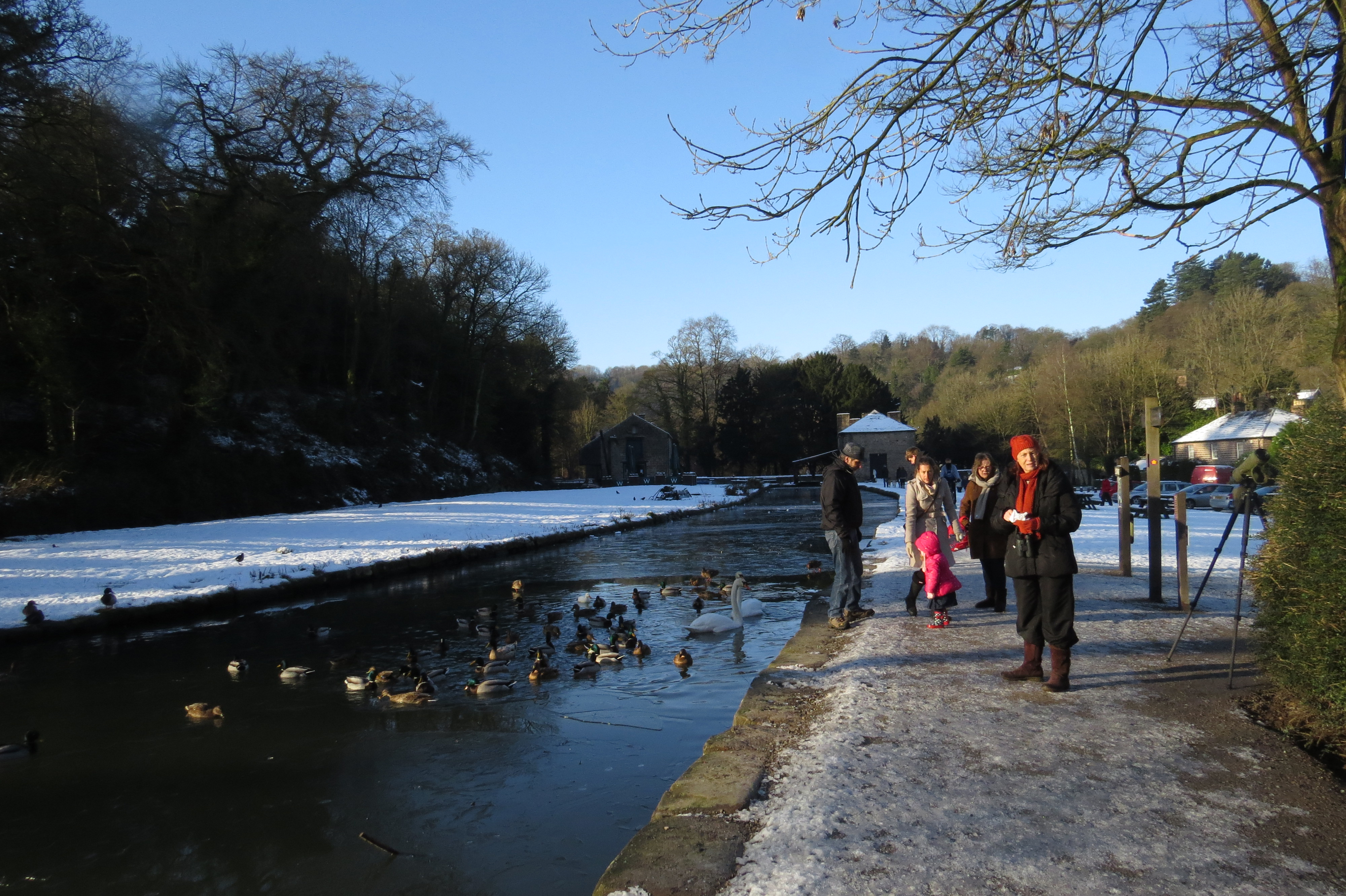
Later we went to the nearby Cromford Mill, a site where Hawfinches are often reported but are never there when I visit. This actual mill is considered to be the birth place of the industrial revolution. The canal which once brought materials to and from the mill is now a pleasant place for a walk or a spot to feed to feed the ducks.
During our time in Duffield we spent some time with my brother and his family and also visited several of my old friends. We picked up my old school and Uni mate Nigel (sat next to Margaret) and visited friends from school and also Di who was at University with me and her husband Steve.
We didn’t do anything to celebrate New Years Eve and just ended up seeing the New Year in by watching the Queen concert and the fireworks on the telly.
We are very thankful to Mark and Mo Constantine for putting on their annual bird boat around Poole harbour on New Year’s Day. About 65 birders took up their kind offer and we had a good social as well as some good birds. Only a few are in this shot as most are upstairs enjoying the birding upstairs.
Poole Quay was busy and parking places hard to find due to the crowds watching the annual New Years Day raft race which seemed to involve all contestants getting thrown into the water.
It was a very low tide and the boat couldn’t get around all the islands as a result we didn’t visit the area to the west of Brownsea which often holds interesting ducks or Arne where most of the Spoonbill flock hangs out. However we did see this Spoonbill near the boat near Ower Quay. Not being able to complete the circuit was to our advantage as when we retraced our steps we came across a Black Guillemot near Brownsea Castle. This is the first time I’ve seen this species in Poole Harbour. I didn’t get any photos but some along with another account of the bird boat have been posted on Steve Smith’s excellent blog at http://BirdingPooleHarbourandBeyond.blogspot.co.uk
After the boat docked Margaret and I drove round to North Haven and the mouth of Poole Harbour where in spite of the crowds going for a New Year’s Day walk these Purple Sandpipers were dodging the incoming waves.
An arctic breeder ‘purps’ winter on rocky shorelines, in Dorset this means they are seldom seen away from Mudeford Quay at Christchurch, the North Haven in Poole, Portland Bill and the Cobb at Lyme Regis.

































 gryllosblog
