Archive for the ‘Uncategorized’ Category
The Aquatic Warbler is a scarce inhabitant of marshy areas and sedge beds in eastern Europe and has the dubious distinction of being the most threatened passerine in Europe. The bulk of the breeding population, estimated at 12 – 14,000 pairs, is centred on eastern Poland, southern Belarus and northern Ukraine. Small and critically endangered populations exist in western Siberia and northern Poland / northern Germany.
Post breeding the many migrate westwards through the Low Countries and northern France before turning south towards their winter grounds in Senegal, Mali and Mauritania. The main wintering area appears to in Djoudj National Park in northern Senegal where between 20 – 60 % of the world population may occur.
.

.
The purpose of this posting is to draw attention to this declining species and to highlight Stour Ringing Groups involvement in monitoring its migration.
Although always scarce, the above map shows how much the range has contracted in recent years due to habitat destruction. In addition places like Djoudj National Park in Senegal have had water diverted for agricultural development resulting in a huge loss of wintering habitat.

Much of the extensive wetlands in Djoudj National park, Senegal have been lost since this photo was taken in 2005.
Breeding Aquatic Warblers can easily be seen in eastern Poland in the Biebzra marshes or in Hungary on the Hortobagy. in the UK birds there was once a reasonable chance that juvenile birds could be found at Lodmoor RSPB or at Marizion in Cornwall in the last ten days of August. However in recent years very few have been seen in the field.
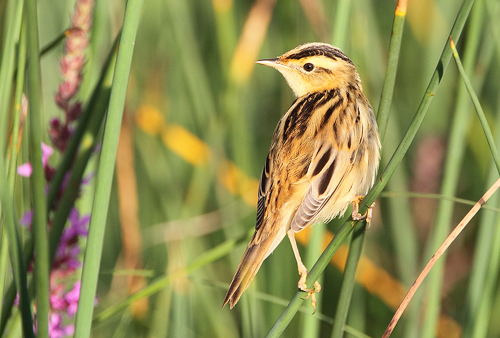
Aquatic Warbler – Holland – photo by James Lidster.
A similar drop in numbers ringed has occurred in recent years. In the 70’s birds were regularly ringed at Radipole with 22 trapped in one year. This relatively high capture rate led to the species being removed from the British Birds Rarities Committee list in the mid 80’s.
Stour Ringing Group ringed at Lodmoor from 1979 until 1982. Our first Aquatic was trapped in August of that year. As a new trainee I was ringing with Trevor Squire on 22/9/79 when the second was caught. It was made clear that I was extremely lucky to be allowed to ring such a great bird so early in my ringing career. A further 11 birds were trapped between then and 1982 when the RSPB took over management and withdrew our ringing permission.
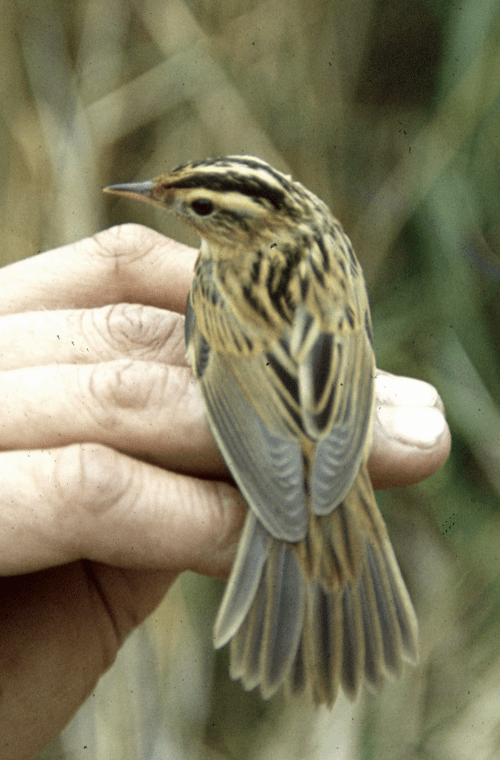
Aquatic Warbler Lodmoor 1979 – image taken from scanned 35mm slide

Aquatic Warbler Lodmoor 1979 – image taken from scanned 35mm slide
In August 1983 I obtained my permit and started regular ringing at Lytchett Bay. on 23/8/83 I trapped an Aquatic Warbler one evening. This remains the only Aquatic caught away from the early morning period and was one of only five or so birds trapped that evening.
In the late 80s I did some ringing at Keysworth near Wareham. Realising the potential of the site, the whole group got involved and a considerable amount of manpower and netting was deployed. Also tape lures were used for the first time. This proved very productive and the following were ringed 20 in 91, 13 in 92, 7 in 93, 17 in 94, 5 in 95, 4 in 96, 11 in 97 and 4 in 2000. The low numbers in 95 and 96 and the blanks in 98 and 99 were due to reduced coverage. At the end of this period there was a change of land ownership and we were unable to continue. As well as the expected first year birds we trapped a number of highly bleached and abraded adults. These were a creamy colour with chocolate brown streaking and tails so worn that only the shafts remained.

This is sight that is unlikely to be repeated for a long time. Keysworth, Wareham August 1994. Image taken from a scanned print.
From 2001 to today ringing effort has returned to Lytchett Bay, a mere 4km north-east of Keysworth. In spite of considerable effort including the use of tape lures and signing up to the Europe wide investigation into Aquatic Warbler distribution, not a single bird has been trapped up to 2010
What is the reason for this huge decline?
-
Is Lytchett that much poorer for the species that Keysworth? maybe, the reed bed is smaller, we use fewer nets, but you would have expected at least a few to be caught at Lytchett.
-
Has the population crashed since 1997? the decline continues, but the change could not have been that rapid. Numbers ringed on the continent have not reduced that much during the period concerned.
-
Is the weather to blame? Probably yes. During this period the number of field sightings have dramatically declined, with few records from Lodmoor, Christchurch Harbour, Portland or West Bexington / Cogden. For the last decade August has been dominated by westerly winds. Aquatic Warblers that migrate to northern France / the Low Countries may arrive here by ‘drift migration’ if the wind is in the south or east.
-
This August for the first time for years the wind was easterly at the critical time and an Aquatic was trapped at Lytchett Bay on 20th August (regrettably I was in Derby doing decorating at the time)

Aquatic Warbler Lytchett Bay 20th August 2011 and the 95th to be ringed by SRG. Photo by Shaun Robson
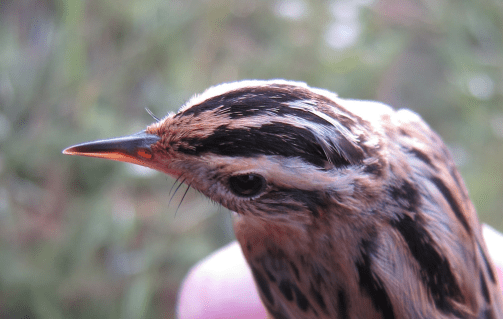
Aquatic Warbler Lytchett Bay 20th August 2011. Photo by Shaun Robson
In conclusion: 1) choice of ringing site and ringing effort has reduced the numbers trapped by Stour Ringing Group, 2) breeding and wintering habitat destruction has produced a slow decline in the world population but 3) weather conditions seem to have caused the enormous reduction of birds seen or ringed in Dorset over the last decade.
The ongoing ringing of this species Europe wide allows continuing monitoring of the migrant population and the retrapping in the UK of several Polish ringed birds proves the origin of our birds. However only the protection of the vulnerable wetland habitats in eastern Europe and the oasis of Djoudj National Park and similar areas in Senegal, will ensure long-term survival of this enigmatic species.
For further information including a correlation of arrival dates with wind direction see an article I wrote in the Dorset Bird report for 1995 and for up to date information on this species see
http://www.aquaticwarbler.net/sar/
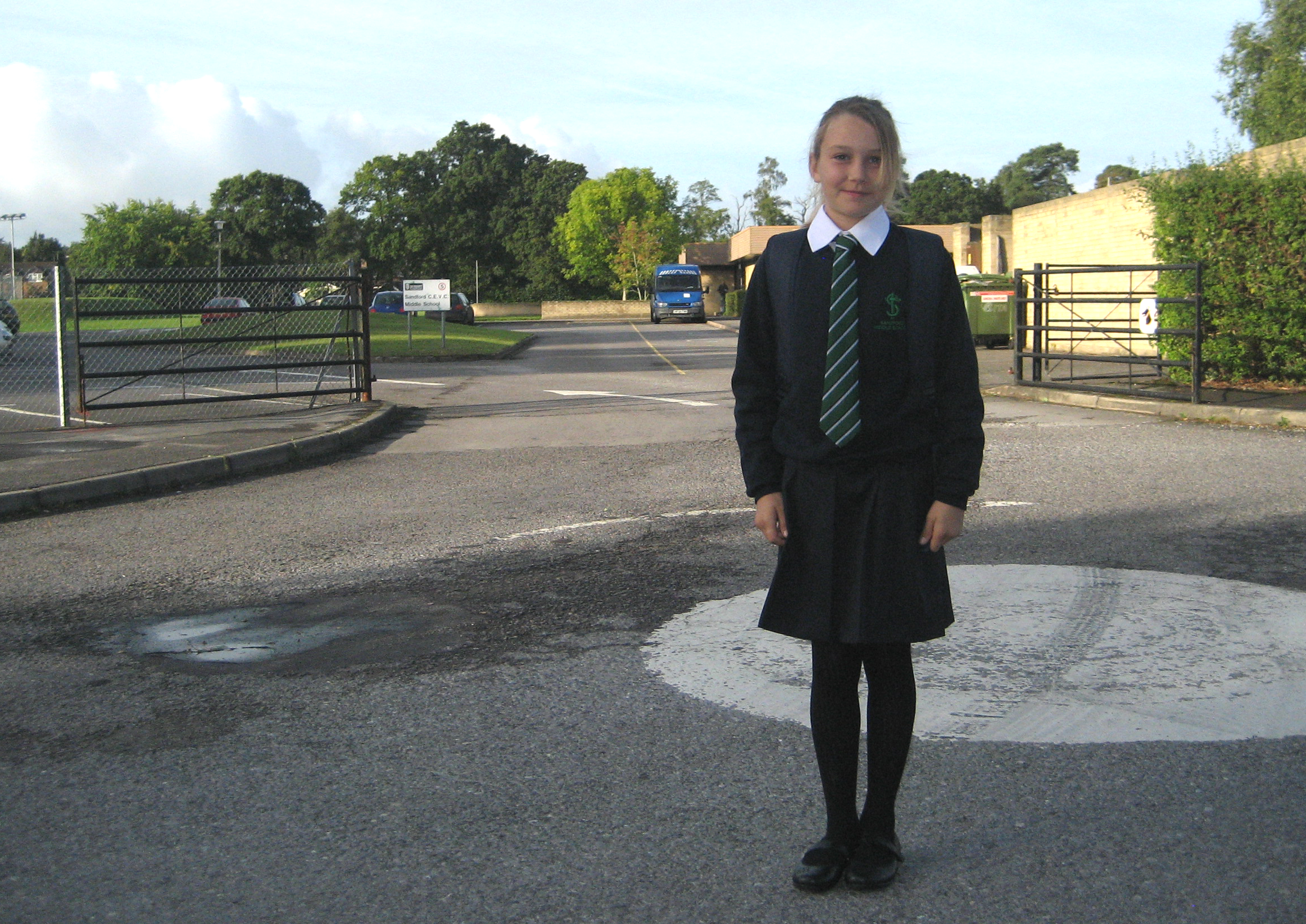
Life keeps bringing new experiences. For the first time in my life (and at the age of 60) I did the school run. I don’t intend to make this a daily event, but as the grandchildren were going to proper school for the first time in three years and were unfamiliar with the bus routes, I thought I’d do the honorable thing and take them.
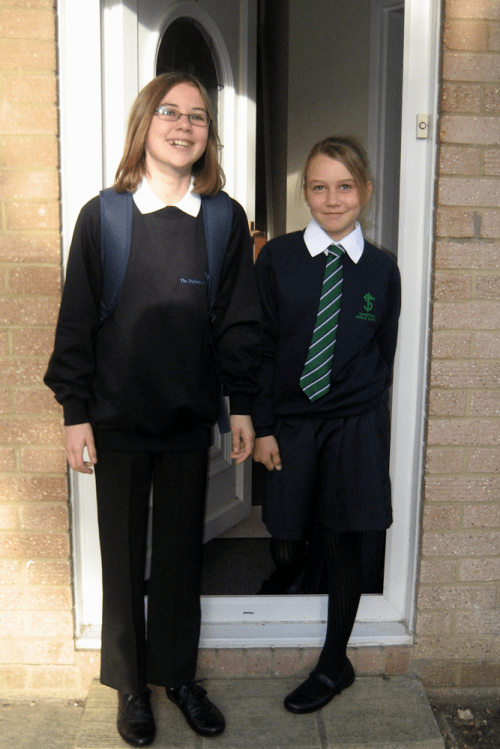
Kara had never tied a tie before. Margaret demonstrated how yesterday and Kara later told me ‘I expected her to tie it in a granny knot, after all she is the granny’

Unfortunately the girls have to go to different schools, Kara to Sandford and Amber to Wareham ..
Later I went to Lytchett Bay for a couple of hours, still too windy for ringing, but a wander around turned up a Great Crested Grebe, three Common Sandpipers by the sluice, a Green Sandpiper and 10 Little Egrets on the far fields, a scattering of Swallows, House Martins and Sand Martins, a Yellow Wagtail over, several Buzzards and an Osprey.

As the number of breeding Ospreys in the UK grows, the number that stop off in Poole Harbour in the autumn on route to West Africa increases, with up to 5 present in the harbour on some occasions.
With force six winds ringing was out of the question and searching for migrants was going to be hard work. The best option seemed to be seawatching at Portland, something I haven’t done since the spring. On arrival I found the wind was more westerly than south-westerly and only a few distant birds could be seen.
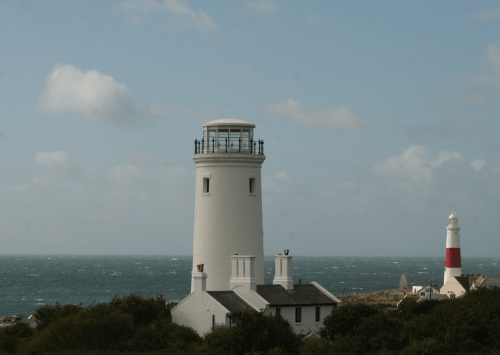
Even from the north side of the observatory the 'white horses' can be seen on the sea.
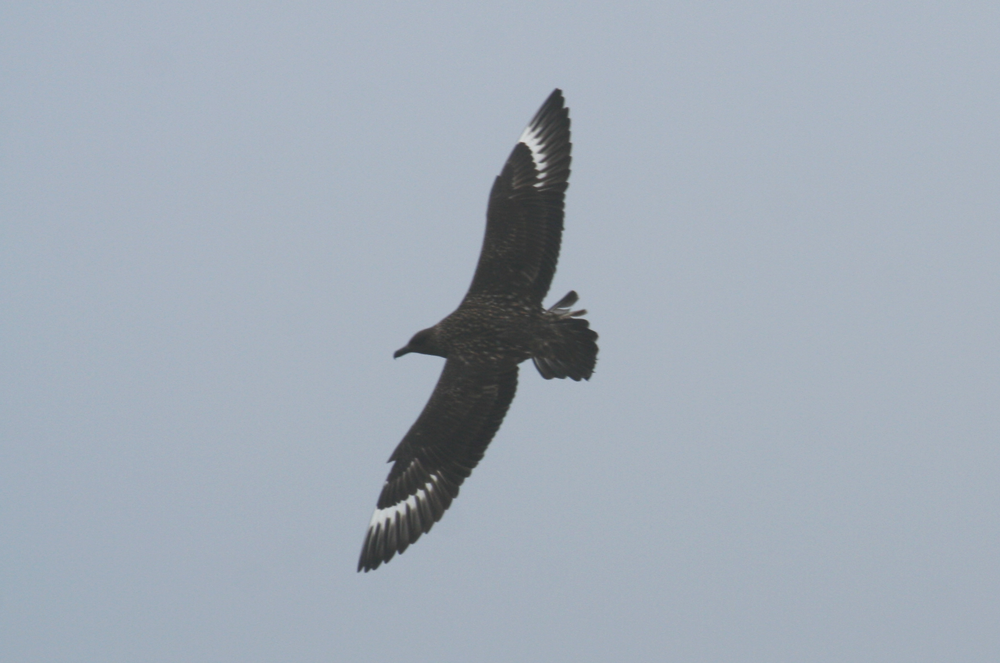
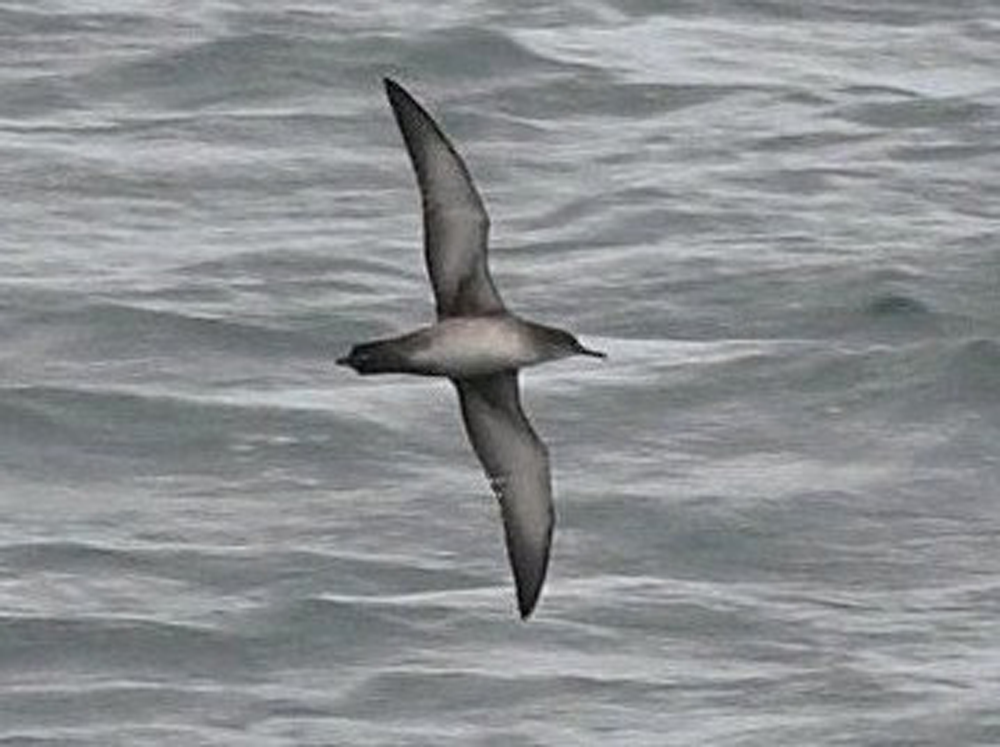
A single Bonxie (Great Skua) Sooty and Balearic Shearwaters were seen along with 20+ Manx Shearwaters. Photographing seabirds at this distance and this light would be impossible so I have included a few taken elsewhere / from the internet
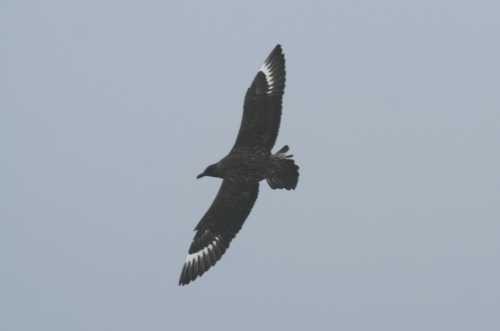
The kleptoparasitic Great Skua is more often known by its vernacular Shetland name of Bonxie. Lyme Bay September 2007
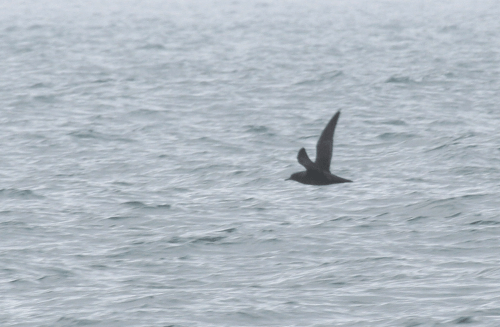
Sooty Shearwaters breed exclusively in the subantarctic, many 'winter' off the Grand Banks of Labrador and can be seen in the UK as they return in our autumn to the southern hemisphere. Photographed off West Bay September 2009
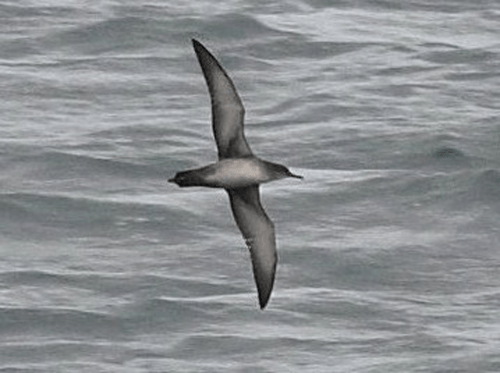
Balearic Shearwaters are closely related to Manx but are duskier below and slightly larger. Breeding in the islands of the same name, they are critically endangered due to predation by introduced mammals, but can often be seen post breeding in the Channel. Photo from the Internet.
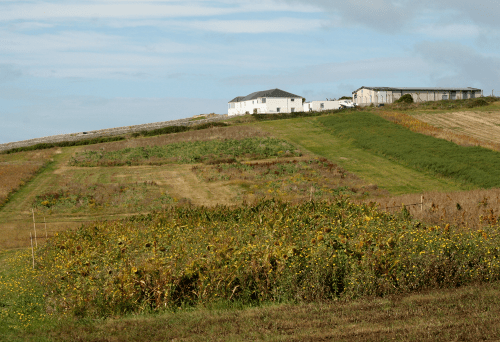
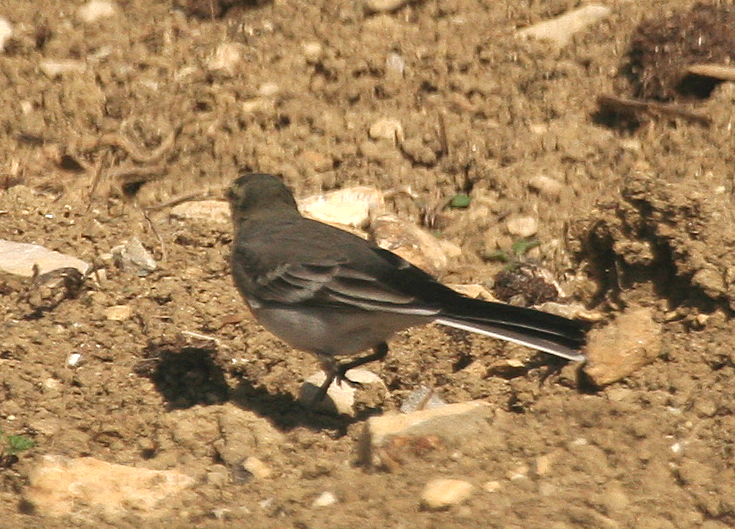
Opposite the observatory are the Crown Fields, managed as a bird friendly habitat, larks, Linnets, finches Wheatears and wagtails are attracted to the area.

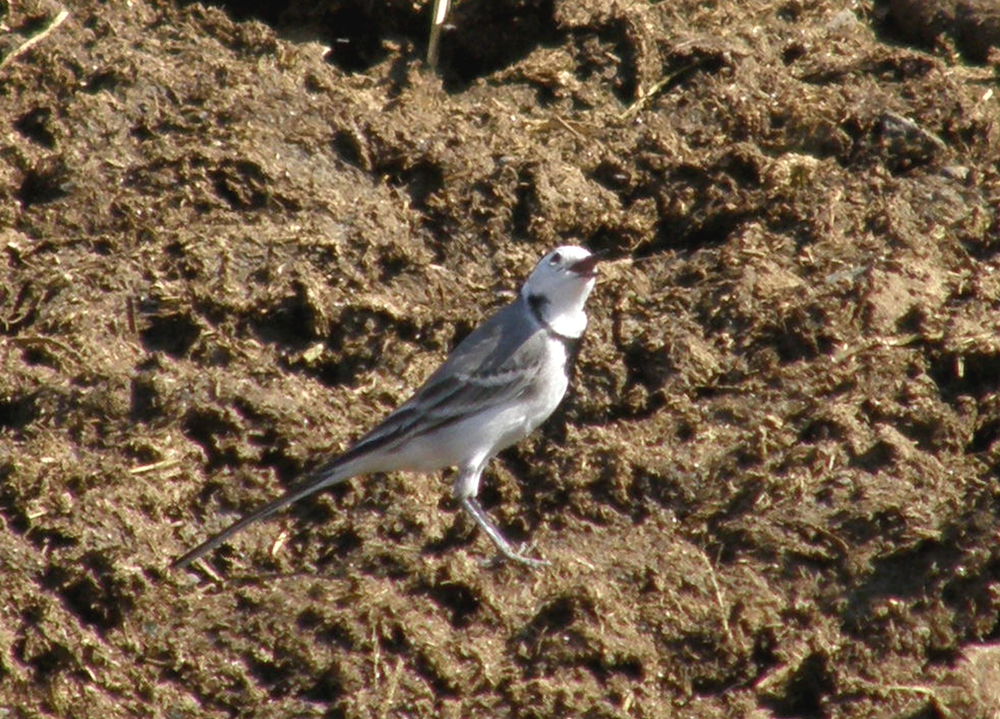
At this time of year migrant Pied Wagtails will be joined by White Wagtails from Iceland and Scandinavia. Adults are easy enough to ID but first years can be tricky (at least to my eyes). Pale flanks may indicate a White Wagtail but the black rump showing between the inner two tertials point towards a Pied.

For comparison: an adult White Wagtail photographed in Oman in November 2007
Took the day off from ringing or birding and took the family to the Dorset Steam Fair at Tarrant Hinton. Andy and Janis wandered around on their own and we took the kids with us.
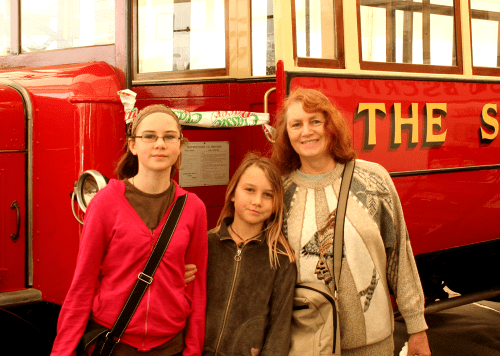
Amber, Kara and Margaret with vintage bus

The steam and smoke from the steam engines against an angry sky

I can remember steam rollers fixing the roads when I was a kid

but it was my father's generation who witnessed the travelling threshing machines going from village to village.

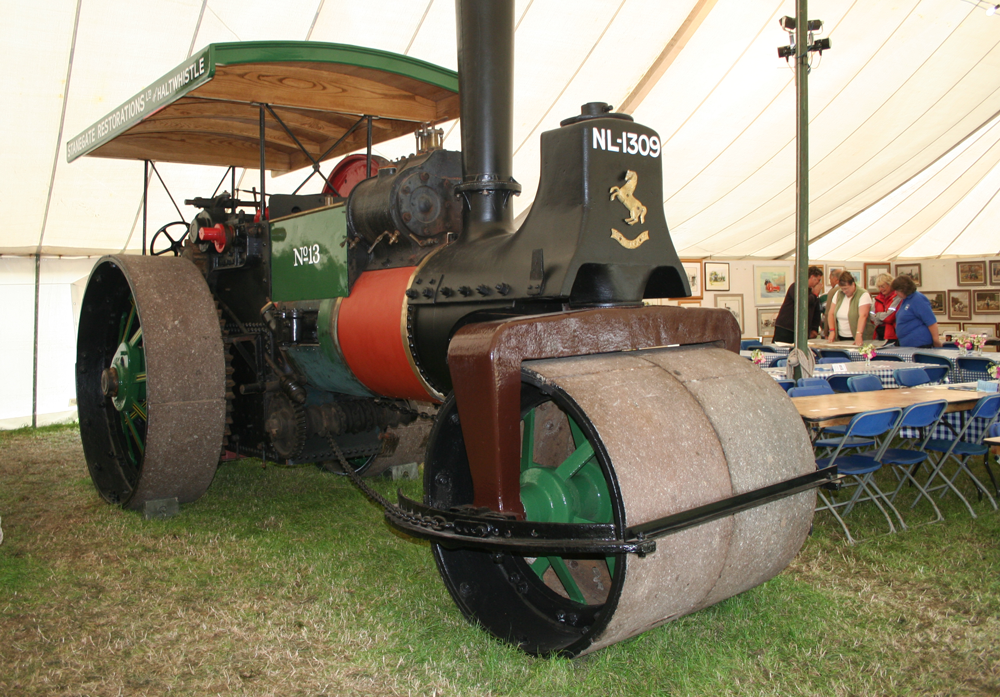
There must be hundreds of working steam engines at the fair...

...and beautiful old caravans with exquisite interiors
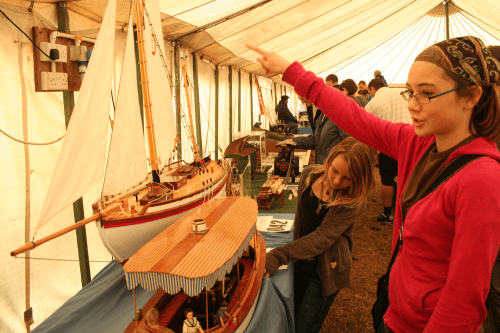
Many model enthusiast exibit at the Steam Fair, being boat children, the girls made a bee-line for this model yacht

The girls, of course, wanted to get to the traditional fun fair

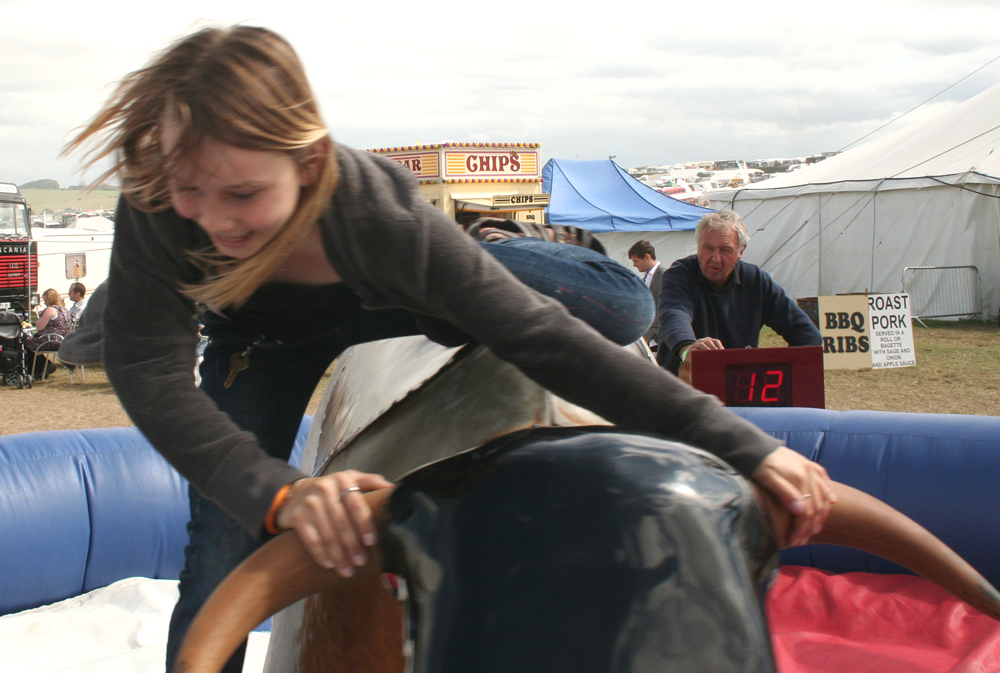
Amber on the bucking bronco

Amber off the bucking bronco

Kara on the bucking bronco

Kara off the bucking bronco

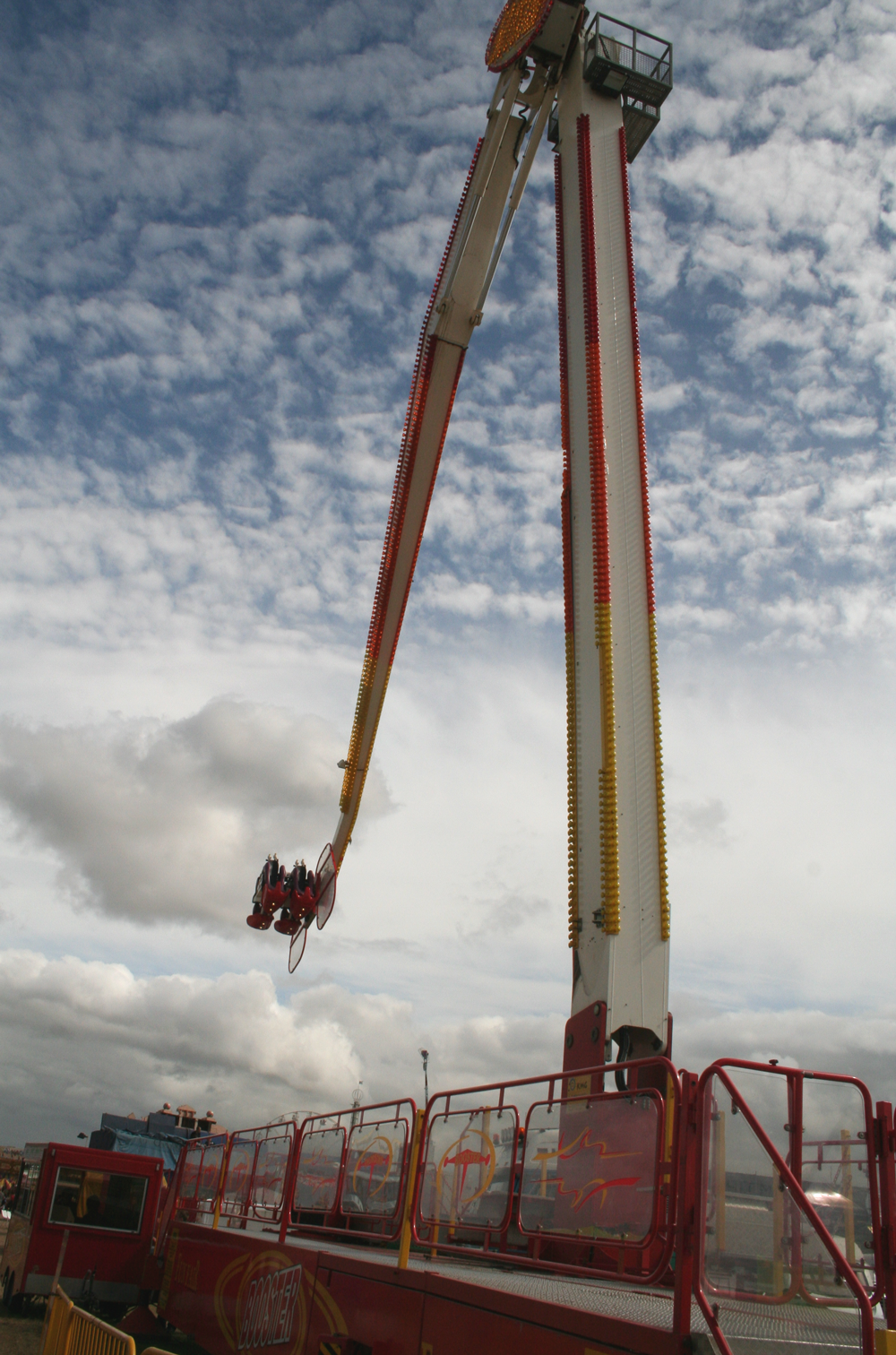
The girls loved the scary rides
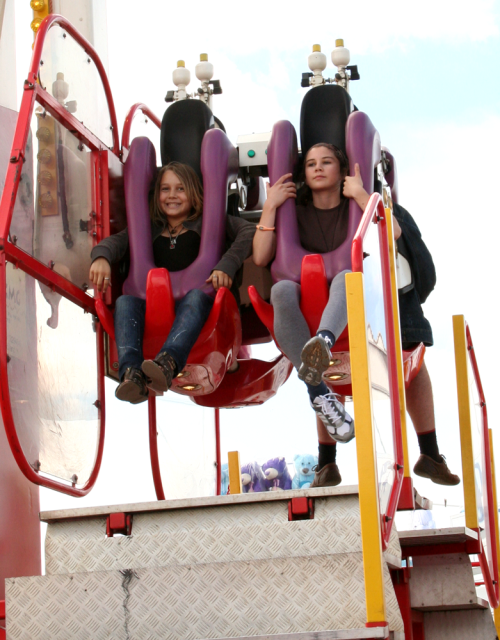
Rather them than me......

...particularly when it get up to speed.....

.... and you end up upside down.

I was physically forced onto a stage by the girls and made to do a humiliating dance

..but at least I got a hug from the pretty dancer.
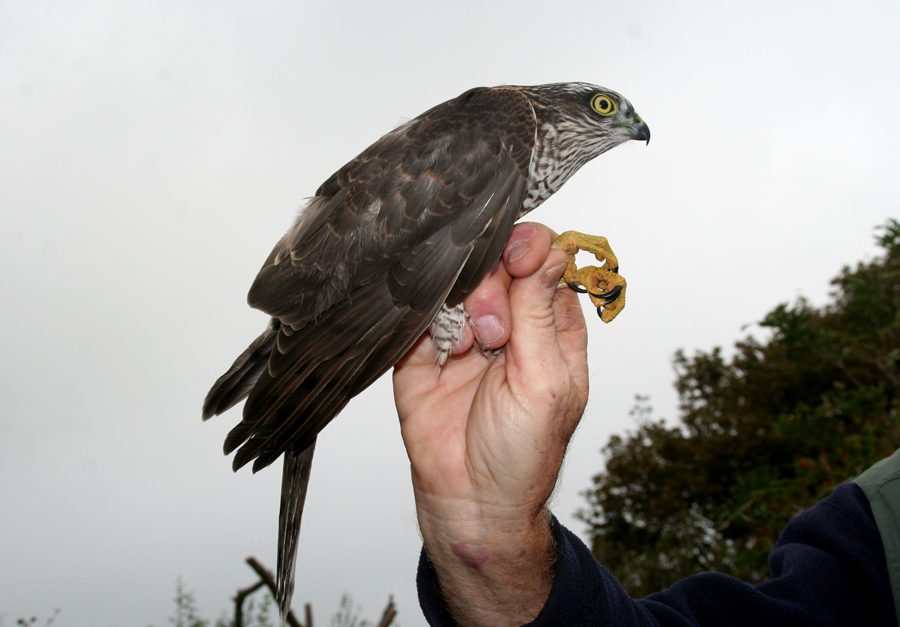
Ringing at Durlston was curtailed by an increasing wind. We had packed in by 0900 with 26 birds ringed. Highlight was undoubtedly a first year female Sparrowhawk. The female is considerably larger than a male, the largest male has a wing length some 10mm shorter than the smallest female and as I indicated in a previous post they take different ring sizes. This sexual dimorphism is claimed to be an evolutionary adaptation allowing the pair to hunt a wider range of prey, males catching birds up to thrush size, females can predate birds as big as pigeons.
This is the fourth Sparrowhawk we have trapped at Durlston. The capture of three immatures in the last few weeks either indicates very successful breeding nearby or migration through the area.

First year female Sparrowhawk
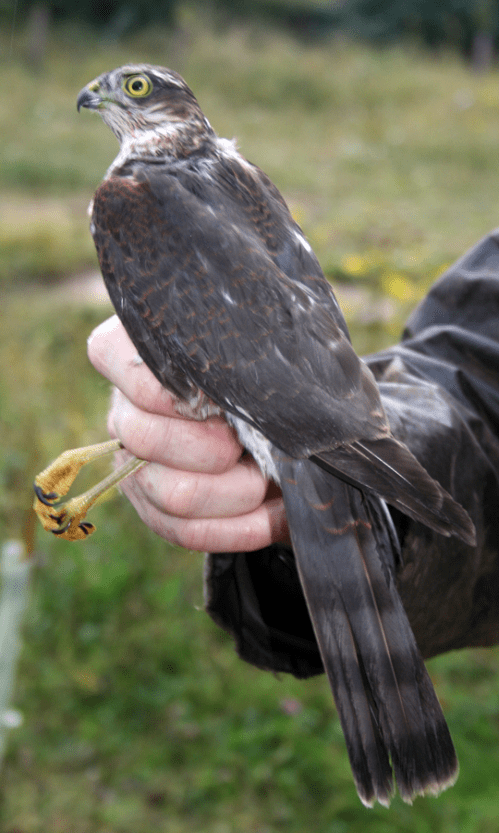
...although direct comparison isn't possible, the smaller size and slimmer proportions of this male trapped on 26th August can be seen
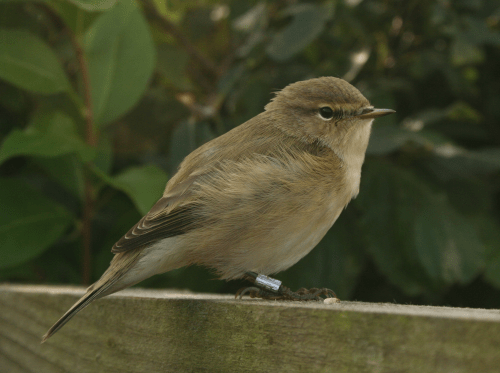
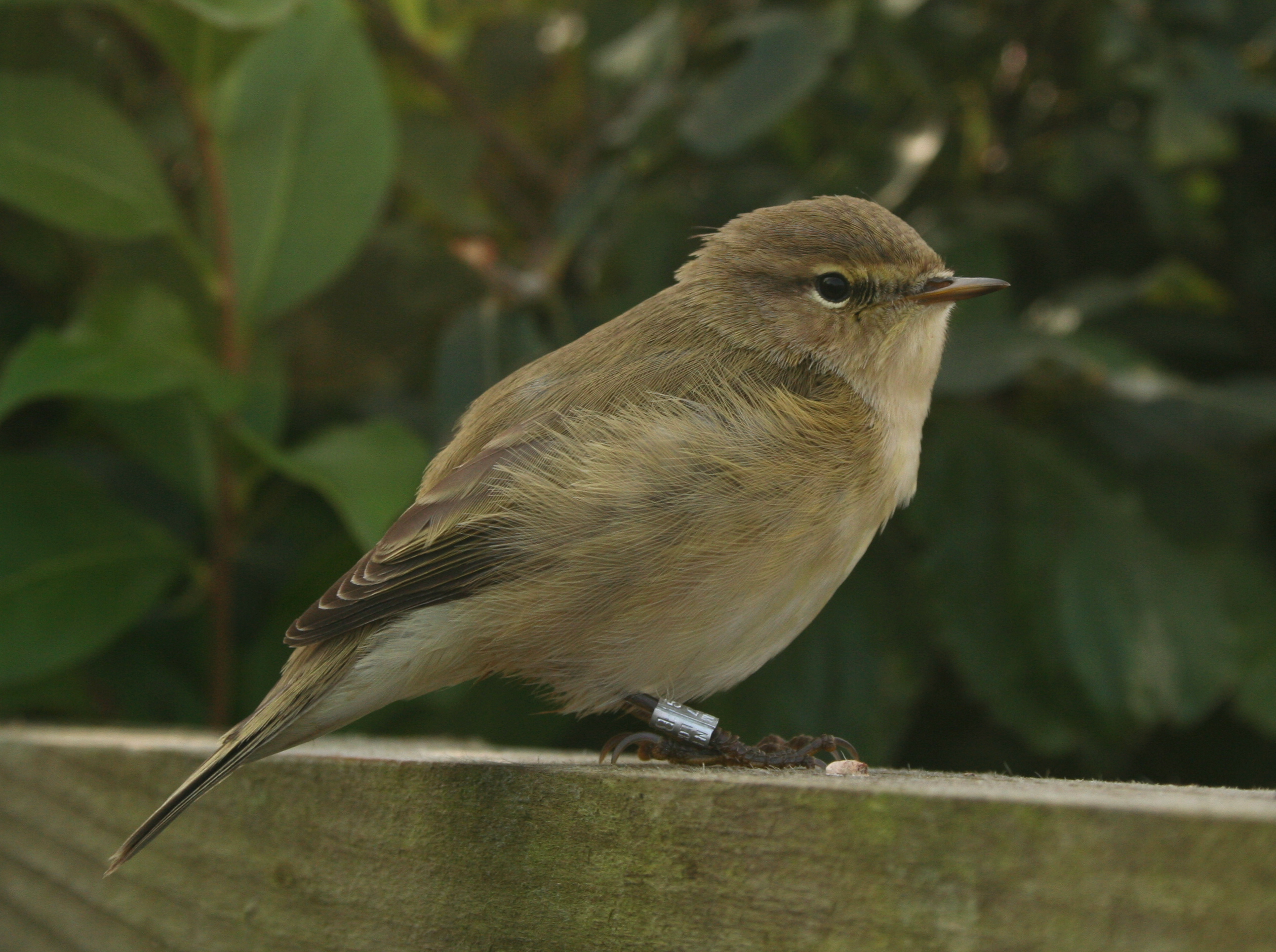
Although superficially similar to Willow Warblers, the browner appearance, especially on the flanks, darker legs, shorter wings and more rounded head all identify this bird as a Chiffchaff.
Making the most of this fine and still weather, we were back at Durlston this morning. 99 birds were ringed (we just couldn’t catch that last one before we had to leave).
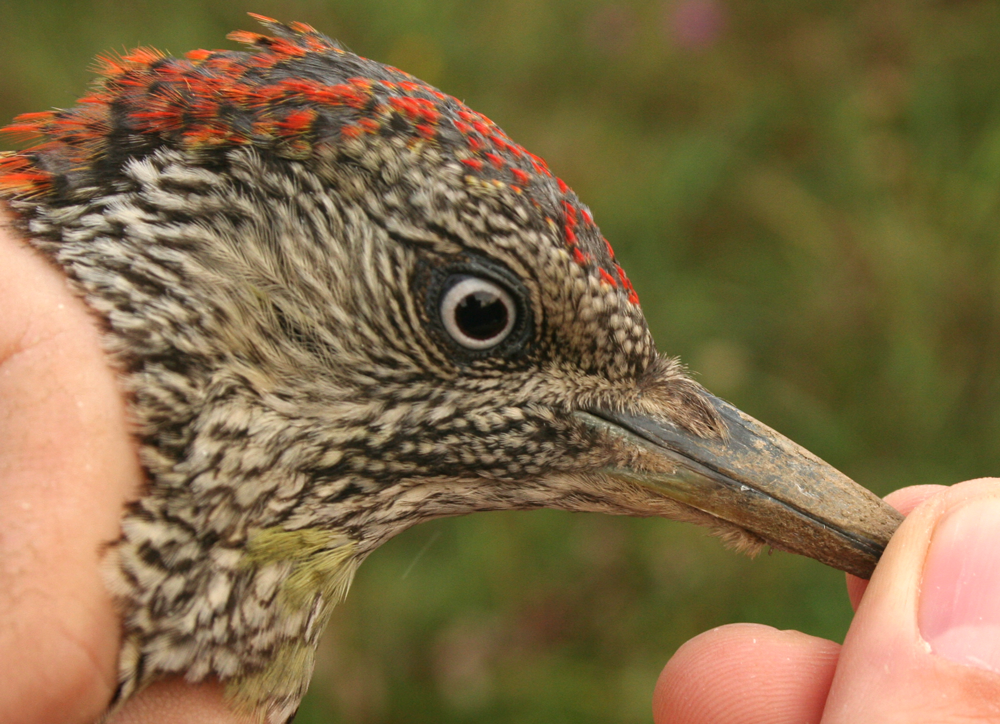
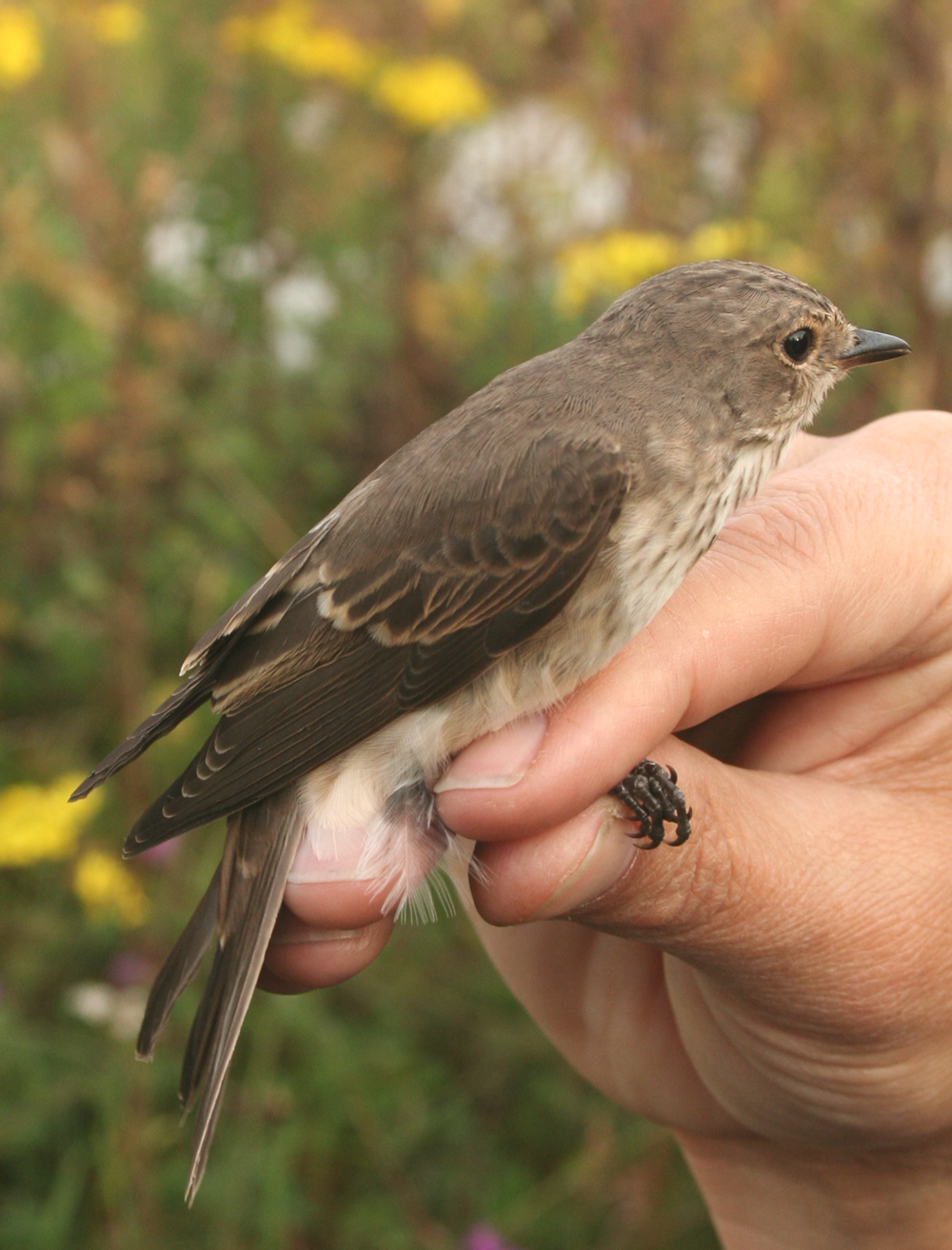
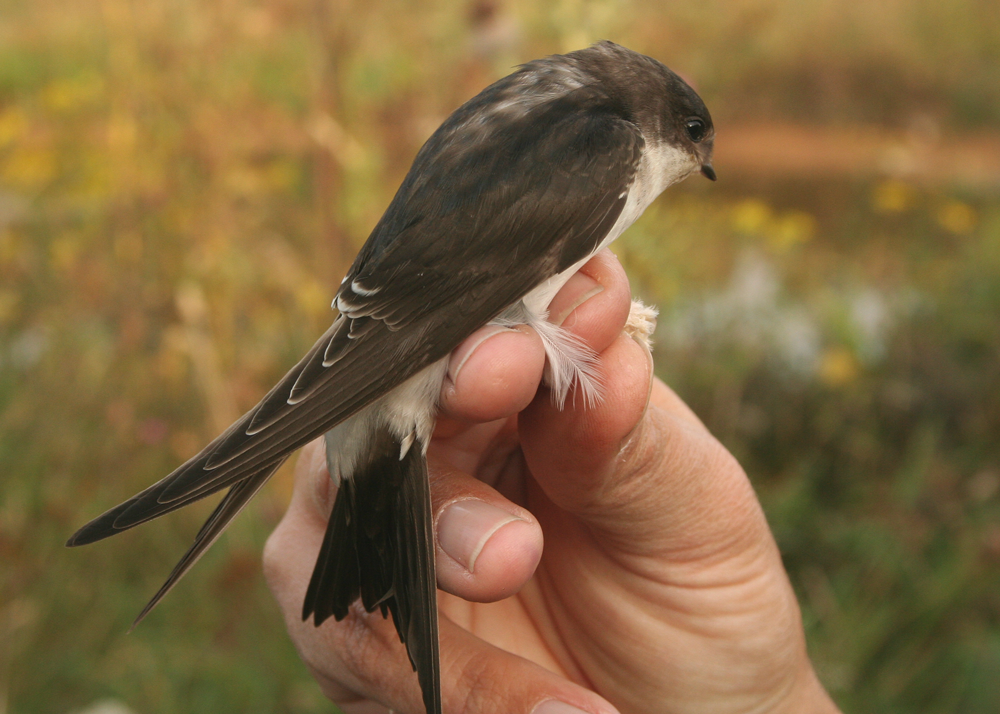
Highlights, another Grasshopper Warbler, a Green Woodpecker, Tree Pipit and a Spotted Flycatcher plus a few hirundines. Lets hope this effort is rewarded with some useful data from controls (a bird trapped by another ringer) and recoveries.
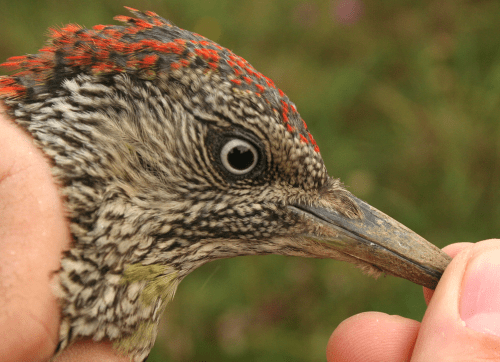
The dirt on the bill of this immature Green Woodpecker is due to it foraging for ants.
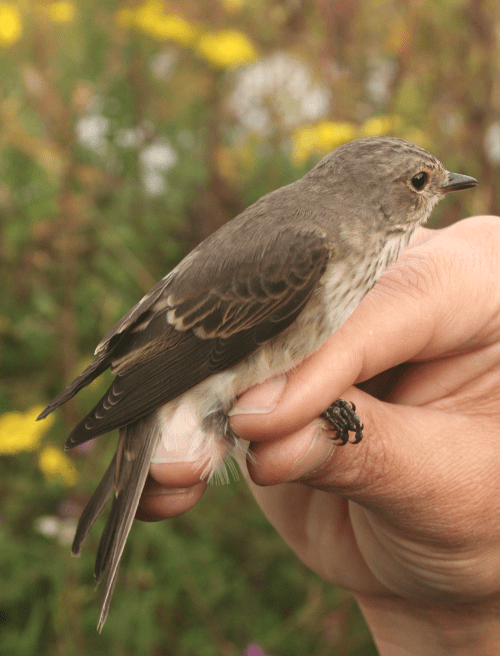
As there are plenty of tall trees near to where we ring, flycatchers seldom descend to net level. The fresh plumage and buff tips to the coverts identify this Spotted Flycatcher as a first year.
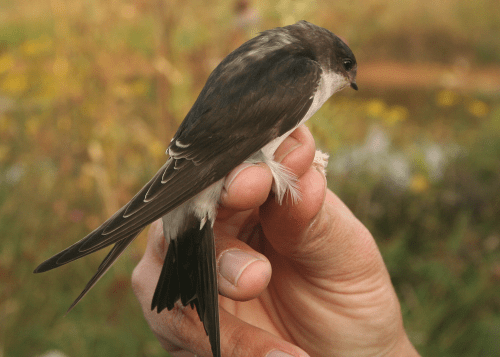
The dull plumage and pale tips to the tertials show that this House Martin is a first year.
Interesting sightings included a high flying juvenile Marsh Harrier.
It’s officially autumn, although there has been a strong autumn migration going on for the last six weeks.
This morning three of us ringed at Lytchett Bay. Highlight was five Grasshopper Warblers, but as you’ve seen enough photos of those recently, I won’t bore you with any more. Unfortunately the regular Osprey didn’t put in an appearance.
Yesterday evening we set tried to catch Yellow Wagtails at roost and succeeded in catching three out of some twenty or so present. Yellow Wagtails have declined greatly as a breeding species in recent years and no longer breed regularly in Dorset. so it was pleasing to hear that a flock of 70 were seen on Tuesday evening. Perhaps the dry spring has helped this year.

First year male Yellow Wagtail of the race British race flavissima
Yellow Wagtails have a fascinating but complex geographical variation. The genetics suggest that there are two species involved, with the eastern species Motacilla tschutchensis breeding from west of Lake Baikal to Alaska. However not all eastern forms are Eastern Yellow Wagtail, races of Western Yellow Wagtail breed in Japan, Arctic Siberia as far east as the Omalon River and in north-east China and Ussuriland. Some split the species further, the Dutch consider most races to be separate species, (although they have just lumped the Spanish iberiae with the Italian cinerocapilla)

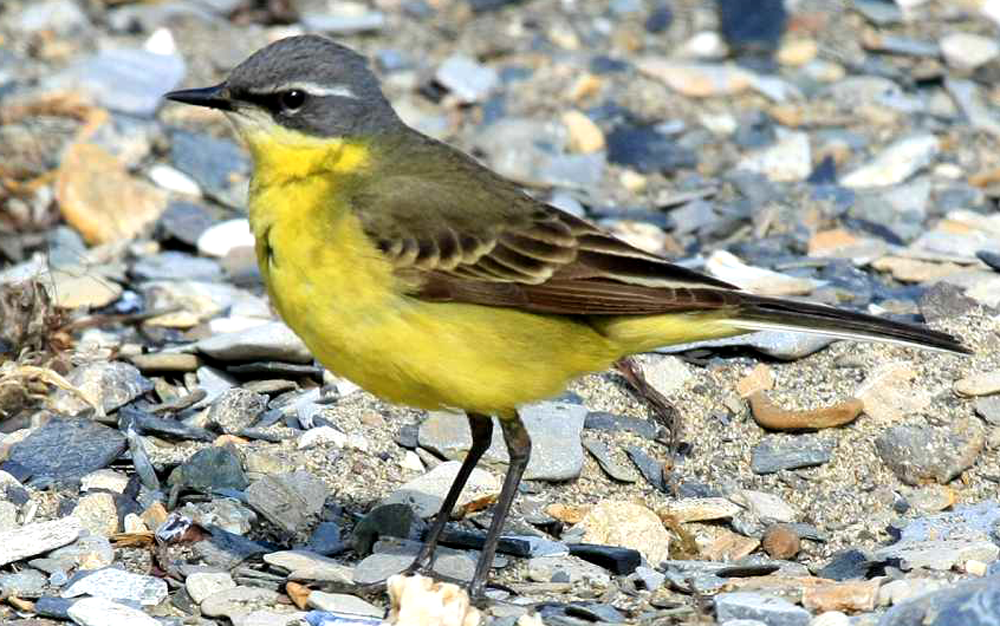
This is Blue-headed Wagtail, the widespread race flava of continental Europe. Photo from the internet

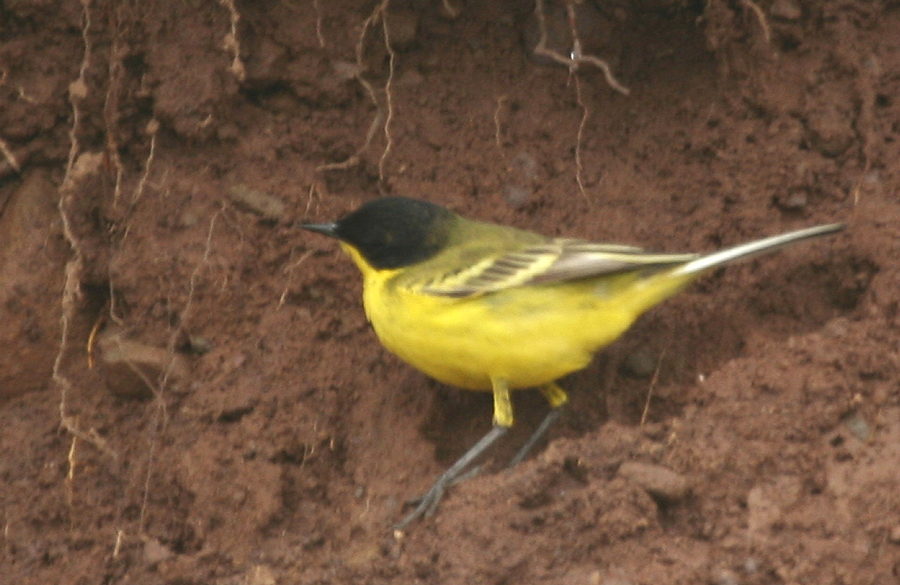
Black-headed Wagtai;(race feldegg) Armenia May 2010. This is considered the same species as European flava and the British flavissima ......

..... whilst this form tschutchensis, is a separate species Eastern Yellow Wagtail in spite of its strong similarity to flava. Confused? You're not the only one! Photo from the Internet, taken at Nome, Alaska
In 10/10/89 I trapped a extremely grey ‘Yellow Wagtail’ at Lytchett Bay, which is compatible with first year Eastern Yellow Wagtail. With claims of possible Eastern Yellow Wags occurring in the UK in recent Octobers, I really regret not taking full biometrics and photographs of this bird and retaining a feather for DNA analysis. At the time it was just dismissed as a very grey looking Yellow Wag as the split hadn’t been mooted at the time.
Ringing again at the garden at Durlston.
88 new birds ringed including a Reed warbler, Lesser Whitethroat, 3 Garden Warblers and 3 Tree Pipits. Blackcaps are now much the commonest Sylvia and Chiffchaffs outnumbered Willows by more than three to one. There was a strong eastward passage of Swallows and 20+ Tree Pipits over.
I didn’t take any photos this morning so instead I thought I’d share this with you.


Tyrannosaurus rex - is this more closely related to.......
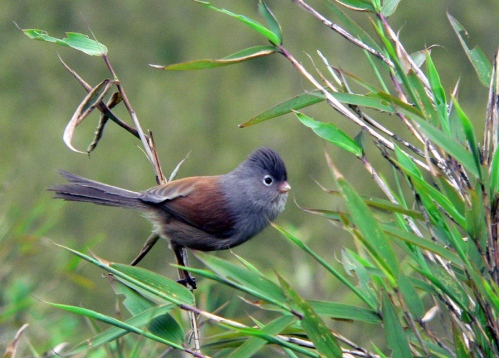
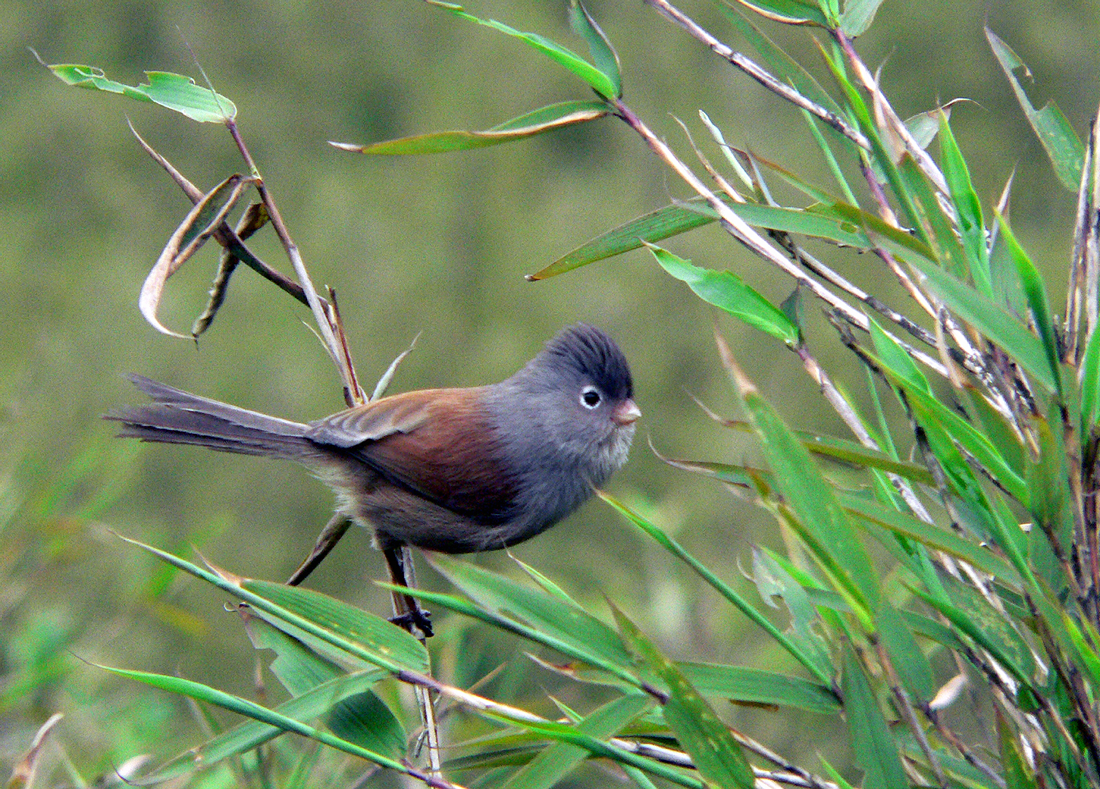
..... this (Grey-hooded Parrotbill Sichuan 2007) .....

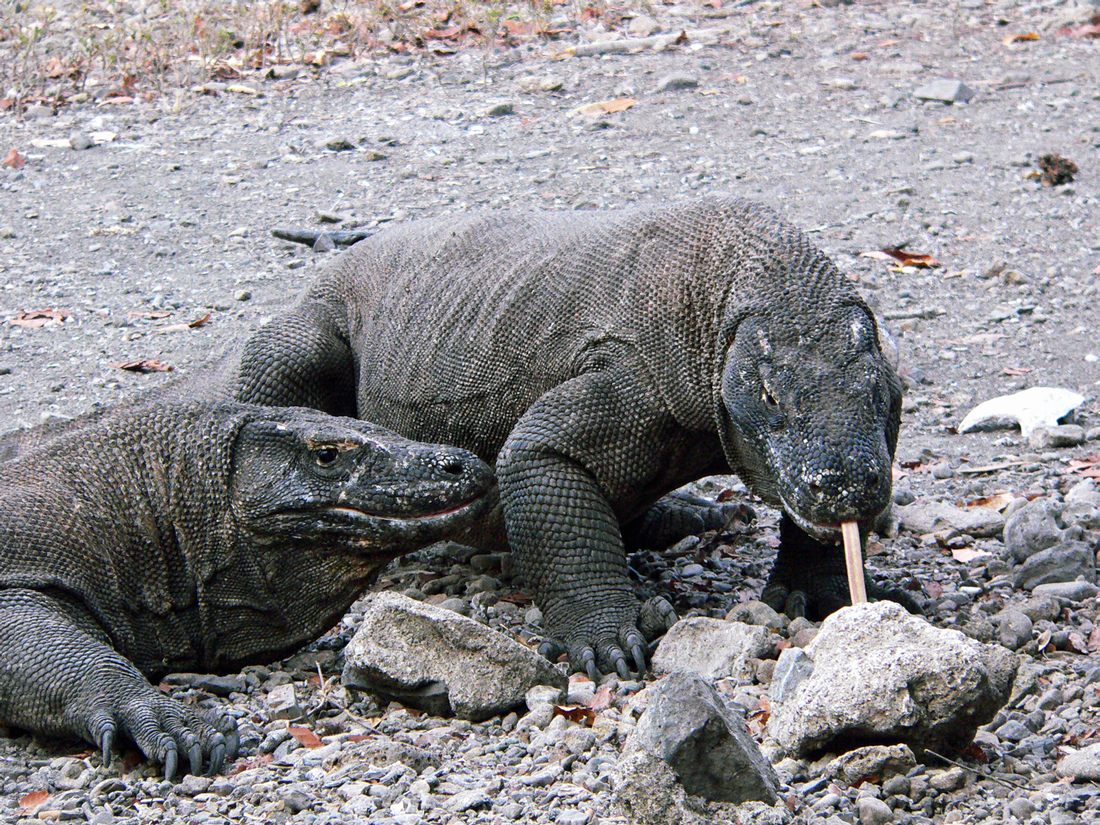
..... than this ? (Komodo Dragon - Komodo, Indonesia 2006)
PS now have a working digital TV system thanks to a kind and helpful guy from Wimbourne Aerials.
Today there was hardly a breath of wind, cloud had formed during the night which should have grounded migrants. An ideal day for ringing. The problem was that I needed to get my TVs upgraded to satellite and install a digital recorder to replace the old fashioned VCR.
The man at Curry / PC World made it sound so simple. Buy the three boxes needed from them, make an appointment for it all to be fitted and Bobs your uncle.
- They agreed come this Tuesday to install it but wouldn’t say when, in spite of requesting an afternoon visit. I had to phone a premium number on Monday evening to find out. I finally got an automated answer at 2100; they were coming sometime between 0800 and midday. I then had to cancel my plans for ringing.
- When I opened one of the boxes it was empty, they had given me the box for the item on display (I know I should have realised it was lighter but I carried the three boxes in a stack) A trip to the store had to made as soon as they opened, with the grandchildren holding the fort here should the installers arrive in the interim.
- When they did arrive they told me their said they only had to install two boxes, in spite of what my receipt said.
- Then they told me they couldn’t go in the attic as it didn’t have a solid floor, couldn’t go on the roof and so couldn’t take a cable from one side of the (terraced) house to the other and couldn’t go up a ladder more than 30ft as it contravened H&S rules (in addition they said that 9 out of 10 jobs they go to have to be cancelled because the store don’t give them the correct information in advance).
- I then had to drive to the store again to get a refund.
In case you need reminding, the store that gives this ‘high level’ of service is called Currys / PC World.
Whinge over.
So it was late morning by the time I got out. I decided to go to Sherford Bridge / Mordon Bog, an excellent area of woodland, heath and lakes 15 minutes drive west of here. Local birder Aidan Brown has an excellent series of photographs of the wildlife this area on his blog http://www.surfbirds.com/blog/DD/

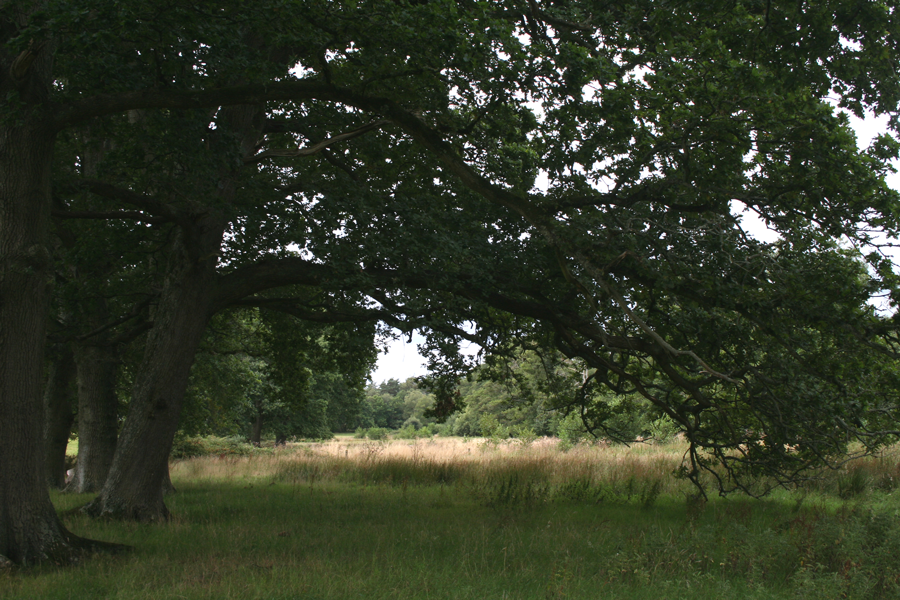
Oaks along the River Sherford
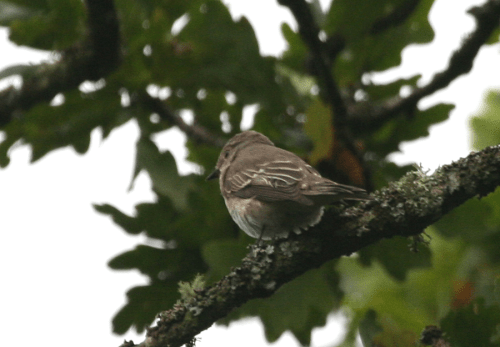
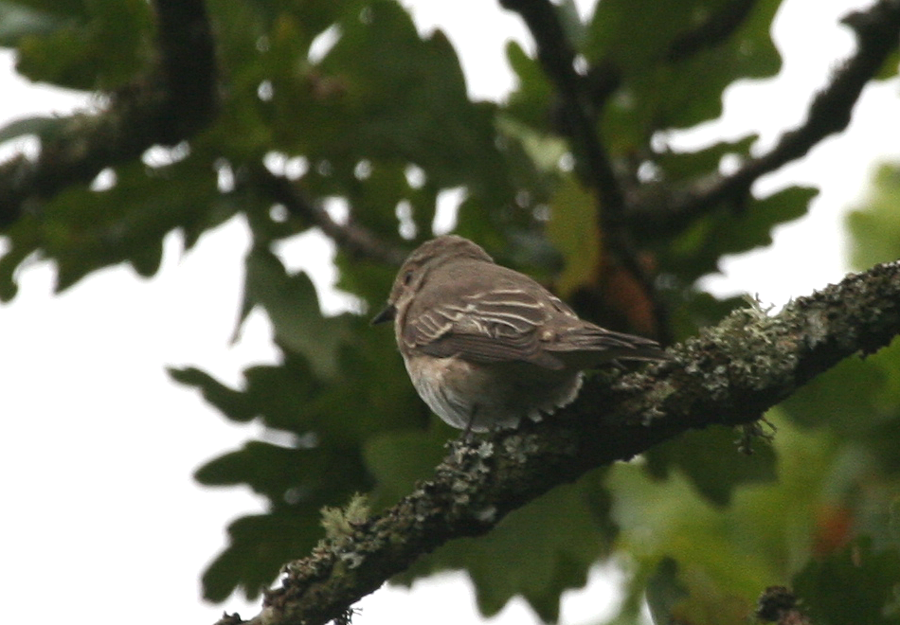
Spotted Flycatcher

Commercial forestry and restored heathland.

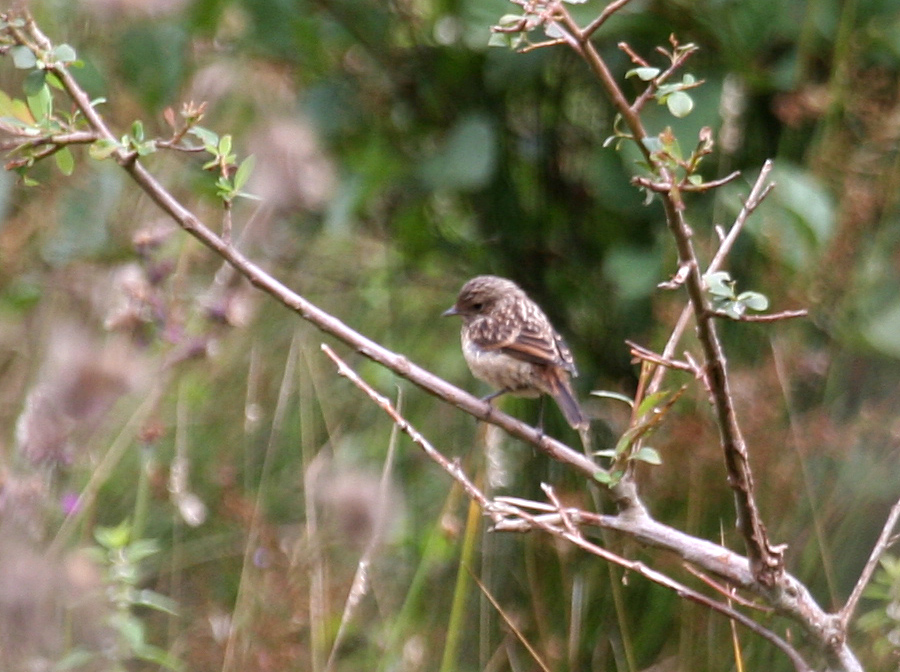
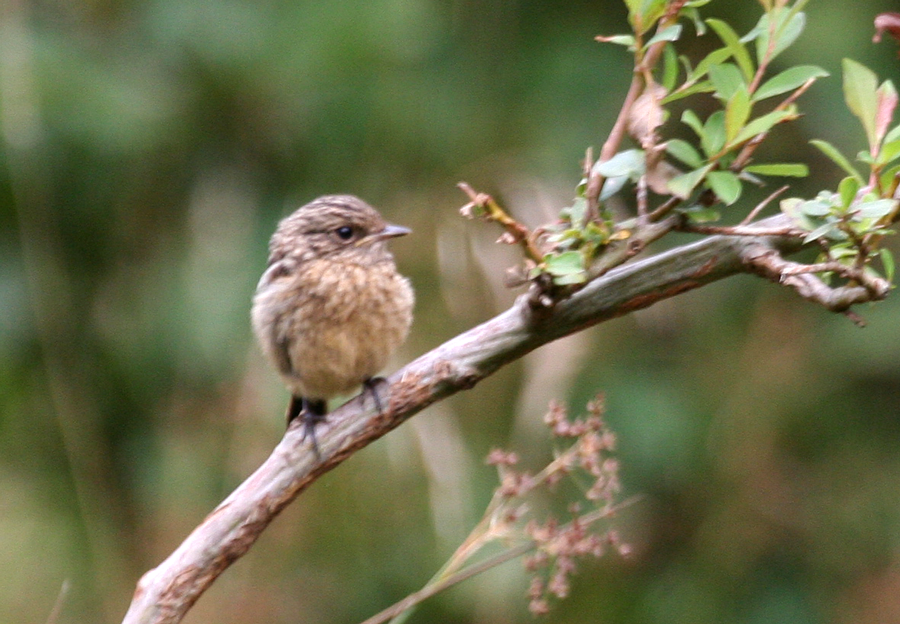
Stonechats are declining in Dorset so it was pleasing to see this late brood.

Juvenile Stonechat
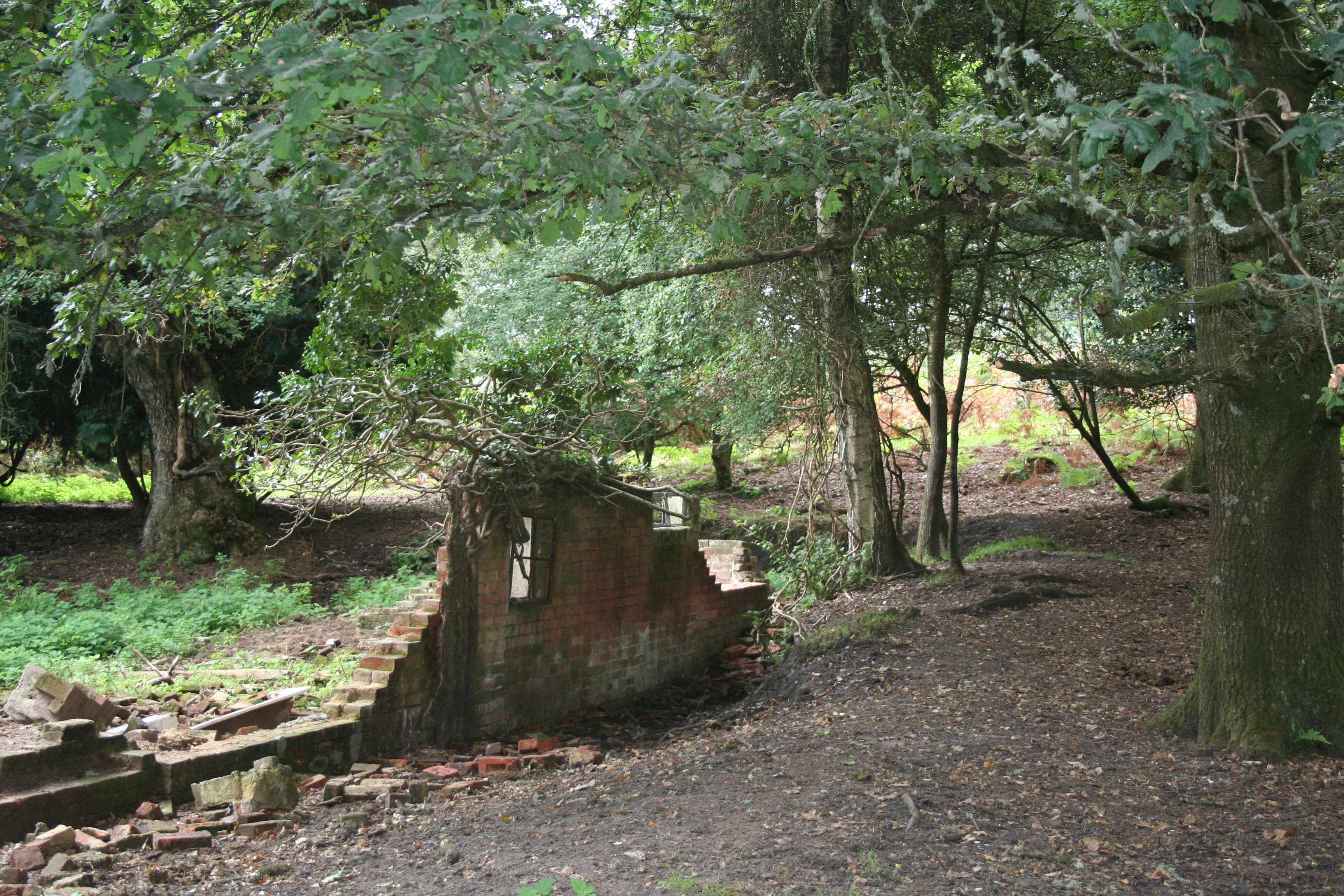
When I first visited this area in the early 80s Decoy Cottage was intact. It is said that the ghost of its last reclusive inhabitant still walks the forest. Indeed Trevor Squire and I whilst using an image intensifier as part of our Nightjar research saw an all white figure jogging near to there at 0200 one night..that path (from where the above photo) was taken was renamed the ‘ghost track’.

Ruins of Decoy Cottage, a good area for birding.
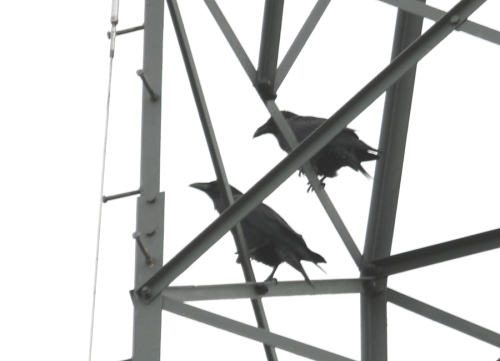
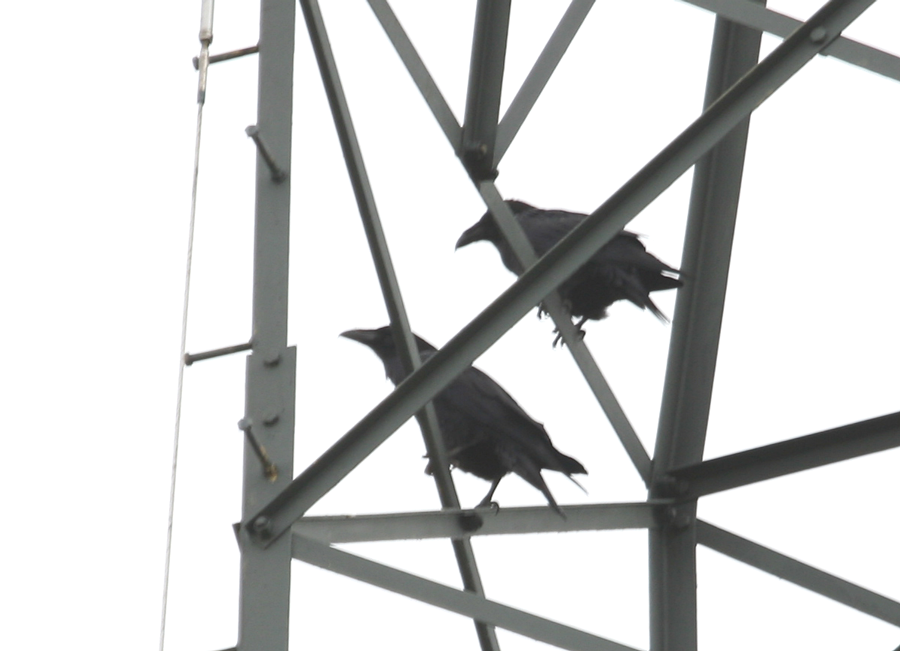
Ravens on the electricity pylon
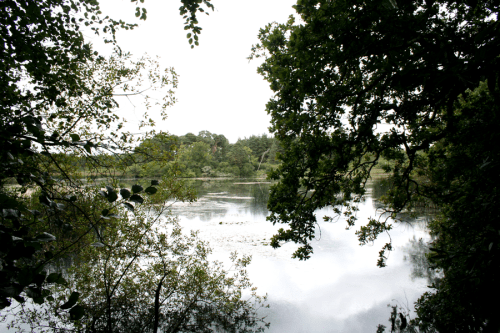
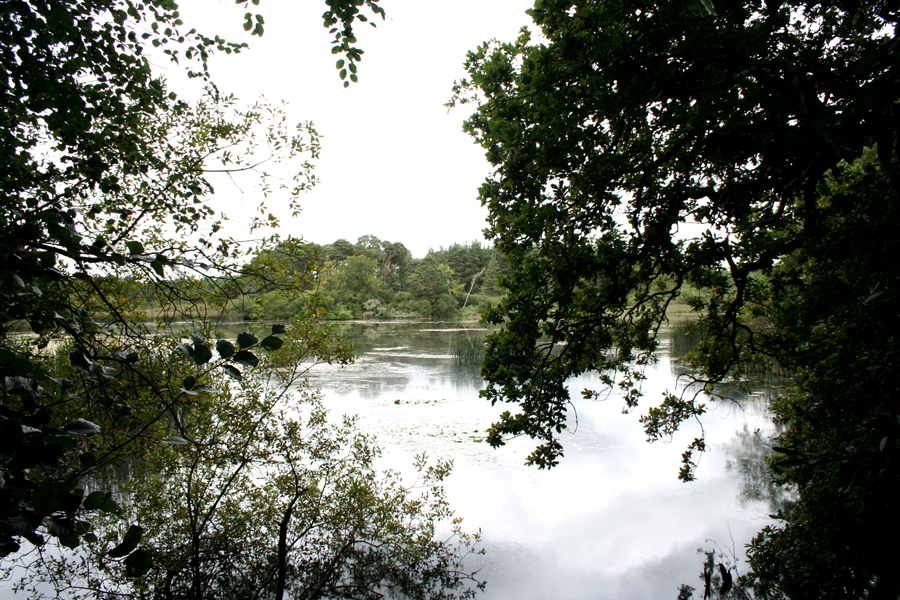
Mordon Park Lake
Portland Bill is probably my favourite place for birding. Sticking some seven miles out into the Channel, it is an excellent place for rare vagrants, seeing a wide range of common migrants and seawatching i.e. observing passing migrant seabirds. In addition the Bird Observatory forms a focal point where birders gather to exchange news and gossip, observe birds in the hand or browse the substantial natural history bookshop. They have an excellent website at: http://www.portlandbirdobs.org.uk/
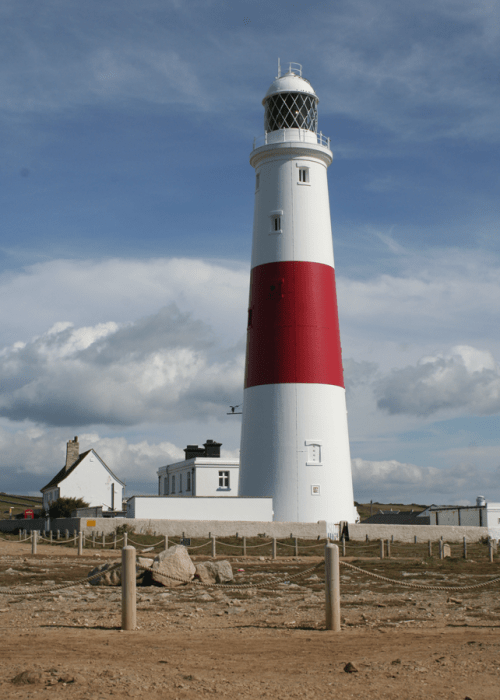
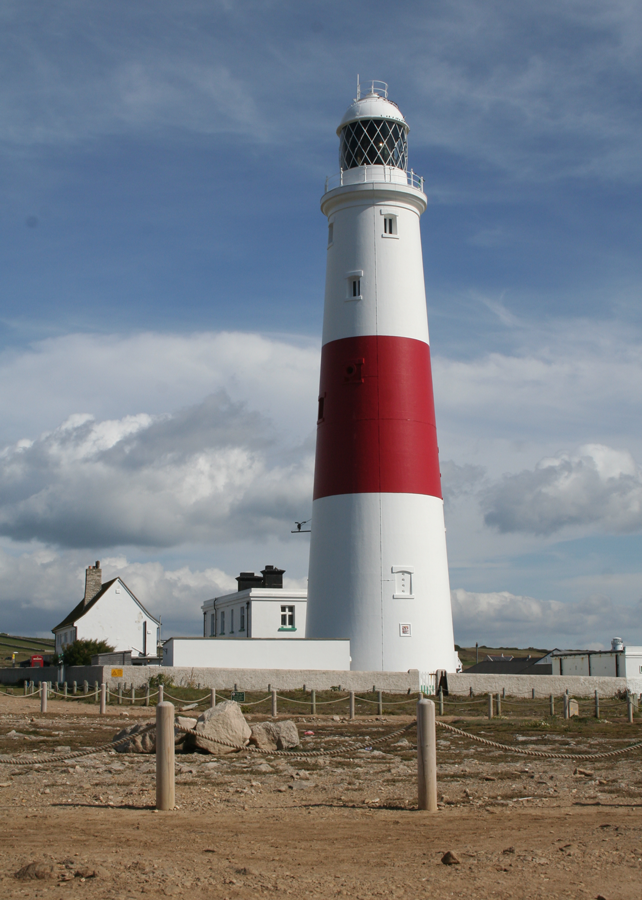
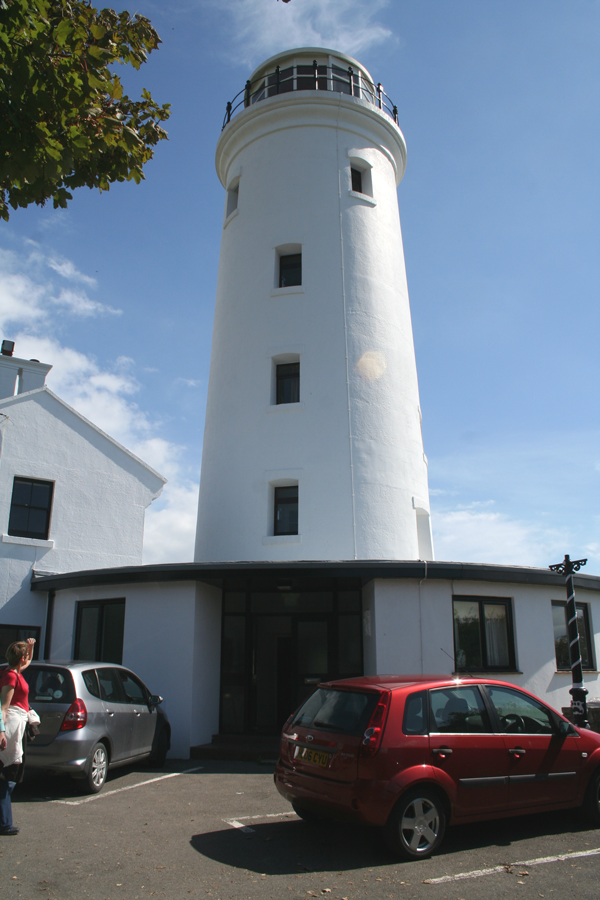
Portland Bill lighthouse - open to the public but not on Bank Holiday Monday!
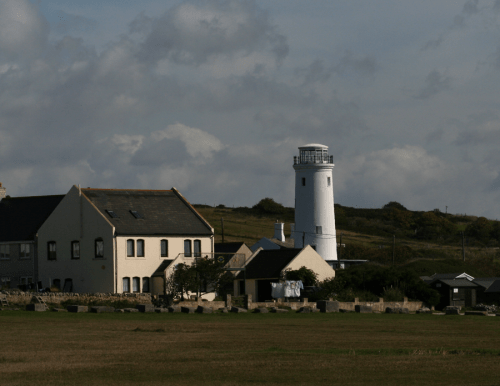
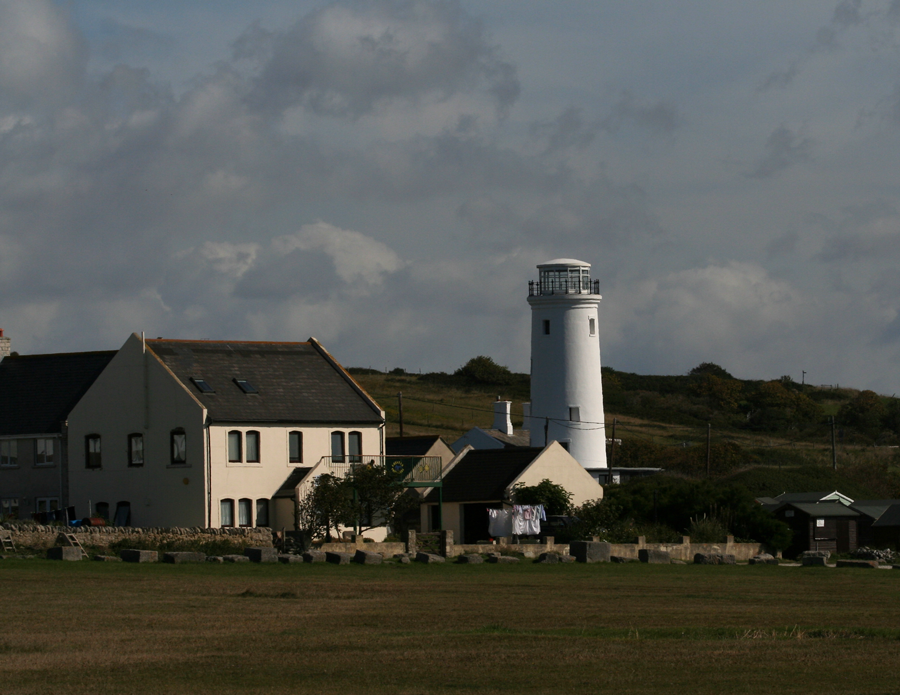
The Old Lower Light seen from the Common

Portland Bird Observatory
After multiple early starts in recent days, today was more of a family outing than a serious birding trip.

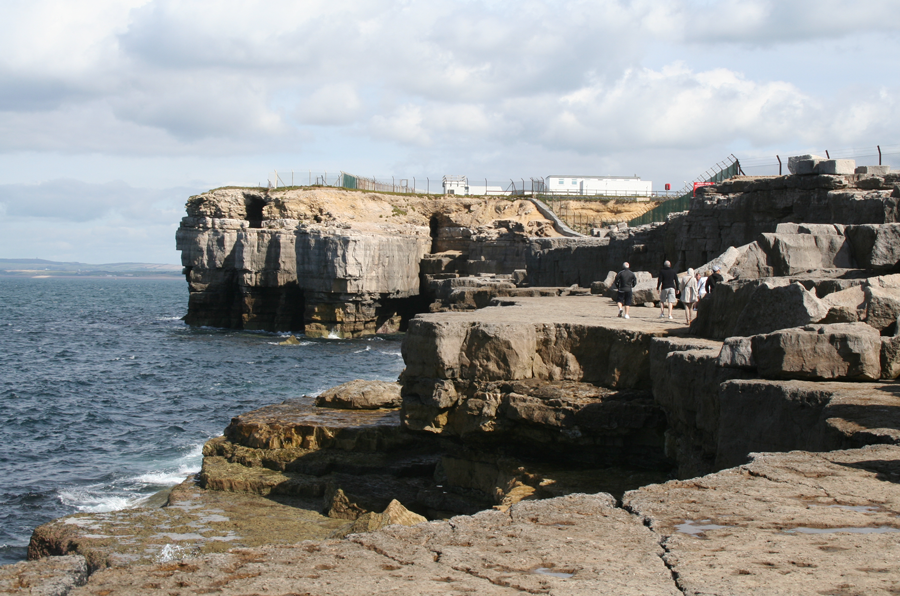
Portland Bill. The view north towards the Admiralty enclosure
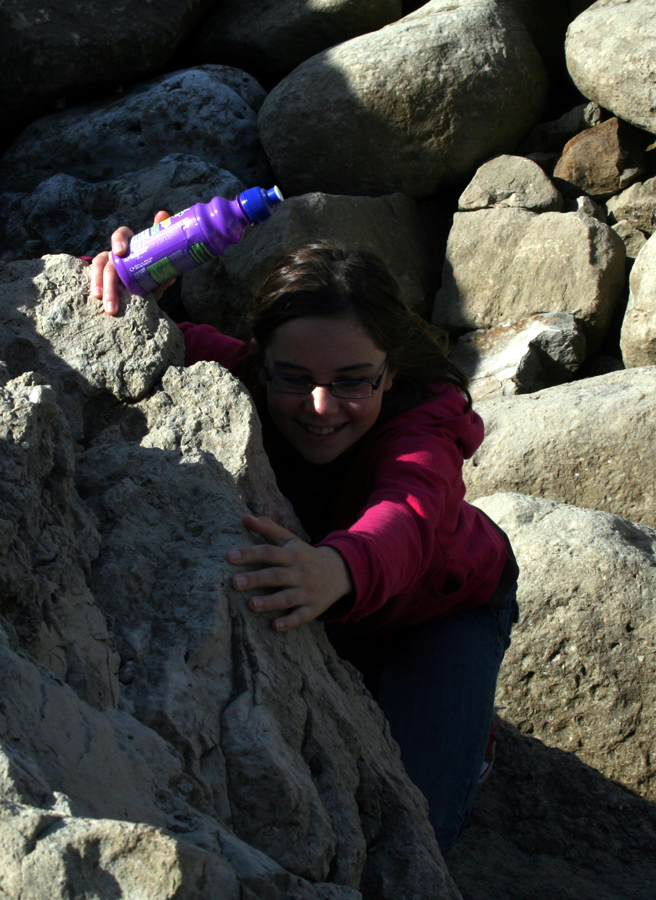
The girls were having a great time climbing on the rocks. By the time Margaret and I had debated whether to allow them to climb Pulpit Rock they were standing on the top.

Pulpit Rock

Its a long drop on the seaward side!
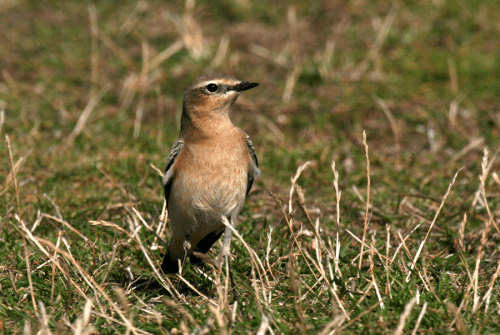
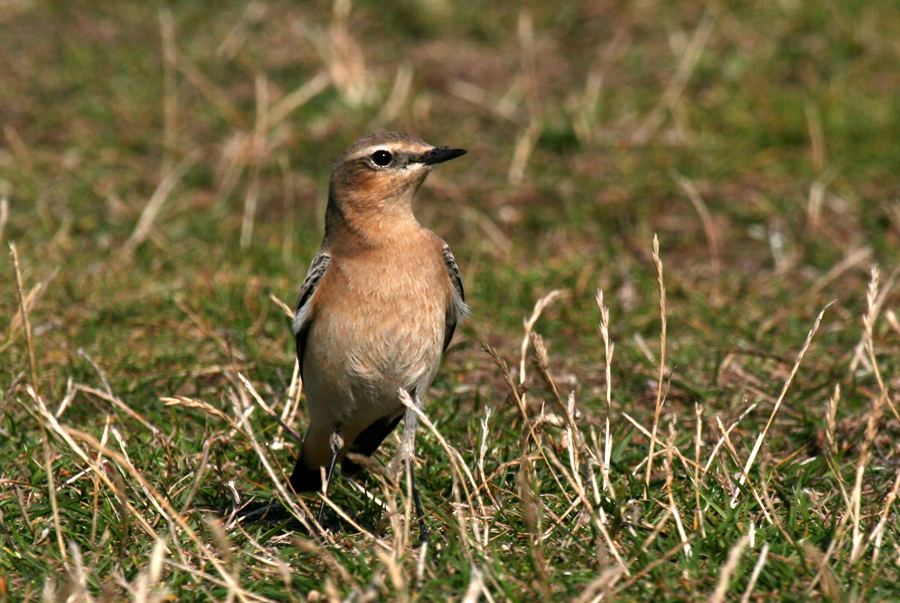
There were only a few migrants about, but Wheatears and Swallows showed well
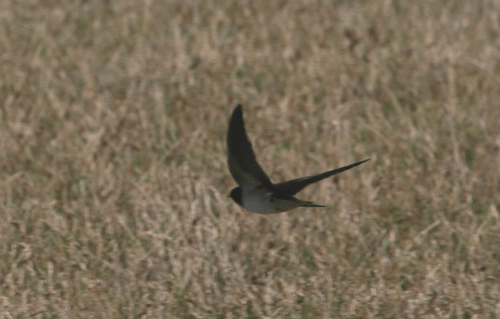
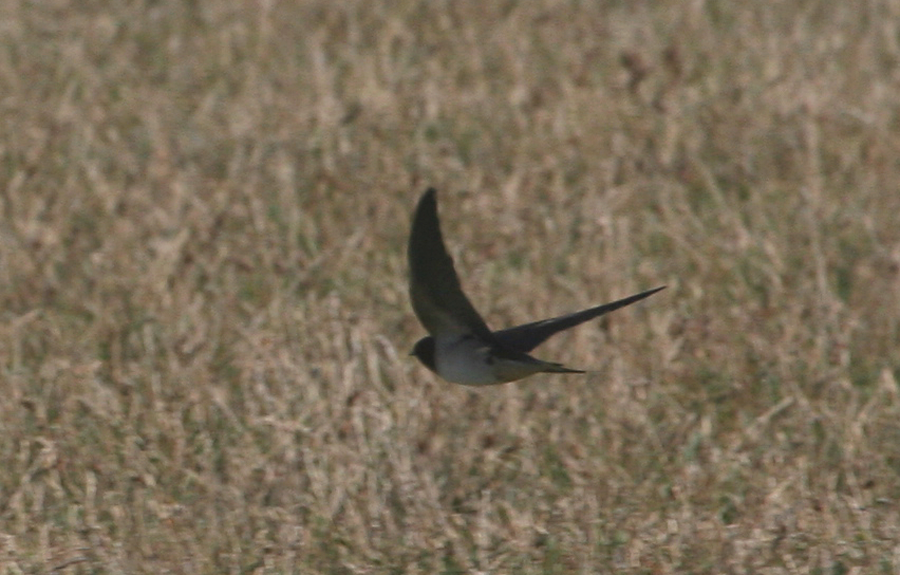
Swallows were outnumbered by Sand Martins today
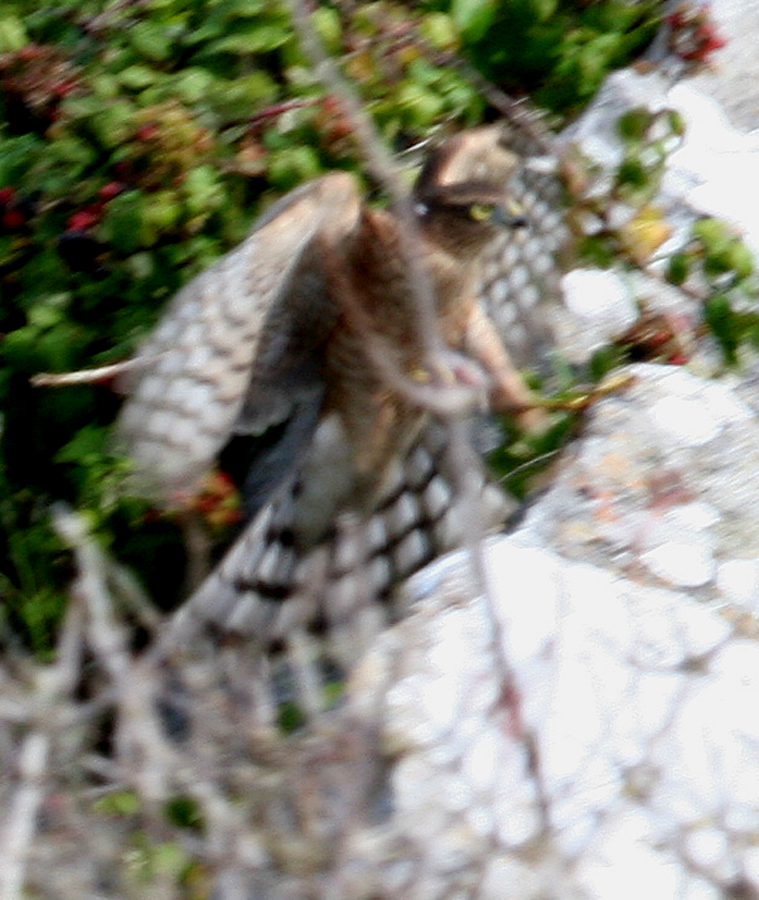
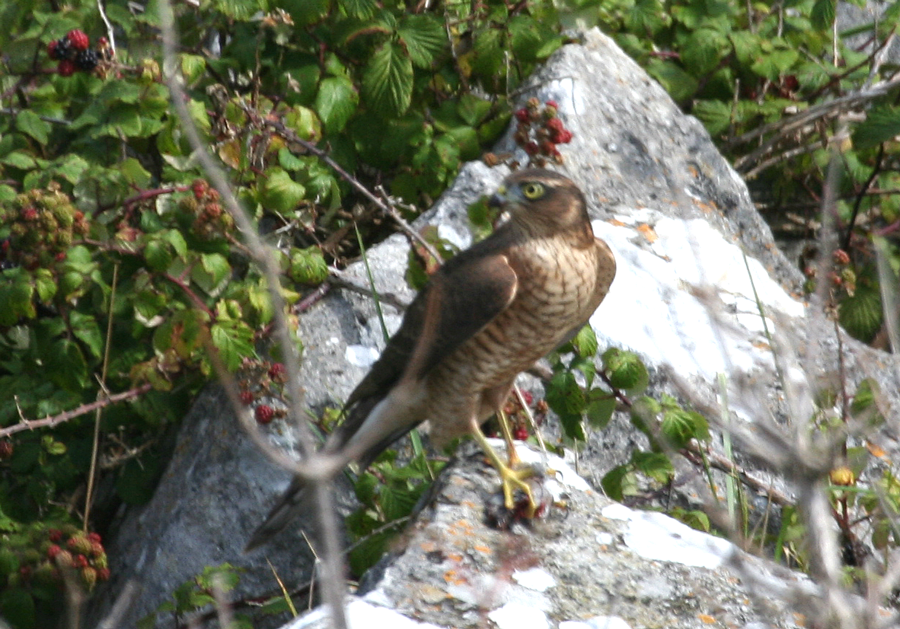
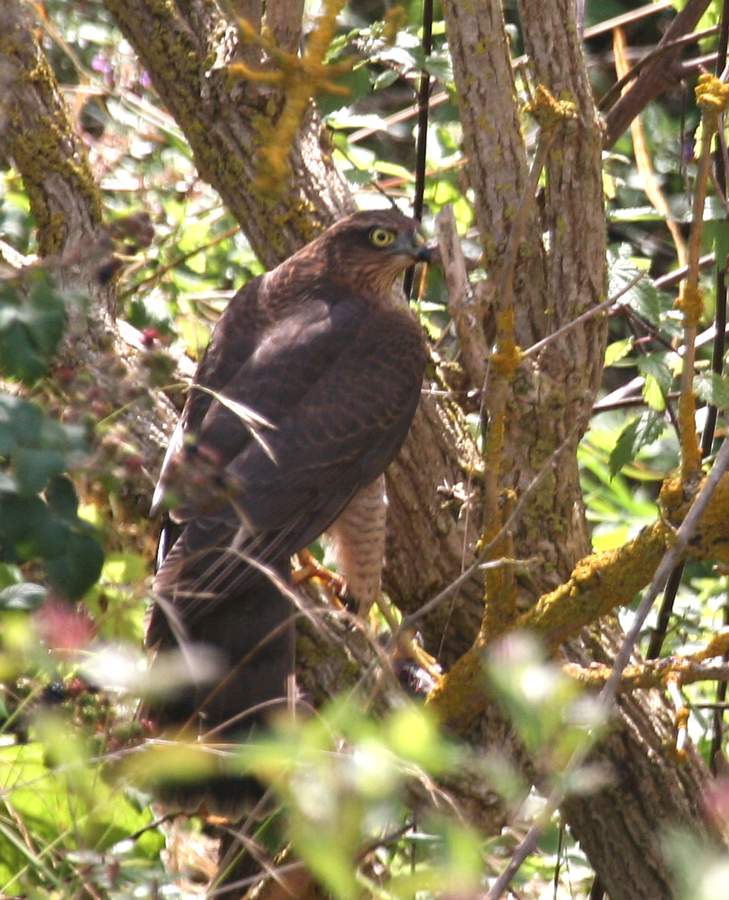
Whilst waiting for an invisible Wryneck at the Obs Quarry this Sparrowhawk shot in and caught prey.
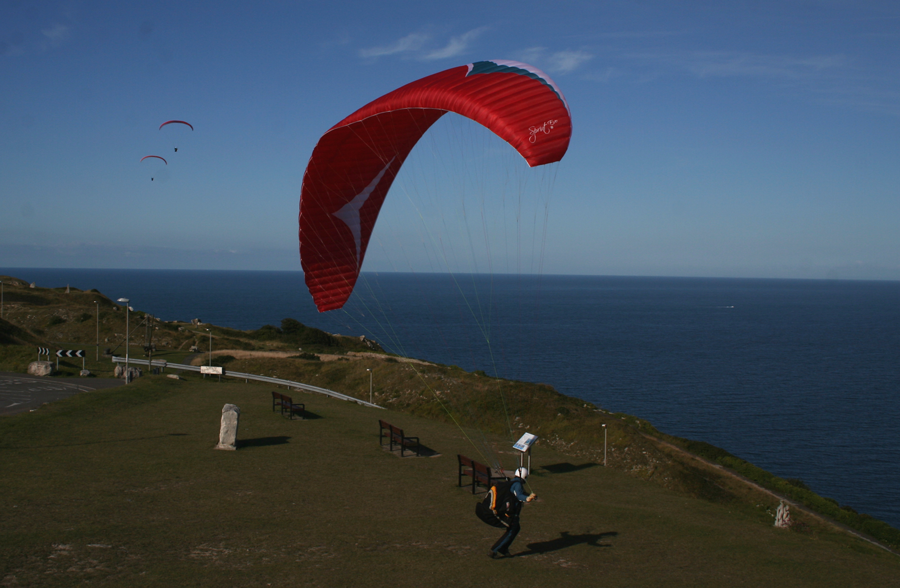
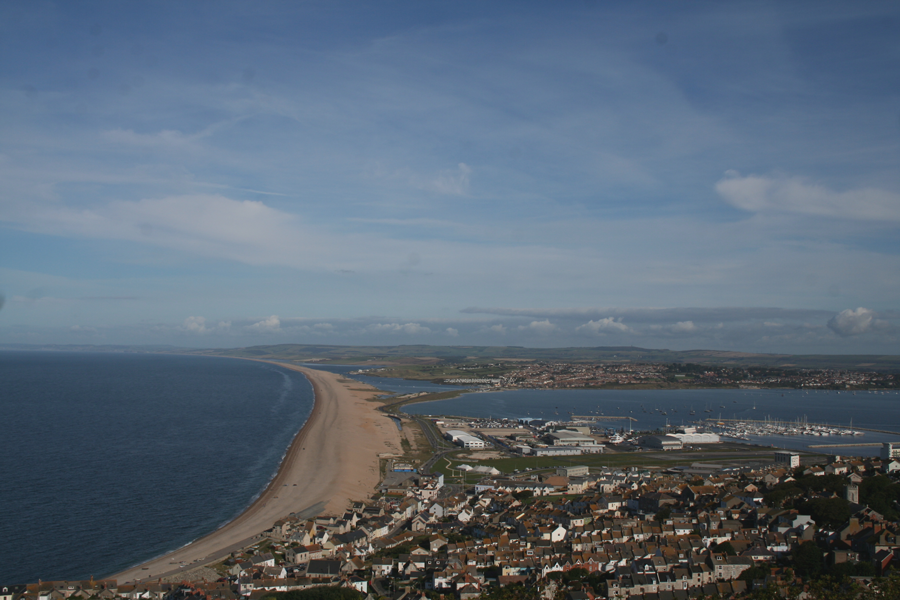
On the way back we stopped at the famous viewpoint over Fortuneswell and Portland Harbour, where several hang-gliders hung in the wind.
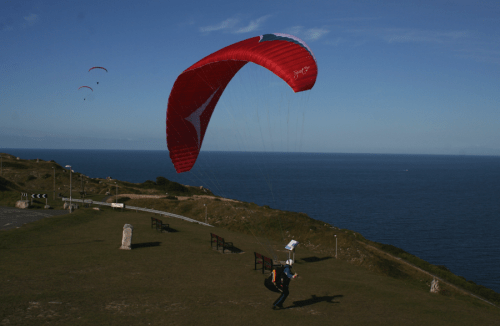
The moment of truth for this hang glider
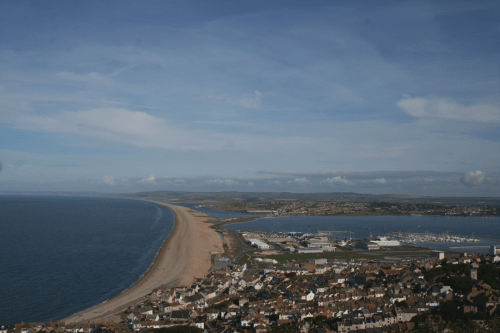
In June 2002 Margaret sailed her yacht into Portland Harbour and made her first landfall in the UK at Wyke Regis. Interestingly in the same month 654 years earlier the Black Death entered England at exactly the same place!



























 gryllosblog