2014 has been a great year, full of foreign travel, great birding/ringing and social events. Fortunately there have been no serious issues, so the year has passed without major problems.
This post just summarises some of the highlights; more photos and discussion of each subject can be found on the blog.
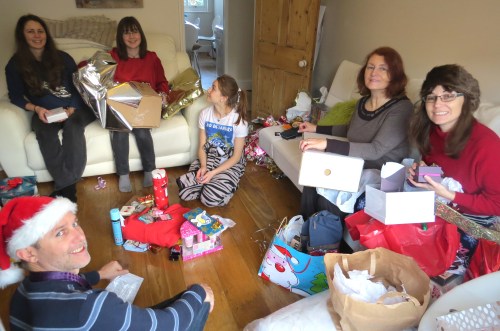
During the year the companionship of my family (see the Christmas photo below) and my many friends (be they from school or university days, or birders and ringers here at home or people I have met on foreign trips) has greatly added to the quality of life. There have been a number of social events and musical concerts, many of which I have illustrated on this site.
When at home much of my time has been taken up with bird ringing, either around Poole or at Durlston Country Park. We have ringed well over 5000 birds in this area and have amassed a lot of useful data. We have been notified of lots of interesting recoveries some of which I intend to post here in due course. The photo shows a male Bearded Tit photographed at Lytchett Bay.

British birding and twitching has taken a bit of a back seat this year. I recorded 223 species in the UK, quite a bit less than usual and most of my birding has been following up other peoples sightings. I have only added one species to my British list – this Baikal Teal seen in Cambridgeshire in March, one to my Dorset list – a Hooded Crow on Portland and one to my Poole Harbour list – a Great White Egret.
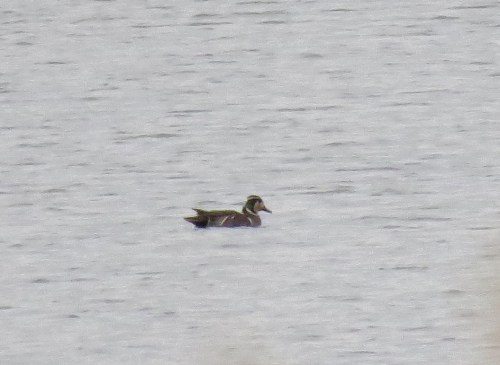
Foreign travel has dominated the year. I did eight tours through the year, although this was just seven trips from home as two were taken back to back, and birded in eleven different countries. I recorded 1515 species in total and had 199 life birds. This brings my life list to 7870 following the IOC checklist or 74.5% of the world’s birds. According to the ‘list of lists’ on the Surfbirds website this gives me the 27th highest life in the world, but I know that there are quite a number of birders who do not submit their lists and think I’m more like 50th in the world. Even so, I consider that to be a great achievement and well worth the cost and physical effort involved, and although it hasn’t required much skill on my part, as I have mainly seen these birds on guided tours, I am very pleased to have progressed so far.
For each tour taken in 2014 I have included two photos below, one of the scenery and one of a notable species.
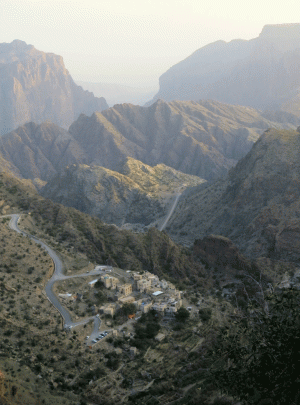
The first trip was in February to Oman to search for the newly described Omani Owl, wonderful scenery, although long hours were spent in the dark before we eventually got good views. No photos were obtained of the owl so I have included a shot of two critically endangered Sociable Lapwings that were also seen on the tour.

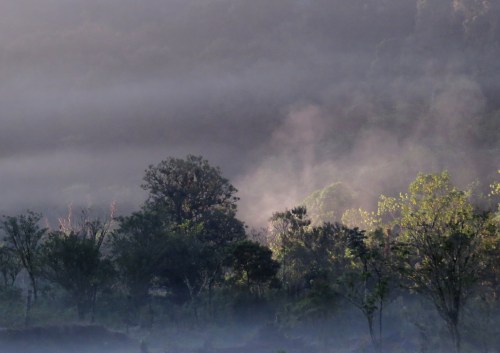
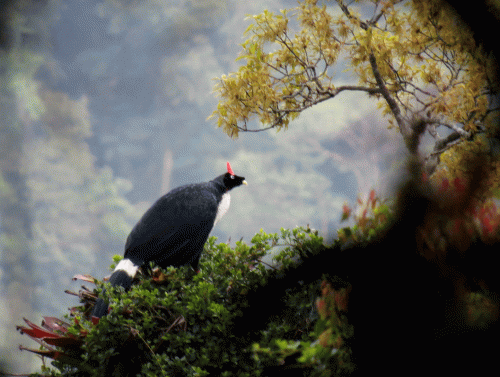
In March I did two trips to Mexico back to back. The first was to the delightful El Triunfo cloud forest reserve in Chiapas. The first photo shows dawn at the clearing where we stayed, the second the incredible Horned Guan, which was the 10,000th bird species Birdquest had seen on their tours.
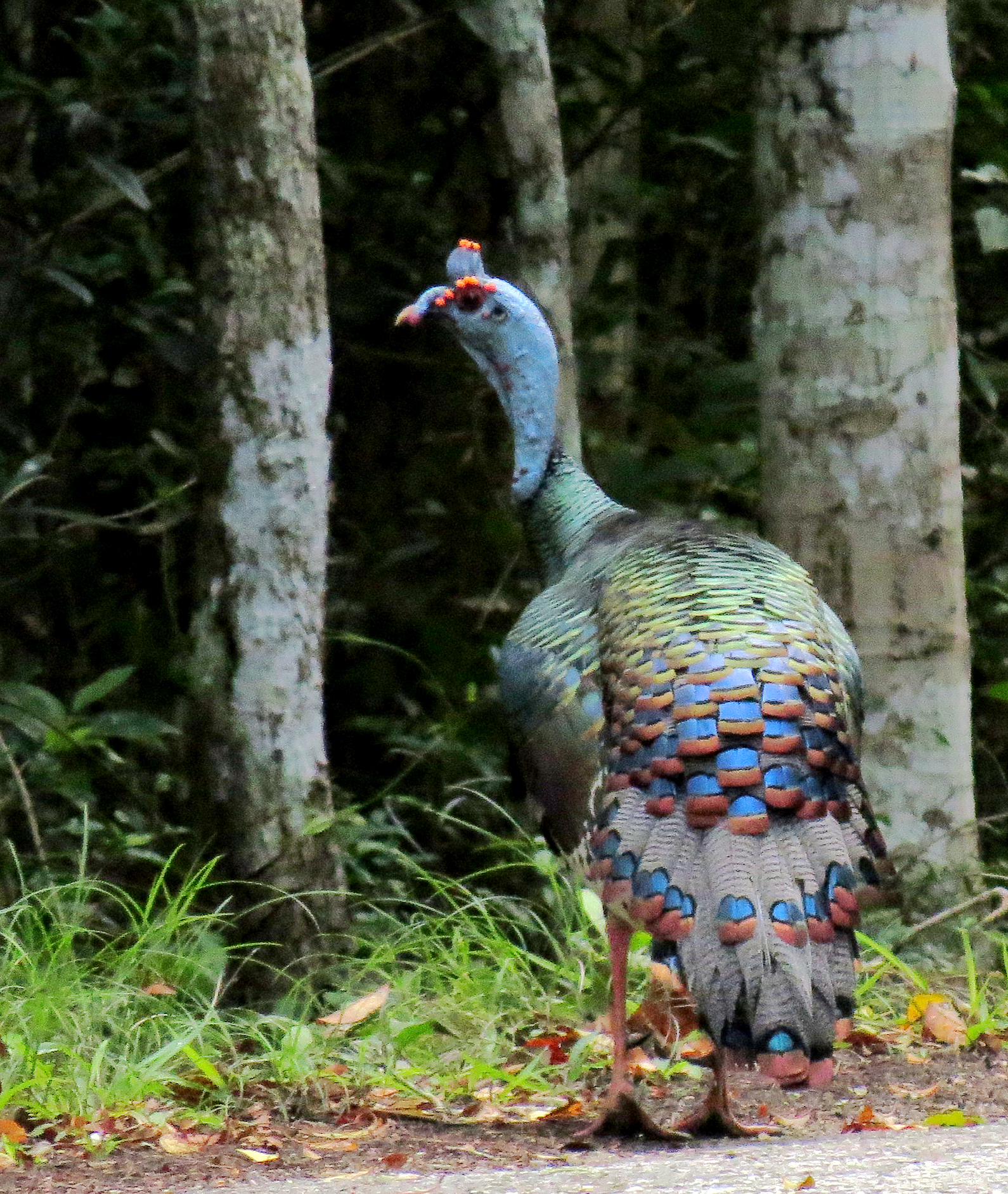
The second Mexico tour was to the Yucatan where we enjoyed the Mardi Gras festival and climbed to the top of some Mayan ruins as well as some stunning birds like the Ocellated Turkey.


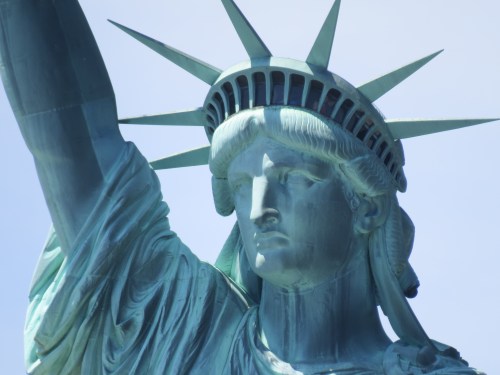
The most varied trip and in some ways the most enjoyable was the drive from North Carolina to the Canadian border that Margaret and I did in May/June. We enjoyed birding in southern woodland and the Appalachians, did pelagic trips off Cape Hatteras, went sightseeing in Washington and New York, birded in the boreal forests of New Hampshire and the coast of Maine as well as visiting a number of friends. I have yet to edit all these photos so I there should be more posts from this most photogenic trip still to come. Below – the Statue of Liberty and a Black Bear seen in North Carolina.

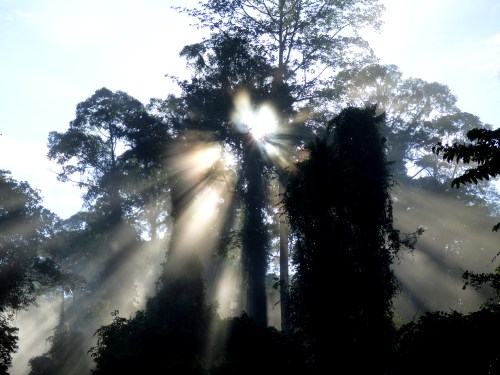
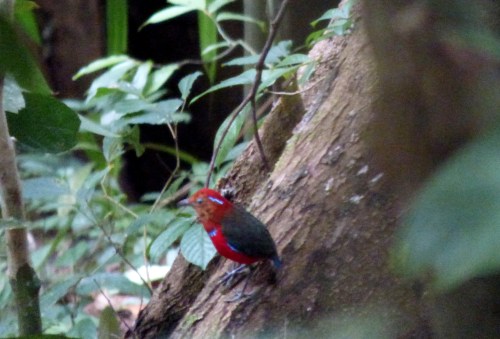
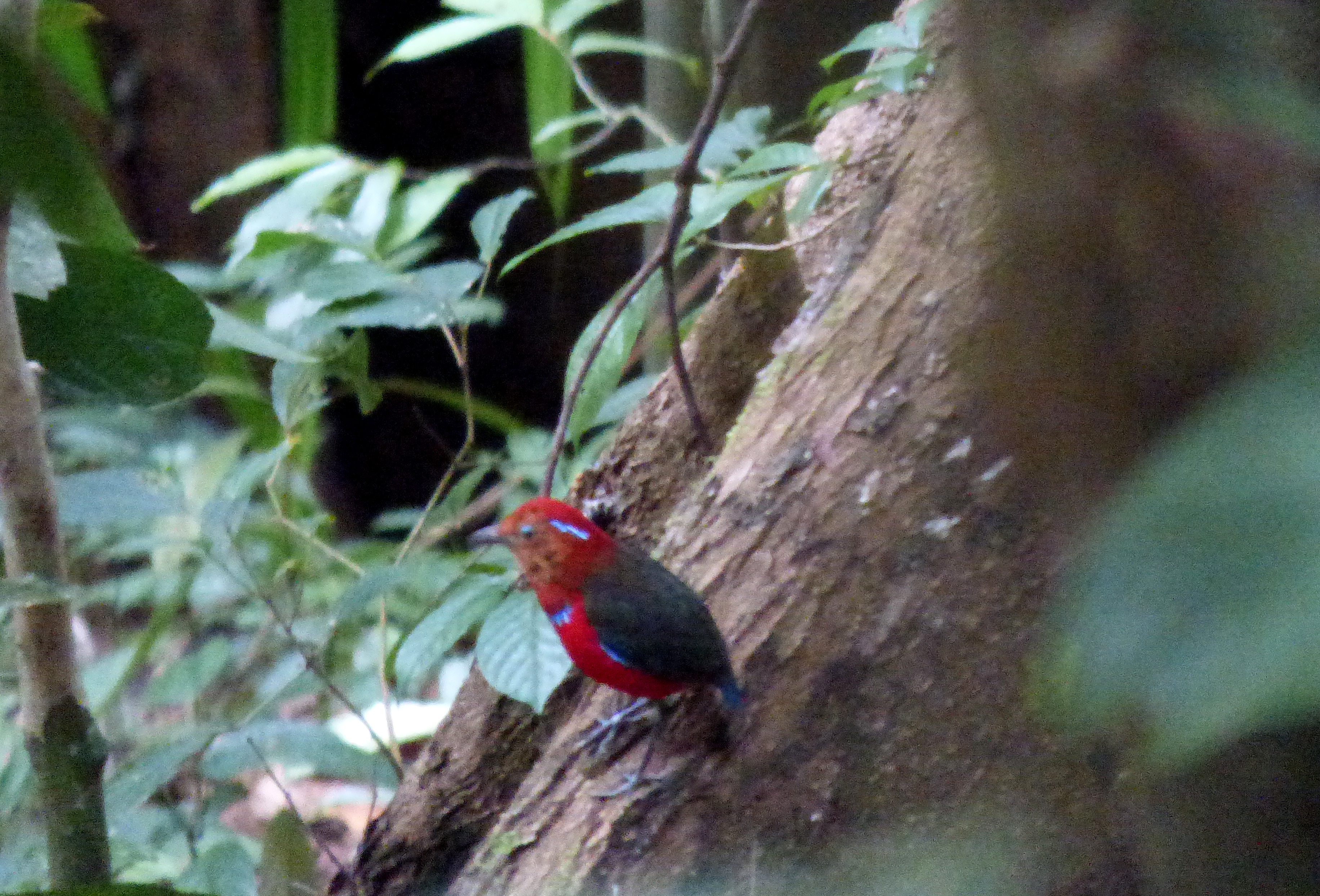
In May/June I had another great trip, this time to Borneo. One of the highlights was seeing the last bird family for my list, Bornean Bristlehead, but the four new species of Pitta came a close second. There was a really good selection of mammals too. The photos show dawn at Danum Valley and Blue-banded Pitta.
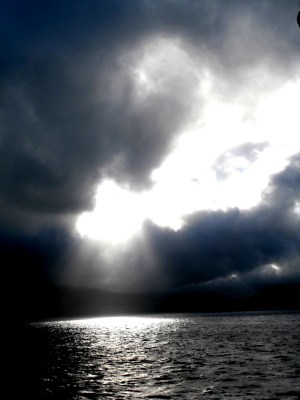
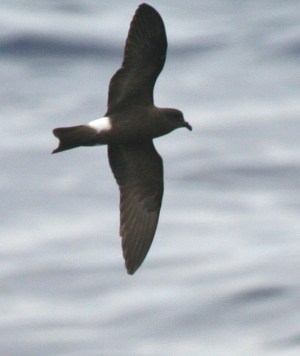
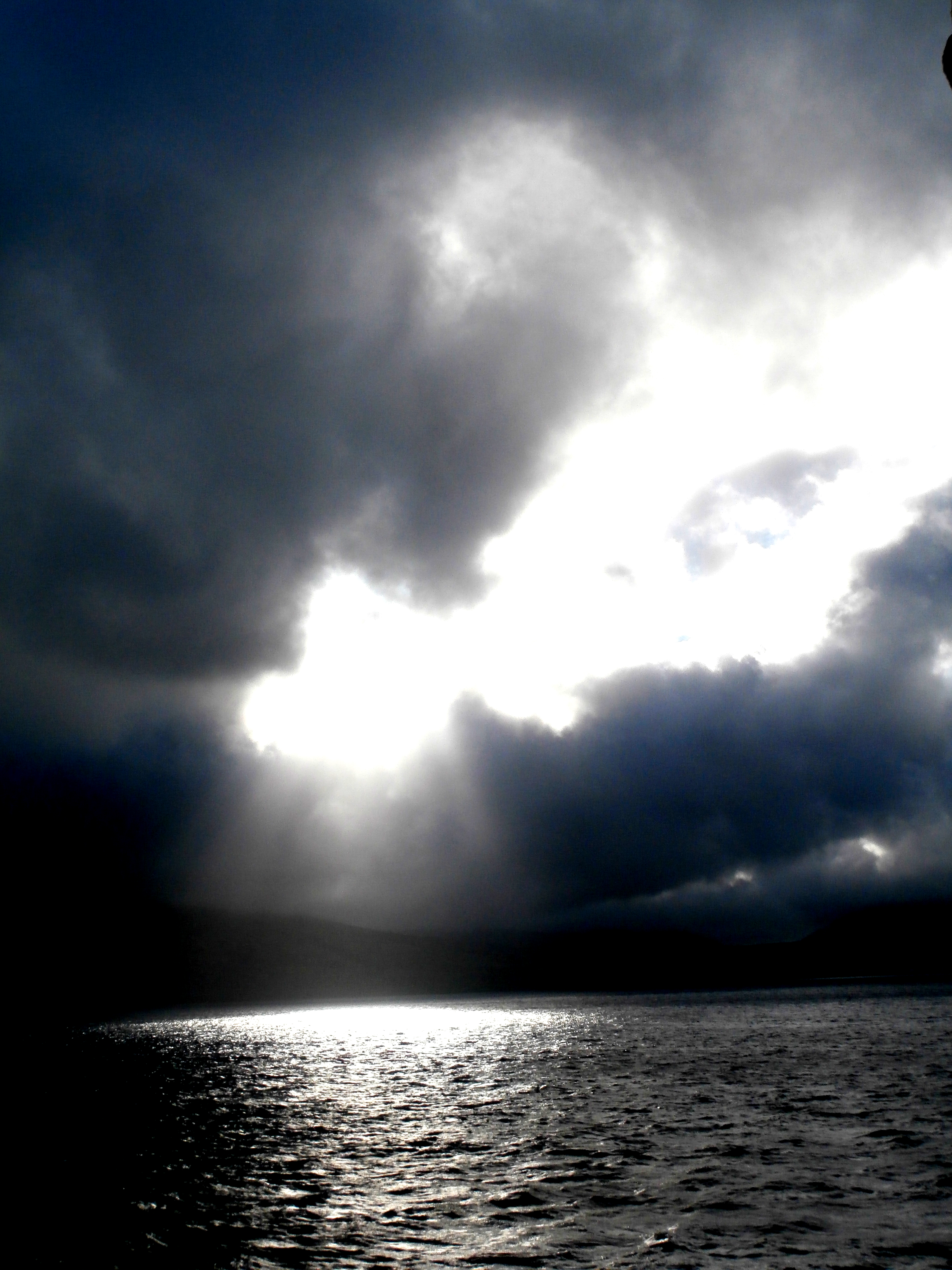
In late August my friend Roger and I had a week in the Azores concentrating on pelagic trips off the island of Graciosa. The highlight for me was seeing two new species of storm-petrel, Monteiro’s and Swinhoe’s The former is shown below along with storm clouds off the coast of Graciosa.
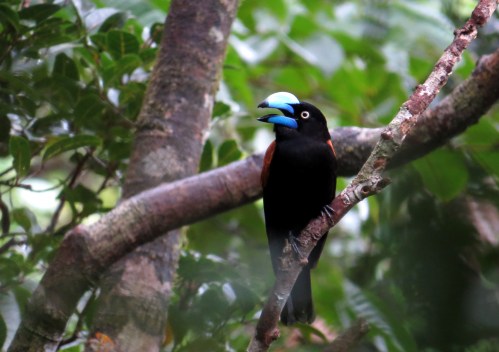
The longest and hardest tip of the year was to northern Madagascar and the Comoros in September/October. Good birds and mammals abounded but roads were poor in places, transport unreliable, journeys were long and accommodation was variable. The photos below shows sunset over Lake Kincloy, the site of the rare Sakhalava Rail, but the bird of the trip was the wonderful Helmeted Vanga seen earlier on the trip on the Masoala Peninsula.

The final trip in November/December was to southern Argentina. This highly scenic trip was most enjoyable and produced some great birds. The photos show the Moreno Glacier in Glacier National Park and the critically endangered Hooded Grebe. I have still to upload the final installment of this trip but will be on this blog within a few days.


All of these trips are illustrated in more detail on the blog. Feel free to scroll back through the year. Happy New Year – here’s to a successful and enjoyable 2015.
On the 6th November we left Madagascar and flew to Moroni the capital of the The Union of the Comoros, a group of three islands that along with the French island of Mayotte form the Comoros, the archipelago of volcanic islands that lie between northern Madagascar and the East African Coast.
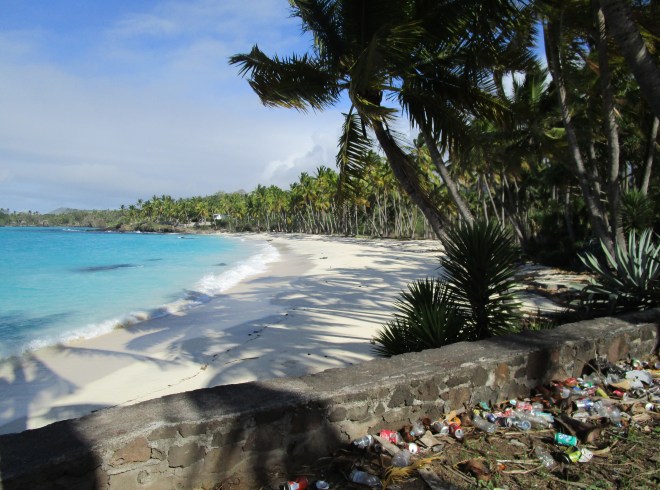
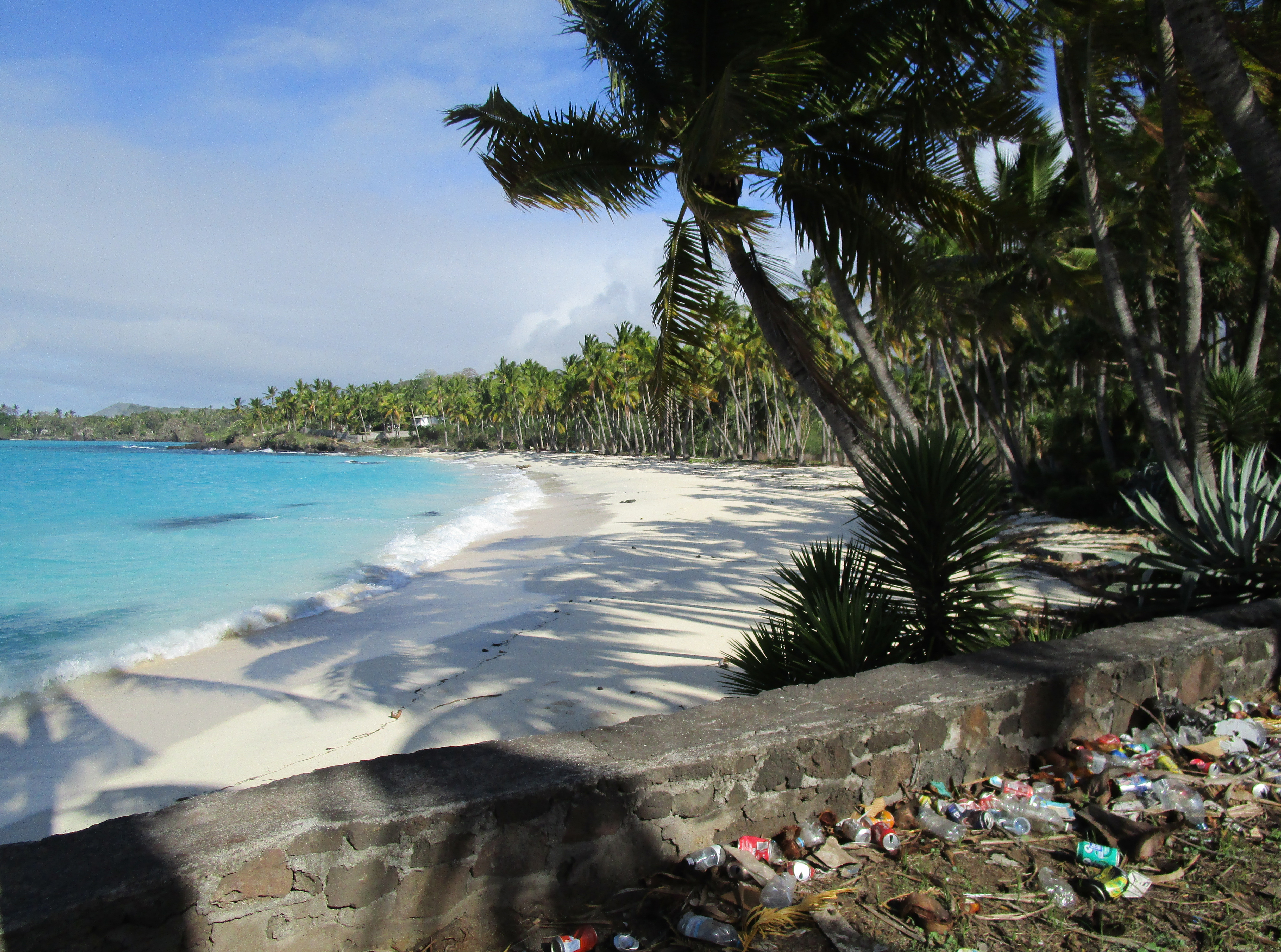
Much of the the interior of Grande Comore consists of recent lava flows but the beaches are beautiful, or at least would be if the locals didn’t dump rubbish on and around them.
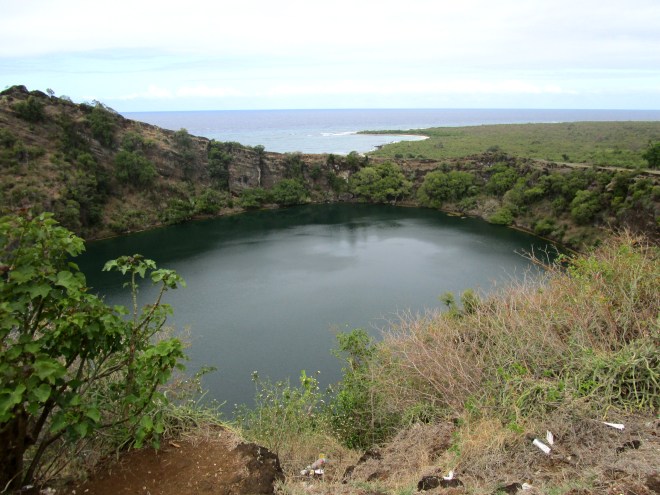
We were told there was a salt lake to the north of Moroni and visited in the hope of finding wintering waders but instead found a sterile crater lake with a connection to the sea.
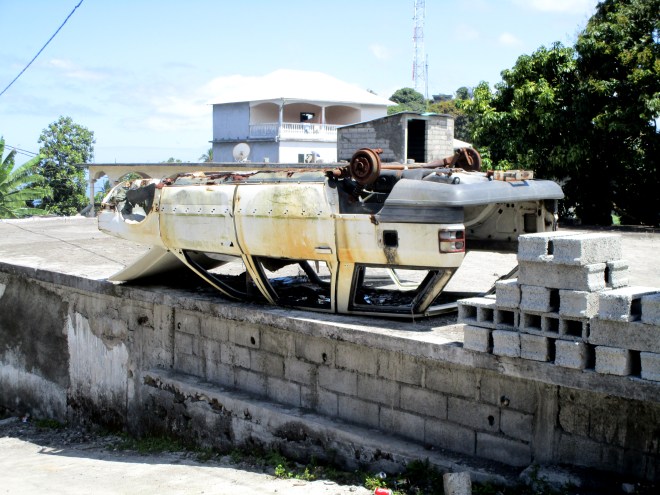
There was a large collection of discarded cars along the route, some even ended up on the top of houses or on the beach.
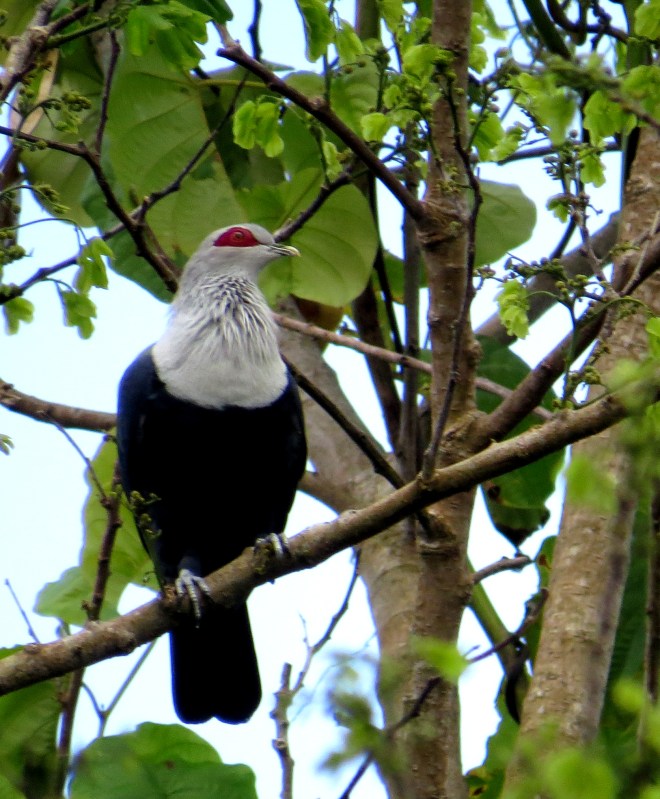
Birding in a few spots in the lowlands was good with the beautiful Comoros Blue Pigeon,
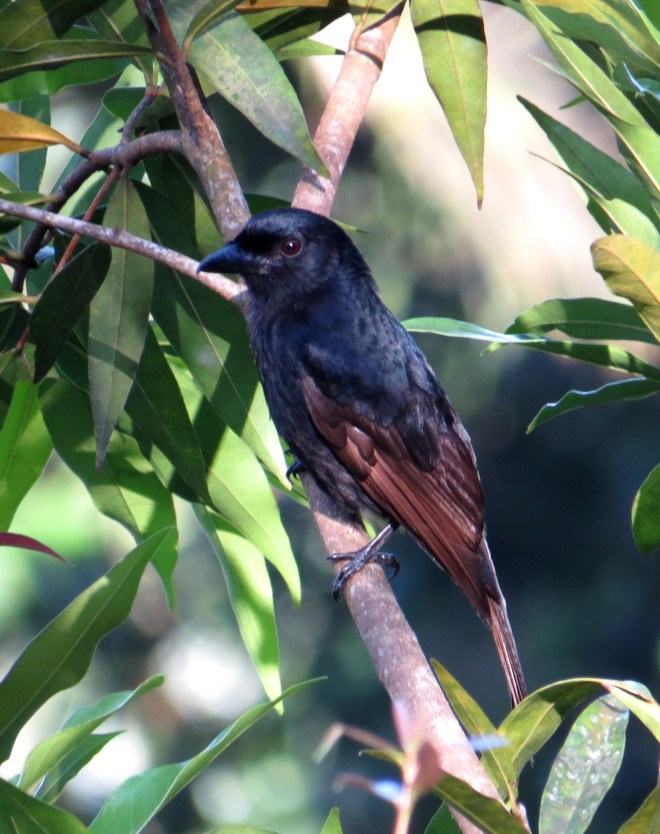
and Grande Comore Drongo.

France’s Sparrowhawk is also found in Madagascar but here is represented by an endemic race.
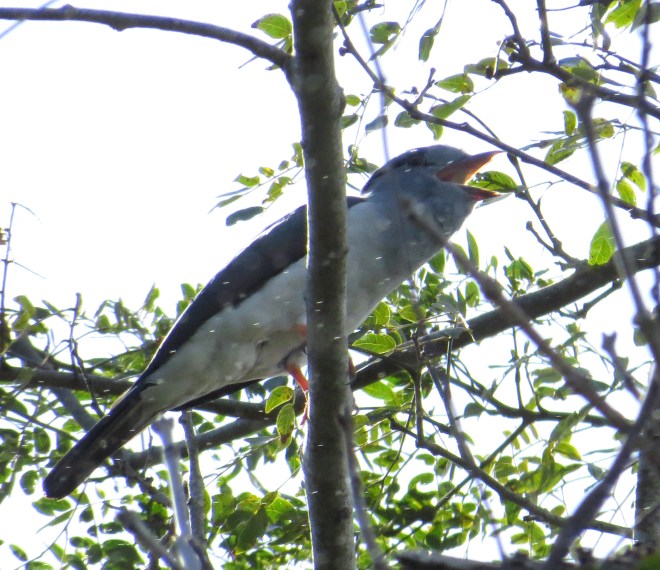
A number of the birds of the Comoros differ markedly from their Madagascar relatives. The Cuckoo-Roller on Grande Comore (but not on the other islands) differs by being smaller with a greyer throat contrasting with a pure white belly in the male and paler below with more rufous underparts in the female and there are vocal differences as well. It is treated as a separate species in the Birds of the Indian Ocean Islands field guide but not by any of the world checklists.
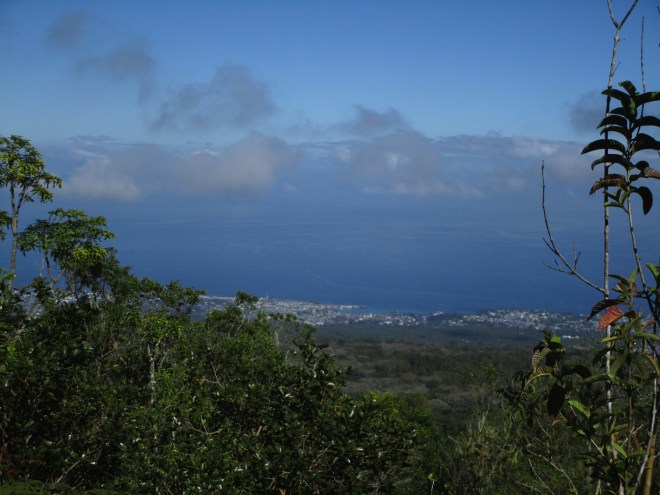
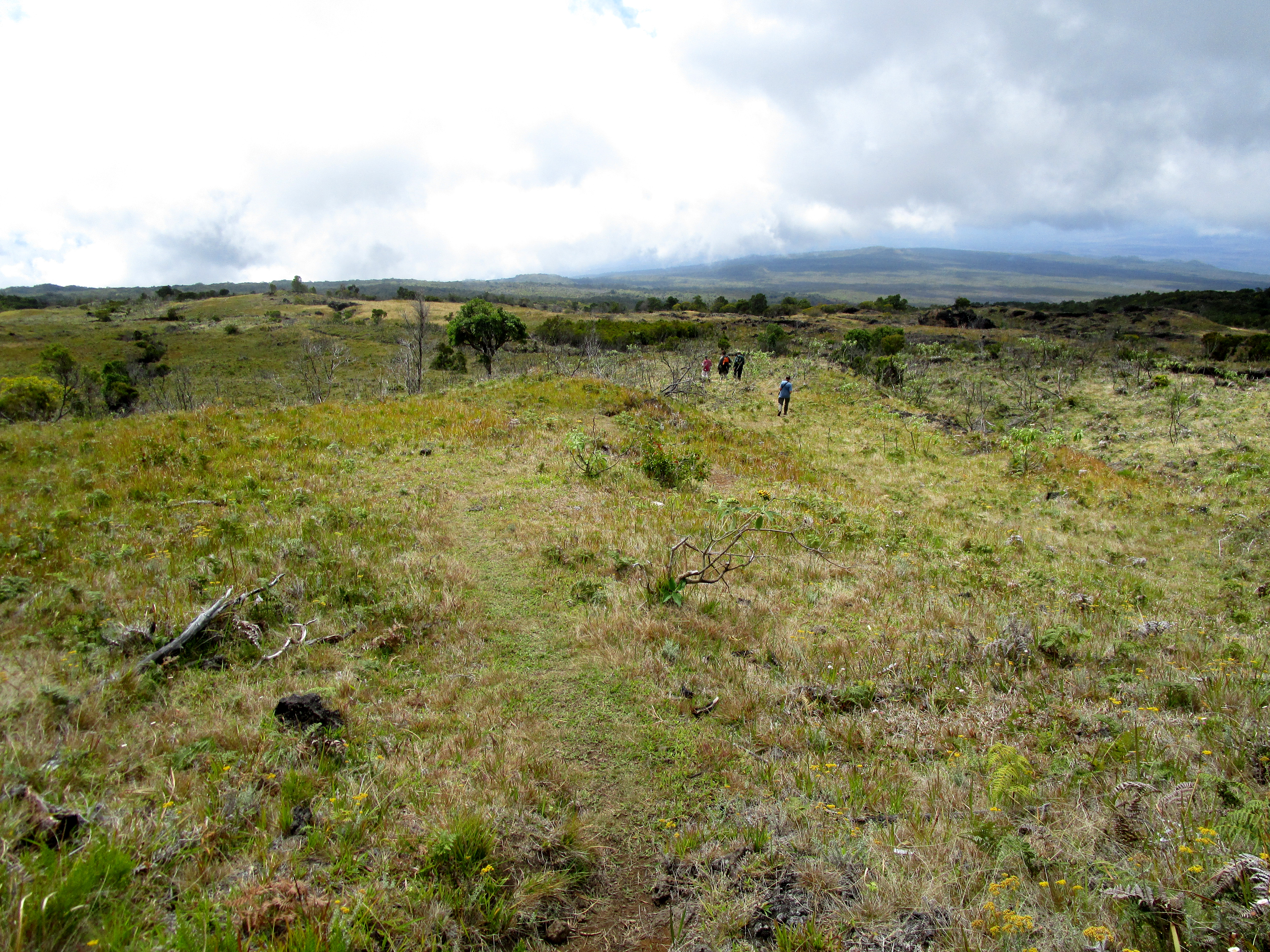
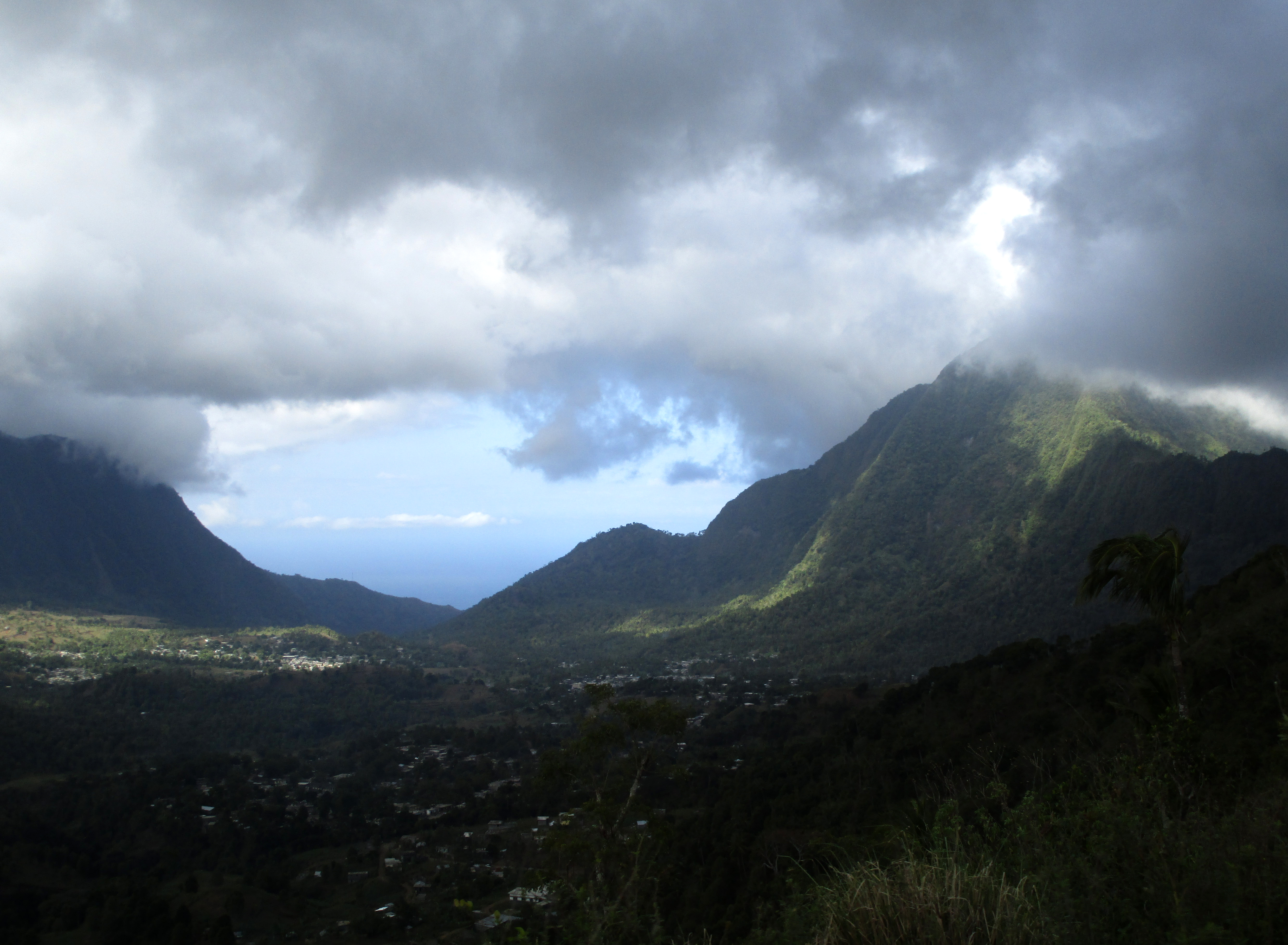
Our main birding excursion on Grande Comore was an ascent of the 2300m high Mt Karthala. We didn’t have to go right to the top, but it certainly felt that way.

On the way up we found a number of endemic species including this attractive Humblot’s Flycatcher, sufficiently distinct to be placed in its own genus.

We started at 350m asl and turned round at 1910m asl, a higher climb then the ascent of Ben Nevis, the highest mountain in the UK. During the seven hours of hard uphill slog we managed to loose our local rep and have the porters take our camping gear and lunch to various different localities all over the mountain. Eventually things got sorted out but we had to manage without our packed lunch, at least one porter abandoned us and the one who guided us up above the treeline had to be bribed to do so.
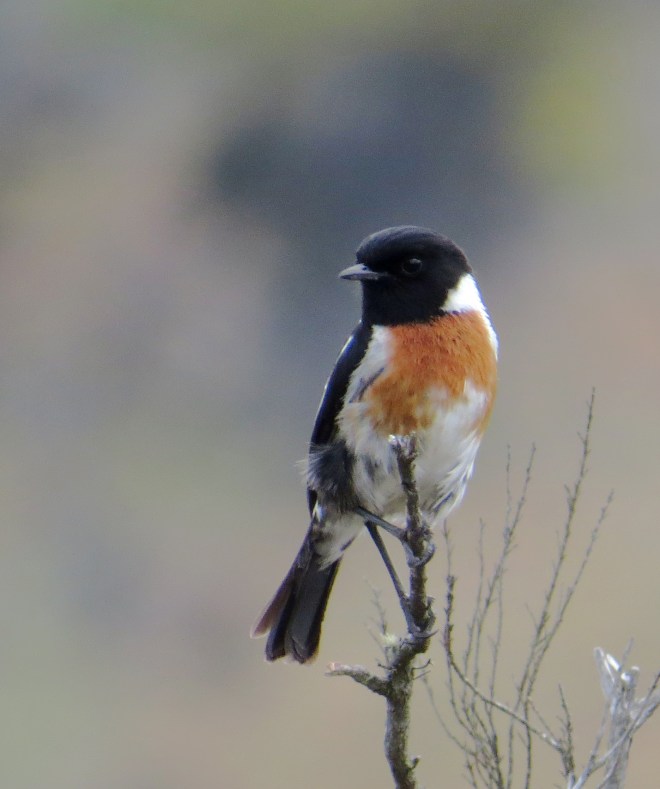
The stonechat on Madagascar is now considered a separate species from African Stonechat (which in turn is considered a separate species to those in Europe and Asia) but know one seems to know what the affinities of the birds on Grande Comore are.

Well this was the bird we slogged uphill for seven hours to see – Mount Karthala White-eye. We must have been crazy, although to be fair I did get eight life birds that day at various points on the mountain. Only found above 1900m on this island, it is a very range restricted bird. Lower down it is replaced by Kirk’s White-eye, a bird that induced the inevitable comments – ‘it’s a White-eye Jim, but not as we know it’ and ‘boldly goes where no White-eye has gone before’ .
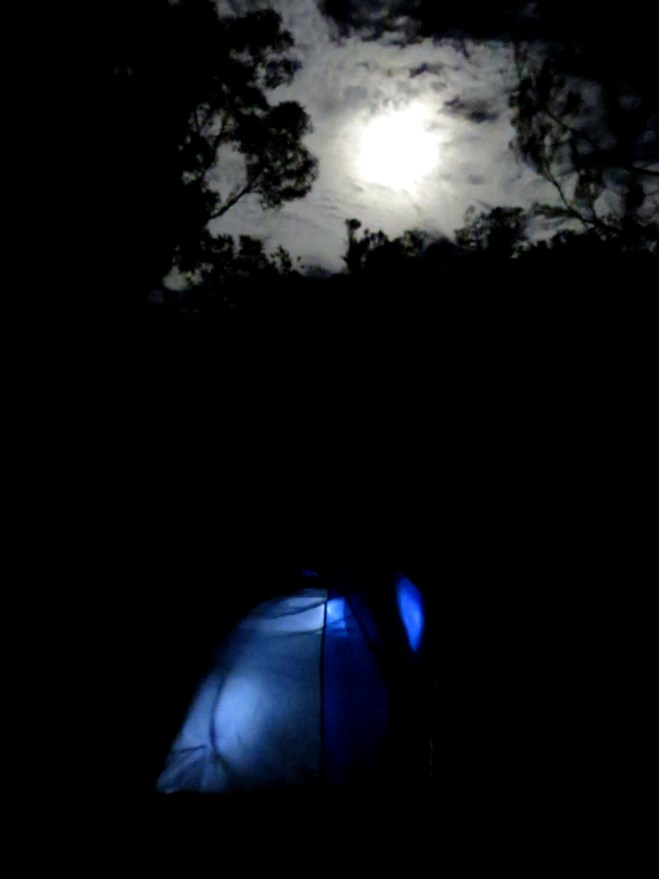
Fortunately we didn’t have to descend 1560m that day, we camped at about 1200m asl in this very basic camp site but we managed to see the critically endangered Karthala Scops Owl nearby

Just a three and a half hour descent the next day and we were back to ‘civilization’.

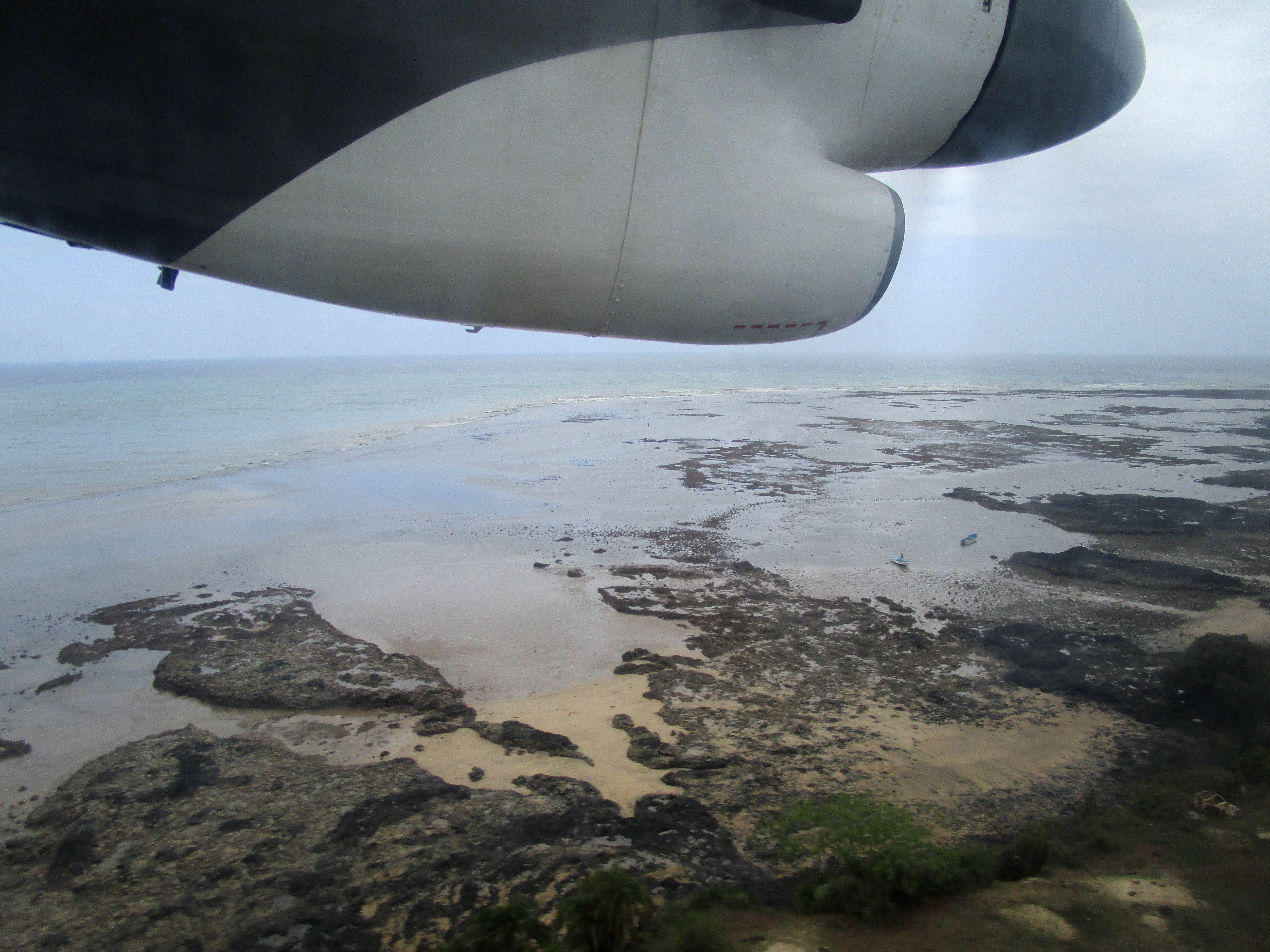
Previous trips to the Comoros have been really mucked around by the airline with flights cancelled at the last minute but we were lucky. Here we are descending to Moheli. There was a strong wind that morning and the flight was very bumpy, we took it in our stride but a number of the locals were really scared and you could hear prayers being offered all around the cabin.

Moheli airport is not the most attractive in the world ..
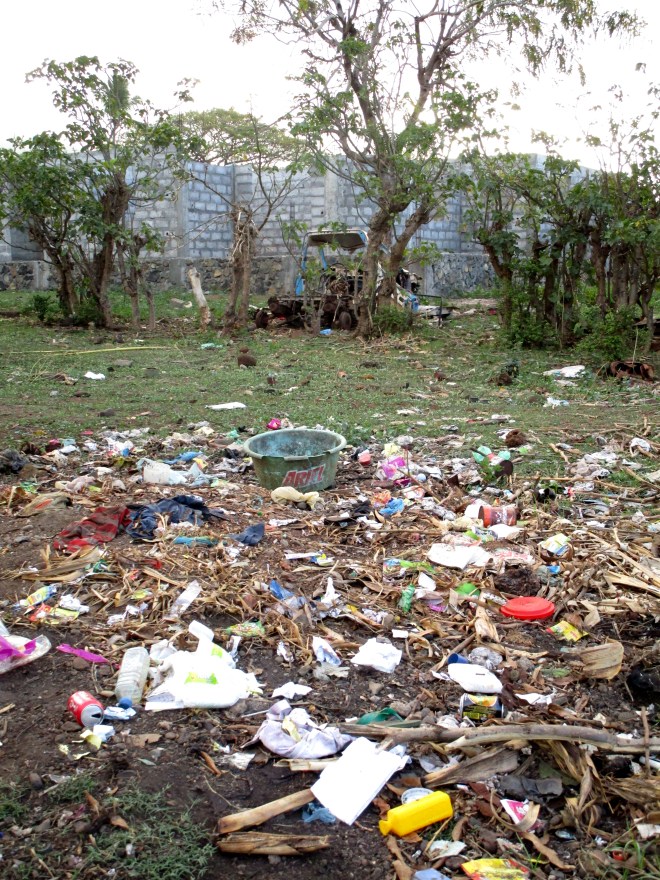
… nor were the environs of our cockroach infested hotel …
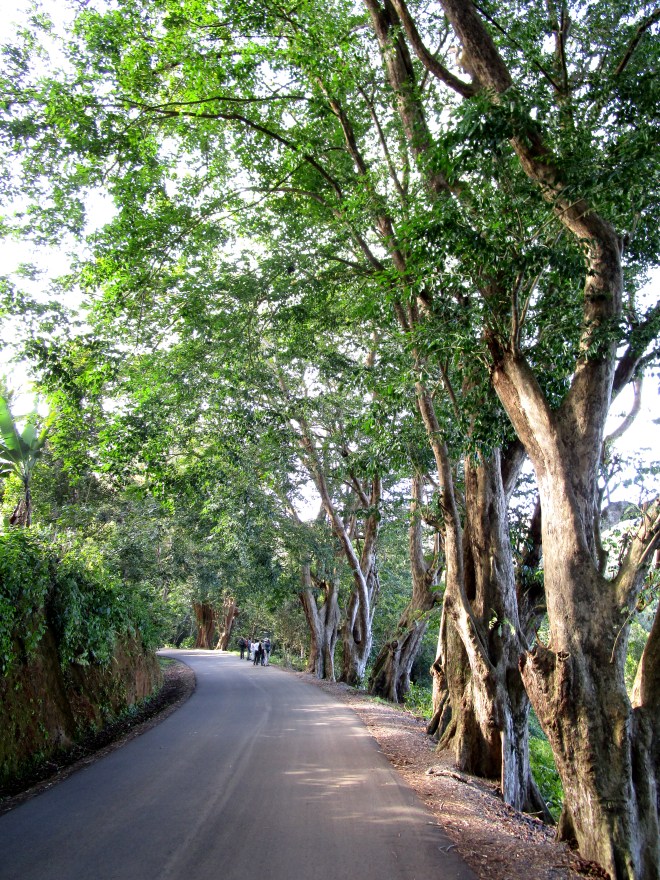
… but the birding location along the central ridge was really nice and after the trials of Mt Katharla was really enjoyable.

The Comoros Fody is treated as a separate species from the Fody in Madagascar and may itself be more than one species.

The Comoros Thrush occurs on Grande Comore, Moheli and Anjouan, each island form is very different. The field guide treats them as three separate species, but again, this is not followed by any world checklist.

Pride of place went to the cute Moheli Scops Owl which showed well in broad daylight.

The following day we drove to the far side of the island and climbed another hill to see Moheli Green Pigeon.

We were puzzled to see a number of Seychelles Fruit Bats flying over the sea and apparently picking objects off the surface.
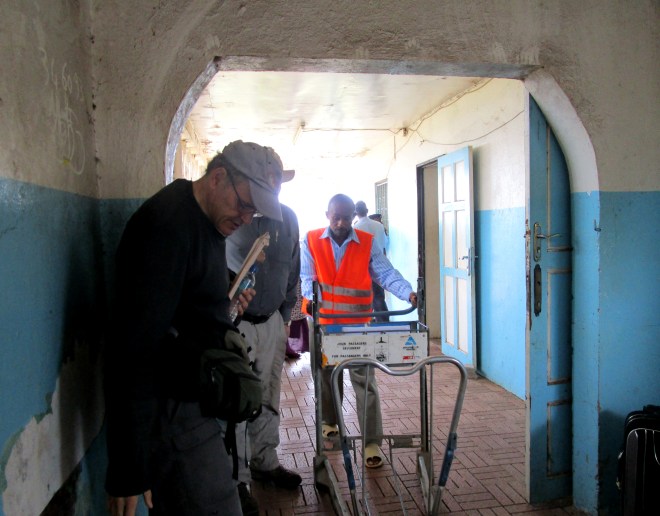
Then it was back to Moheli airport again. The last group had to spend six hours here, we fortunately got away after just two.

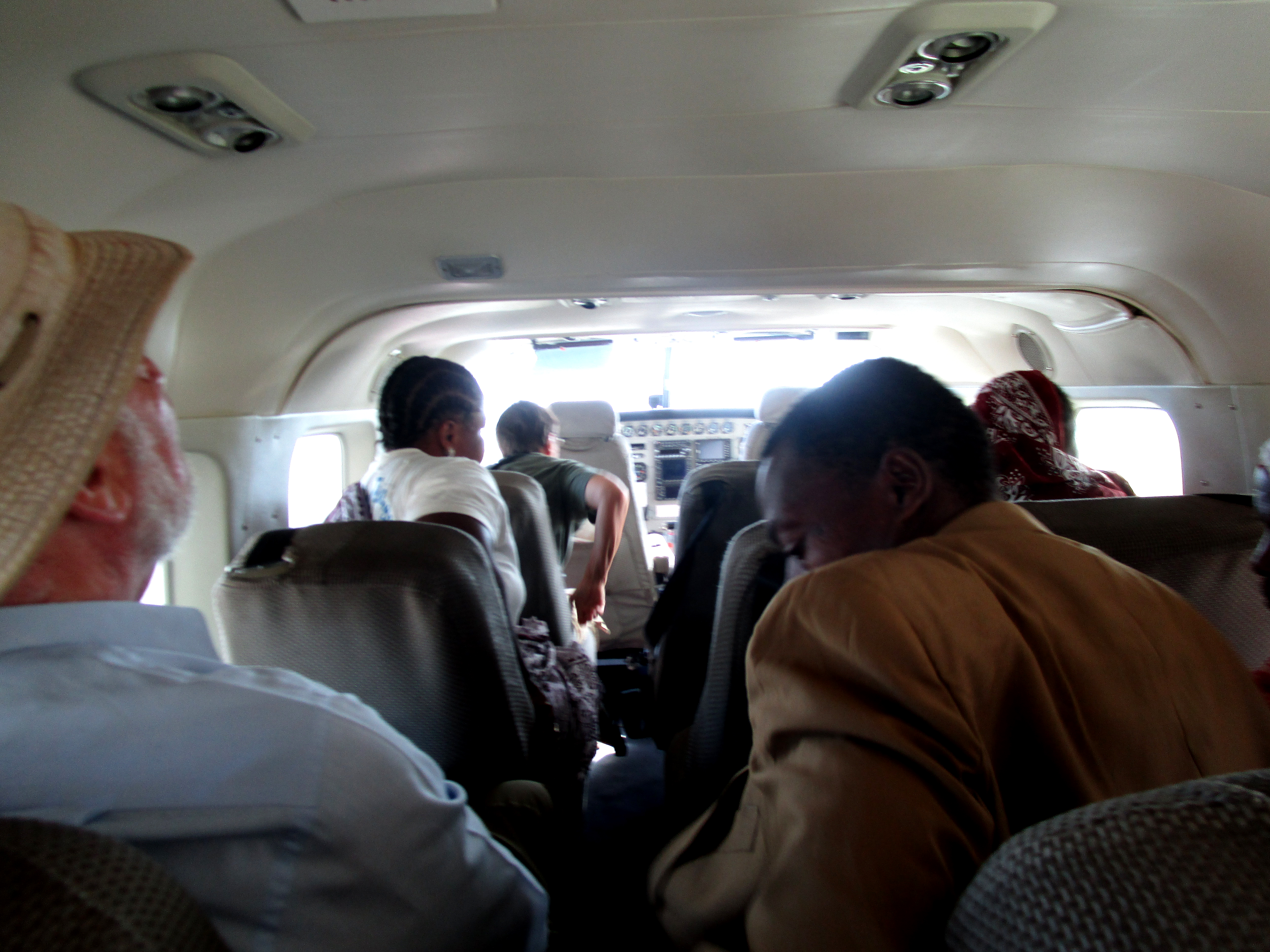
An unusual plane with virtually no aisle at all. It was quite a job to squeeze your way to the front. Dani (who comes from Spain_ was surprised to find the pilot was a Spanish woman and they had quite a chat after we landed in Anjouan.

The hotel on Anjouan was much better than the one on Moheli and we scored with two life birds in the grounds, Anjouan Sunbird and this Anjouan Brush Warbler.
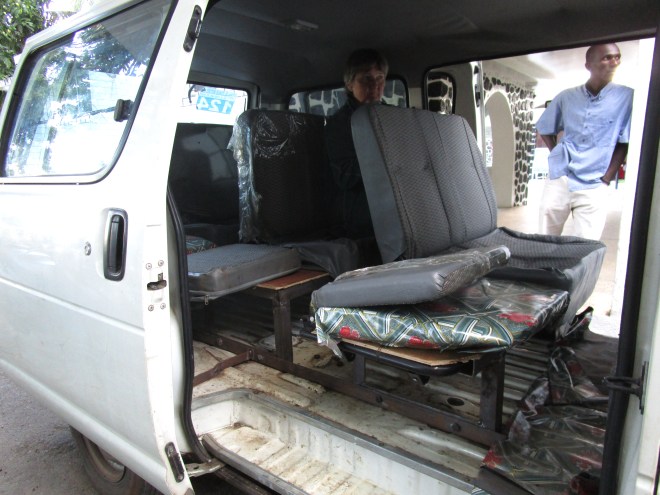
I once was the Health and Safety Officer at work. Imagine writing a risk assessment for this minibus. A frame bolted to the floor, seats made of plywood with movable cushions on top plus a door that wouldn’t shut properly. Well it got us to our destination.
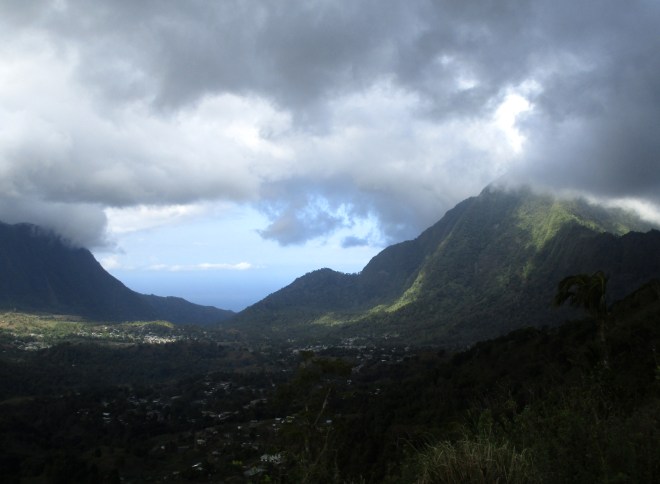
In the late afternoon we hiked uphill for about 90 minutes to a remnant patch of forest. After dark we tried for the elusive Anjouan Scops Owl, considered to be the hardest of all the Comoros scops owl to see. Two hours of scrambling, often on all fours on steep slippery slopes only resulted in flight views, although we heard the bird calling at close range. The walk back in the dark was tricky especially for one of our party who was still recovering from a broken leg earlier in the year. Dani and one of the drivers stayed behind to help him, we got back at 2345, they arrived two hours later!

There wasn’t much more to do on Anjouan so the next day was quite restful with just a bit of exploration in the afternoon. If you run out of birds to see you can always entertain the local kids by letting them look though the scope.

The day after we flew to Mayotte, a department of France. Even from the air we could see that this was a much richer island than the others in the Comoros. The islands voted for independence from France in the early 90s, all but Mayotte went there own way – I wonder if they rue that decision to this day.
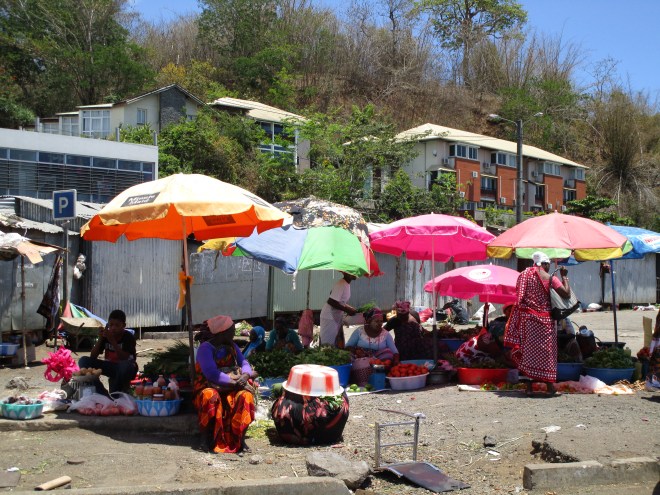
The quayside market. There are still some tin shacks on Mayotte but it look like they are used for storage rather than habitation. Good roads, supermarkets, good housing and plenty of tourists were all things lacking on Grande Comore, Moheli and Anjouan.

Some birds showed better on Mayotte than elsewhere such as this Comoros Olive Pigeon …

… but it also has four of its own endemics, Mayotte Drongo ..
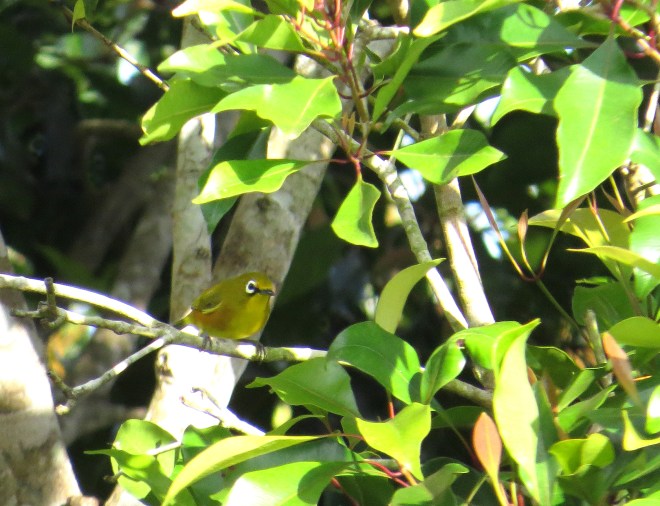
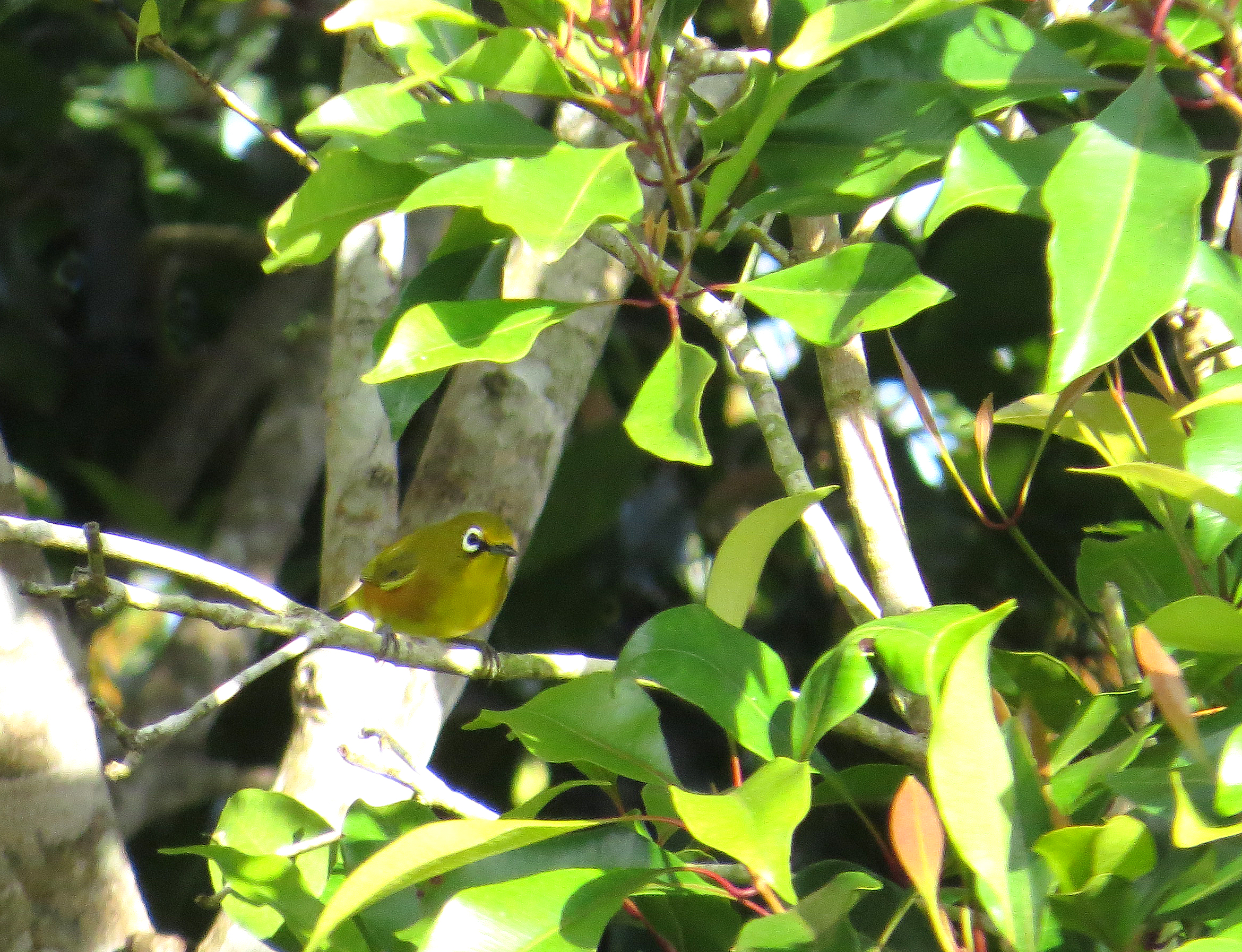
… Mayotte Sunbird (which didn’t come close enough for photos) and this Mayotte White-eye …
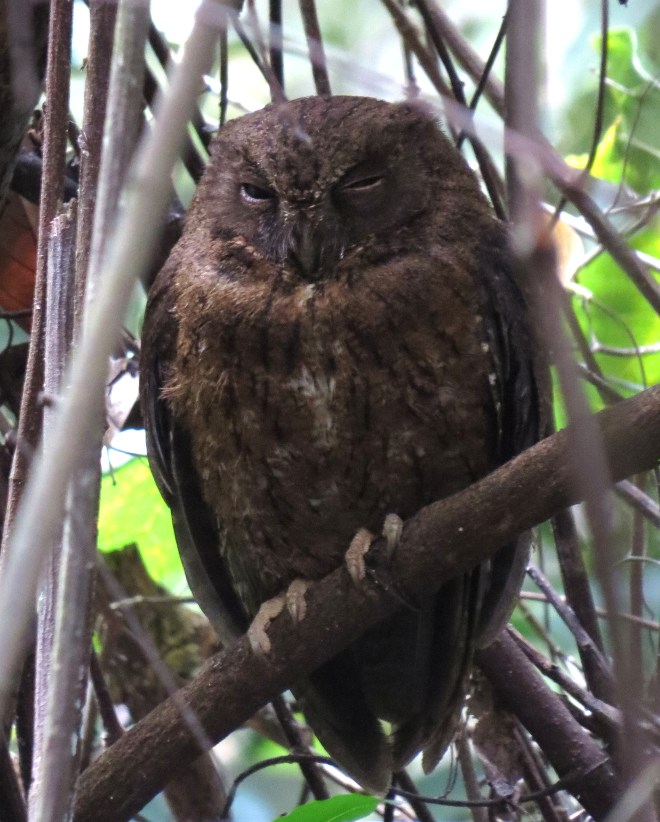
… but once again it was the endemic Mayotte Scops Owl that won first prize.
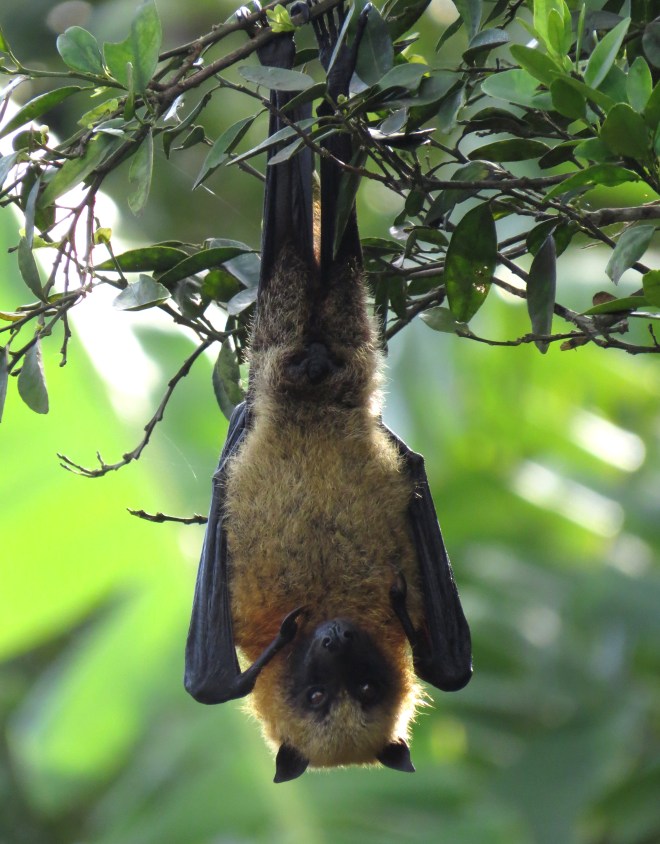
Seychelles Fruit Bats showed very well….

… as did a group of introduced Brown Lemurs around our lodge which turn up everyday for free handouts
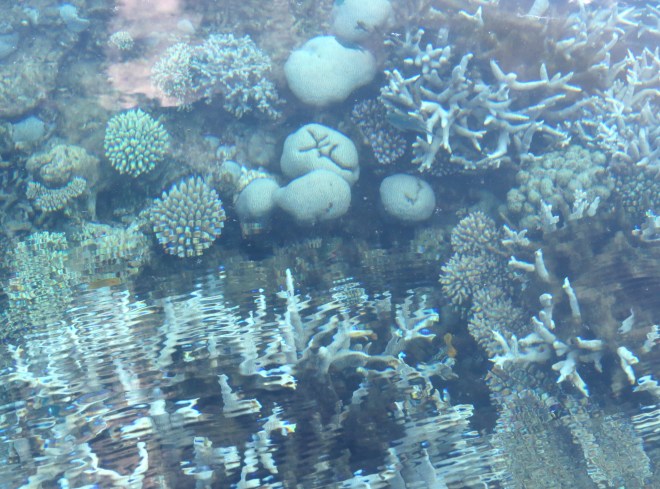
With all the endemic birds under our belt we spent the next day on a boat trip around the lagoon and further out to sea.

It was a normal tourist trip and we didn’t have the boat to ourselves so it took a bit of effort to persuade the boatman to detour so we could watch a feeding flock of Brown Noddies.

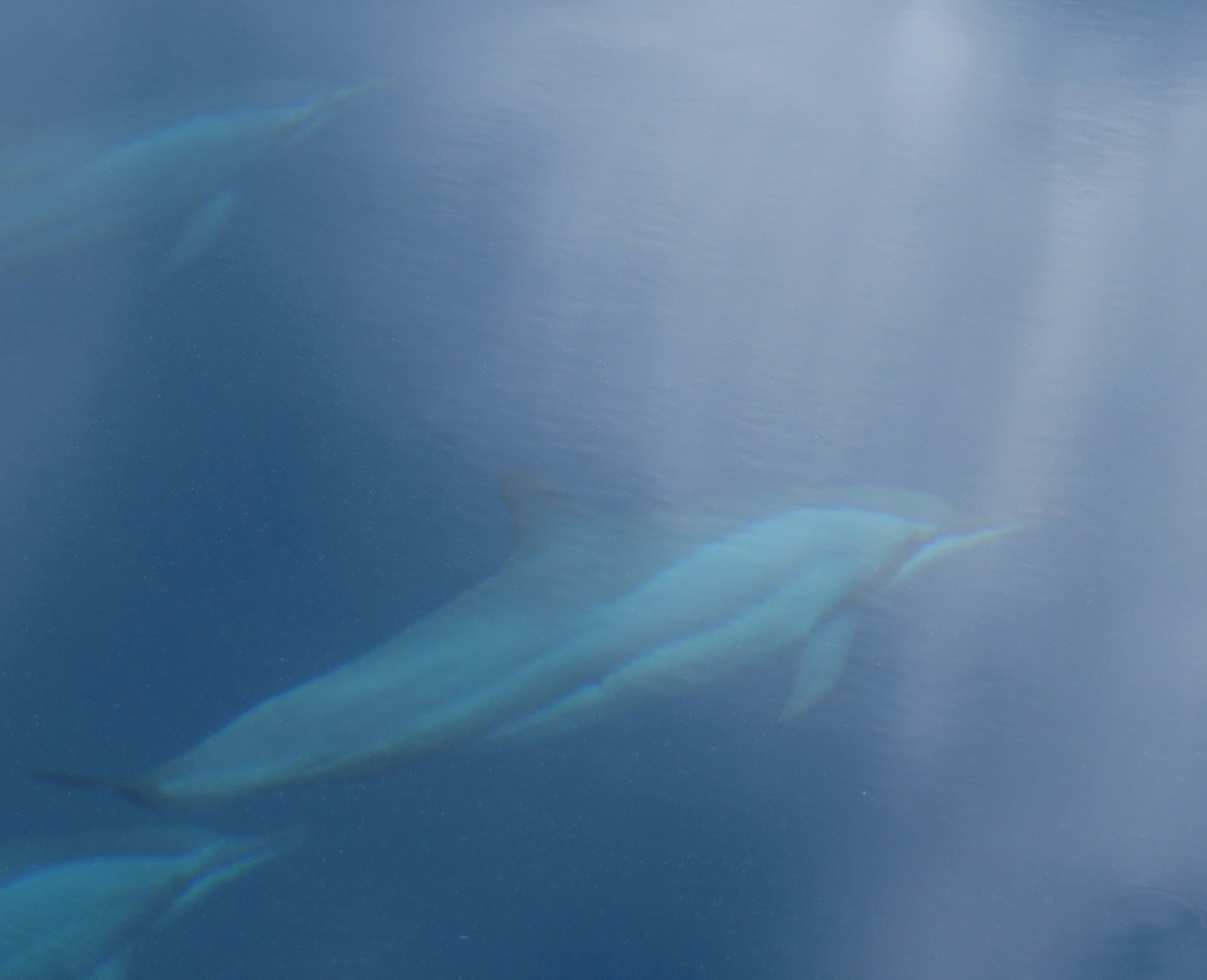
Pantropical Spinner Dolphins showed well underwater but only briefly performed their famous spinning acrobatics.

The highlight of the day was a mother and calf Humpback Whale. The mother spent long periods suspended vertically in the water with her tail held just above the surface. I don’t know if this is just a resting posture or one that allows the calf to suckle but the boatman had only witnessed it a few times in the many years he had been doing these whale watching trips.
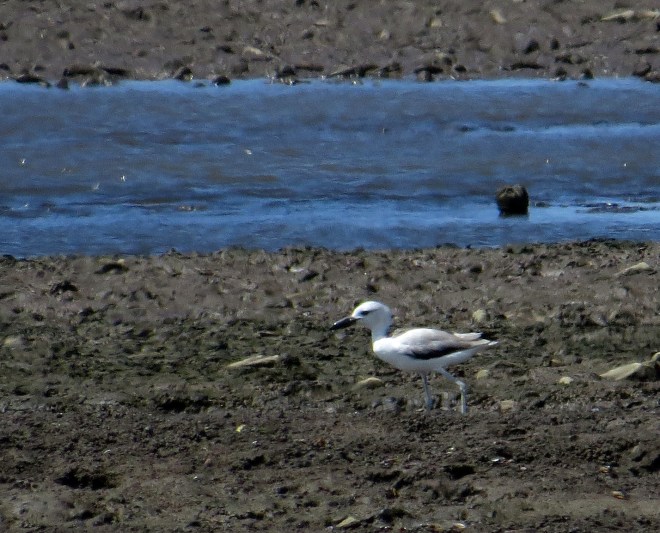
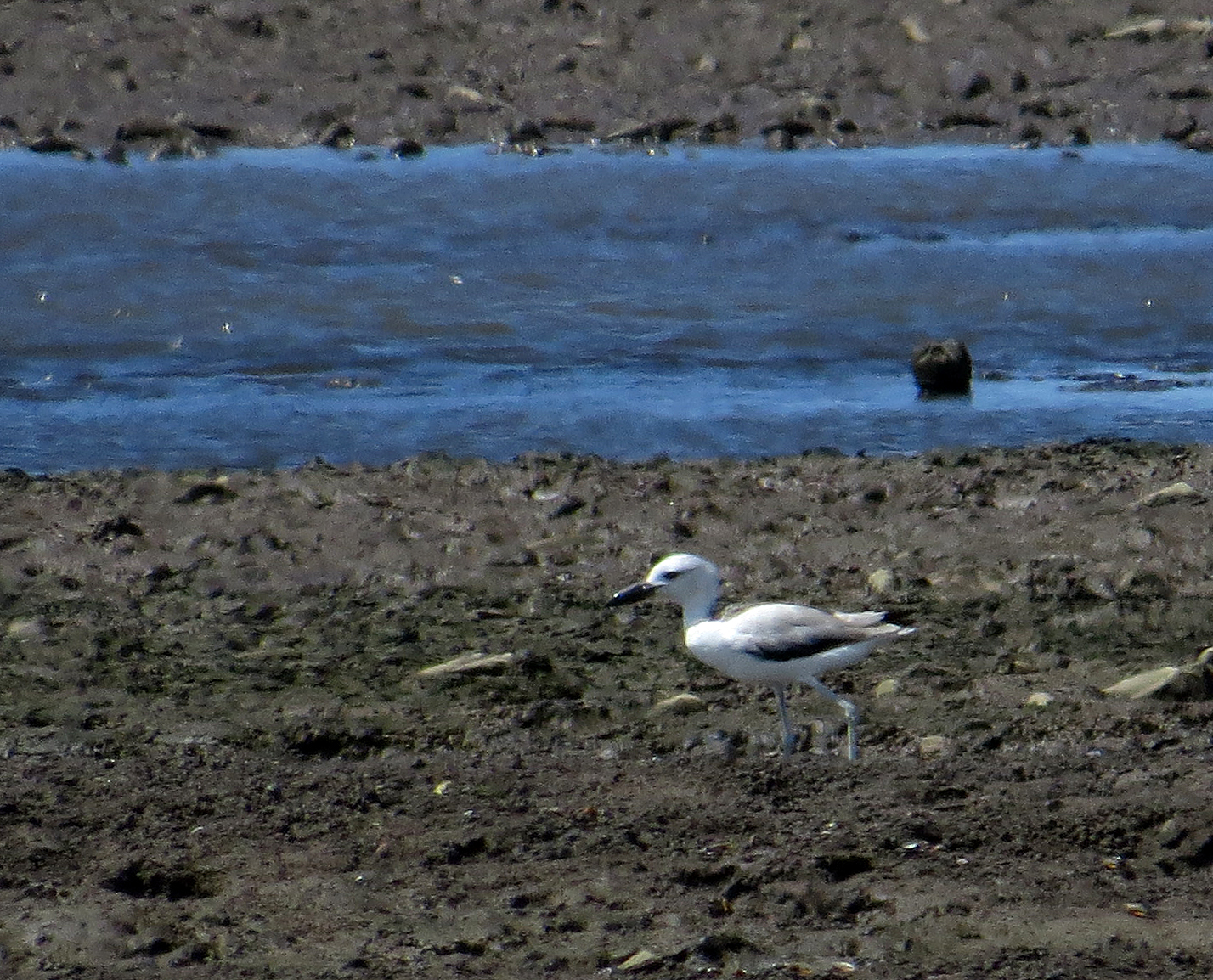
On our final morning we had a look around the shore for waders and found a small group of Crab Plovers, an enigmatic crab-eating wader that occurs around the shores of the western Indian Ocean. A suitable end to a very varied, sometimes tiring, sometimes trying, yet rewarding four week tour.


















 gryllosblog