This post covers our two and a bit days in the Bhuj area of Gujarat, specifically three outings arranged by CEDO, the Centre for Desert and Oceans. We arrived in the mid afternoon and immediately boarded their jeeps for an excursion in search of the critically endangered Sociable Lapwing.

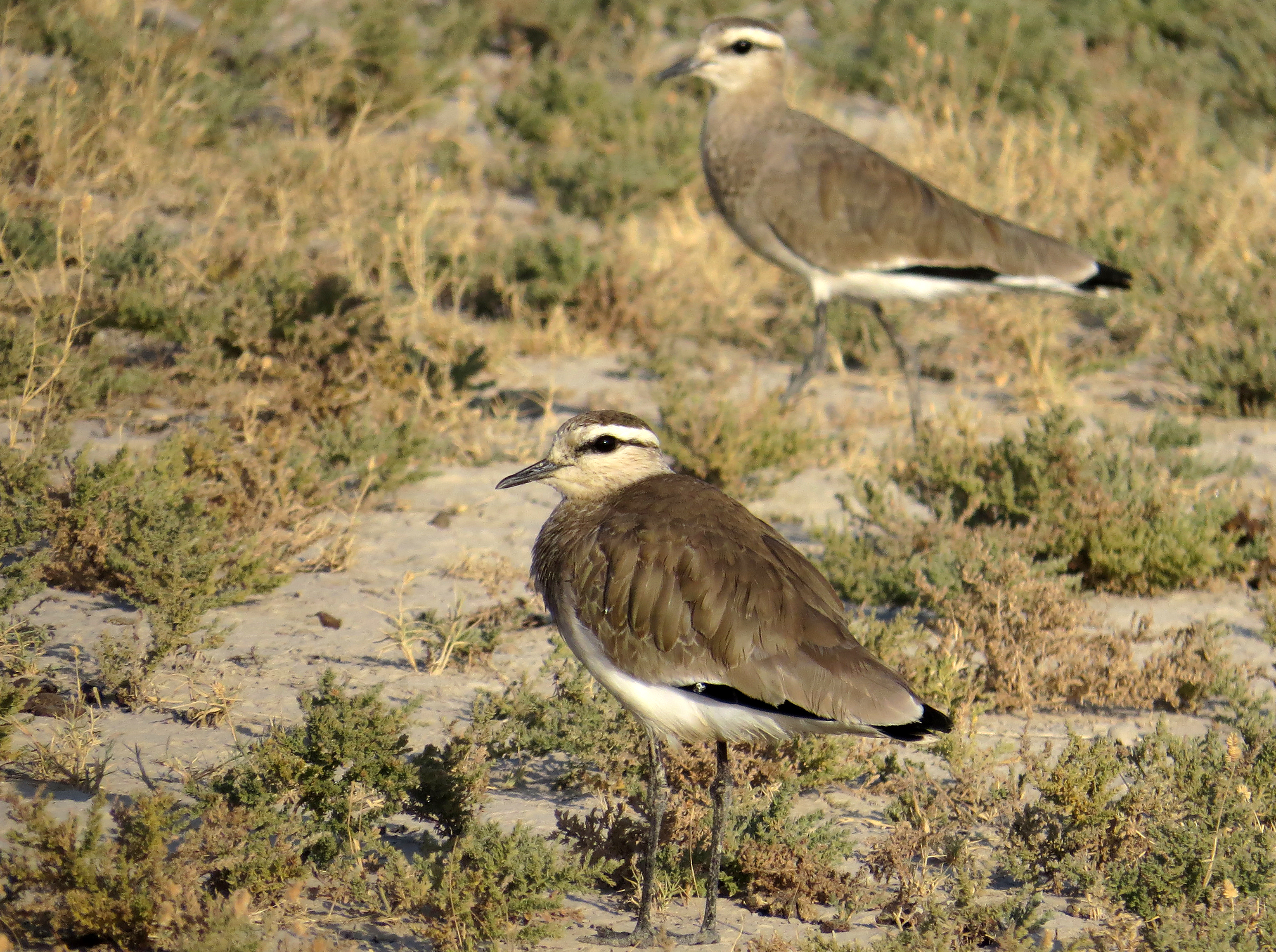
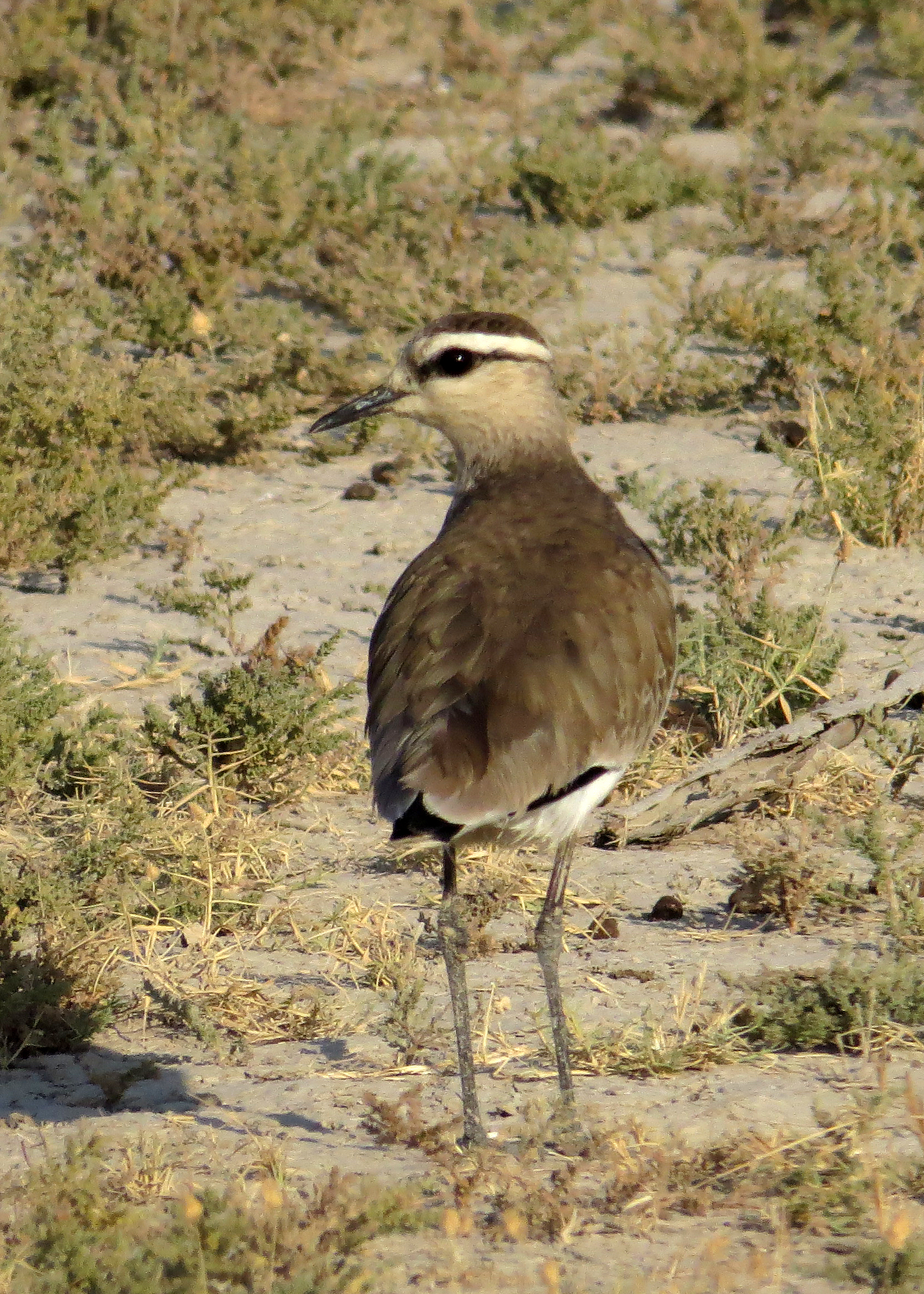
Sociable Lapwings breed on the steppes of Central Asia and pass through the Middle East to winter in north-east Africa and western India. Once plentiful, habitat destruction has reduced the population to 5,600 breeding pairs, but winter counts in the Middle East and Turkey suggest that this might be an underestimate. They are scarce in India and this flock consisted of just seven birds.
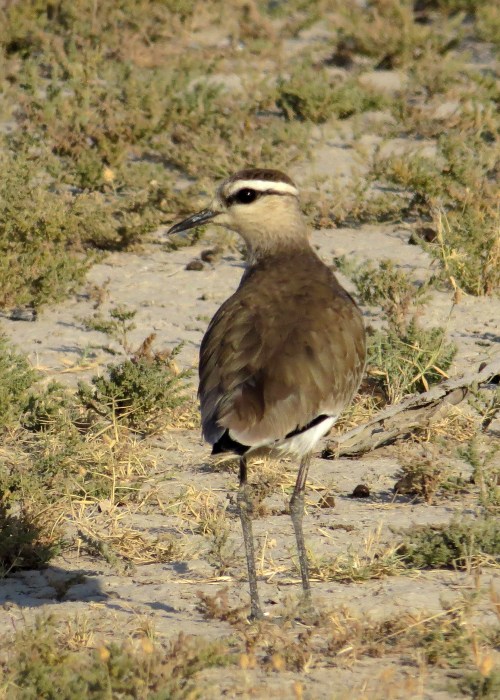
In spite of their global rarity this species has turned up in the UK as an autumn vagrant with some regularity. There have been about 40 records in the UK since 1958, although none in the last few years. I have seen this species five times in Britain, in South Wales, Kent, Hampshire, Dorset and Scilly between 1984 and 2008. I have also seen it in Oman and Kazakhstan.
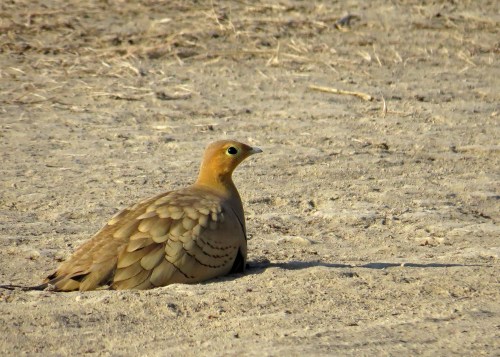
We also had good views of Chestnut-bellied Sandgrouse in the same area.

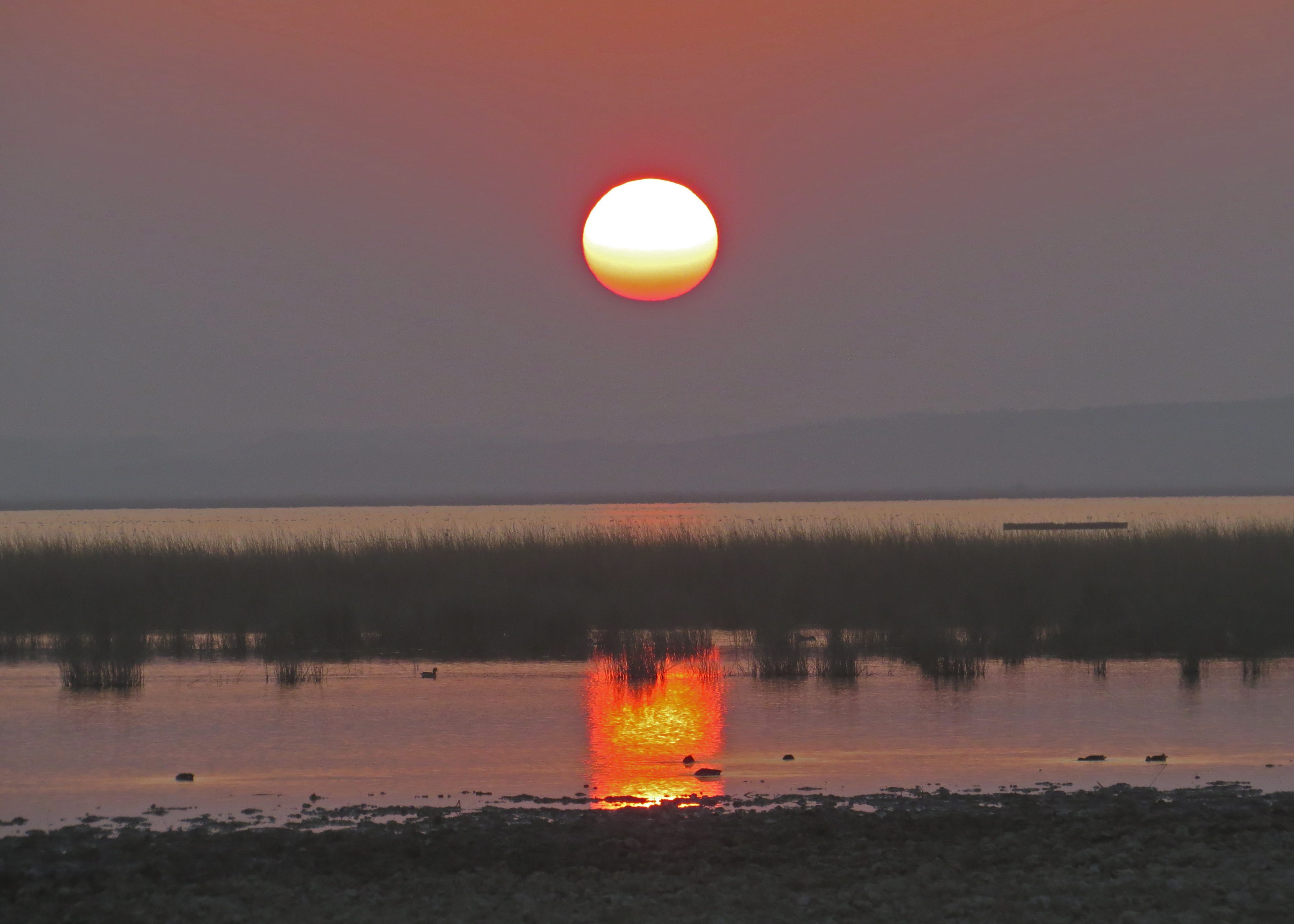
The day ended at a very birdy marsh but there were few places where we could get a view unimpeded by vegetation, and although the sunset was glorious it did little to aid the viewing conditions. In spite of this we saw many Common Cranes coming into roost, lots of waders, pelicans, a Red-necked Falcon and several Paddyfield Warblers.
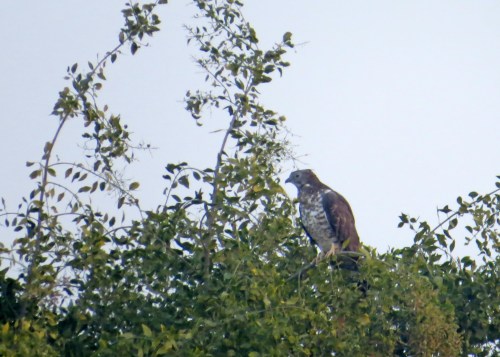
The following day we were at an area of scrub soon after dawn and found a couple of Oriental (or Crested) Honey Buzzards still at their roost.

It wasn’t long after that our main target appeared, the enigmatic Grey Hypocolius. This a much sought after bird as it is placed in its own family (although thought to be most closely related to the Waxwings). As it breeds in Iran sightings come mainly from wintering areas, especially Bahrain (where I have seen it before but only in flight) and here in Gujarat. This is a male ….

….whilst the female lacks the black mask. There were quite a few family collectors in our group so this species was voted number 2 in the ‘bird of the trip’ contest – after Great Indian Bustard of course.

Other birds we saw that day included more Red-tailed Wheatears ….

…. Yellow-wattled Lapwings ….
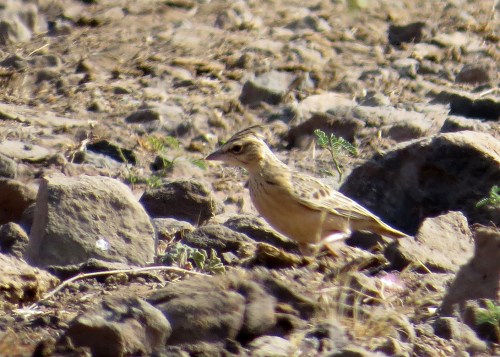
…. Syke’s Lark, which was a life bird for me ….
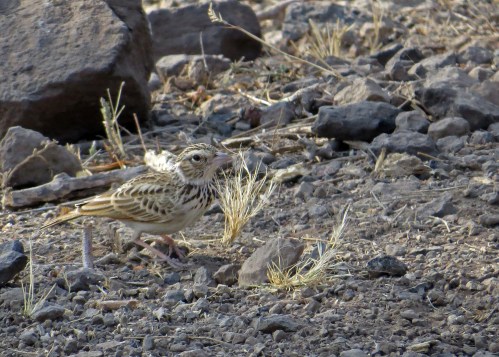
…. the bulky Indian Bush Lark ….

…. with it’s very well-marked breast ….

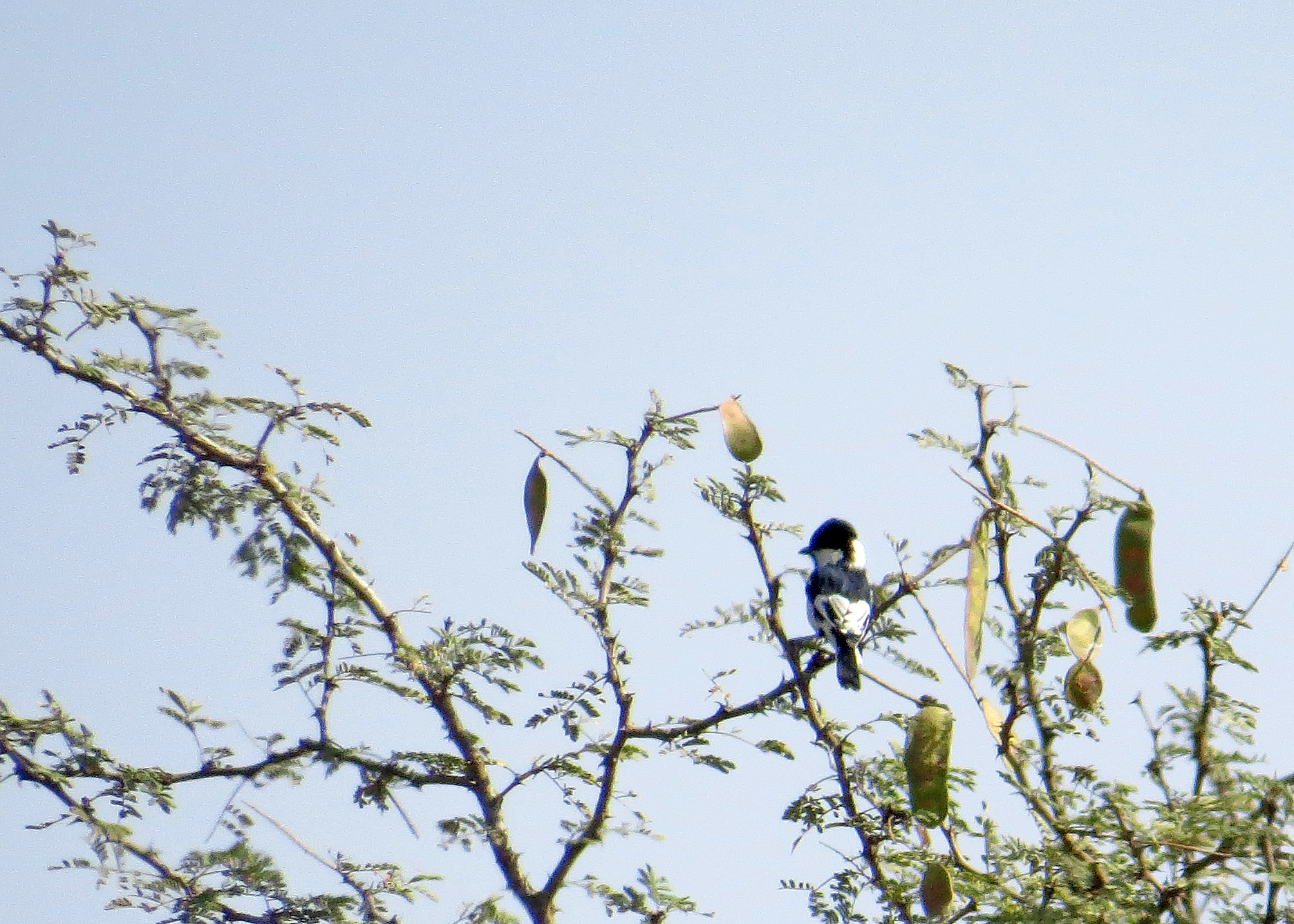
…. and the rare and elusive White-naped Tit (another lifer).
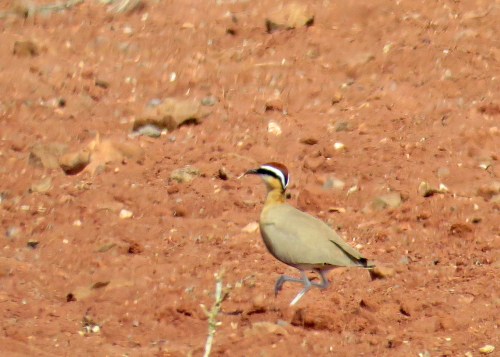
We got better views of Indian Courser ….

…. and great views of Green Bee-eater. The new Lynx Illustrated Checklist treats Green Bee-eater as three species, the all-green viridissimus in Africa, the blue-headed cyanophrys in the Middle East and the blue-throated orientalis from southern Iran eastwards.

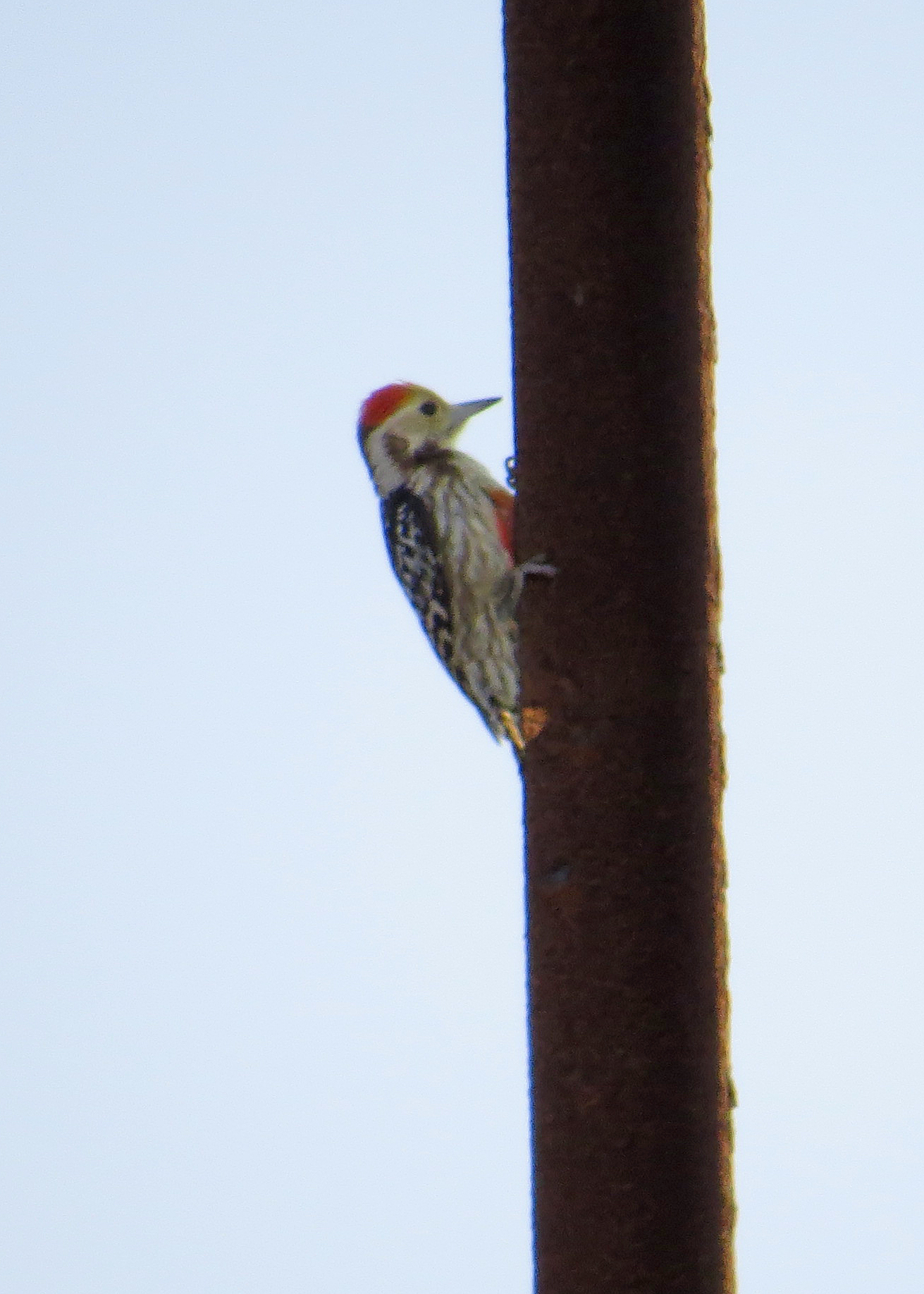
We only saw a few woodpeckers on this trip, this Yellow-fronted Woodpecker only posed briefly.

The selfie craze has reached India, these girls knocked on the door of our vehicle and asked for a selfie with Heidi.
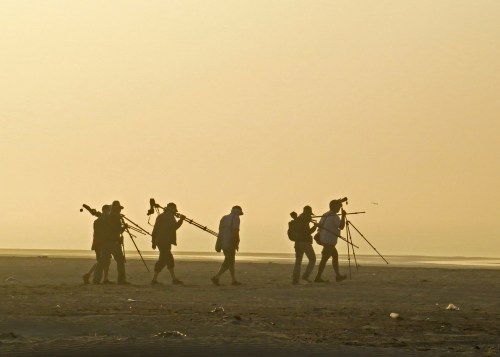
The following day we left early and arrived at the coast to the west of Bhuj at dawn

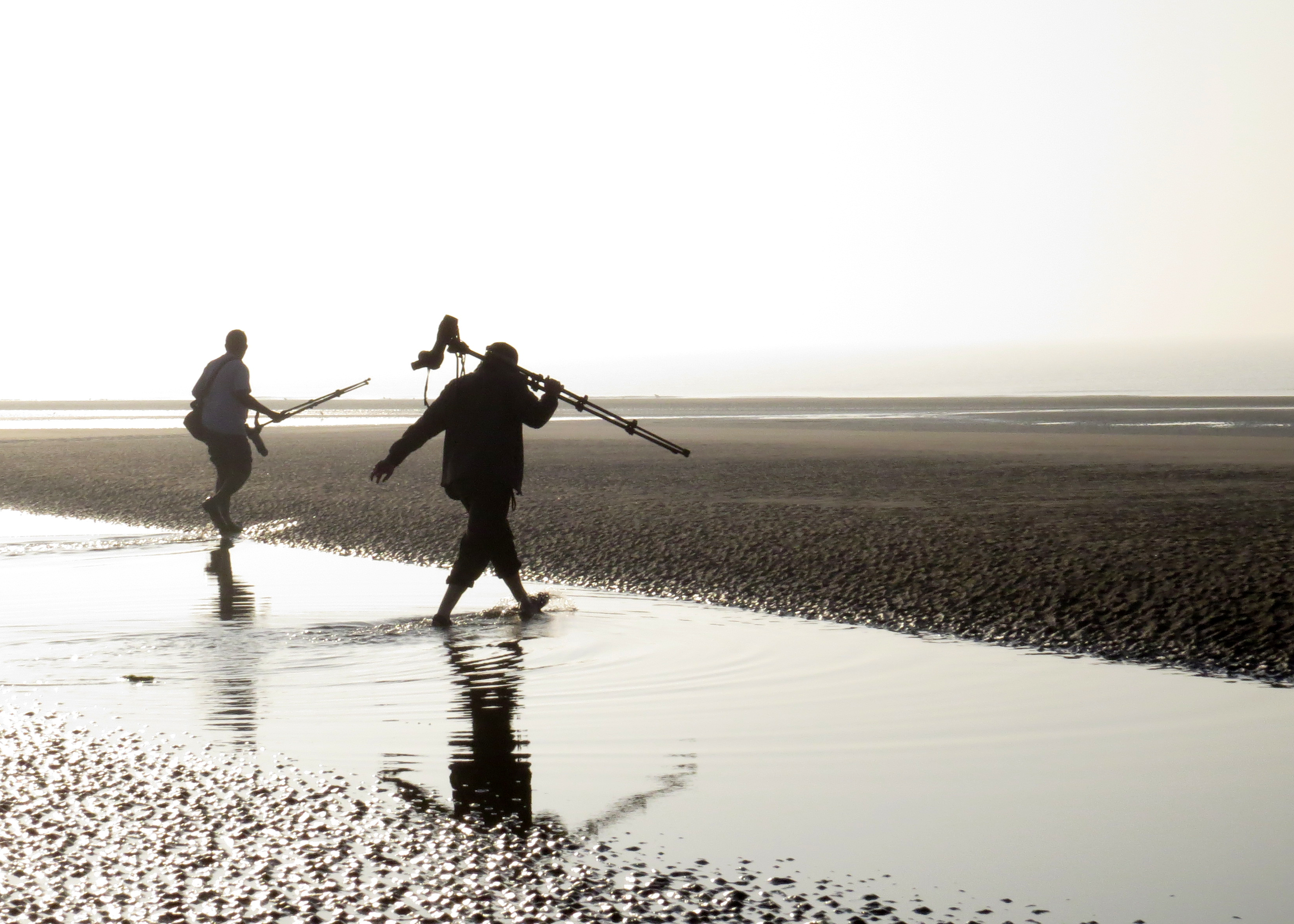
The rising sun soon backlit the flats. Crossing the channels was quite hard for those who didn’t bring suitable footwear as we sunk well past our ankles in the soft mud, however the going was easier closer to the shore.
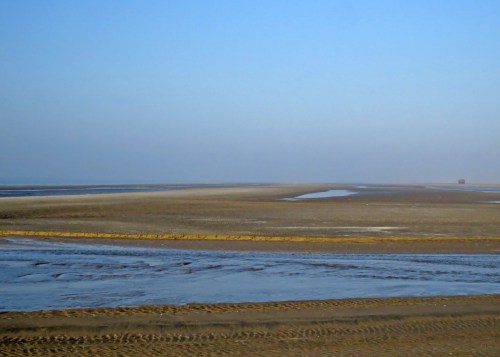
Behind us was a vast expanse of mudflats full of waders and gulls.

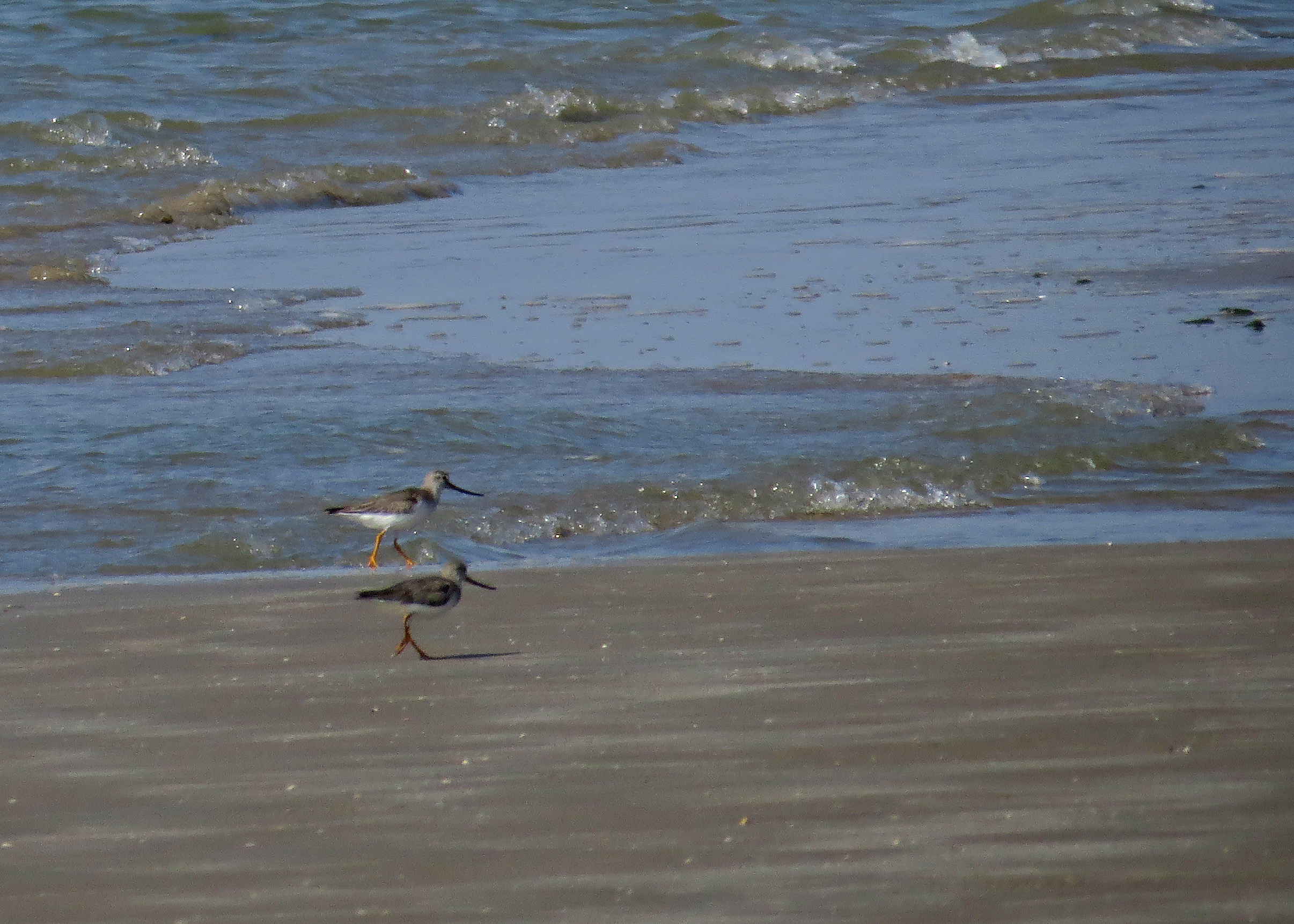
Wader/shorebird species included Little Stints ….

…. Sanderlings ….
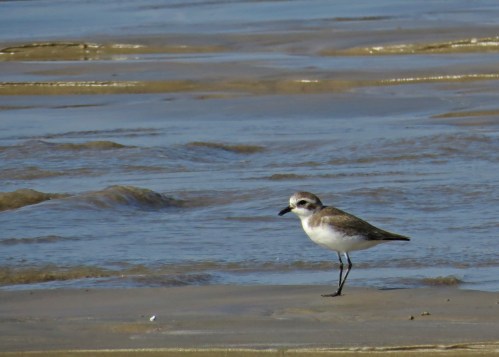
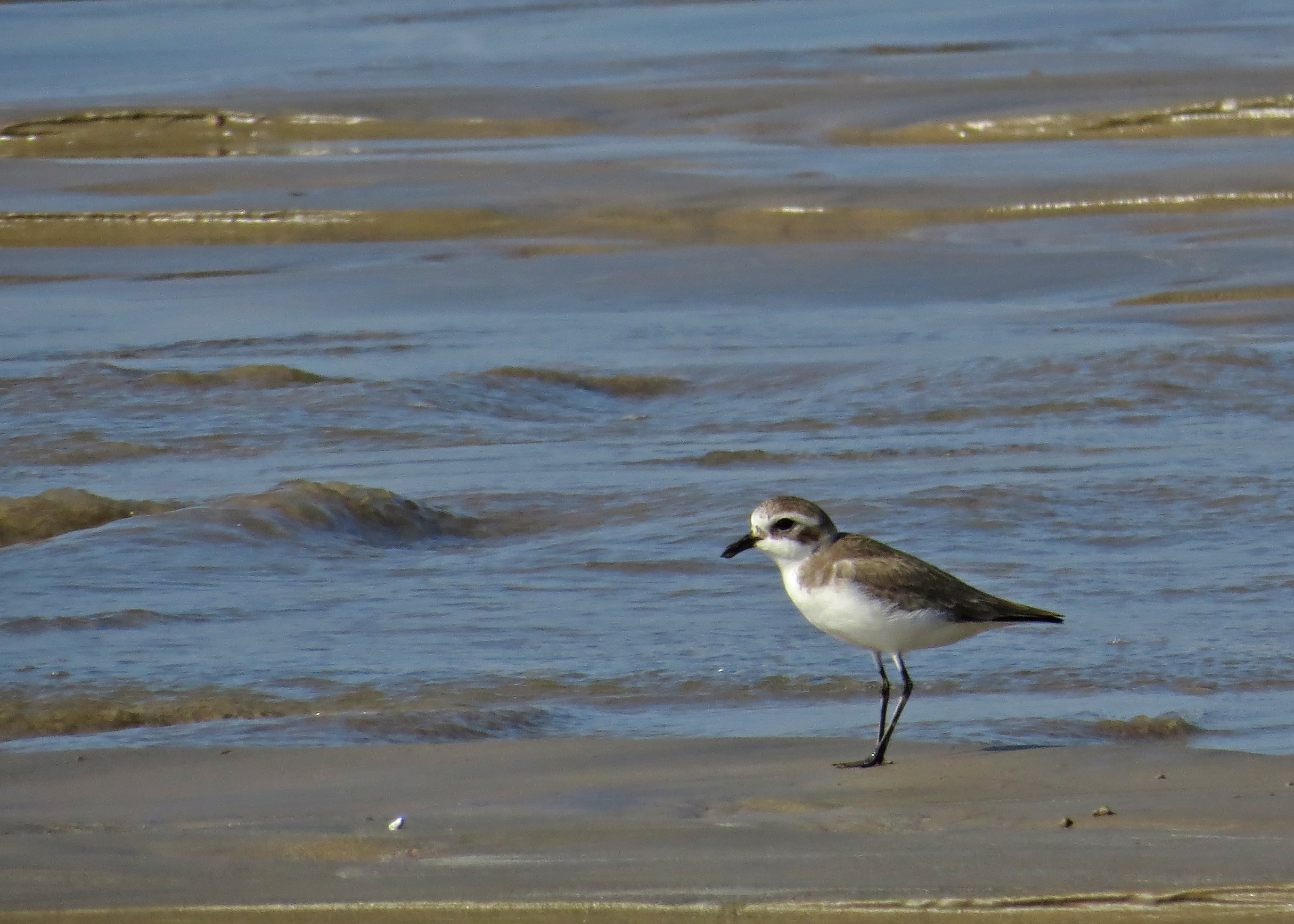
…. Lesser Sandplovers (and the occasional Greater) ….

…. and Terek Sandpipers.
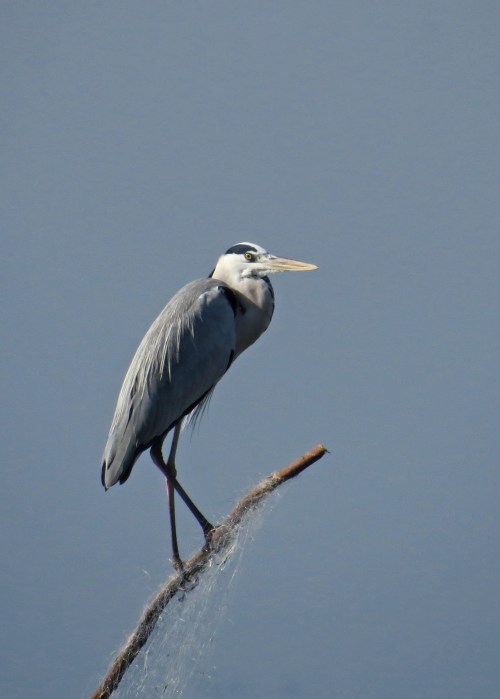
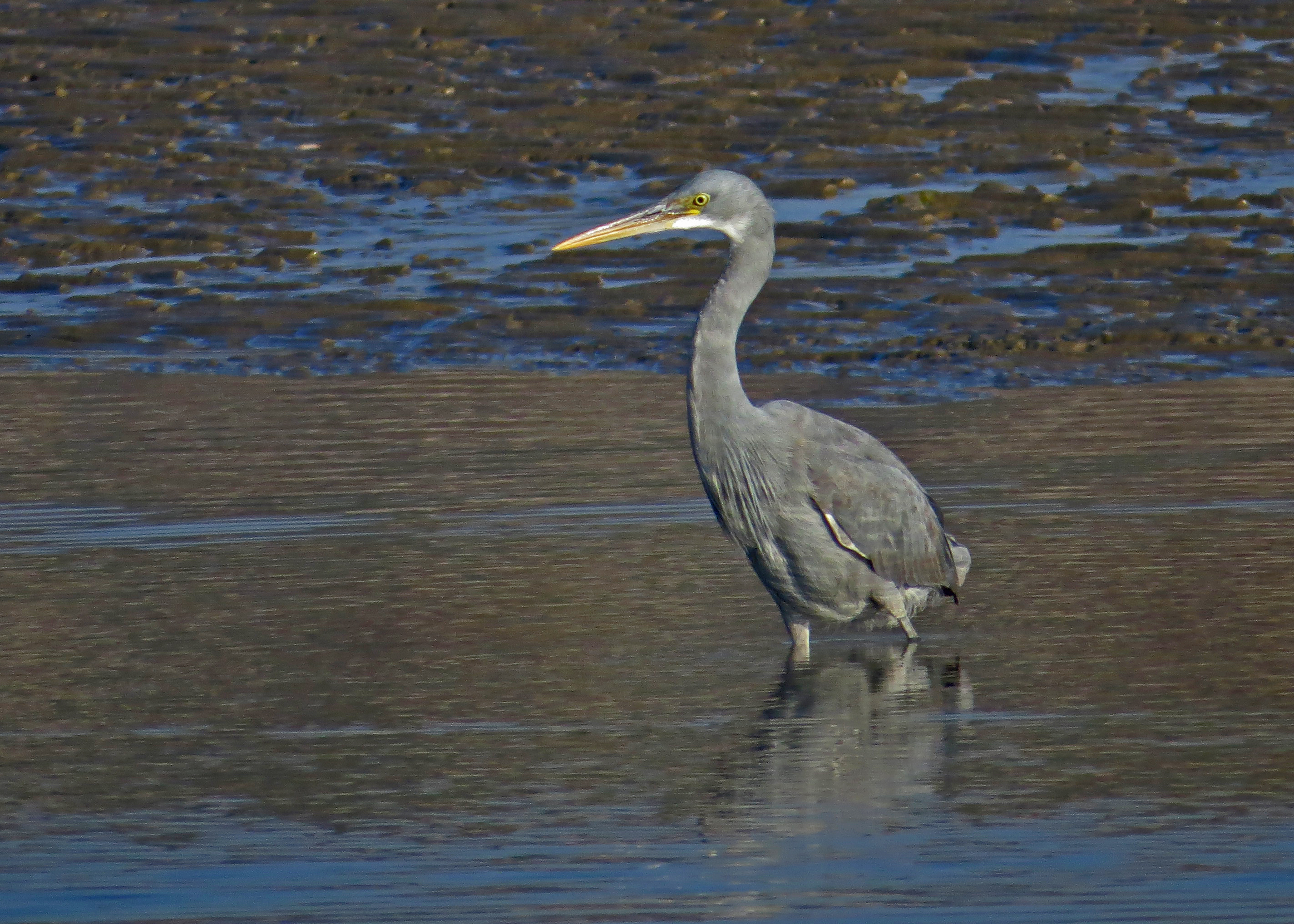
Whilst herons were represented by the familiar Grey Heron (which I hope doesn’t get tangled in the discarded fishing line)….

…. the almost cosmopolitan Great Egret (which should really be split into three species New World, Old World plus SE Asia and Australasia).
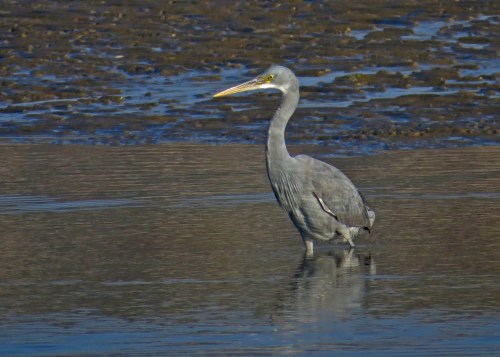
Western Reed Egrets are mainly dark phase here. In winter they occur as far east as Sri Lanka and Tamil Nadu, further east Eastern Reef Egret replaces it.

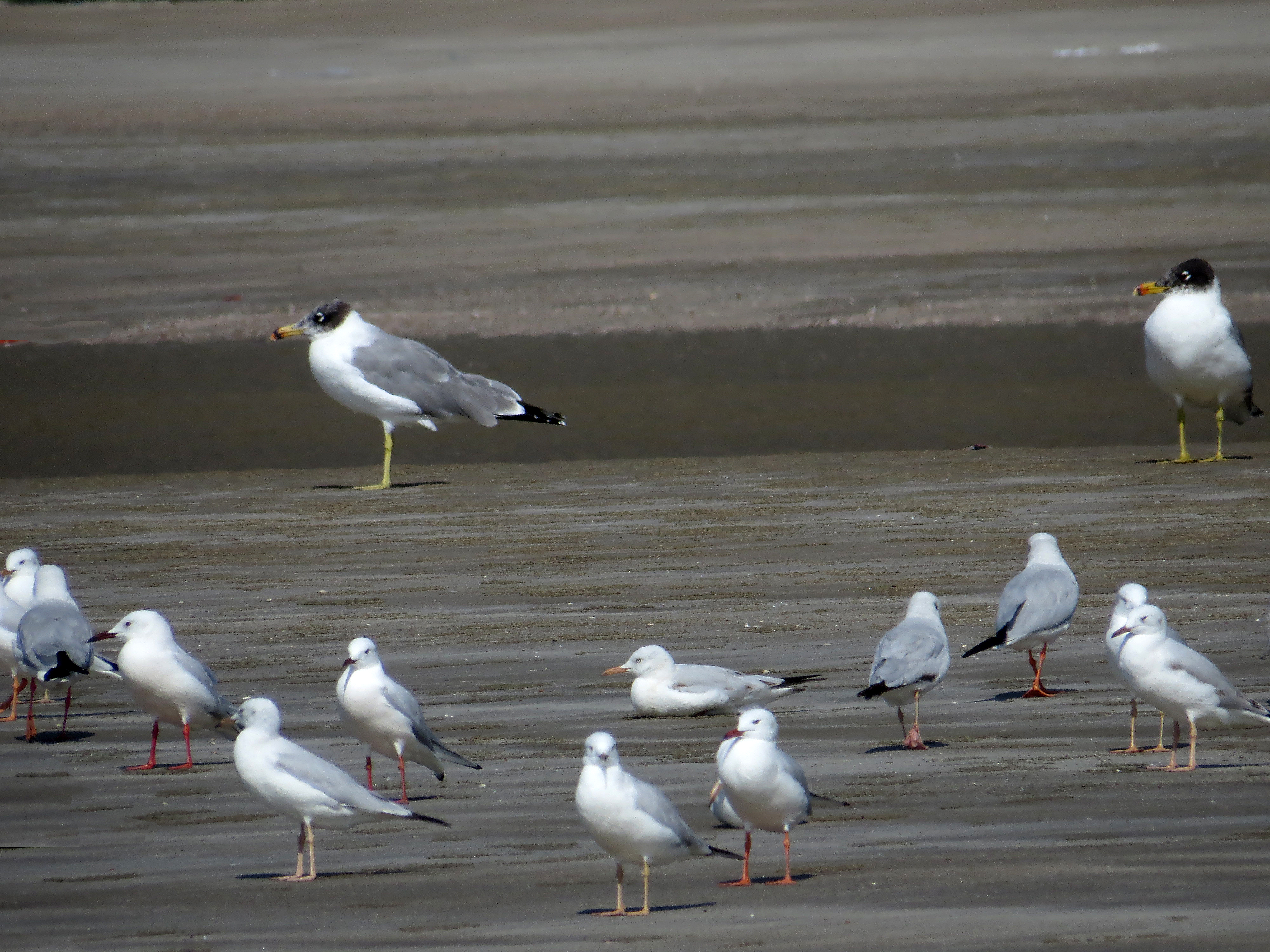
Most large gulls were Heuglin’s Gulls, currently treated as a subspecies of Lesser Black-backed Gull, but probably worth species status. The bird on the left is a Pallas’ Gull, a winter visitor from Kazakhstan, Mongolia and Tibet.

Here two Pallas’ Gulls in near adult summer plumage pose with a group of much smaller Slender-billed Gulls. Pallas’ Gulls used to be called Great Black-headed Gull but that invites confusion with the similar sounding Great Black-backed Gull and requires that the familiar Black-headed Gull’s name is given a modifier, usually Common Black-headed Gull (which in turn invites confusion with Common Gull). Pallas’ Gull also celebrates the life of Peter Pallas, a great explorer of Central Asia in the late 18th century.
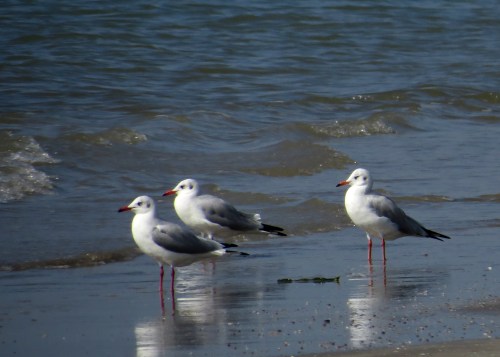
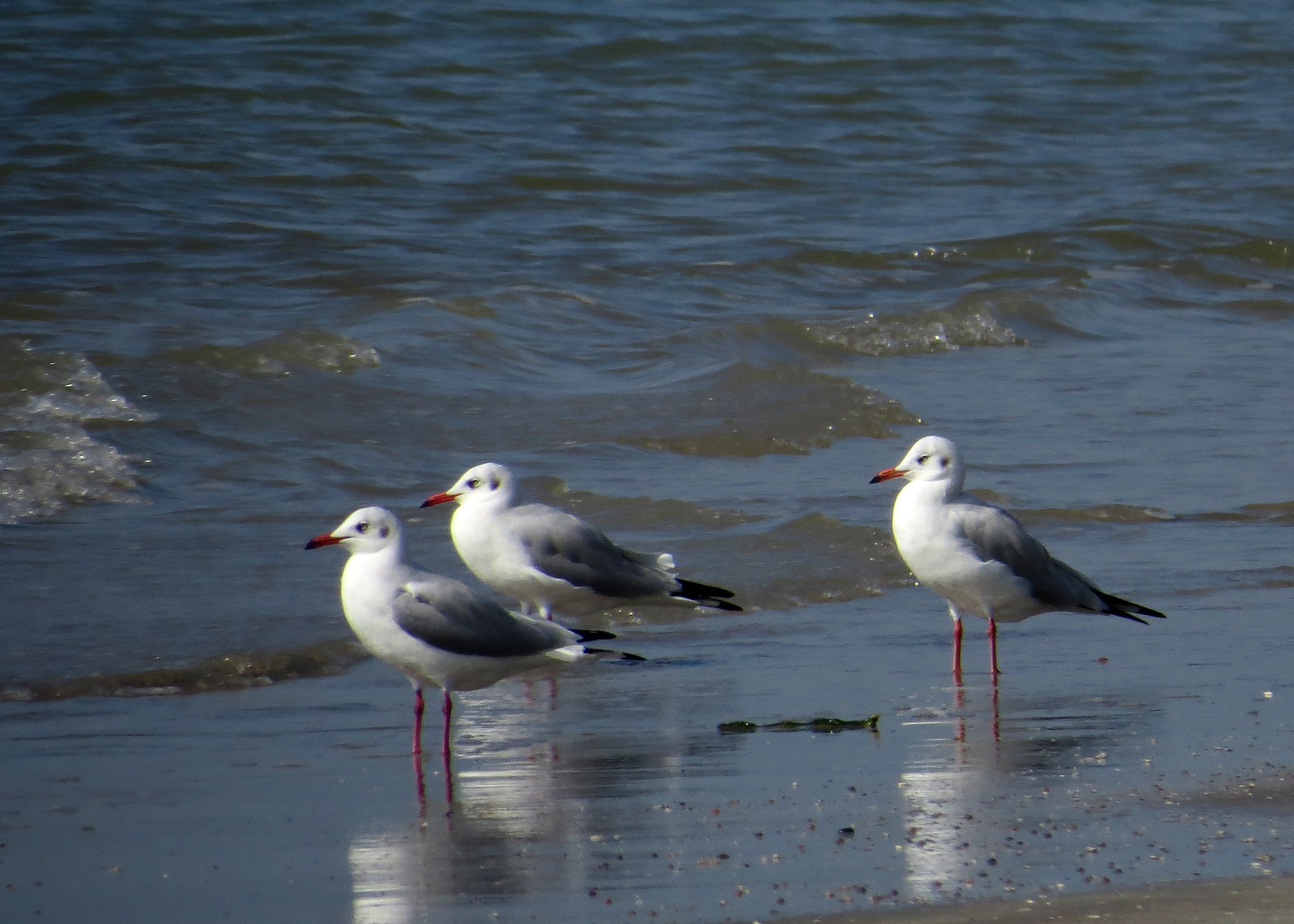
We also saw a small number of Brown-headed Gulls, quite like Black-headed Gulls at rest but with a strikingly different wing pattern in flight.
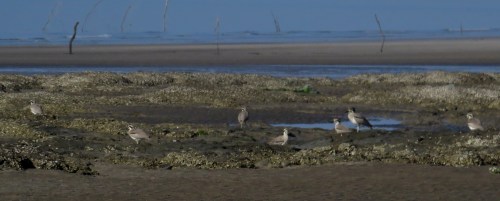
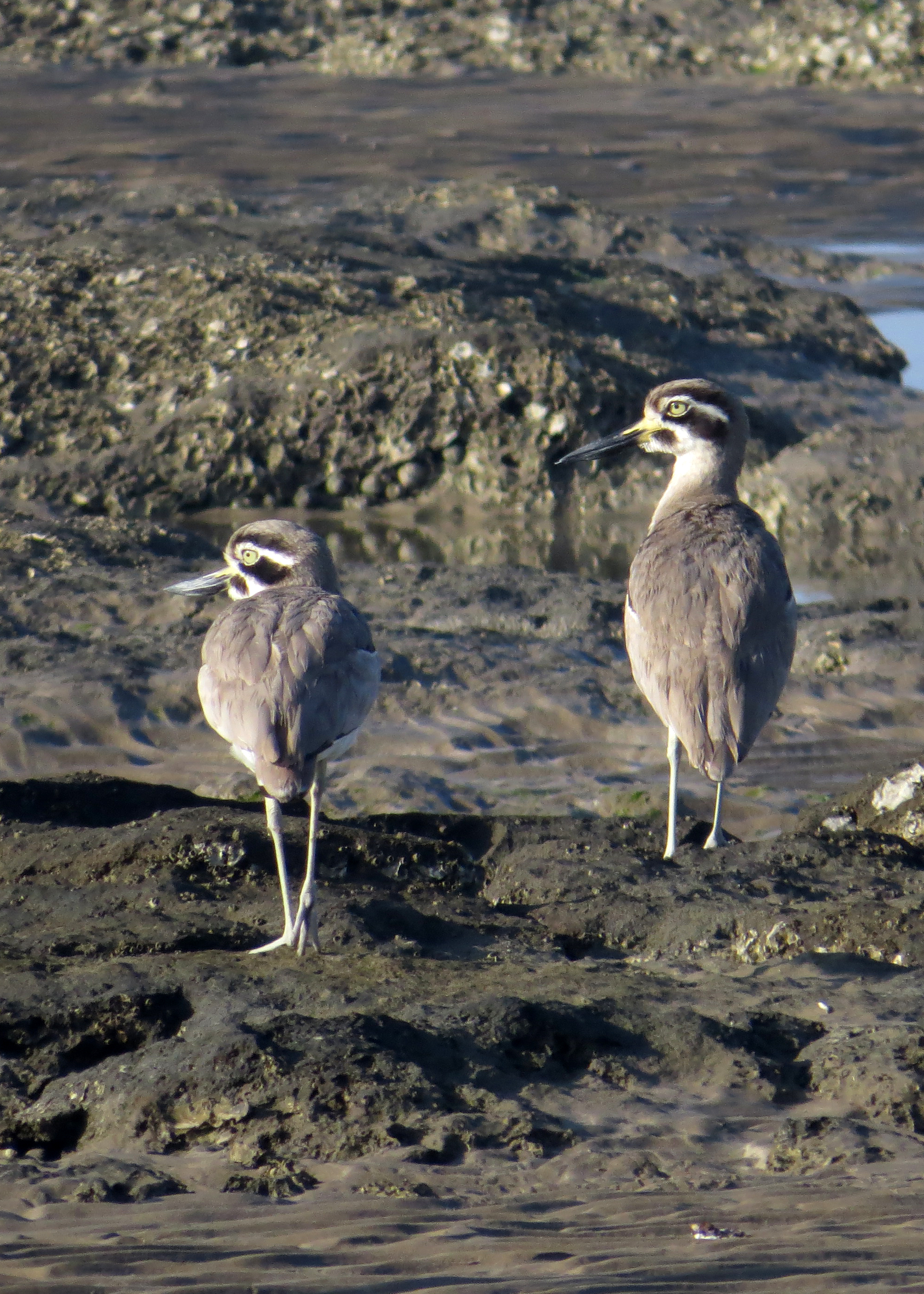
Two birds stood out in our exploration of the coast. The first was a group of eleven Great Thicknees (seven seen here), a relative of the Stone Curlew.

Only present in rocky area, they gave superb views, far better than I have had before.

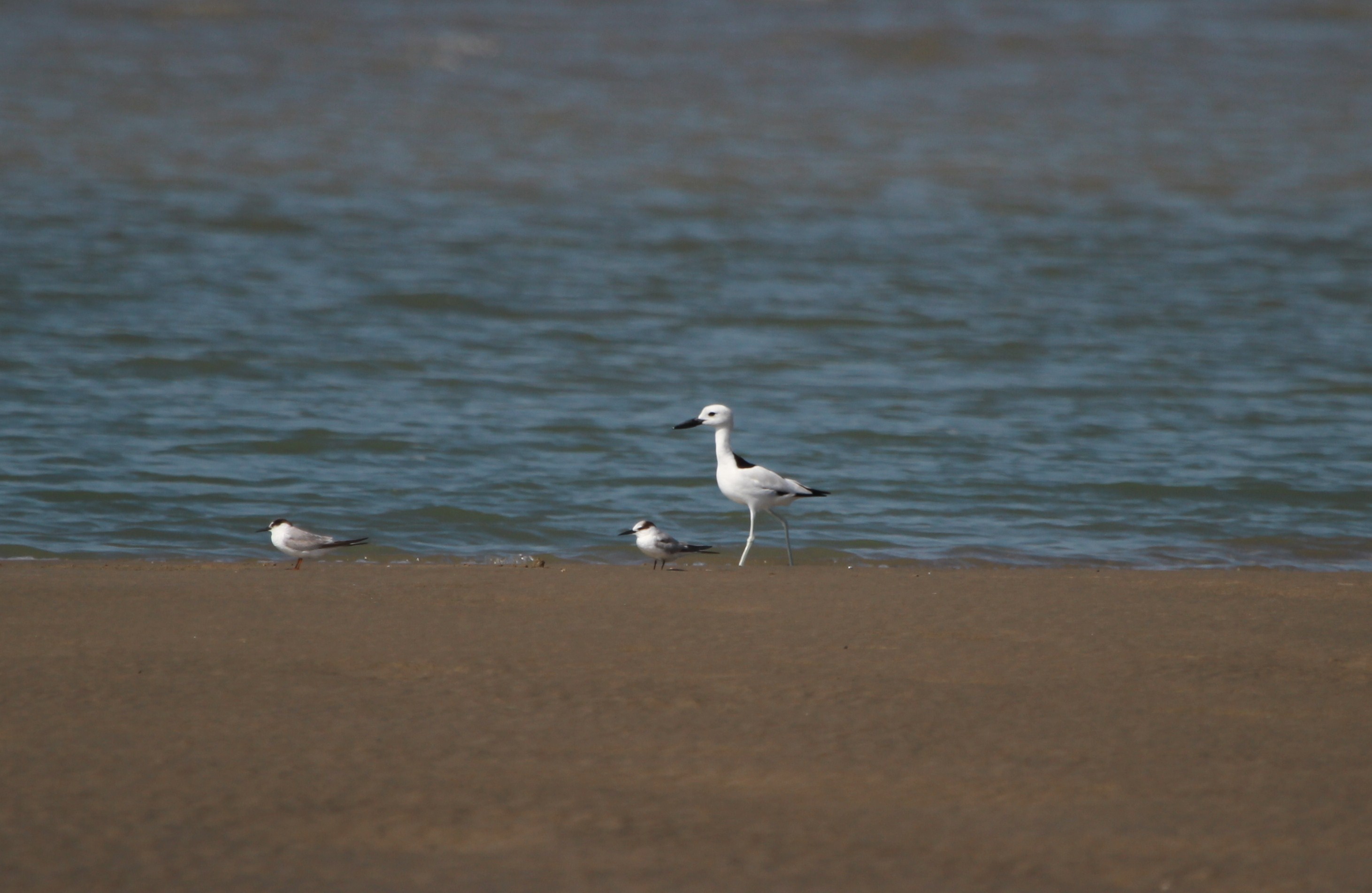
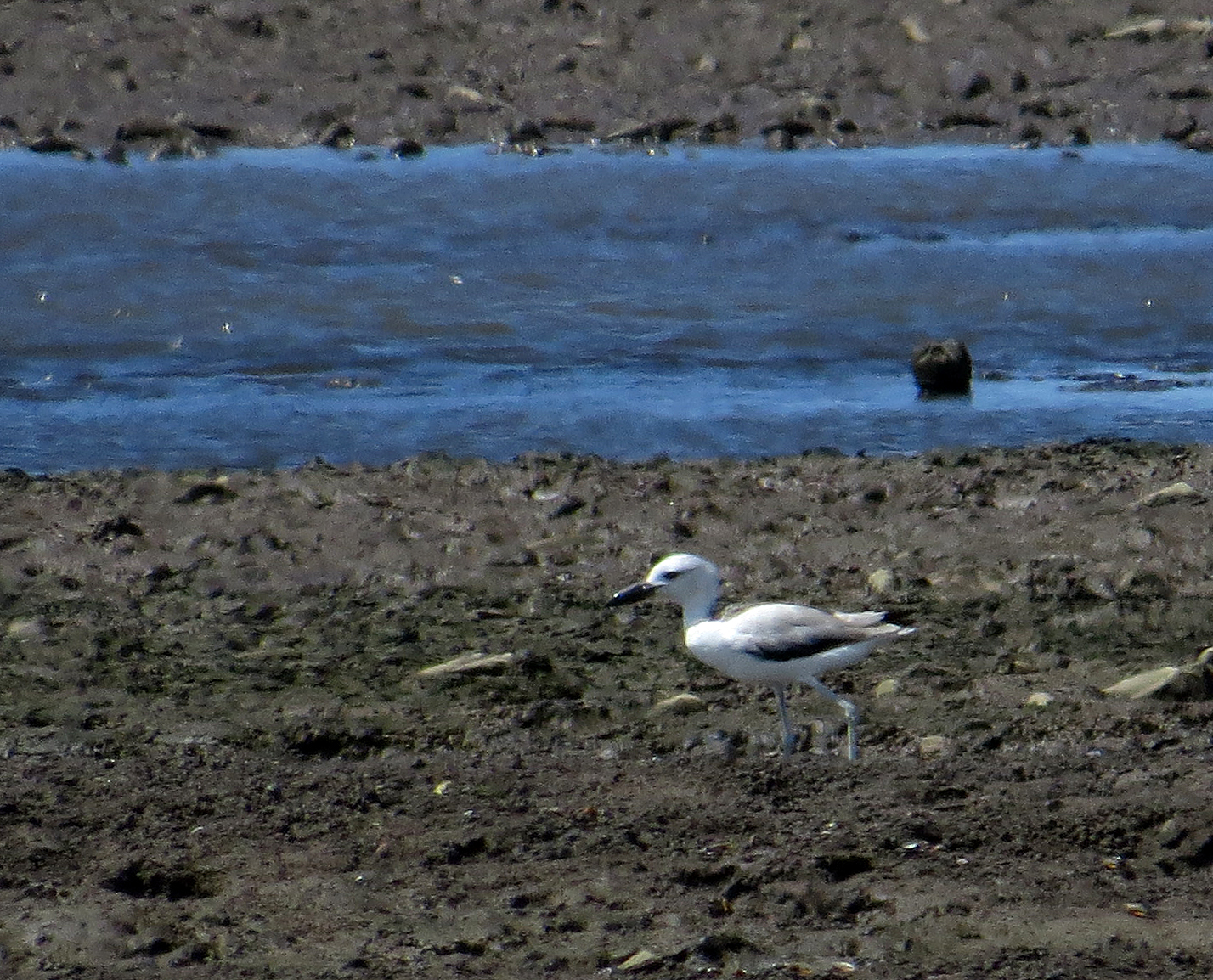
The second highlight was Crab Plover, another species in its own family. Several were seen some way off but as the tide came in they left the distant sandbar and flew towards us. At that moment my camera battery died and I found I had left he spare in the vehicle. This photo and the next were kindly given to me by tour leader Frank Lambert.
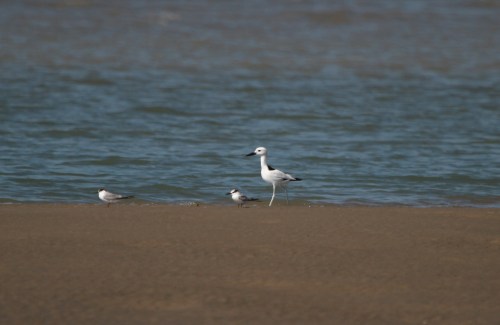
A Crab Plover with two Little Terns in winter plumage. Photo by Frank Lambert

Well that was that for the shining sands of Kutch. We headed back to CEDO making a few stops on route.

We passed through many settlements on route with their hard working villagers ….
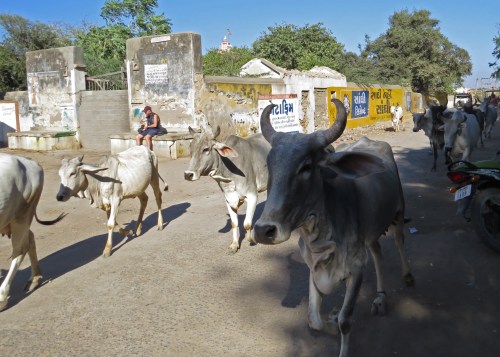
…. and inevitable cattle-jams.

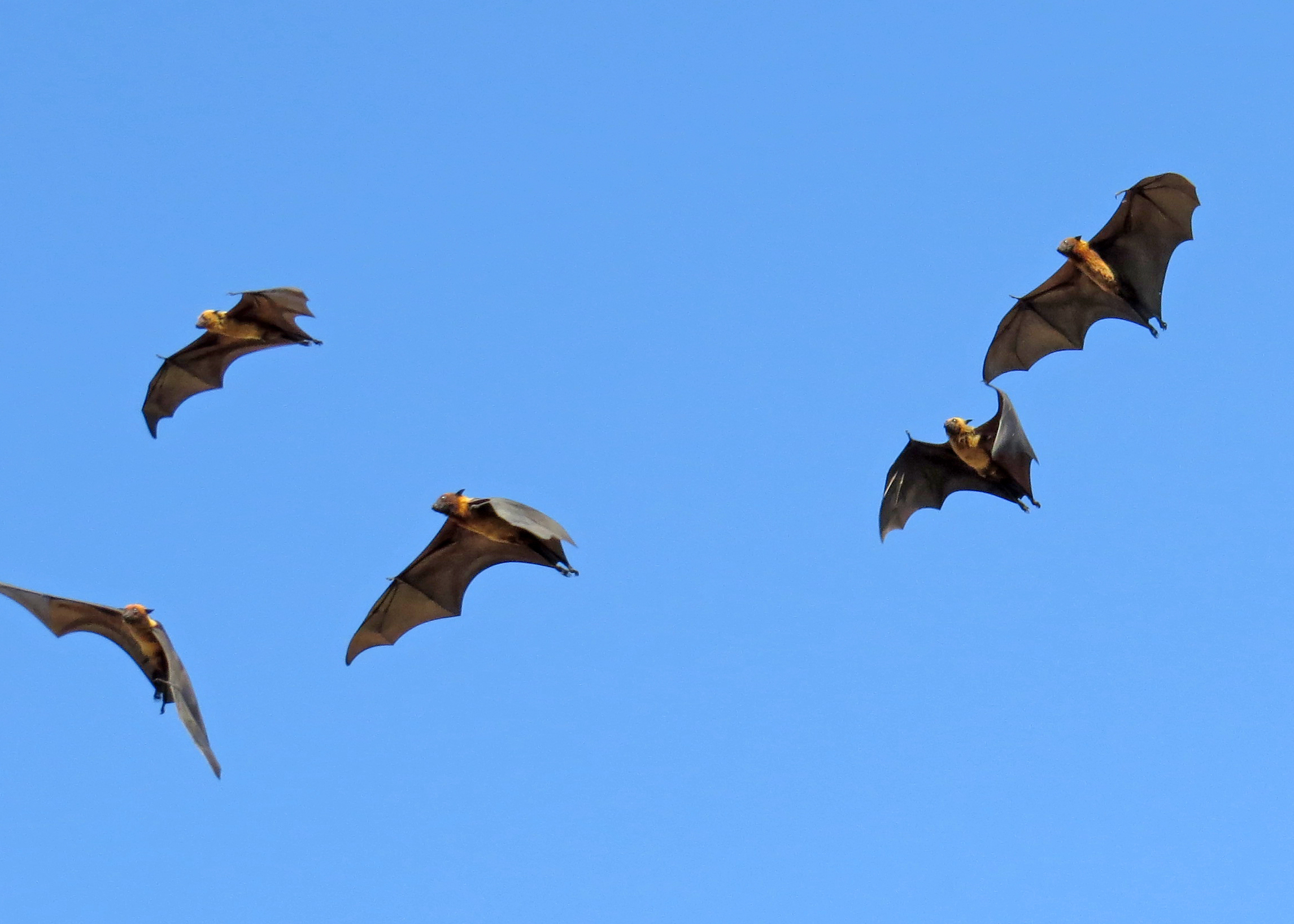
One village had a large colony of Indian Fruit Bats. In many part of the world fruit bats living so close to people would have been eaten but in India there is a respect for nature in spite of its burgeoning population.
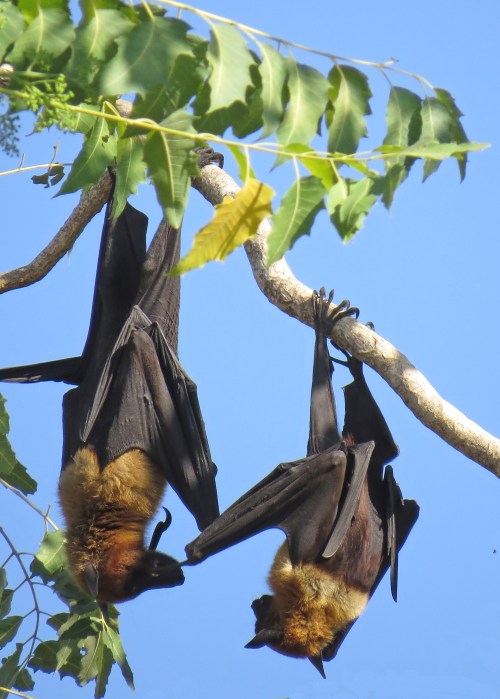
We were able to get excellent views of the colony from the roadside
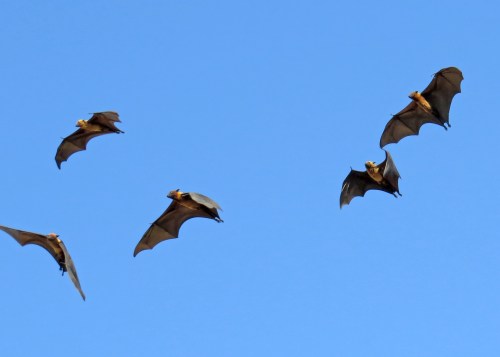
…. and watch the bats fly over the village as we enjoyed a glass of tea.

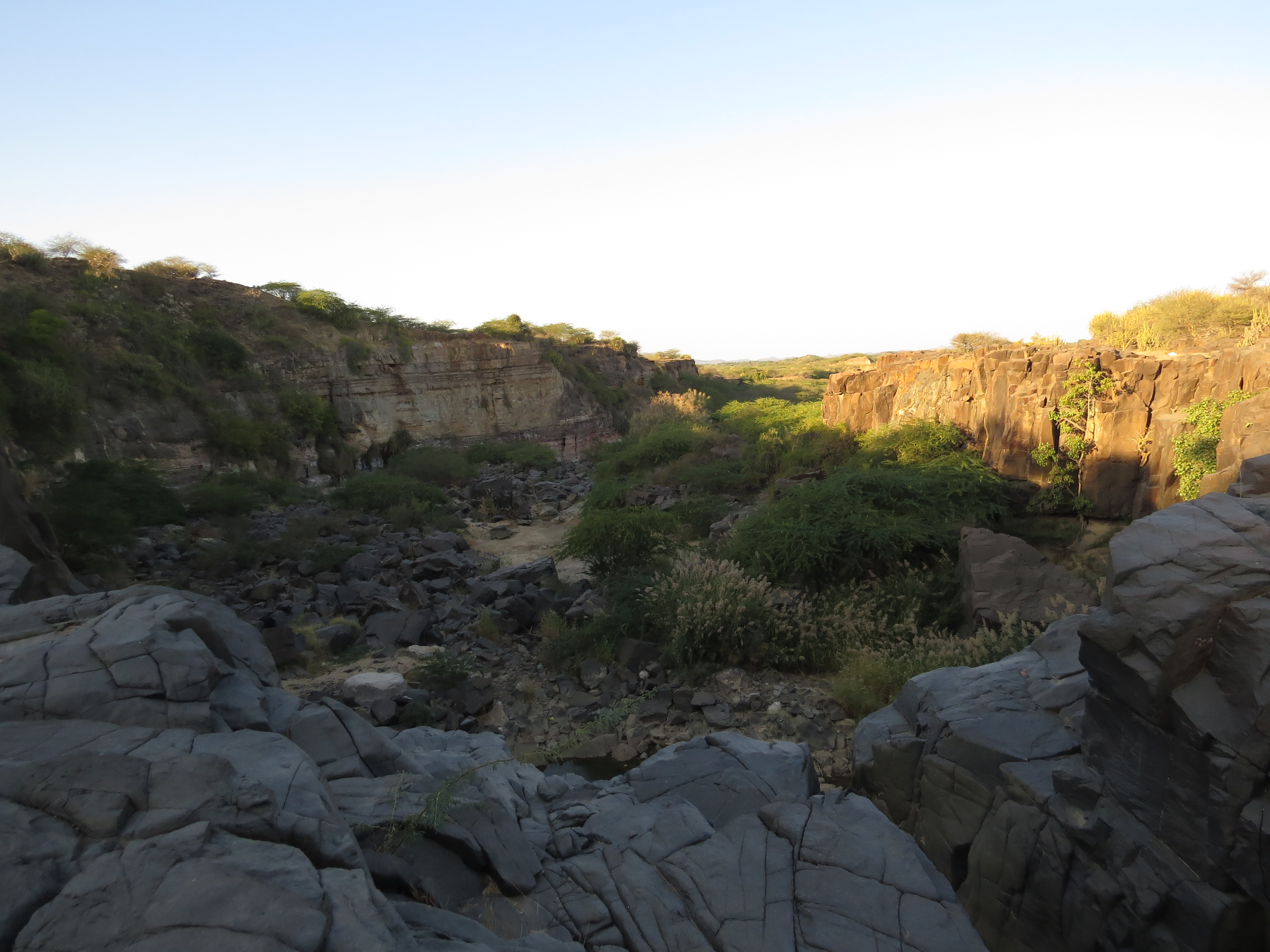
Our final stop was this gorge where we tried to improve on our earlier views of Indian Eagle-Owl, but to no avail.
That ended out time in Gujarat. The following morning we left early for a flight to Mumbai. Here we had several hours to kill before we took another flight to the city of Nagpur in the state of Maharashta, pretty much in the centre of the country. That will be the subject of the seventh and final post on Western India.
On the 6th November we left Madagascar and flew to Moroni the capital of the The Union of the Comoros, a group of three islands that along with the French island of Mayotte form the Comoros, the archipelago of volcanic islands that lie between northern Madagascar and the East African Coast.
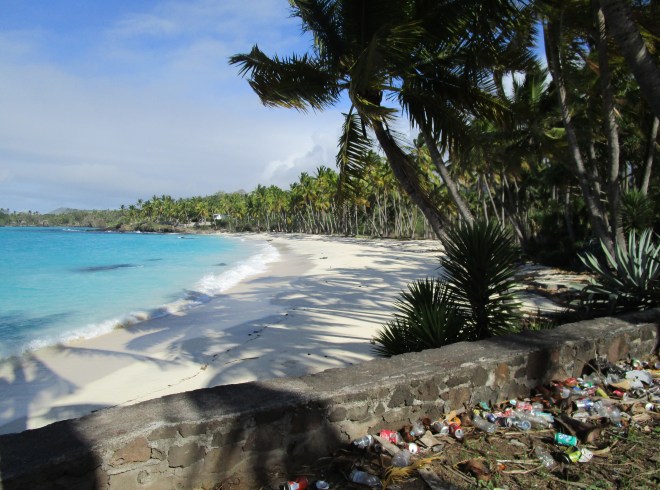
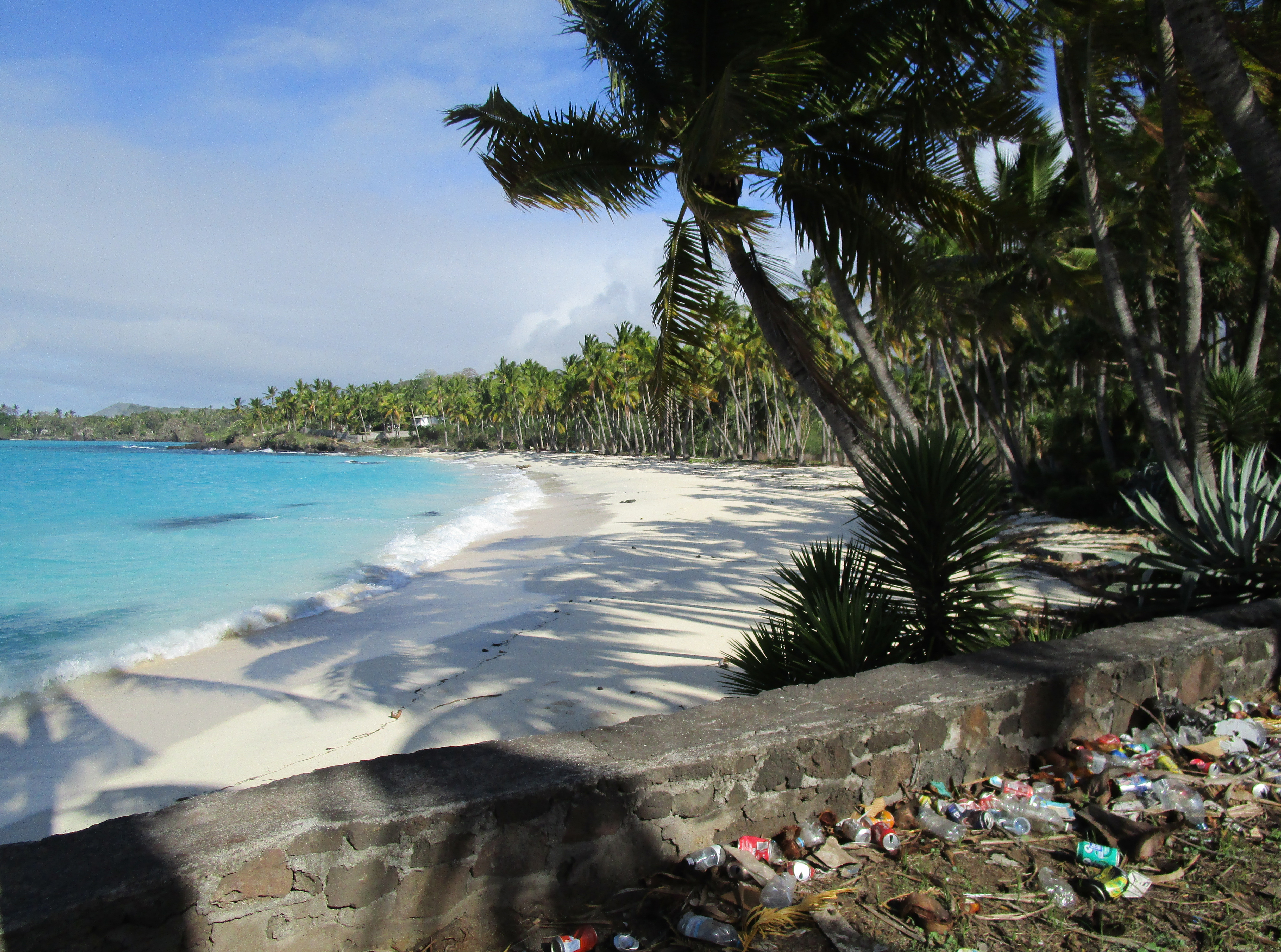
Much of the the interior of Grande Comore consists of recent lava flows but the beaches are beautiful, or at least would be if the locals didn’t dump rubbish on and around them.
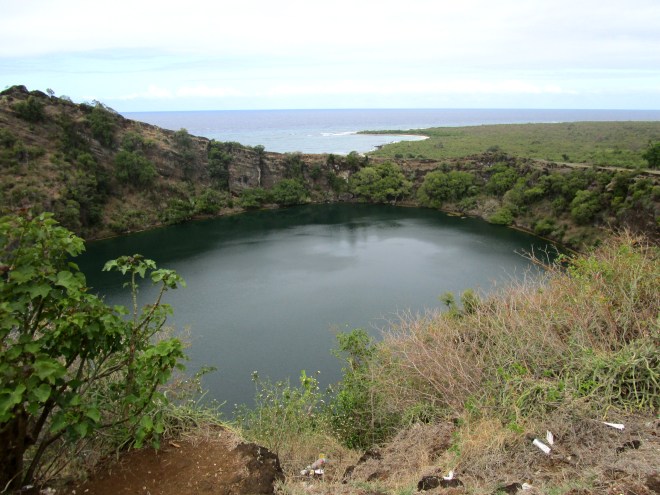
We were told there was a salt lake to the north of Moroni and visited in the hope of finding wintering waders but instead found a sterile crater lake with a connection to the sea.
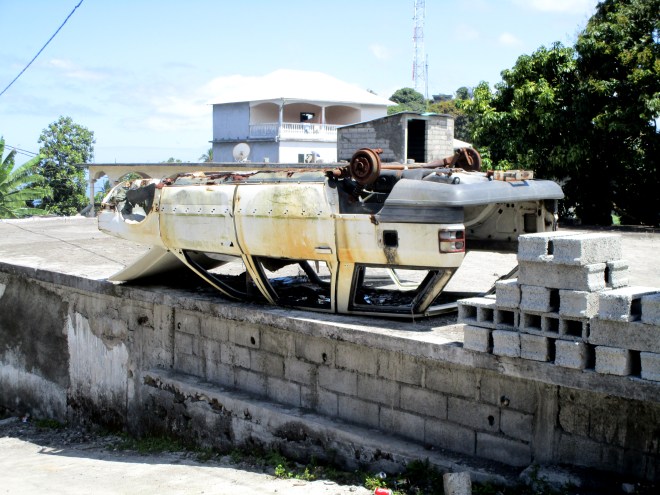
There was a large collection of discarded cars along the route, some even ended up on the top of houses or on the beach.
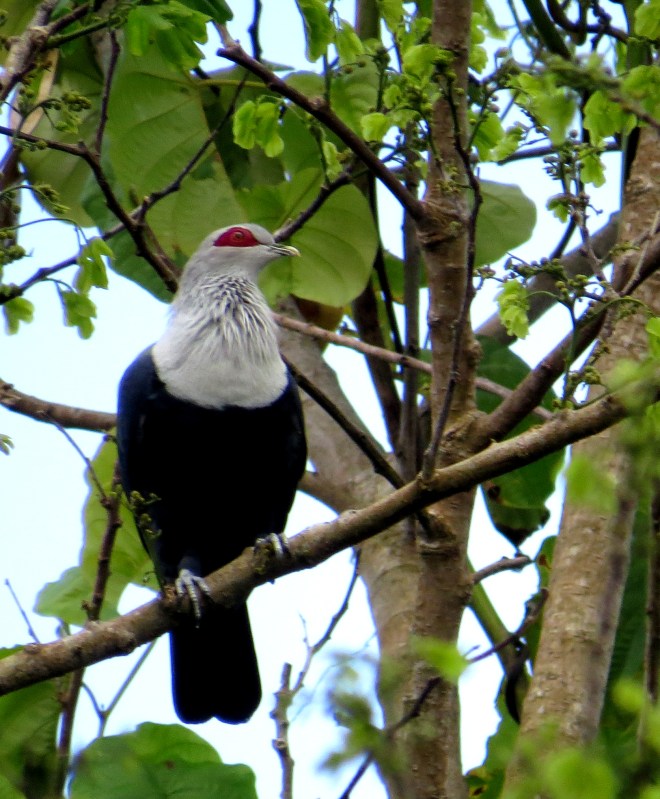
Birding in a few spots in the lowlands was good with the beautiful Comoros Blue Pigeon,
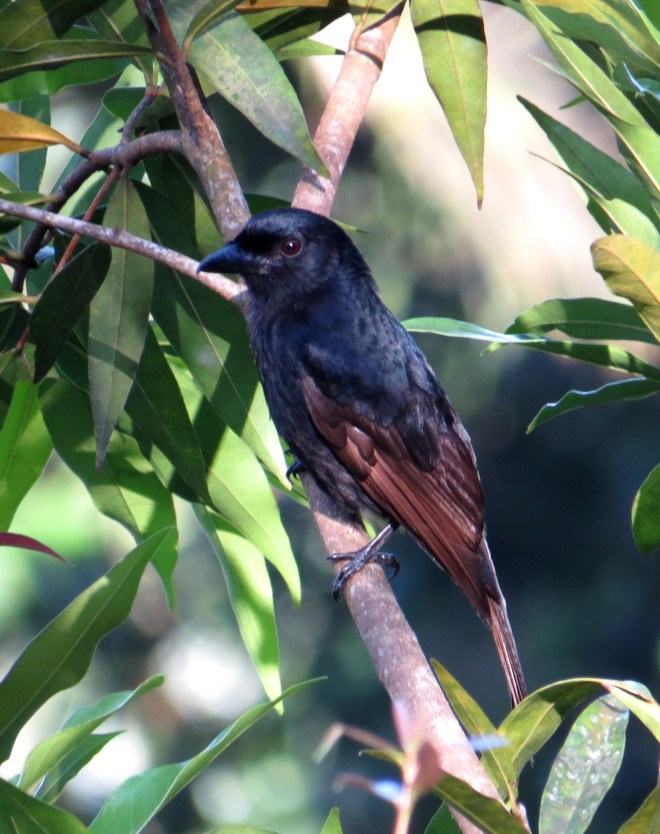
and Grande Comore Drongo.

France’s Sparrowhawk is also found in Madagascar but here is represented by an endemic race.
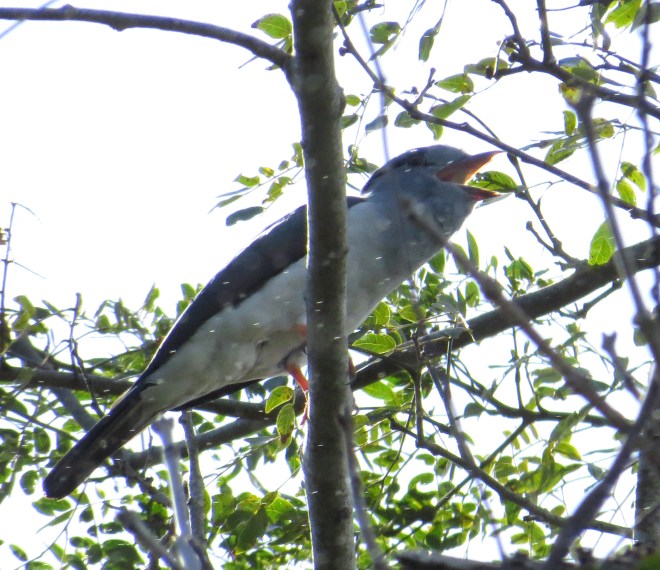
A number of the birds of the Comoros differ markedly from their Madagascar relatives. The Cuckoo-Roller on Grande Comore (but not on the other islands) differs by being smaller with a greyer throat contrasting with a pure white belly in the male and paler below with more rufous underparts in the female and there are vocal differences as well. It is treated as a separate species in the Birds of the Indian Ocean Islands field guide but not by any of the world checklists.
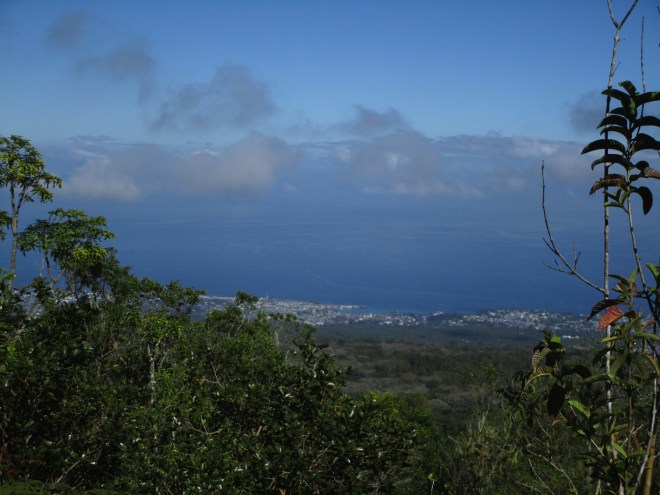
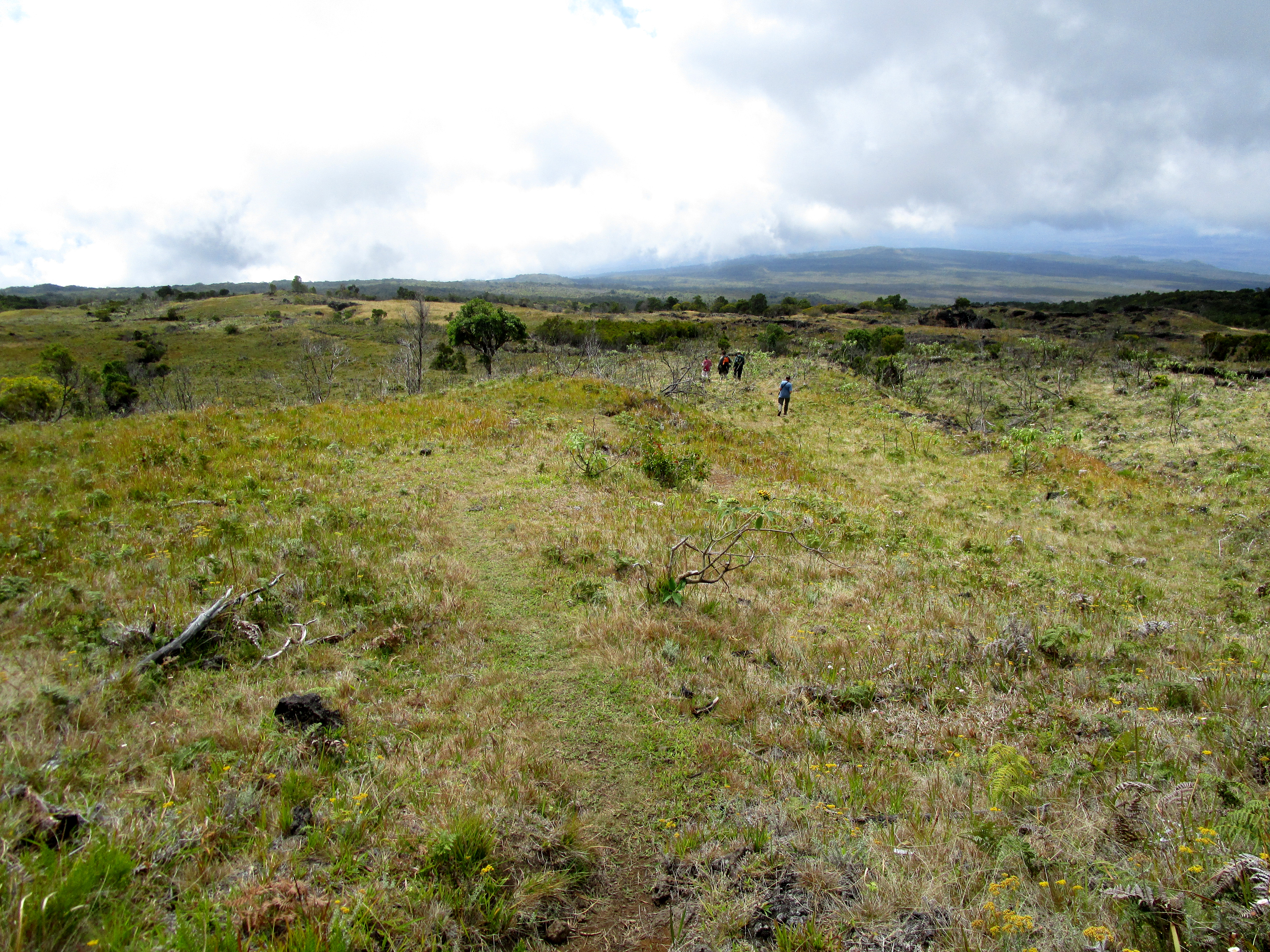
Our main birding excursion on Grande Comore was an ascent of the 2300m high Mt Karthala. We didn’t have to go right to the top, but it certainly felt that way.

On the way up we found a number of endemic species including this attractive Humblot’s Flycatcher, sufficiently distinct to be placed in its own genus.

We started at 350m asl and turned round at 1910m asl, a higher climb then the ascent of Ben Nevis, the highest mountain in the UK. During the seven hours of hard uphill slog we managed to loose our local rep and have the porters take our camping gear and lunch to various different localities all over the mountain. Eventually things got sorted out but we had to manage without our packed lunch, at least one porter abandoned us and the one who guided us up above the treeline had to be bribed to do so.
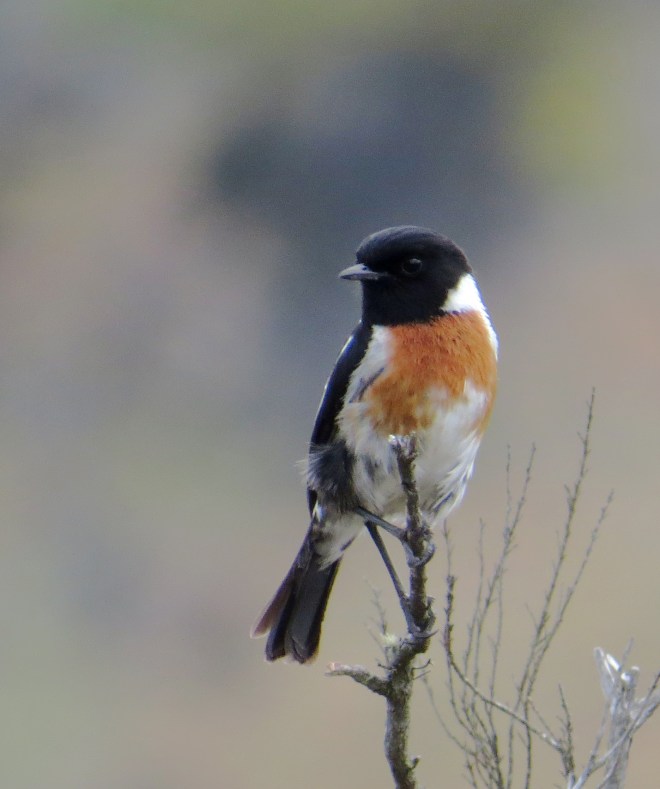
The stonechat on Madagascar is now considered a separate species from African Stonechat (which in turn is considered a separate species to those in Europe and Asia) but know one seems to know what the affinities of the birds on Grande Comore are.

Well this was the bird we slogged uphill for seven hours to see – Mount Karthala White-eye. We must have been crazy, although to be fair I did get eight life birds that day at various points on the mountain. Only found above 1900m on this island, it is a very range restricted bird. Lower down it is replaced by Kirk’s White-eye, a bird that induced the inevitable comments – ‘it’s a White-eye Jim, but not as we know it’ and ‘boldly goes where no White-eye has gone before’ .
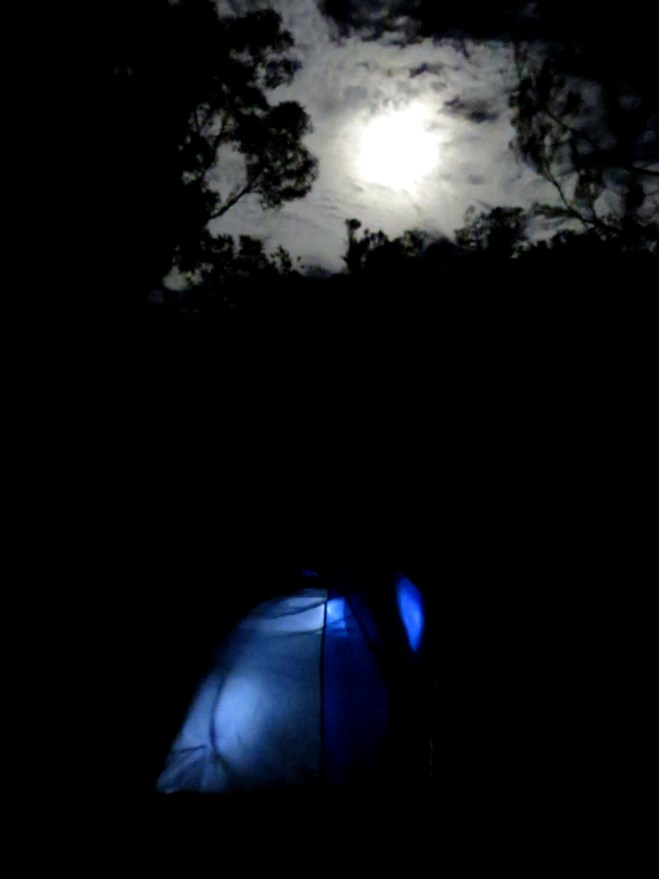
Fortunately we didn’t have to descend 1560m that day, we camped at about 1200m asl in this very basic camp site but we managed to see the critically endangered Karthala Scops Owl nearby

Just a three and a half hour descent the next day and we were back to ‘civilization’.

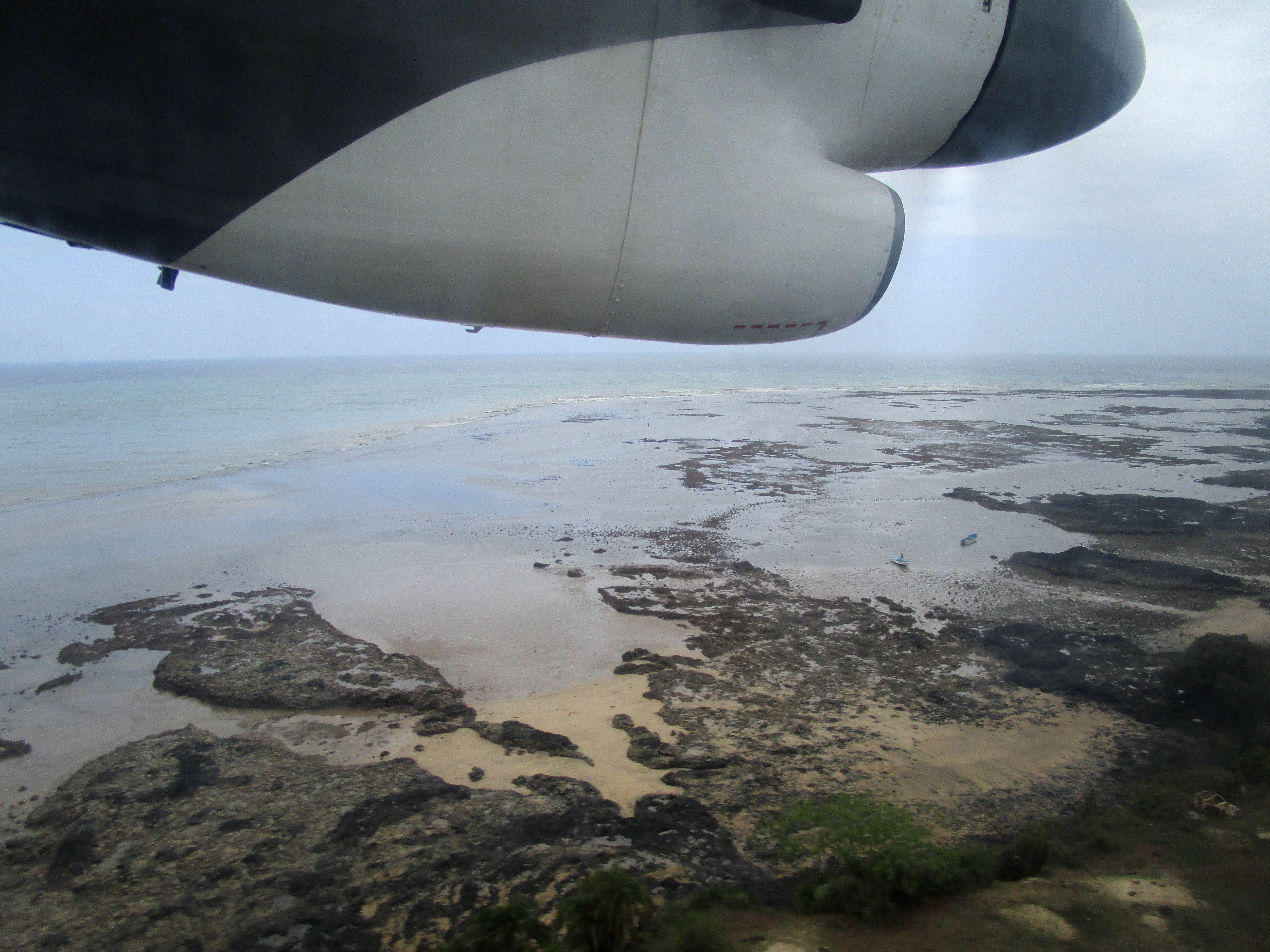
Previous trips to the Comoros have been really mucked around by the airline with flights cancelled at the last minute but we were lucky. Here we are descending to Moheli. There was a strong wind that morning and the flight was very bumpy, we took it in our stride but a number of the locals were really scared and you could hear prayers being offered all around the cabin.

Moheli airport is not the most attractive in the world ..
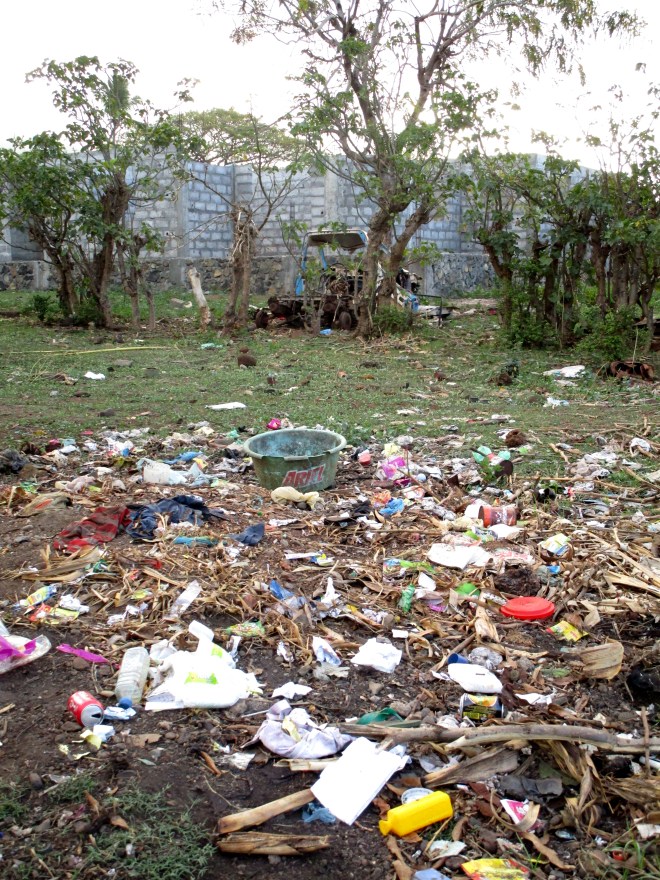
… nor were the environs of our cockroach infested hotel …
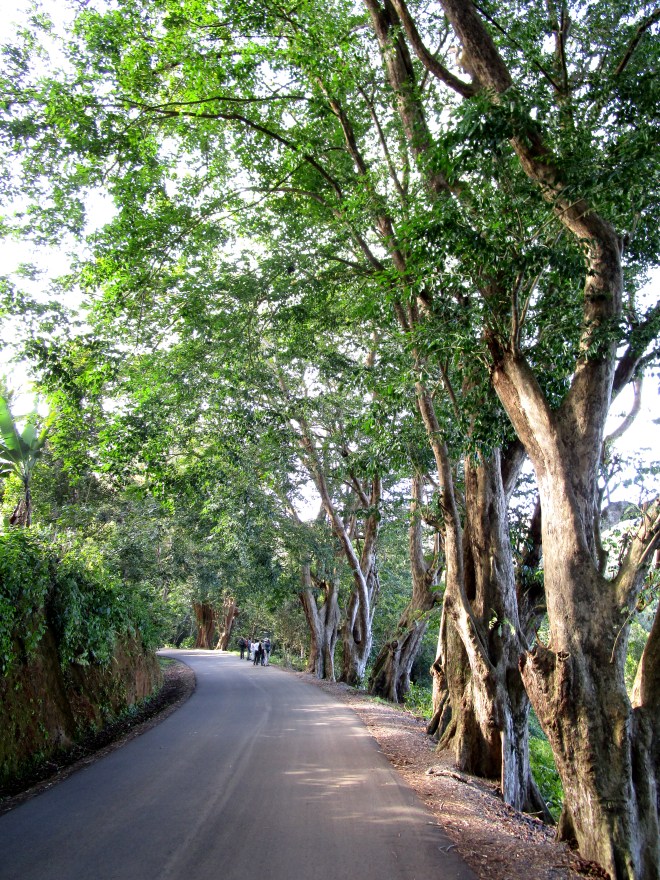
… but the birding location along the central ridge was really nice and after the trials of Mt Katharla was really enjoyable.

The Comoros Fody is treated as a separate species from the Fody in Madagascar and may itself be more than one species.

The Comoros Thrush occurs on Grande Comore, Moheli and Anjouan, each island form is very different. The field guide treats them as three separate species, but again, this is not followed by any world checklist.

Pride of place went to the cute Moheli Scops Owl which showed well in broad daylight.

The following day we drove to the far side of the island and climbed another hill to see Moheli Green Pigeon.

We were puzzled to see a number of Seychelles Fruit Bats flying over the sea and apparently picking objects off the surface.
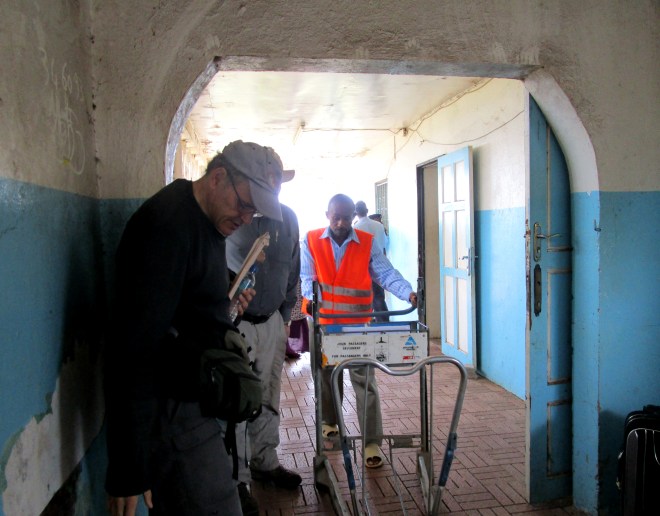
Then it was back to Moheli airport again. The last group had to spend six hours here, we fortunately got away after just two.

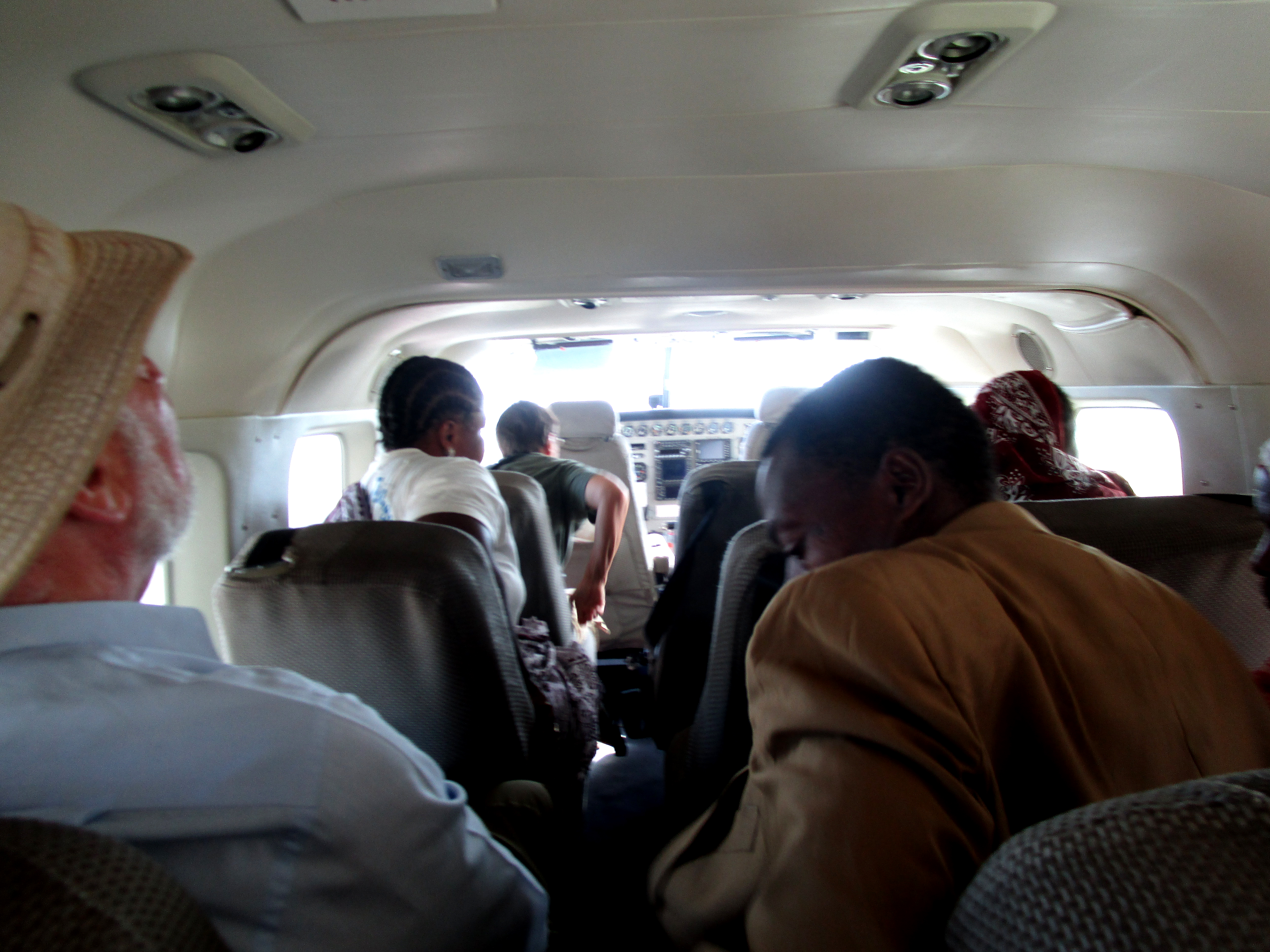
An unusual plane with virtually no aisle at all. It was quite a job to squeeze your way to the front. Dani (who comes from Spain_ was surprised to find the pilot was a Spanish woman and they had quite a chat after we landed in Anjouan.

The hotel on Anjouan was much better than the one on Moheli and we scored with two life birds in the grounds, Anjouan Sunbird and this Anjouan Brush Warbler.
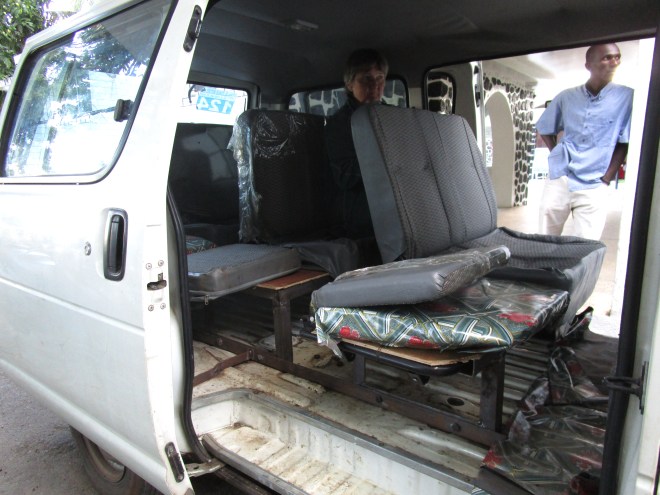
I once was the Health and Safety Officer at work. Imagine writing a risk assessment for this minibus. A frame bolted to the floor, seats made of plywood with movable cushions on top plus a door that wouldn’t shut properly. Well it got us to our destination.
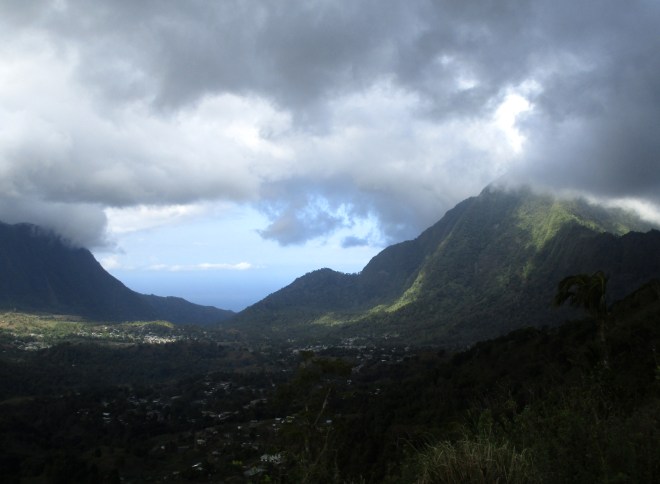
In the late afternoon we hiked uphill for about 90 minutes to a remnant patch of forest. After dark we tried for the elusive Anjouan Scops Owl, considered to be the hardest of all the Comoros scops owl to see. Two hours of scrambling, often on all fours on steep slippery slopes only resulted in flight views, although we heard the bird calling at close range. The walk back in the dark was tricky especially for one of our party who was still recovering from a broken leg earlier in the year. Dani and one of the drivers stayed behind to help him, we got back at 2345, they arrived two hours later!

There wasn’t much more to do on Anjouan so the next day was quite restful with just a bit of exploration in the afternoon. If you run out of birds to see you can always entertain the local kids by letting them look though the scope.

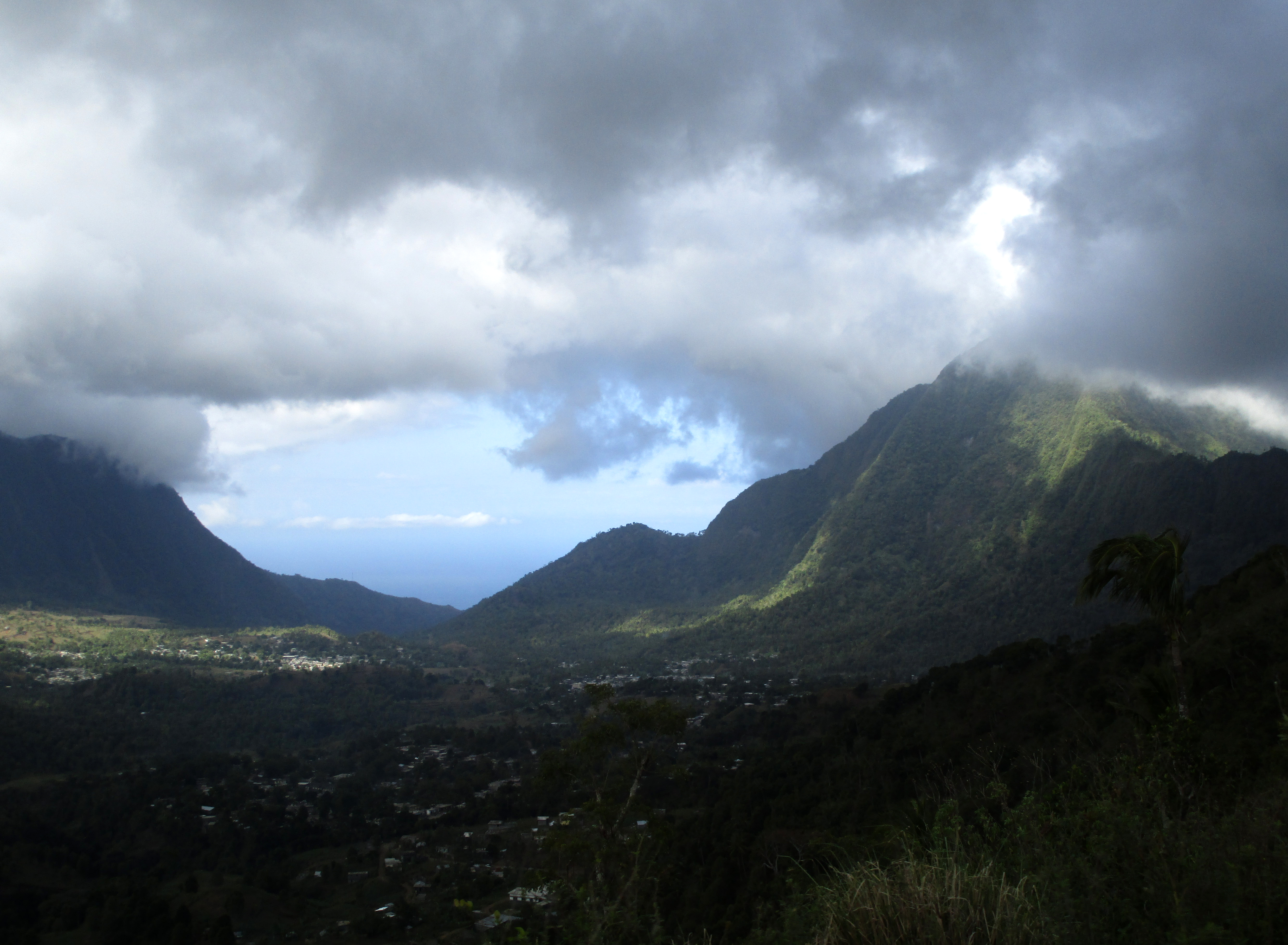
The day after we flew to Mayotte, a department of France. Even from the air we could see that this was a much richer island than the others in the Comoros. The islands voted for independence from France in the early 90s, all but Mayotte went there own way – I wonder if they rue that decision to this day.
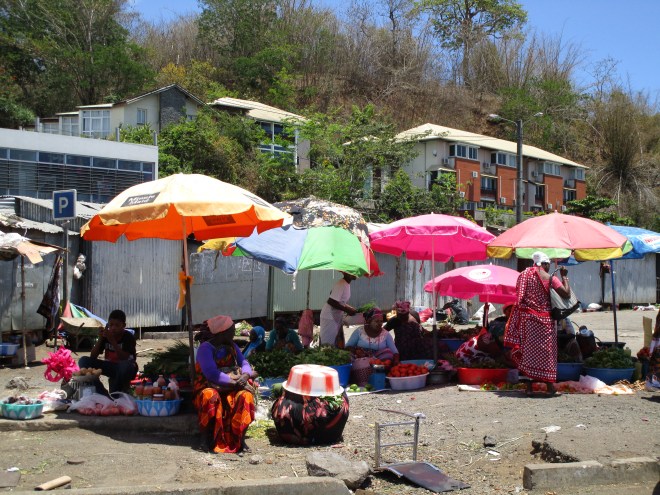
The quayside market. There are still some tin shacks on Mayotte but it look like they are used for storage rather than habitation. Good roads, supermarkets, good housing and plenty of tourists were all things lacking on Grande Comore, Moheli and Anjouan.

Some birds showed better on Mayotte than elsewhere such as this Comoros Olive Pigeon …

… but it also has four of its own endemics, Mayotte Drongo ..
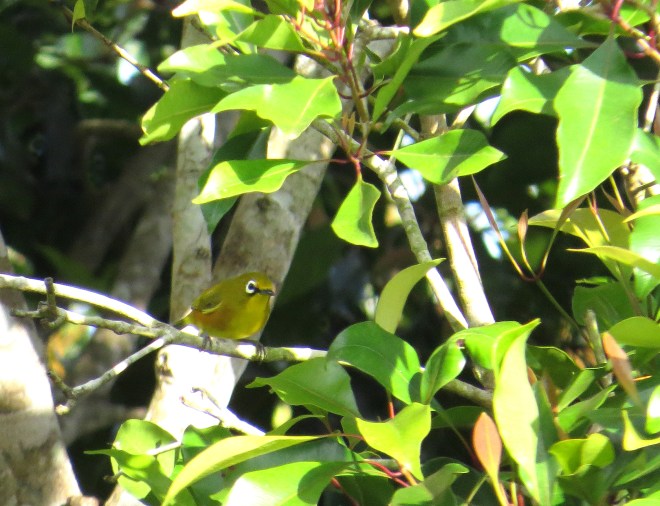
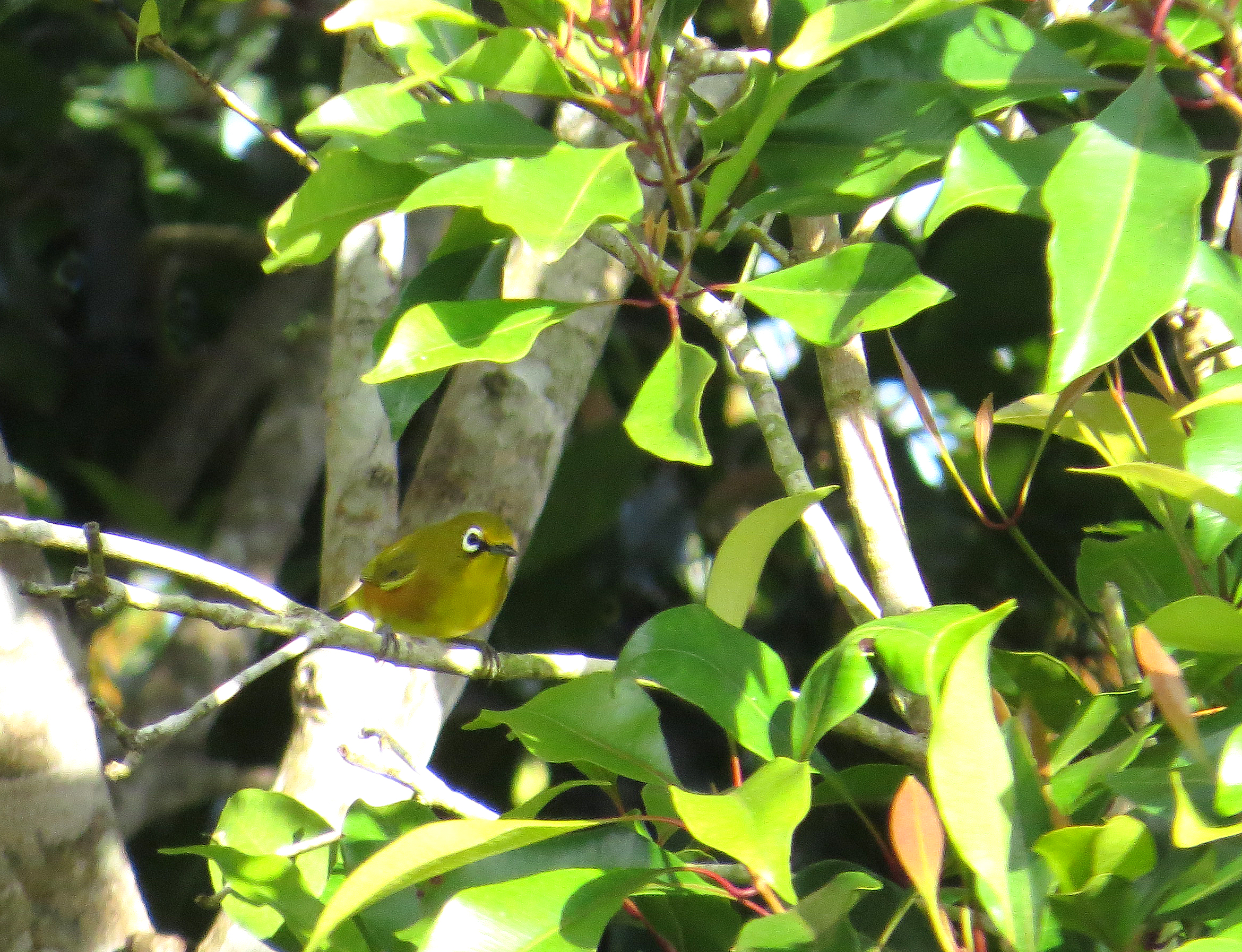
… Mayotte Sunbird (which didn’t come close enough for photos) and this Mayotte White-eye …
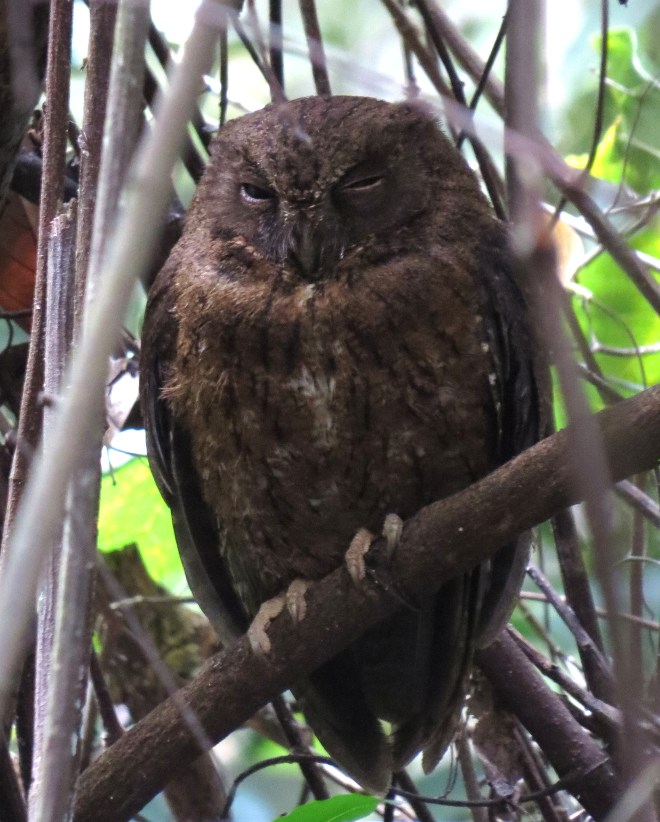
… but once again it was the endemic Mayotte Scops Owl that won first prize.
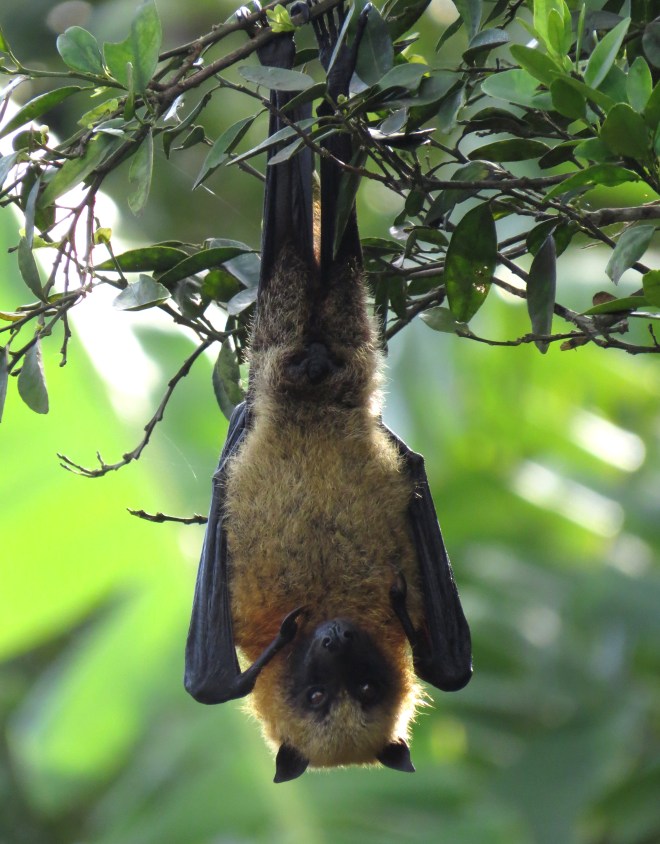
Seychelles Fruit Bats showed very well….

… as did a group of introduced Brown Lemurs around our lodge which turn up everyday for free handouts
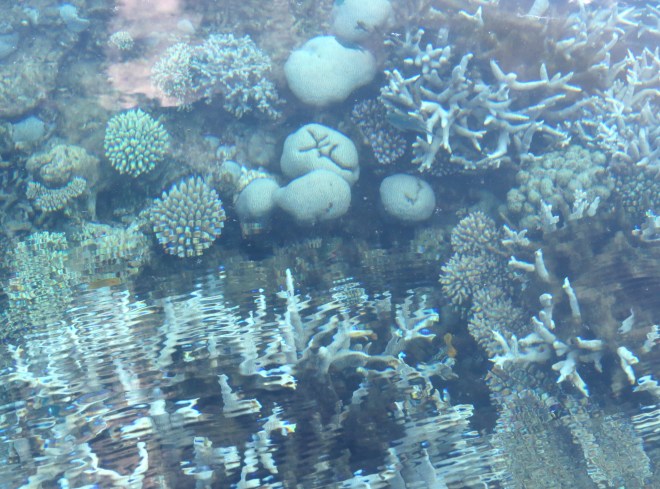
With all the endemic birds under our belt we spent the next day on a boat trip around the lagoon and further out to sea.

It was a normal tourist trip and we didn’t have the boat to ourselves so it took a bit of effort to persuade the boatman to detour so we could watch a feeding flock of Brown Noddies.

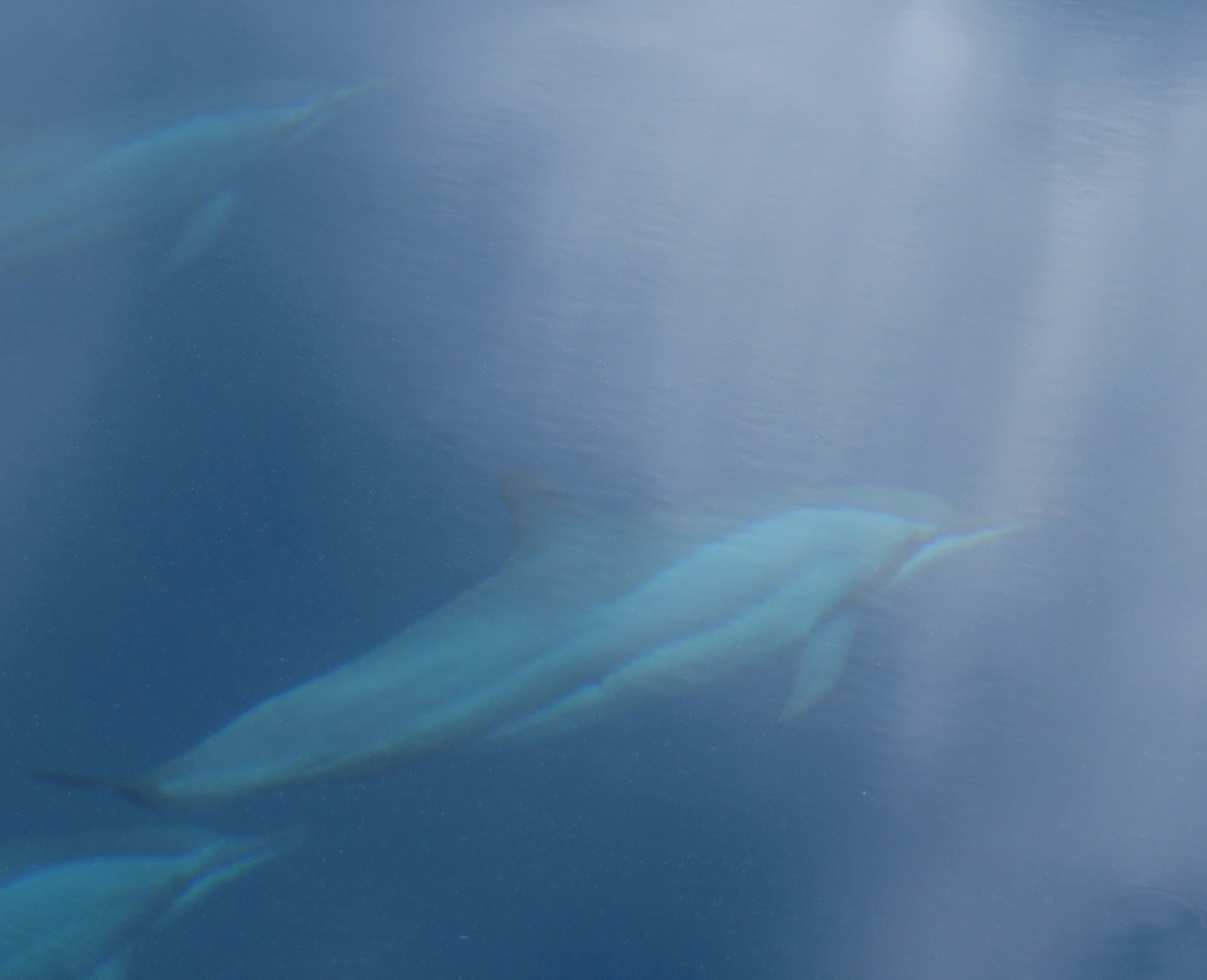
Pantropical Spinner Dolphins showed well underwater but only briefly performed their famous spinning acrobatics.

The highlight of the day was a mother and calf Humpback Whale. The mother spent long periods suspended vertically in the water with her tail held just above the surface. I don’t know if this is just a resting posture or one that allows the calf to suckle but the boatman had only witnessed it a few times in the many years he had been doing these whale watching trips.
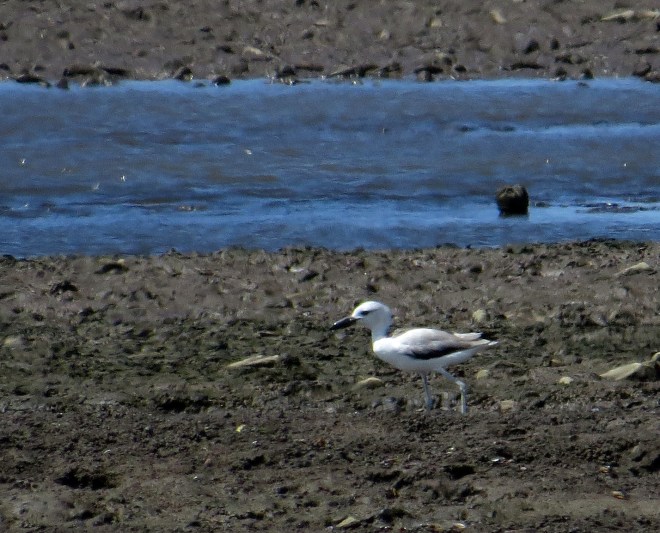
On our final morning we had a look around the shore for waders and found a small group of Crab Plovers, an enigmatic crab-eating wader that occurs around the shores of the western Indian Ocean. A suitable end to a very varied, sometimes tiring, sometimes trying, yet rewarding four week tour.

























 gryllosblog