For my final post about the South Pacific trip we go to the small island of Kandavu which lies just southeast of Nadi.
Due to wonderful ways of the airlines getting there wasn’t straight forwards. We left Taveuni in the late afternoon of the 18th and flew not to Nadi as we had hoped, but to Suva where we changed planes before flying on to the capital. Now remember when we flew from Suva to Taveuni we had to go out of our way and fly via Nadi, now we had to go out of our way again. There was no onwards flight to Kandavu that day so we had to overnight in Nadi and then fly to Kandavu late morning of the 19th.
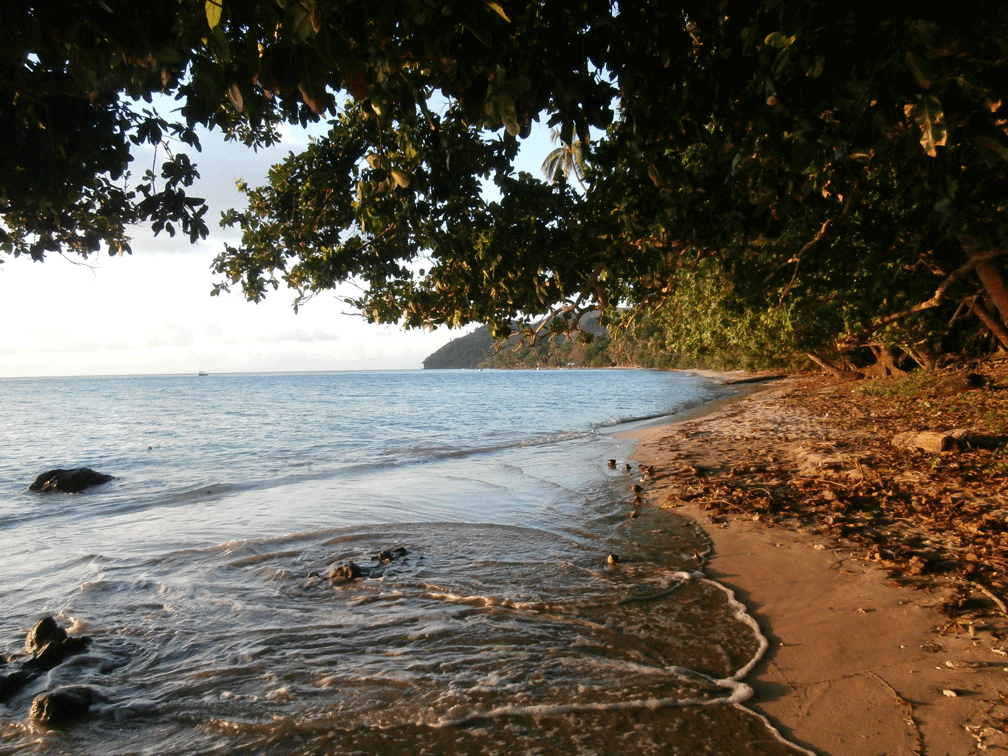
There are few roads on Kandavu and we were transferred from the airport to the resort on a small boat and had to wade ashore.

With little to do at Nadi before we flew to Kandavu I spent time photographing those introduced species that plague the Pacific islands like this Common Myna.
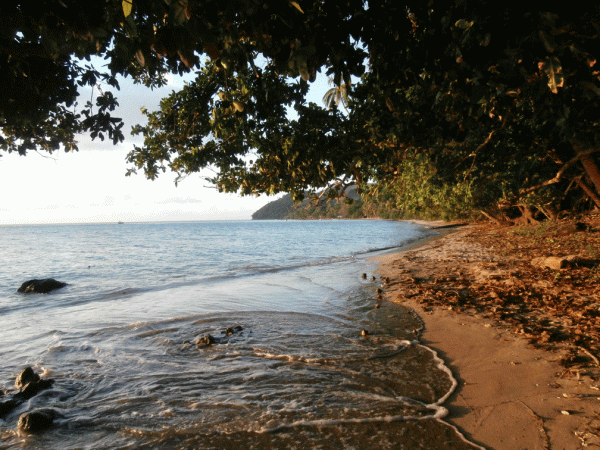
The lodge on Kandavu was right beside the sea. Our time there was limited to one afternoon and most of a morning and there were five endemic birds to find ….

… and Kandavu’s endemic Iguana

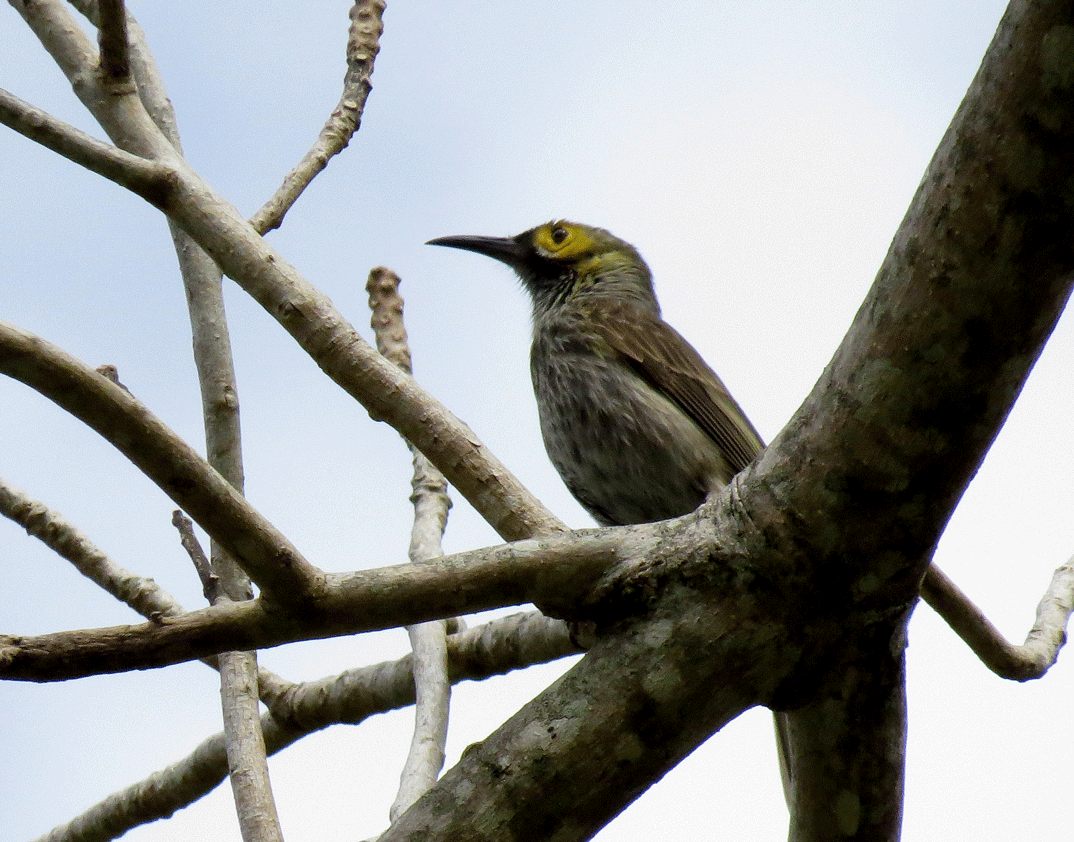
The Kandavu Honeyeater (above) was easy to find, the endemic Shining Parrot was seen in flight but the Kandavu Fantail and White-throated Whistler only gave brief views.
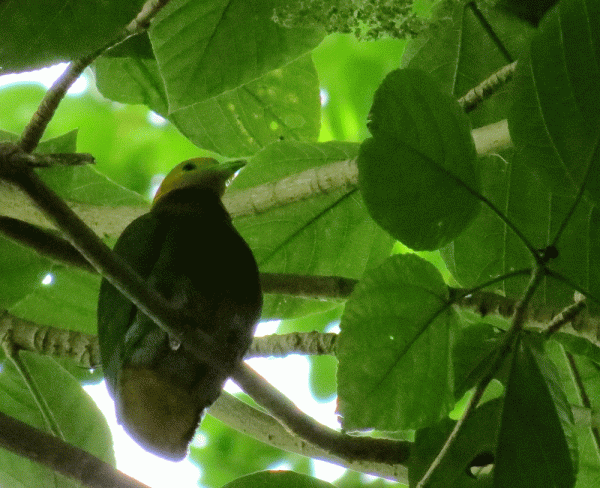
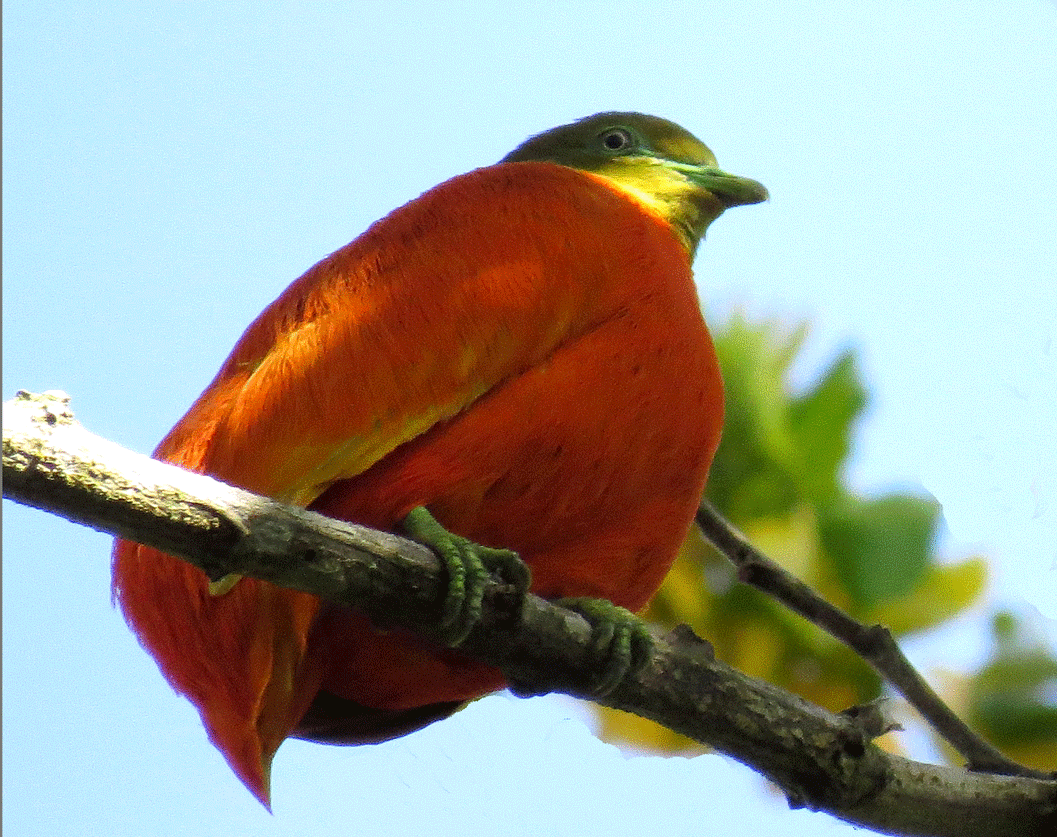
.. but the last good bird of the trip was this lovely Velvet Dove, the last of quartet of beautiful doves on Fiji.

The ‘green flash’ that can sometimes be seen as the last rays of the sun shine through the upper layers of the sea.
Well that concludes the South Pacific trip. From Kandavu we flew to Nadi in the late morning of the 20th, my flight to Melbourne was in the late afternoon and I had a long and tiring wait there until 0240 on the 21st. Next stop was Kuala Lumpar and then Dubai. I arrived at Heathrow at 1840 on the 21st and was home by 2300. Adding the eleven hours time difference it was a 47 hour journey from resort to home! I think I experienced worse jet lad after that journey then I ever have done before, in spite of having flown back from the Pacific on several occasions. This was not helped by a nasty chest infection that I picked up on route.
It had been an interesting trip, just 121 species seen (same as a one day winter bird race in Dorset!) but 64 of them were life birds and many of those real stunners. It was a shame I couldn’t get to see the Vanuatu montane endemics but that would require a full on expedition and may have been beyond my physical capabilities or get to the two remaining Fijian endemics, Pink-billed Parrotfinch and Long-legged Warbler but this trip didn’t include them.
-18.974850
178.245106
We continued our tour of Fiji by flying to the small island of Taveuni, which is to the north east of Vitu Levu. Although it is not far from Suva we had to fly back to Nadi and wait for several hours before crossing Vitu Levu again. We arrived at our accommodation mid afternoon with just enough time to score with another endemic, the Maroon Shining Parrot and walk to the Date Line. Actually its not the date line but the 180 degree longitude, as the Date Line detours to prevent Fiji being divided into two separate days.

All these flights in small planes over the Fijian islands gave us wonderful views of coral reefs and remote beaches.

The ‘Date Line’. Valerie is standing with one foot in the western hemisphere and one in the eastern. Some guy who forgot to tuck his shirt in is just in the eastern hemisphere.

The dense moss covered forest where that most enigmatic of birds, the Silktail, can be found. I posted a photo of the Silktail on the 18th of September whilst I was still in Fiji.

The aptly name Many-coloured Fruit Dove …..

… but the most amazing dove of the trip, if not in the world is the incredible Orange Dove which showed well at nearby Bobby’s Farm.

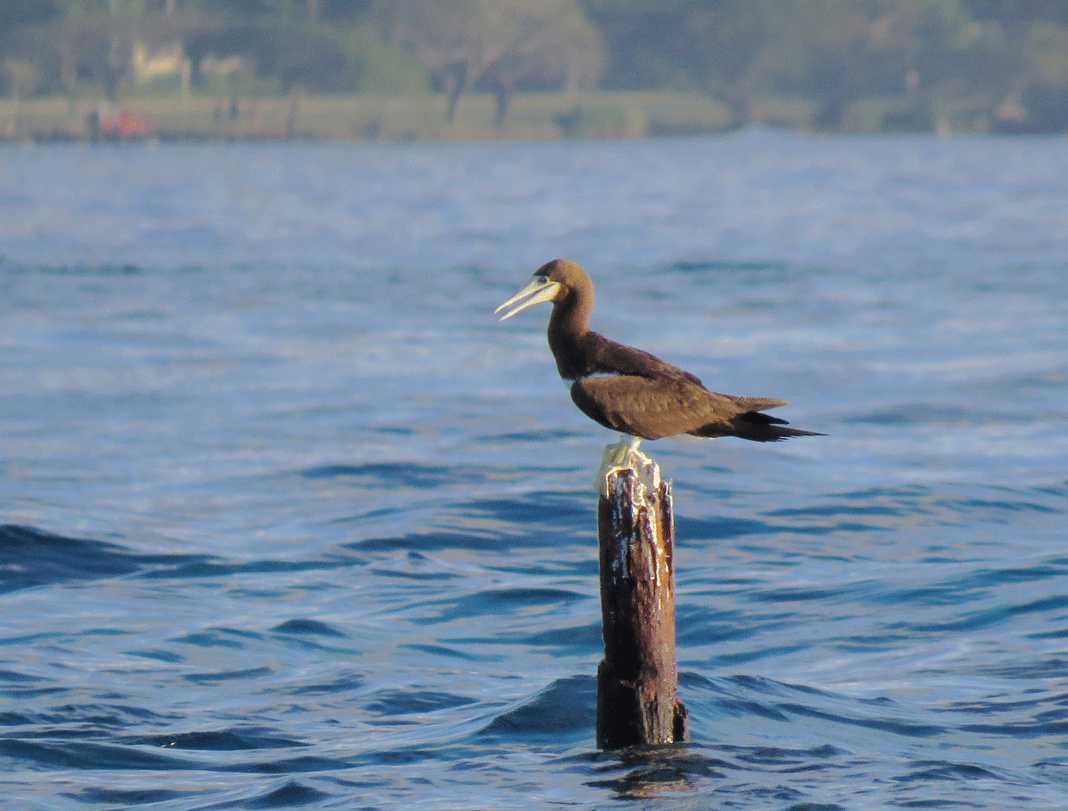
Rather than drive back we returned to our lodge by boat, this gave us close views of a number of Brown Boobies
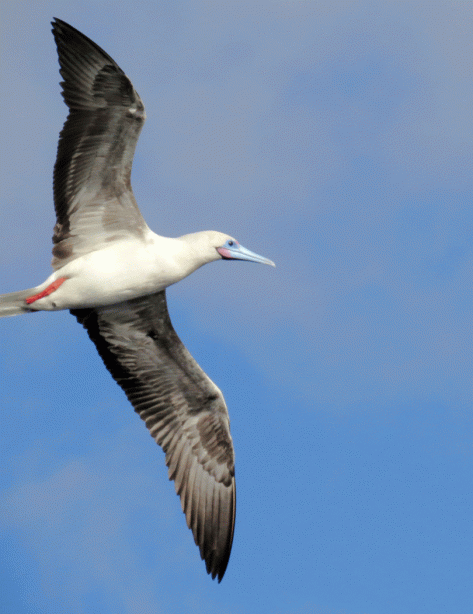
and large numbers of Red-footed Boobies.

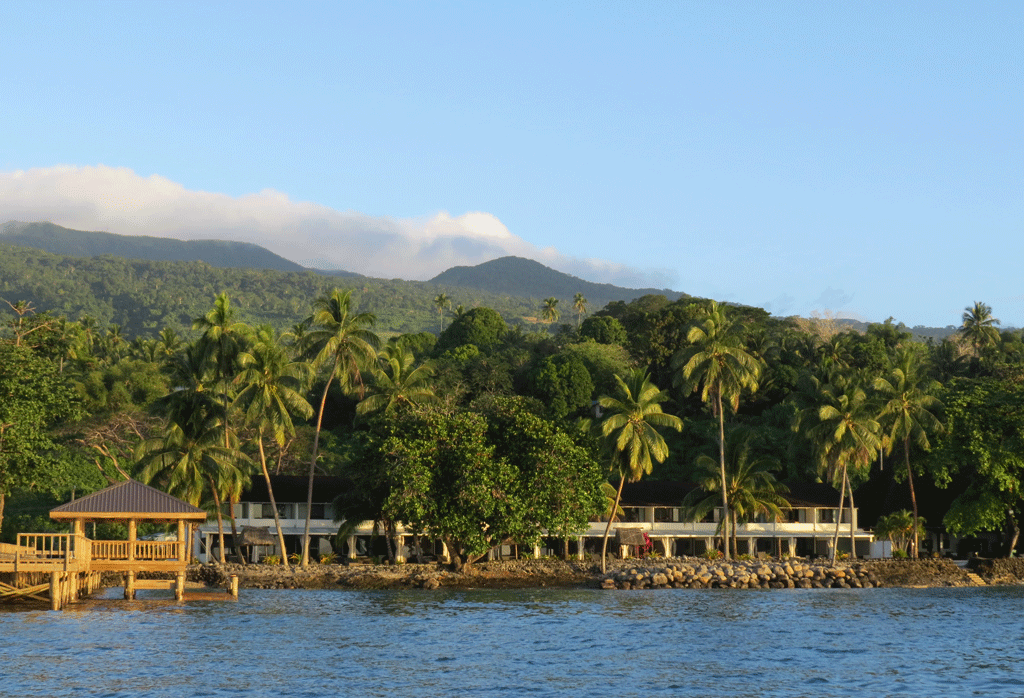
The resort seen from the sea.

Around the resort and on an offshore island were large numbers of Pacific Flying Foxes. Many were in a tree just outside my room and they made a huge racket at dusk as they were preparing to fly out to feed.
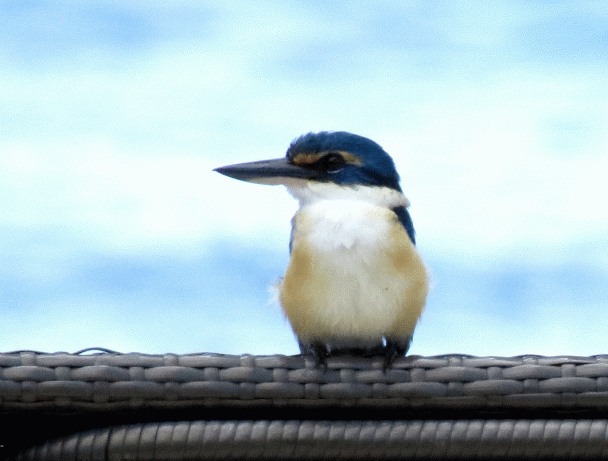
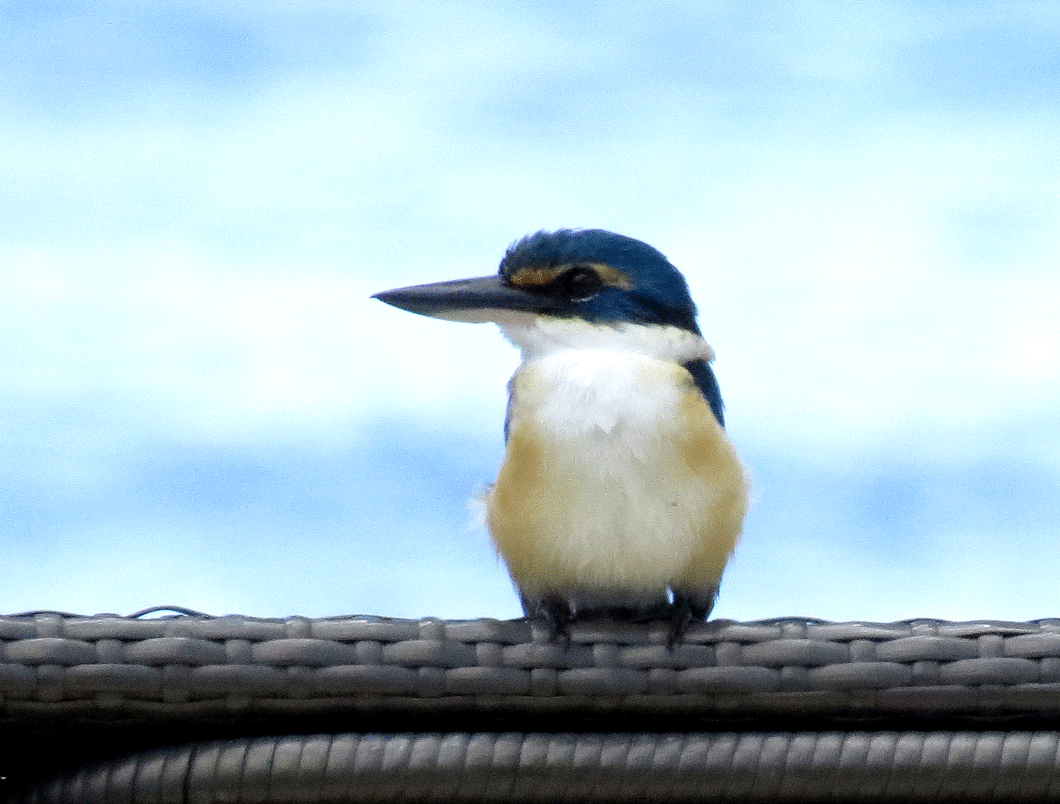
Sat on a chair beside the swimming pool was this Fijian race of Collared Kingfisher. Well Collared Kingfisher according to the IOC world checklist, Clements checklist treats it as a race of Sacred Kingfisher. It am sure that DNA work would identify it as a race of neither, but a species in its own right.

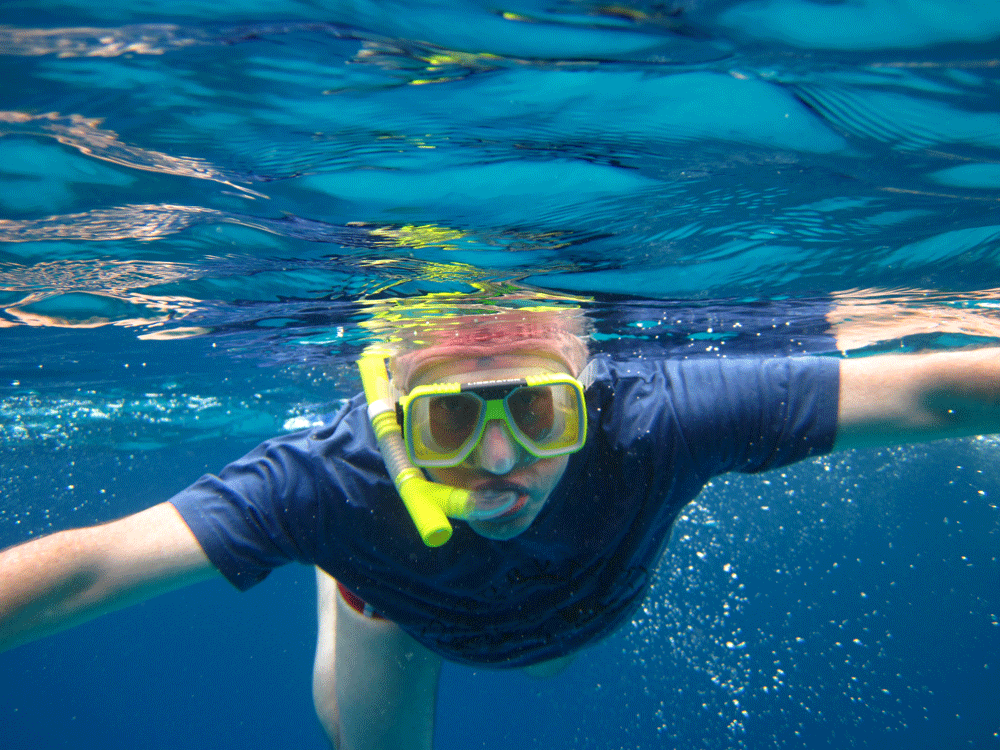
With our flight to Nadi not until late afternoon, we were at a bit of loose end today (there are worse places to be at a loose end than Fiji). Valerie, Vera and I went snorkeling, the gear and boat was easy to hire from the nearby dive centre. This photo of me was taken by Richard Clifford in Truk, Micronesia in 2010.
-16.841437
-179.981344
This post continues my account of my trip to the South Pacific in September. The final of the three island groups we visited was Fiji, which lies within the tropics at 180 degree longitude, ie the opposite side of the world to the UK.
We visited three islands, the first being the large island of Vitu Levu. We flew from Vanuatu to the capital Nadi but only stayed briefly before flying on to Suva on the southwest coast. Our accommodation was beside two lakes surrounded with forest. We soon scored with most of the endemics, seeing twelve of them the first afternoon and five including the stunning Golden Dove the next morning. Suva seafront gave us the chance to add a few waders and seabirds to the trip list and another forested area on the Namosi road produced excellent views of both Fiji Shrikebill and the rare Black-faced Shrikebill and brief views of a Friendly Ground Dove (the latter is named after the Friendly Islands, not its decidedly unfriendly habits).
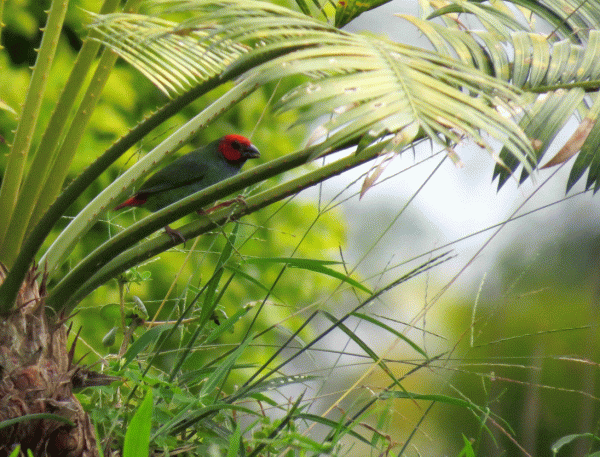
One of the first endemics we found was this pretty Fiji Parrotfinch just outside the airport at Suva.

Another lovely endemic, this Pacific Robin was in the forest close to our hotel.

Two endemics for the price of one,. A Fiji Goshawk dismembers a fledgling Wattled Honeyeater. Unfortunately the honeyeater was still alive, so this was quite a gruesome sight.
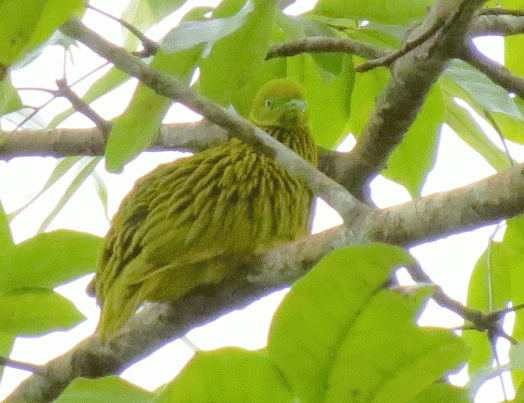
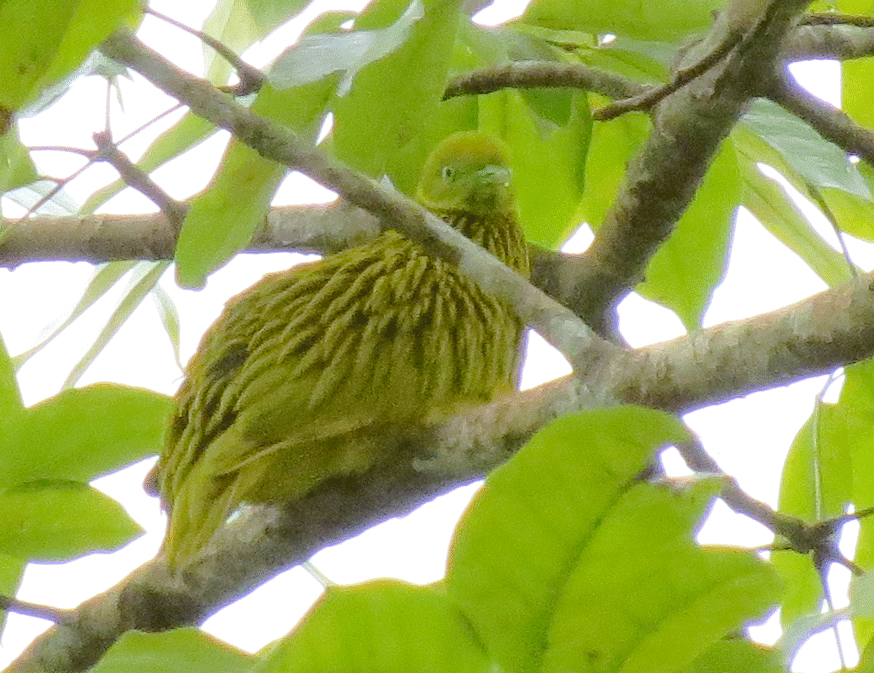
Fiji is a paradise for pigeon enthusiasts. The delightful Golden Dove.
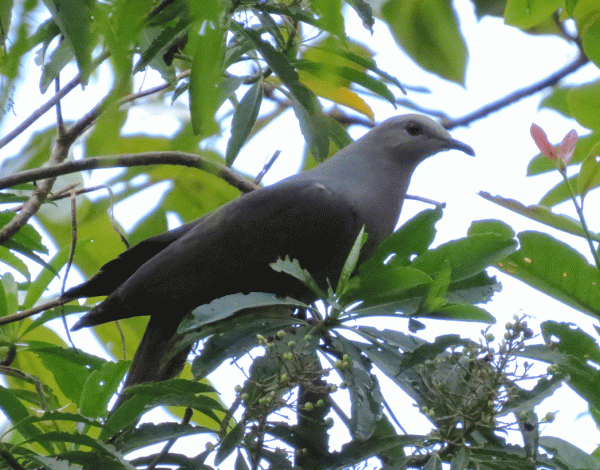
Not as pretty as the Golden Dove but fascinating nonetheless. Sometimes called Peale’s Imperial Pigeon, but I prefer Barking Imperial Pigeon because that is exactly what it does.

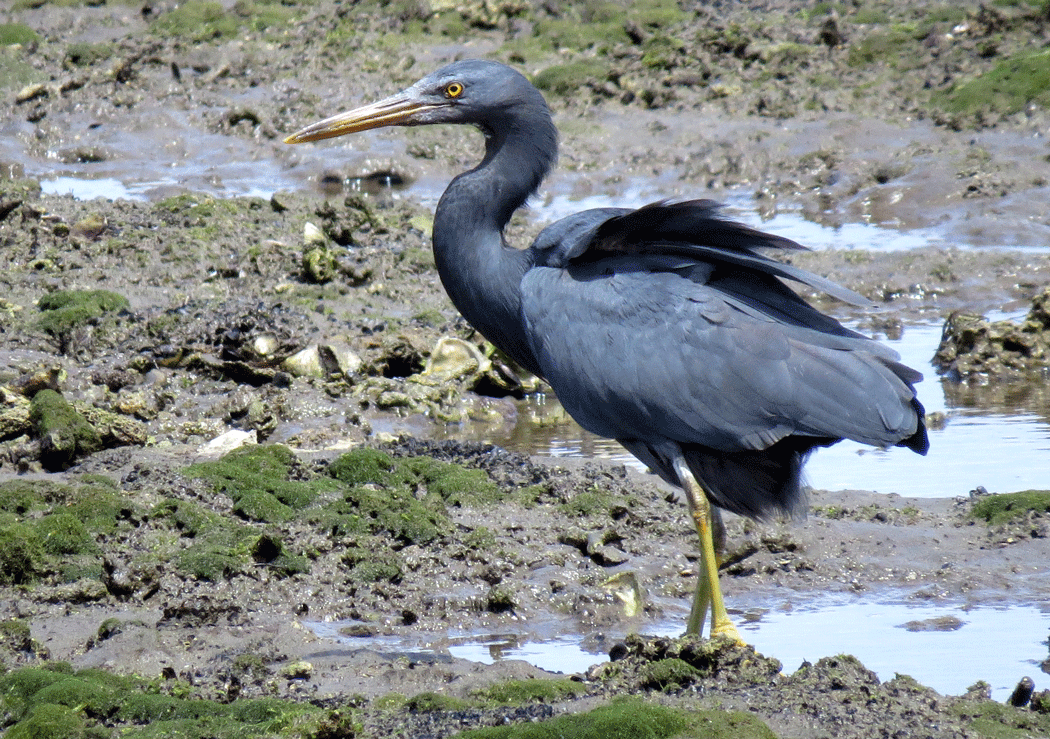
Some shots from Suva seafront. A dark morph Pacific Reef Egret.
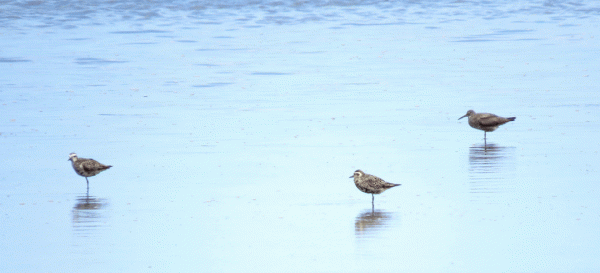
Pacific Golden Plovers and a Grey-tailed Tattler have flown all the way from the Siberian arctic to winter on these islands.
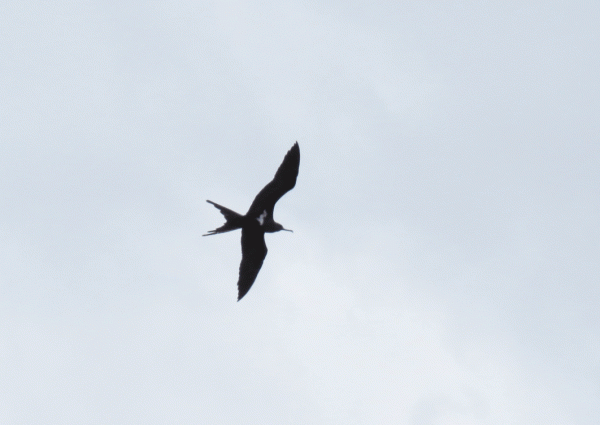
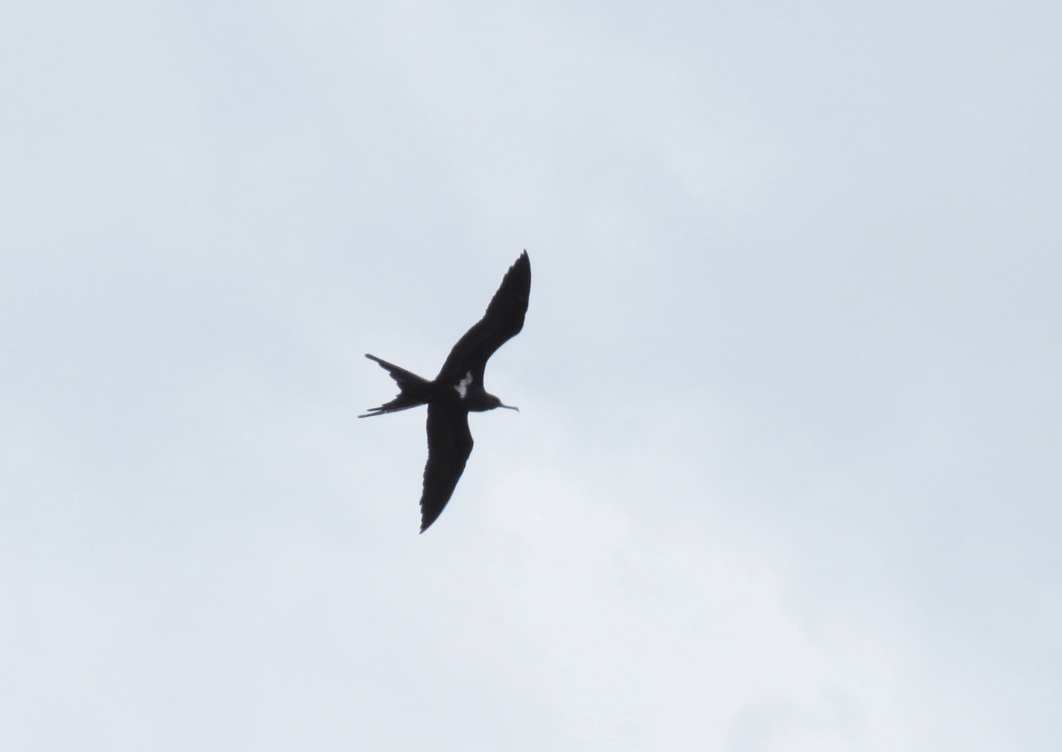
The white spur in the axillaries identifies this frigatebird as a male Lesser.

Greater Crested Tern
-18.141600
178.441900











 gryllosblog