Archive for the ‘Uncategorized’ Category
Plenty of bird but not too many photos because I left the camera battery on the charger.
Last night at Lytchett Bay we only ringed 25 Pied Wagtails. The numbers at the roost have dropped off recently probably because three Marsh Harriers roosted near there a few days ago. What we lost in wagtails we made up for in Reed Buntings, 15 were trapped at dusk. The recapture of a bird ringed in the arable fields on the far side of the Bay a couple of weeks ago indicates that the area is being used as a roost from birds all over the area.
Today at Durlston a stiff east wind made ringing rather difficult and there were very few grounded migrants, mainly Chiffchaffs and Blackcaps, but ‘vis mig’ was spectacular.
‘Vis mig’ or visible migration involved watching and counting flocks of diurnal migrating birds. This mainly involves finches and hirundines but thrushes will move by as well as night. Warblers, chats etc migrate mainly at night and usually are only seen on the move by day if they get ‘caught out’ over the sea at dawn.
Today about 2000 Goldfinches with smaller numbers of Linnets, Siskins, Redpolls, Skylarks, Meadow Pipits and Swallows were on the move, many thousands of birds in all. Best were at least 12 Wood Larks and a flock of 25 White-fronted Geese. The birds were all heading east into the wind except the geese which were flying south-west.

Without a working camera today I have resorted to an internet photo of migrating Wood Pigeons taken on a vis mig watch. The pigeons tend to move later than most finches peaking in early November.
In spite of the low numbers we caught two new species for our Durlston ringing list, a House Sparrow, which just seem to have moved into the area and Great Spotted Woodpecker.

Juvenile GSWs have a red crown, after the post-juvenile moult the female develop a black nape and the males a red nape. The bird can still be aged as a first year (even though the red crown has been lost) by the contrast between the median and greater coverts. Photo by Ali Quinney.
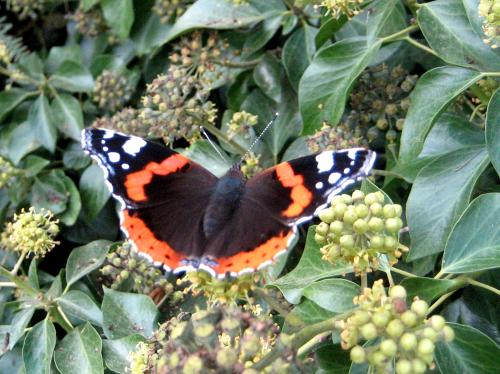
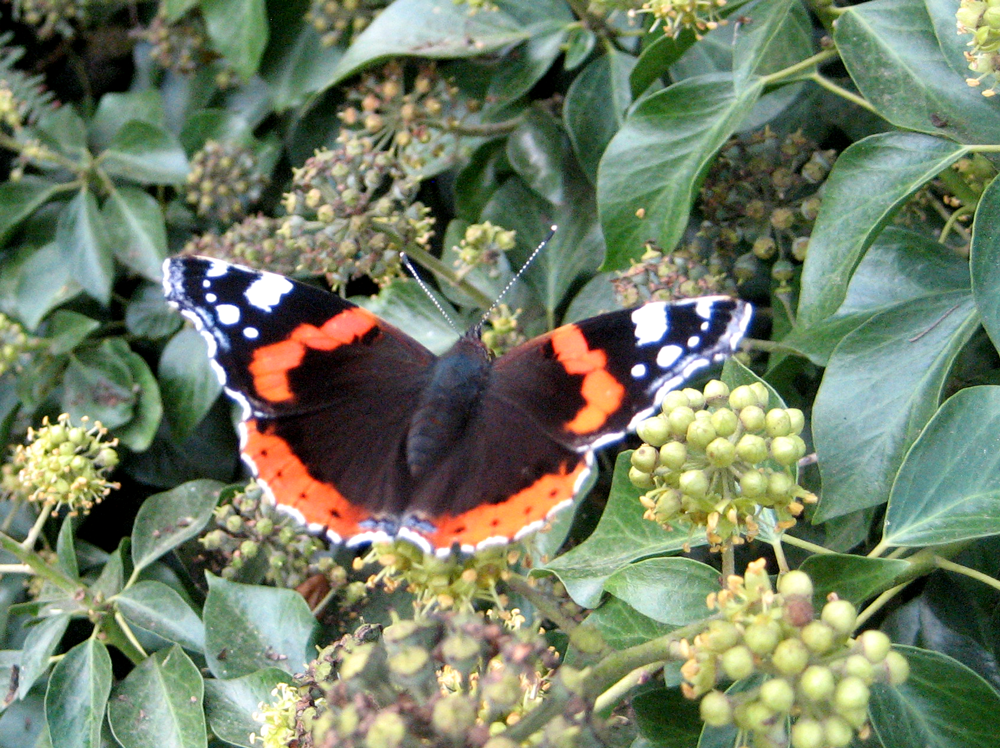
Red Admirals have become common again in recent weeks.

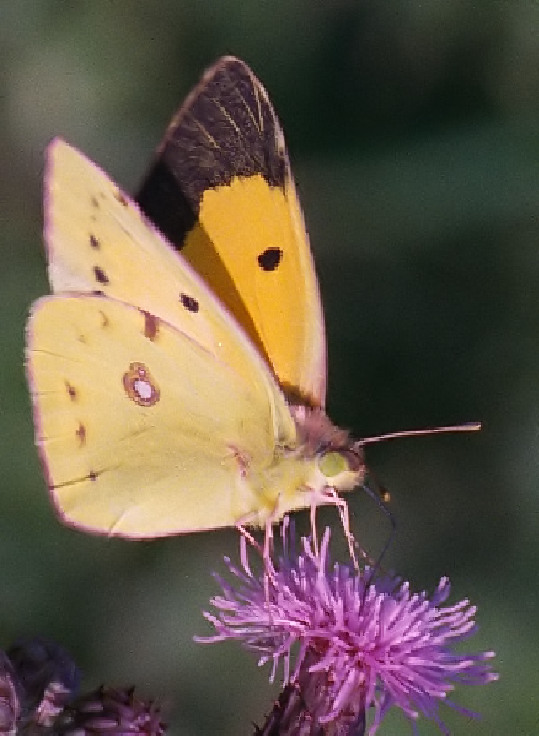
A single Clouded Yellow was in the Durlston garden. Photo from the internet.
As a final bonus as I arrived home, a flock of Redpolls flew over the garden.
An other pre-dawn start at Durlston. Ringing in the goat plots was quite productive with 67 birds ringed. Three new Firecrests and a Yellowhammer were the highlights. Chiffchaffs still predominate but Goldcrest numbers are increasing.
There was a large easterly finch movement with flocks of Goldfinch, Greenfinch and Siskin. Also a few Pied Wagtails and Meadow Pipits. Redpolls were mainly seen at first light. Hamish had 30 or so Crossbills.

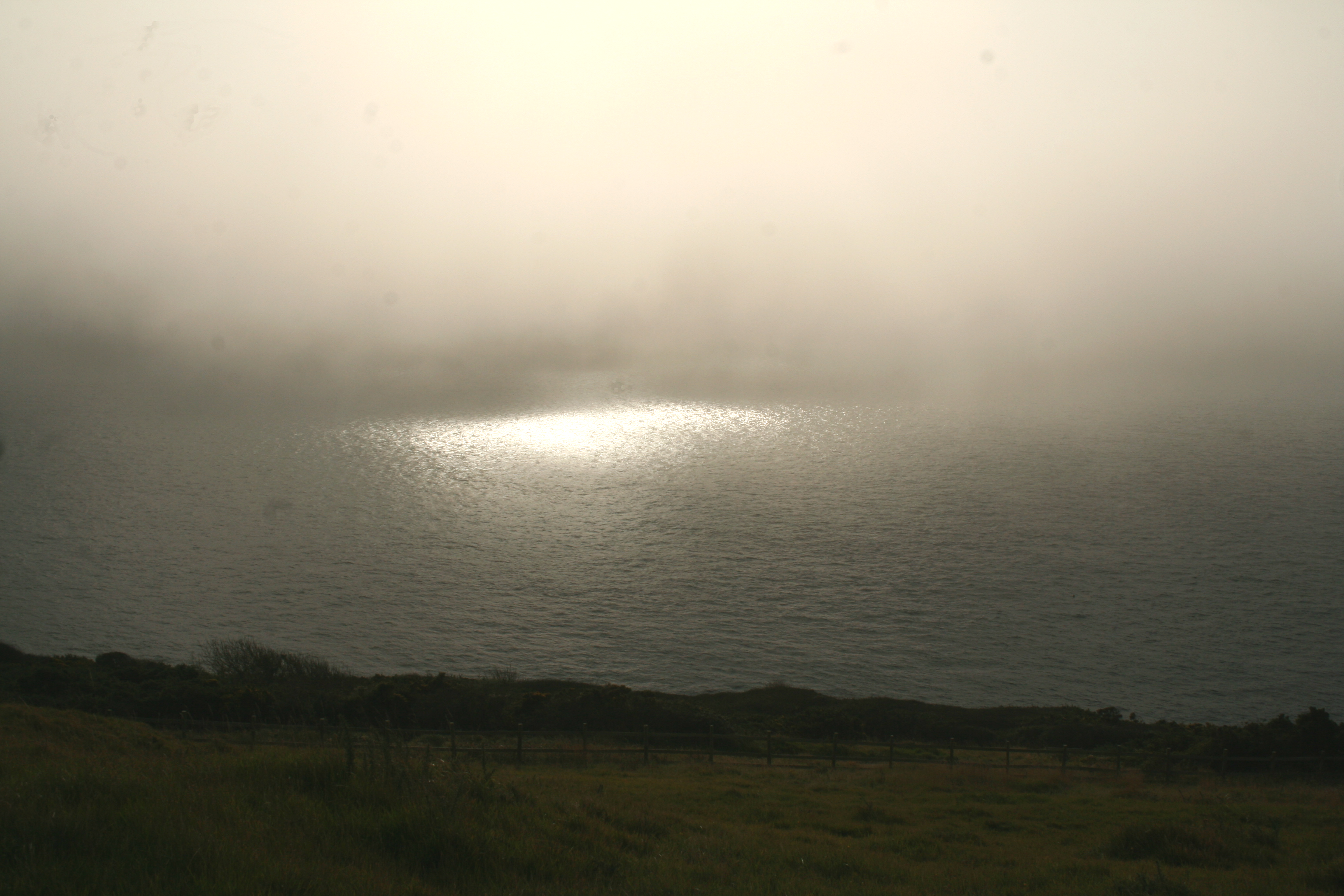
A bank of fog moved in from the sea soon after dawn.
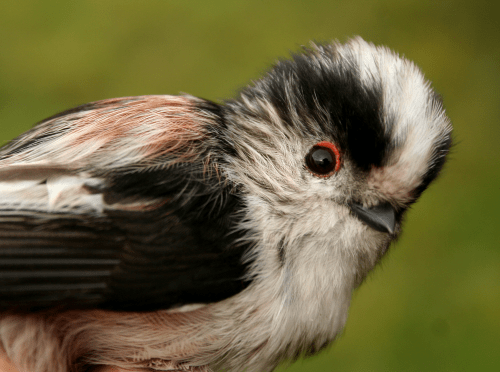
A dozen or more Long-tailed Tits were caught in the same net. Note the orbital ring can change colour depending on the bird's emotions
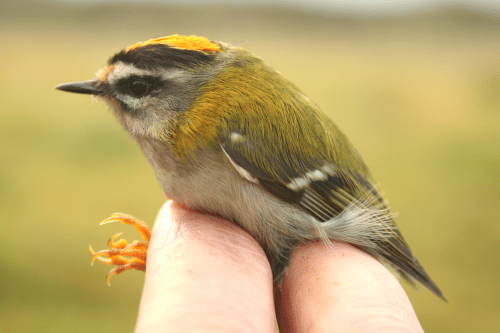
This beauty was in with the LT Tit flock, our 6th at Durlston this year.
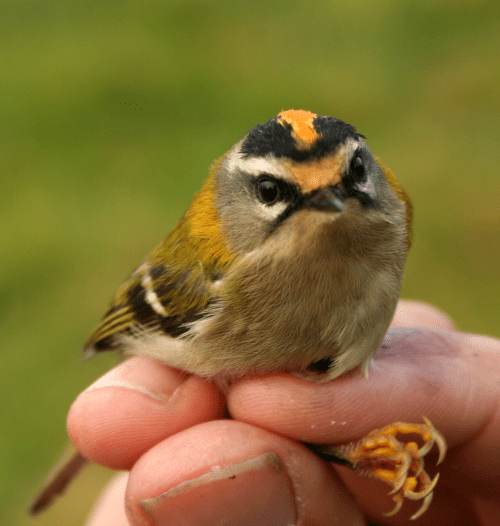
DIM Wallace used to call the Firecrest 'the seven-striped sprite'
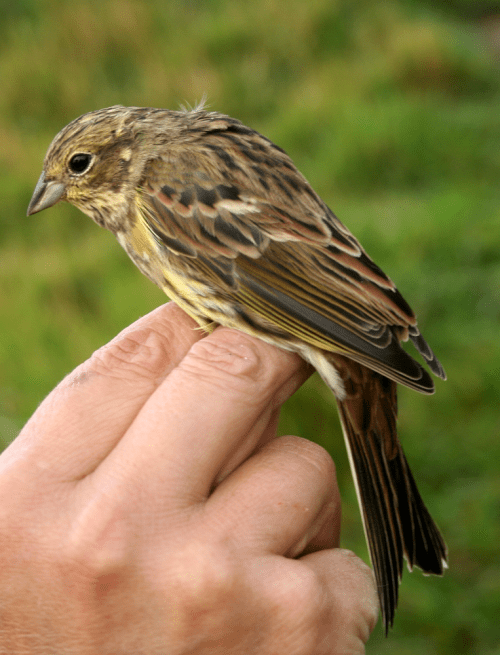
This first-year female Yellowhammer can be aged on tail shape and sexed by the pattern of the crown feathers. Like other buntings, breeding plumage is acquired through abrasion of the feather tips revealing the yellow colouration below.
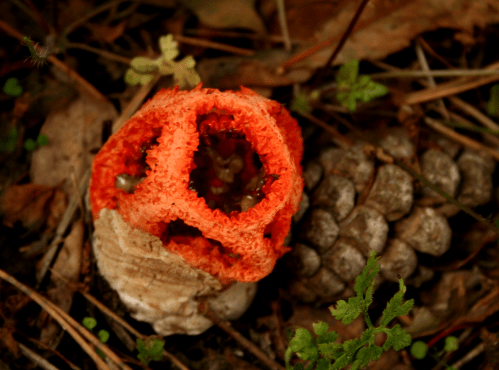
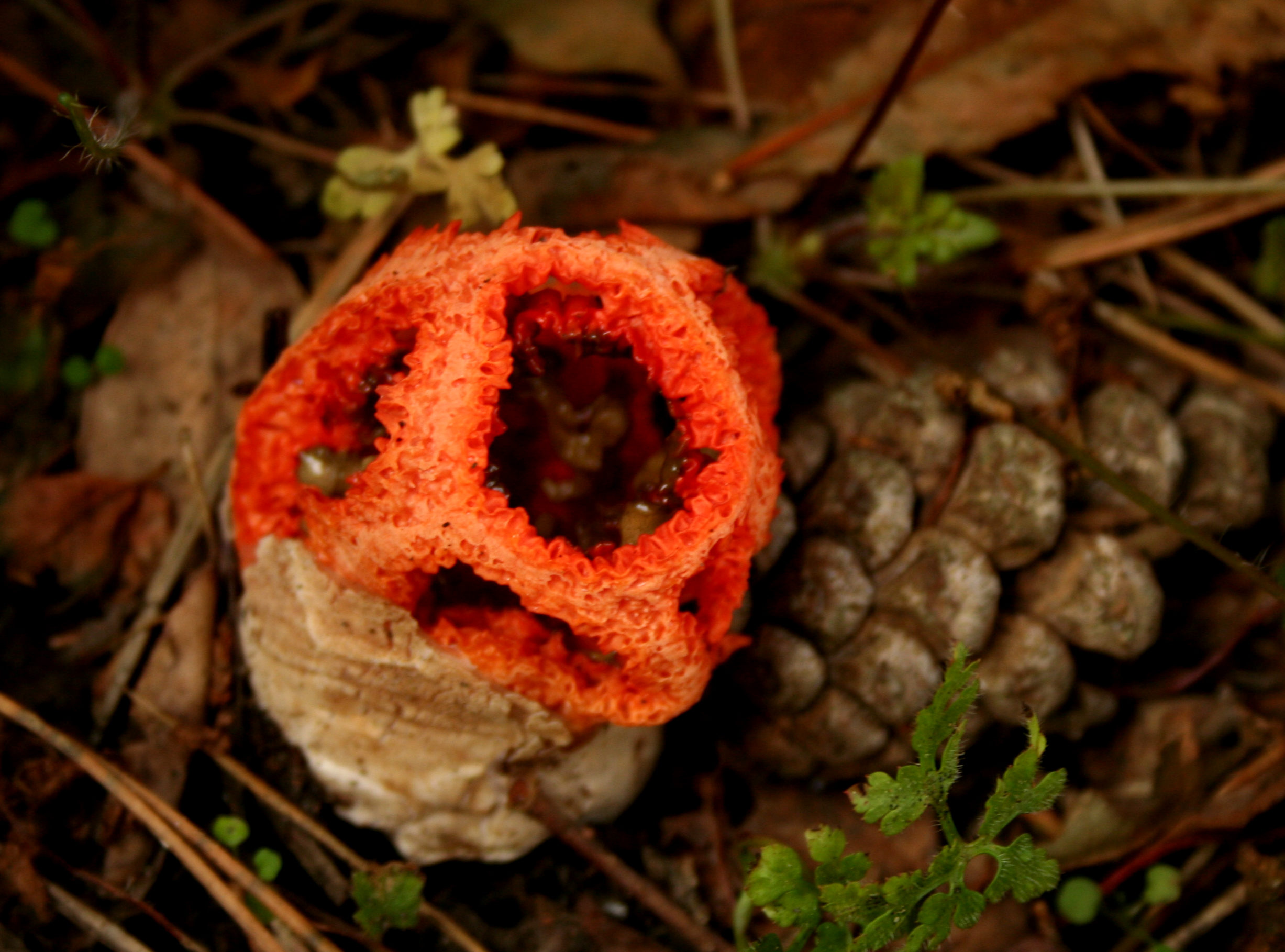
A cage fungus, along the entrance road to the park.
We are roost ringing at Lytchett Bay this evening. Further information to follow.
Catching up on my write-up on my last trip, paperwork for my next trip and preparing for the slide show I am giving tonight has kept me in for the last couple of days.
Whilst tours to high and temperate latitudes, mountains and safaris usually give enough good pictures for a single slide show, trips to tropical area, particularly tropical forests do not. As a result I have prepared a slide show covering seven tropical destinations, four in the Old World and three in South America. As a taster I have included on my blog three shots from each destination, one of scenery and two of wildlife.
If any one is interested my talk is for the DWT at Charlton Down Village hall, Charlton Down near Dorchester at 7.30 Tuesday 11th.
if anyone is interested in my giving a talk on these or any other destinations to their group then contact me via the blog or at gryllo.poole@tinyworld.co.uk

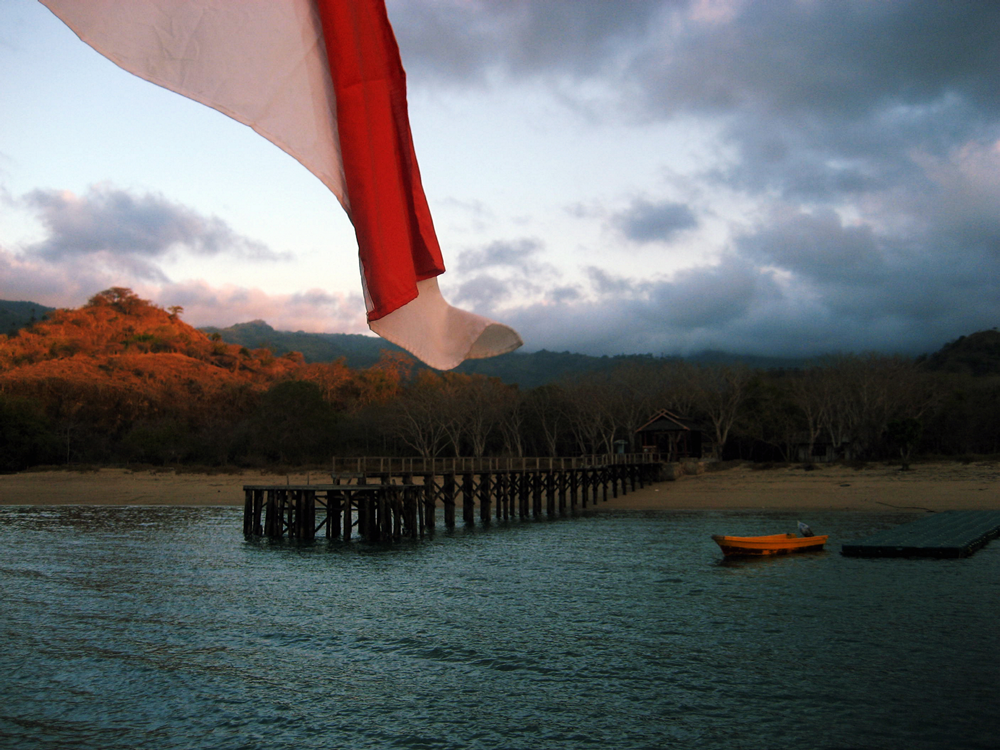
Komodo Island and the Indonesian flag - Sep 2006
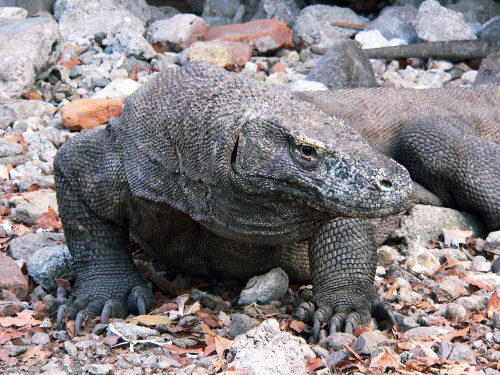
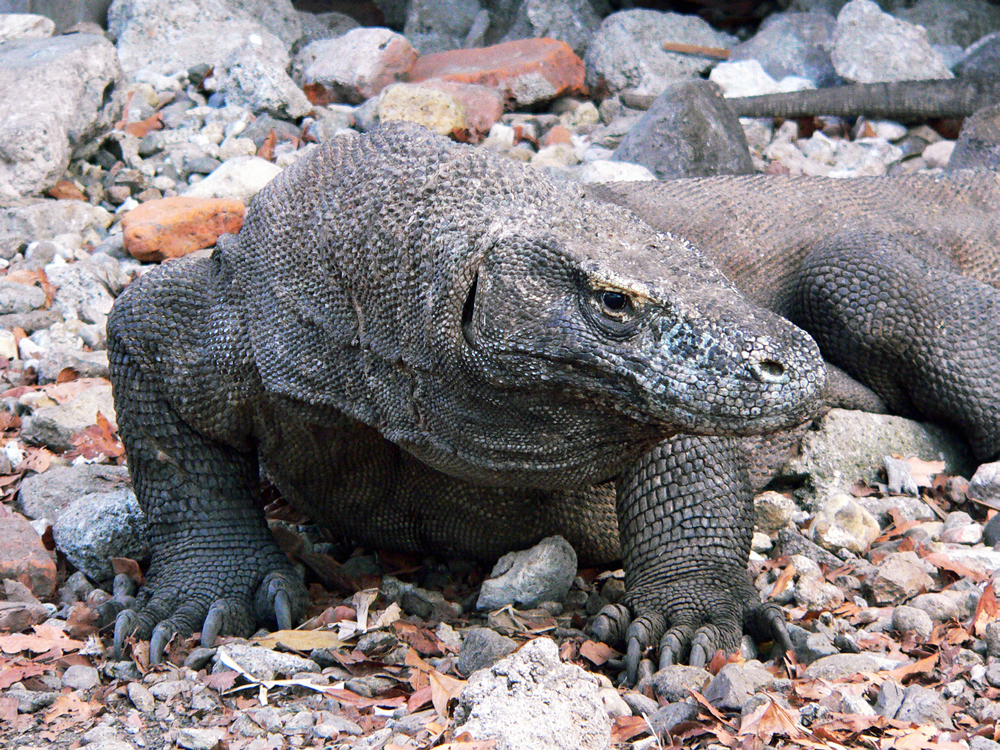
Komodo Dragon - Komodo Island
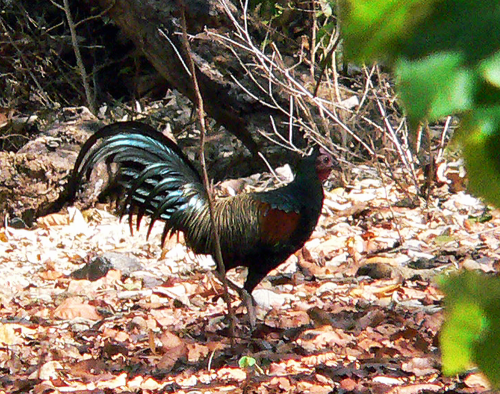
Green Junglefowl - Komodo Island

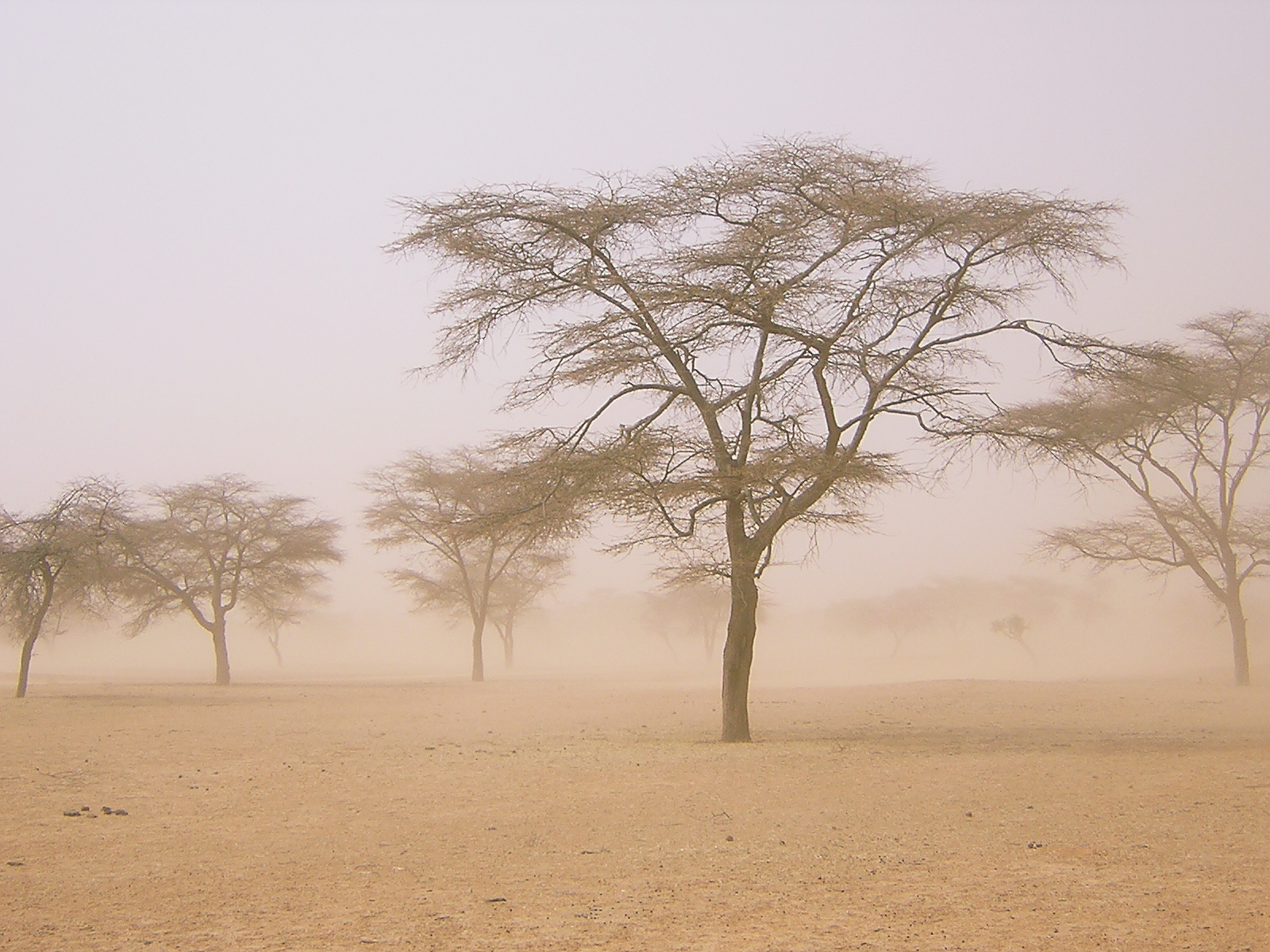
The arid Sahel region of northern Senegal - Jan 2005
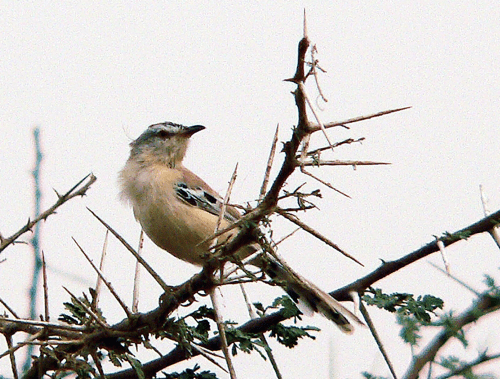
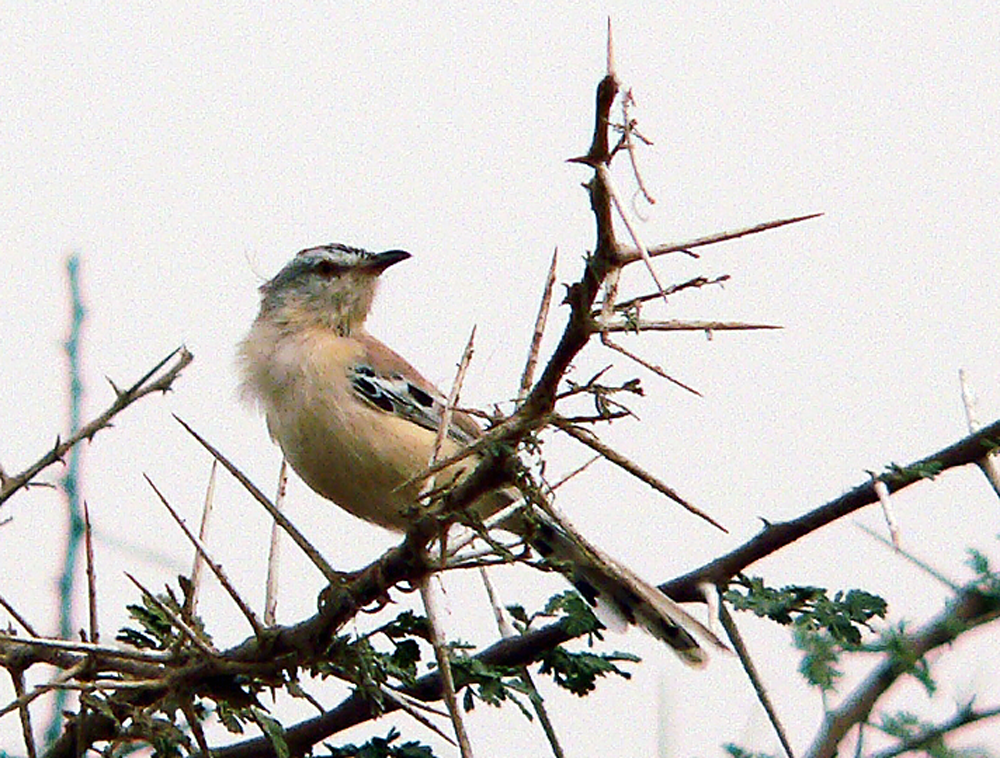
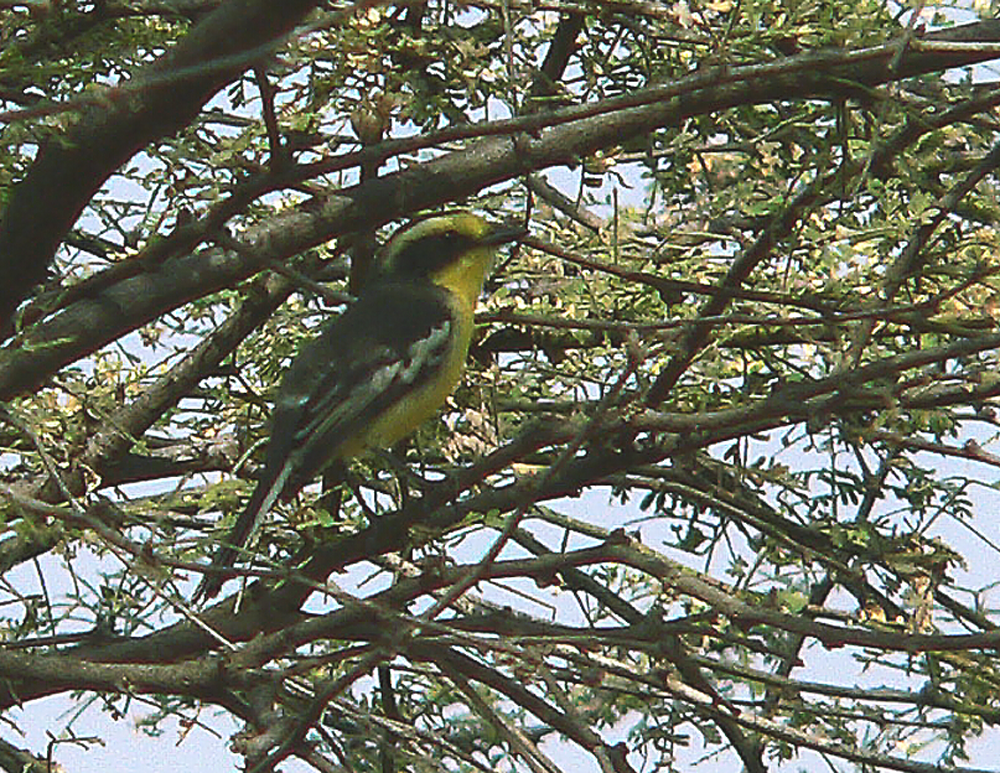
Cricket Warbler - Senegal

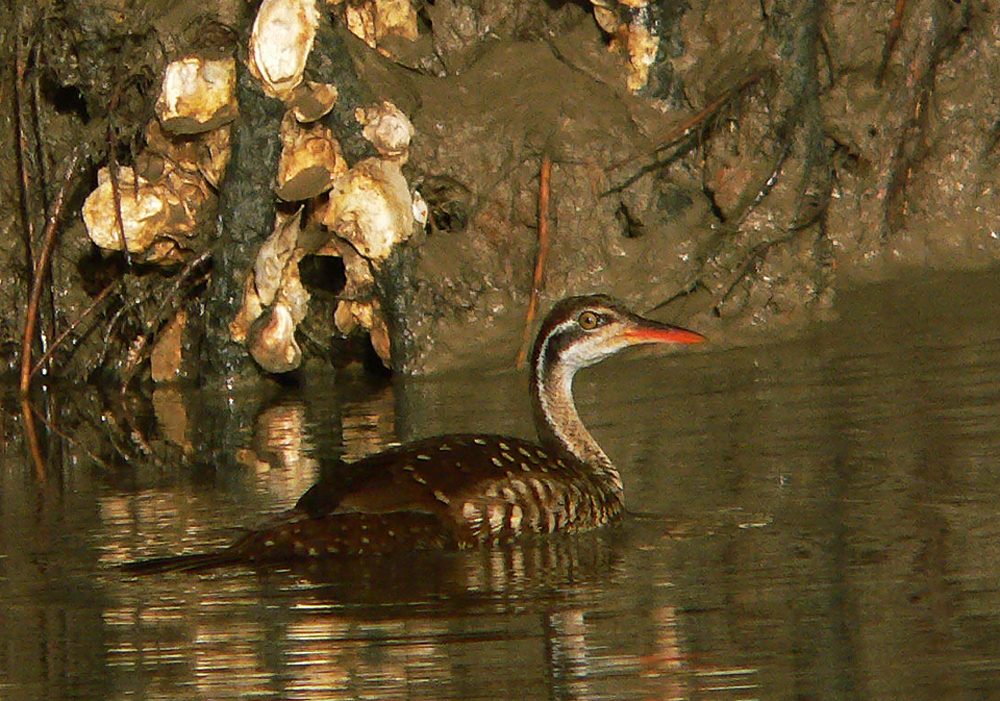
African Finfoot - Gambia

Angkor Wat - Cambodia, Feb 2005
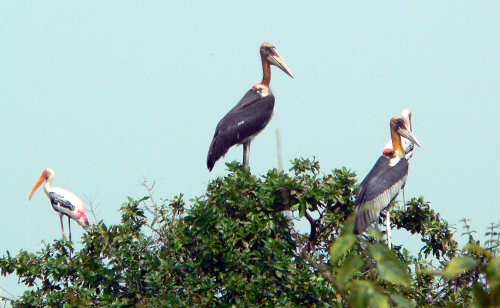
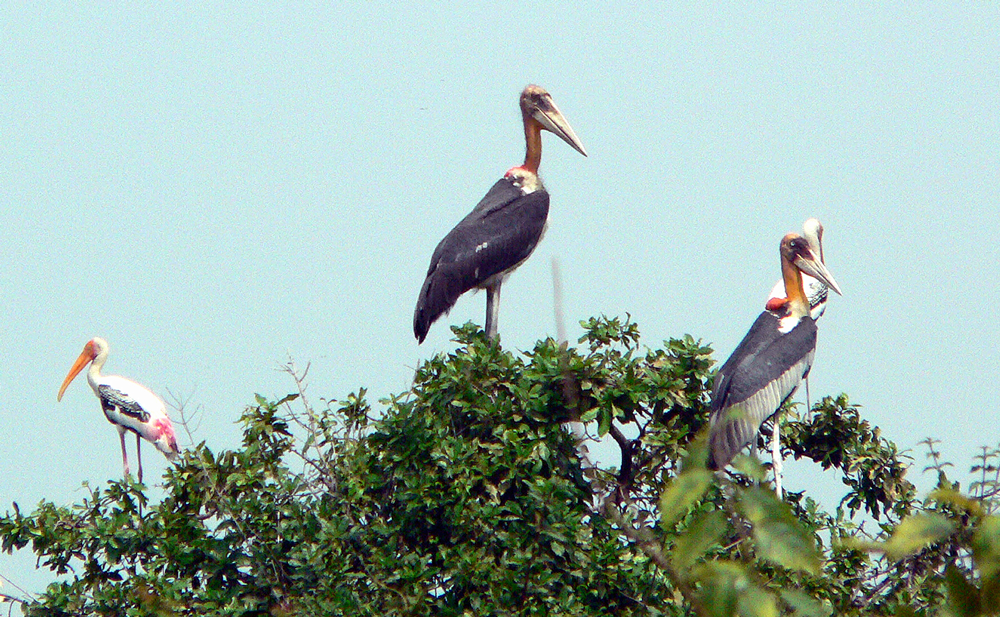
L-R: Painted Stork, Lesser Adjutant, Greater Adjutant and another Painted Stork.
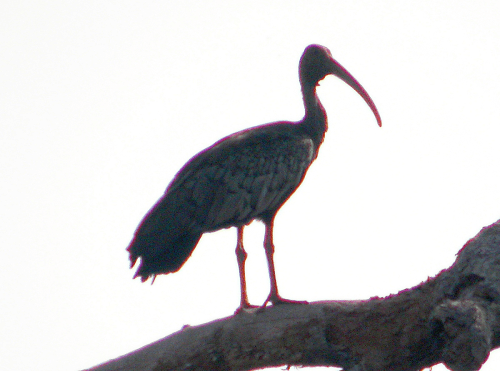
Giant Ibis - northern Cambodia - photo by Dave Farrow

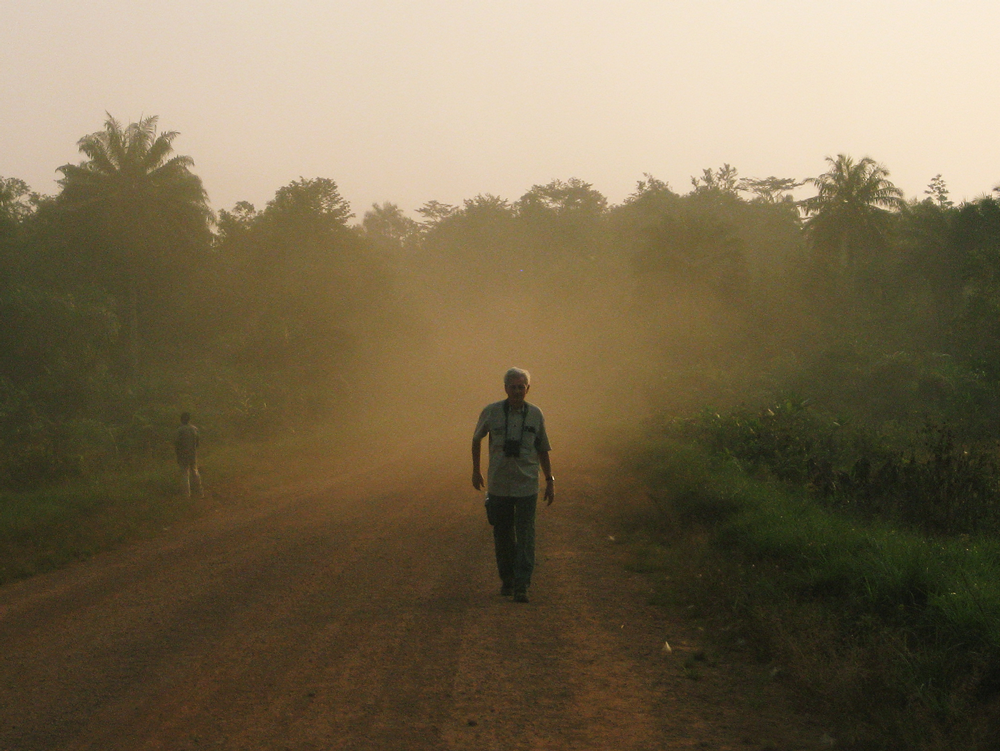
Hot, humid and dusty - Sierra Leone - Feb 2010
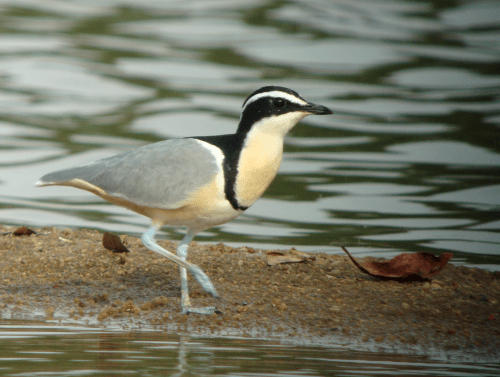
Egyptian Plover - Sierra Leone
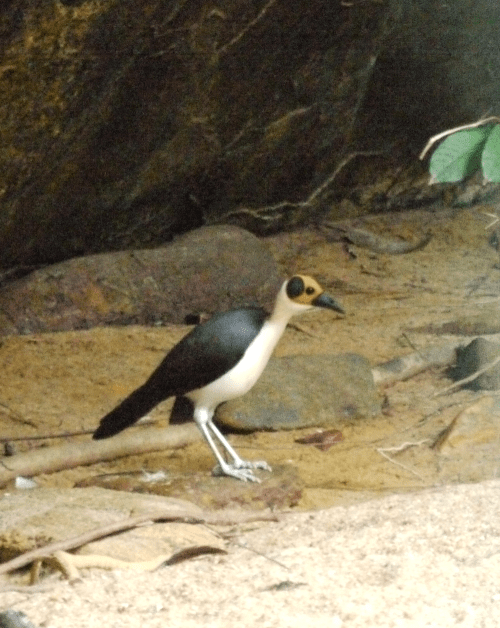
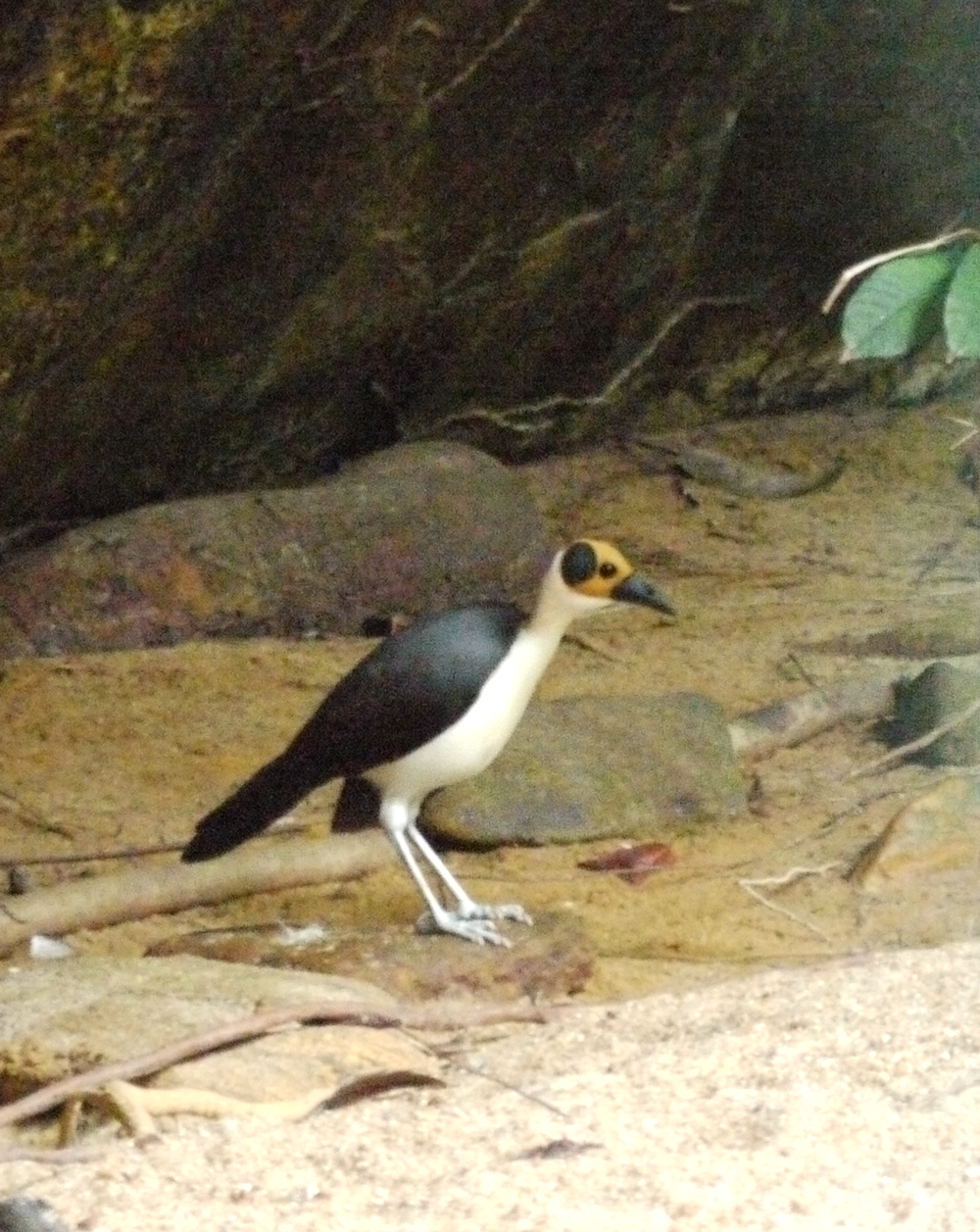
The incomparable Yellow-necked Picathartes - Sierra Leone - photo by Nick Borrow.

Maranon Valley - northern Peru - Sep 2005

Tumbes Tyrant - endemic to the dry coastal area of northern Peru
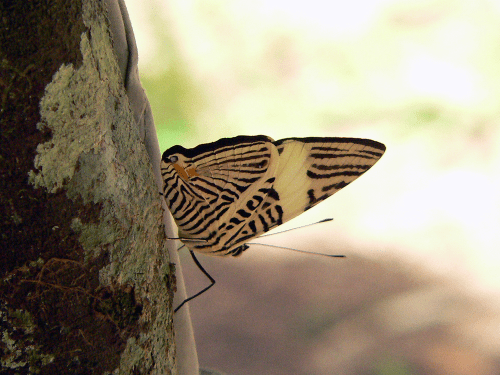
The Amazonian region is full of beautiful butterflies. Northern Peru

The Santa Marta Mountains of Colombia rise straight from the sea to 5,700m - Jan 2007
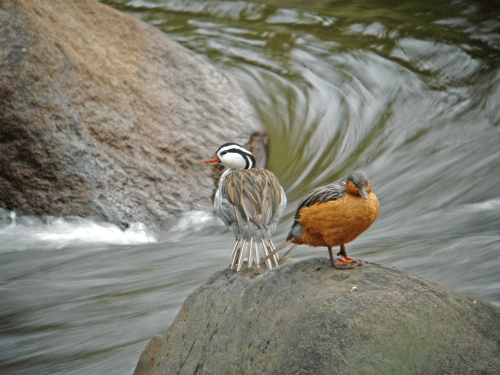
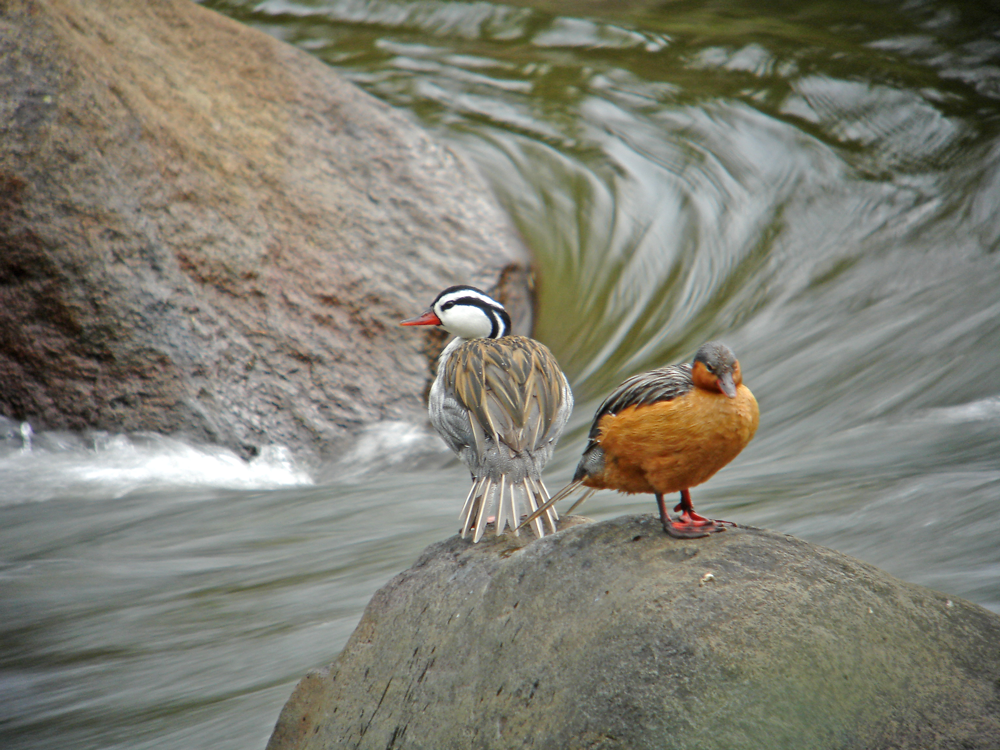
Torrent Ducks - Colombia - photo by Pete Morris
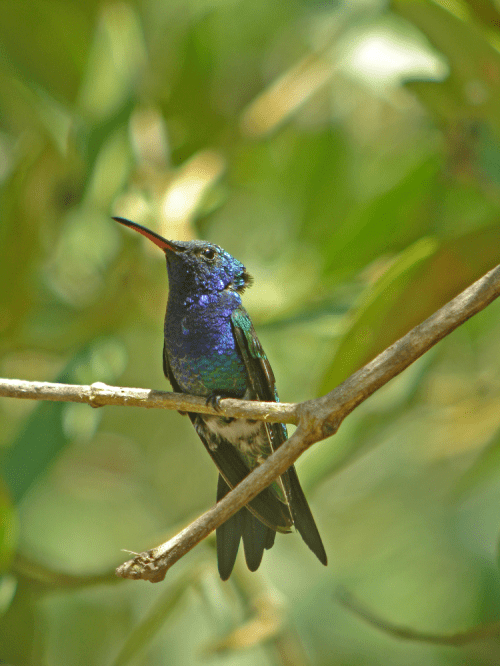
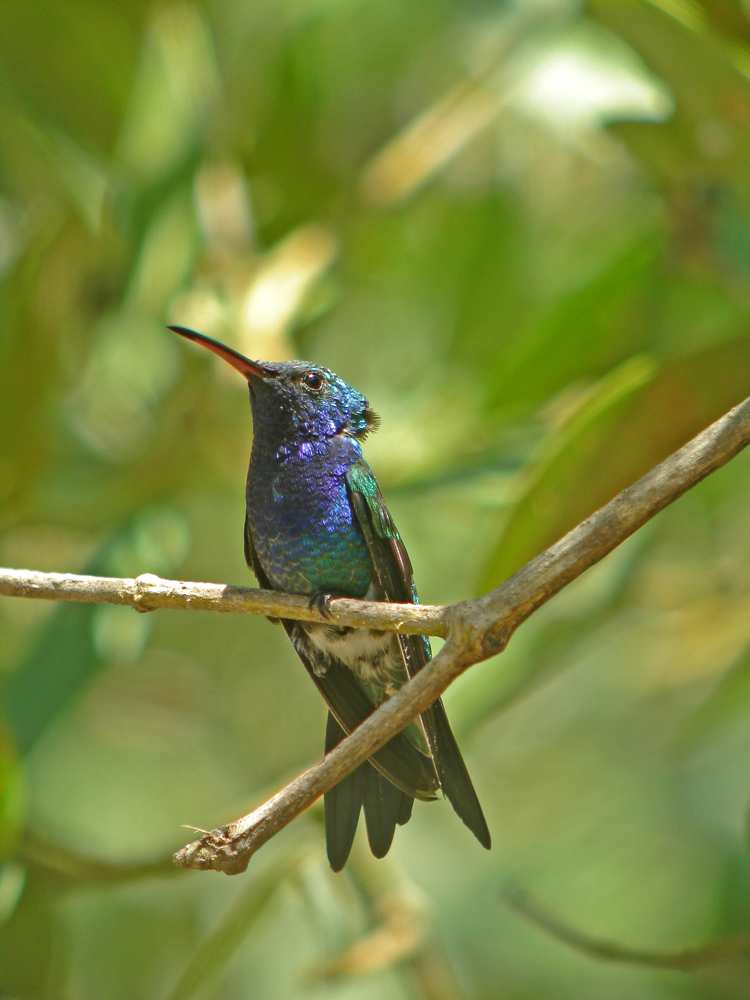
Using a fairly liberal taxonomy, this was my 7000th life bird. Sapphire-bellied Hummingbird, Colombia - photo by Pete Morris
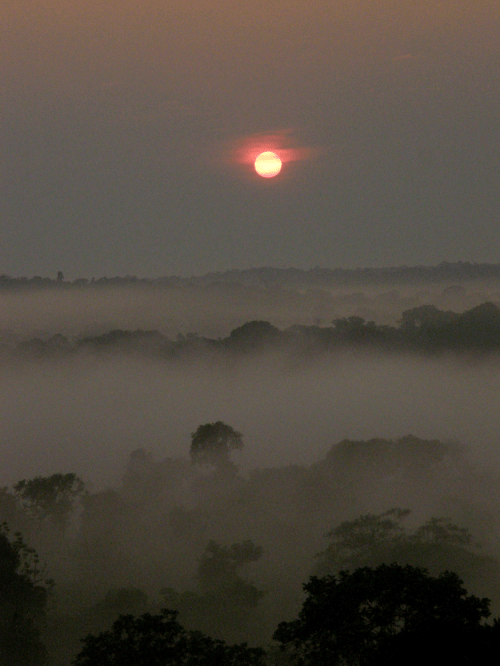
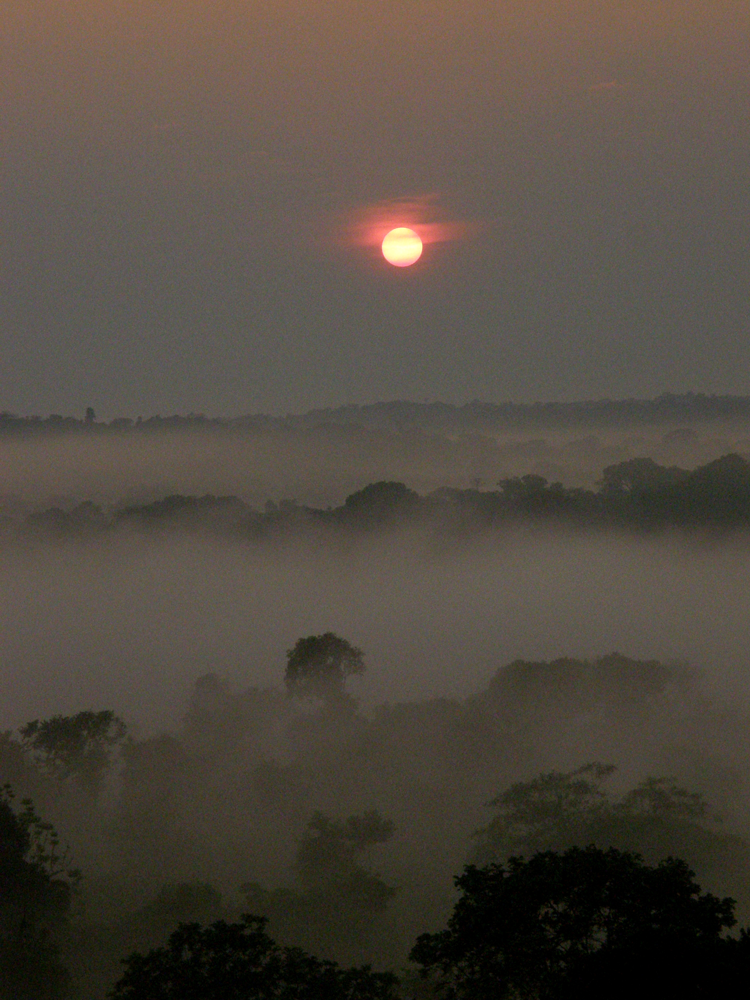
Dawn from the canopy tower, Alta Florista, Brazil Oct 2008

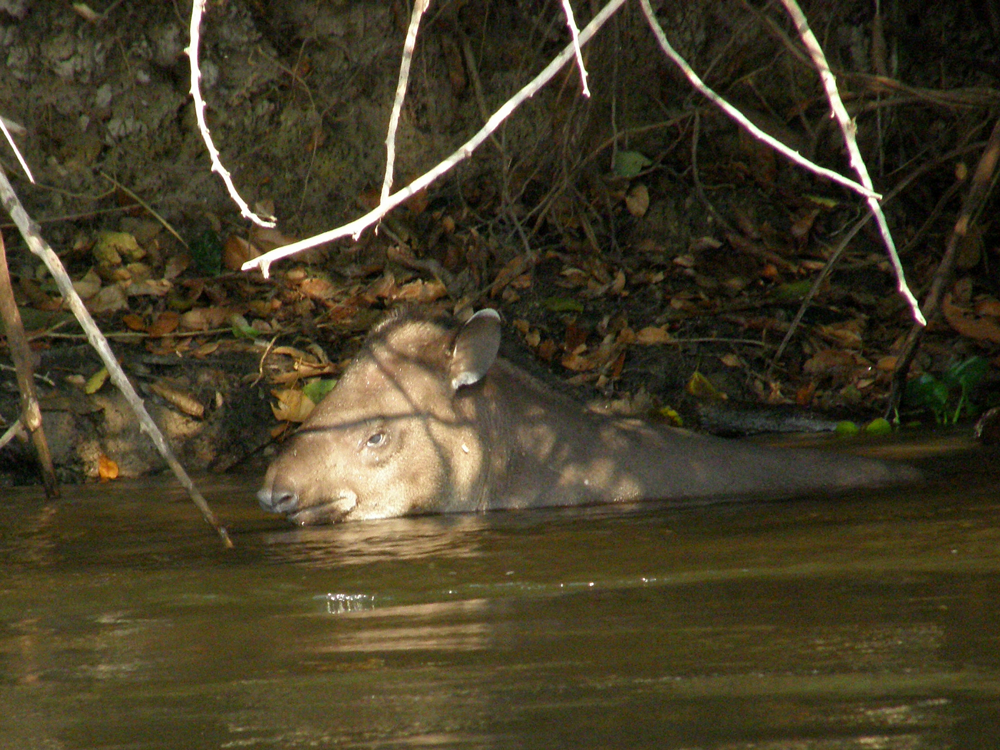
Tapir, Alta Florista, Brazil

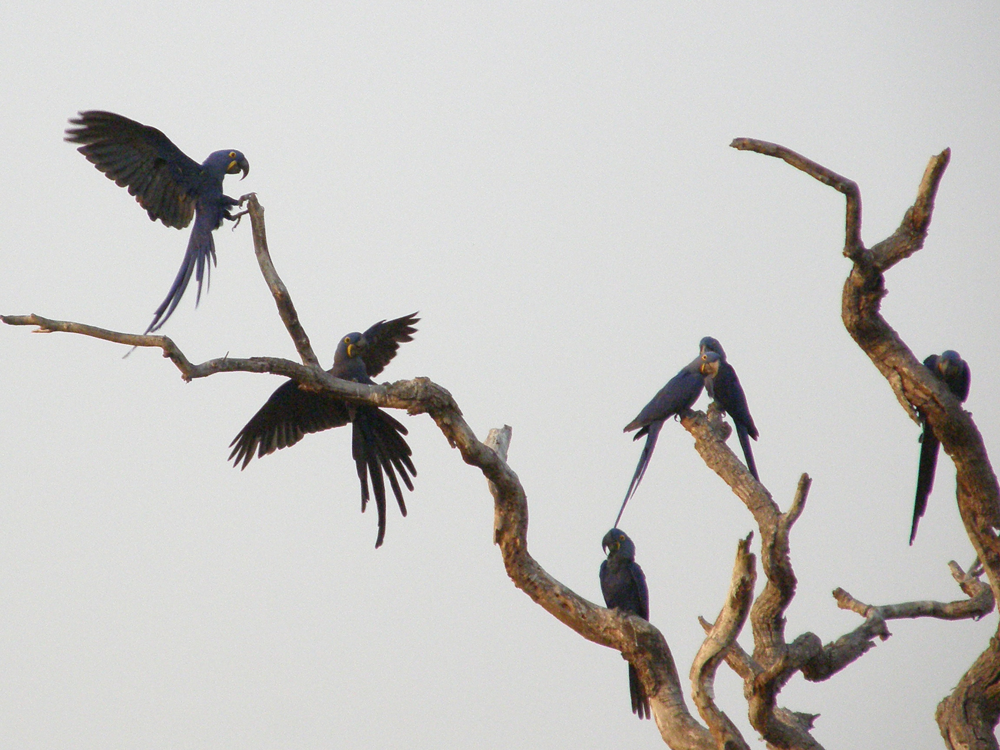
Hyacynth Macaws - the Pantanal, Brazil.
Margaret and I are members of, and indeed met, via Nexus www.nexus-uk.co.uk/ an organisation for single people. Although we are now married we have maintained our membership and go on the occasional walk, party or outing organised by them.
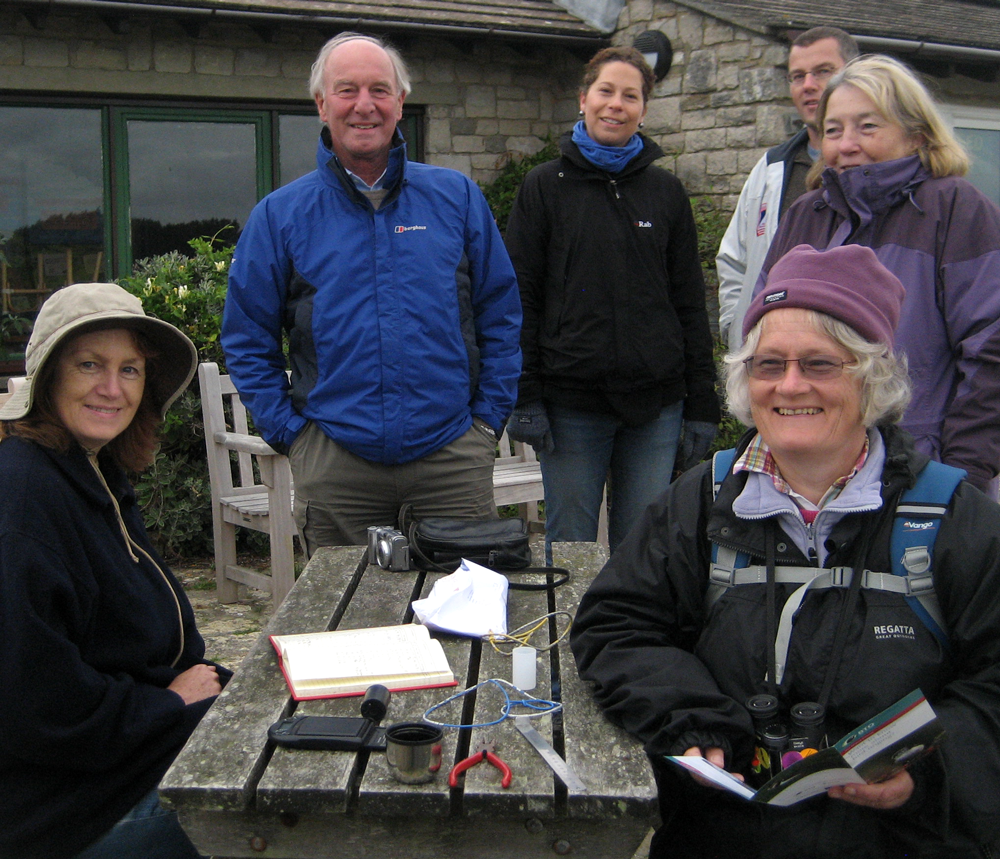
As several Nexuns have enquired about bird ringing I thought it would be a nice idea to do a public ringing demonstration outside the visitor centre. The demo was a great success but a combination of a cold north-westerly wind and an early start deterred almost everyone, with only two participants. However we were also joined by Margaret, her friend, former colleague and former landlady, Angela, friends of Shaun’s – Charlotte and Pete, a number of passers-by and towards the end of the demo, some of the Durlston volunteers who were gathering for a work party.
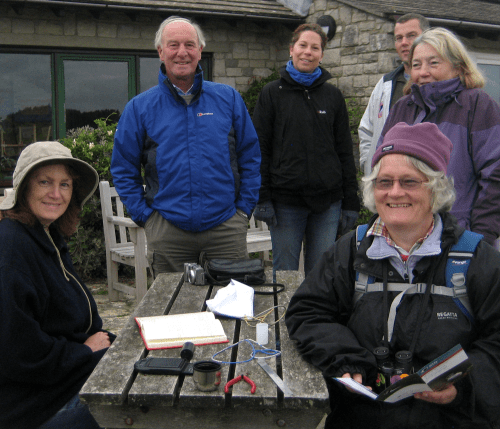
Ringing demo: L-R Margaret, Robert, Charlotte, Pete, Rosemary and (seated) Angela. As a youngster Robert used to birdwatch with the legendary ornithologist H G Alexander and even saw Britain's only Brown Thrasher at Durlston in 1966!
Ringing was very successful in spite of the cold wind, with 11 Redpoll, several Goldcrests, single Meadow Pipit, Firecrest and Treecreeper being the highlights, along with the usual Chiffchaffs, Blackcaps, Goldfinches, Robins, Dunnocks and tits. A total of 121 birds were ringed, a selection of which were brought outside of the garden to be ringed by me for the purposes of the demo.
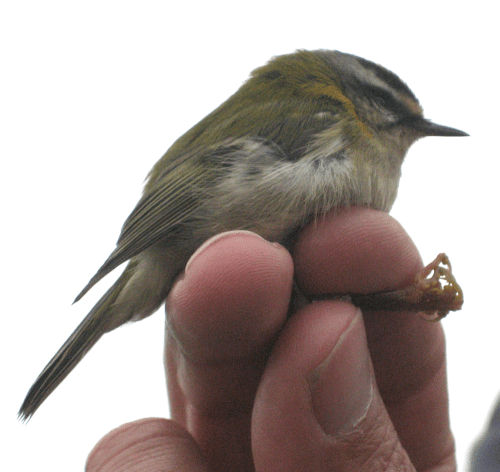
Female Firecrest. Possibly the most beautiful of British breeding birds.

Lesser Redpoll, photo by Shaun Robson.
Later Margaret, Angela and I visited Middlebere in the hope of showing Angela the Spoonbills but they were elsewhere. A flock of 280 Black-tailed Godwits was the highlight.
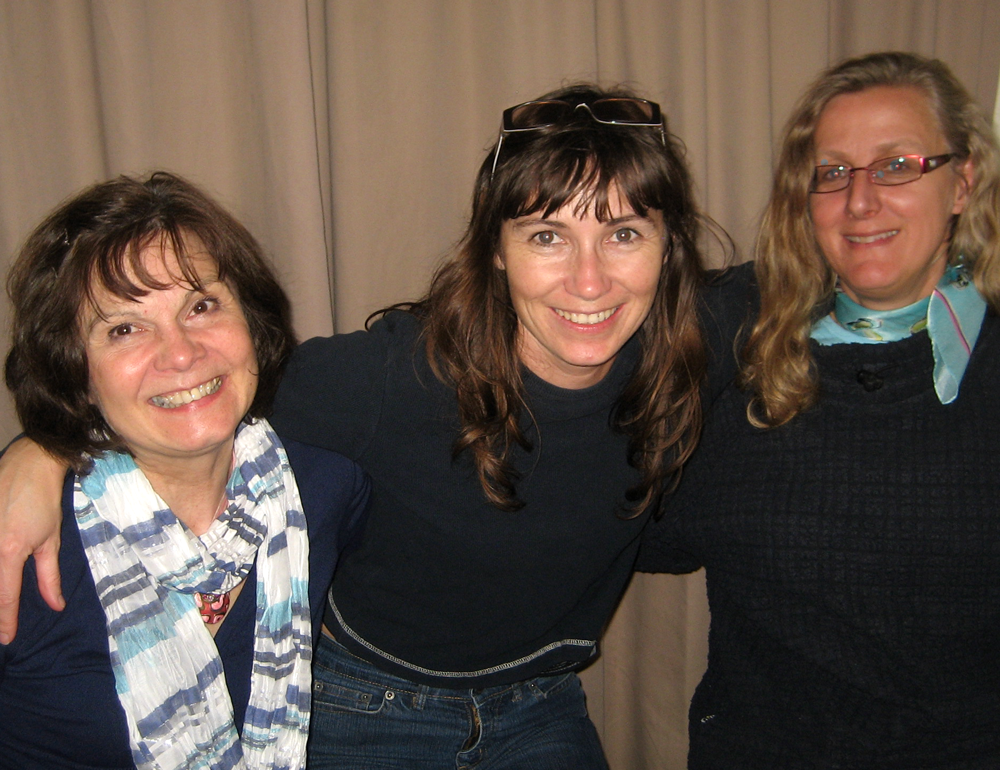
Angela stayed for the afternoon. In the evening we visited Janis and the girls and were joined by Janis’ friend Helen from Chandlers Ford and colleague Susanne (originally from Munich).

L - R: Helen, Janis and Susanne.
After spending yesterday morning on a number of mundane tasks and the afternoon sorting out which smart phone to buy, it was good to get out early again this morning for some ringing at Durlston.

Here we go again - another Durlston dawn
I was doubtful that we would achieve much due to the brisk NW wind, but found that the goat plots were quite sheltered. We ringed 52 new birds and handled 11 species in total. Best was undoubtedly a Treecreeper, obviously not a rare bird, but one that I haven’t handled for many years.

Excluding a vagrant Short-toed Treecreeper used to involve a complex mathematical formula involving the length of the bill and hind claw, but now can be done on the fine detail of the pattern on the wing.
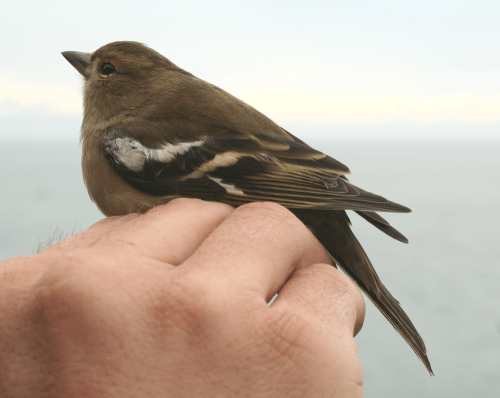
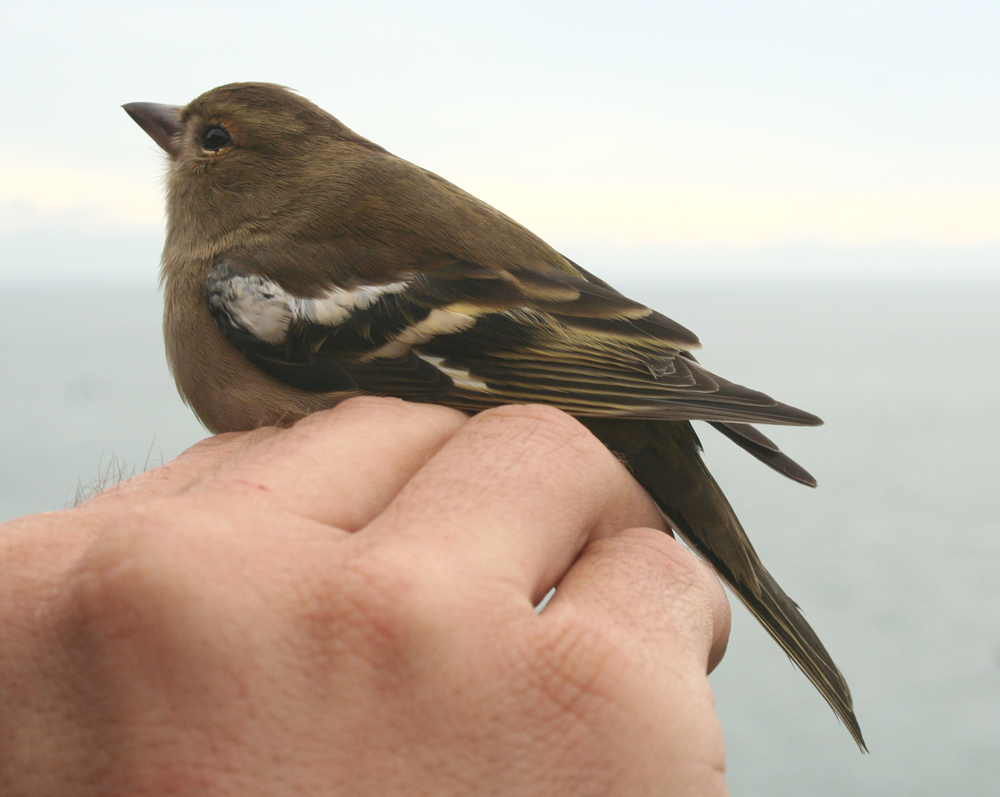
All the Chaffinches we trapped today were females. This is not all that surprising, the tendency for male and female Chaffinches to winter in seperate areas was noted by Linnaeus who gave it the Latin name 'coelebs' meaning 'unmarried'
In the afternoon I called in at Middlebere where I connected with the flock of 28 Spoonbills (one was trying very hard to stay invisible behind another and was only noticed when a second bill appeared) before heading for Sunnyside Farm near Ridge, where there were no birds at all on the scrape.

Spoonbills. This is the biggest flock of this species ever to be seen in Dorset

Sunnyside Farm from the viewing screen.
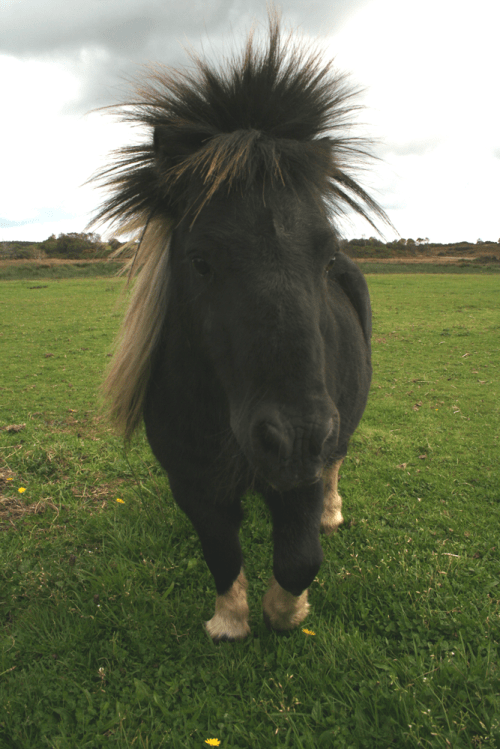
About the only interesting thing at Sunnyside this afternoon !
A vagrant north American Sandhill Crane has made its way south from Scotland, via Northumberland and Norfolk and for the last few days has taken up residence in coastal Suffolk. This is the fourth record for the UK, and to the best of my knowledge, the first for England.
Having the opportunity to see this magnificent species within a reasonable distance of home, Brett Spencer, Mike Gibbons, Paul Morrison and I set off this morning at the ungodly hour of 0200. After navigating a maze of narrow lanes to the easy of Ipswich we arrived at the favoured stubble field at 0650 just at the moment the crane flew in from its roost on Havergate Island. In retrospect such an early start wasn’t necessary, but had the bird opted to continue its journey south soon after dawn we would have felt pretty sick if we had delayed our departure.
Also seen were three Marsh Harriers, a Peregrine, a flyover Spoonbill, 2 Crossbill and a Golden Plover.
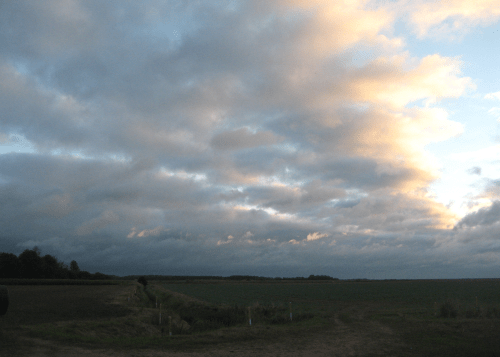
Boyton, Suffolk. East Anglian skies are often described as 'wide open' which is a euphemism for a flat landscape.

Considering the extreme rarity of the species, the turn out was quite low, but that will change if it stays to the weekend!
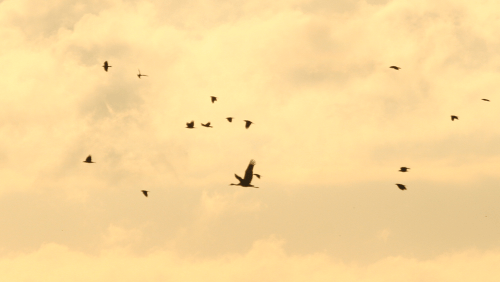
The Sandhill Crane in flight against the eastern sky.
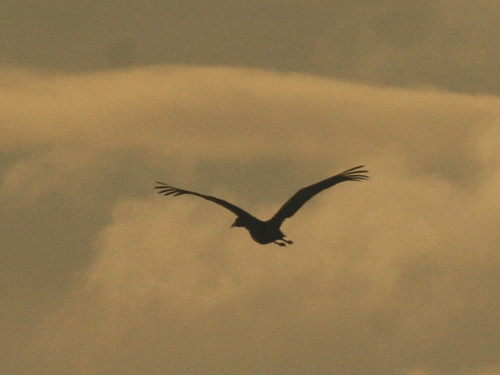
Most flights were of short duration and mostly seen as a silhouette.

At over half a mile away, a hand-held digiscoping shot was the best I could manage.

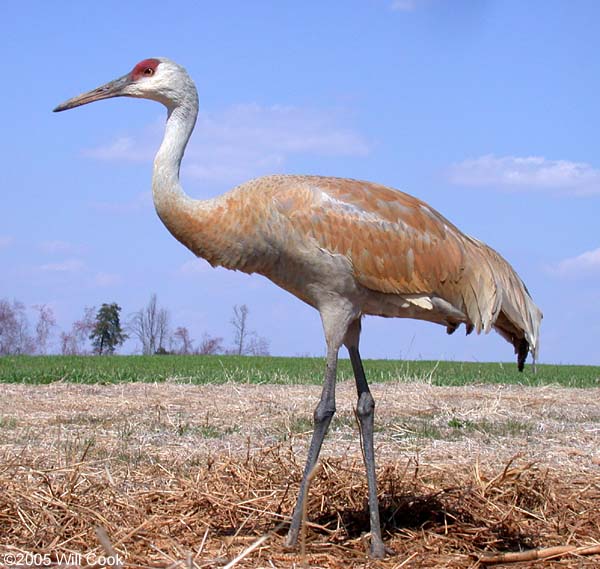
Adult Sandhill Crane - USA - photo from the internet
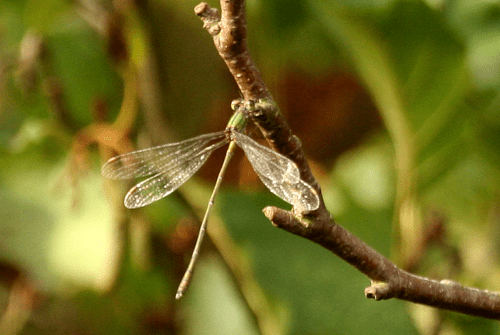
Also present were some Willow Emerald Damselflys, a recent colonist of this part of East Anglia and a tick for the entomologists amongst us
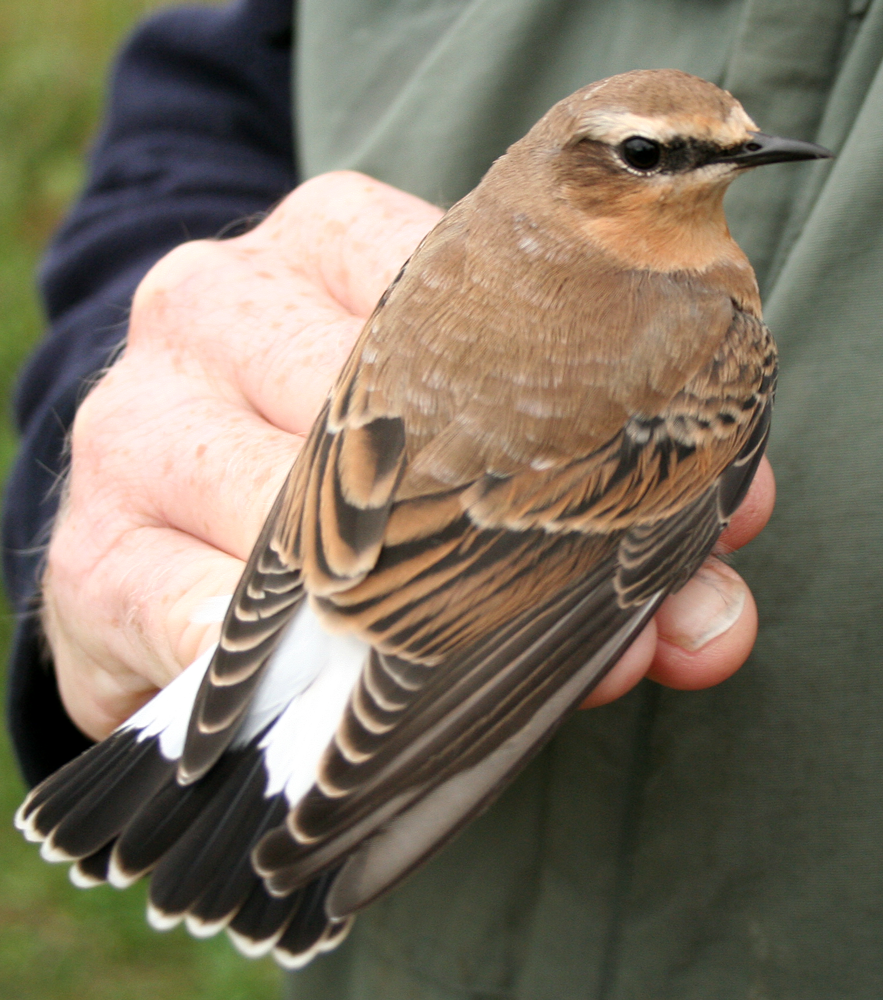
Back to Durlston this morning, where in spite of breezy conditions we ringed another 60 birds. Highlight undoubtedly was this Wheatear we caught at dawn.
The Northern Wheatear has one of the most remarkable migration of all passerines. It breeds all right across the Palearctic and also in eastern arctic Canada and Alaska. All the populations winter in Africa, which means that those from eastern Canada and Greenland make a non stop migration across the Atlantic before entering Africa, whilst those from Alaska travel the entire way across Asia to arrive in the same area. The species is very rare in the continental USA in spite lying so much closer to the Nearctic breeding grounds. The birds we see in autumn are probably from the UK / Scandinavian population, although the larger, longer winged birds are likely to be from Greenland.
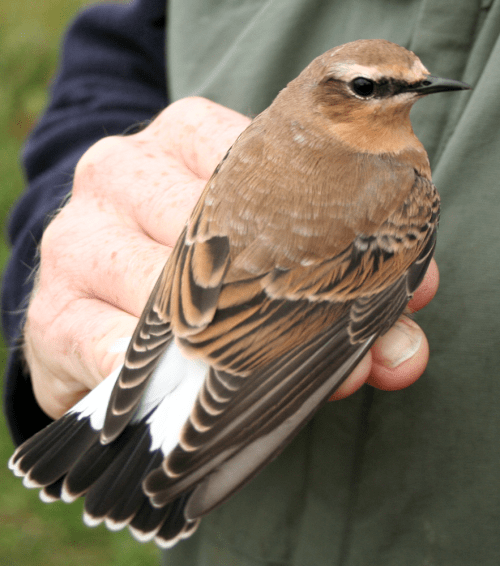
The first Wheatear we have ringed at Durlston.
In the evening I helped set up and catch 40 Pied Wagtails as they came to roost at Lytchett Bay. A late Hobby entertained us as we were waiting.

Ist year Pied Wagtails are very variable, the extent of white feathering on the nape of this individual is unusual.
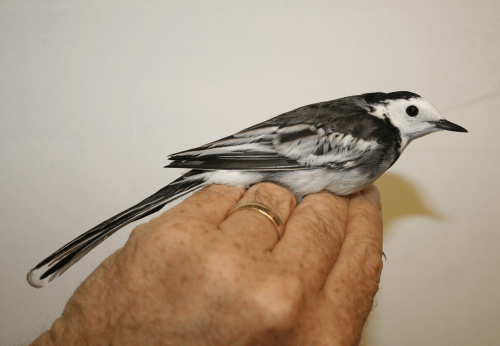
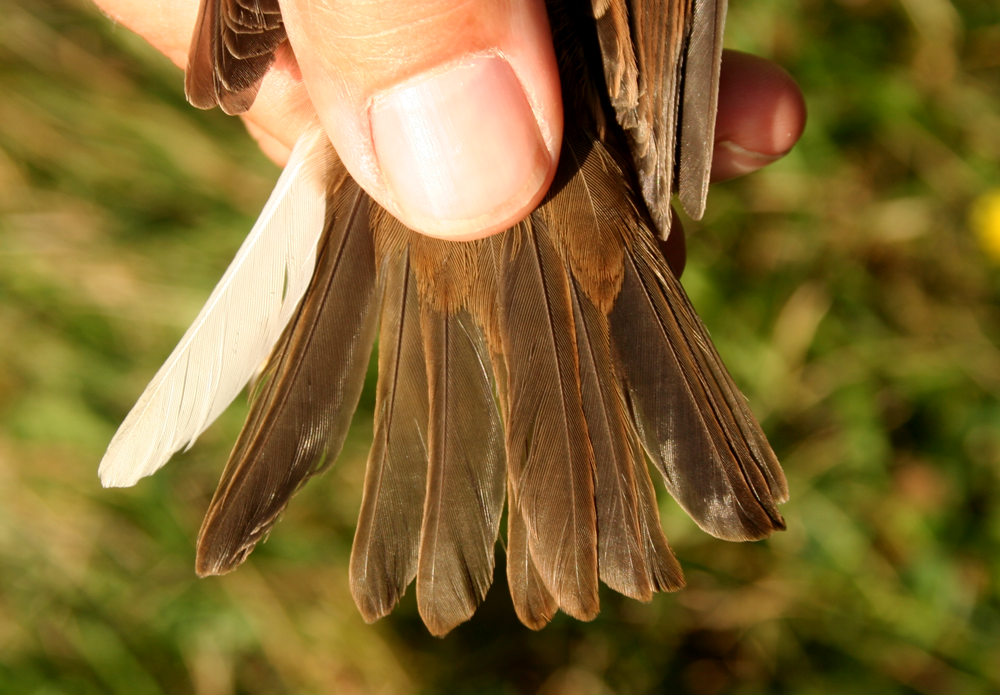
The grey back of this bird makes it look like an adult female....

..... but the contrast between the greater and primary coverts and the greyish primaries show that is a first year bird, the longer wing length helps to confirm that is a male.
I offered to show a friend and former colleague, Anne Bunn (different Anne to the one that retired last Friday) some ringing and as today was mutually convenient we met at Lytchett Bay first thing this morning.
It wasn’t the most succesful of visits with only six new birds ringed and three retraps, but at least Anne was able to see seven species of bird in the hand.

Here Anne is modeling a new line in orange wellies..

This Dunnock with a single white feather in the tail is demonstrating an aberrant plumage.
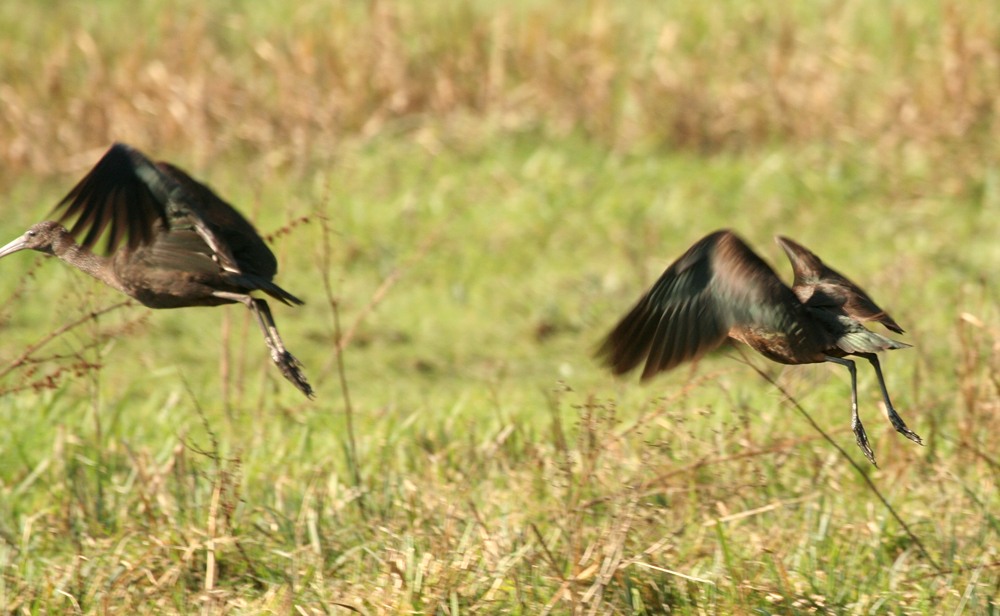
Later I headed for Stanpit, Christchurch Harbour. In the last few years there had been a small autumn influx of Glossy Ibis into the country apparently originating from southern Spain, but few have stayed long in Dorset. The attraction of three together had me heading over to Christchurch, where I had good views, in admittedly difficult light conditions, from the Priory Marsh boardwalk.
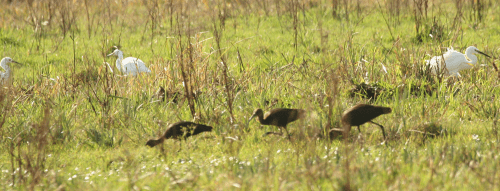
Three Glossy Ibis with three Little Egrets, a sign of global warming?

Two ibis showed particularly well...

...but soon took off...
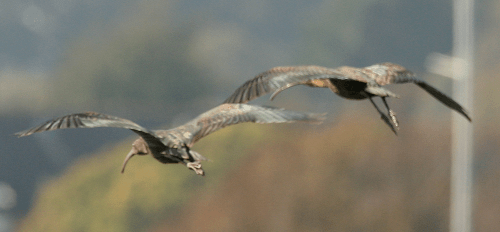
....and landed across the marsh with the third bird.

Stanpit was covered with migrant Meadow Pipits...

...and a few Wheatears and Yellow Wagtails.
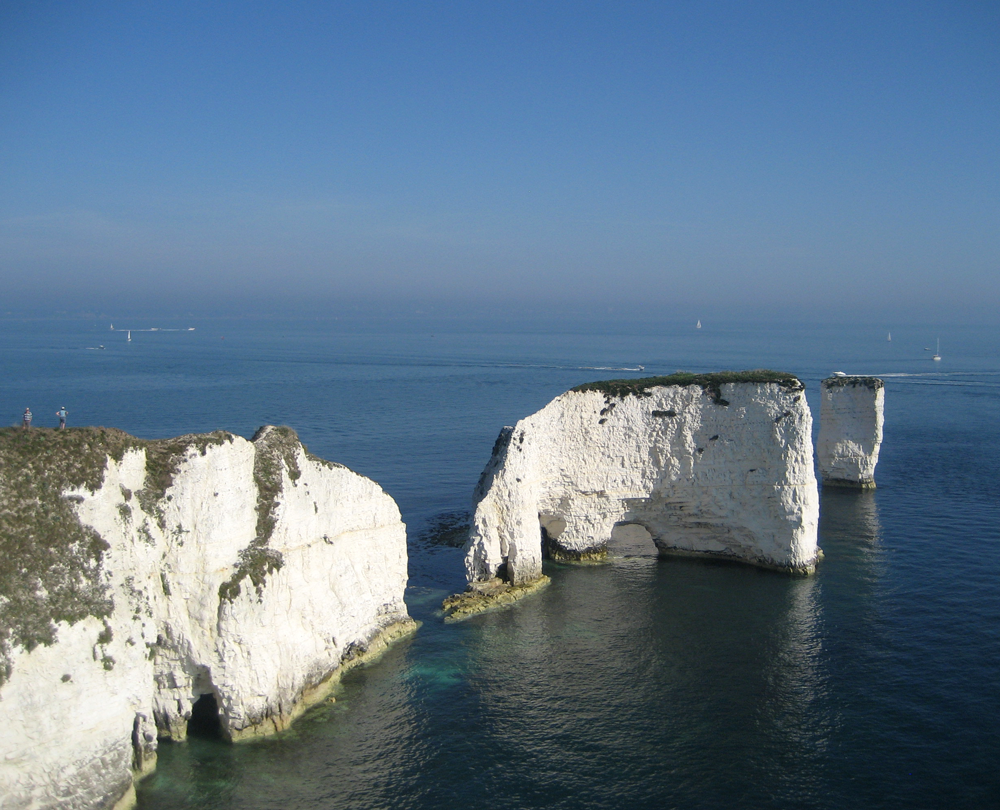
Wishing to make the most of this unseasonal weather, Margaret and I went for a short walk from Studland village to Old Harry rocks.
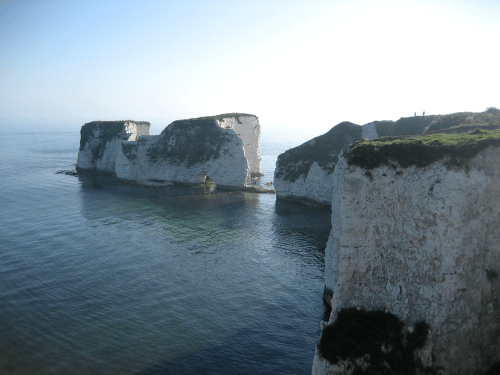
Old Harry rocks, one of the most spectacular.....
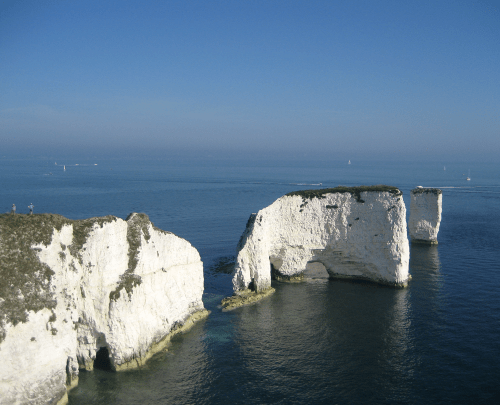
....and accessible spots on the Dorset coast.
There were a few migrants, mainly Chiffchaffs, some in song, adding to the illusion that it was mid summer. Swallows overhead and Brent Geese in the bay with temperatures in the mid thirties was another strange seasonal juxtaposition.
Good numbers of Mediterranean Gulls were seen in the bay or in a ploughed field nearby, perhaps 40 or more. A couple of Ring-necked Parakeets shot overhead at the start of the walk.
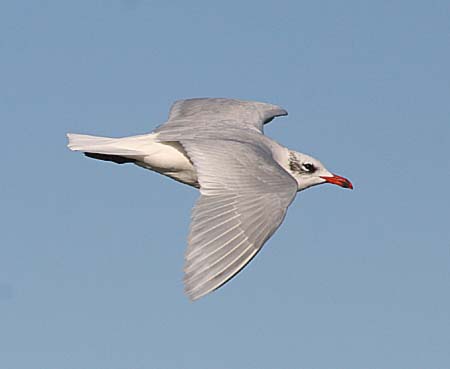
Adult winter Mediterranean Gull. Photo from the internet.
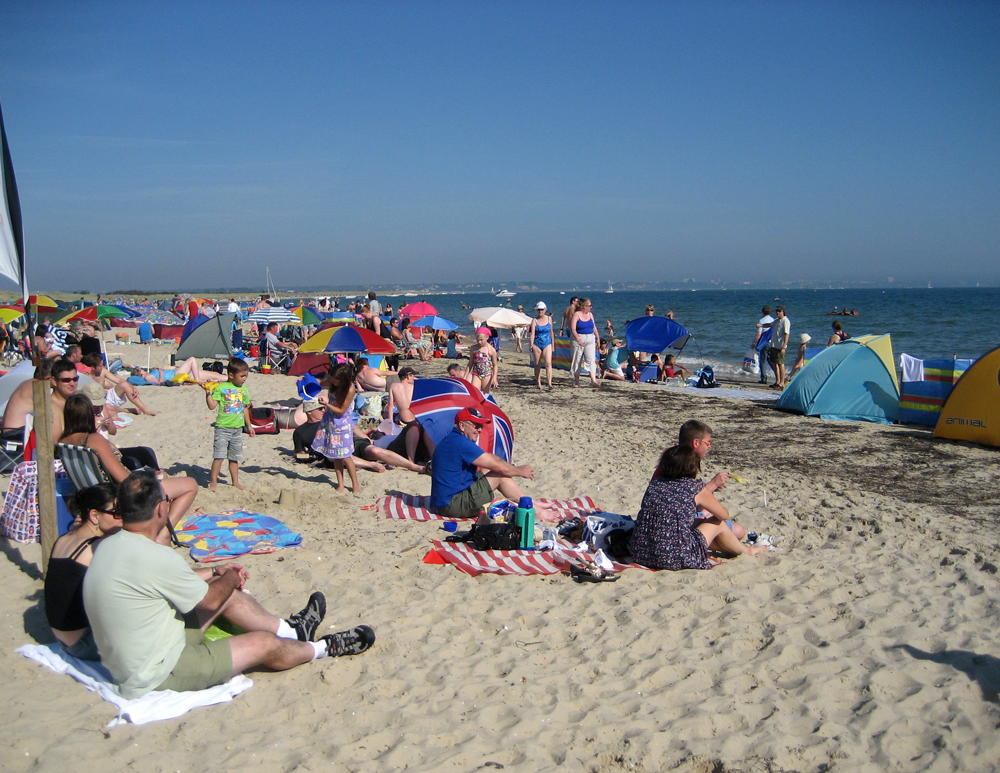
Later we headed for Knowl Beach for lunch and a short spell on the beach. It was as crowded as an August weekend, well not an August weekend in 2011. Our topsy turvy climate means that our only beach visits this year were in April and October!
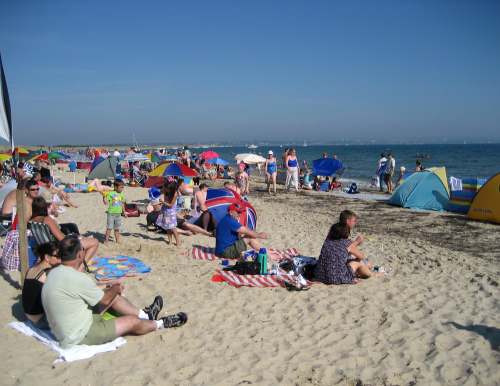
Summer time is here again !
The extraordinary warm weather continues. We opted to ring at our alternative Durlston site, the ‘goat plots’ on the slopes overlooking Tilly Whim caves. This is a lovely site with views over the sea, allowing seawatching (and in this case sunbathing) if the ringing is slow.
Although there was a lot of visible migration, or ‘vis mig’ to affecianadoes, with flocks of Goldfinch, Siskin, Pied Wagtails and the occasional Skylark heading east there were few grounded migrants. This settled spell has allowed the birds to continue their migration without the need to stop on the south coast.
What we lacked in numbers we made up for in quality with two Firecrests and a Green Woodpecker trapped.

Another stunning Durlston dawn

Compared to the juveniles illustrated on the 12/8 and 2/9 blog entries, this Green Woodpecker has completed its post-juvenile moult. Seperating it from adult plumage is based on fine differences to the barring of the coverts.
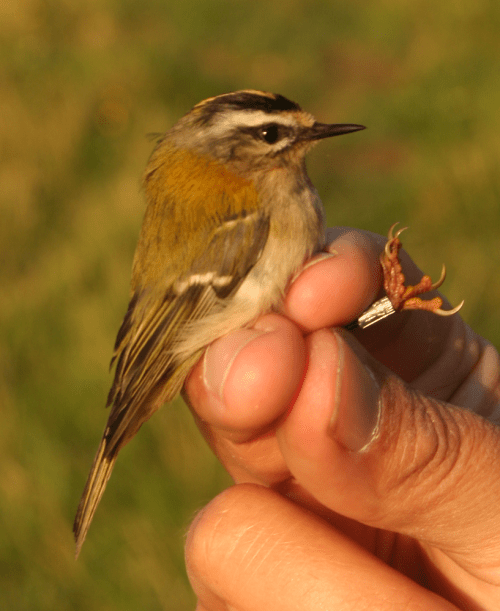
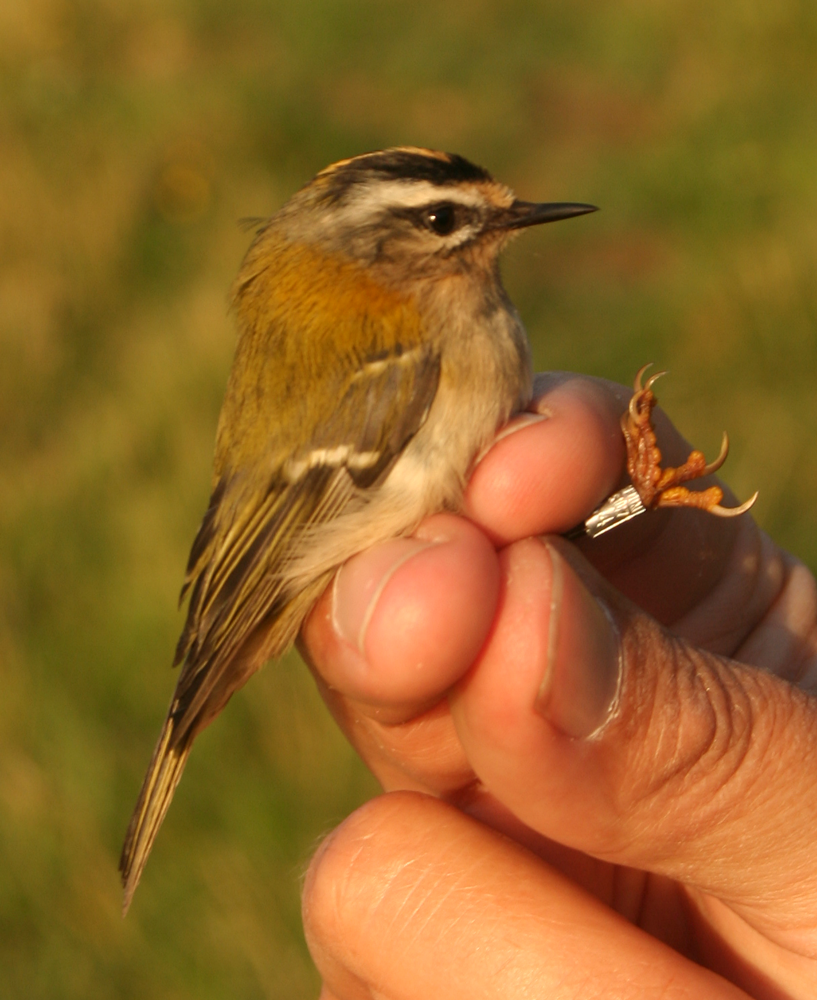
Along with Goldcrest, this Firecrest is UK's smallest bird. The mainly yellow crown indicates it is a female.
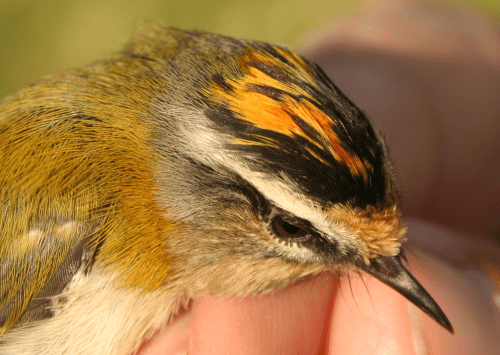
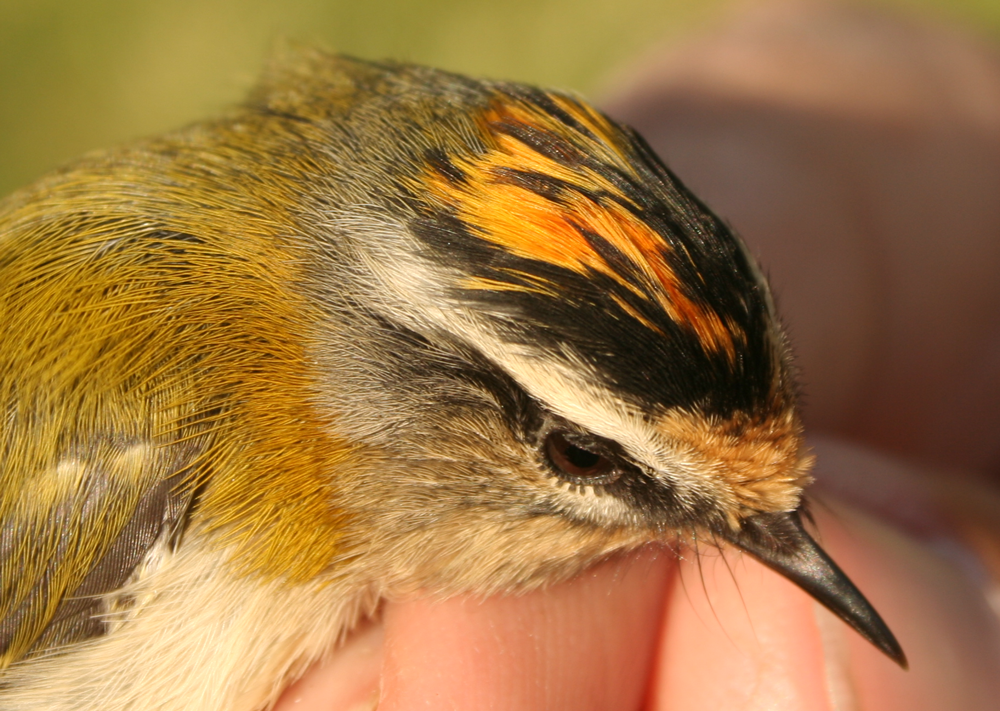
Whilst the stunning orange streak on the second bird's crown shows it is a male.




























 gryllosblog